AppWorks

689 posts

AppWorks banner
AppWorks

AppWorks

@AppWorks

Going the distance with founders in web3 + AI 🥷 2,086 founders accelerated 💎 $380M total fund size (takes both tokens & equity)

شامل ہوئے Şubat 2010
184 فالونگ1.4K فالوورز
AppWorks ری ٹویٹ کیا
TYC
TYC@johnny_tyc·
Some thoughts as a crypto VC: 1. This Q1 number (5 pre-seed deals) needs a big asterisk. People don't want to announce it now, they hold the news for better timing. So the directional read is probably right, but the drop-off looks more dramatic than it actually is. 2. That said, the underlying trend is real and for a few reasons worth unpacking. Secondary has been rough post Q4 '25, and secondary is historically the leading indicator for primary, and crypto just makes this more extreme, as in crypto, the fundraising announcement itself is a GTM tool to make your way toward TGE. But that playbook has died. So now teams are just sitting on the news, waiting for better conditions to amplify it. 3. Also from what I've heard, a lot of funds have genuinely slowed primary and rotated toward liquid. The logic being: liquid deals come with lighter vesting and even at high valuations, the risk/reward is more legible and markable. Hard to argue against that when primary deals are still priced as if a token premium exists. 4. The longer-tail issue is we're still unwinding the 2021-2022 hangover. A lot of GPs raised mega funds and still haven't found enough quality targets to deploy — which is part of why projects over the last 1.5 years raised way more than they needed at jacked valuations. This is now still correcting, slowly and painfully. 5. My bet is still that market will eventually settle around the 3 things in crypto with real PMF: Bitcoin, payment rails, and speculation infrastructure. Everything else is going to have a tough time justifying the ask.
Frank Chaparro@fintechfrank

Pre-seed crypto deals have fallen off a cliff — by quarter: Q4 ’24: 345 Q1 ’25: 117 Q2 ’25: 104 Q3 ’25: 55 Q4 ’25: 31 Q1 ’26: 5 source: the block

English
2
1
3
446
AppWorks
AppWorks@AppWorks·
Our team @cebillhsu has analyzed the current Pre-IPO market for Anthropic. During our research, we discussed several Pre-IPO tokenization channel, but we found that the current transaction costs are simply too high to own Anthropic If any team is currently working on a solution to liquidity for pre-IPO equity, please feel free to contact us.
Bill Hsu@cebillhsu

x.com/i/article/2026…

English
0
0
2
245
AppWorks ری ٹویٹ کیا
Bill Hsu
Bill Hsu@cebillhsu·
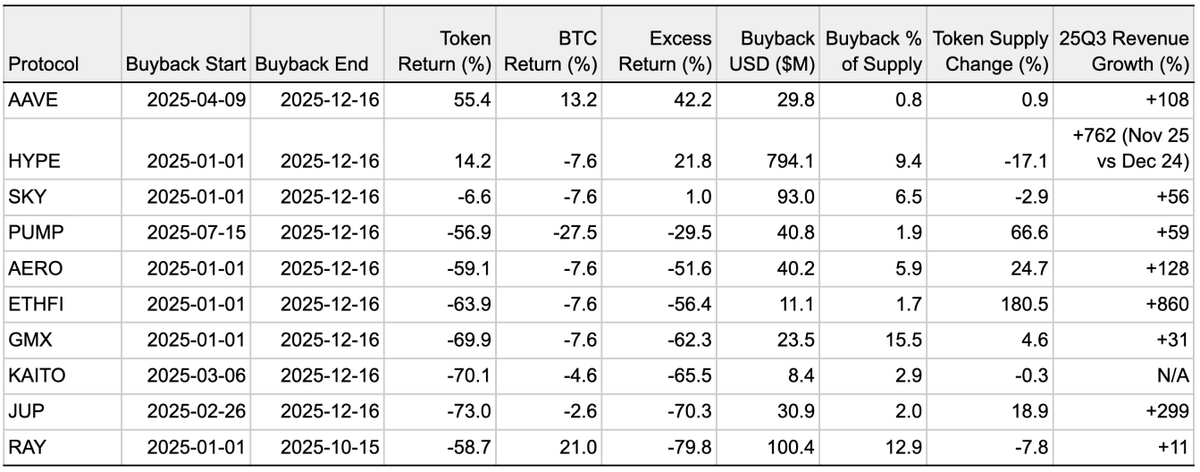
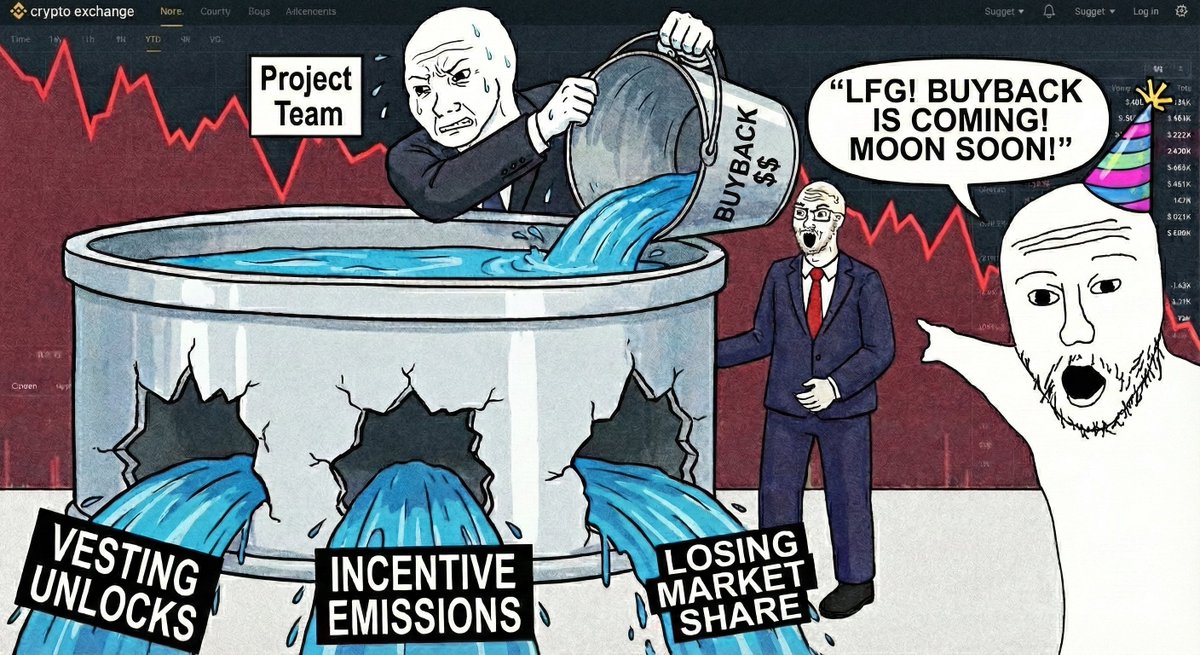
Do Token Buybacks Really Lift Token Prices? This analysis aims to answer the question: "Do token buyback explain token price performance (excess return vs BTC) in a consistent, repeatable way?" TL;DR: Buybacks help, but they don’t “save” tokens - Only 3/10 tokens beat BTC during their buyback windows (AAVE / HYPE / SKY). Big buyback headlines still often underperform. - Net supply matters more than buyback spend: buybacks must actually reduce/flatten circulating supply; otherwise issuance, vesting, and emissions overwhelm the effect. - The repeatable pattern: buybacks + flat/declining supply + improving fundamentals/competitive outlook → positive excess return. Miss any one, and excess return is hard—even with large buybacks Result This analysis focuses on 2025 (YTD) buyback amount, and uses excess return vs BTC as the price-performance metric, to assess whether there is any stable correlation/explanatory framework between buybacks and excess return. Also the analysis incorporated the broader context of net supply dynamics and fundamentals/competitive landscape, to avoid over-attributing price moves to buybacks alone. Key Finding 1) Token returns are driven by many factors; buybacks can matter, but alone they have limited explanatory power Even with high buyback % of supply, outcomes differ materially (e.g., strong outperformance like HYPE vs significant underperformance like GMX and RAY). In these 10 cases, only 3 tokens have positive excess return (AAVE / HYPE / SKY). 2) Net supply dynamics are more important than buyback. Supply is affected not only by buybacks (repurchase/burn), but also by vesting, issuance, airdrop unlocks, incentive emissions, and any mechanism that increases circulating supply. Practically, what matters is the net effect: “buyback reduction” minus “new circulating supply added” over the same period. 3) Competition and business performance (revenue/TVL growth) can materially change the marginal impact of buybacks. When core business growth is strong and supply is relatively clean, buybacks are more likely to be priced as long-term value return; when supply inflates rapidly or competition deteriorates, the buyback effect is often offset by supply or fundamentals. 4) Quick conclusion: Buyback + no additional supply + improving business & outlook → all three are necessary for excess return From this 2025 YTD sample, the tokens with positive excess return (AAVE, HYPE) share a common pattern: (1) meaningful buybacks, (2) supply that is flat or declining (not inflating), and (3) business fundamentals that are stable-to-improving. When any one of these three conditions is missing, excess return becomes difficult to achieve—even if buybacks are large in absolute terms. SKY also has positive excess return, but its business fundamentals are not improving, resulting in only modest token performance. - Missing buybacks or supply discipline: tokens like PUMP, AERO, ETHFI, and JUP all have buybacks, but supply still rises materially, overwhelming the buyback effect. - Missing business momentum: tokens like GMX and RAY have buybacks and even some supply reduction, but face deteriorating competitive position or revenue decline, making it hard for buybacks to drive sustained outperformance. Closing Thoughts More broadly, 2025 may be remembered as the year crypto started learning capital allocation discipline. Looking into 2026, the more interesting question is whether leading protocols can turn buybacks from a narrative into a predictable capital return policy—with clear rules, transparency, and credibility over time. Policy credibility comes from rules + repetition: either tie buybacks to FCF, or tie them to valuation—then execute through cycles.
Bill Hsu tweet mediaBill Hsu tweet mediaBill Hsu tweet mediaBill Hsu tweet media
English
1
2
9
746
AppWorks
AppWorks@AppWorks·
Our principal Ching Tseng (@chingtsengtw) shared a piece about on chain governance recently. Tokens are digital shares. Holders should focus on value appreciation and effective governance, while users engage with products without needing to own tokens. The convergence of TradFi and crypto is here. Governance as code is the future. What do you think—ready to treat tokens as shares?
Ching Tseng@chingtsengtw

x.com/i/article/2001…

English
0
0
2
240
AppWorks ری ٹویٹ کیا
Bill Hsu
Bill Hsu@cebillhsu·
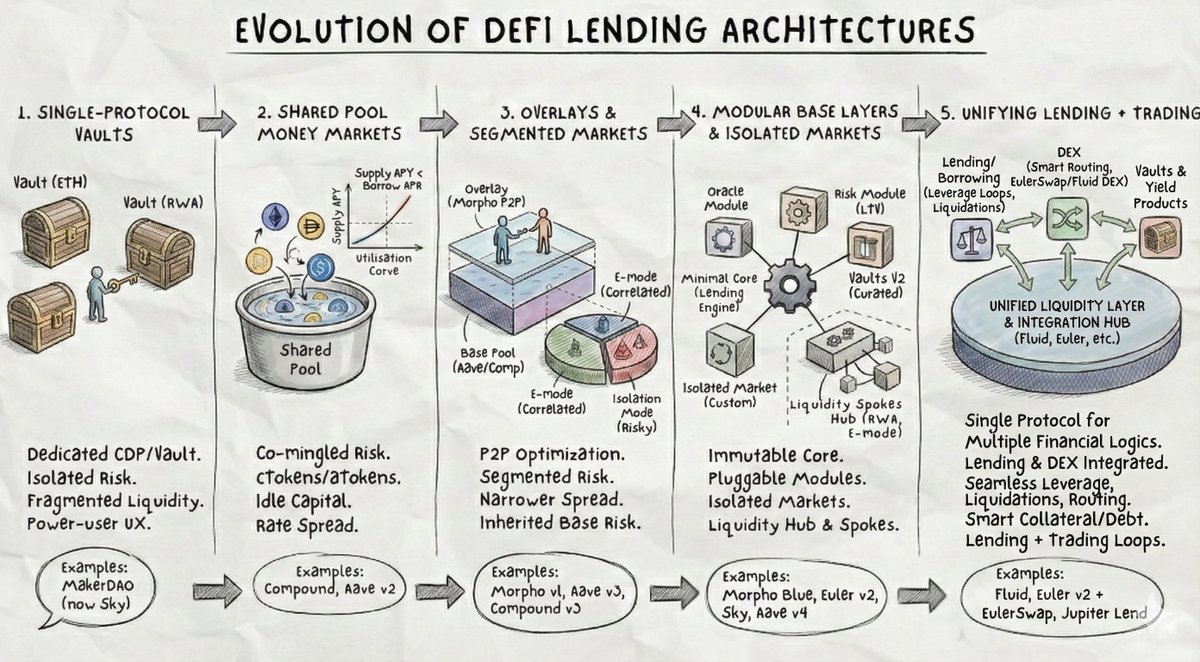
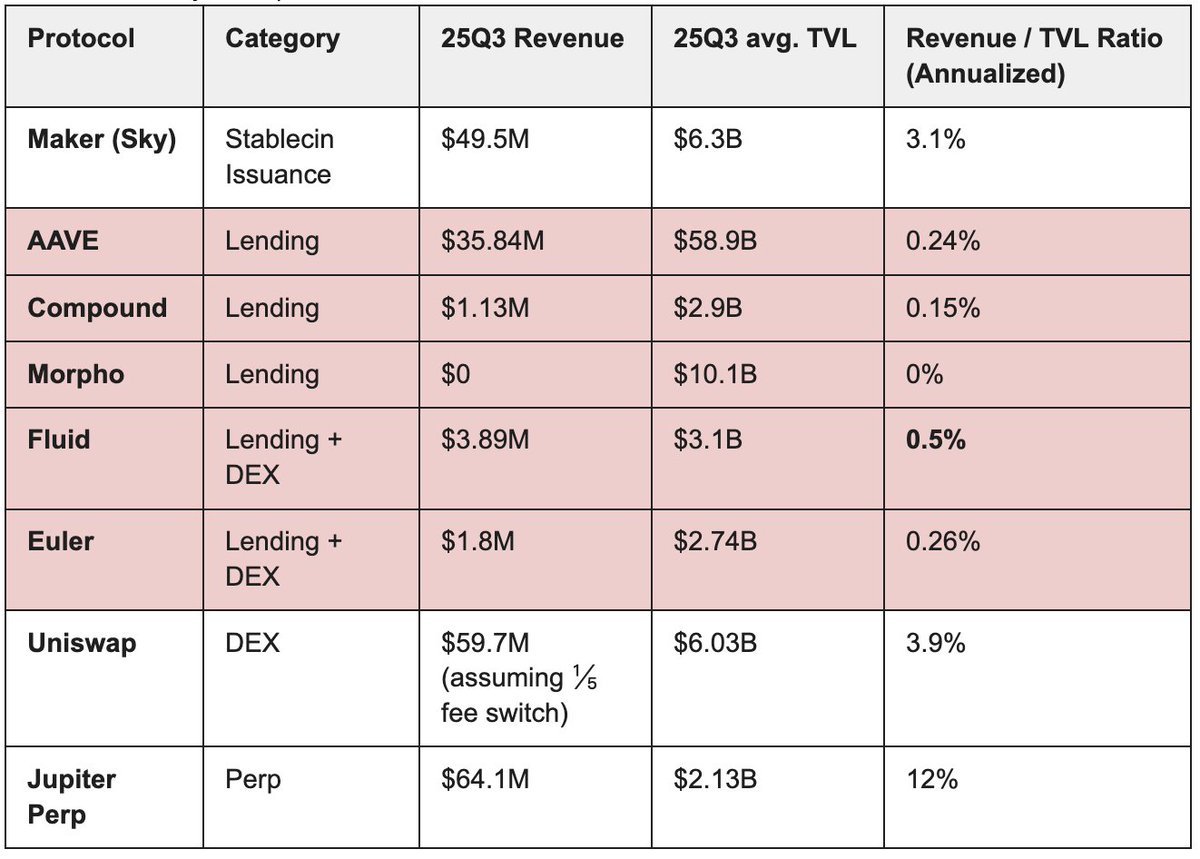
DeFi Lending Market Revisit 2025 The category is evolving into a multi-purpose liquidity hub, and the clearest way to see it is the architecture shift from Gen 1 to Gen 5. Gen 1: Single-protocol vaults (@SkyEcosystem ) Separate vault per collateral type. Strong isolation, but liquidity is fragmented. It’s closer to onchain credit lines than a general money market. Gen 2: Shared pool money markets (@compoundfinance , @aave v2) Many assets in one pool, and deposits are “tokenized” into transferable receipt tokens (aTokens/cTokens). That deposit token can be reused across DeFi (as collateral, in vaults/strategies, etc.), which is why composability is high and TVL can scale fast. But risk is co-mingled and a lot of capital stays idle. Because one bad asset can threaten the entire pool, a pooled model typically needs a wider supply/borrow spread and more conservative LTV parameters to absorb tail risk. That increases idle capital and lowers the protocol’s capital efficiency. Gen 3: Optimization overlays and segmented markets (@Morpho v1, Aave v3) Morpho v1 started as a P2P matching layer on top of Aave/Compound: match lenders and borrowers directly, and fall back to the underlying pool when no match exists. This narrows the supply/borrow spread by reducing the “pool buffer” wedge and idle liquidity. In parallel, Aave v3 improved segmentation: Isolation Mode quarantines new/risky assets, while E-mode groups highly correlated, lower-risk collateral/borrow pairs so the system can safely allow higher LTV and better capital efficiency inside that bucket. Gen 4: Modular base layers and isolated markets (Morpho Blue, @eulerfinance v2, Aave v4) Minimal lending engines with risk modules unbundled. This reduces contagion and makes market creation more permissionless. Morpho Blue and Euler v2 both split the world into Markets and Vaults: Markets are the primitive lending engine; Vaults sit on top and allocate deposits across markets via curators who set risk budgets and allocations. Gen 5: Lending and DEX integration (@0xfluid Lending + DEX, Euler v2 + EulerSwap) The big idea is to merge lending and trading loops so leverage, liquidations, and routing can feed directly into the lending market. Fluid goes further with a shared liquidity layer: assets live in one base layer and lending, DEX, and vaults become applications on top, so liquidity doesn’t need to “move across protocols.” Euler emphasizes the lending x DEX coupling via Euler v2 plus EulerSwap, but the DEX liquidity itself can still come from separate LP sources, so the key point is integration rather than a single shared liquidity pool. The trajectory really is single‑asset vaults → pooled markets → overlays / segmented markets → modular base layers → shared liquidity layers + specialized sub‑protocols. Euler v2 and Fluid are the “latest generation” that not only modularize risk, but also natively unify lending and trading so that leverage, liquidations, FX and structured products are all downstream of one credit engine. Why this matters: capital efficiency. Whoever generates the most revenue per dollar of TVL tends to win. Revenue over TVL (annualized, 25Q3): Why some names look much higher on the same chart: Maker (Sky): stablecoin issuance and balance-sheet style revenue, not a straight lending money market, so the TVL denominator isn’t apples-to-apples. Uniswap: revenue is trading fees (sometimes modeled with a fee switch take rate), so strong orderflow can drive a higher revenue-to-liquidity ratio. Jupiter Perp: perp revenue tracks notional volume more than TVL; margin needs can be small while volumes are huge, so the ratio can look extreme. Why Fluid stands out structurally (Revenue / TVL = 0.5%, highest among lending competitors) : Smart Collateral and Smart Debt mean collateral (and even debt) can be productive as DEX liquidity. One capital base can earn two streams: lending yield and trading fees. Its liquidation engine is designed around tick-based liquidations with an integrated DEX, enabling very high LTV with very low liquidation penalties (per its design claims). This is where the market is heading: liquidity layers, not just lending pools. This is the beginning. I’ll go deeper on Fluid’s design in future posts. Stay tuned. Stay Fluid.
Bill Hsu tweet mediaBill Hsu tweet media
English
0
3
15
800
AppWorks
AppWorks@AppWorks·
AppWorks #31 Demo Day Recap|Web3 Track We had 28 teams on stage this round, and the Web3 track ended up pointing to a pretty clear through-line. Everything’s moving on-chain. Not in a hypey way, more in a “this is probably what financial infrastructure looks like in a few years” way. Our four Web3 teams captured that shift pretty neatly: @hataglobal (MY): a regulated exchange anchoring Malaysia’s crypto market. @Juic3Labs (TW): battery assets as RWA. @SingularDAO (HK): tokenized pre-IPO equity with actual distribution paths. @Auki (HK): a crypto-powered data layer for robots. --- For next batch, we’re looking for teams building across this entire on-chain banking stack. If you’re working on anything along these lines: - stablecoin payments or wallets (consumer or B2B) - crypto / virtual cards - cross-border payout systems - treasury or liquidity management - expense automation, AR/AP (on-chain or hybrid) - RWA issuance or secondary markets - custody, MPC, permissioning - regtech, KYB/KYC, risk - liquidity infra, on/off-ramps, market-making primitives Applications for AppWorks Accelerator #32 are open. Join the largest founder community in GSEA. 👉 Apply here: lnkd.in/fnFAQ8G
AppWorks tweet media
English
0
0
4
175
AppWorks ری ٹویٹ کیا
TYC
TYC@johnny_tyc·
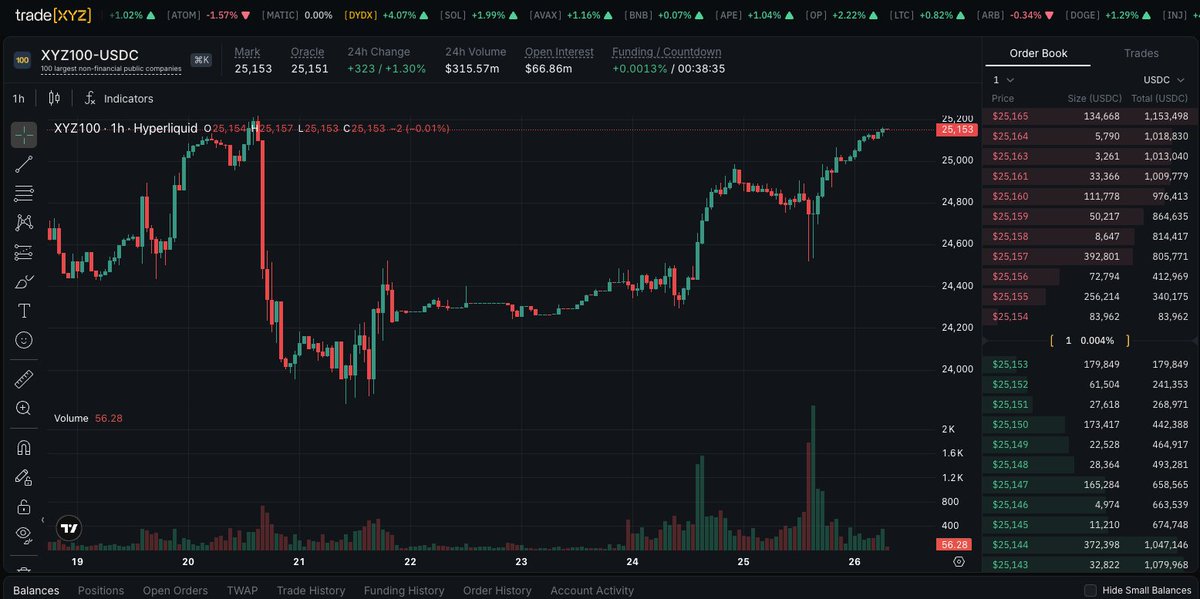
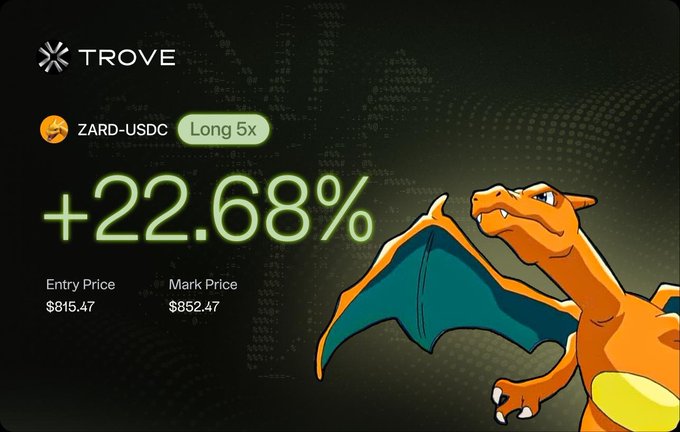
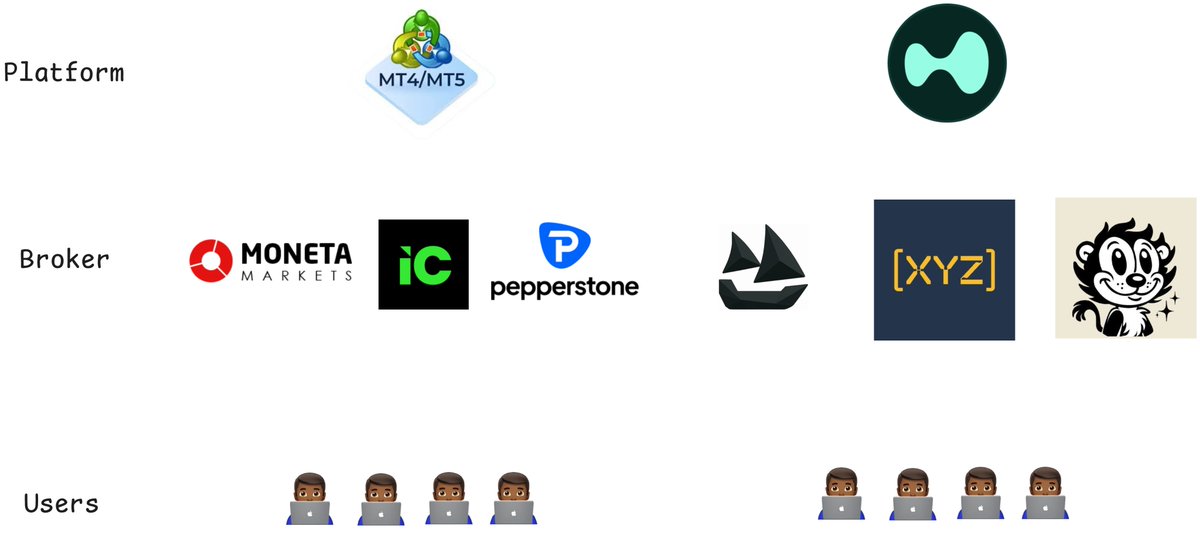
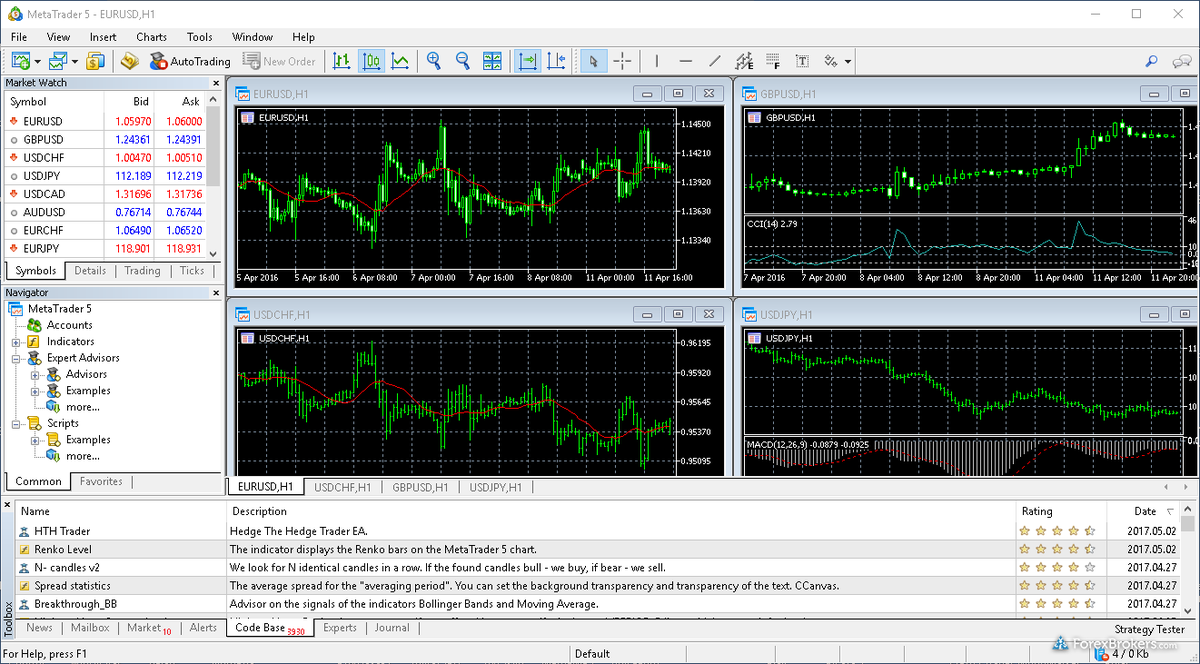
HIP-3: Democratization of Crypto Brokers I think HIP-3 is a brilliant move to challenge the many centralized exchanges out there that have zero differentiation. Before this, @HyperliquidX was running a “liquidity-as-a-service” playbook; now, they are shifting to “infrastructure-as-a-service” to expand their offerings (and defensibility). 💡First, let’s recap what HIP-3 does: ➡️ HIP-3 represents Builder-deployed Perpetuals. The deployer needs to stake 500K HYPE (~$15M) as provided economic security to the ticker. They also need to set the oracle definition, leverage limits, and market settlements, basically managing the market, and in return they get to keep 50% of the total trading fees. To date, players like @tradexyz and @felixprotocol have already deployed several US equity trading pairs via HIP-3. The flagship pair, XYZ100, clocked in at ~$300M in daily trading volume over the last 24 hours. You can tell Hyperliquid is getting serious about this vertical—they just kicked off "Growth Mode," slashing trading fees by 90%. This framework actually reminds me of the Forex trading days. In that world, the dominant platforms are MT4 and MT5—software developed by the Russian company MetaQuotes. Across different local markets, you’d have various white-label brokers managing their own orderbooks and pairs, but on the backend, they all utilized the same MT4 infrastructure and EAs (Expert Advisors, which are like trading scripts). Pre-crypto, Forex trading in Chinese-speaking regions was wild. There were likely hundreds, if not thousands, of small local brokers onboarding users via "boots-on-the-ground" tactics like localized groups and workshops. That grassroots approach is exactly what drove the global adoption of MT4 and MT5, helping them capture the lion's share of the retail market. Bringing it back to Hyperliquid, HIP-3 is the exact same playbook. Here, Hyperliquid acts as the MT4/MT5 layer, and the HIP-3 deployers are the brokers. These deployers have the autonomy to configure markets exactly how they prefer, all while leveraging the battle-tested trading rails Hyperliquid has already built. Essentially, you can think of each deployer as running their own boutique exchange. Before HIP-3, this was impossible. Building robust trading infrastructure is incredibly capital intensive—easily costing tens of millions, if not more. That overhead kept many potential players on the sidelines. And even if you did spend the money, you still faced massive execution risks, like hacks and exploits. This high barrier effectively locked out countless brokers who actually possessed the domain knowledge to list and manage niche markets. But now, with HIP-3, we can expect these brokers to finally work their magic. US Equities are obviously the low-hanging fruit here, and @tradexyz is already doing an incredible job capturing that flow. But we’re also seeing teams like @TroveMarkets, who specialize in collectibles (a massive, untapped market), gearing up to launch unique perps like $POKE and $ZARD. Granted, the current upfront requirement of staking 500k $HYPE is steep, most prospective deployers simply don't have that kind of liquidity on hand. But there is a silver lining: 1. The cost is expected to decrease gradually over time. 2. $HYPE LST/vault products could potentially bridge this gap (a topic I’ll cover in my next piece). In short, I’m incredibly bullish that HIP-3 will unlock a massive array of new instruments on Hyperliquid. The endgame is becoming increasingly clear: They have already cemented themselves as the premier liquidity layer for crypto assets. Now, driven by the democratization of brokers, they are expanding to become the ultimate liquidity layer for all assets.
TYC tweet mediaTYC tweet mediaTYC tweet mediaTYC tweet media
English
3
5
23
3.3K
AppWorks
AppWorks@AppWorks·
🚀 AppWorks Demo Day #31: Web3 & DePin Builders Shipping Real-World Utility Today in Singapore, AppWorks hosted Demo Day #31, where 16 startups from AI, IoT, Web3, and DePin took the stage — with a standout group pushing on-chain infrastructure from narrative into real-world adoption. Here are the Web3 & DePin teams redefining how value moves in and out of Southeast Asia: 🔗 On-Chain Finance & Assets @hataglobal (MY) – A regulated MYR & USD digital asset exchange with 200K+ users, building compliant rails that connect Southeast Asia to the global crypto economy. @SingularDAO (HK) – Opening up access to private equity with fractionalized exposure to a USD 200M+ pipeline that includes names like SpaceX, OpenAI, and Anduril — all structured on-chain. 🌐 Real-World Web & DePin @Auki (HK) – Building the “real-world web” that anchors AI copilots to physical locations across 1,000+ sites, enabling spatial computing and persistent, shared AR experiences. Juic3 Labs (TW) – Deploying distributed battery networks that stabilize future energy grids, turning energy storage into programmable, on-chain infrastructure. Together, these teams show what the next phase of Web3 looks like in SEA: regulated exchanges, institutional-grade access, and real-world networks, all with users, revenue, and clear market pull. 🌱 Beyond Web3: 16 Startups on Stage in SG While we’re spotlighting our Web3 & DePin founders here, Demo Day #31 in Singapore featured 16 teams in total, spanning AI, IoT, fintech, mobility, travel, and authentication — all building the rails for Southeast Asia’s next tech cycle. 💬 Why It Matters AppWorks now supports 653 startups and 2,086 founders, collectively valued at US$37.7B. Demo Day #31 underscores how on-chain infrastructure in SEA is no longer speculative — it’s becoming part of the region’s core financial, physical, and digital stack. If you’re building in On-Chain Banking, applications for AW#32 are open >> lnkd.in/gzcs3Qj
AppWorks tweet media
English
1
0
8
303
AppWorks ری ٹویٹ کیا
Bill Hsu
Bill Hsu@cebillhsu·
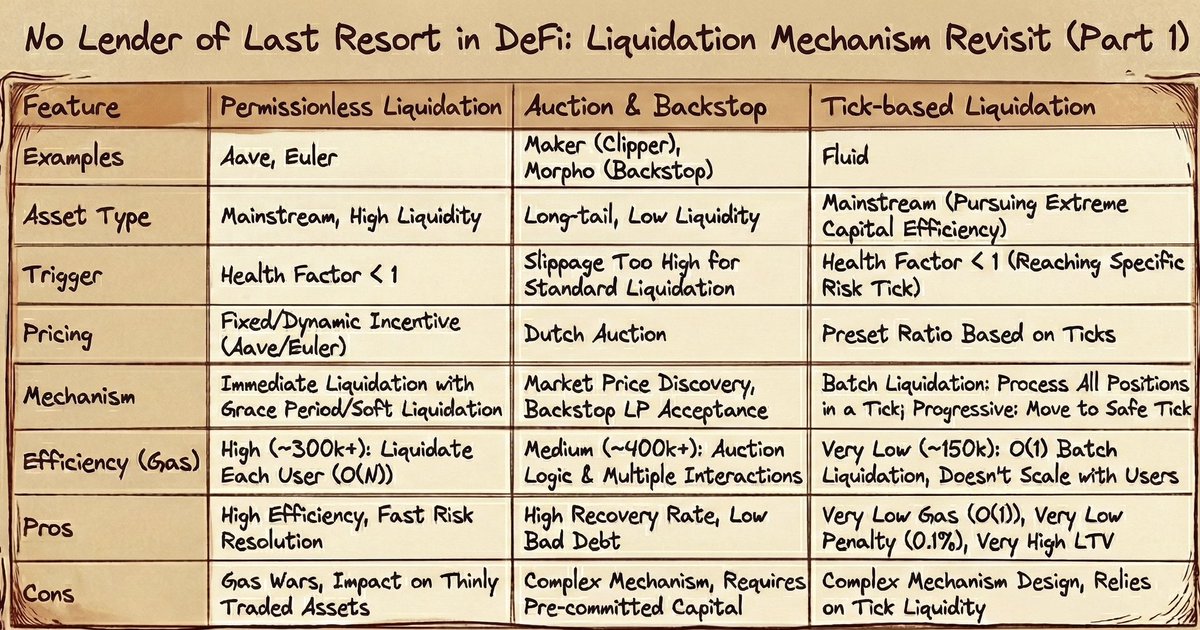
What can DeFi do without a lender of last resort? Recent events like Stream Finance and Elixir triggered a classic DeFi stress test: asset-side blow-ups → lender panic → liquidity crunch. In TradFi, the instinctive answer is: “Where is the Lender of Last Resort (LLR)?” But in DeFi, that mental model is wrong by design. ———————— No Central LLR in DeFi DeFi has no central bank to print money and bail out bad risks. Instead, stability comes from a stack of rules and reserves, not a single savior: 1.Liquidation rules – programmatic, permissionless, transparent 2.Internal safety modules – protocol-native buffers (treasury, insurance funds, backstops) 3.Market confidence – risk parameters, listings, oracle design, governance 4.External insurance – last layer of protection, not first If we assume an LLR will always show up, we create moral hazard like over-leverage, lazy risk management, and a fragile system. DeFi’s ethos is “code is law”: predictable rules > discretionary bailouts. ————————————— Liquidation as Market Discipline In lending protocols, liquidation is the enforcement layer that keeps the system solvent. PERMISSIONLESS LIQUIDATION Idea: When a position’s health factor drops below a threshold, anyone can liquidate and earn a reward. Best for: Blue-chip and deep-liquidity assets, where markets can easily absorb size. Examples: – Aave Fixed liquidation bonus + “close factor” (e.g. max 50% per liquidation). Avoids instant full nukes and spreads market impact over time. – Euler Dynamic incentives + “soft liquidation”. Gradually converts collateral into the debt asset near the threshold, reducing price impact and preserving part of the user’s position. – Fluid Tick-based aggregated liquidation. Users with similar risk profiles are grouped into “ticks”. Liquidators clear many positions in one action; positions migrate from high-risk ticks to safer ticks instead of brute-force closing. Challenge: During volatility, liquidators race each other → gas wars and MEV games. 2.AUCTION LIQUIDATION & BACKSTOPS Idea: When spot liquidation would cause huge slippage, move to auction-based price discovery with committed capital behind it. Best for: Long-tail or thin-liquidity assets. Examples: – Maker (Clipper) Dutch auction: price starts high and decays until buyers step in. Lets the market discover a fair price instead of panic-dumping into AMMs. – Backstop LPs Pre-committed capital that agrees to step in when auctions hit certain prices. Acts as a liquidity floor, reducing bad debt and contagion risk. Benefit: Higher recovery rates, smoother unwinds, and better system-wide solvency. ———— Summary – DeFi does NOT rely on a central Lender of Last Resort. – Stability comes from well-designed liquidation rules, internal safety modules, backstops, and external insurance. – “Code is law” means we prefer transparent, predictable, on-chain rules over human discretion and ad-hoc bailouts. Next step: we will explore internal safety modules next time.
Bill Hsu tweet media
English
0
1
3
418
AppWorks ری ٹویٹ کیا
Ching Tseng
Ching Tseng@chingtsengtw·
The Real Barrier to AI-Agent Micropayments: Finality Risk People have been talking about AI-agent payments for years, and the conversation exploded after Google AP2 and x402 were announced. It suddenly felt like machines paying machines was right around the corner. We began imagining agents buying API calls on demand, switching cloud regions based on price, paying per token of data, or streaming tiny units of value as they consume resources. On paper, it sounds like the perfect match between AI automation and micropayments. But when you compare these ideas to the actual payment infrastructure we have today, both traditional payment rails and blockchain networks, the biggest obstacle isn’t cost, scalability, or user experience. It’s something far more fundamental and much harder to fix: finality. Micropayments feel like a natural fit for blockchains. Traditional payment systems were never designed for $0.0003 transactions or thousands of transfers per second. They rely on fixed fees, multi-day clearing cycles, and dispute windows calibrated for human behavior, not autonomous agents. Blockchains, by contrast, offer global reach and programmable transfers with low marginal costs. So when people imagine agents paying each other in tiny increments, they intuitively reach for crypto rails. But this assumption holds only until you realize that micropayments aren’t really about the fee structure. They’re about settlement guarantees, and this is where everything breaks. A Layer 1 chain can’t finalize transactions fast enough or cheaply enough for real-time machine-to-machine payments, so the industry naturally shifts the conversation toward Layer 2 networks. L2s feel instant: a sequencer accepts your transaction, the wallet UI updates immediately, and the user believes the payment is done. But that instant UX is not real finality. It’s only a pre-confirmation. The sequencer still needs to batch your transaction, submit it to L1, wait for inclusion, and only then does it become economically irreversible. For human payments, this delay is acceptable. For an AI agent operating on millisecond time frames, it creates a structural mismatch. The agent receives the service instantly, but the payment only becomes final sometime later. If the batch is censored, delayed, reordered, or fails, the provider has already delivered something that cannot be taken back. In other words, the business action happens immediately, but the financial finality lags behind, and the gap between the two is where all the risk sits. Once you acknowledge that gap, a question emerges that most people in this space have been avoiding: who actually carries the risk during this window? If a sequencer goes down, or the batch is reverted, or the user runs out of funds after consuming the service, someone must absorb the loss. But nobody wants to say who. Right now, the implicit answer is: no one clearly does. Service providers are expected to deliver instantly and hope that the settlement eventually finalizes. Sequencers implicitly act as if they’re underwriting payments, but they aren’t regulated, capitalized, or insured like a real financial institution. And the idea that every user should post large collateral deposits completely defeats the purpose of micropayments. The system works only when nothing goes wrong, which is exactly the kind of assumption you cannot make in real-world commerce, especially when AI agents operate autonomously at high speed. This is why micropayments still don’t work in production settings. Not because the technology “isn’t ready,” but because the economic model behind finality is unresolved. Agents can move faster than blockchains can settle, and in that gap lives unpriced credit exposure, default risk, and unclear accountability. The industry doesn’t need a faster chain; it needs a coherent answer to a simple but unavoidable question: Who guarantees payment when the agent has already consumed the service but the settlement is still pending? Until that question is answered, whether through insured pre-confirmations, restaking-backed guarantees, sequencer collateralization, or an entirely new trust model, AI-agent micropayments will remain stuck in demos and prototypes. The vision is compelling. The mechanics are broken. And the missing piece isn’t throughput or fees or UX. It’s the oldest problem in finance resurfacing in a new form: finality without a clearly defined guarantor isn’t finality at all. Let me know your thoughts and the projects you think that is solving this problem. #Blockchain #Aiagent #agentpayment #AGENT
English
15
2
26
1.2K
AppWorks ری ٹویٹ کیا
Bill Hsu
Bill Hsu@cebillhsu·
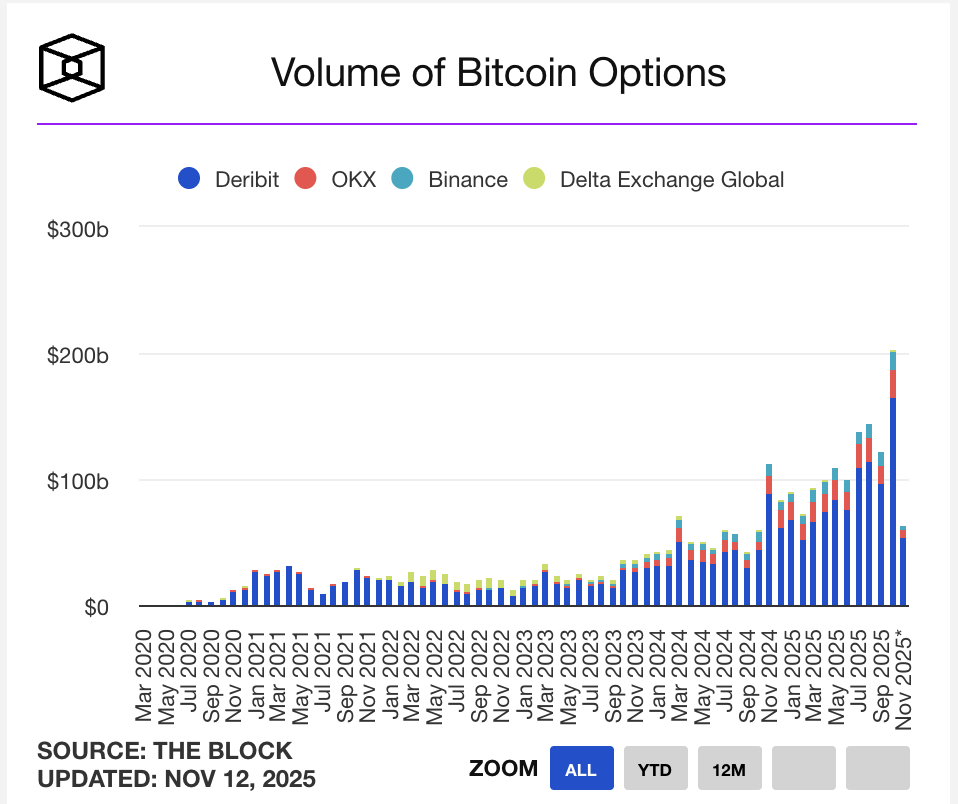
Crypto Option Market Revisit Crypto options = back-to-back breakouts. Volumes roughly doubled in 2024 (Deribit +99% YoY) and doubled again in 2025 as institutions piled in. October still printed near-record activity: BTC options OI hit ATHs even in a shaky market.
Bill Hsu tweet media
English
3
2
5
453
AppWorks
AppWorks@AppWorks·
Check out the in-depth analysis of the implications of #Unification by @johnny_tyc 🔥
TYC@johnny_tyc

0/ Breaking down #UNIfication from the $UNI value accrual POV 🧵 🦄 Use Protocol Fees to burn $UNI TLDR: It’s huge and meaningful. But at the expense of LP’s profitability. Need to observe more. The long overdue and highly anticipated fee switch will go live. TLDR would be using 1/4 to 1/6 (depends on the pool fee tier) of the LP fees to burn $UNI.

English
0
0
3
312
AppWorks
AppWorks@AppWorks·
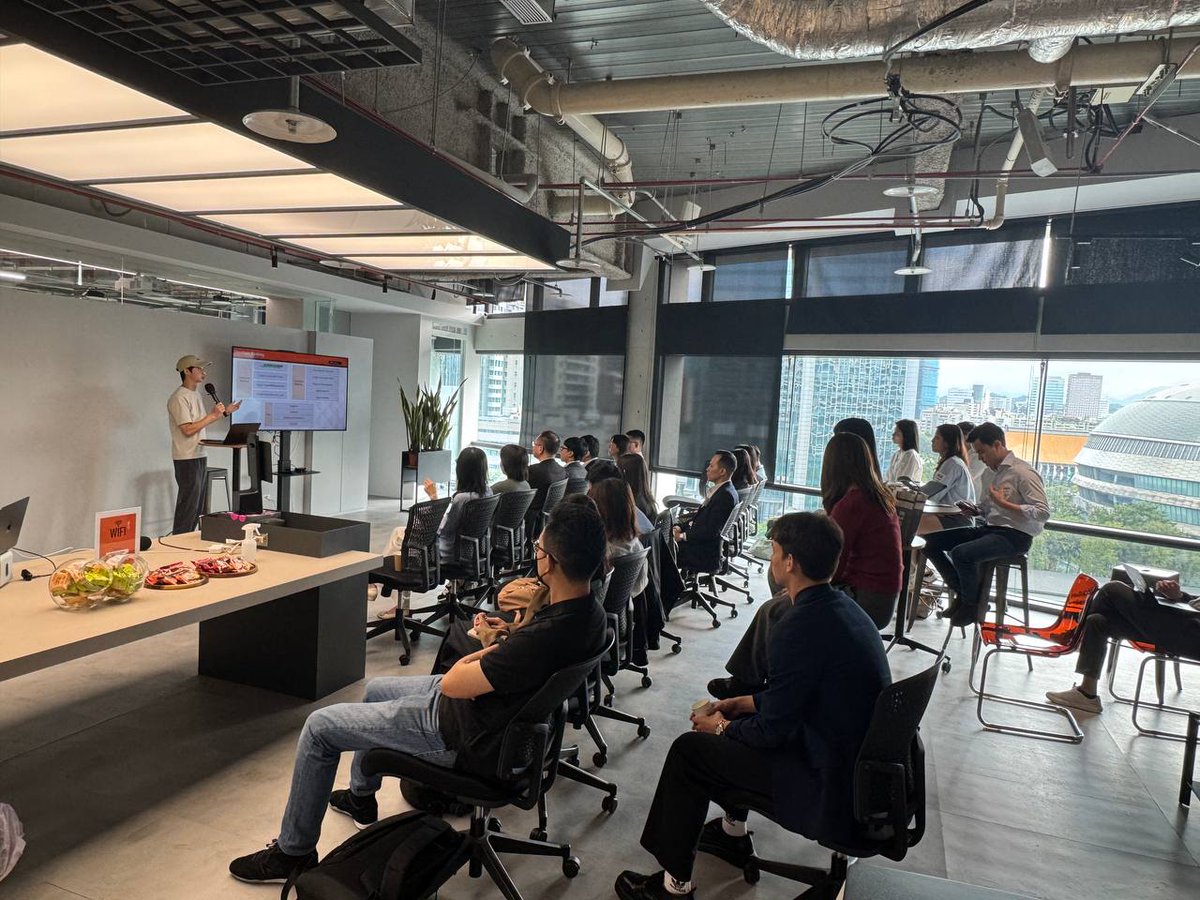
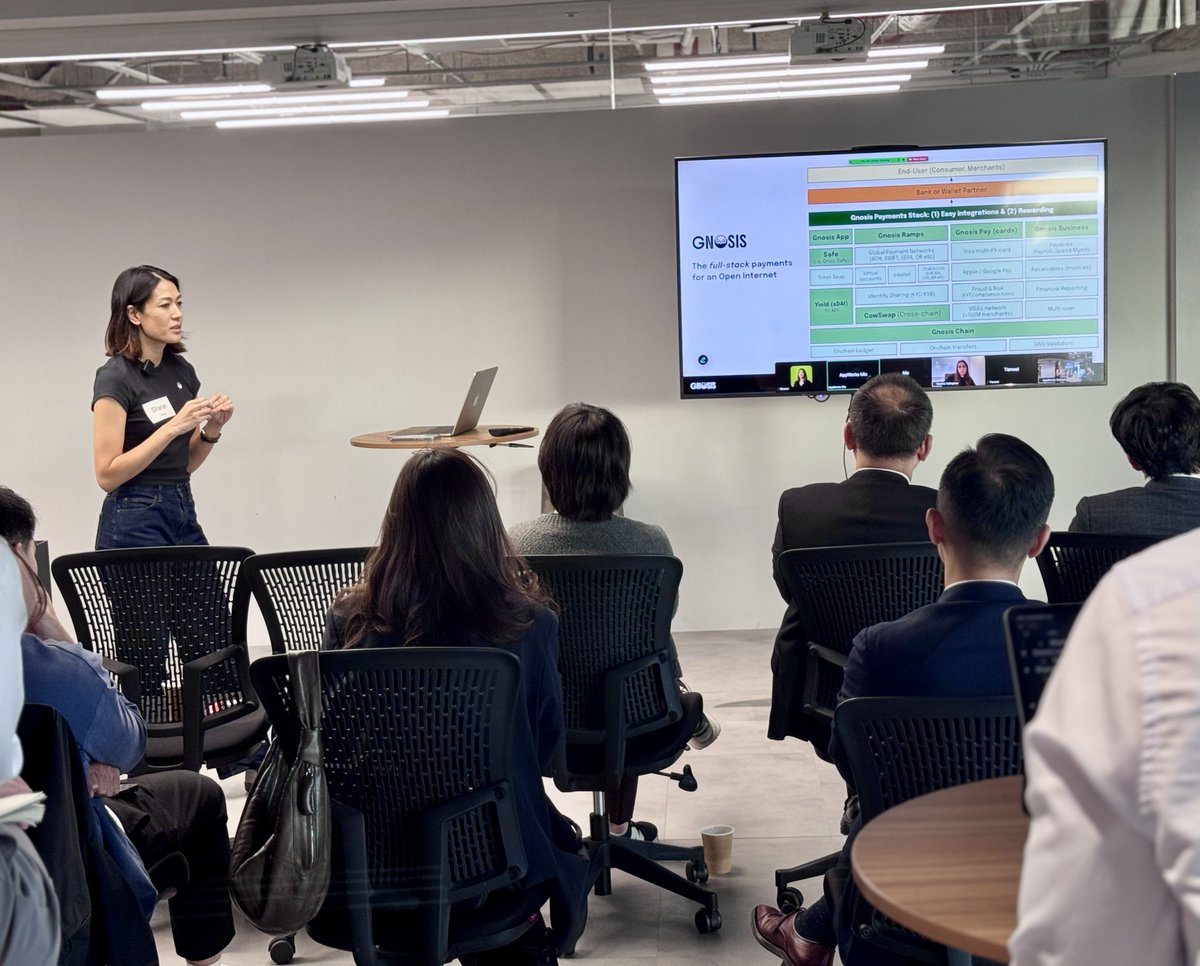
How do you actually bring corporate banking on-chain? This week at our "On-chain Corporate Banking Workshop," we had folks from major banks in Taiwan (Cathay, Fubon, O-Bank, and Far Eastern) in the same room with blockchain teams like @hifibridge , @StraitsX , @CantonNetwork , and @gnosishq. The conversation wasn't the usual "will blockchain disrupt finance?" stuff. Instead, we were tackling real, practical questions: "How do you connect a corporate virtual USD account to an on-chain wallet? " "How can the travel industry use stablecoins for cross-border settlement? " "How do you integrate multi-sig wallets into an ERP system? " "how do you get the benefits of on-chain operations while still protecting privacy?" Seeing this happen was pretty powerful. The merge between traditional finance and blockchain isn't a future thing—it's happening right now. We walked away seeing a ton of opportunities worth exploring. Special thanks to our speakers @Tian_wei, @sharonlourdes, @Mo_Bps, and Beatriz for your insightful sharing! On-chain banking is a major theme for us at AppWorks. If you're building enterprise-grade on-chain solutions, we'd love to chat!
AppWorks tweet mediaAppWorks tweet mediaAppWorks tweet media
English
0
0
5
143
AppWorks
AppWorks@AppWorks·
We have been tracking the onchain corporate banking shift. The numbers are wild: $340B daily repo volume, 10k+ contractors across 100 countries choosing stables over banks, and weekend settlements that tradfi can't reach. @cebillhsu breaks down why this matters. Stables aren't just for payments anymore. The whole stack (treasury, FX, capital markets) is moving onchain while banks move too slow.
Bill Hsu@cebillhsu

Onchain Corporate Banking: No More Fintech, Just Techfin Going Forward Cross-border payments are just the entry point. The real opportunity is whether stables can disrupt the entire corporate banking stack. Once stables move beyond payments, everything else follows (treasury management, FX, lending, capital markets services). Capital markets services are basically helping companies issue RWA. Tokenized securities are one example, but the same concept applies to receivables tokenization or asset tokenization (even GPUs or other productive assets). These are all new ways for companies to access liquidity. So as stables slowly take over the banks' traditional lending roles, we're seeing a big shift. Companies are moving away from relying on banks for loans and turning to capital markets instead. Thats why we're keeping a close eye on the latest RWA adoption stories and any challenges popping up along the way. ▋ Cross-border payments remain the most mature stables use case in corporate finance Clients doing cross-border business have the strongest motivation to use stables (because their customers are demanding it, wanting to send and receive stables). HiFi / Bridge / BVNK turned "virtual accounts + stables wallets" into APIs that banks and large platforms can call. Users deposit in local fiat (virtual accounts/IBAN), then the system converts to stables for cross-border payments or onchain transfers. Real example: multinationals paying contractors globally. Settlement went from 3-5 days to basically instant. We're talking 100+ countries with over 10,000 contractors now choosing to get paid in stables. ▋ Onchain cash/asset management: A new paradigm for corporate treasury When customers pay stables, merchants receive money instantly. What happens next? These funds can directly convert to onchain money market funds (MMF), letting merchants do cash management and earn interest continuously. If merchants need liquidity, they can use it for repo borrowing of stables for instant payments. Banks can collect management fees from tokenized funds. Everyone benefits from this mechanism. Take Canton Network for instance: by September 2025, their onchain repo market reached a daily average of $340B. Even better, they started settling repos on Saturdays, moving beyond the old weekday-only standard in finance. On Saturday, August 12, 2025, Canton Network did a repo deal with US Treasuries and USDC. Big names like Bank of America and Société Générale were involved, with Circle handling the cash part. Tradeweb, DTCC, and Citadel Securities were all in the mix too. This marks a big shift: 24/7 capital markets are here, making it way easier for businesses to get cash anytime they need. ▋ FX settlement: The next big market in the stables ecosystem StraitsX already launched "stables-powered" cross-border acquiring with Alipay+ / GrabPay. Incoming tourists can pay with familiar wallets, merchants instantly receive SGD settlement. It's basically modularizing FX and clearing/settlement into software infrastructure. For end users, it's all about convenience (no more queuing at banks for currency exchange). For whoever controls distribution, embedding FX into the payment flow means they can capture higher spreads without anyone really noticing. So why use stables for FX at all. The 24/7 thing matters most when you've got cross-timezone, urgent stuff happening on weekends (think e-commerce, supply chain payments, broker settlements). Example: Singaporean tourists in Taiwan on Sunday trying to convert SGD → TWD. Traditional rails are painfully slow on weekends. But SGD stables → TWD stables settle instantly. And you can immediately park it in onchain MM funds to start earning yield. You're basically compressing cross-border float time from days to minutes. Or just settle straight through local RTP systems to get fiat TWD back. The FX I just mentioned uses stables to accelerate fund transfers in the middle. But liquidity between different currency stables pairs is currently very poor. So anything involving FX settlement still needs to go back through fiat channels, and once you touch fiat, speed slows down. But if more currency stables actually get adopted? Direct settlement between different country stables becomes the next big market. DeFi's always been good at providing liquidity for long-tail assets. Fluid's got this interesting vision of becoming an FX settlement platform. The concept's pretty clever: you borrow debt in different currencies (smart debt), and traders basically trade against your dual-currency debt position (say USDC + EURC). The transaction fees you earn offset your borrowing costs. It's like turning your debt into a revenue stream. Put all these pieces together and you start seeing a new FX primitive taking shape. Cross-currency liquidity meets credit. FX market making used to be this exclusive bank trading desk thing. Now multinationals holding various stables can just throw them into lending protocols for yield, or LP on DEXs. Or get really aggressive with leveraged LP on Fluid. Basically, any multinational with multiple currencies can become an FX market maker. You could even collateralize your onchain money market funds, borrow dual-currency debt for hedging, and simultaneously act as a forex liquidity pool. Use the LP fees to lower your actual financing and hedging costs. This is what next-gen "financing + market making" starts to look like. FX settlement's probably gonna be the most disruptive thing happening in the stables world. ▋ Onchain Capital Markets aka RWA RWA cases are everywhere now, won't bore you with those. Its not about the tech for tokenizing stuff. It's whether the surrounding infrastructure is actually there. Four things need to work: privacy protection, reusable identity and rights, onchain registration that holds up legally, and actual market infrastructure so you can borrow against these assets, pledge them, liquidate them. Privacy means transaction parties only see what's relevant to them (Canton's sub-transaction privacy setup does this well). Compliant identity needs reusable KYC. Same credentials work across multiple markets. No more redoing KYC every time you jump to a new chain or protocol. Legal ownership is about mapping real registries onchain so the onchain state actually holds up in court. Example: DTCC runs nodes on Canton that map to UST's actual registry. When it comes to trading and collateral, a few key things get overlooked a lot: - OES (Off-Exchange Settlement) keeps your assets at regulated custodians like BitGo. Exchanges just mirror credit limits. Way less counterparty risk, way less chance of someone "borrowing" your assets. - UTA (Universal Trading Account) bundles spot, derivatives, and lending all in one account. Same collateral pool works across everything. No more fragmentation by product line. - Digital money needs 24/7 settlement. When both securities and cash are onchain, you get true DvP (Delivery versus Payment). T+N basically becomes T+0. But there's still friction. MMFs hold traditional assets underneath, creating liquidity gaps on weekends. You need backup credit lines or market makers acting as weekend liquidity bridges. Bottom line: RWA's value isn't just "putting stuff onchain." It's getting all four tracks working together (privacy, rights, identity, settlement) so assets can actually be pledged, transferred, liquidated, and legally recognized onchain. ▋ The evolution of the stables narrative: From cross-border payments to corporate banking infrastructure The stables story has moved way past "cross-border payments." The whole corporate banking stack is shifting onchain. You receive payment, immediately allocate to MMF. Need liquidity? Do a repo. Use OES to cut exchange counterparty risk. Use UTA to unify margins across products. Add the digital cash leg, and suddenly 24/7 settlement with near T+0 DvP actually works. Winners won't sit around waiting for traditional institutions to catch up. They'll merge liquidity and credit into one thing. Turn settlement into an actual user experience. Enable weekend redemptions. Make collateral reusable. Allow direct cross-currency settlement. Make capital efficiency something users can actually feel. One thing I noticed recently: most crypto startups would rather partner with big consumer platforms than banks. Banks just move too slow. DeFi infrastructure's getting embedded into Consumer Tech and B2B SaaS instead. Banks are falling behind. Maybe we won't have fintech in the future. We'll have techfin everywhere.

English
0
0
5
216
AppWorks
AppWorks@AppWorks·
How do you land Binance/OKX-level clients? Here’s the founder-tested playbook we unpacked with Chris from @SignalPlus_Web3 at our community AMA! 1. Map the buying committee Win the user (traders) first. Secure an economic sponsor (Head of Trading—ideally when the desk is up and to the right). Bring middle/back office in early for risk, ops, and integration. Multi-thread the org so momentum doesn’t stall. 2. Engineer incentives Keep the product free for day-to-day users; monetize where the volume sits (e.g., exchange-side or platform economics). This prevents roadmap capture, keeps you focused on broadly reusable features, and aligns everyone to scale. 3. Hire to the deal If a stakeholder won’t vibe with you, recruit the closer they will trust. Cultural fit > perfect domain pedigree. One “impossible” account fell only after adding a rep who matched the client’s style. This is why we host these sessions: to compress founder learning curves into actionable GTM steps. Want help mapping your buying committee and landing marquee logos? Join the waitlist—our next accelerator batch is openning soon. appworks.tw/accelerator/
AppWorks tweet media
English
0
0
8
352