Chris Cottrell

3.6K posts

Chris Cottrell banner
Chris Cottrell

Chris Cottrell

@DabblersDen

Georgia, USA شامل ہوئے Aralık 2015
527 فالونگ1.4K فالوورز
Chris Cottrell
Chris Cottrell@DabblersDen·
And I'm being serious, Ralph. This isn't a gaff. The only thing that could have erased Bays from areas that we should find them is the ocean (repetitive wave and tidal action, long shore drift, ect.). If you're honest with yourself, you'll see that I'm correct. It's depressing when you've invested so much time and energy into something... but evidence is evidence.
English
0
0
1
31
Megalithic Mysteries
Megalithic Mysteries@Megalithic12000·
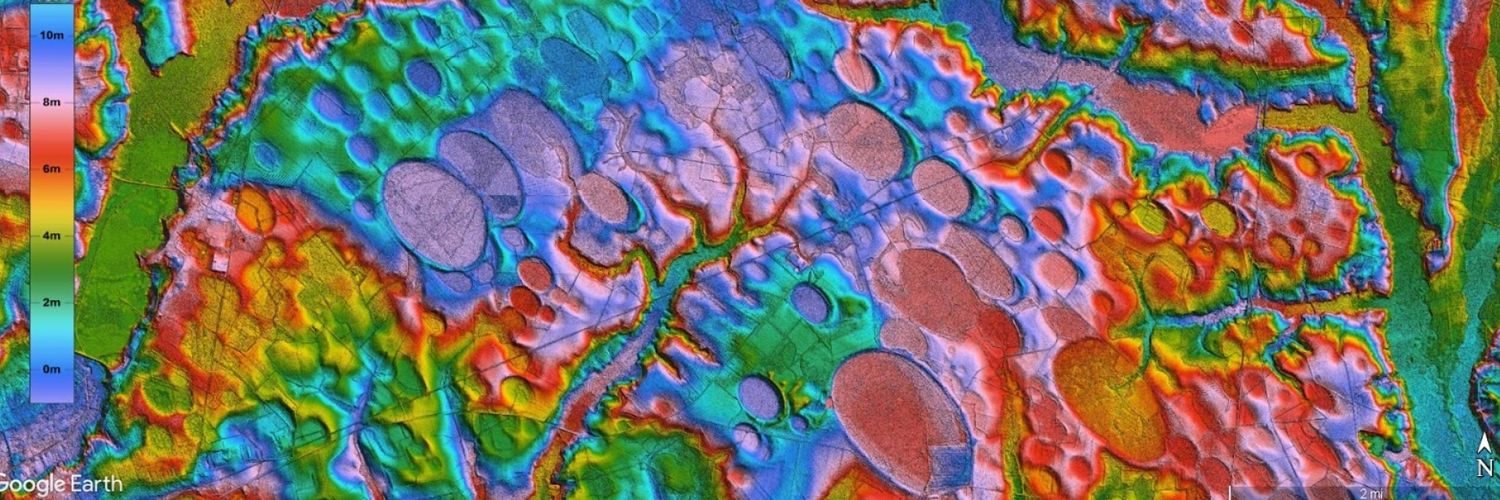
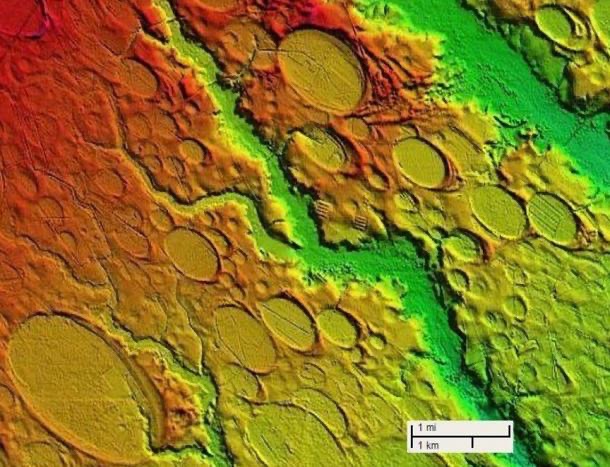
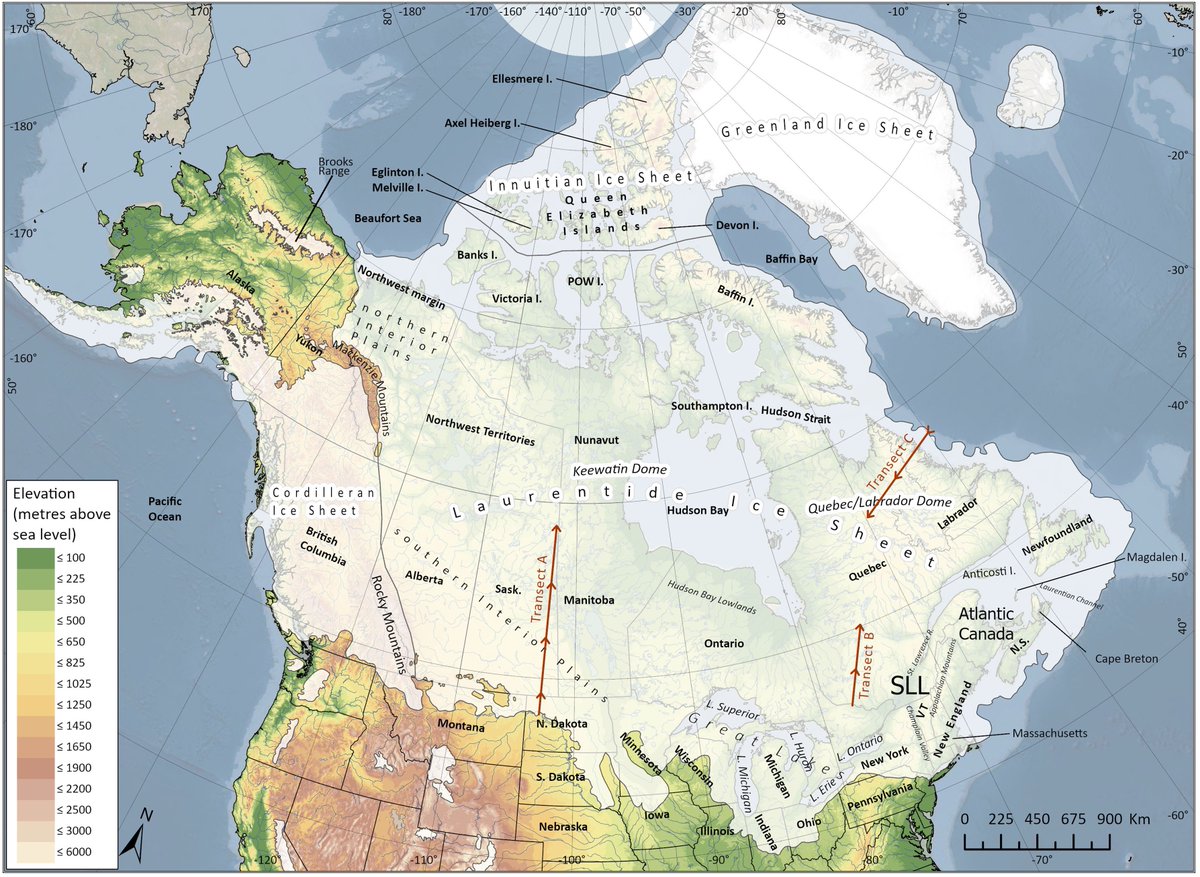
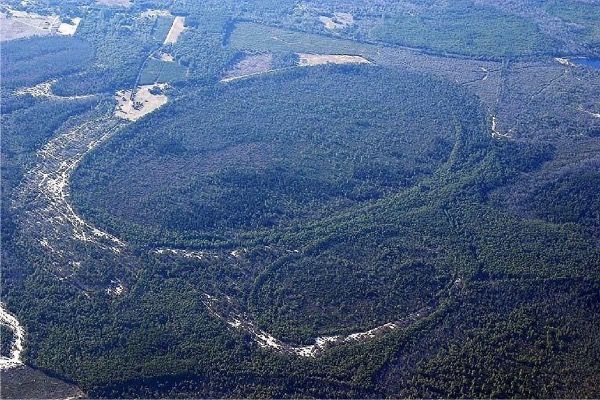
Randall Carlson keeps coming back to half a million elliptical scars on the US East Coast as the smoking gun for a catastrophe 12,900 years ago. From the air, every single Carolina Bay points back toward a single region of the continent, and identical depressions in Nebraska are oriented perpendicular toward the same focal point. 🔹Up to 7 miles wide 🔹Identical elliptical shape 🔹All sharing the same NW-SE axis 🔹Long axes point to the Great Lakes region 🔹Carlson links them to a Younger Dryas impact Carlson argues this is the visible debris field of an object that hit the Laurentide ice sheet, with the pattern stretching over 1,000 miles from New Jersey down to Florida. Mainstream says the bays were carved by wind and water, but no wind ever shaped hundreds of thousands of identical ellipses pointing at the same place. And what makes this impossible to dismiss is that whatever struck would have hit 2 miles of glacial ice over Canada and melted its own crater out of existence. That is why no crater has ever been found. If Carlson is right, what other scars from impacts are still hiding in plain sight?
Megalithic Mysteries tweet mediaMegalithic Mysteries tweet mediaMegalithic Mysteries tweet mediaMegalithic Mysteries tweet media
English
40
85
731
53.3K
Chris Cottrell
Chris Cottrell@DabblersDen·
@Edessagospels @Davidliberty002 @Megalithic12000 What you do see is lots of evidence for the transgressions and regressions of the pliestocene interglacials that had sea levels higher than today (~400,000 years ago, and again ~125,000 years ago during our last interglacial, the Eemian).
English
0
0
1
34
Chris Cottrell
Chris Cottrell@DabblersDen·
I've already explained this...the Delmarva Penisula, into New Jersey, is experiencing elevated rates of subsidence. The ground is sinking. As far as terrain erasing hurricanes (and tsunamis) up to the pliestocene aged beaches, there is no evidence for those either. geology.rutgers.edu/images/stories…
English
1
0
1
58
Edfu Books, publisher of Ralph Ellis
There is a glaring problem here, that you refuse to explore. Coastal CBs exist along Chesapeake and north, but not along the Carolinas. So why the difference? The difference cannot be sea-level driven, because that would wash away the Chesapeake CBs too. I would suggest you look at hurricane storm surges, which effect the Carolinas more than Virginia. A typical large hurricane might have a 7m storm surge. But with temperatures being higher during the holocene maximum, hurricanes may have been more intense - washing away coastal CBs along the Carolinas. You need to explore more, rather than getting stuck in orthodoxy. 11,000 years of large hurricanes may have washed away coastal bays. Paper: Records of prehistoric hurricanes on the South Carolina coast based on micropaleontological and sedimentological evidence. Hippensteel et al. Abstract Singleton Swash on the South Carolina coast provides an extended record of storm events for this coast. We used experience gained by looking at storm traces detected as layers of offshore foraminifera intercalated with marsh sediments from a known storm in the area (Hugo, which occurred in 1989) to detect storm horizons from the sediments that have been accumulating in Singleton Swash since 5700 yr B.P. We suggest here that the most intense storm activity occurred in the 0–1000 yr B.P. interval (six storms); only three occurred in the 1000–2000 yr B.P. interval and two in the 2000–3000 yr B.P. time interval (calibrated radiocarbon years). There was one giant storm in the pre–5000 yr B.P. interval; a sea-level oscillation in the 3500–5000 yr B.P. interval appears to have destroyed most records during that period. Ralph
English
1
0
0
67
Psytomic
Psytomic@Agatoasty·
@Megalithic12000 I am assuming someone has bisected each of those "impacts" and drawn a line back to a supposed origin of the strike?
English
1
0
0
163
Chris Cottrell
Chris Cottrell@DabblersDen·
@Edessagospels @Davidliberty002 @Megalithic12000 They didn't. Sea levels stabilize themselves at our current level around 6,000 years ago. Both the archaeological and geological record does not support your claim. During the time of the YDB, they were still well east of their current shorelines.
English
2
0
1
52
Chris Cottrell
Chris Cottrell@DabblersDen·
@Edessagospels @Davidliberty002 @Megalithic12000 It didn't happen. There's a difference. Isostatic rebound has an effect, of course, but those effects are minimal along the Atlantic Coastal Plain. If the Carolina Bays were created 13,000 years ago, we should see them all the way to the current beach. We don't.
English
1
0
1
79