Graham Perry

1.9K posts

Graham Perry banner
Graham Perry

Graham Perry

@GrahamPerry_CRE

Atlanta CRE Broker | Healthcare & Office Tenant Rep | Lavista Associates, Inc. | SIOR

Atlanta, GA شامل ہوئے Temmuz 2019
1.1K فالونگ805 فالوورز
پن کیا گیا ٹویٹ
Graham Perry
Graham Perry@GrahamPerry_CRE·
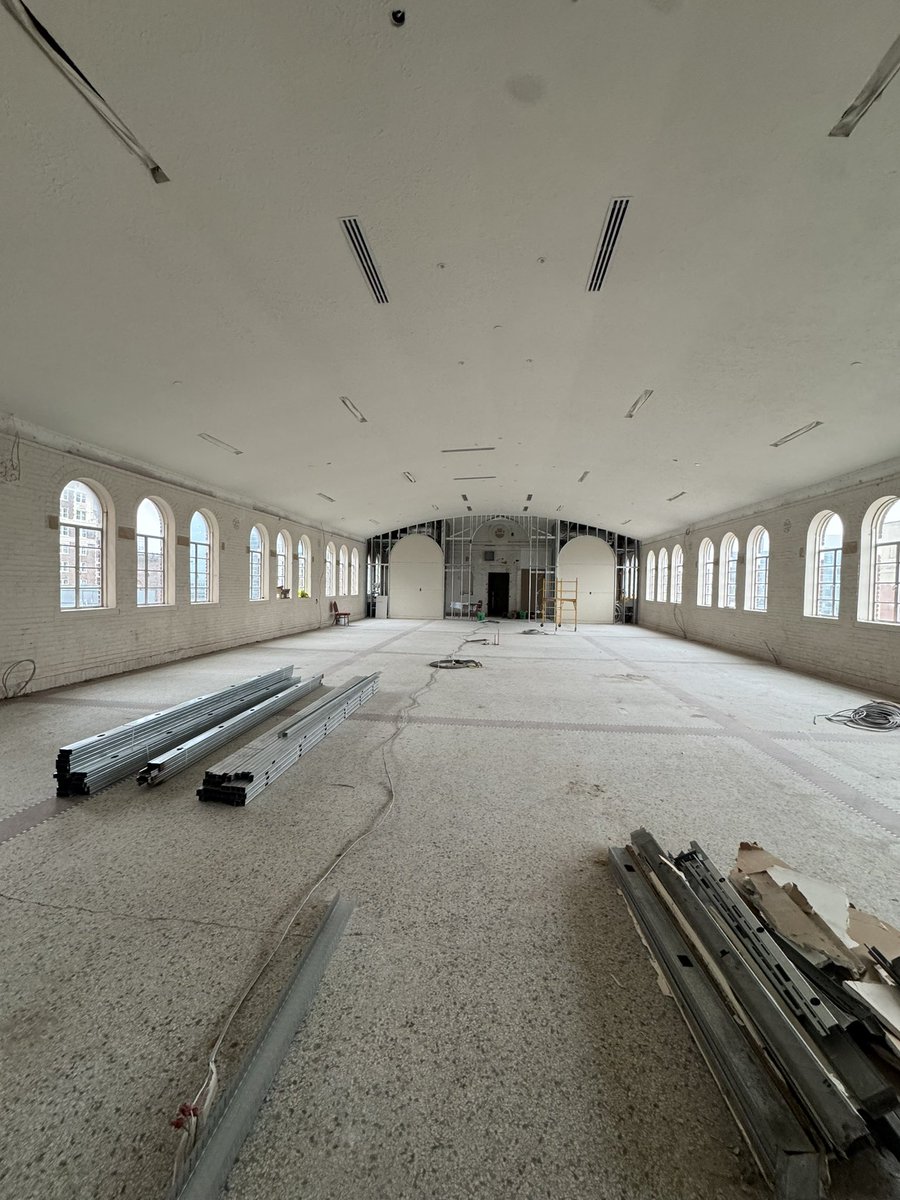
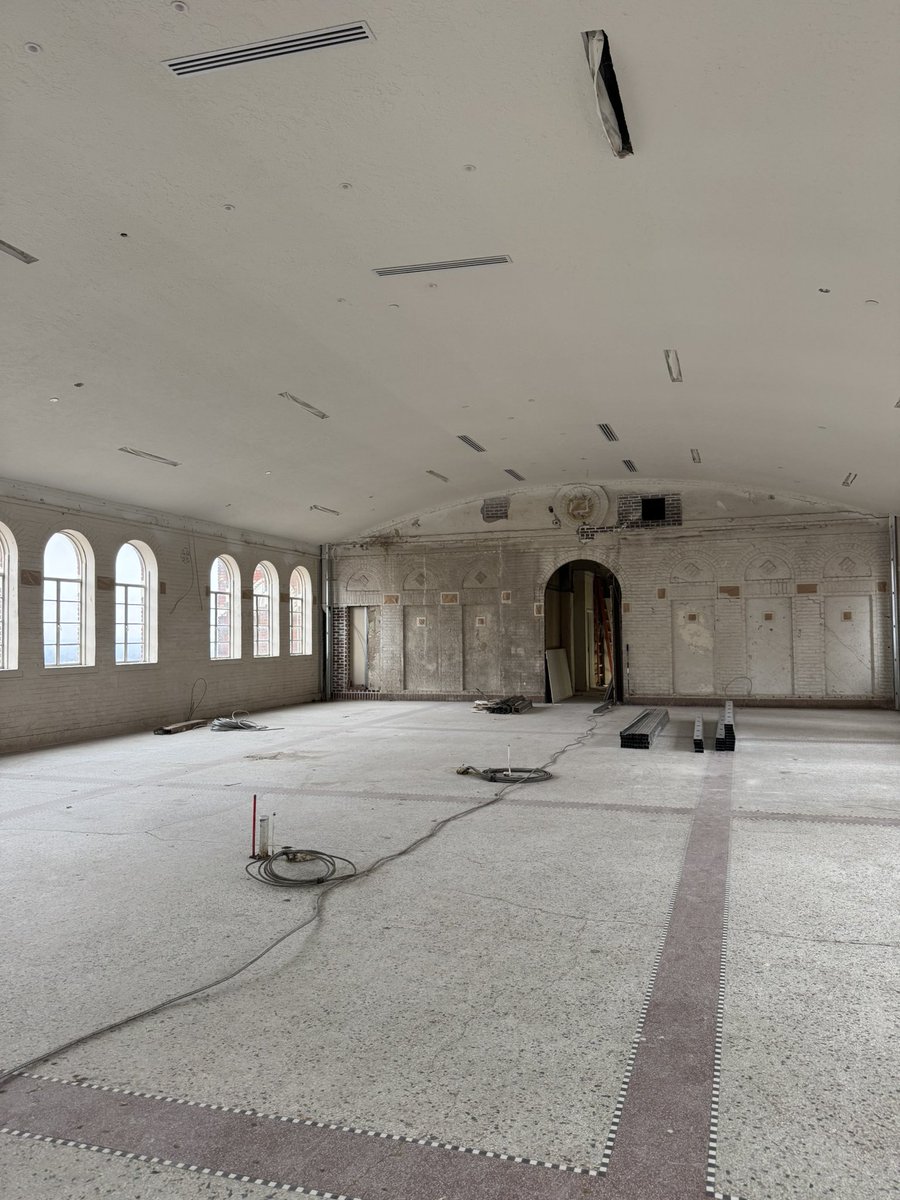
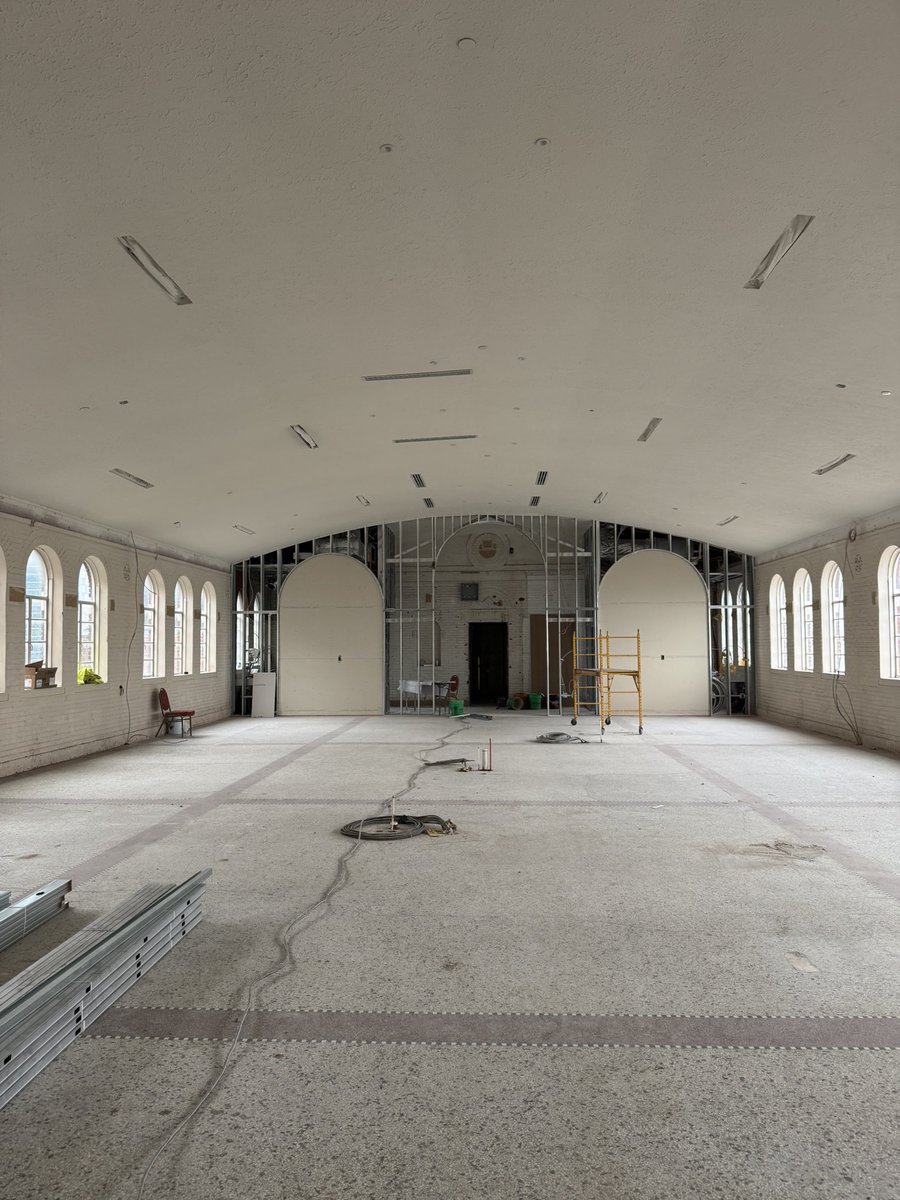
A quick, slightly long introduction of myself. I'm an office tenant rep broker who has been in the business for over 11 years now. However, I've been around the business since as early as I can remember. I used to tell my kindergarten teachers that my dad was a photographer because on the weekends he would put me in his car and start driving around Atlanta to take pictures of buildings. Little did I know, he did this for all the proposals and tour packets he was putting together for his commercial real estate business. This became a fun thing for us to do together and I did this probably up until I got my drivers license and got my own independence. I started my brokerage career in Dallas, TX where I spent ~4 years before ultimately moving back to Atlanta to work with my dad who started his firm back in 1972. Although my focus has remained on tenant rep, it's led me to work on both user sales and investment sales and even more recently, I've had the opportunity to work on several healthcare deals ranging from clinical offices to ASCs. Looking forward to engaging more on this platform, making connections, and doing some deals. Who should I follow?

Graham Perry tweet media
English
5
3
51
10.9K
Graham Perry
Graham Perry@GrahamPerry_CRE·
Bravo @ATLairport - the internet scared me about how long it could take to get thru security and despite starting the security line at baggage claim I was thru in less than 30 minutes. On time and very early for my flight now
English
0
0
4
246
Ken Ashley
Ken Ashley@kenashley·
I'm renting an apartment in Athens, Georgia that is for UGA "Game-day" experiences. I filled out an application and the landlord sent me an email. He wanted to charge me an extra $150 a month because my parent's weren't guaranteeing the lease. Hello. I'm 58.
English
106
142
15.1K
564.5K
Graham Perry ری ٹویٹ کیا
Jason Richards
Jason Richards@SimpleCRE·
A guy cold reached out on our website asking about internships for his son. Kid is a junior in college and his dad is doing his outreach for him? He may well be an awesome candidate (we'll see), but that's a bad look. Perfect example of "when helping hurts." Parents take note.
English
15
4
110
9.4K
Preston Holland 🛩️
Preston Holland 🛩️@preston_holland·
Apple AirPods are such a terrible terrible product. I have 2 month old AirPods that consistently go robot, disconnect, and become inaudible to the other person on the phone. Just spent an hour at @Apple Cant replicate it. Won’t replace.
English
22
0
36
21K
Graham Perry
Graham Perry@GrahamPerry_CRE·
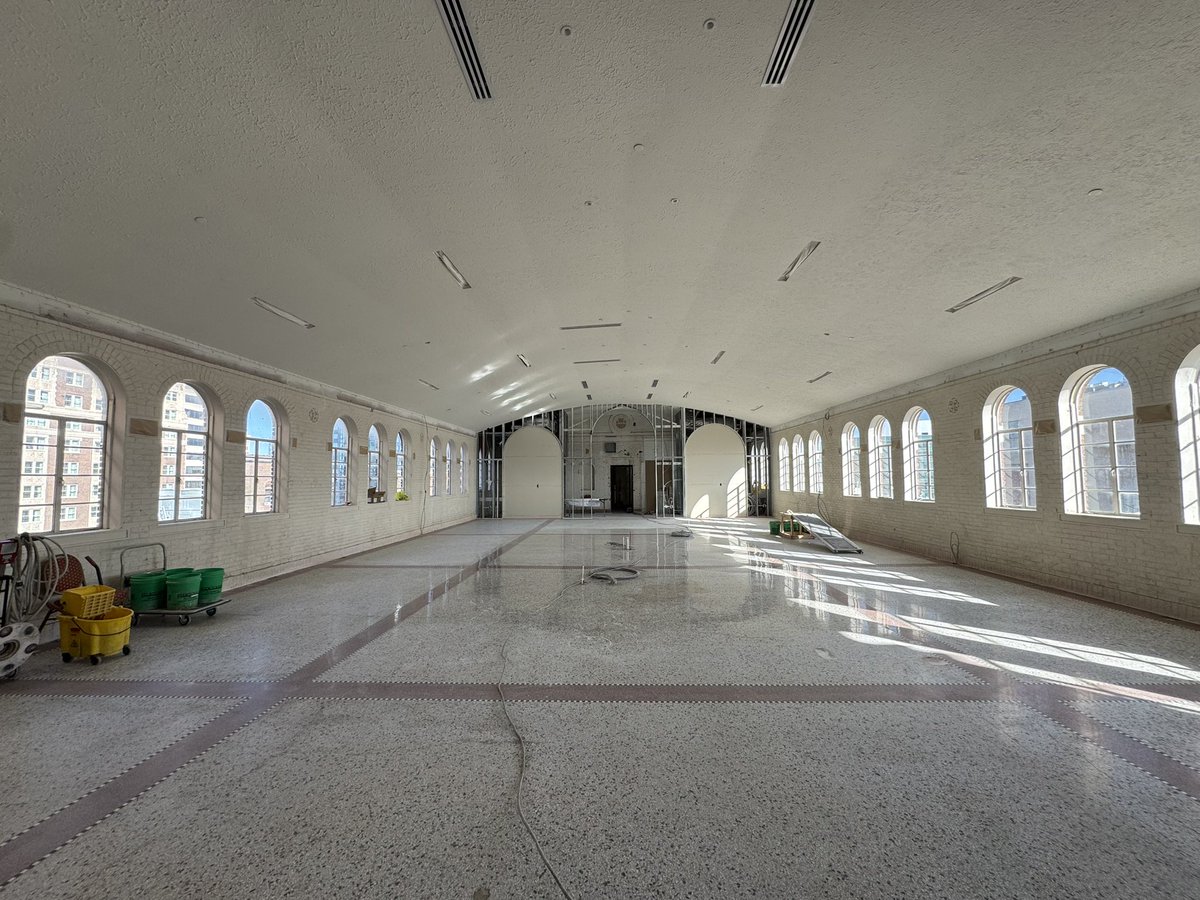
Been playing around with Claude - this stuff is impressive. Oh, and check your lease expiration date.
Graham Perry tweet media
English
0
0
4
60
Graham Perry
Graham Perry@GrahamPerry_CRE·
Renewing your lease is NOT the easy option. It's the option your landlord prefers. Big difference.
English
1
0
3
60
Graham Perry
Graham Perry@GrahamPerry_CRE·
Monday Morning Thought... "We'll just renew where we are ... it's easier that way." I hear this CONSTANTLY from businesses. Here's the reality... Your landlord knows you don't want the hassle of a move. That's leverage for the landlord ... not you. Some of the best lease deals I've negotiated for clients were renewals where we also had a viable alternative lined up. Competition is good & healthy.
English
0
0
4
34
Mike Beauvais
Mike Beauvais@MikeBeauvais·
Oh, you got up early to watch Olympic hockey? That’s cool. I got up at 5:45 because my toddler was literally shouting for pasta and fried chicken.
English
73
100
6K
298K
The Tenant Advisor
The Tenant Advisor@CoyDavidsonCRE·
CoStar Group was founded in 1987, and LoopNet was founded in 1995 and there has not been a CRE Proptech Unicorn since.
English
21
2
112
15.8K
Brandon Avedikian
Brandon Avedikian@bavedikian·
Here’s what the Microsoft AI CEO was really saying: I work for 1 of the top 3 most profitable companies in world history. We’re spending 90% of our cash flow on AI. There’s no data at this point that says this spend will be anywhere close to profitable. I make $50 million a year, and would like to continue doing so. I better make some stuff up!
Brandon Avedikian@bavedikian

We’ve reached a new level of delusion with the Microsoft AI CEO saying all white collar labor will be replaced by AI within 18 months. Microsoft should learn how to create a way to search for an email that actually works before claiming they’re going to automate the entire global economy. And while they’re at it, they should come up with a way for companies to use Microsoft products without having to pay a fortune to an IT firm that employs humans to resolve the software issues that come up every hour on the hour.

English
35
94
1.1K
120.2K
Graham Perry
Graham Perry@GrahamPerry_CRE·
@kenashley I’ve had this happened before too 😂 Good lesson here!
English
0
0
1
146
Ken Ashley
Ken Ashley@kenashley·
I was negotiating my very first lease. Lawyers where on for both sides. I told a quick joke to lighten the air. My client called afterwards. "Don't tell jokes when my lawyer is on the line - you just cost me $50 bucks!" Now, at $60 a minute - no jokes AND talk fast!
English
4
1
37
4.7K
Graham Perry
Graham Perry@GrahamPerry_CRE·
@molzer Good stuff here - excited for that polish job
English
0
0
2
54
Steve Magness
Steve Magness@stevemagness·
Norway is once again dominating the winter Olympics. And this is their youth sports program: Participation trophies for all kids. No keeping score until 13. No national travel competitions in youth sports. No posting youth results online. Motto: “Joy of Sport for All.” They let kids be kids. And it works. But…it’s the winter Olympics,right? Recently, they have had tremendous success in summer sports. Karsten Warholm demolished the 400 meter hurdles world record. Kristian Blummenfelt broke the Ironman triathlon record and won Olympic gold. His training partner, Gustav Ivan, won the 2022 Ironman World Championship. Casper Ruud reached world number two in tennis. Viktor Hovland is a top ten golfer in the world. Erling Haaland set the record for the most goals in a season in the Premier League. Beach volleyball champs, a surge of elite runners. By any metric, Norway’s elite athletes are achieving on a global stage. Yet, if we turn to their youth sports, their programs are the opposite of the US. Norway doesn’t allow for official scorekeeping until the age of thirteen. They dissuade early national travel teams in favor of local leagues. You can’t even post the results of youth games online without being fined. And almost sacrilegious in certain American circles, Norway doesn’t allow trophies unless everyone gets one. As Tore Ovrebo, Norway’s director of elite sport, told USA Today writer Dan Wolken, “We think the biggest motivation for the kids to do sports is that they do it with their friends and they have fun while they’re doing it and we want to keep that feeling throughout their whole career.” Their youth sporting model can be summed up with their chosen slogan, “Joy of Sport for All.” But not keeping score, giving out trophies, not being “win at all costs”...that’s anti-American! How can they be competitive? Research backs their approach up. 1. The fire has to come from within If you look at ​research​ on prodigies who eventually become standout adult performers, a deep intrinsic drive is paramount. Researchers found that intrinsically motivated football players were 3.5x more likely to make it to the next level, and athletes in general 2x more likely. The problem is that early success often pulls young people away from this inner drive. Kids start playing soccer (or violin or chess—this isn’t just about sports) because it is exciting and fun. As they improve, they gain accolades and praise from their parents, coaches, and teachers. They start winning trophies or seeing their names in online commentary. Without even realizing it, their intrinsic drive gets replaced by external validation and a need to please and impress others. The quickest way to kill that internal motivation? Hype achievements and be a crazy controlling parent or coach. The best way to create and maintain intrinsic motivation is to let kids dabble, explore, and find something with which their interests and talents align. Then, let them enjoy it without an undue emphasis on success. Praise effort, character, and teamwork, not results. This is easy to talk about but hard to do. Find ways to reward and incentivize the values you want to instill. That means not taking the easy road and talking about who set a new mile best or scored the most points, but instead highlighting who hustled during the fourth quarter, rallied after it seemed like the match was over, or displayed exemplary sportsmanship. 2. Go Broad over Specialization Even if the entire point of youth sports was to create future champions (which it’s not), we’d still adopt something similar to the Norwegian model. An ​analysis​ of over 6,000 athletes explored what separates athletes who reached world class and those who came up short. Those who reached world-class had during their youth: -More multi-sport than specialized practice -Started their primary sport later -Accumulated less overall formal practice -Initially progressed slower than national class peers Those who performed well when young, but didn’t progress: -Started their primary sport earlier -Specialized, engaging in more practice in one sport -Made quicker initial progress Norway doesn’t have 300 plus million people and an NCAA system to funnel talent. They have to develop theirs. And they realize the best way to do that is keep as many people in the system as possible. Why? Because you can’t predict talent development very well! Just go look at the age group record books. It’s easy to fool yourself into thinking early performance equals talent and potential. The kid running a 6-minute mile at 10 looks way better than the one running 6:45. But if the faster one is at track practice 5 days a week and the slower one rolls out of gym class in jeans and runs it off “fitness” from just playing, well I’m betting on the slower one! When we assess performance early on, we’re not measuring talent, we’re looking at training age and opportunity. And we’re crowning winners based on who started grinding first. America gets away with the insane achievement model because we can burn out 9 kids to get 1 survivor. Norway can’t afford to do that. They take the longer, more sustainable model. Rethinking Youth Sports: The whole point of youth sports should be for kids to learn, develop, have fun, and want to come back and play again next season! The best chance of developing a D1 scholarship athlete is essentially to do the exact opposite of what our current youth sports fiasco promotes. Even the poster child for early specialization, Tiger Woods, ​acknowledged​ it’s not a good thing for parents to push their kids too hard: “Don’t force your kids into sports,” he says. “I never was. To this day, my dad has never asked me to go play golf. I ask him. It’s the child’s desire to play that matters, not the parent’s desire to have the child play. Keep it fun.” While youth sports in America aren’t going to adopt the Norwegian model anytime soon, we can rebalance the equation. As I outlined in my book, it’s not getting rid of competitiveness, it’s rebalancing the equation to make sure that crazy mom, dad, or coach don’t extinguish the fire that makes great competitors (and sport fun!). In research on performance orientation and grades in school, a teaching environment that supported and emphasized mastery[PA1] , where students focused on the process of learning and comprehension instead of a comparison to others, was also linked to better grades. But it wasn’t the direct relationship that an outcome orientation had. Instead, in one study on college students, a mastery approach was linked to challenge-seeking, which in turn predicted end-of-the-year grades. In another study, mastery goals predicted higher levels of interest and enjoyment. Mastery works on our approach system without activating avoidance. It frees us up to take on a challenge and pursue our interests without getting bogged down by the pressure or judgment that often comes with an obsession with outcomes. The same findings hold true when looking at sport or the workplace. In a large meta-analysis that analyzed the impact of goal setting in sports, process-orientated goals had a large effect on performance. Outcome goals had little to no effect. These two paths represent a fast versus slow road to success. Both a mastery or outcome focus can lead to better performance, but the latter is akin to taking a shortcut. Obsession over outcomes is the most direct path to improvement, but it comes with some downsides that shift us toward avoidance. The slow path takes a longer, indirect route. It helps improve our performance not by focusing on the results themselves but by supporting the foundation that ultimately leads to better performance. It stokes the fire of enjoyment and interest to sustain our curiosity and work ethic over the long haul. It pushes us toward challenge-seeking so that when we inevitably hit a roadblock, we’ll take it on instead of trying to protect our ego. Both approaches work. One is more sustainable, providing success with less angst. Society has thrown us so far out of balance that we can’t even see the slow route right in front of us. We can either instill a love of sport in our youth, or we can turn sport into a burden where kids are exhausted, stressed, and scared. We’ve seen this go both ways, and the results couldn’t be more different. One leads to happy, healthy, and better young athletes. The other leads to burnout, family tension, mental health challenges, and quitting. As parents, volunteers, coaches, and community members, let’s all do what we can to minimize the latter and champion the former. -Steve
English
213
406
2.6K
741.9K