You're a researcher and a grant writer. You know AI tools are out there to help you write your grant proposal more efficiently and more accurately. However, there's a lot of anti-AI rhetoric in academia.
So, how do you use AI ethically? Here are our top tips from our experts
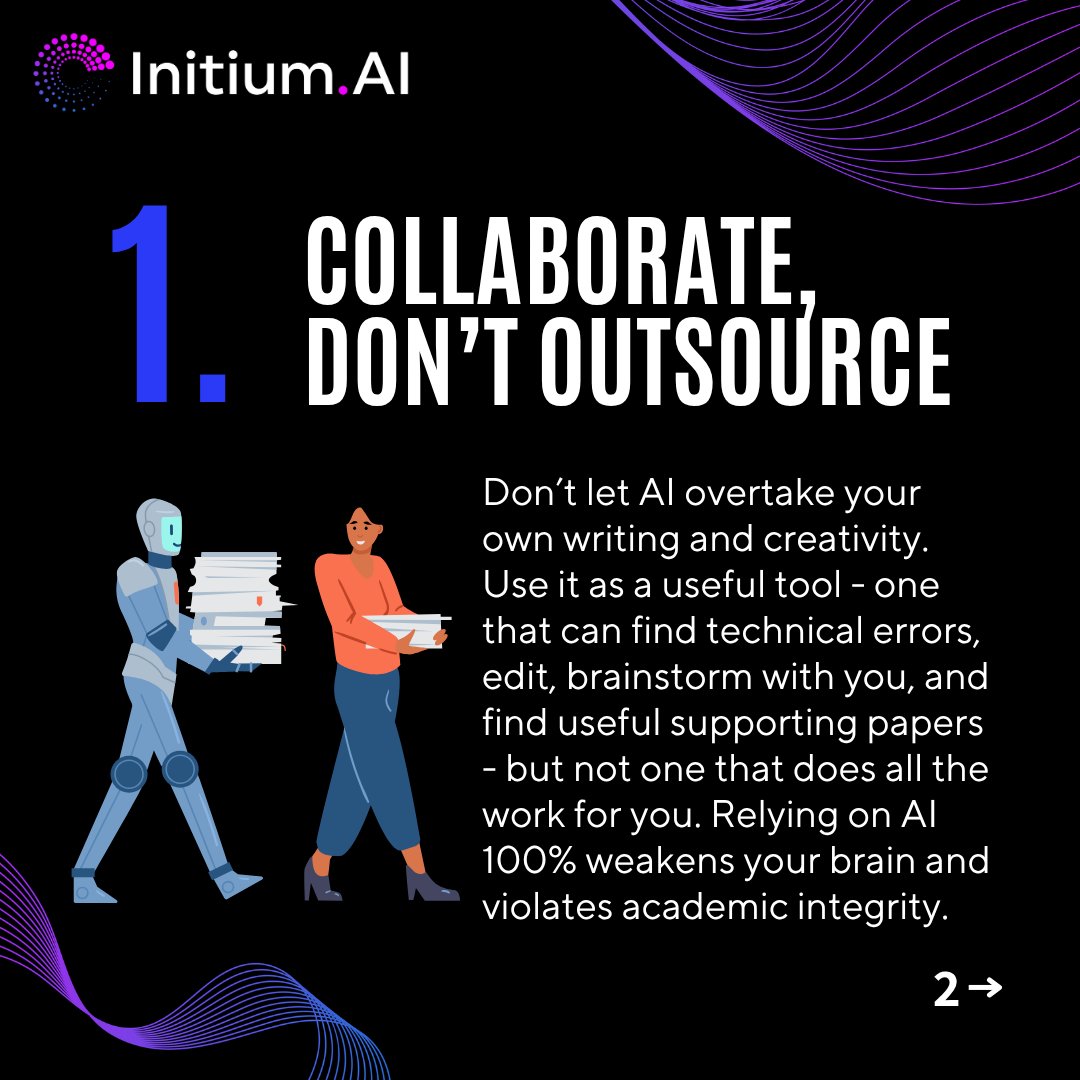
🦾Collaborate, don't outsource.
AI is a very useful tool to help you research and revise, but don't let it overtake your writing. Doing so will weaken your own writing and research skills, as well as diminish the innate passion you have for your project that comes through in your writing, to say nothing of possibly violating integrity requirements of the grant funder. Make sure AI is a copilot rather than a controlling force.
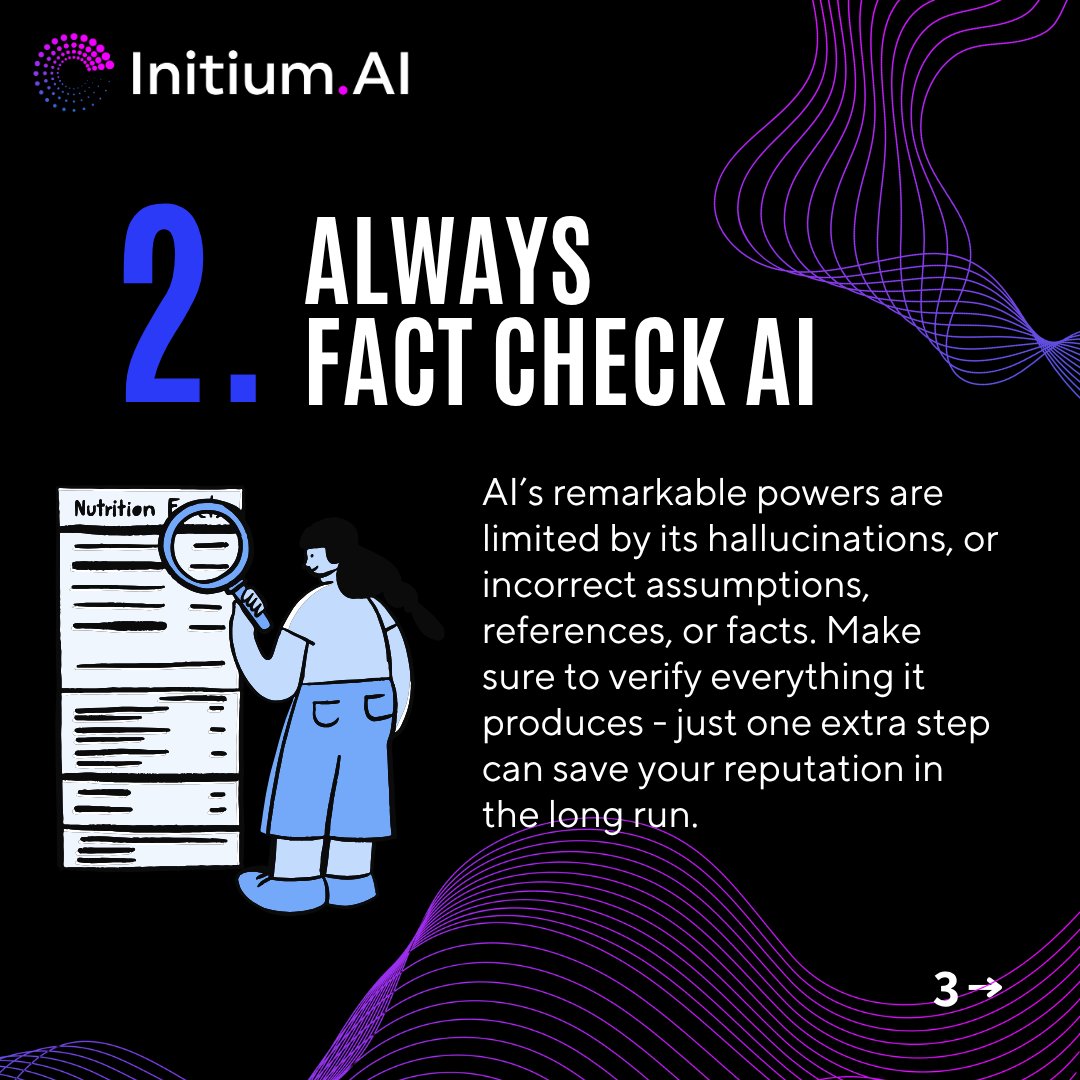
🧐 Fact check AI, every step of the way
While AI can do some remarkable things, like finding papers relevant to your literature review, offering feedback on early drafts, even finding the correct grant that suits your vision, it can also experience "hallucinations", or produce incorrect information. If AI tells you a paper or a fact exists, make sure to verify it independently.
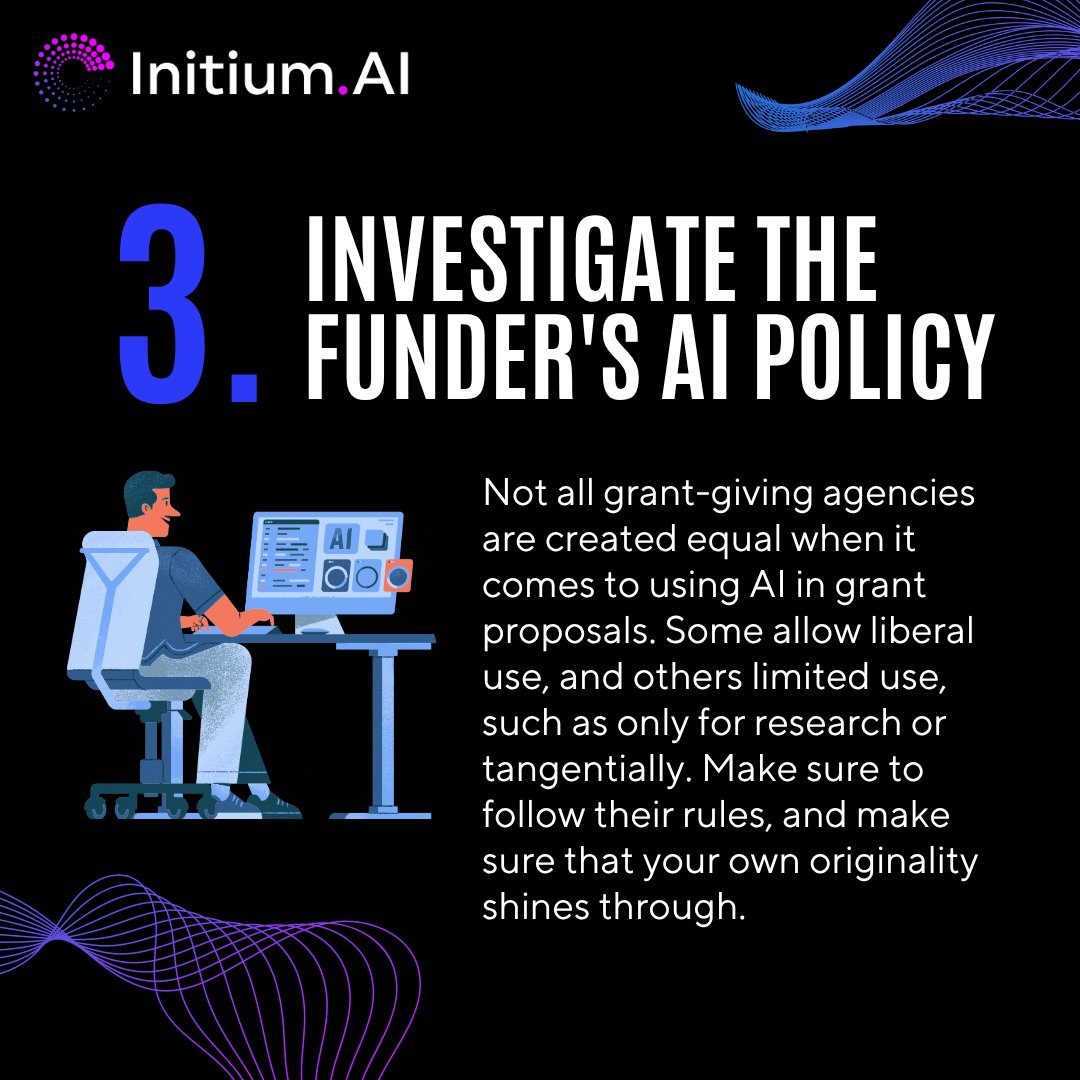
🧠 Investigate the funder's policy on AI
Some funders are more pro-AI than others, and when it comes to writing a grant for them, taking a look at their AI policy is essential. Some will let you use it for actual writing, others just for research or other background help. Moreover, regardless of funding policies, don’t let AI dilute your originality— that's what makes you stand out in a proposal
As researchers, grant writers, and academics ourselves, we've built a platform for people like us - and you! - that makes AI your copilot without overtaking your own writing, with built-in, easy fact-checking resources to make AI work for you, not instead of you. Try it out at app.initium.ai
English