
Ndung'u wa Wachira
5.7K posts
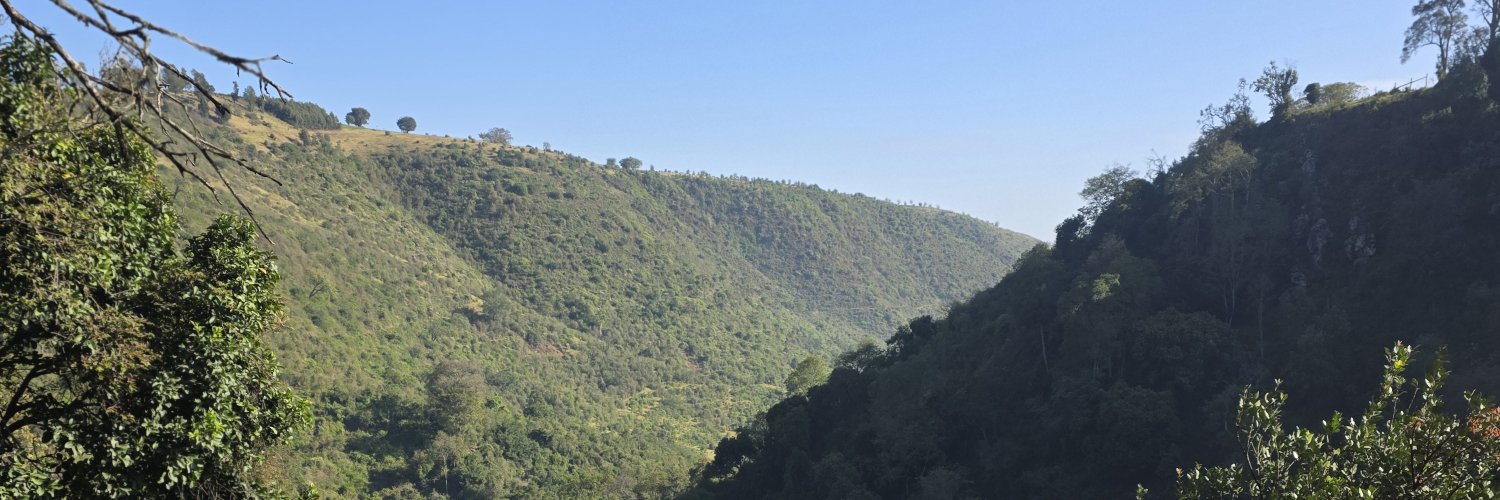



Hopefully we get a running track like Kigali 🥹
Dr Branice Munyasa@Branicemercy
I love how there is more running and walking communities hope this spreads through out the country. It was great seeing groups of walkers and runners on my way to work this morning 😊
English



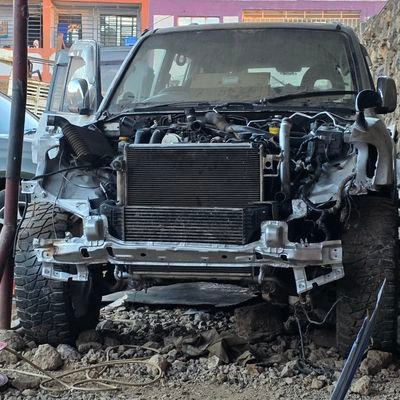
Still working on my 40 year old Beast that used to be my dad's. 1986 B12, 200kmph 5 speed with a 1500cc engine. Good progress.
English

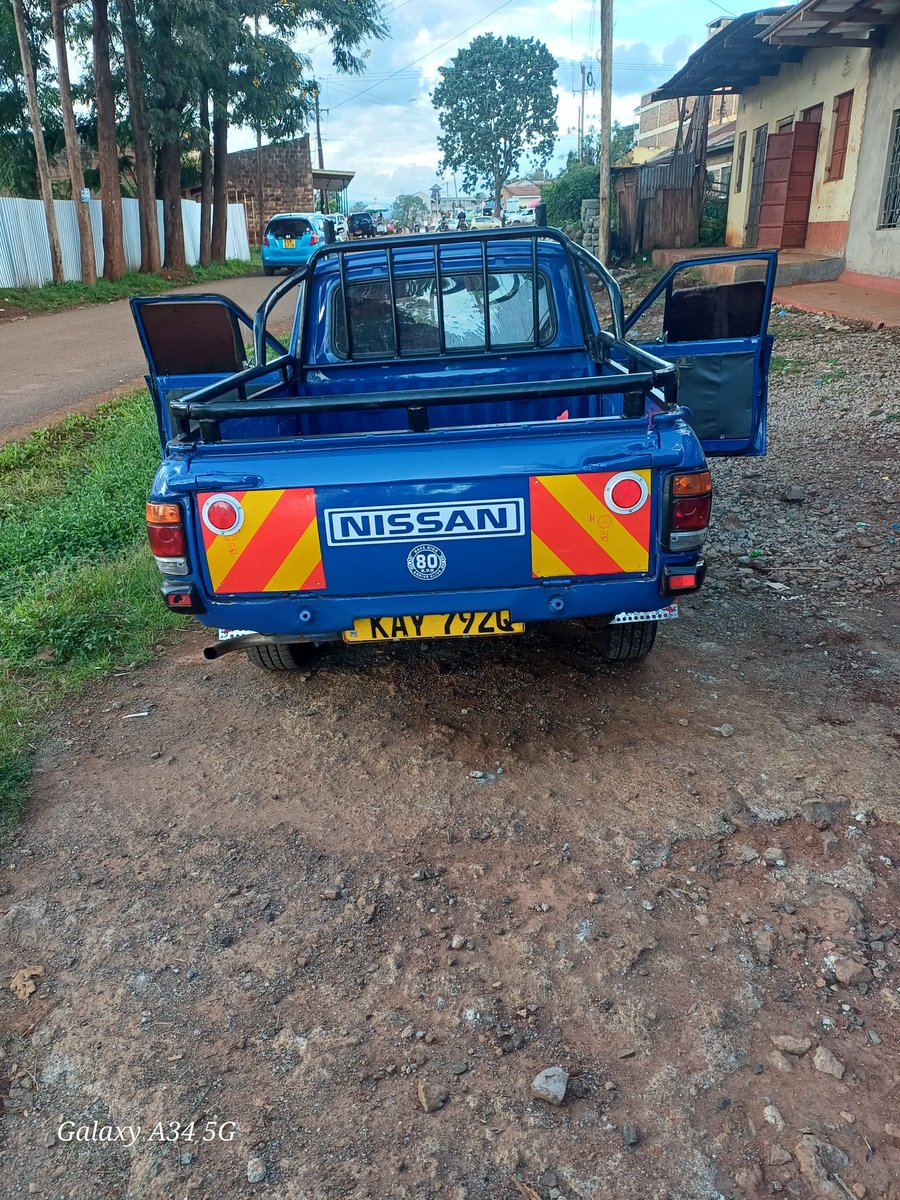
@JonDefChess @LlewellynOuya I've one I'll sell it to you,5 speed manual
English
@JomoProvetha @Ohta_Ryota Hata brokers ndio walisaidika sana
Indonesia

@JonDefChess @Ohta_Ryota Kabisa bana. Kila mtu alikua anasema nataka tata. Ilisaidia clients but investors wanalilia choo
Filipino
@FrankRheins @DoctorLemma Did you call the animals for public consultation ? That's what the kenyan engineers did
English

I just want to ask the Kenyan Engineers one thing: Can you come to California and show us how to make a wildlife path through a freeway? The Government here spent over a 100 million on one, but the animals don't yet have a way to use it, because more money is needed to finish installing on and off ramps.
English

Engineers in Kenya built a tunnel underneath a highway to reconnect a centuries-old elephant migration route that had been cut off by new construction.
Then they had to figure out how to get the elephants to actually use it.
Workers lined the entire inside of the concrete tunnel with fresh elephant dung to create a familiar scent trail. A bull elephant named Tony followed it through first, then led his entire herd to the other side.
The tunnel is fourteen feet high. The migration route is hundreds of years old.
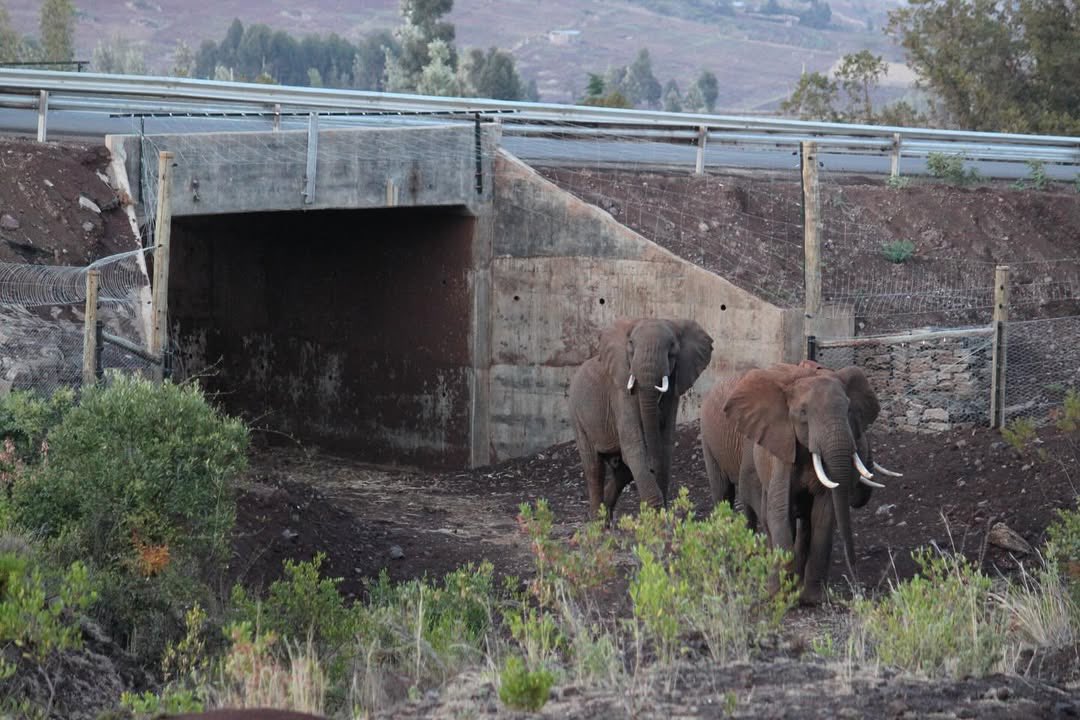
English
How knowledge grows & spread to commerce is weird. 2014, did Msc and one of the most interesting courses was AI & ML. Learnt neural networks and fuzzy logic in quite some detail. Finding a real world application then was difficult . Just a decade later it's all over the place!
English

One year and one month since I switched from Tata to CFAO. In the one year as a sales agent, I have already done in sales, thrice the number of vehicles I did with Tata where I worked for 3 years. This God!!! 🙏🙏🙏🙏
English
@carguy_KE @alexmwanzo .that's me on weekends 🤪 . Wilderness and my people
English


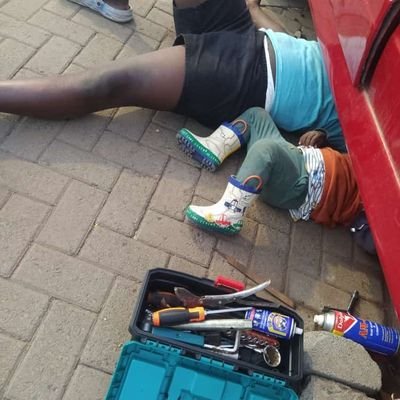
Ill give you an answer,
In the latest world weve turned everything to content-in extremities we want to monetize it
Most go for bikes just because its photo friendly.
Two hikes later they form a whatsapp group and want to make money planning the hikes.
Dead are hobbies that you could just do yourself and friends for fun.
The authenticity of it -for most ,is gone
Sasken@Sasken_T
Ati you want to go running, you have to join a running club, you want to go hiking, you have to join a group, heck you want to go cycling, you have to join a cycling group. What the fuck happened to doing things alone? People don't value solitude anymore? Lame ass niggas.
English
@Will_Mureithi @Sasken_T Unfortunately, someone will package that and monetize it
English

@Sasken_T Finally someone said it.
What is with people not wanting to do things alone?
That's how the clubs are made, you start running alone, someone else does too, yall meet and now it's a community.
Everyone just wants a community that's already been formed😂
English

Ati you want to go running, you have to join a running club, you want to go hiking, you have to join a group, heck you want to go cycling, you have to join a cycling group.
What the fuck happened to doing things alone?
People don't value solitude anymore?
Lame ass niggas.
Blaze Officiel@B3laze
the only way hobby yako utafeel hauko allowed to do it is when unataka kuifanya na a bunch of niggas
English
@FerdyOmondi You really arent the sharpest tool in your father's shed
English

Kenya’s rush into a 2,000MW nuclear plant in Siaya is a historic mistake in the making – economically, environmentally, and strategically.
First, context. Kenya already gets about 85–90% of its electricity from clean sources: geothermal, hydro, wind and increasingly solar. We are a global poster child for clean power without nuclear. Our main challenge isn’t a lack of clean options. We aren’t planning and using what we have well enough. So why gamble billions on the most complex, riskiest option on the menu?
A single 2,000MW nuclear plant is one of the largest, most expensive projects in our history. These plants are notorious for cost overruns and delays in far richer, more technically advanced countries. If it runs late (very likely) or goes over budget (almost guaranteed), someone has to pay. That “someone” is Kenyan taxpayers and electricity consumers. We risk locking ourselves into decades of high tariffs or more public debt to service a mega‑project we didn’t actually need.
Meanwhile, the opportunity cost is massive. For the same money, Kenya could add thousands of megawatts of geothermal, wind and solar across multiple counties, plus storage and transmission to stabilise the grid. Geothermal alone, in the Rift Valley, can provide 24/7 baseload power without importing fuel – and we’ve already shown we know how to do it. Wind in Turkana, solar in the north and east, small hydro, battery storage: these are proven, modular, quicker to build, and spread economic benefits more widely than one giant plant in Siaya.
Then there’s the risk profile. Nuclear accidents are rare, but when they go wrong, they go very wrong and last for generations. Putting a first‑ever nuclear plant on Lake Victoria, which supports millions of people across several countries, is a huge regional gamble. Even “minor” incidents or perceived risk can devastate fisheries, tourism, and local livelihoods. Radioactive waste is a 100‑year question in a political system that struggles to manage five‑year projects without scandal. Do we really trust our current institutions to run a flawless nuclear safety culture for the next century?
Governance is the elephant in the room. Nuclear is the kind of project that attracts opaque deals, expensive foreign contractors, complex technology transfer promises, and huge procurement contracts. In a country where big infrastructure routinely raises questions about corruption and value for money, adding nuclear’s complexity is like pouring petrol on a smouldering fire. Once we sign, we are locked in – to a vendor, to a technology, to a repayment schedule – regardless of how our economy or technology options evolve.
Strategically, it also makes little sense. The world is moving towards flexible, distributed, renewables‑heavy systems supported by storage and smart grids. Nuclear is the opposite: big, centralised, inflexible units that must run almost all the time to be economical. On a grid like Kenya’s, where demand is still growing and industrialisation is uneven, dropping 2,000MW of inflexible baseload can actually complicate balancing, especially when we add more variable wind and solar. We risk building a system that is technically elegant on paper but financially and operationally brittle in reality.
Kenya’s climate and geography give us an embarrassment of renewable riches: untapped geothermal reservoirs, some of the best wind regimes on the continent, abundant solar irradiation, and room for regional power trade. Instead of doubling down on what works and scaling it smartly, we are flirting with the most capital‑intensive, politically risky, institution‑demanding technology available. It’s like bypassing a field full of ripe maize to plant a single, exotic crop we’ve never grown before, which only matures if the weather is perfect for 20 years.
If our goal is cheap, reliable, climate‑friendly power that supports jobs and industry, the answer is to go deeper on what we’re already good at:
– Aggressively expand geothermal as firm baseload.
– Add more wind and solar, especially near demand centres.
– Invest in storage, transmission, and regional interconnectors.
– Fix governance, planning, and utility finances so that Kenyans actually feel the benefit on their bills.
Nuclear might have a place someday in a much larger, richer, more industrialised Kenya with rock‑solid institutions. But right now, when we are already at 85%+ clean power and sitting on huge untapped renewable potential, a 2,000MW nuclear plant is not visionary at all. It’s a high‑risk distraction. Our focus should be on making Kenya the first truly renewables‑powered industrial economy in Africa, not a test case for big nuclear on Lake Victoria.
NTV Kenya@ntvkenya
Ruto: Kenya plans to commence construction of a 2,000MW nuclear power plant in Siaya County next year, with commissioning of the project expected in 2034. To the people of Siaya, I invite you to be partners in this journey.
English
@Kalasinga_ Just wondering if the 2 vehicles aren't worth more than the stock in the warehouse...
English

😂😂😂😂. This is too much work tbh.
Morara Kebaso@MoraraKebasoSnr
Arriving for work without pawaa😃
English

@JonDefChess @mumiasfinest Only in your head.Vapor ya maji na vapor ya kerosene or vapor ya diesel have different compression ratios.
English
@Darfur007 @mumiasfinest Petrol engines (except direct injection) burn vapor not liquid. So same same.
English
@mumiasfinest Compression ration ya gas na liquid ni different. After sonetime engine itakufa
English
@IanECox So, driver is on the left, atm is on the right how does one key in and collect money without leaving the car ?
English

A guy from West Africa is amazed by the drive-through ATM in Lusaka, Zambia 🇿🇲🏧
The Africa Xperience@goshers_
I just saw this in Lusaka 🤔🤔
English