ONeillsSportsTherapy

1.7K posts

ONeillsSportsTherapy

ONeillsSportsTherapy

@OSTRyan

Clinic director at OST + Lecturer at City of Glasgow College/Queen Margaret University

Glasgow شامل ہوئے Haziran 2011
2.2K فالونگ664 فالوورز
ONeillsSportsTherapy ری ٹویٹ کیا
Football Tweet ⚽
Football Tweet ⚽@Footballtweet·
🤢 The trend of wearing tiny shin pads must end now.
English
105
462
4.6K
686.9K
ONeillsSportsTherapy ری ٹویٹ کیا
Eurosport France
Eurosport France@Eurosport_FR·
Depuis 130 ans, Paris-Roubaix ne se raconte pas. Elle se vit. ⚔️ "Paris-Roubaix, duels en enfer", un documentaire exceptionnel à retrouver ce vendredi sur Eurosport et HBO Max
Français
9
233
1.6K
84.6K
ONeillsSportsTherapy ری ٹویٹ کیا
Lord Bebo
Lord Bebo@MyLordBebo·
🐺 They ran like crazy after seeing him probably x.com/thildakm/statu…
English
148
299
11.4K
1.5M
ONeillsSportsTherapy ری ٹویٹ کیا
Dr. Dominic Ng
Dr. Dominic Ng@DrDominicNg·
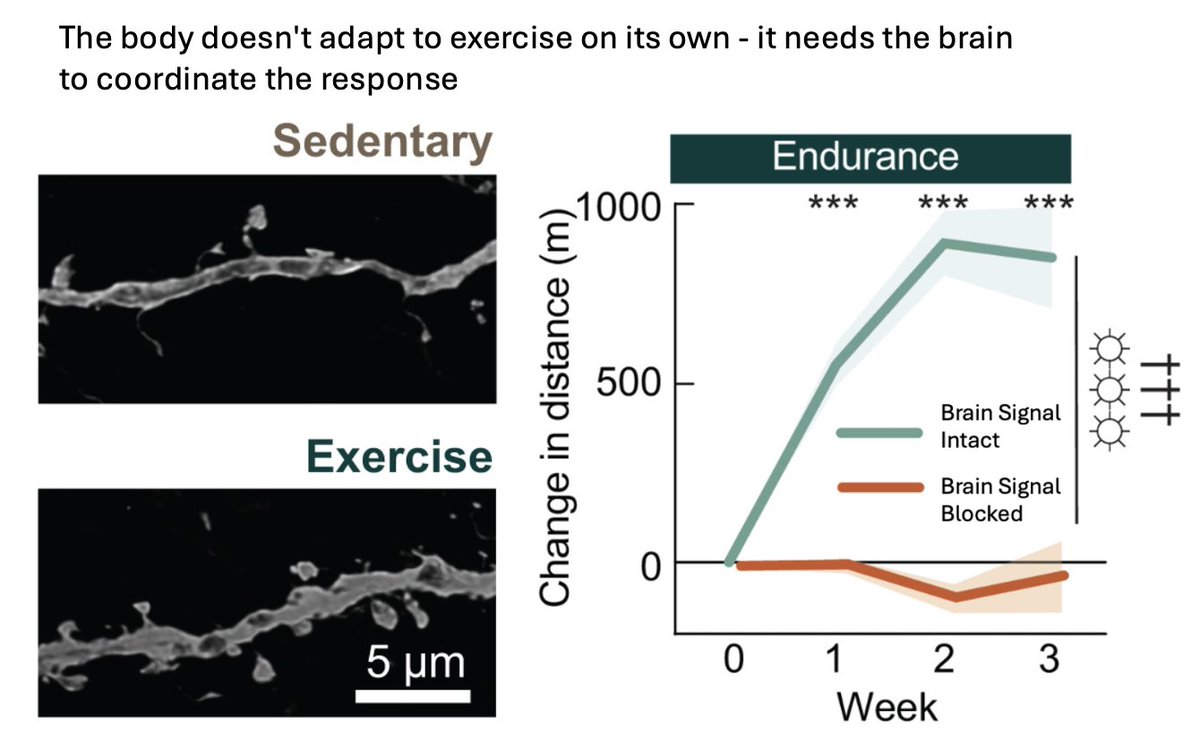
A signal in your brain - fired AFTER exercise - decides whether your body adapts at all. Block it? Training did nothing. Boost it? 2x the work output and 3x the endurance gains. This might be the most important exercise paper in years. Here's what they found 🧵
Dr. Dominic Ng tweet media
English
47
93
1.3K
218.5K
ONeillsSportsTherapy ری ٹویٹ کیا
Professor Kristian Thorborg
Professor Kristian Thorborg@KThorborg·
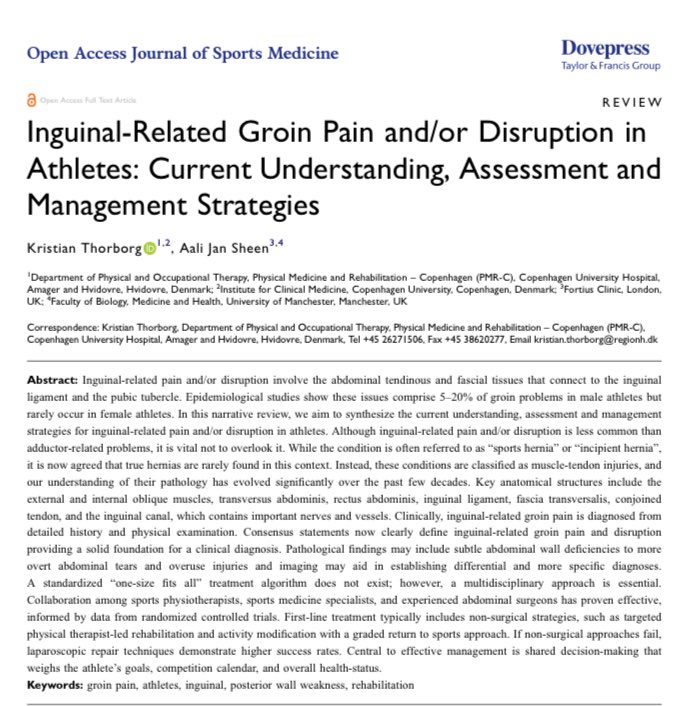
In great collaboration with Top-world expert on Inguinal-Related Groin Problems - Professor Aali Sheen - and I, have written an updated review on “Inguinal-Related Groin Pain and/or Disruption” Covering aspects of anatomy, pathology, terminology, assessment, treatment pathways outcome and RTP. We are very happy for it to be OPEN ACCESS and we hope that the sports physio/medicine community find it useful: Download it FREE from here: lnkd.in/eNixX7em Always learning🤩 - thanks Aali❤️ and all the great contributors in this space🏆
Professor Kristian Thorborg tweet media
English
2
29
109
7.3K
ONeillsSportsTherapy ری ٹویٹ کیا
Dr Claire Minshull
Dr Claire Minshull@Claire_Minshull·
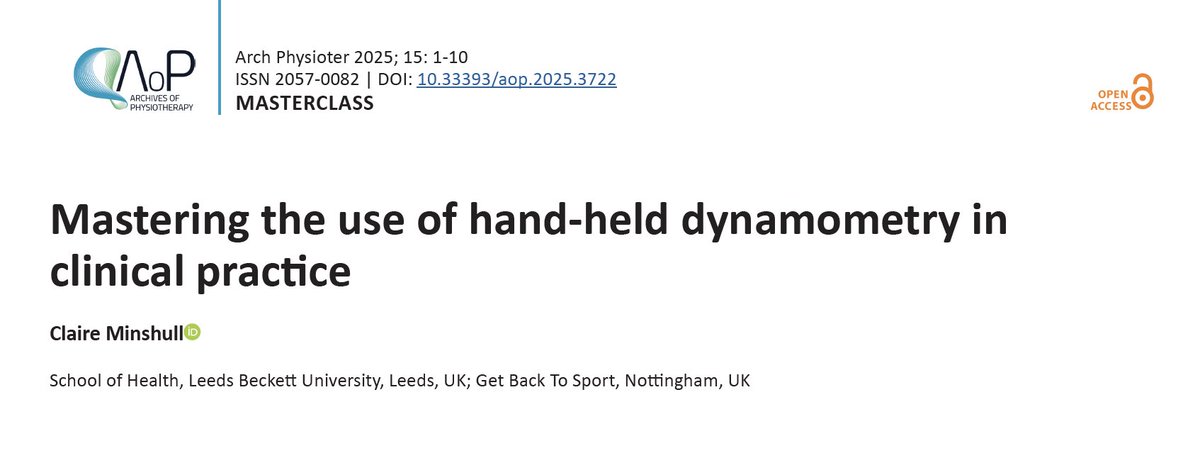
Delighted to share my open access paper: Mastering the use of hand-held dynamometry in clinical practice Intended to help clinicians simply navigate quality assessment & measurement science amid growing marketing hype & dynamometry device options. archivesofphysiotherapy.com/index.php/aop/…
Dr Claire Minshull tweet media
English
8
18
58
7.1K
ONeillsSportsTherapy ری ٹویٹ کیا
James Noake
James Noake@DrJN_SportsMed·
Consent ✅ Runner - Relative Energy Deficiency in Sport (REDS) and prior eating disorder High grade calcaneal stress fracture (with almost completed fracture line) - see MRI image Immobilised in Aircast boot (ACB) for prolonged period based on persistent heel pain, despite follow up MRI showing appropriate healing and regression of bone marrow oedema Patient adamant nature and location of pain now different Now - burning, ‘horseshoe shape’ around heel and radiating into lateral plantar foot (see patient's pain map; red - medial, blue - lateral) Finally, out of AirCast boot and off crutches after third MRI - but pain persisting on return to longer walks and jogging Found amitriptyline helpful in modifying what is clearly neuropathic pain in the interim OE - Calcaneal squeeze negative Tinel’s along lateral plantar nerve (LPN) and anteromedial heel (Baxter’s nerve (BN) inferior calcaneal nerve course) very provocative Images from first MRI (axial T2s) show LPN oedema and possibly BN which are immediately adjacent to the areas of calcaneal periostitis and inflammation POCUS video of hydrodissection with low potency soluble dexamethasone and local anaesthetic (note - LPN thickened at point of maximal tenderness, provoked with hockey stick probe pressure) As injecting – “Ouch! that’s the exact pain I’ve been having” At follow up pain intensity reduced by 60-70% despite tentatively weaning off amitriptyline For second hydrodissection, this time with 5DW
English
5
15
88
6K
James Noake
James Noake@DrJN_SportsMed·
So - making big strides with the book First 'skeleton' draft done for the 'Knee, Lower Leg, Foot & Ankle' book - currently at approx 300 pages It's taken a loooooooonnnggg time Very exciting to collaborate with the best clinicians in their respective fields Hard book or e-book? Or both? Then to start on the big one - 'Hip, groin, Buttock, Lumbar Spine'...🤯
James Noake tweet media
English
27
6
159
6.6K
ONeillsSportsTherapy ری ٹویٹ کیا
James Noake
James Noake@DrJN_SportsMed·
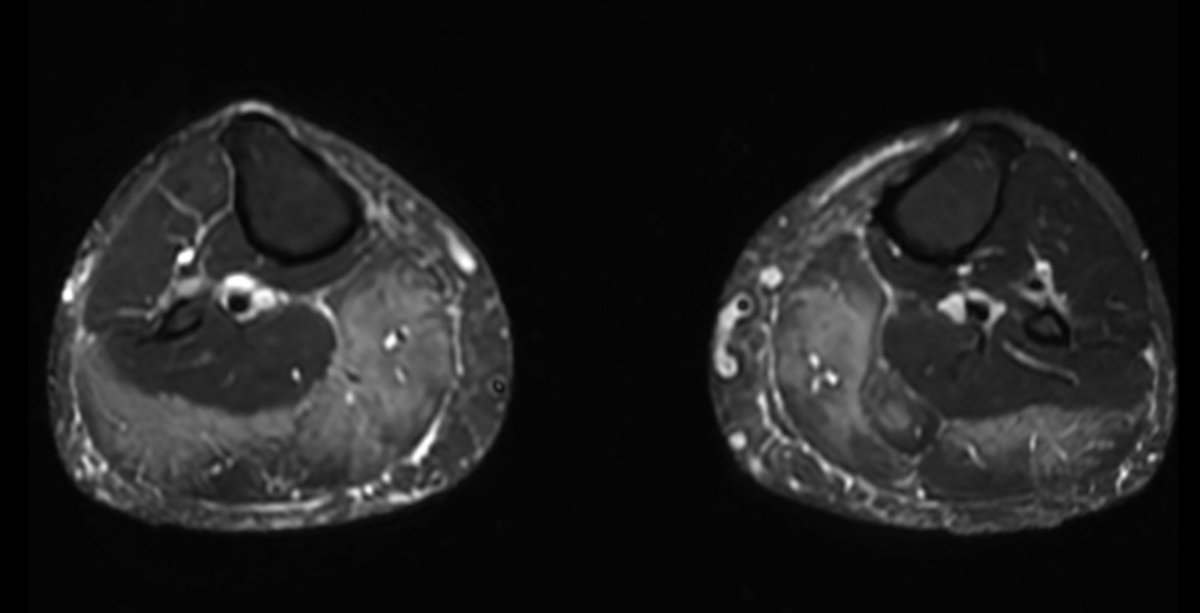
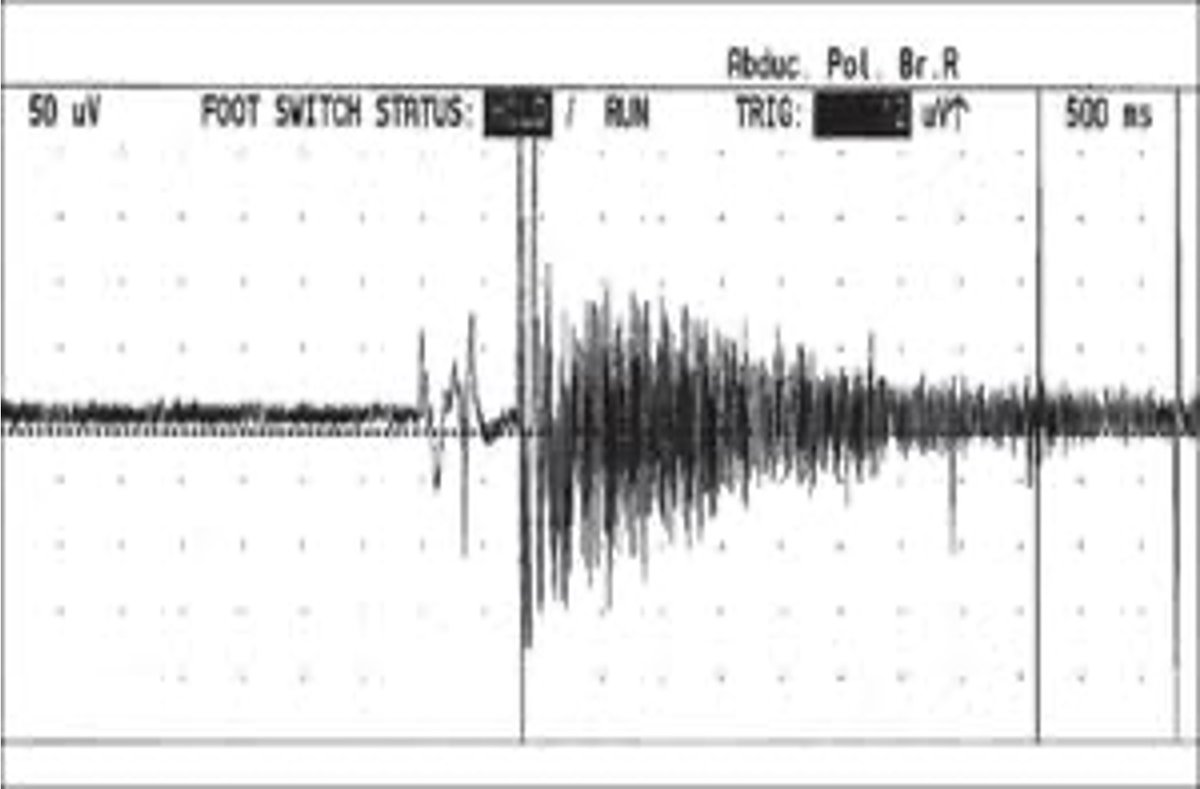
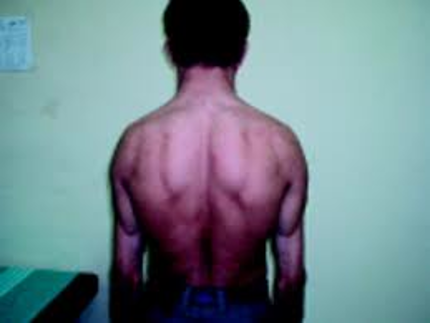
Consent ✅ Late 20s - runner & footballer 10-year history of bilateral lower leg pain – described as “crampy” and “bursting” All lower leg muscle compartments (anterior worst) Rapid onset with run, adjust to slower pace to keep manageable Some pain resolution on exercise cessation but persistent stiffness & subjective weakness Previous bilateral anterior compartment mini-fasciotomies for presumed Chronic Exertional Compartment Syndrome (CECS) – no change in symptoms (no pre-operative work up or pressure testing) At initial consultation – disproportionate calf and tibialis anterior muscle tone and definition, otherwise normal exam Patient asked to go for run prior to follow up consult - OE - (20 minutes post exercise): Difficulty rising & walking from waiting room Palpation – firm “woody” feel to all muscle compartments Increased tone, discomfort on passive end range of movement Muscle contraction uncomfortable Reduced power globally vs initial consult; improved on continued testing Pulses normal, reflexes and sensory neurological exam normal Bloods normal including pre and post exercise Creatine Kinase (CK) MRI (axial T2) post exercise – bilateral diffuse calf muscle oedema, reported as possible CECS or delayed onset muscle soreness (DOMS) EMG – myotonic discharges of varying amplitude and frequency post contraction; producing a characteristic 'dive-bomber' sound (see trace) Diagnosis – Myotonia Congenita (commonest non-dystrophic neuromuscular myopathy) On further testing, mild changes in deltoids Pearls – Pattern of muscle involvement can mimic CECS – but MC is characterized by delayed muscle relaxation (myotonia), rigidity, cramping, whereas symptoms with CECS resolve rapidly with cessation of exercise Symptoms also similar to those of metabolic myopathies eg McCardle’s Disease Effect enhanced by cold, inactivity and adrenaline ‘Warm up’ phenomenon – relieved by continued activity and repetitive movement. This effect diminishes quickly with rest (whilst sat in waiting room!) Patients often appear ‘muscular’ (see pic) Most recognised forms: ‘Thomson disease’ (Autosomal Dominant) – earlier onset in childhood, lower limbs predominant ‘Becker disease’ (Autosomal Recessive) – more severe disability, upper limbs / face Research links - Chronic Exertional Compartment Syndrome: A Clinical Update pubmed.ncbi.nlm.nih.gov/32925373/ Metabolic myopathies: functional evaluation by different exercise testing approaches pubmed.ncbi.nlm.nih.gov/21373907/
James Noake tweet mediaJames Noake tweet mediaJames Noake tweet media
English
4
20
110
9.8K
ONeillsSportsTherapy ری ٹویٹ کیا
Aitor Viribay
Aitor Viribay@MVAitor·
Lactate metabolism in mitochondria. A Christmas read by Gladden´s group! Since mitochondria was observed back in 1840 to contemporary understanding of its metabolism. This extensive review is worth reading. It includes a debate: what´s the role of mLDH? physoc.onlinelibrary.wiley.com/doi/10.1113/JP…
Aitor Viribay tweet media
English
4
54
243
13K
ONeillsSportsTherapy ری ٹویٹ کیا
William A. Wallace, Ph.D.
William A. Wallace, Ph.D.@WilliamWallace·
The immune system has computation and memory. This pathway map shows how innate and adaptive immunity coordinate threat detection, signal amplification, targeted killing, and long-term archival of antigen data. -Innate: pattern-recognition receptors, complement, macrophages, neutrophils — rapid, non-specific control within minutes. -Adaptive: antigen-specific B and T cells, clonal expansion, antibody class switching. -IgM → IgG → IgA/IgE: sequential specialization depending on tissue and threat. -Memory B/T cells: durable molecular records enabling accelerated responses on re-exposure. What looks like a single “immune response” is actually a staged, multi-layered signaling system that detects, eliminates, and then remembers pathogens with exquisite precision.
William A. Wallace, Ph.D. tweet media
English
11
142
523
14.9K
ONeillsSportsTherapy ری ٹویٹ کیا
Iñigo San Millán
Iñigo San Millán@doctorinigo·
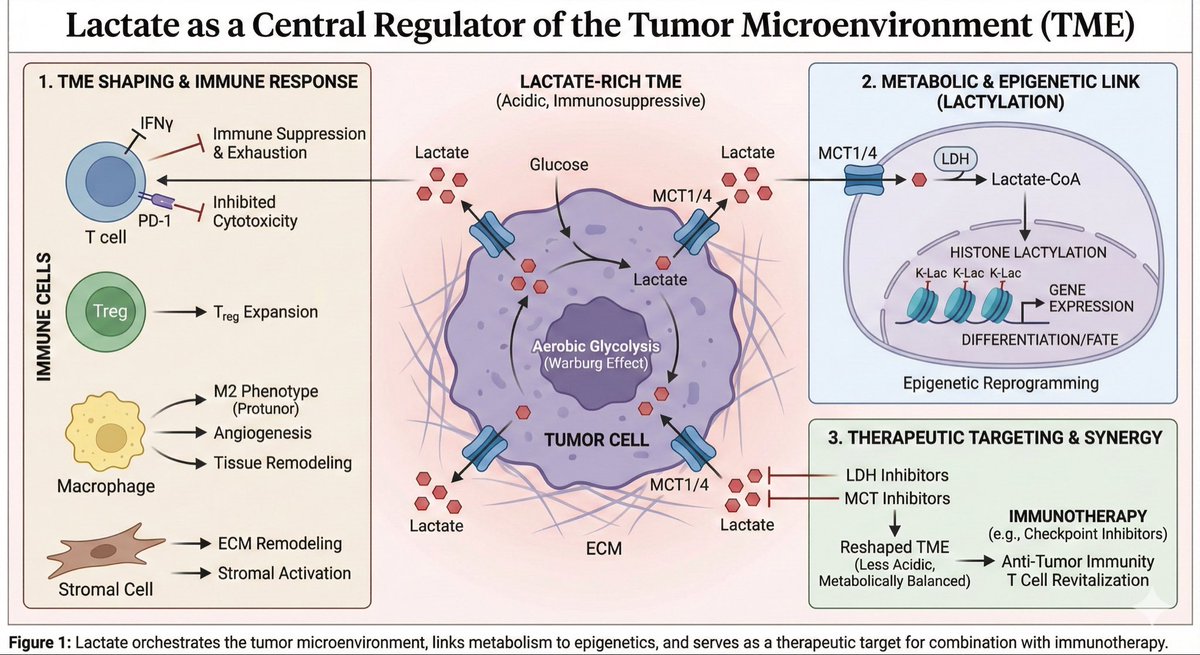
1️⃣ Lactate isn’t waste, it’s a central regulator of the tumor microenvironment (TME). It shapes immune responses, stromal behavior, angiogenesis, EMT, drug resistance, and metabolic reprogramming. 2️⃣ Lactate connects metabolism to epigenetics via lactylation, modifies signaling, and influences differentiation/immune cell fate. 3️⃣ Targeting LDH and MCTs isn’t just about starving tumors, it can synergize with immunotherapy by reshaping the metabolic milieu. Key takeaway: Tumor lactate metabolism is both a driver & therapeutic vulnerability. #Lactate #TME #MetabolicTherapy #CancerResearch
Iñigo San Millán tweet media
English
14
87
381
22.9K
ONeillsSportsTherapy ری ٹویٹ کیا
Mo Imam
Mo Imam@MoAImam·
Knees
Mo Imam tweet media
English
0
72
283
9K
ONeillsSportsTherapy ری ٹویٹ کیا
Agingdoc🩺Dr David Barzilai🔔MD PhD MS MBA DipABLM
Lactate metabolism in human health and disease 🔘Lactylation is a vital component of lactate function and is involved in tumor proliferation, neural excitation, inflammation and other biological processes. 🔘An indispensable substance for physiological cellular functions, and regulatory role in energy metabolism and signal transduction. - Inflammatory responses 🔥 - Memory formation and neuroprotection 🧠 - Wound healing 🩹 - Ischemic injury 🫀 - Tumor growth and metastasis😷 - Lactate leads to ATP production are simpler and faster than those involved in the oxidative utilization of glucose ⚡️ A bit of history: my great-grandfather’s cousin, Nobel laureate Otto Meyerhof, uncovered the link between muscle contraction and lactic acid. He showed that glycogen is converted to lactic acid without oxygen, and that in the presence of oxygen, most of it is recycled back into glycogen—early evidence of a metabolic cycle in living cells. This work laid the foundation for our understanding of glycolysis (the Embden–Meyerhof pathway) and earned him the 1922 Nobel Prize, shared with Archibald Hill, for explaining how muscles use and recover energy. 👨‍⚕️ nature.com/articles/s4139…
Agingdoc🩺Dr David Barzilai🔔MD PhD MS MBA DipABLM tweet media
English
3
97
353
14.1K
ONeillsSportsTherapy ری ٹویٹ کیا
William A. Wallace, Ph.D.
William A. Wallace, Ph.D.@WilliamWallace·
Most people think Vitamin D is “just a vitamin," and, indeed, it is a vitamin… but this chart shows it behaves more like a hormone (a feature of several vitamins) that controls hundreds of processes in your body. Sunlight hits your skin → your liver rewires the molecule → your kidneys activate it → and then this tiny hormone starts regulating everything from immunity to calcium to gene expression. This diagram shows what textbooks never make simple: Vitamin D is controlling your: ☀️ Immune response ☀️ Bone building ☀️ Muscle function ☀️ Hormone signaling ☀️ Cell growth & cell death ☀️ Inflammation ☀️ Cancer-protective pathways ☀️ Calcium & phosphorus absorption ☀️ Even gene transcription inside the nucleus Every cell with a Vitamin D receptor (VDR) is listening. That includes your brain, thyroid, pancreas, immune cells, prostate, breast tissue, colon, bones, and more. Look at what’s happening in the diagram: 🔸 UVB light converts 7-dehydrocholesterol in the skin into previtamin D₃ (this step only activates with the right wavelength of sunlight) 🔸 The liver turns it into 25(OH)D3 (the lab marker everyone measures) This is the “circulating form” (the one your doctor tests). 🔸 The kidney turns THAT into the active hormone, 1,25(OH₂)D3 This is the molecule that actually controls your genes. 🔸 Immune cells can ALSO activate Vitamin D on their own Meaning your vitamin D status directly affects how strongly or weakly your immune system reacts. 🔸 Bones, thyroid, parathyroid, and gut are all communicating using this one signaling molecule A full endocrine network most people never knew existed. Vitamin D isn't just about “strong bones.” It’s a biochemical communication system that your entire physiology depends on. And deficiency doesn’t just cause low energy, it disrupts every node in this network. Sunlight, diet, supplements, metabolism, inflammation, liver health, kidney function… They all determine whether this system works or collapses. source: Holick, M. F. (2014). Cancer, sunlight and vitamin D. Journal of Clinical & Translational Endocrinology, 1(4), 179–186.
William A. Wallace, Ph.D. tweet media
English
25
456
1.5K
66.5K
ONeillsSportsTherapy ری ٹویٹ کیا
Michael Okun
Michael Okun@MichaelOkun·
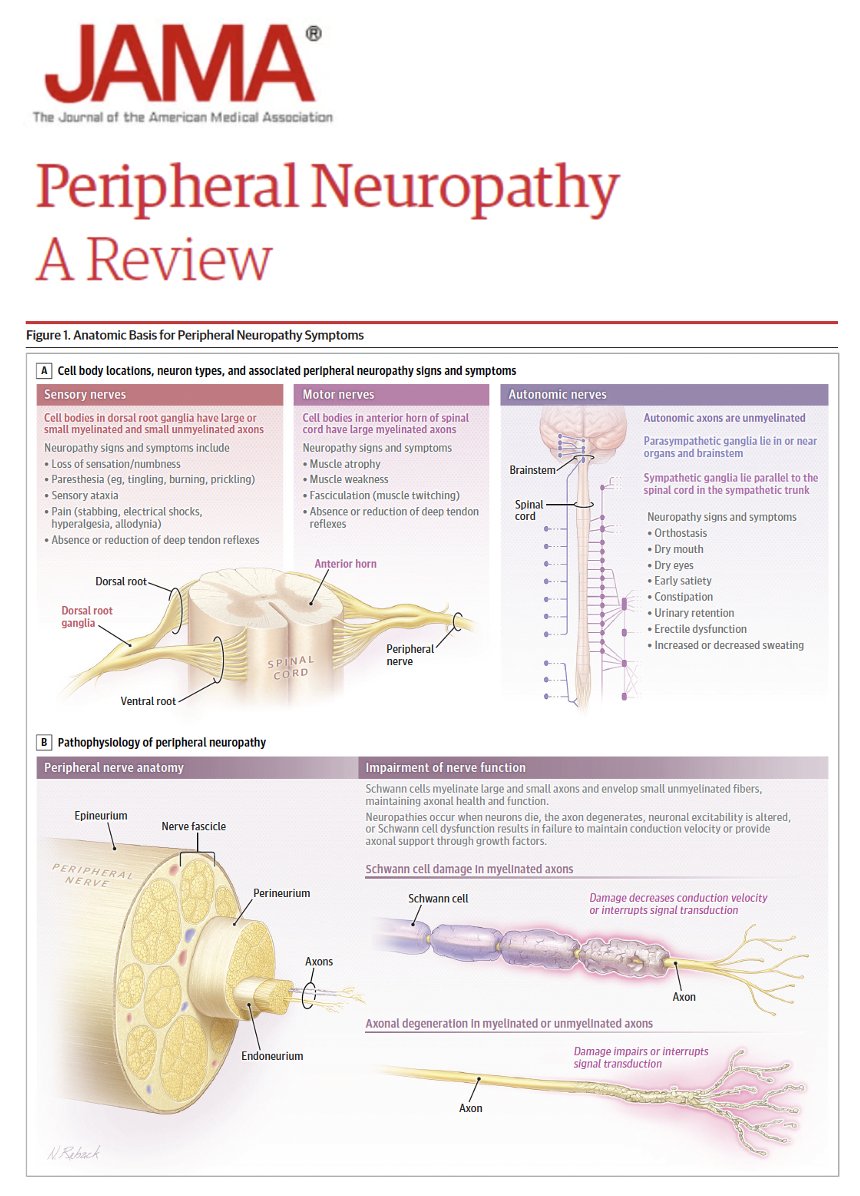
A 2025 neuropathy update: What does every family needs to know about numb feet and other body parts? One of every hundred people will develop neuropathy. Neuropathy refers to injury or dysfunction of peripheral nerves that carry sensory, motor and autonomic information throughout the body. Michelle Mauermann and colleagues describe in a new paper in JAMA the latest advances in diagnosing and treating neuropathy. Key Points: - Peripheral neuropathy affects about 1 percent of adults worldwide and usually presents in a length dependent pattern starting in the toes before moving upward. - Diabetes remains the leading cause of neuropathy and many folks also develop neuropathy from nutritional issues, alcohol use, medications or genetic factors. - First line medications for neuropathic pain include gabapentin, pregabalin, duloxetine and amitriptyline, however pain relief is frequently incomplete. My take: Many diseases include neuropathy (numbness or sensory loss) as a feature. Also, it is possible to have neuropathy + another disease. It is also possible to take too many vitamins like B6 and to develop a neuropathy from the vitamins. I love this review article, and these 5 points resonated w/ me: 1- Recognize early symptoms such as numbness, tingling or burning in the toes before it spreads. 2- Understand that diabetes, nutritional deficiencies, alcohol use, and certain medications are frequent culprits. 3- Know that B12 levels, glucose measures and monoclonal protein testing are key starting labs for figuring out the cause. 4- Realize that pain therapies help many folks, however they rarely remove symptoms completely. 5- Remember that foot care, safe shoes and daily skin checks can prevent dangerous complications. cutt.ly/5tyBshsU @ACPIMPhysicians @FixelInstitute @ParkinsonDotOrg @JAMANeuro @JAMA_current
Michael Okun tweet media
English
9
168
618
35K
ONeillsSportsTherapy ری ٹویٹ کیا
Nutrition Science
Nutrition Science@NutrioSci·
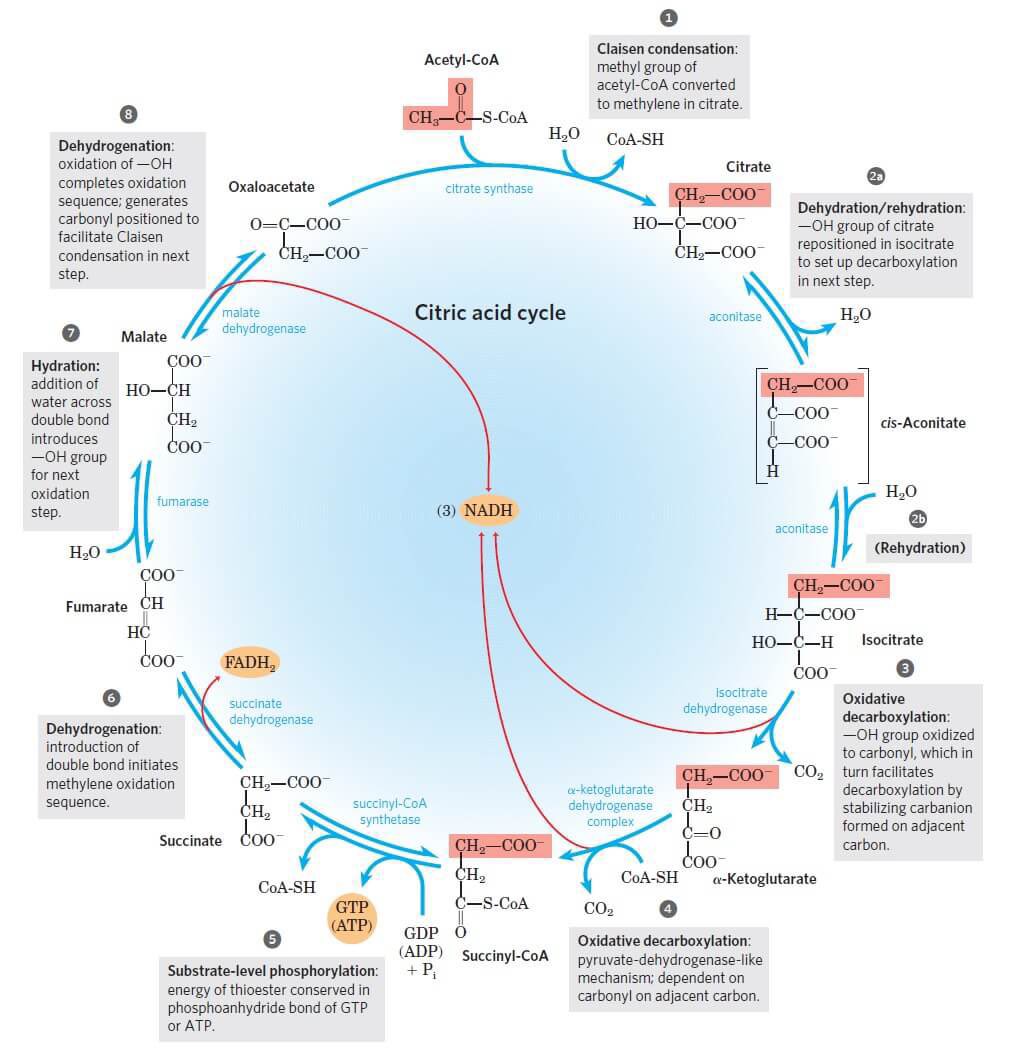
Krebs cycle
Nutrition Science tweet media
English
2
115
491
13.4K