Parlefalk

666 posts

Parlefalk banner
Parlefalk

Parlefalk

@Parlefalk

Curious. Questioning. Entrepreneurial. E-Commerce, biz dev & growth marketing. Creativity, memes, freedom n’ finance. Pronoun: Ya’ll.

Student at Berghs. شامل ہوئے Eylül 2009
1.4K فالونگ193 فالوورز
Parlefalk
Parlefalk@Parlefalk·
Dont be on here reading this. Detox yourself. 🧠☀️
P.S. I Love ME@ps_ilove_me

🚨In 1990s, Stanford researcher Dr. Robert Sapolsky discovered something that should have broken the internet by now. He was studying dopamine pathways in primates and found that the brain doesn't just adapt to repeated stimulation. It actively fights back. When you flood dopamine receptors consistently, the brain deploys what neuroscientists call "opponent processes." For every artificial high you create, your nervous system generates an equal and opposite neurochemical low. Not eventually. Immediately. The system is designed to maintain balance, so it starts producing compounds that directly counteract dopamine while you're still experiencing the dopamine hit. This means every notification, every scroll, every digital reward doesn't just give you a high followed by a return to baseline. It gives you a high followed by a crash below baseline. You end up in neurochemical debt. Tech companies never publicized this research. They probably never read it. They were too busy discovering that variable ratio reinforcement schedules could keep users engaged for hours. They built addictive systems by accident, then refined them into addiction machines once they realized what they'd stumbled onto. Your phone delivers an average of 80 dopamine hits per day. Your ancestors got maybe 5. Each hit triggers opponent processes that create a corresponding low. By the end of a typical day of normal phone usage, your baseline dopamine is running in negative territory. You feel flat, restless, vaguely unsatisfied, and hungry for stimulation because your brain chemistry is literally below zero. You think you're bored. You're chemically depressed by artificial highs. The opponent process theory explains why nothing feels interesting anymore. Your brain isn't broken. It's precisely calibrated to maintain neurochemical balance, and you keep throwing that balance off with artificial intensity. Every Instagram hit requires an equal Instagram crash. Every TikTok high gets paid for with a TikTok low. Every notification rush gets balanced with notification emptiness. Your reward system is running a neurochemical deficit that grows larger every day. Sapolsky's research revealed something even more disturbing: opponent processes don't just create temporary lows. They become permanent changes to your baseline dopamine production. Chronic overstimulation doesn't just make you tolerant to digital rewards. It makes you insensitive to natural rewards. The sunset that would have captivated your great-grandfather becomes invisible to you not because sunsets got worse, but because your dopamine system needs intensity levels that sunsets can't provide. A good conversation becomes boring not because conversations got less interesting, but because your brain requires the rapid-fire stimulation of social media to register engagement. You've accidentally trained your reward system to ignore everything that isn't artificially amplified. This connects to research from Dr. Anna Lembke at Stanford, who found that people who undergo complete digital fasting for just 30 days show measurable increases in dopamine receptor density. Their brains literally regrow sensitivity to natural rewards. Food tastes better. Music sounds more complex. Social interactions become genuinely engaging again. But there's a catch that nobody talks about: the first two weeks of dopamine detox feel like clinical depression. Your brain has been chemically dependent on artificial stimulation for years. Removing that stimulation creates actual withdrawal symptoms. Restlessness, anxiety, inability to focus, emotional flatness, and desperate cravings for digital input. Most people interpret these symptoms as evidence that they need their phones. Actually, they're evidence that they've been neurochemically dependent on their phones without realizing it. The withdrawal period isn't a bug. It's proof the reset is working. What happens after week three is remarkable. Colors become more vivid. Conversations become genuinely absorbing. Simple pleasures like hot coffee or cool air become satisfying in ways you forgot were possible. Your brain rediscovers that reality contains enough complexity and beauty to hold your attention without artificial amplification. You don't need more interesting content. You need more sensitive reward systems. The solution isn't better apps or more engaging entertainment. The solution is restoring your brain's factory settings for what constitutes a worthwhile experience. Sapolsky's opponent process research suggests this can happen faster than anyone expected. Every day you don't artificially spike your dopamine, your baseline moves a little higher. Every natural reward you pay attention to rebuilds receptor density. Every moment of boredom you endure without reaching for stimulation strengthens your capacity for sustained focus. Ancient humans lived in a world that provided exactly the right amount of stimulation to keep their reward systems healthy. Enough challenge to stay engaged, enough calm to stay balanced, enough novelty to stay curious, enough routine to stay stable. We built a world that provides 10 times too much stimulation and wonder why nothing feels rewarding anymore. Your brain is not the problem. Your environment is the problem. Change the environment, and the brain heals itself automatically.

English
0
0
0
12
Parlefalk ری ٹویٹ کیا
Josh Kale
Josh Kale@JoshKale·
Scientists just copied a Fruit Fly's biological brain and trapped it inside of a computer. Not an AI model trained to act like a fly... A total digital copy of a fly !! This is some sick sci-fi stuff: - They scanned and copied the brain, neuron by neuron, synapse by synapse, from electron microscopy data. - Then dropped that brain into a simulated body in a video game like environment. The fly walked. It groomed. It fed. Nobody taught it anything. The behavior was already in the wiring. The entire premise of modern AI is that intelligence is something you train into a system. This is proof it's something you can transfer out of one. Wild times
Dr. Alex Wissner-Gross@alexwg

x.com/i/article/2029…

English
747
2.7K
19.2K
2.7M
Yash Dulla
Yash Dulla@yashdulla·
A few weeks ago the @ycombinator batch begged me to make a CRM crash course for founder-led sales. After multiple drink offers 🍻— I gave in. The session itself went semi-viral inside the batch, and people keep asking for the video. If you’re doing founder-led sales, the CRM might feel like this clunky behemoth system—it doesn’t have to. In the video I go over the absolute basics: → The only 3 CRM objects that REALLY matter (Deals, Contacts, Companies) → CRM best practices → Why logging every interaction isn't optional → How to set up/automate your CRM so it becomes your single source of truth (and sales doesn't hate using it) I wasn’t planning on releasing this outside the YC group, but given the response, happy to share it with others running early sales teams. If you want the video → just comment "CRM" and I’ll DM it to you. Thank you to Aaron Zelinger, @ghita__ha, @Pashpops, @JoshSabol, Thibault Henriet. @NityaArora14, @gunwoo__kim, @adinagoerres for making sure I got this out. This ended up being one of the highest ROI hours I’ve spent lately — founders really need better sales and CRM playbooks. If you’re in the trenches with founder-led sales and figuring this out, happy to help.
Yash Dulla tweet mediaYash Dulla tweet media
English
1K
28
754
136.5K
Parlefalk
Parlefalk@Parlefalk·
We are constantly being fed with hatred Our amygdala is attacked on a daily basis Positivity is more crucial than ever before This vid is adorable Try your best to be the light in a world that try its hardest to drain you in darkness Light and love will always prevail
non aesthetic things@PicturesFoIder

How I met your mother

English
1
0
0
117
Parlefalk
Parlefalk@Parlefalk·
@JacobSalti Record the presentation. If you can, also (with permission) record the audience questions. Would be interesting to hear their initial thought process. How advanced or not will their questions be, important information in order to enlighten normal folks.
English
0
0
1
14
Jacob Saltijeral
Jacob Saltijeral@JacobSalti·
21 year old Bitcoiner here. Was given a senior class project prompt of “pick a new technology and list its effect on economic, political, ecological, social, and human…. I think I’m about to orange pill my entire class. Wish me luck! I will post the presentation after. #Bitcoin
English
252
99
2.7K
171.6K
Parlefalk
Parlefalk@Parlefalk·
@PrajwalTomar_ Whats your take on Lovable instead of Cursor? Ps. I Enjoy your posts :)
English
0
0
0
939
Prajwal Tomar
Prajwal Tomar@PrajwalTomar_·
How to Convert Figma to Code Using Cursor + MCP Manually converting Figma designs into code is slow and painful. Here’s how to automate the entire process:
Prajwal Tomar tweet media
English
16
82
981
159.1K
Parlefalk
Parlefalk@Parlefalk·
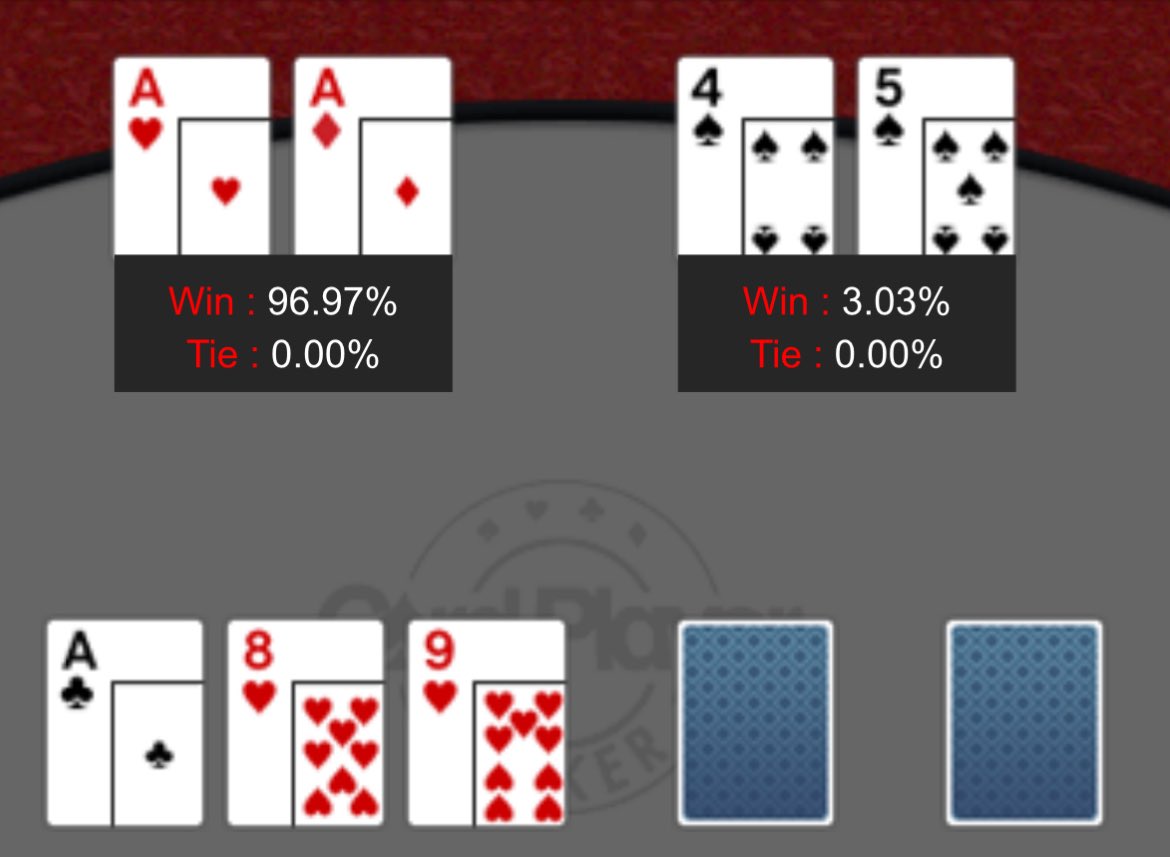
@adamlevitan As a former poker pro, this is indeed ~3% But. Its also a 50/50. Its Win or Lose. Hope we Dont run bad. GL to us!
English
0
0
1
45
Parlefalk
Parlefalk@Parlefalk·
Absolutely brilliant. Not only Mayers beautiful vocals and his creative process but the text below. Overcome the agitation and the stress you feel when starting something new. How? By knowing of it, and still just go. It will then slowly go away. Nike was right. Just…
Billy Oppenheimer@bpoppenheimer

This is one of the greatest displays of the creative process I’ve seen. It perfectly illustrates something many of my favorite artists have described. When you go to the studio, Mayer was asked, what do you do to generate ideas? “Well, I don’t always do it,” he admitted, “because it requires a stupid bravery all the time.” Mayer strums a couple chords without singing. A nice melody begins to form—“you can sit here all day [doing this] and go, ‘Okay, maybe that’s something.’” “But if you don’t go,” and then he starts improvising vocals, “Sunlights beating on the corner of the walls / and I’m a Mr. know-it-all / heaven calls / get yourself right / get yourself right,” he stops, raises his finger to his mouth, and explains, “if you’re not ouija boarding immediately, you’re wasting time.” “You just stare at the corner of the wall,” he says, before improvising some more, “Stare at the corner of the wall / try to get it going on / but I can’t sometimes / you just keep going 'til you get something / maybe I’m a little bit shy / maybe someday I’ll tell you why.” He stops singing to say, “you gotta keep forcing it, forcing it, forcing it. It doesn’t matter [what comes out of your mouth]...You gotta get fearless, fearless, fearless, fearless…It’s hard to do.” Takeaway: When talking about their creative processes, many artists describe something similar to what Mayer refers to as “ouija boarding”—spitting out words and phrases, without worrying if they’re good or even make sense). When asked where his ideas came from, Pablo Picasso said, “As soon as I start to work, [ideas] well up in my pen. To know what you’re going to draw, you have to begin drawing.” Joan Didion famously wrote, “I write entirely to find out what I’m thinking.” And Judd Apatow said that his movie scripts are all a product of the Down-Up theory: “Get the ideas DOWN then fix them UP.” “Give yourself permission to suck,” Apatow says. “Anything goes. Just get something down.” Make it exist, as they say, then make it good. There’s a neural explanation for this process... I recently shared a clip of Dr. Andrew Huberman explaining what happens in our brain when we sit down to focus. Whether we’re trying to read, write, create a song, or generate ideas—when you sit down and try to focus, Huberman explains, “The brain circuits that turn on first are of the stress system...The agitation and stress that you feel at the beginning of something—when you’re trying to lean into it and you can’t focus: you feel agitated and your mind’s jumping all over the place—that is just a gate. You have to pass through that gate to get to the focus component.” He uses a great analogy: “You have to wade through some sewage before you can swim in clear water. That’s the way I always think about it.” Essentially: you become creative by creating, you get more creative the more you create. At the start of a focused creative session, bad ideas almost always come out first. You just have to wade through the sewage of bad ideas, “just keep going ‘til you get something,” as Mayer sang, ‘til you reach clear water. - - - “You gotta keep forcing it, forcing it, forcing it...You gotta get fearless, fearless, fearless, fearless.” — John Mayer Follow @bpoppenheimer for more content like this!

English
0
0
0
60
Parlefalk
Parlefalk@Parlefalk·
Illustration of Democracy vs Meritocracy
Parlefalk tweet media
English
0
0
0
10