RHC

1.7K posts

RHC banner
RHC

RHC

@RHealthConsult

Public health, digital healthcare, health economy and development professionals. #health #digitalhealth #SDGs

Worldwide شامل ہوئے Ocak 2022
877 فالونگ911 فالوورز
RHC ری ٹویٹ کیا
RHC
RHC@RHealthConsult·
Oman 🇴🇲 launches its first nationwide NCD survey with WHO support. The goal: gather data on diseases like diabetes, heart disease & cancer to build stronger policies. Evidence is key in reducing NCD impact. #NCDs #GlobalHealth #NCDprevention
RHC tweet media
English
1
1
0
61
RHC ری ٹویٹ کیا
William A. Wallace, Ph.D.
William A. Wallace, Ph.D.@WilliamWallace·
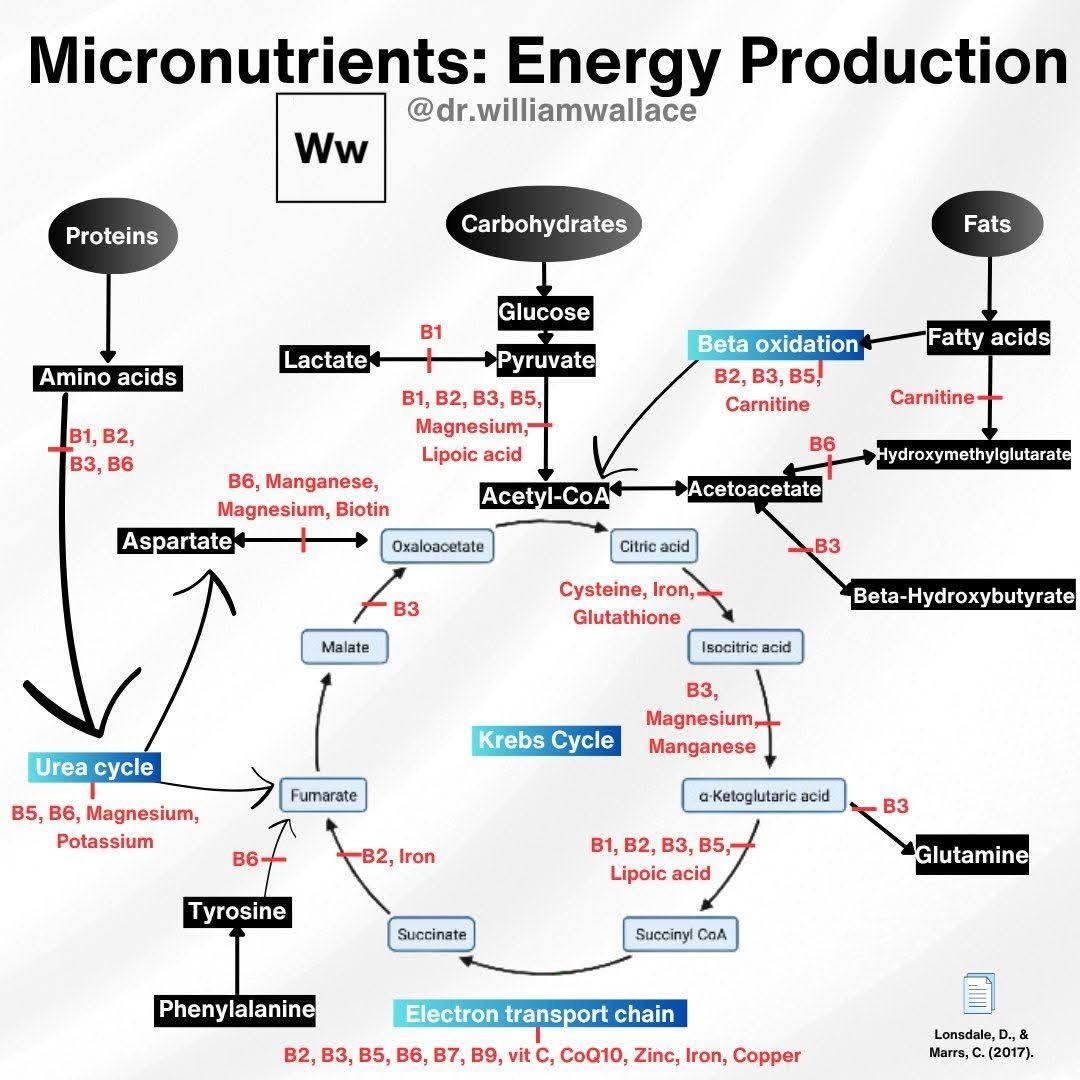
Your body is running a micronutrient-powered energy grid that keeps every cell alive. Most people think carbs, fats, and protein become energy on their own. But this diagram shows something far more important: Without micronutrients, none of your macronutrients can be used at all. Inside every cell, vitamins and minerals are: ⚙️ Activating enzymes that break down carbs, fats, and amino acids ⚙️ Converting food into acetyl-CoA, the gateway to ATP ⚙️ Driving the Krebs cycle and electron transport chain ⚙️ Recycling lactate back into usable fuel ⚙️ Supporting detox pathways like the urea cycle ⚙️ Protecting mitochondria from oxidative stress so energy stays stable And all of it is happening continuously. Thousands of reactions per second. Looking closer at what this single diagram reveals: 🔹 Glucose → Pyruvate → Acetyl-CoA Every step requires B-vitamins (B1, B2, B3, B5), magnesium, and lipoic acid. No micronutrients → no carbohydrate metabolism. 🔹 Fatty acids → β-oxidation → Acetyl-CoA This depends on B2, B3, B5 and carnitine to move fats into mitochondria. If you’re low here, fat oxidation simply slows. 🔹 Amino acids feed directly into energy pathways B6, manganese, magnesium, biotin, and iron convert amino acids into Krebs-cycle intermediates and neurotransmitter precursors. 🔹 The Krebs cycle only turns if micronutrients are present B2, B3, B5, magnesium, manganese, iron, cysteine, glutathione - all essential. Without them, ATP production drops even with enough calories. 🔹 Electron transport chain = the final step Requires B2, B3, B5, B6, B7, B9, vitamin C, CoQ10, zinc, iron, copper. This is where oxygen becomes usable energy - or where it fails if cofactors are missing. This is why micronutrients influence EVERYTHING: energy, fatigue, metabolism, mood, focus, exercise capacity, mitochondrial health, aging. Your macros are fuel. Your micronutrients are the keys, the wiring, and the ignition system that make that fuel burn cleanly. You’re not just eating food. You’re feeding the biochemistry that powers your entire life.
William A. Wallace, Ph.D. tweet media
English
8
77
309
10.3K
RHC ری ٹویٹ کیا
Dr Alexey Kulikov
Dr Alexey Kulikov@KulikovUNIATF·
📢 A groundbreaking new investment case, co-developed by @WHO, @un_ncd, UNDP, and the Government of Nepal 🇳🇵 reveals the staggering economic burden of #mentalhealth conditions in the country. In 2021 alone, #depression, anxiety, psychosis, bipolar disorder, #epilepsy, and #alcohol use disorder cost Nepal NPR 18.7 billion (0.44% of GDP), with 77% of this cost stemming from lost productivity due to absenteeism, presenteeism, and premature death. This data underscores that the current underfunding of mental health is not just a health crisis, but a significant drag on national #economic growth and development. The analysis provides a clear roadmap for action. It models the costs and returns of scaling up both clinical interventions for six priority conditions and population-based strategies like a ban on highly hazardous pesticides and #school-based social-emotional learning programs. The results are compelling: for every 1 Nepali Rupee invested, key interventions deliver returns of up to NPR 3.4 over 10 years and NPR 6.6 over 20 years, primarily by restoring a healthy, productive workforce. Crucially, when the intrinsic social value of #health is included, the economic argument becomes overwhelmingly positive for all interventions. This report is a powerful tool for policymakers, demonstrating that investing in mental health is a strategic investment in #Nepal’s future. It provides concrete recommendations to increase access to care, build a skilled workforce, enforce #multisectoral coordination, and strengthen governance. By acting on this evidence, Nepal can avert nearly 2.5 million cases of mental health conditions, save thousands of lives, and unlock billions in economic potential over the next two decades. Read the full report: who.int/nepal/publicat… @DrTedros @JeremyFarrar @WHOSEARO @MOHPnepal @BoehmeCatharina @WHONepal @GampoDorji @UN_Nepal @UNDPNepal @RHealthConsult @SDG2030 @UNDP
English
3
8
13
1.6K
RHC ری ٹویٹ کیا
United Nations
United Nations@UN·
Cervical cancer could be the first cancer EVER to be eliminated, if: 90% of girls are vaccinated 70% of women are screened 90% of women with cervical cancer receive treatment More from @WHO during this Cervical Cancer Awareness Month: #tab=tab_1" target="_blank" rel="nofollow noopener">who.int/health-topics/…
United Nations tweet media
English
108
200
404
26.3K
RHC ری ٹویٹ کیا
Dr Alexey Kulikov
Dr Alexey Kulikov@KulikovUNIATF·
Digital health is rapidly becoming a powerful facilitator of health development, especially in the prevention and control of #NCDs noncommunicable diseases. From mobile messaging and health #chatbots to telemedicine, digital tools are helping countries overcome long-standing barriers such as workforce shortages, geographic distance, and fragmented care.
 When integrated into national #health systems, these solutions improve access, continuity of care, and quality of services—while empowering people to better manage their own health.
 The evidence is clear: modest #investments in digital health can deliver outsized health and economic gains. As shown in theGoing digital for noncommunicable diseases: the case for action report, investing less than one dollar per patient per year in scalable digital interventions could save millions of lives, avert hospitalizations, and generate substantial economic returns over the next decade. Digital health is not a luxury - it is a cost-effective accelerator of @WHO-recommended NCD “best buys” and progress towards #UHC universal health coverage.
 Beyond numbers, #digitalhealth strengthens systems and communities. It enables people-centred care, supports health workers with real-time data and decision tools, and creates platforms that can be repurposed for emergencies, prevention campaigns, and broader development goals. To realize its full potential, countries must pair digital #innovation with strong governance, equity, and sustained investment - ensuring digital health becomes a bridge to better health, not another source of inequality. 
uniatf.who.int/about-us/news/…
Dr Alexey Kulikov tweet mediaDr Alexey Kulikov tweet mediaDr Alexey Kulikov tweet mediaDr Alexey Kulikov tweet media
English
1
15
19
1.4K
RHC ری ٹویٹ کیا
RHC
RHC@RHealthConsult·
🚭 WHO warns global progress on tobacco control is under threat. 🌀 E-cigarette use is rising fast, with 62 countries still lacking proper regulation. 💀 Tobacco caused over 7 million deaths in 2023. 🌍 Only 4 countries meet all WHO tobacco control standards. #TobaccoControl #WHO #NCDs #Vaping 📎 Source: The Guardian theguardian.com/global-develop…
RHC tweet media
English
1
2
2
88
RHC ری ٹویٹ کیا
RHC
RHC@RHealthConsult·
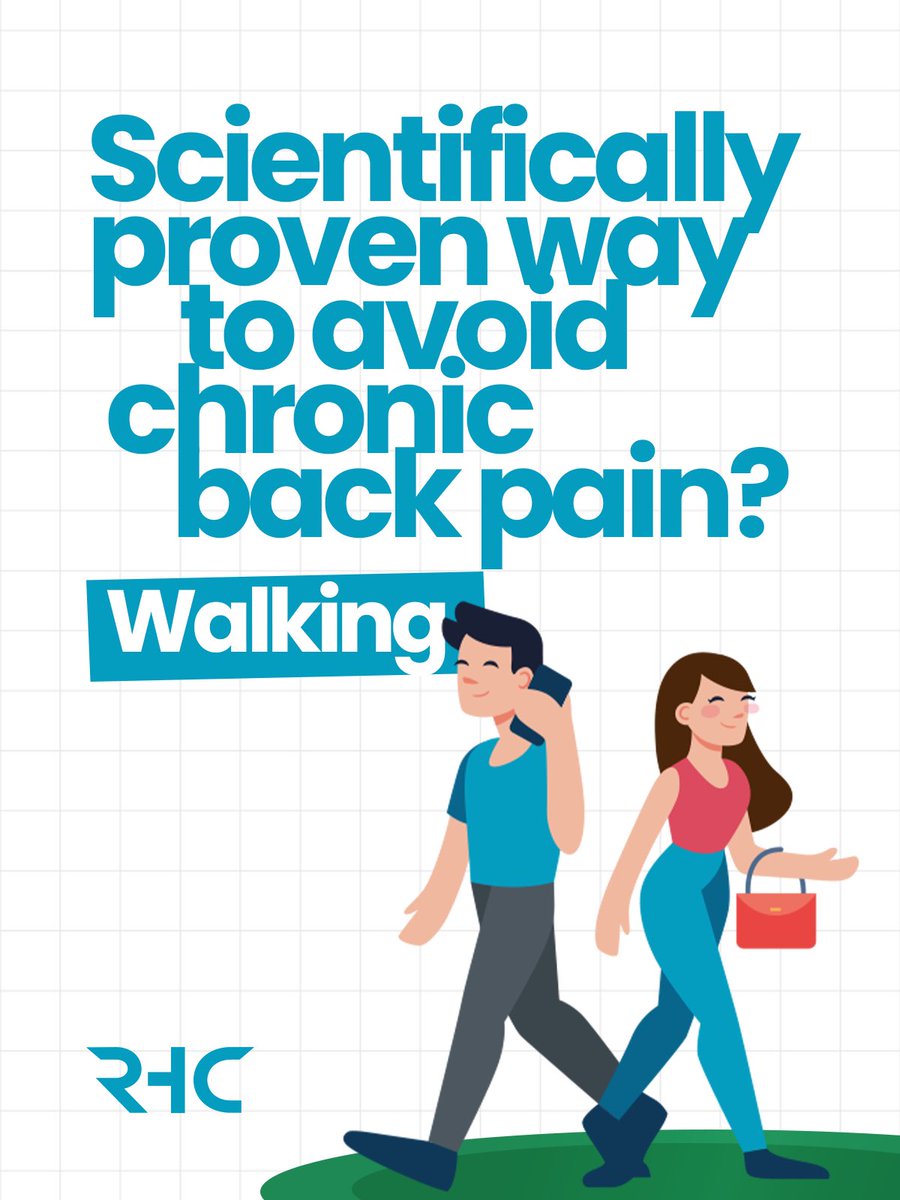
Take a walk. It saves your lower back. Study of 11,000+ adults: Walking >100 min/day linked to 23% lower risk of chronic low back pain vs. <78 min/day. Walking volume matters more than intensity for prevention. #LowBackPain #Walking #Prevention #Research
RHC tweet media
English
1
1
2
80
RHC ری ٹویٹ کیا
World Health Organization (WHO)
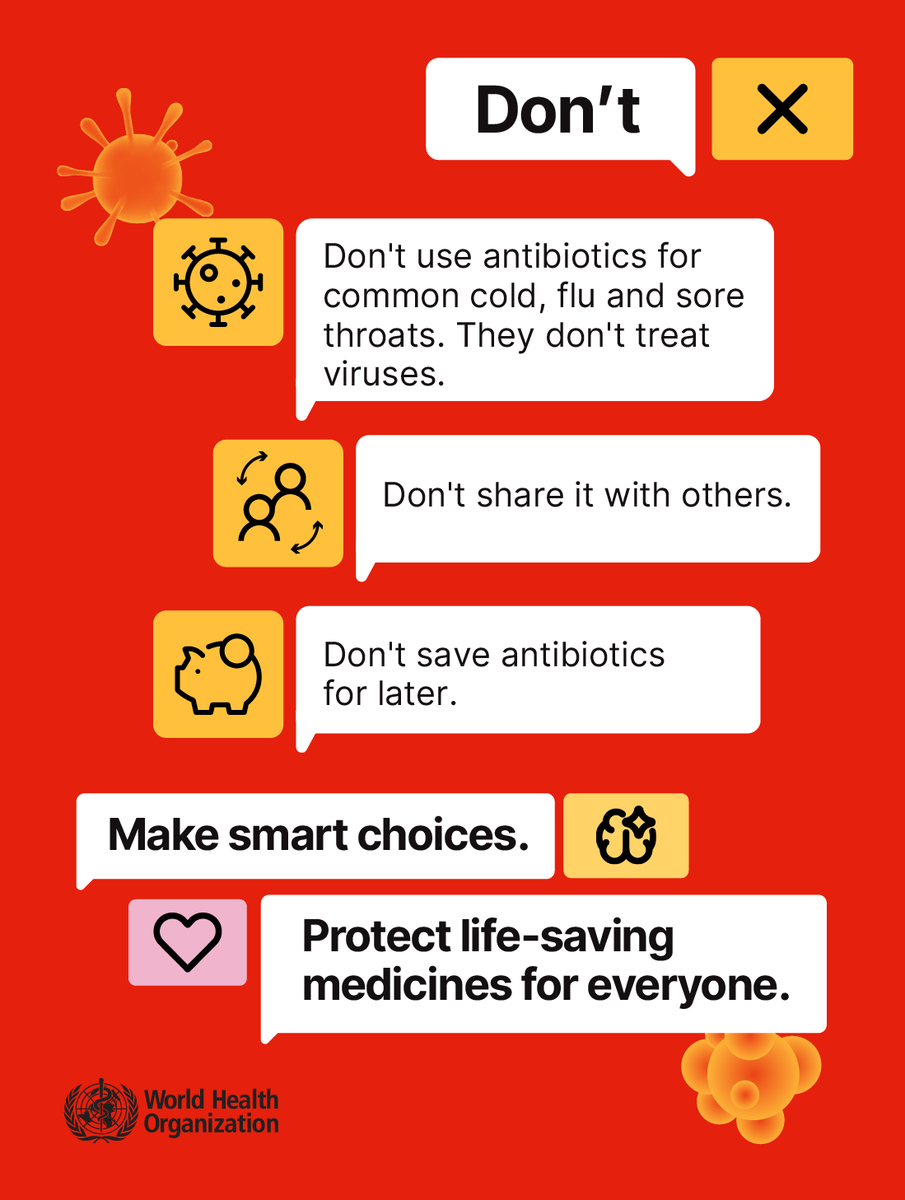
To keep antibiotics effective for everyone, here’s what NOT to do: ❌ Do not use antibiotics for colds, flu or sore throats. Antibiotics do not treat viruses. ❌ Do not share your antibiotics with others. ❌ Do not save leftover antibiotics for use later. Let’s protect life-saving medicines for everyone! Learn more 👉 bit.ly/4otAEcV #AntimicrobialResistance (#AMR)
World Health Organization (WHO) tweet media
English
37
166
338
51K
RHC ری ٹویٹ کیا
RHC
RHC@RHealthConsult·
New research from Sweden used AI on 20 years of GP data to predict Alzheimer’s up to 3 yrs early (AUC 0.75–0.82). Surprising clues: B₁₂ deficiency, GI meds & frequent visits—emerging as early risk signals. #Alzheimers #AIHealth #EarlyDetection #NCDs 📄 Source: J Prev Alzheimer’s Disease, May 2025 – sciencedirect.com/science/articl…
RHC tweet media
English
0
2
2
93
RHC ری ٹویٹ کیا
The Lancet
The Lancet@TheLancet·
Early-onset type 2 diabetes remains under-researched and undertreated. A recent Series synthesises emerging evidence, highlighting urgent research gaps, & calls for population-level prevention & tailored care. On #WorldDiabetesDay, explore the Series 👉 hubs.li/Q03TkFTF0
The Lancet tweet media
English
3
47
123
32.9K
RHC ری ٹویٹ کیا
RHC
RHC@RHealthConsult·
🚨 Health investments work – we know it from practice. RHC has already contributed to over 5 government’s NCD prevention and management strategies via evidence-based research and investment planning. 🧠 In Jordan, we backed national planning on mental health. 🌍 In Kyrgyzstan, our case supported NCD integration. 🇪🇺 In the EU, a €2.8T investment could yield €6.3T in returns. 💻 Digital health? It’s closing care gaps globally. 🎯 Evidence > Action. 🔗 More: r-healthconsult.com #NCDs #MentalHealth #DigitalHealth #HealthPolicy
RHC tweet media
English
0
1
1
64
RHC ری ٹویٹ کیا
Dr Alexey Kulikov
Dr Alexey Kulikov@KulikovUNIATF·
WHO issues guidance to address drastic global health financing cuts. The World Health Organization @WHO today released new guidance for countries on ways to counter the immediate and long-term effects of sudden and severe cuts to external #funding, which are disrupting the delivery of essential health services in many countries. The new guidance, called “Responding to the health financing emergency: immediate measures and longer-term shifts”, provides a suite of policy options for countries to cope with the sudden financing shocks, and bolster efforts to mobilize and implement sufficient and sustainable financing for national health systems. External health aid is projected to drop by 30% to 40% in 2025 compared with 2023, causing immediate and severe disruption to health services in low- and middle-income countries (LMICs). WHO survey data from 108 LMICs collected in March 2025 indicate that funding cuts have reduced critical services – including maternal care, vaccination, health emergency preparedness and response, and disease surveillance – by up to 70% in some countries. More than 50 countries have reported job losses among health and care workers, along with major disruptions to health worker training programmes. “Sudden and unplanned cuts to aid have hit many countries hard, costing lives and jeopardizing hard-won health gains,” said @DrTedros Adhanom Ghebreyesus, WHO Director-General. “But in the crisis lies an opportunity for countries to transition away from aid dependency towards sustainable self-reliance, based on domestic resources. WHO’s new guidance will help countries to better mobilize, allocate, prioritize and use funds to support the delivery of health services that protect the most vulnerable.” This year’s funding cuts have compounded years of persistent #health financing challenges for countries, including rising debt burdens, inflation, economic uncertainty, high out-of-pocket spending, systemic budget underfunding and heavy reliance on external aid. Swift action guided by efficiency and equity WHO’s new guidance urges policy-makers to make health a political and fiscal priority in government budgets even during times of crisis, seeing health spending as not merely a cost to be contained, but an investment in social stability, human dignity, and economic resilience. The guidance emphasizes the need for countries to cushion the immediate impact of reductions in foreign assistance for health, and to adapt to a new era of reduced assistance. Key policy recommendations include: -prioritize the health services accessed by the poorest; -protect health budgets and essential health services; -improve efficiency through better procurement, reduced overheads and strategic purchasing; -integrate externally-funded or disease-specific services into comprehensive PHC-based delivery models; and -use health technology assessments to prioritize services and products that have the greatest health impact per dollar spent. who.int/news/item/03-1…
Dr Alexey Kulikov tweet media
English
1
16
21
2.8K
RHC ری ٹویٹ کیا
The Lancet
The Lancet@TheLancet·
Time is an under-recognised social determinant of brain health. In The Lancet Healthy Longevity, authors call for temporal justice through research and policies that recognise time as both a resource and a site of inequity in ageing and dementia: hubs.li/Q03R4bCV0
The Lancet tweet media
English
14
254
864
243.3K
RHC ری ٹویٹ کیا
RHC
RHC@RHealthConsult·
🌍RHC delivers data-driven insights to improve public health. We work with governments & NGOs to reshape health economics and fight NCDs. Trusted by UN Task Force, WHO, ITU & EFPIA. Real cases, clear data, practical solutions. Explore more on our website: r-healthconsult.com #PublicHealth #NCDs #HealthEconomics
RHC tweet media
English
0
1
1
89