CU Space Weather Center ری ٹویٹ کیا
CU Space Weather Center
163 posts

CU Space Weather Center
@SpaceWeatherCU
Official #CUBoulder Space Weather Center. #SpaceWeather news and information. Contact: DM or [email protected]. General campus info: @CUBoulder.
Boulder, CO شامل ہوئے Haziran 2020
122 فالونگ202 فالوورز
CU Space Weather Center ری ٹویٹ کیا

AR 13668 continues to produce eruptive flares. This X2.2 flare on May 9 was associated with another halo CME, likely Earth-directed. The messy geo-space environment starting May 10 or 11 and lasting a few days will be explained by @AusSpaceAgency, @TamithaSkov and other experts.
English

SWx TREC’s Bhagyashree Waghule took 2nd place in the 104th @AMS #SpaceWeather student poster competition. Her poster discussed Earth's #magnetosphere, transient internal structures, magnetic currents, and #GeomagneticStorms. ams.confex.com/ams/104ANNUAL/…
English

Congratulations to Luis Navarro Dominguez for earning a @NASA ECIP grant advancing space weather research #swx colorado.edu/aerospace/2023…
English

Congratulations to Yang Wang for earning a @NASA ECIP grant to study how space weather affects Earth #swx colorado.edu/aerospace/2023…
English

CONGRATULATIONS to @bvwaghule for completing her @CUEngineering Space Weather Certificate! Well done
English

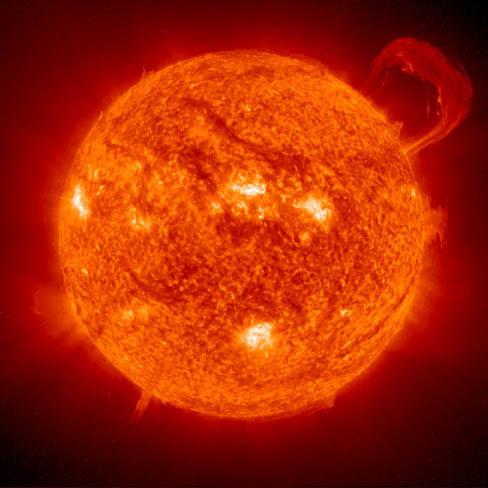
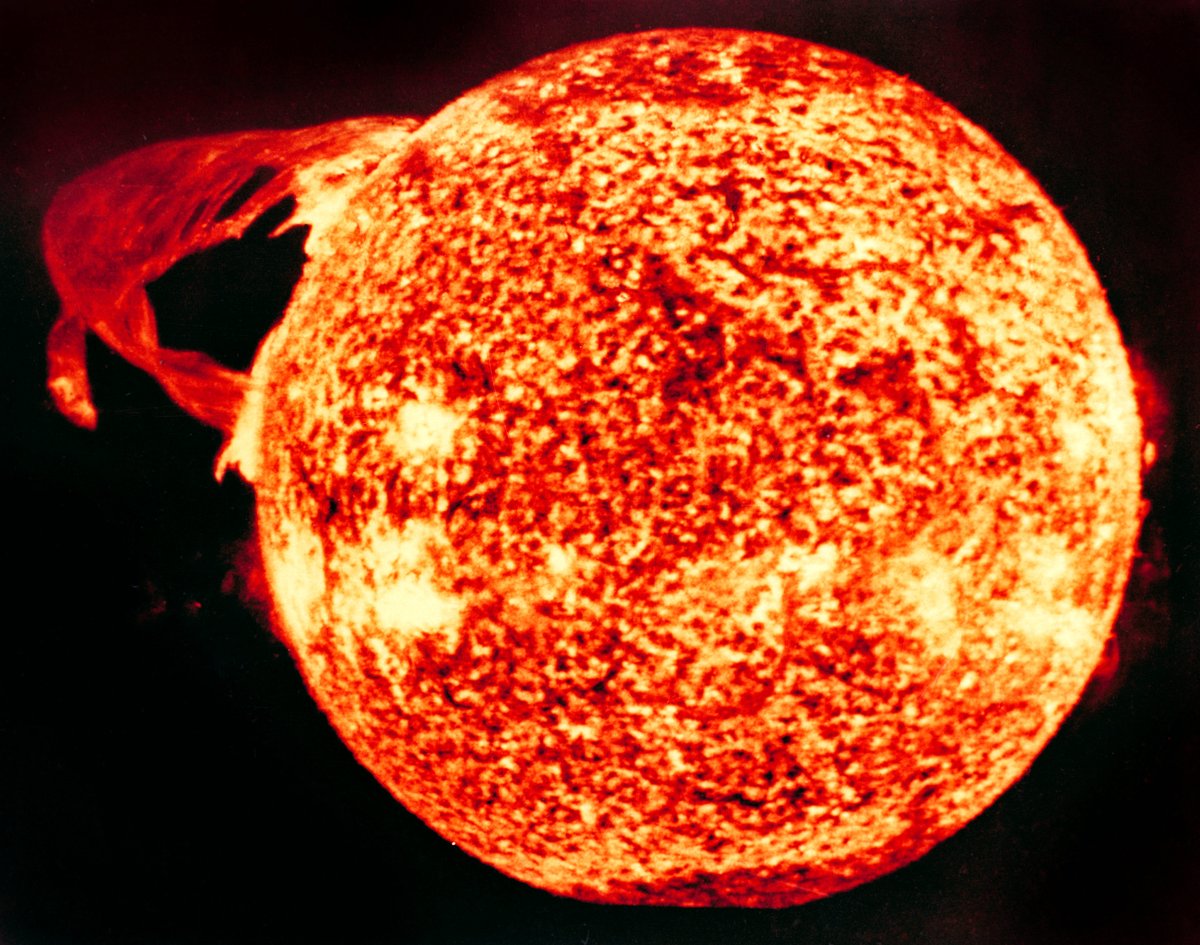
@spaceweather That is not a solar flare - it's a prominence eruption. The thing that is 588,000 km across is the prominence plasma structure, not the "flare". Flares are the photons that accompany Solar Magnetic Eruptions.
English

#OTD 19 Dec 1973 pic taken during Skylab 4 shows one of the largest solar flares ever recorded, more than 588,000 km (365,000 mis). across. Larger image flickr.com/photos/nasa2ex… #spaceweather #heliophysics #solarphysics

English
CU Space Weather Center ری ٹویٹ کیا

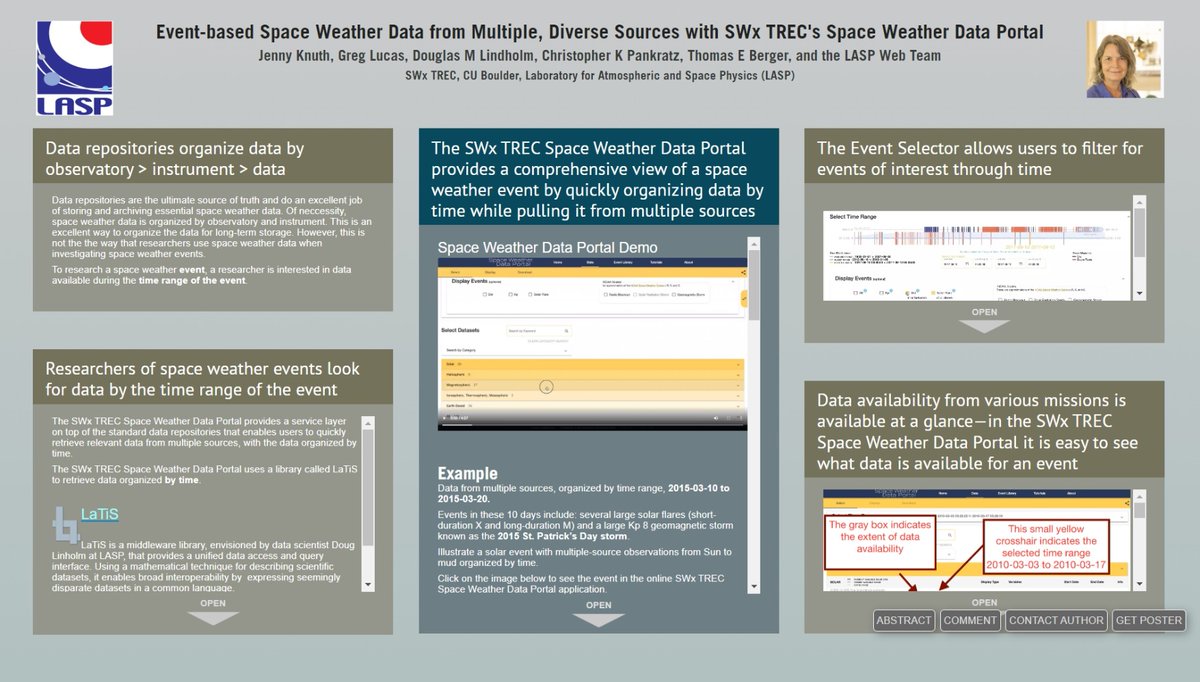
For more on the portal, see the #AGU22 iposter by Jenny Knuth and other @CUBoulder authors: Event-based Space Weather Data from Multiple, Diverse Sources with SWx TREC's Space Weather Data Portal. bit.ly/knuth-iposter

English
CU Space Weather Center ری ٹویٹ کیا

@SpaceWeatherCU's SWx TREC Space Weather Data Portal is a featured #AGU22 Science Gateway! Science Gateways are web-based platforms that allow researchers to access large, complex data sets. sciencegateways.org/n/agu22-explore
English

@capitolweather #angrysun The Sun may have been smiling on October 27th, but yesterday it was upset about something. Could severe #spaceweather be on the way? Or is this a message about #Election2022?

English

The solar corona would never have been discovered by Martians:
mars.nasa.gov/resources/2667…
English

Excited to hear Sage Andorka at the National Academies Space Weather Panel say USSF is looking for students trained in space weather and space weather forecasting.
Space Weather TREC at CU Boulder was created for that very reason!
#SWx #NationalAcademiesSpaceWeatherPanel
English
CU Space Weather Center ری ٹویٹ کیا

Sun, we need to talk about your flare. 🌞
The Sun emitted a significant solar flare on March 30, peaking at 1:35 p.m. ET (17:35 UTC). Our orbiting @NASASun Solar Dynamics Observatory captured the action: go.nasa.gov/3uJMtAS
GIF
English

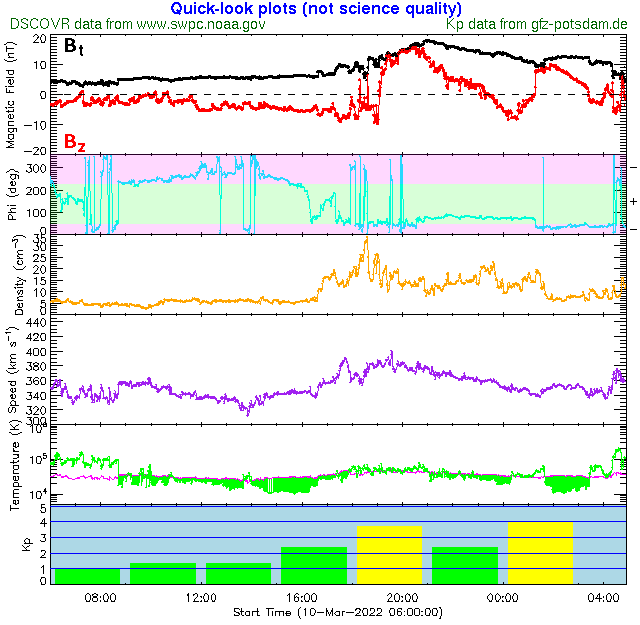
@halocme Bz rotation is "flux rope like" but rarifaction shock in density and no evidence of shock in speed points more to a CIR. I'm answering "No - no CME in evidence here."
English
CU Space Weather Center ری ٹویٹ کیا

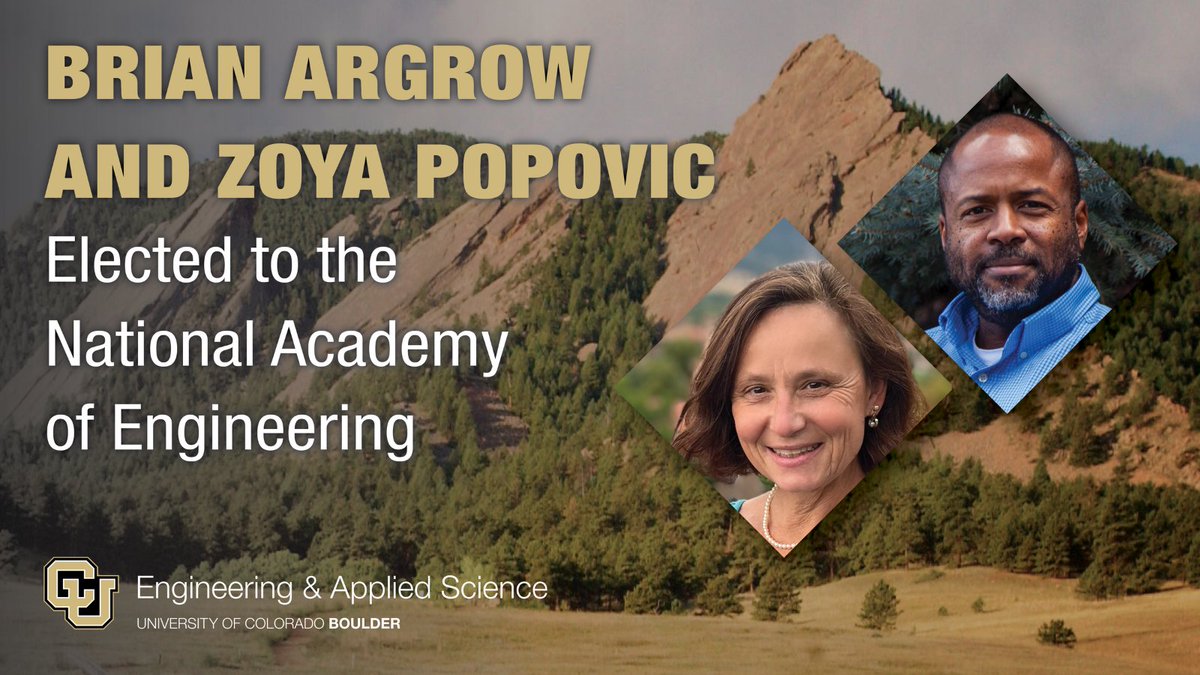
NEWS: Two @CUBoulder Engineering professors were recently elected to the National Academy of Engineering (@TheNAEng)!
Both Brian Argrow and Zoya Popovic are receiving one of the highest distinctions bestowed upon an engineer. 🏆
Learn more about them: buff.link/7oexs

English

Space Weather TREC is happy to announce Julie Barnum @julieirene17 as the new Director of our Deep Learning Laboratory - one of nation's premier labs for machine learning research in Heliophysics!
Thanks to sponsors @AFOSR and @NASA for making the DLL possible!
English

@halocme Too bad Mars was also out of the blast zone. Might have been a repeat of the 2013 "Carrington at Mars" event.
English

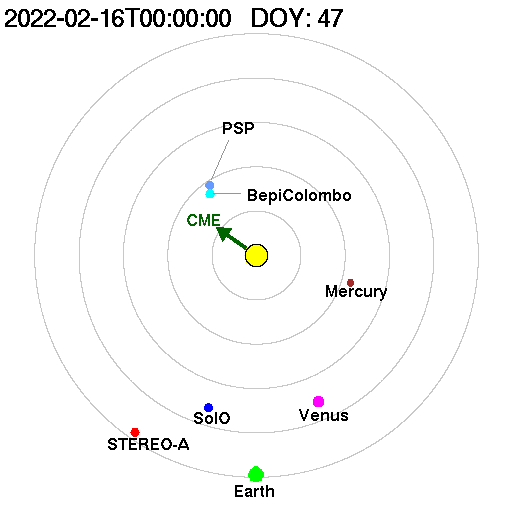
Both the Parker Solar Probe and BepiColombo were so located that they were exposed to huge flux of solar energetic particles (SEPs). This SEP event must have been extremely intense, given that it was observed even by GOES at Earth, very poorly connected to the CME.

Halo CME@halocme
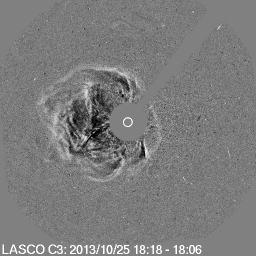
The filament eruption seen in SUVI 304 Å images as reported by @erikapal occurred ~35° behind the east limb (per STEREO-A). This turned out to be a huge CME! This animation combines running difference images from LASCO C2 and C3, which cover 6 Rs and 30 Rs, respectively.
English