Davide Alba
158 posts

@davide_will
Visual explanations about Reserve, every week.


Introducing USVC - a single basket of high-growth venture capital, for everyone. No accreditation required, SEC-registered, and a very low $500 minimum. Includes OpenAI, Anthropic, xAI, Sierra, Crusoe, Legora, and Vercel. As USVC adds more companies, investors will own a piece of that too. Liquidity typically comes when companies exit, but we’re aiming to let investors redeem up to 5% of the fund every quarter. This isn’t guaranteed, but if we can make it work, you won’t be locked up like in a traditional venture fund. It runs on AngelList, which already supports $125 billion of investor capital. And I’ve joined USVC as the Chairman of its Investment Committee. — Go back to the 1500s, you set sail for the new world to find tons of gold - that was adventure capital. Early-stage technology is the modern version. It says we are going to create something new, and it’s risky. It’s daring. But ordinary people can’t invest until it’s old, until it’s no longer interesting, until everybody has access to it. By the time a stock IPOs, most of the alpha is gone. The adventure is gone. Public market investors are literally last in line. This problem has become farcical in the last decade. Startups are reaching trillion dollar valuations in the private markets while ordinary investors have their noses up to the glass, wondering when they’ll be let in. Investing in private markets isn’t easy. You need feet on the ground. You need judgment built over years. Most people don’t have the patience to wait ten or twenty years for an investment to come to fruition. But there is no more productive, harder-working way to deploy a dollar than in true venture capital. USVC enables you to invest in venture capital in a broad, accessible, professionally-managed way, through a single basket of innovation, focused on high-growth startups, at all stages. It is how you bet on the future of tech: the smartest young people in the world, working insane hours, leveraged to the max, with code, hardware, capital, media, and community. Your dollar doesn’t work harder anywhere. There is an old line - in the future, either you are telling a computer what to do, or a computer is telling you what to do. You don’t want to be on the wrong side of that transaction. USVC lets you buy the future, but you buy it now. Then you wait, and if you are right, you get paid. Get access here: usvc.com

The core idea behind Reserve is almost 100 years old. It failed back then for one reason: you needed a physical warehouse. A digital warehouse is built different. 🗣️ Lawrence H. White at Monetarium 2: “Going back to the late 19th century, people were worried about instability in the purchasing power of gold under a gold standard. Even though the long term trend was good, there were short periods of volatility. An economist named Alfred Marshall said, if the relative price of gold is changing as a result of supply discoveries or demand shocks – and in his day the biggest demand shock was Germany decides to leave the silver standard and join the gold standard – we can diminish the impact of that on the purchasing power of gold by redefining our monetary unit. The pound would not be defined just in terms of gold, but so much gold plus so much silver. (…) So you've got two metals defining your unit of account. That’s a kind of gateway into having a whole bundle of commodities define the unit of account.” “A commodity reserve currency is an idea that became popular in the Great Depression, but was kind of rediscovered when the problem was not collapsing demand, but rather the need for a way to get the money supply to grow. That's what the original idea of the commodity reserve currency was. But the reverse problem of excessive inflation – and so linking the dollar or whatever the unit of account is called to a basket of commodities – would be a way of preventing excessive inflation. Our friend Hayek from 30 years before denationalization of money saw some merits in this kind of proposal. It had the benefits of a gold standard in taking the regulation of the quantity of money out of the hands of a committee of central bankers. It is, in a sense, putting it into the market because anybody could bring commodities to the warehouse and get money. Anybody could bring money to the warehouse and get commodities. But the proposals in the 30s and 40s were for physical warehouses filled with physical commodities.” “We don’t need to do that today. We could accomplish pretty much the same thing with a portfolio of tokenized commodities.”
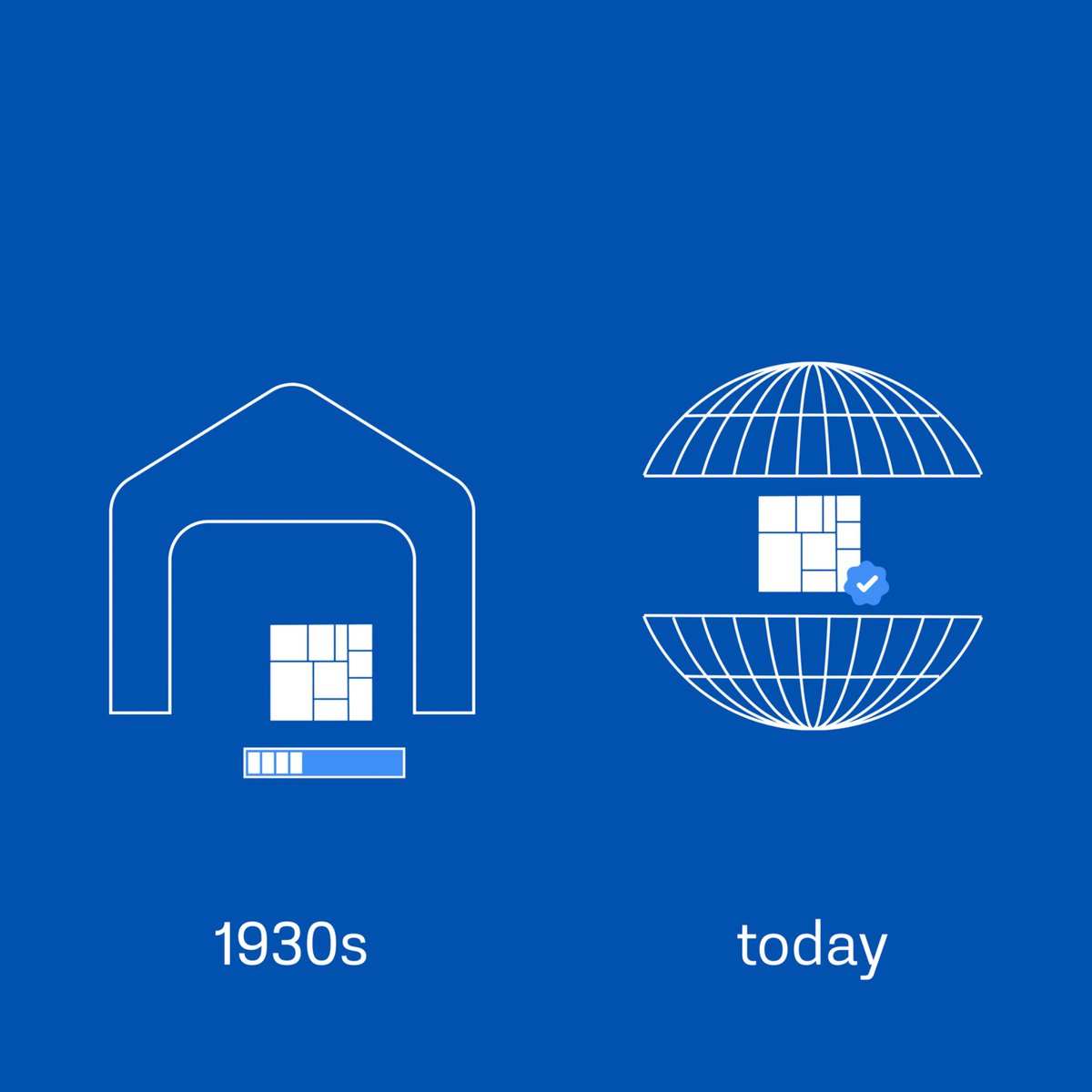
The core idea behind Reserve is almost 100 years old. It failed back then for one reason: you needed a physical warehouse. A digital warehouse is built different. 🗣️ Lawrence H. White at Monetarium 2: “Going back to the late 19th century, people were worried about instability in the purchasing power of gold under a gold standard. Even though the long term trend was good, there were short periods of volatility. An economist named Alfred Marshall said, if the relative price of gold is changing as a result of supply discoveries or demand shocks – and in his day the biggest demand shock was Germany decides to leave the silver standard and join the gold standard – we can diminish the impact of that on the purchasing power of gold by redefining our monetary unit. The pound would not be defined just in terms of gold, but so much gold plus so much silver. (…) So you've got two metals defining your unit of account. That’s a kind of gateway into having a whole bundle of commodities define the unit of account.” “A commodity reserve currency is an idea that became popular in the Great Depression, but was kind of rediscovered when the problem was not collapsing demand, but rather the need for a way to get the money supply to grow. That's what the original idea of the commodity reserve currency was. But the reverse problem of excessive inflation – and so linking the dollar or whatever the unit of account is called to a basket of commodities – would be a way of preventing excessive inflation. Our friend Hayek from 30 years before denationalization of money saw some merits in this kind of proposal. It had the benefits of a gold standard in taking the regulation of the quantity of money out of the hands of a committee of central bankers. It is, in a sense, putting it into the market because anybody could bring commodities to the warehouse and get money. Anybody could bring money to the warehouse and get commodities. But the proposals in the 30s and 40s were for physical warehouses filled with physical commodities.” “We don’t need to do that today. We could accomplish pretty much the same thing with a portfolio of tokenized commodities.”

The core idea behind Reserve is almost 100 years old. It failed back then for one reason: you needed a physical warehouse. A digital warehouse is built different. 🗣️ Lawrence H. White at Monetarium 2: “Going back to the late 19th century, people were worried about instability in the purchasing power of gold under a gold standard. Even though the long term trend was good, there were short periods of volatility. An economist named Alfred Marshall said, if the relative price of gold is changing as a result of supply discoveries or demand shocks – and in his day the biggest demand shock was Germany decides to leave the silver standard and join the gold standard – we can diminish the impact of that on the purchasing power of gold by redefining our monetary unit. The pound would not be defined just in terms of gold, but so much gold plus so much silver. (…) So you've got two metals defining your unit of account. That’s a kind of gateway into having a whole bundle of commodities define the unit of account.” “A commodity reserve currency is an idea that became popular in the Great Depression, but was kind of rediscovered when the problem was not collapsing demand, but rather the need for a way to get the money supply to grow. That's what the original idea of the commodity reserve currency was. But the reverse problem of excessive inflation – and so linking the dollar or whatever the unit of account is called to a basket of commodities – would be a way of preventing excessive inflation. Our friend Hayek from 30 years before denationalization of money saw some merits in this kind of proposal. It had the benefits of a gold standard in taking the regulation of the quantity of money out of the hands of a committee of central bankers. It is, in a sense, putting it into the market because anybody could bring commodities to the warehouse and get money. Anybody could bring money to the warehouse and get commodities. But the proposals in the 30s and 40s were for physical warehouses filled with physical commodities.” “We don’t need to do that today. We could accomplish pretty much the same thing with a portfolio of tokenized commodities.”


Trading is better together. Referral rewards are now live on @baseapp. Earn 25% of net referral swap fees, while also saving your friends 10% off fees on all their swaps. Trading onchain? Time to do it on Base.