
پن کیا گیا ٹویٹ
Ade #BIN SPYING 💙💛
37.2K posts


Ade #BIN SPYING 💙💛
@jam21t
#LUFC for 58 yrs. #Patriot #CommonsenseTheorist #AlledgedFarRight🩵 Remove the Tories/Labour/LibDem & Greens, they serve division & themselves!
Cornishland soon to be annexed شامل ہوئے Şubat 2022
1.1K فالونگ1K فالوورز
Still can’t believe I got my camping kit in an Ftype boot … still haven’t found the missus 🤣

English
This is how the Payseur family lost their wealth to one of the Americaa well known families … no sons but a dodgy attorney from that family. Deeds altered without knowledge …
They’re trying it again but this time is everyone 🤬😡🤬
Catherine Austin Fitts@austin_fit76995
Larry Fink: “Every currency and financial asset will be digitized into digital wallets. This will roll out globally, fast. It rewires the plumbing of finance.” The infrastructure for The Great Taking is being announced. When all assets sit in custodial digital wallets on centralized ledgers, legal title and control shift to whoever runs the plumbing. That’s not innovation, it’s the end of direct ownership. Digitization = centralization of control. The “plumbing” they’re changing is who gets to turn the valves on your money, stocks, and property claims. Watch the code. Exit the system. Build your safety zone. Freedom first. CAF.
English
@david_hollas Did they use Dianes abacus ?
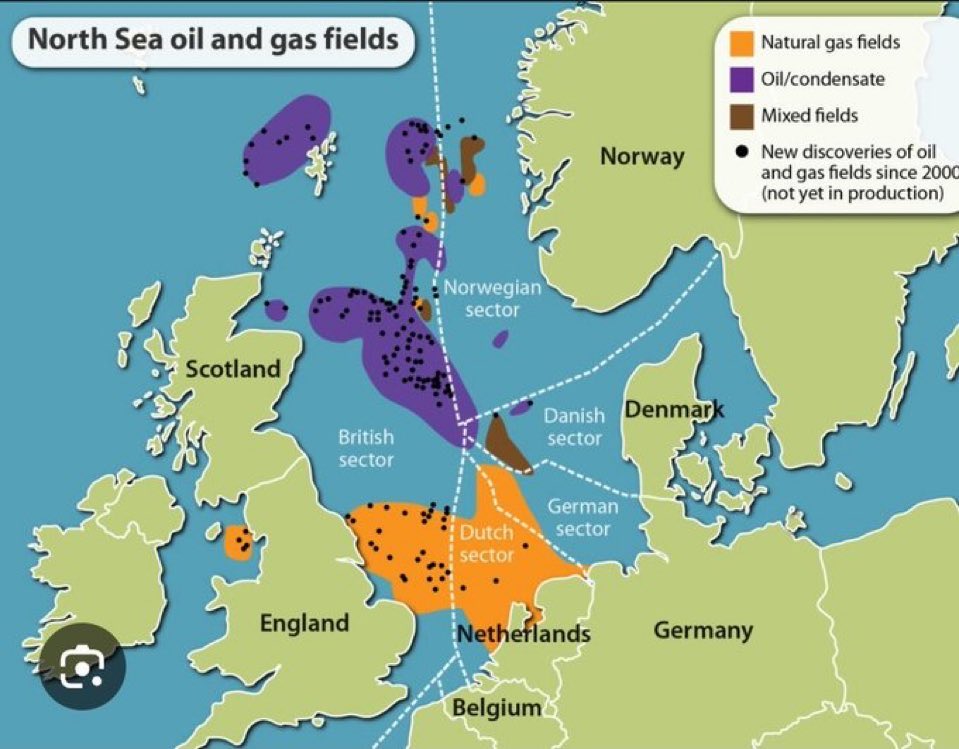
The North Sea Oil runs out … they’ve been using that one for years, oil was supposed to run out in 80s, 90s by 2000.
Since 2010 we were told it’s self generating.
Academics or activists ??
English

Oxford University has done the maths on "drill baby drill" vs a fully renewable UK.
Maximum North Sea extraction: saves households £16–£82/year.
But ONLY if the government takes every penny of tax revenue and hands it back to households. If they don't, zero benefit.
Full renewables: saves households up to £441/year. Recurring. Every year. Indefinitely.
The North Sea runs out around 2040. Renewables don't.
The analysis was done using January 2026 prices — before the Iran war sent oil to $116 a barrel. Even with cheap fossil fuels as the baseline, renewables win.
This isn't ideology. It's arithmetic.
Smith School of Enterprise and the Environment, University of Oxford. March 2026.
English
Ade #BIN SPYING 💙💛 ری ٹویٹ کیا

🚨Breaking News
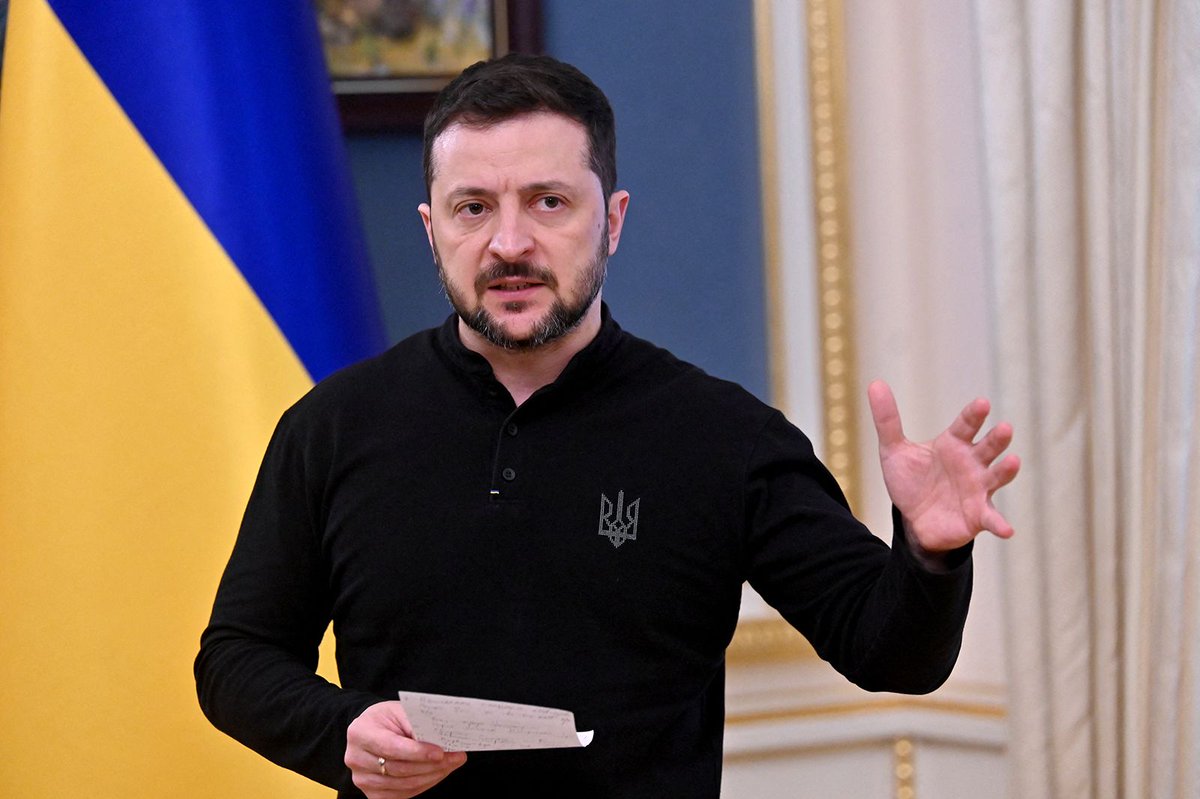
Labour defence secretary John Healey has anounced the UK will send ANOTHER 752 million and 120,000 drones to Ukraine to bolster its armed forces.
Meanwhile our armed forces are in ruins. Had enough yet?😡
English
Ade #BIN SPYING 💙💛 ری ٹویٹ کیا

My last tweet was about PFI. How the government bought hospitals and schools on hire purchase and is still paying five times what they're worth. Billions draining out of NHS trust budgets every year in interest and service charges.
But PFI isn't the only hidden liability buried in the government's accounts. There's another one that almost nobody knows about. And while the number is smaller, what it represents is arguably more disturbing. Because this one isn't about buildings. It's about people.
It's roughly £60 billion. The second largest provision on the entire government balance sheet, after nuclear decommissioning. And it is the estimated future liability for NHS clinical negligence in England.
To be clear about what that means. This isn't a pot of cash sitting in an account. It's an accounting provision. The government's best estimate of what it will cost to settle compensation claims arising from patient harm that has already occurred. Some of those claims have been filed. Many haven't yet. Almost 40% of the total, roughly £24 billion, is an actuarial estimate of claims that are expected to come but haven't been reported. Harm that has already happened. Claims that are still forming.
Twenty years ago, that provision stood at £14.4 billion in real terms. It has roughly quadrupled. And it's still growing.
The annual cost of settling these claims has more than tripled, from £1.1 billion in 2006 to £3.6 billion in 2024-25. NHS Resolution and the Government Actuary's Department project it will reach £4.1 billion a year by 2030. That's real money being taken out of the health budget every year. Money that could be funding doctors, nurses, beds, and equipment. Instead it funds compensation for harm the system caused.
And the structure of these costs is extraordinary.
Just 2% of claims by volume account for 68% of total costs. These are the catastrophic cases. Mostly brain injuries suffered during birth. Babies who should have been delivered safely but weren't. The average settlement for an obstetrics claim involving cerebral palsy or brain damage is £11.2 million. Each case takes an average of 11 to 12 years to resolve. Families waiting over a decade while caring for a profoundly disabled child.
In 2024-25, brain injury at birth cases alone cost the NHS £1.5 billion. One category. One type of harm. A billion and a half pounds.
Then there's the legal cost.
Claimant legal fees on successful claims have risen from £148 million to £538 million in under two decades. And for low-value claims, those under £25,000, the legal costs are 3.7 times higher than the damages paid to the patient. The lawyers receive nearly four times what the injured person gets. Three quarters of all claims fall into this category.
Overall, claimant legal costs alone now represent roughly 20% of total clinical scheme payments. One pound in every five goes not to the person who was harmed, but to the legal process of proving the harm happened.
Behind all of this is a patient safety system that the government's own Public Accounts Committee describes as overwhelmed. The NHS reports around 2.4 million patient safety incidents a year. About 70% cause no harm. But roughly 0.5% result in severe harm or death, implying around 12,000 cases every year.
The PAC's verdict, published in January, was damning. It said the Department of Health and Social Care "cannot provide reassurance that it has taken any meaningful action to address clinical negligence to date." That same warning was made in 2002. Again in 2017. Again in 2024. Three times in two decades. Nothing changed. The bill kept growing.
And there's a detail that makes it worse. There is a risk that the taxpayer pays twice for the same harm. Claims are settled on the assumption that the patient will fund their future care privately. But some of those patients then go on to use the NHS or publicly funded social care. So the state pays the compensation and then pays again for the treatment. The government does not know how often this happens.
Now step back and think about what this means for the system.
The same hospital trusts paying billions in PFI repayments are also paying billions in clinical negligence settlements. The budget that's supposed to fund safe staffing, functioning equipment, and adequate care is being drained from both sides. PFI taking money out. Negligence claims taking money out. And patient care trapped in the middle.
This is a doom loop. An overstretched system makes more mistakes because it's overstretched. Those mistakes generate claims. Those claims drain money from the budget. The reduced budget means fewer staff, more pressure, longer waits, more exhaustion. Which leads to more mistakes. Which generates more claims.
The system for dealing with this is adversarial, blame-based, slow, and expensive. The Health and Social Care Committee called it "not fit for purpose." Instead of learning from errors, the system incentivises defensiveness. Clinicians are afraid to admit mistakes because admissions become evidence in legal proceedings. So the same errors repeat. The same harms recur. The same compensation gets paid. Year after year.
Other countries handle this differently. New Zealand has a no-fault compensation scheme that is faster, less adversarial, and more focused on learning from what went wrong rather than proving who was to blame. The BMA has recommended the UK explore a similar model. The government has asked David Lock KC to review the system but has not committed to any specific reform.
I want to be clear about something. This is not an attack on NHS staff. The overwhelming majority of clinicians and nurses go to work every day and deliver extraordinary care under impossible pressure. They are not the problem. They are working inside a system that sets them up to fail, and then punishes them when they do.
And this is absolutely not an argument against patients receiving compensation. When a baby suffers a brain injury because of a preventable error, that family deserves every penny of support. The question isn't whether they should be compensated. It's why the system keeps producing the same avoidable harm, decade after decade, and why three parliamentary warnings have changed nothing.
£60 billion. Second largest provision on the government's books. Quadrupled in two decades. And nobody has done anything about it.
The money is the measure of the failure. But the failure is human.
Josh Hunt@iAmJoshHunt
This one will require a stiff drink. In the early 1990s, the government came up with a clever idea. Instead of borrowing money cheaply to build hospitals, schools, and roads, it would get the private sector to build them and then pay the private sector back over 25 to 30 years. The Private Finance Initiative. PFI. The attraction was obvious. You got a shiny new hospital today. The bill didn't show up on the government's books. The cost was deferred into the future. Politicians got ribbon-cutting ceremonies without the awkward conversation about borrowing. It was, in effect, the nation's credit card. Buy now, pay later. Except the interest rate was extraordinary. The total capital value of everything built under PFI was around £50 billion. As of March 2024, there were 665 PFI contracts still running across the UK, with roughly £136 billion in remaining payments stretching out to the early 2050s. These are payments public bodies are contractually locked into. Hospitals, schools, councils, government departments. Paying for buildings that in many cases were constructed twenty or thirty years ago. And the terms are extraordinary. PFI contracts were structured so the private sector would not just build the facility but manage its services. Cleaning. Maintenance. Catering. Portering. These services are bundled into long-term contracts with built-in inflation increases that the public sector cannot renegotiate, cannot exit without paying massive penalties, and often cannot even fully scrutinise because of commercial confidentiality clauses. In one case raised in Parliament, a hospital was charged £333 to change a lightbulb. That isn't an urban myth. It was cited in Hansard. The NHS has been hit hardest. According to parliamentary analysis, the capital cost of NHS PFI projects was around £13 billion. The total repayments are estimated at around £80 billion. And the peak of NHS PFI annual repayments isn't even here yet. It arrives in 2029. The bills are still going up. In 2020-21, NHS trusts paid £457 million purely in interest charges on PFI contracts. Not services. Not maintenance. Interest. In the last five years, NHS trusts have handed over more than £1.8 billion in PFI interest alone. We Own It calculates that money would have covered the starting salaries of over 50,000 new doctors. One NHS trust, Essex Partnership, has reportedly paid back 27 times what was originally borrowed. Some hospitals are spending more on PFI repayments than on medicines for patients. And remember, these repayments come out of the same NHS budget that's supposed to fund patient care, staff, and equipment. Scotland got it just as badly. Audit Scotland reported that Scottish taxpayers will pay a cumulative £40 billion for PFI assets worth just £9 billion. North Ayrshire Council will have paid £440 million by 2038 for four schools that cost £83 million to build. Now here's what makes this worse. Many of these contracts are starting to expire. The buildings are being handed back to the public sector. And the NAO has warned of significant risks around the handback process, including cases where public bodies were dissatisfied with the condition of assets being returned to them. Decades of payments. And some of these buildings may come back needing significant further investment. So what actually happened? The government could have borrowed money at significantly lower rates to build these hospitals and schools itself. Sovereign borrowing has always been cheaper than private finance. Instead, it paid the private sector to borrow at a premium and passed the inflated cost on to the taxpayer. The private sector took the profit. The taxpayer took the risk. The buildings are now ageing. The debts are still being paid. And the services that were supposed to benefit are being squeezed partly because so much of their budget is locked into contractual obligations they cannot escape. PFI wasn't investment. It was an accounting trick. A way for governments to build things without the borrowing showing up in the national debt figures. It made politicians look fiscally responsible while loading future generations with obligations they had no say in and no ability to renegotiate. Both parties did this. The Conservatives created PFI in 1992. Labour massively expanded it after 1997. More than 700 projects were signed. The coalition eventually wound it down. The current government scrapped the latest version. But the contracts remain. The payments continue. And the damage is already done. This is what it looks like when a country chooses to buy its infrastructure on hire purchase instead of investing properly. You lock in above-market rates for decades. You lose control of the assets. You tie the hands of future governments. And when the bill keeps coming due, you're told there's no money for doctors, teachers, or social care. There was always money. It just went somewhere else.
English
@dailybritainonx The Looney left … we’re big enough & ugly enough to manage our own affairs.
We don’t need two tier corruption … having corruption on a single tier is how Labour got us here!
English

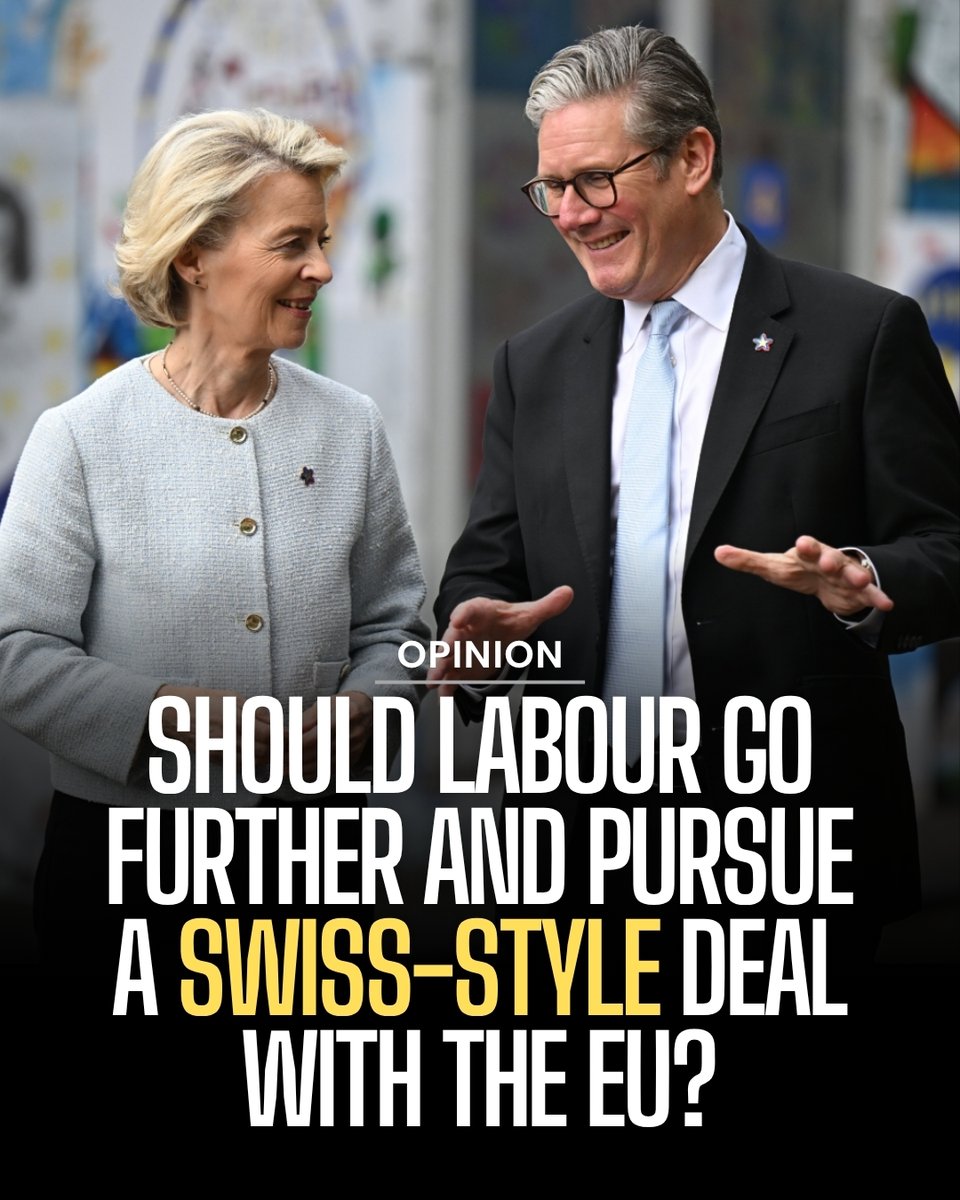
Some Labour MPs are pushing for a “Swiss-style” relationship with the EU - including deeper economic ties and possible freedom of movement.
Is that the future?
English
Ade #BIN SPYING 💙💛 ری ٹویٹ کیا
▪️He said he would freeze council tax
▪️He said he would lower energy bills
▪️He said he would reduce student tuition fees
▪️He said he would support farmers
▪️He said he would protect pensioners
▪️He said he would support the disabled
▪️He said he would help small businesses
▪️He said he would fix the economy
▪️He said he would compensate WASPI women
▪️He said he would listen to the concerns of forgotten communities
▪️He said he would overhaul the immigration system
But instead, he did the opposite. Keir Starmer is the ultimate political snake oil salesman.
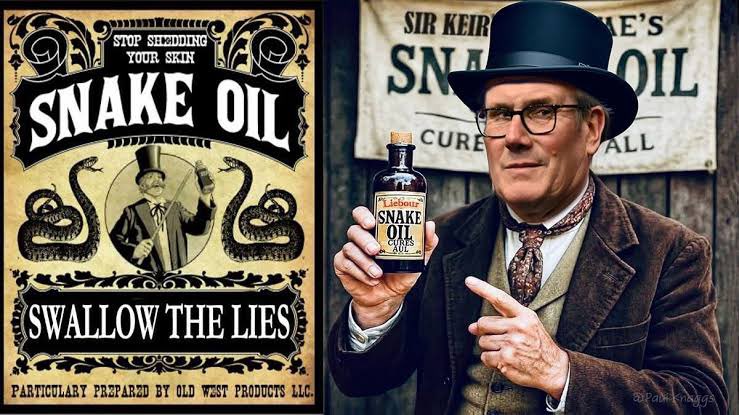
English
@AlexJJNorris Bollox they’ve farmed them out … have you not noticed they’ve stop quoting how many they’ve deported ?
English
There were more than 400 asylum hotels under the previous government – that number has been more than halved, with 11 more closing this week. Labour is bringing the asylum system under control.
English
Shock of my life filling my other car up for a few days with some other fast cars … works out at 39p a mile …. £90 for 3/4 tank 230 miles.
Followed another v8 cat plodding up the A30/M5 at 70.
PS the camping gear fitted in it. Shit where’s the missus 😂🤣

English
@drrkhalid1 Why should taxpayers or non-parents have to shell out for parents who can’t be bothered to provide for their own children.
Forgive me if I’m wrong but isn’t UC & child support etc supposed to be to help provide them with food, clothing rather than tattoos, ciggys, booze & nails?
English

‼️🔥🚨Breaking
Here’s a sharper, more viral version with punch 👇
Children can’t thrive on empty stomachs — and finally, someone is acting like it.
With free breakfast clubs, expanded school meals, and real upgrades to food quality, Labour Party is putting fuel where it matters most — into the next generation.
This isn’t just policy.
It’s the difference between surviving and succeeding.
Healthy kids. Focused minds. Stronger future.@Keir_Starmer @UKLabour @10DowningStreet
English
@cavbix @AlastairMorgan I’m worried sick that you feel being governed by one corrupt Government will not get any worse when we’re governed by Two! 🤡
The EU being run & voted for by the unelected 🤷♂️
English

@AlastairMorgan I feel just the same. I might be old, but it's the futures of the people of my children and grandchildren's generations that has been worrying me. This looks VERY promising.
English
Seeing Trump's popularity collapse, the victory of Peter Magyar in Hungary and Starmer's moves towards the EU is making me feel much more optimistic about the future.
English
@AlastairMorgan @mikeosmond A rejoiner who hasn’t a clue as to what it means & they keep calling us thickos 🤡
English
Oh dear Kier.
Redecorating the No10 flat, looking at the list of purchases you’d think the flat was empty.
Watch this space & see what’s removed when he finally gets kicked out.
Thatcher used her own money to decorate the flat … everyone since has put it on expenses.
English
@aDissentient It’s clear that those in poverty or struggling are seeing increases in standing charges which they simply cannot avoid by being frugal.
What Labour give with one hand their sleight of hand enables costs moved to standing charge.
English
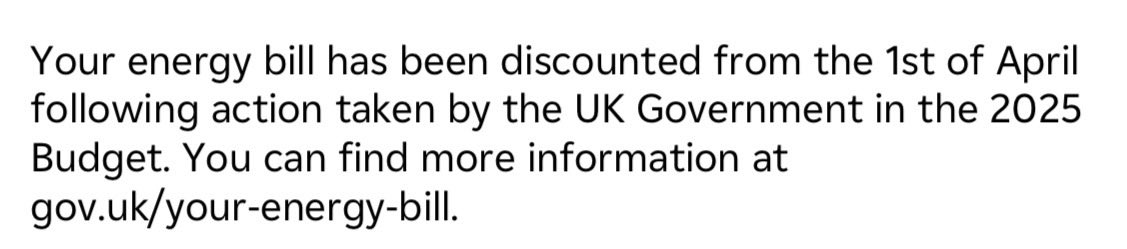
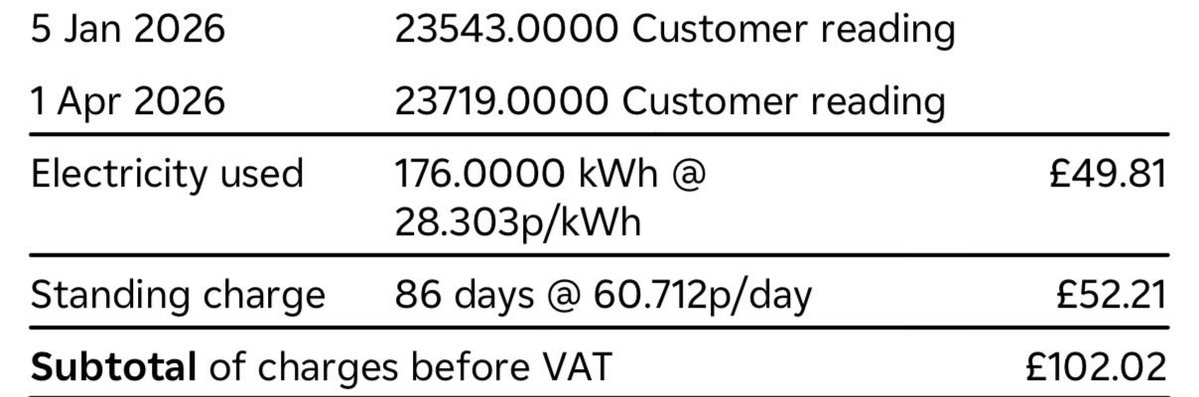
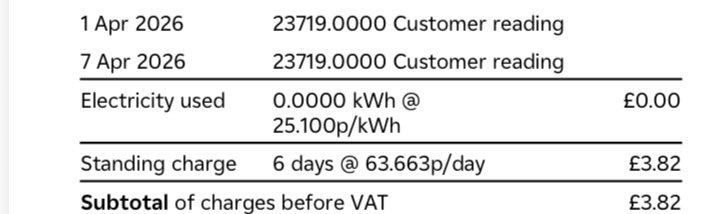
@aDissentient Bill arrived 7th EDF hadn’t used my customer reading, ignored it?
Spoke yesterday, wiped out billing to January 5th & recreated NEW invoices, Nothing dodgy?
Standing Charges over 50% of the bill, used to be Zero% in 2019. WTF am I paying for.
usage 28p now 25p, STO 61p now 64p
English


Ade #BIN SPYING 💙💛 ری ٹویٹ کیا

Mark Bullen has not been connected to any crime. Shabana Mahmood says his pro-Russian views are a "threat to national security."
English
@LoEl81 Casemiero…Cuhna…Fernandez … you have a good point.
Fernandez was never far away from having a dig at the Ref except when we scored our second … he was still rolling around helping his team 🤣
English


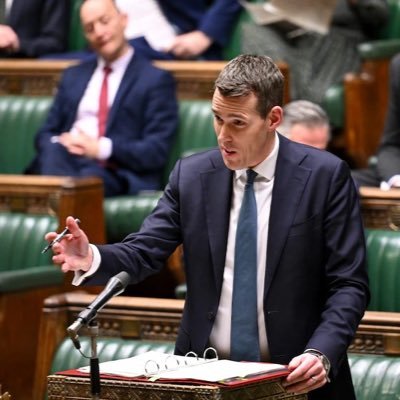
In an increasingly volatile world, an even closer partnership with our European allies is in Britain’s long-term national interest.
Closer alignment provides an opportunity to strengthen our security and cut the cost of living.
English
@dontdelay Utter bollox … if I live for 16 years after my 67 birthday then I might get £192k (12k a year)
I’m 3 years from retiring, paid approx £376k of income tax over 40 years. Driven 40 years, well over Million miles and have paid 50% tax every litre.
Everything I buy, VAT
English
Plenty of ex MPs willing to say this.
Not so many current MPs
Thank you Desmond.
rt hon Sir Desmond Swayne TD MP@DesmondSwayne
If, like me, you were born in 1956, you’ll receive almost £300,000 more in benefits than you’ll pay in taxes in your lifetime State Pensions make up a huge chunk of that Long term, we simply can’t afford to sustain the Triple Lock’s generosity Blog: desmondswaynemp.com/ds-blog/1956/?…
English
Got to be up to their necks in it.
Hull citizens should be clamouring for justice & a proper independent investigation.
British Intel@TheBritishIntel
Absolutely unbelievable. Humberside Police have now closed their investigation into the grooming gangs in Hull, claiming they’ve “explored every possible line of enquiry”. No charges. No justice. Another grooming gang probe quietly shut down. Young girls up and down this country are being consistently failed and abandoned by the authorities. British girls deserve better.
English