

@MeghUpdates No justice to such BJP supporters in WB for last 15yrs, except tweets from Shah, Modi. No action on TMC, suspending TMC is best way
English
Rakesh
6.1K posts

@mgmtMBA
Humble Learner | Trying to be human | Trader | Techie | Nationalists





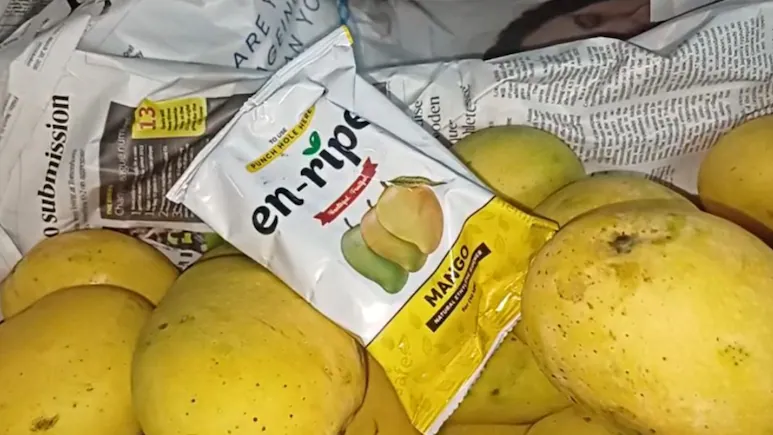

200 kg Of Artificially Ripened Mangoes Seized In Hyderabad, Fruit Trader Arrested ndtv.com/food/200-kg-of…

Uttam Nagar stands united 🔥 A powerful Shobhayatra with Tarun’s photo ..a message loud and clear: faith, unity, and identity will never be silenced 🚩








मालदा कितना बदला है? "पहले हिंदु 70 प्रतिशत और मुस्लिम 30 प्रतिशत था, अब 50-50 हो गया है, यहां पश्चिम बंगाल का मुस्लिम नहीं है, बाहर से आकर बैठ चुका है यहां पर, यहां की सरकार इनका आधार कार्ड और दस्तावेज़ बनवा देती है, यहां के मुस्लिम नेता इनकी मदद करते हैं" Ground Report from Malda


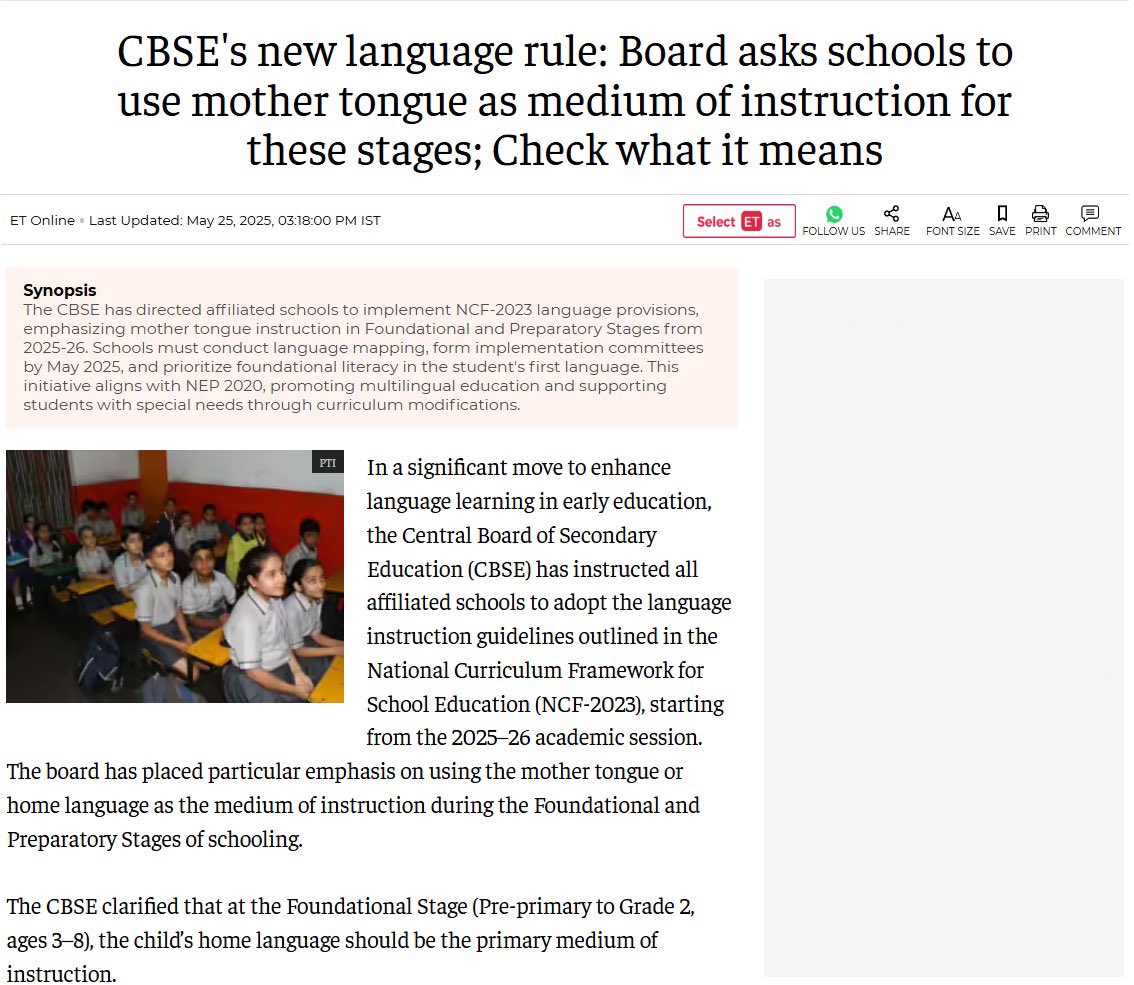
The recently unveiled curriculum framework by the Central Board of Secondary Education, aligned with the National Education Policy 2020, is not an innocent academic reform—it is a calculated and deeply concerning attempt at linguistic imposition that vindicates our long-standing apprehensions. Under the guise of promoting “Indian languages,” the BJP-led NDA government is aggressively advancing a centralising agenda that privileges Hindi while systematically marginalising India’s rich and diverse linguistic heritage. The so-called three-language formula is, in reality, a covert mechanism to expand Hindi into non-Hindi speaking regions. For students in southern states, this framework effectively translates into compulsory Hindi learning. Yet, where is the reciprocity? Will students in Hindi-speaking states be mandated to learn Tamil, Telugu, Kannada, Malayalam—or even languages like Bengali and Marathi? The complete absence of such clarity exposes the one-sided and discriminatory nature of this policy. The irony is stark and unacceptable. The same Union government that has failed to make Tamil a mandatory language in Kendriya Vidyalaya Sangathan schools—and has consistently failed to appoint adequate Tamil teachers—now seeks to lecture states on promoting Indian languages. This is not commitment; this is rank hypocrisy. Does the Union government have any understanding of ground realities—of teacher availability, training capacity, and infrastructure? Where are the qualified teachers to implement this sweeping exercise? And crucially, where is the funding to support this enormous burden on the education system? This appears to be yet another ill-conceived policy announced without planning, resources, or accountability. This is not merely a question of language—it is a question of fairness, federalism, and equal opportunity. By structurally privileging Hindi-speaking students, this policy risks creating entrenched advantages in higher education and employment, further widening regional disparities. At a time when the world is moving forward at an unprecedented pace, our children must be prepared for the future. The priority should be to equip them with skills in emerging sectors like artificial intelligence, AVGC (Animation, Visual Effects, Gaming, and Comics), and to strengthen scientific temper and critical thinking. Instead, this regressive and rigid language burden threatens to derail their progress. The Union government appears determined to impose Hindi, brushing aside the legitimate, consistent, and democratic concerns raised by Tamil Nadu and several other states. This approach is a direct affront to the principles of cooperative federalism and an insult to the linguistic identity of millions of Indians. India’s strength lies in its diversity—not in enforced uniformity. Any attempt to disturb this delicate balance is not just misguided; it is dangerous. Such policies strike at the very foundation of our pluralistic nation and will be firmly opposed. Does the Thiru Palaniswami-led AIADMK and its NDA allies in Tamil Nadu subscribe to this imposition? Or will they, for once, stand up for the rights, identity, and future of our students? #StopHindiImposition


