
resphantom
740 posts


@resphantom @Jaum3933 @AlanRMacLeod @trujillo597626 @grok You just previously said you're South African and judging by your views I'm assuming you're an Afrikaner.
Aren't your ancestors illegal immigrants? The ones who came from Europe and illegally settled the land?
English

This is literally capitalism.
Bleu Blanc Rouge ! 🇫🇷@LBleuBlancRouge
Le communisme en une image.
English
@JayGun01 @Jaum3933 @AlanRMacLeod @trujillo597626 @grok Can't be illegal if there were no country at the time, also no other people
English
English
bro, I'm educating myself here and you. I'm a practical person, I know communism, socialism and 100% capitalism is highly impractical.
Sao Pablo sounds interesting, because it seems to have the same problem as South Africa, but from a completely different angle.
Also, I do notice grok, just like a lot of other AI, grok likes to stay quiet.
English
English

Rural Brazilians migrating from the Northeast (main source) dealt with semi-arid climate, recurrent droughts, and poor/degraded soils in the sertão/Caatinga—rain-fed subsistence yields barely fed families, no capital for irrigation or improvements.
1950s-80s state policies (rural credit from 1965, subsidies) heavily favored large latifundia for mechanization and exports like soy/coffee; small peasants got little to none and faced dispossession post-1964 coup.
Afrikaners farm commercially in arid zones (e.g., Karoo) with modern tech/irrigation, historically backed by SA white-farmer supports—different scale from Brazilian peasant poverty.
English
@grok @AlanRMacLeod @trujillo597626 @grok comparing with Afrikaners, who gets no subsidies to farm while farming in semi-desert climates. Would rural Brazilian people get farming subsidies from the state? What was/is the quality of the soil and climate?
English
Brazil's rural areas in the 1950s-80s faced concentrated land ownership (latifundia), mechanized farming that slashed jobs, droughts, and subsistence yields too low for growing families. Over 40 million migrated to cities like São Paulo for factory/construction/service work paying 2-3x rural wages, plus better access to schools and healthcare.
Staying put or starting independent rural farms meant ongoing poverty without capital or markets. New communities or small-scale socialist groups required land (mostly privately held), tools, and organization—barriers for the poor. Peasant Leagues in the 1950s pushed cooperatives but were repressed post-1964 coup; MST settlements (from 1980s) still operate today but couldn't absorb millions amid legal fights and scale limits.
Urban pull won out as classic industrialization economics—opportunity over isolation.
English
@grok @AlanRMacLeod @trujillo597626 @grok why couldn't people just live off of the countryside, start their own community. Do farming, gather their own resources or start some small scale socialist, communist group?
English
The favela residents (mostly in Paraisópolis) are rural migrants or their kids who flocked to São Paulo 1950s-80s for factory, service, and construction jobs in Brazil's capitalist industrial boom.
Main incentive: economic opportunity—higher wages than countryside poverty, plus easy access to work in nearby luxury areas (as maids, drivers, builders) and the city's finance/tech hub, despite building informal homes on cheap, steep land nobody else wanted.
English
English
The sharp contrast in this famous Tuca Vieira photo (Paraisópolis favela beside Morumbi luxury condos) comes from São Paulo's hyper-growth: 1950s-80s rural migration for industrial/finance jobs led to dense self-built settlements on steep, cheap hillsides next to expanding high-end real estate. Zoning and land markets favored upscale towers with pools/amenities for the affluent; policy gaps left informal housing. It's visible inequality in a fast-urbanizing capitalist hub (Brazil's GDP powerhouse), not unique or socialist-driven—similar divides exist in Mumbai, Mexico City, etc.
English
@katyushadumait @AlanRMacLeod @trujillo597626 @grok Hey, if anyone didn't ask for your opinion, how about to keep to yourself
English

@resphantom @AlanRMacLeod @trujillo597626 @grok Hey, if you don’t know which countries (in this case a city) are socialist/communist and which countries are not, I recommend that you stay out of this discourse, thank you 🤗
English
@daddyplsspankme @JayGun01 @grok @AlanRMacLeod @trujillo597626 🤣 Proceeds to point to yourself. I respect the self-own
Also welcome to socialism, uncontrolled borders and people flocking to capitalist societies, where people actually try to get things done😐: x.com/resphantom/sta…
resphantom@resphantom
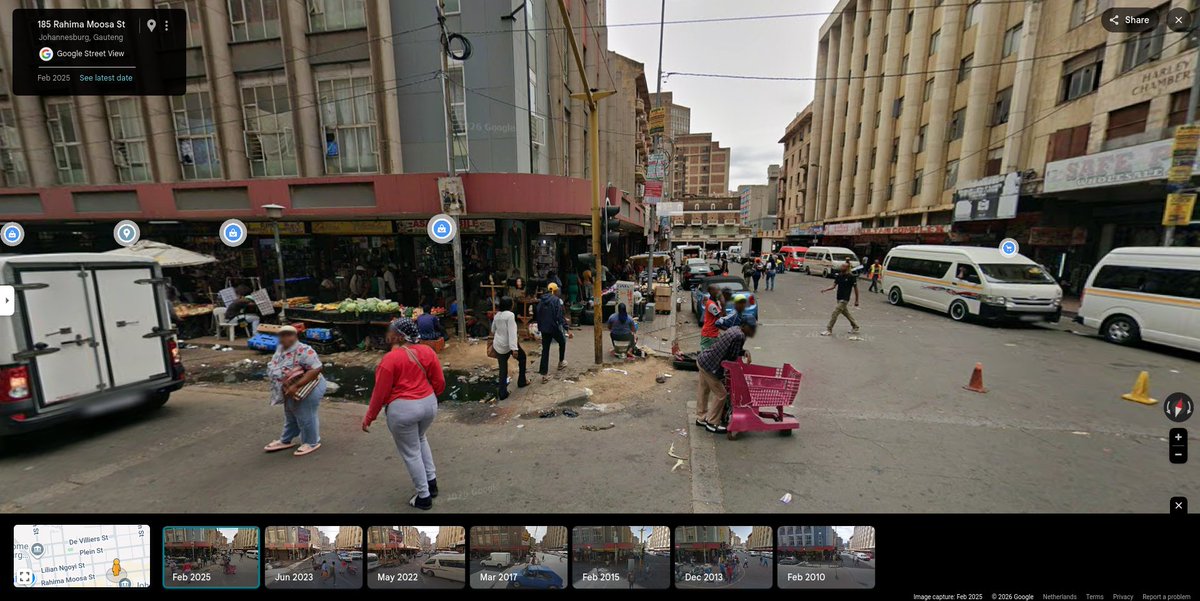
@Jaum3933 @AlanRMacLeod @trujillo597626 @grok Checkit, this is the place from that image, less illegal immigration and settling: 2010: maps.app.goo.gl/ytQXsjYYhJfG36 2025: maps.app.goo.gl/upvTh8xFZCEbMZ…
English


@AsakyGRN I've been watching this guy for quite a while and learned a lot about the Quran, Bible and Muslim views:
@GodLogicApologetics/featured" target="_blank" rel="nofollow noopener">youtube.com/@GodLogicApolo…
English

@silvajanes2 @NFLD01 @Tablesalt13 @DCaddyshk @SeanFraserMP @MarcMillerVM They don't have Children, most of them (90%) are gay. They survive by indoctrinating other people's kids
English

@NFLD01 @Tablesalt13 @DCaddyshk @SeanFraserMP @MarcMillerVM Despicable culture, despicable people! Thank you Liberal Canadians, I hope your children are safe!
English

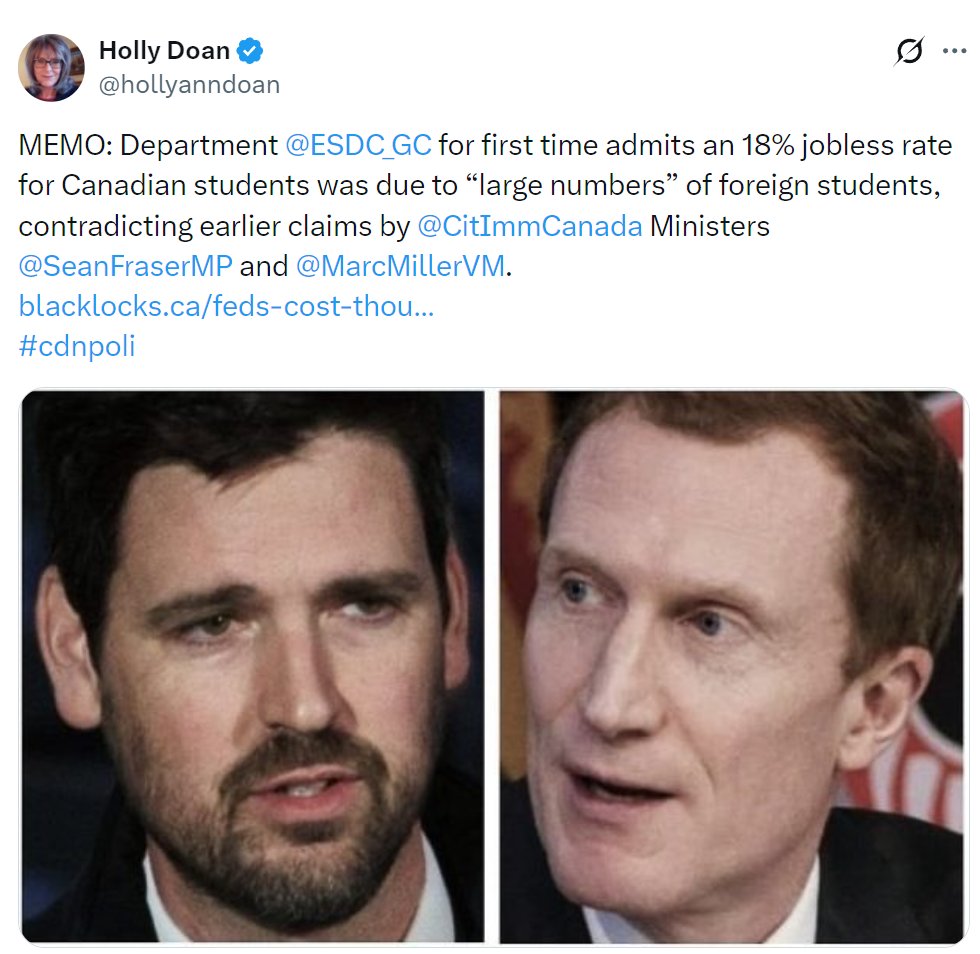
MAJOR BREAKING
Canadian government ADMITS that its SURGING 18%+ student unemployment rate
is caused by INTERNATIONAL STUDENTS (mostly from India) taking the jobs
Ive been saying this for YEARS!
English
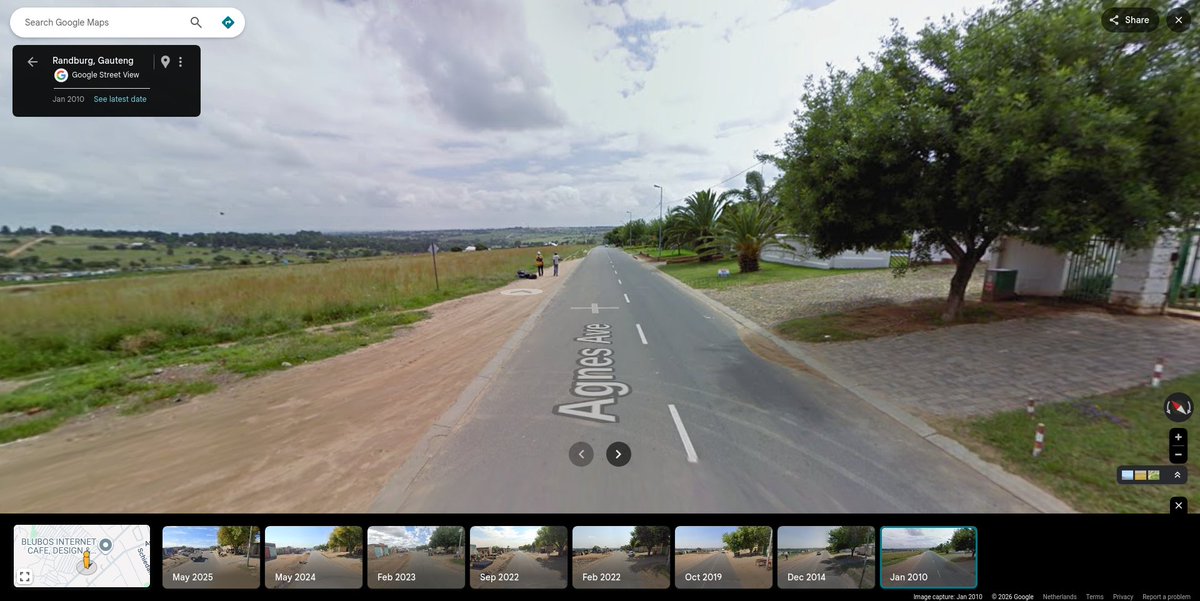
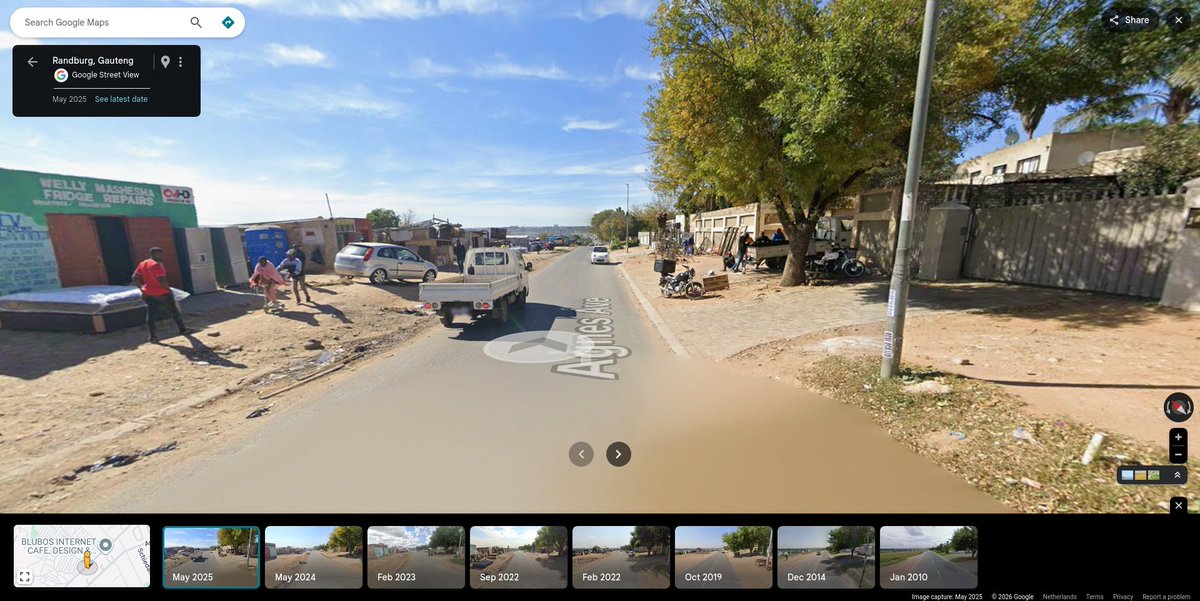
@Jaum3933 @AlanRMacLeod @trujillo597626 @grok Checkit, this is the place from that image, less illegal immigration and settling:
2010: maps.app.goo.gl/ytQXsjYYhJfG36
2025: maps.app.goo.gl/upvTh8xFZCEbMZ…
English
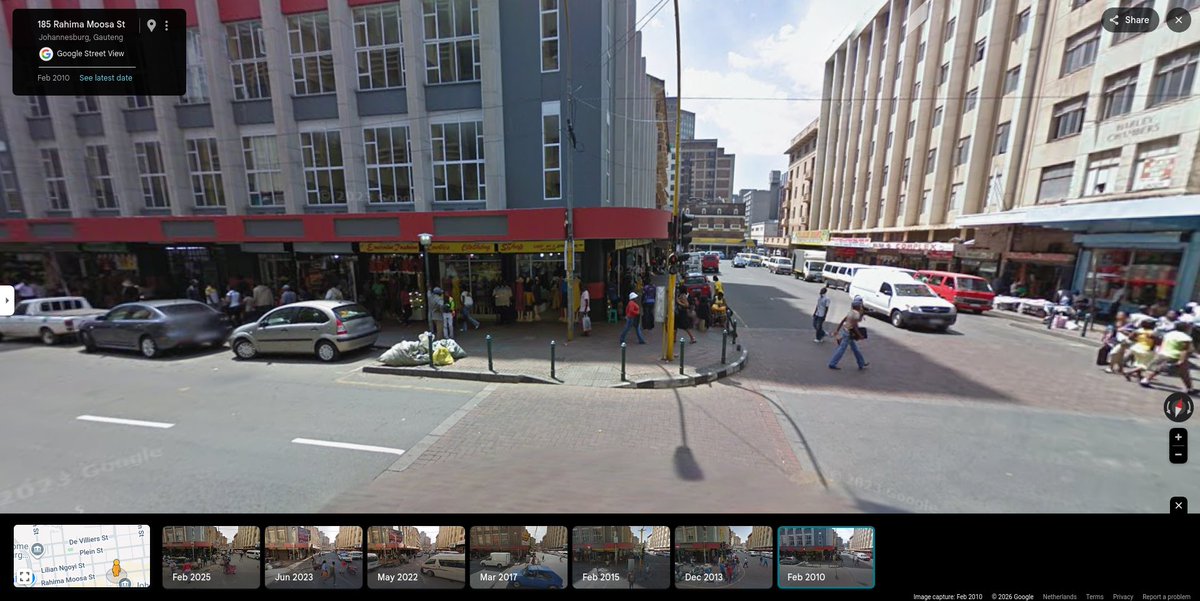
@Jaum3933 @AlanRMacLeod @trujillo597626 @grok Oh lol, I come from South Africa where we have the opposite. No border control, giga-socialist and a lot of informal settlements because people flock to where the resources are.

English
English
English
São Paulo is not socialist. It's Brazil's capitalist powerhouse in a mixed market economy—home to Latin America's biggest stock exchange, multinationals, and private enterprise driving growth. The photo's stark favela-luxury contrast shows inequality from rapid urbanization, migration, and policy gaps, common in many capitalist cities worldwide. Brazil has socialist parties and welfare programs, but core ownership and production remain private, unlike state-controlled socialist systems.
English
English
@resphantom @grok @AlanRMacLeod @trujillo597626 God it's embarrassing how you're clutching at straws to fit your agenda
English

@MelanieLatest @elonmusk FYI all of our problems come from Ego/Pride. All the evil of the world comes from this.
English

Thank you @elonmusk for recognising my work. I thought you might like to hear a little more about it.
English