@BuildOnBeam @Dreamcash @TrialXtreme Lets bring the value to $BEAM hehe maybe something like Hyperliquid buybacks
English
Sebastiaan
2.2K posts

@BitcornMoon
Working with @raini_studios and @peengu_abs @AbstractChain lover Personal opinions only; NFA.



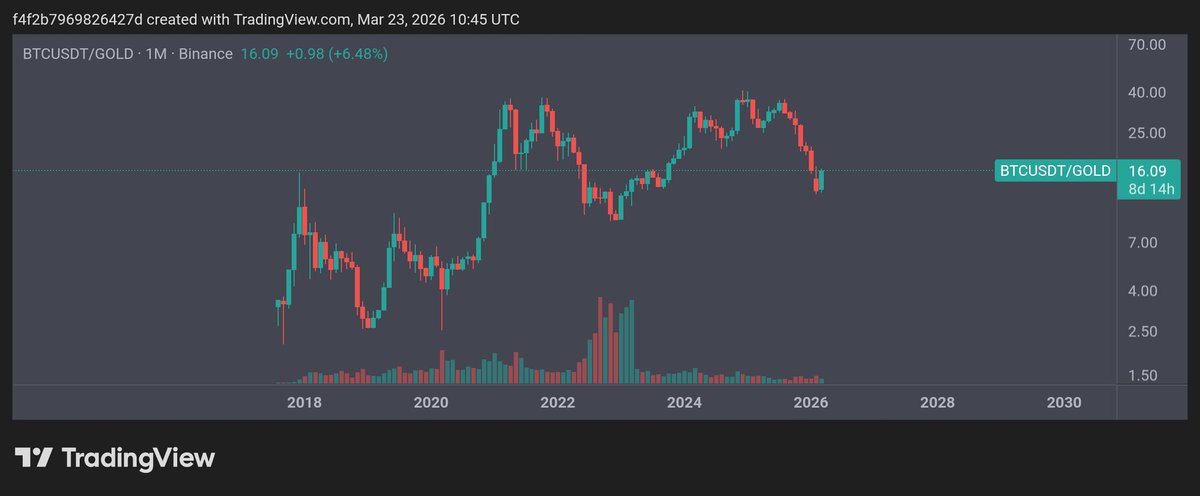
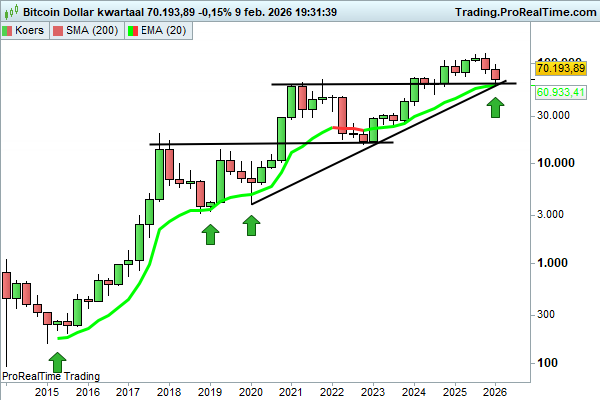
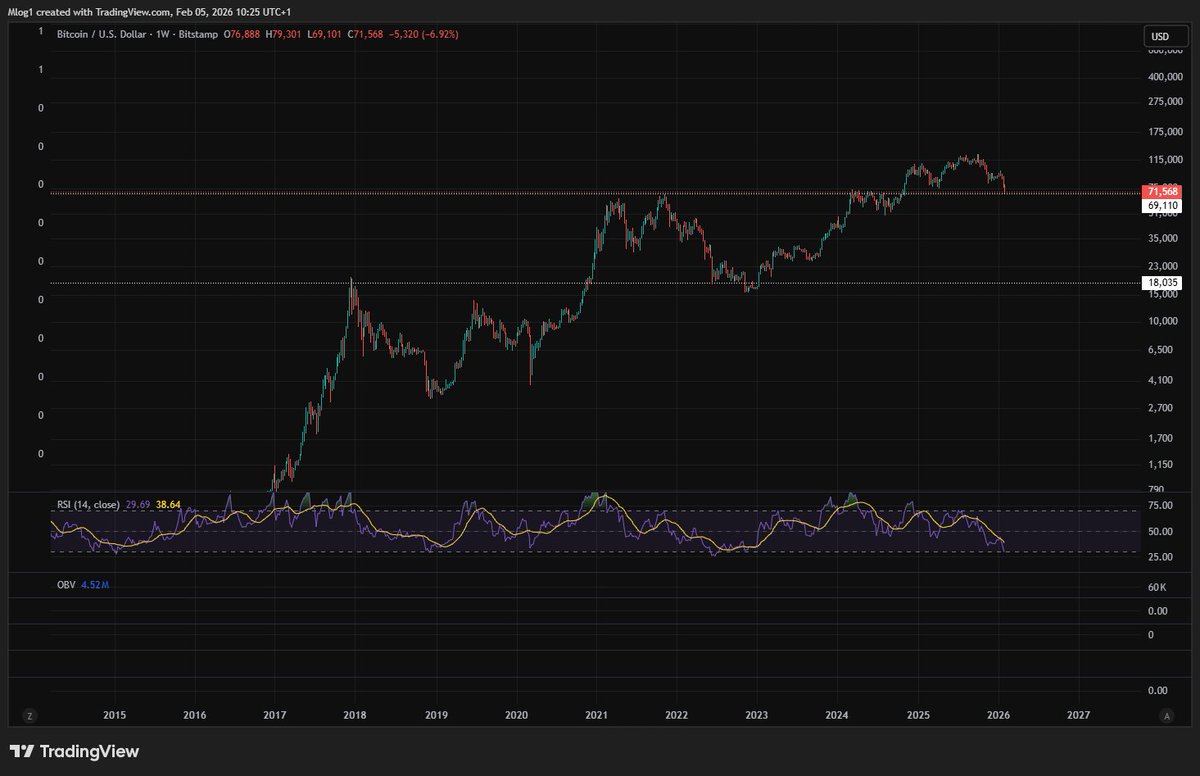
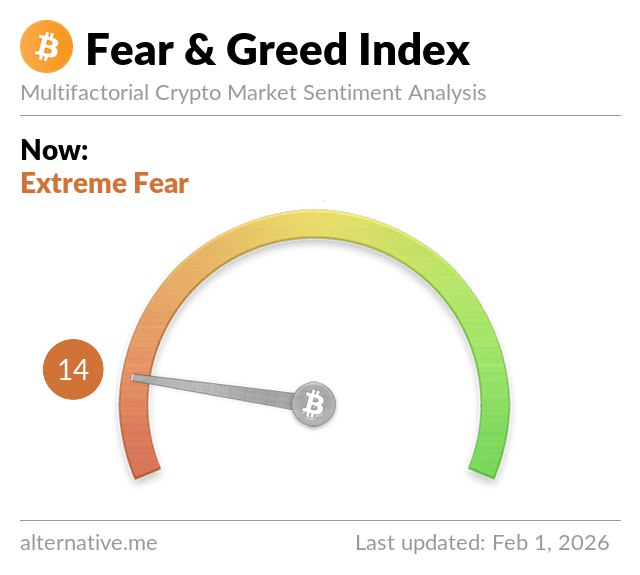
The Coming Crypto Apocalypse By @Nouriel Roubini The future of money and payments will feature gradual evolution, not the revolution that crypto-grifters promised. Bitcoin and other cryptocurrencies’ latest plunge further underscores the highly volatile nature of this pseudo-asset class; one only hopes that policymakers will wake up to the risks before it's too late. NEW YORK – A year ago, the most pro-crypto president in US history had just returned to power after a campaign of pandering to clueless retail crypto investors, and having received massive financial backing from semi-corrupt crypto insiders. Donald Trump’s second coming was supposed to be a new dawn for crypto, leading various self-dealing evangelists to predict that Bitcoin would become “digital gold,” reaching at least $200,000 by the end of 2025. As promised, Trump did gut most crypto regulations. He also signed the Guiding and Establishing National Innovation for US Stable Coins (GENIUS) Act; pushed for the Digital Asset Market Clarity (CLARITY) Act; profited personally from shady domestic and foreign crypto deals ; promoted his own useless meme coin; pardoned crypto crooks who had allegedly aided terrorist organizations; and hosted private dinners for crypto insiders at the White House. Moreover, crypto was supposed to benefit from various macro and geopolitical risks, such as the ballooning of US and other advanced economies’ debt and deficits; the debasement of the dollar and other fiat currencies; new trade wars; and growing tensions between the US and Iran, China, and many others. Indeed, the heightened risk environment helps to explain why gold rose by 60% in 2025. But “digital gold” fell by 7% in 2025. As of this writing, Bitcoin is down 35% from its October peak, below where it was when Trump was elected, and the $TRUMP and $MELANIA meme coins are down 95%. Every time gold has spiked in response to trade or geopolitical ructions over the past year, Bitcoin has fallen sharply. Far from being a hedge, it is a means of leveraging into risk, showing a strong correlation to other risky assets like speculative stocks. Calling Bitcoin or any other crypto vehicle a “currency” has always been bogus. It is neither a unit of account, a scalable means of payment, nor a stable store of value. Even though El Salvador made Bitcoin legal tender, it accounts for less than 5% of transactions for goods and services. Crypto isn’t even an asset, because it has no income stream or function, nor any industrial or real-world use (unlike gold and silver). Seventeen years after Bitcoin’s launch, the one and only “killer app” in crypto is the stablecoin: a digital version of old-fashioned fiat money, which the financial and banking industry already digitalized decades ago. Yes, whether digital money and financial services should be on a blockchain (distributed ledger) or a traditional double-ledger platform remains a question. But 95% of “blockchain” monies and digital services are blockchain in name only. They are private rather than public, centralized rather than decentralized, permissioned rather than permissionless, and validated by a small group of trusted authenticators (as in traditional digital finance and banking) rather than by decentralized agents in jurisdictions with no rule of law.