CardioTechx

87 posts

CardioTechx banner
CardioTechx

CardioTechx

@CardioTechx

CardioTechx by @SaharSamimii & @DonnchadhOSull | Keep up-to-date with rapidly evolving Cardiology, Devices, Tech & Artificial Intelligence | Our own views

Tham gia Aralık 2024
166 Đang theo dõi263 Người theo dõi
CardioTechx đã retweet

C. Michael Gibson MD
C. Michael Gibson MD@CMichaelGibson·
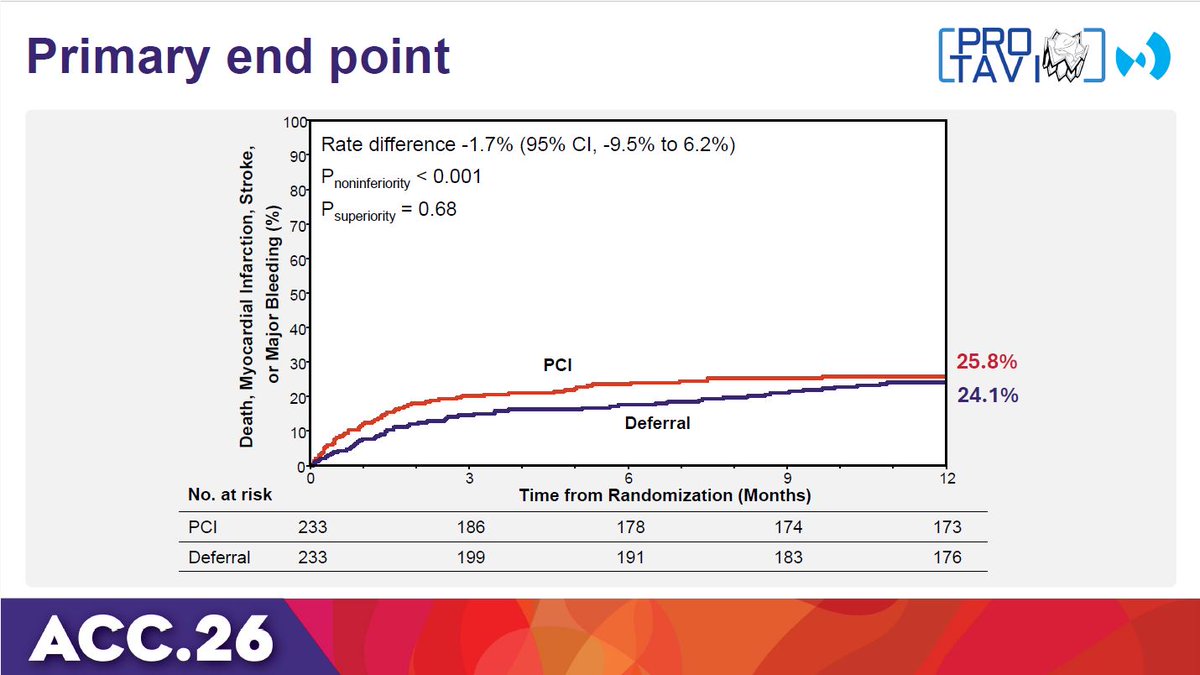
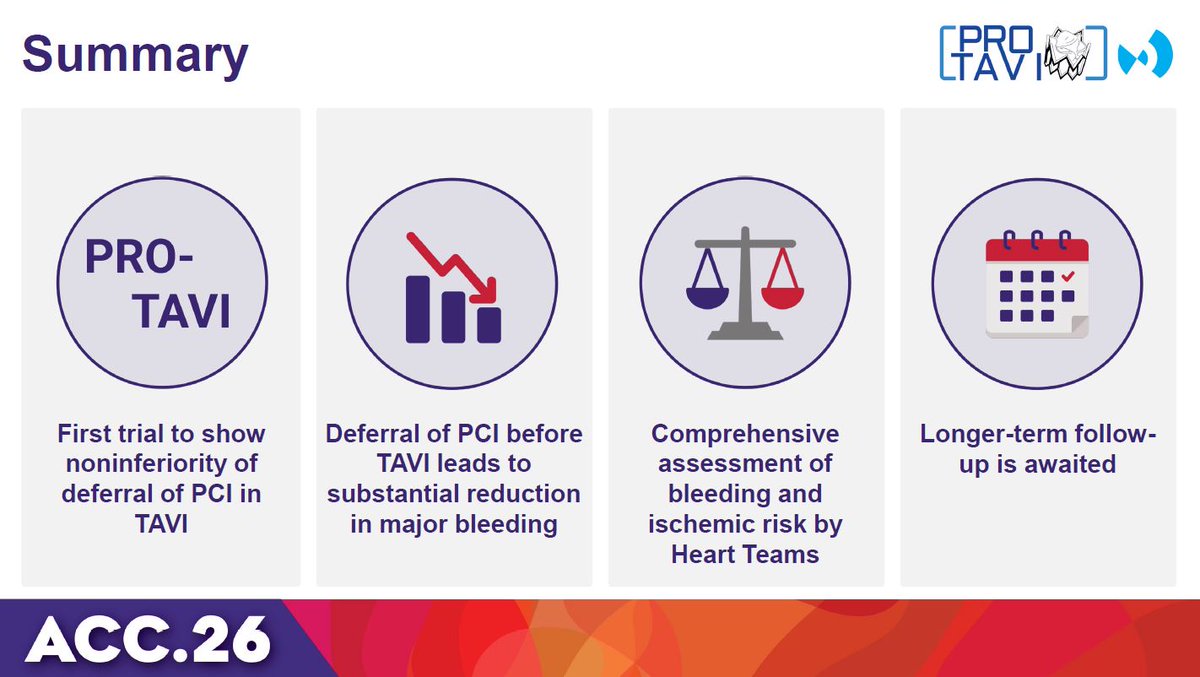
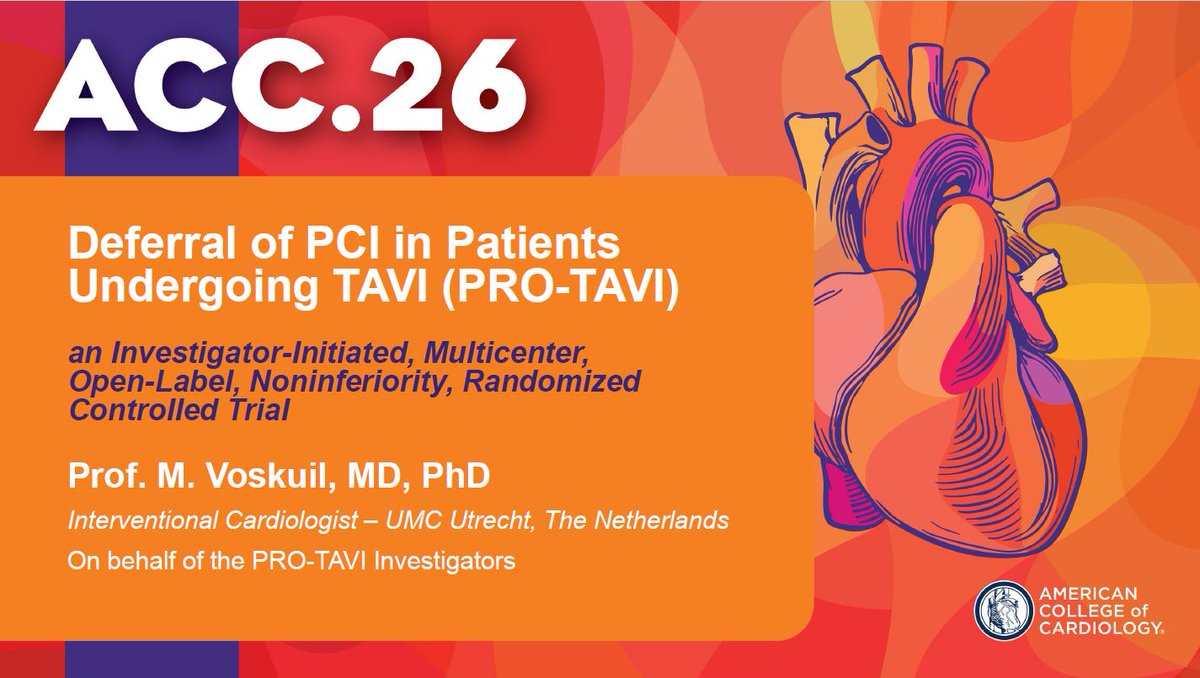
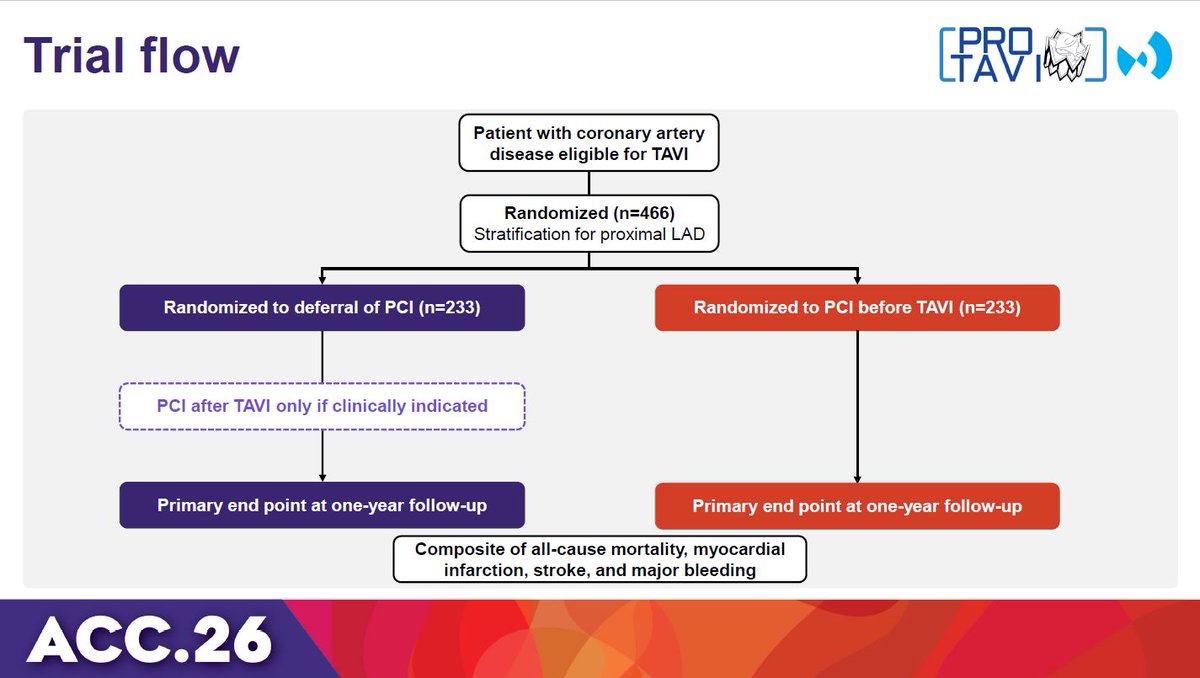
PRO-TAVI trial: Deferring PCI was non-inferior to routine PCI before TAVI for the 1-year composite of all-cause mortality, MI, stroke, and major bleeding, suggesting its appropriate role in selected CAD patients. #ACC26 View slides here: clinicaltrialresults.org/wp-content/upl…
C. Michael Gibson MD tweet mediaC. Michael Gibson MD tweet mediaC. Michael Gibson MD tweet mediaC. Michael Gibson MD tweet media
English
1
36
87
7.5K
CardioTechx đã retweet
C. Michael Gibson MD
C. Michael Gibson MD@CMichaelGibson·
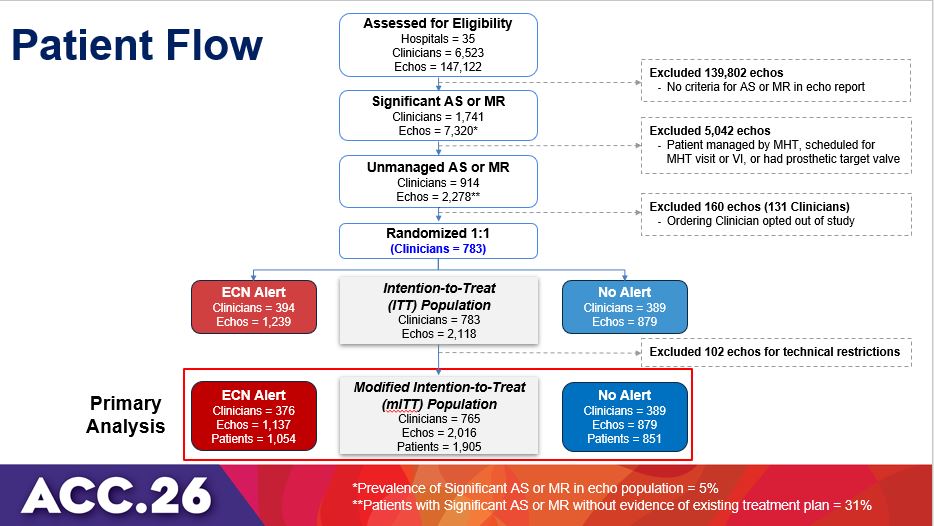
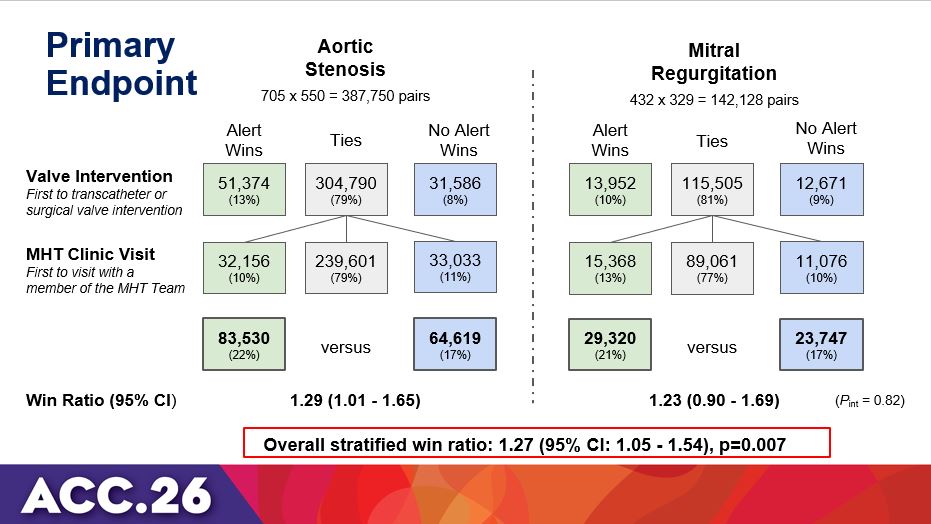
ALERT trial: AI-driven automated electronic clinician notifications for severe valvular heart disease accelerated and improved rates of cardiac specialty referrals and interventions vs. usual care. #ACC26 View the slides here: clinicaltrialresults.org/wp-content/upl…
C. Michael Gibson MD tweet mediaC. Michael Gibson MD tweet mediaC. Michael Gibson MD tweet mediaC. Michael Gibson MD tweet media
English
0
15
34
3.4K
CardioTechx
CardioTechx@CardioTechx·
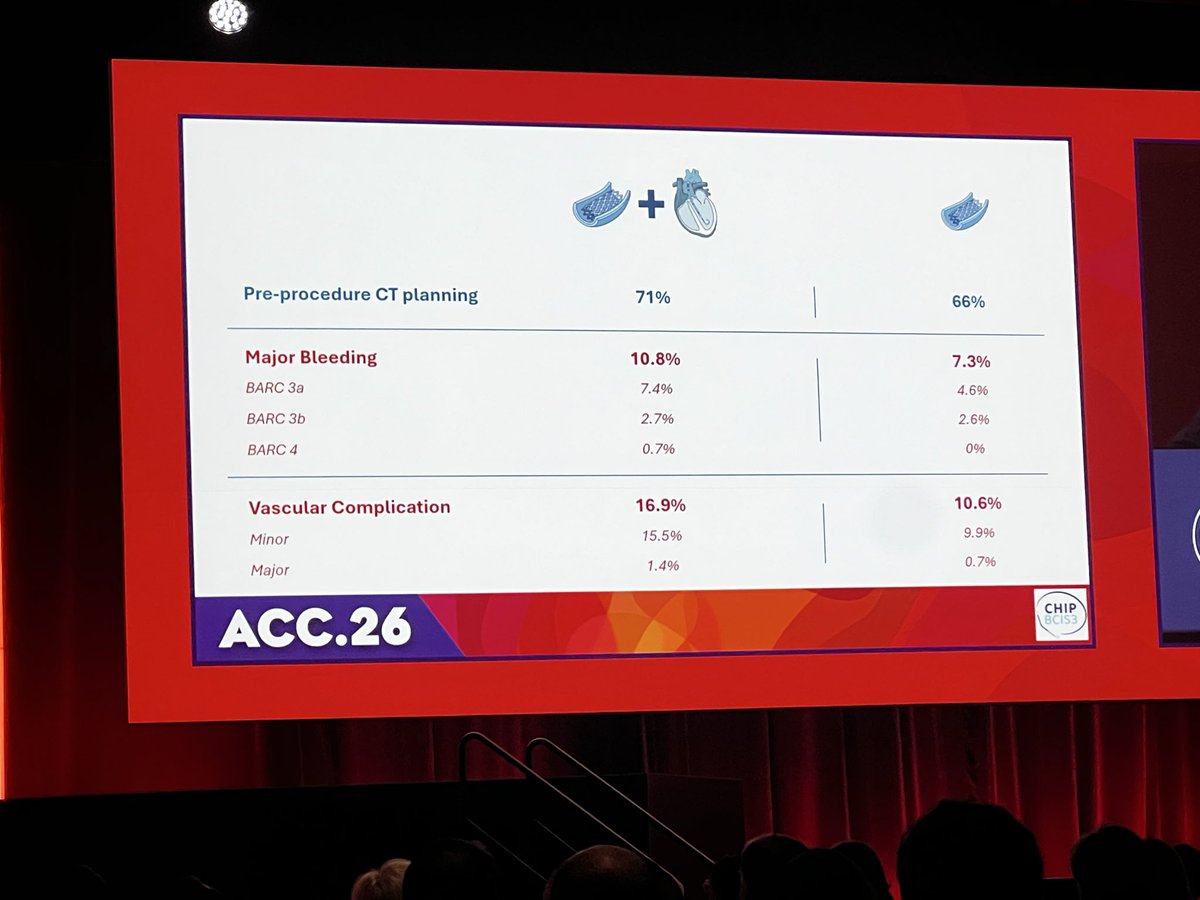
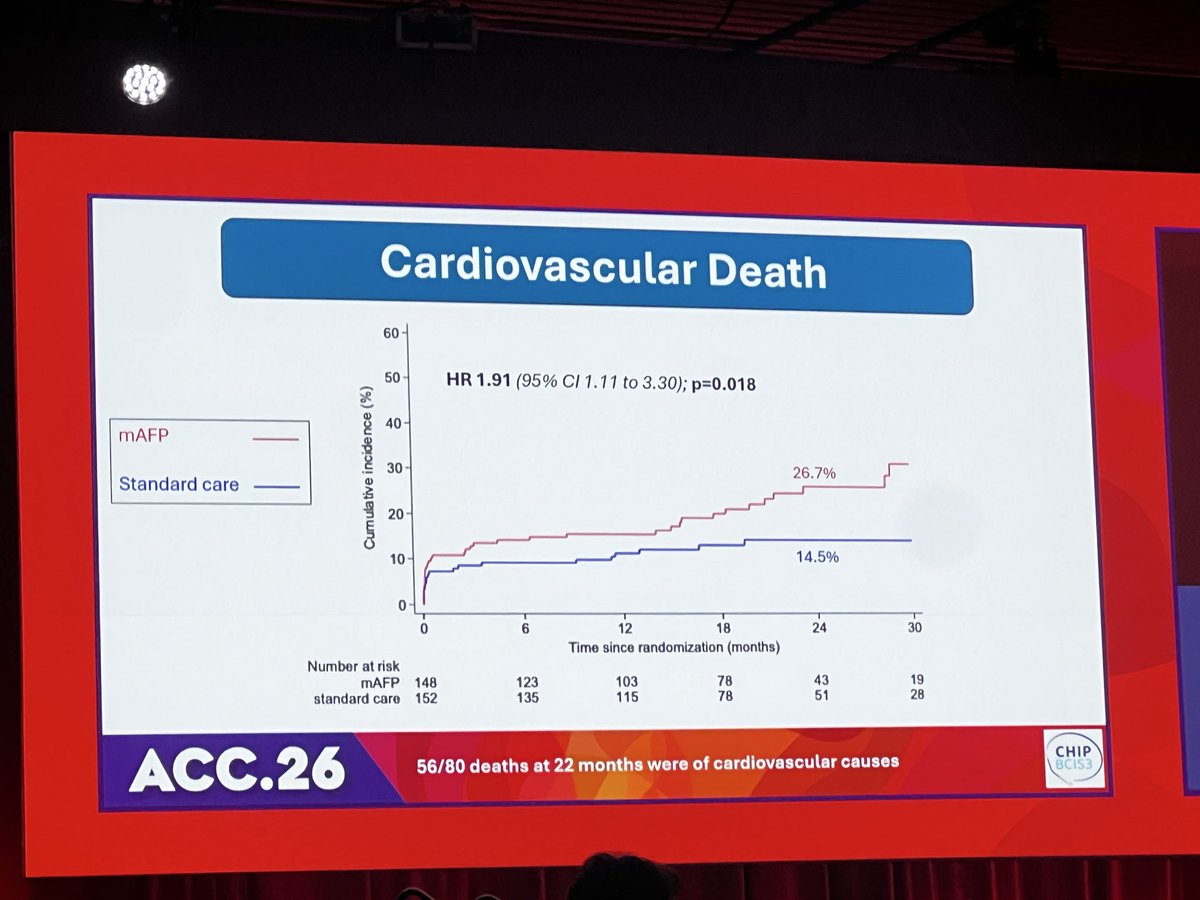
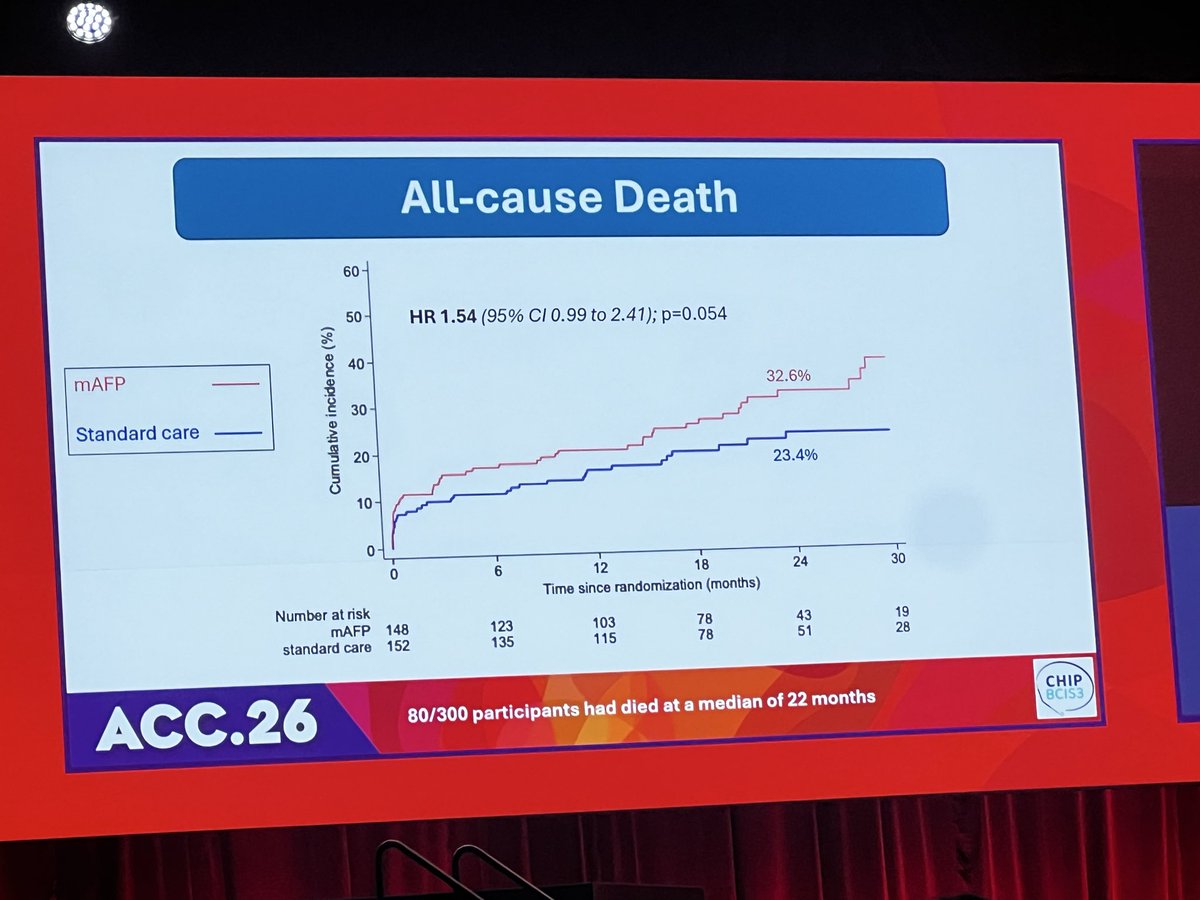
Another LV unloading trial presented at #ACC26, this time in elective high-risk PCI. CHIP-BCIS3: elective LV unloading for complex PCI in severe LV dysfunction 🧠 Design: • N=300 randomized • Severe LV dysfunction (LVEF ≤35%) • STEMI & cardiogenic shock excluded • Very complex CAD: BCIS-JS 12, SYNTAX ~38 • High-risk PCI: LM (~72%), calcium modification (~81%), CTO (~27%) • Micro-axial flow pump vs standard care 📌 Primary outcome (hierarchical composite: death, disabling stroke, spontaneous MI, CV hospitalization, periprocedural myocardial injury): ❌ No benefit (WR 0.85, p=0.30) 📌 Mortality: ⚠️ Higher CV death with unloading (26.7% vs 14.5%; HR 1.91) All-cause death numerically ↑ ⚖️ Takeaway: Routine use of LV unloading in elective stable high-risk PCI is not advised nejm.org/doi/full/10.10… #CardioX #PCI @ACCinTouch
CardioTechx tweet mediaCardioTechx tweet mediaCardioTechx tweet mediaCardioTechx tweet media
English
0
2
3
327
CardioTechx
CardioTechx@CardioTechx·
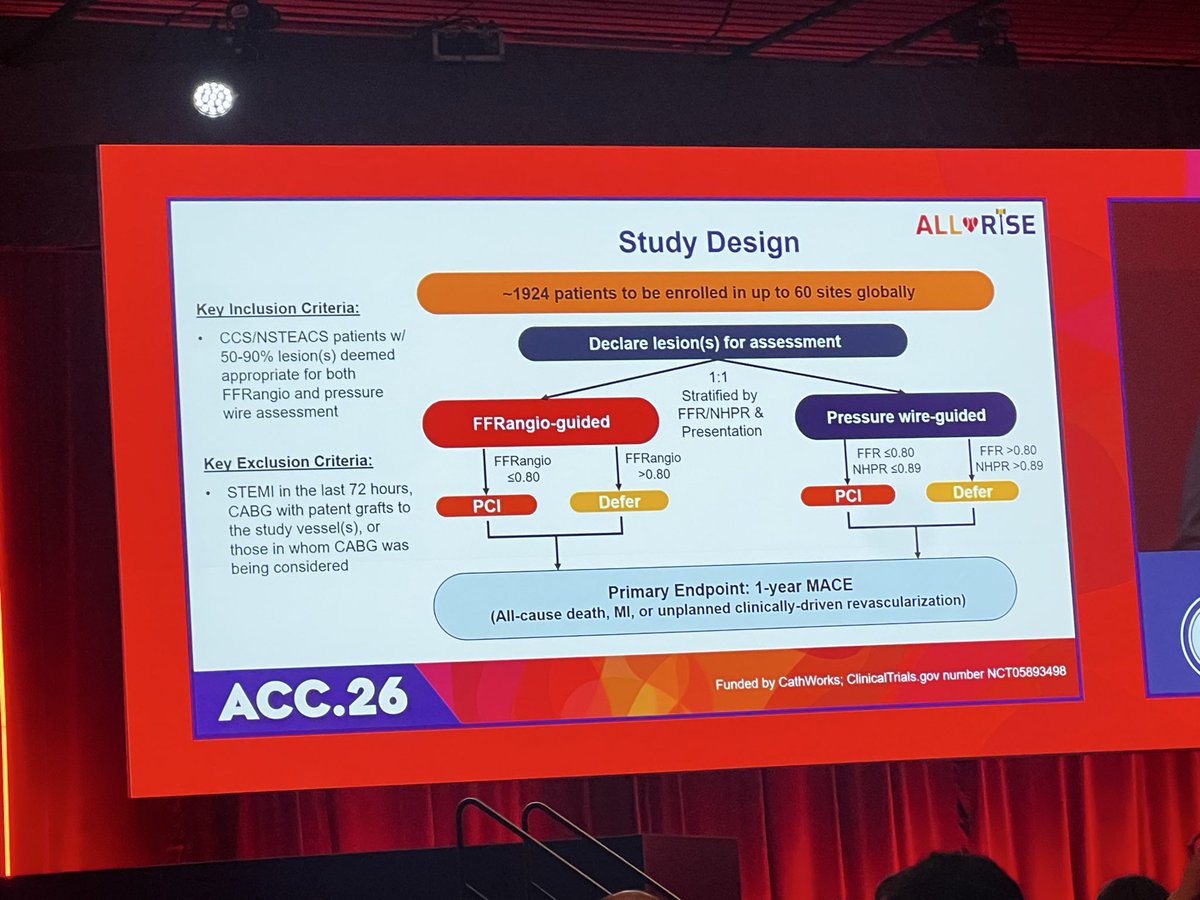
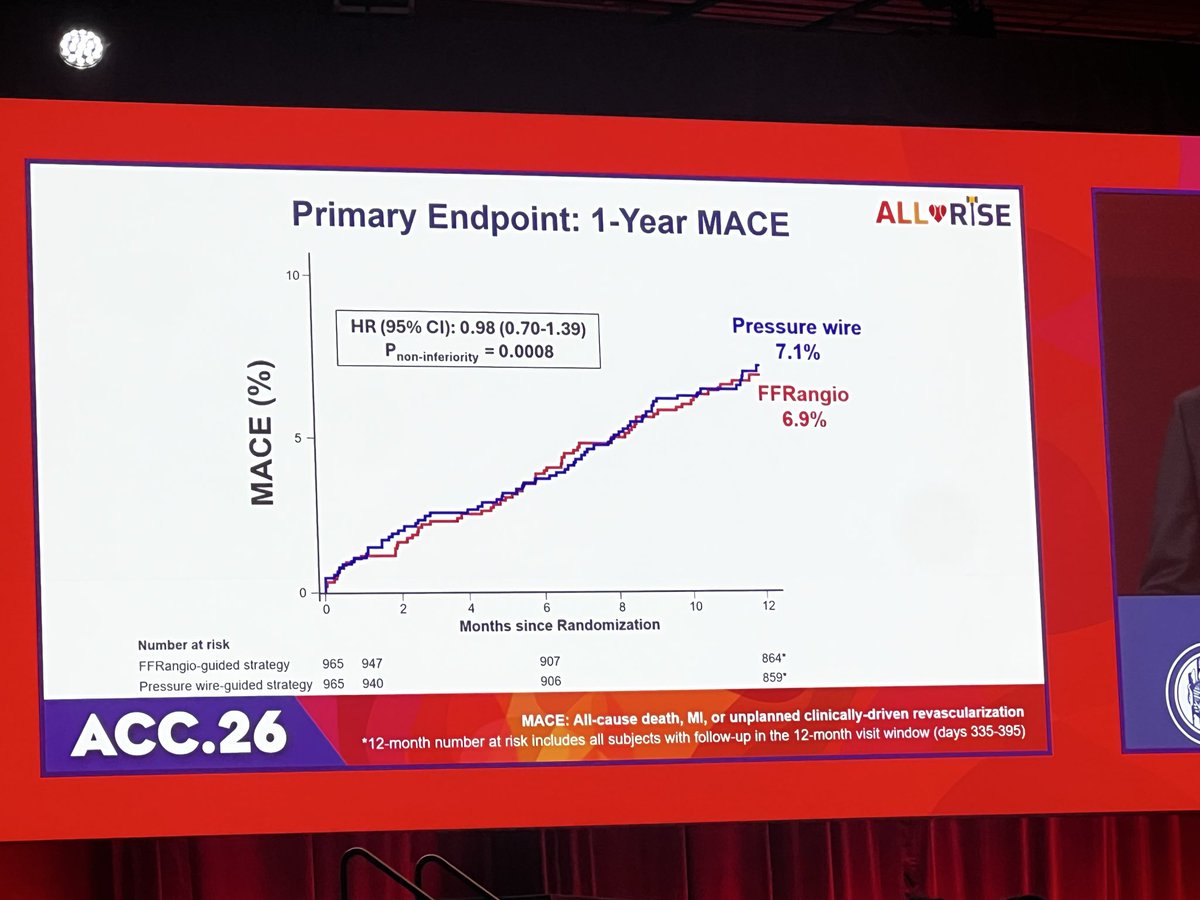
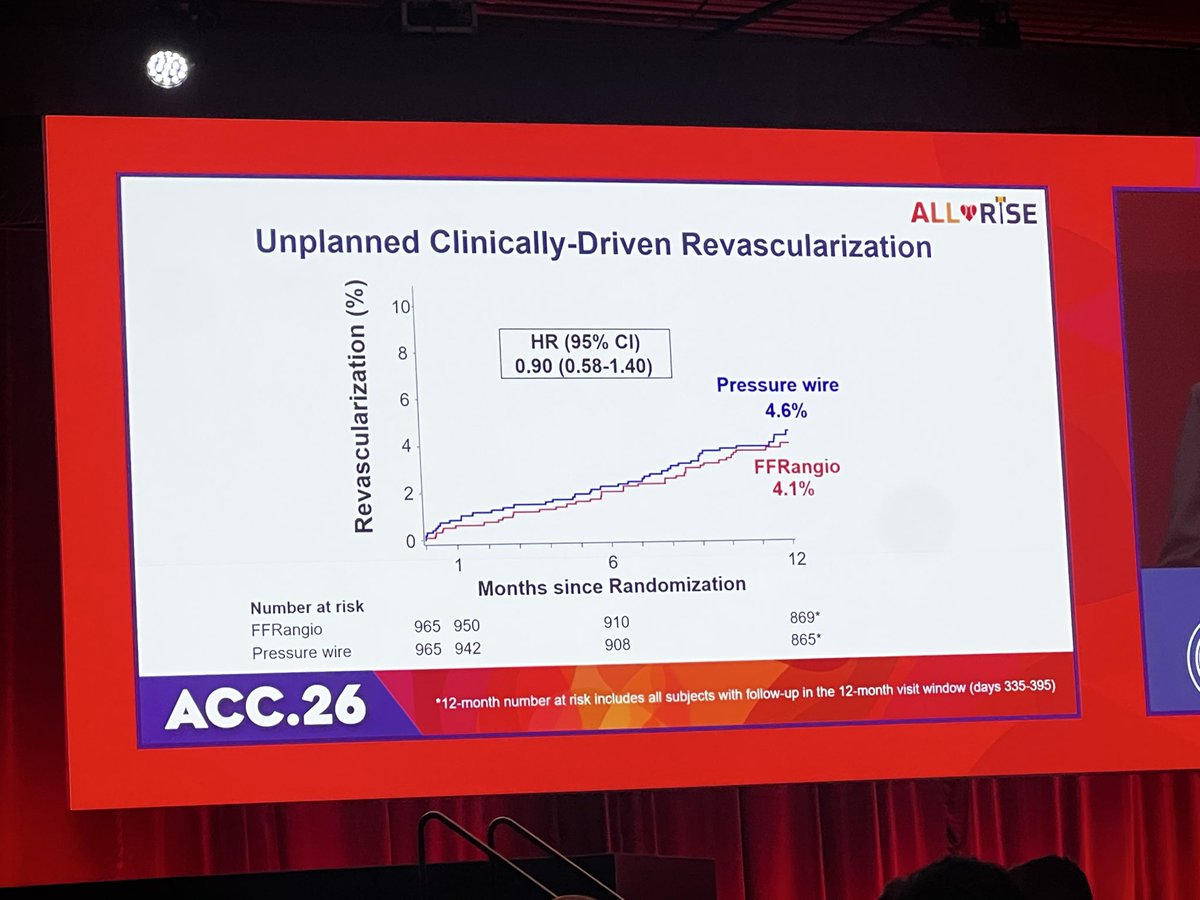
Can we get physiologic lesion assessment without a pressure wire? ALL-RISE: FFRangio vs pressure-wire for intermediate lesions 🧠 Design: • N=1930 randomized • Intermediate coronary stenosis (50–90%) • FFRangio = @CathWorks software that uses AI + computational modeling to derive physiologic lesion assessment from routine angiograms, without adenosine or invasive pressure wires • Compared with standard pressure-wire physiology • Primary endpoint = 1-yr MACE (death, MI, or unplanned revascularization) 📌 Primary outcome: ✅ Noninferior (6.9% vs 7.1%; HR 0.98, 95% CI 0.70–1.39; P<0.001 for NI) 📌 Components: • Death: 2.3% vs 2.1% • MI: 1.6% vs 2.5% • Revasc: 4.1% vs 4.6% 📌 Workflow advantage: ⏱️ Faster physiology assessment 💉 Less contrast ☢️ Less fluoro ⚖️ Takeaway: #AI-enabled angiography-guided physiology assessment achieved similar 1-year composite end point of death, myocardial infarction, or unplanned clinically indicated coronary revascularization, with a simpler cath lab workflow. nejm.org/doi/full/10.10… #CardioX #ACC26 #PCI #FFR @ACCinTouch #AIinMedicine
CardioTechx tweet mediaCardioTechx tweet mediaCardioTechx tweet mediaCardioTechx tweet media
English

1
7
9
502
CardioTechx
CardioTechx@CardioTechx·
STEMI Door-to-Unload (DTU): LV unloading prior to PCI in anterior STEMI 🧠 Design: • STEMI, no shock • Impella CP + ~30-min delay to PCI vs immediate PCI • Strategy: reduce infarct size via LV unloading 📌 Primary endpoint (infarct size %LVM): ❌ No difference (31.8% vs 33.7%; Δ −1.9%, p=0.28) 📌 Key secondary (30d mortality): ↘️ Numerically lower early mortality, NS (1.2% vs 3.5%) 📌 Primary safety (BARC 3–5 bleeding / vascular complications): ⚠️ Higher with Impella strategy (~31% vs ~6%) 📌 Takeaway: No infarct size reduction with LV unloading strategy ↑ Bleeding/vascular complications remain a concern #CardioX #STEMI #ACC26 @ACCinTouch
CardioTechx tweet mediaCardioTechx tweet mediaCardioTechx tweet mediaCardioTechx tweet media
English
0
2
5
510
CardioTechx
CardioTechx@CardioTechx·
One of the most awaited trials at #ACC26 CHAMPION-AF tests LAAO vs NOACs as a first-line strategy in AF patients eligible for anticoagulation. 🧠 Design: • N=3000, open-label RCT • Mean CHADS VASC 3.5, HAS-BLED ~1 📌 Primary efficacy (3y): CV death, stroke, systemic embolism → noninferiority met (5.7% vs 4.8%) 📌 Primary safety (non-procedure-related bleeding): Lower with LAAO (10.9% vs 19.0%; HR 0.55) 📌 Net clinical benefit (primary efficacy + non-procedure-related bleeding): Favors LAAO (HR ~0.66) ⚖️ CHAMPION-AF, among patients with AF, left atrial appendage closure was noninferior to NOACs for CV death, stroke, or systemic embolism, and superior for non–procedure-related bleeding. @ACCinTouch nejm.org/doi/full/10.10…
CardioTechx tweet mediaCardioTechx tweet mediaCardioTechx tweet mediaCardioTechx tweet media
English
0
2
7
957
CardioTechx
CardioTechx@CardioTechx·
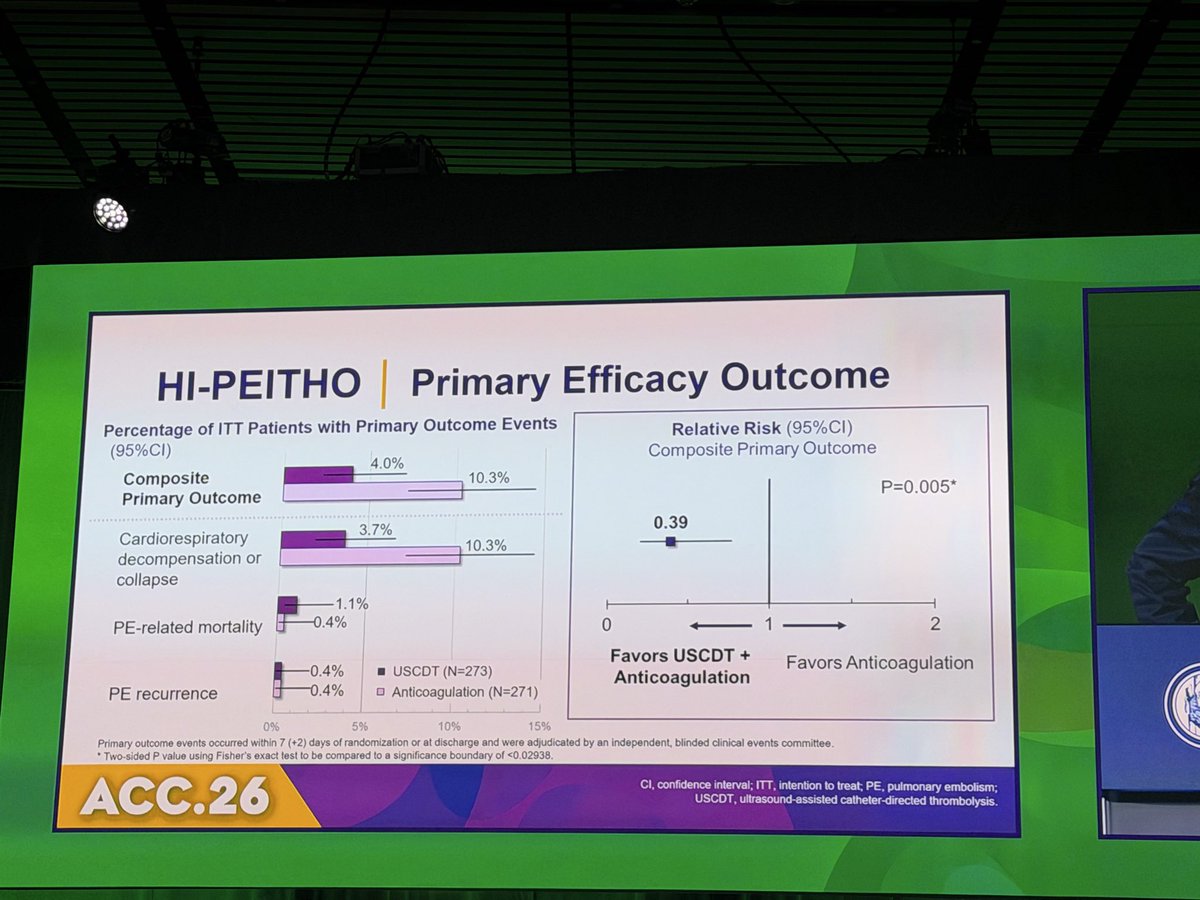
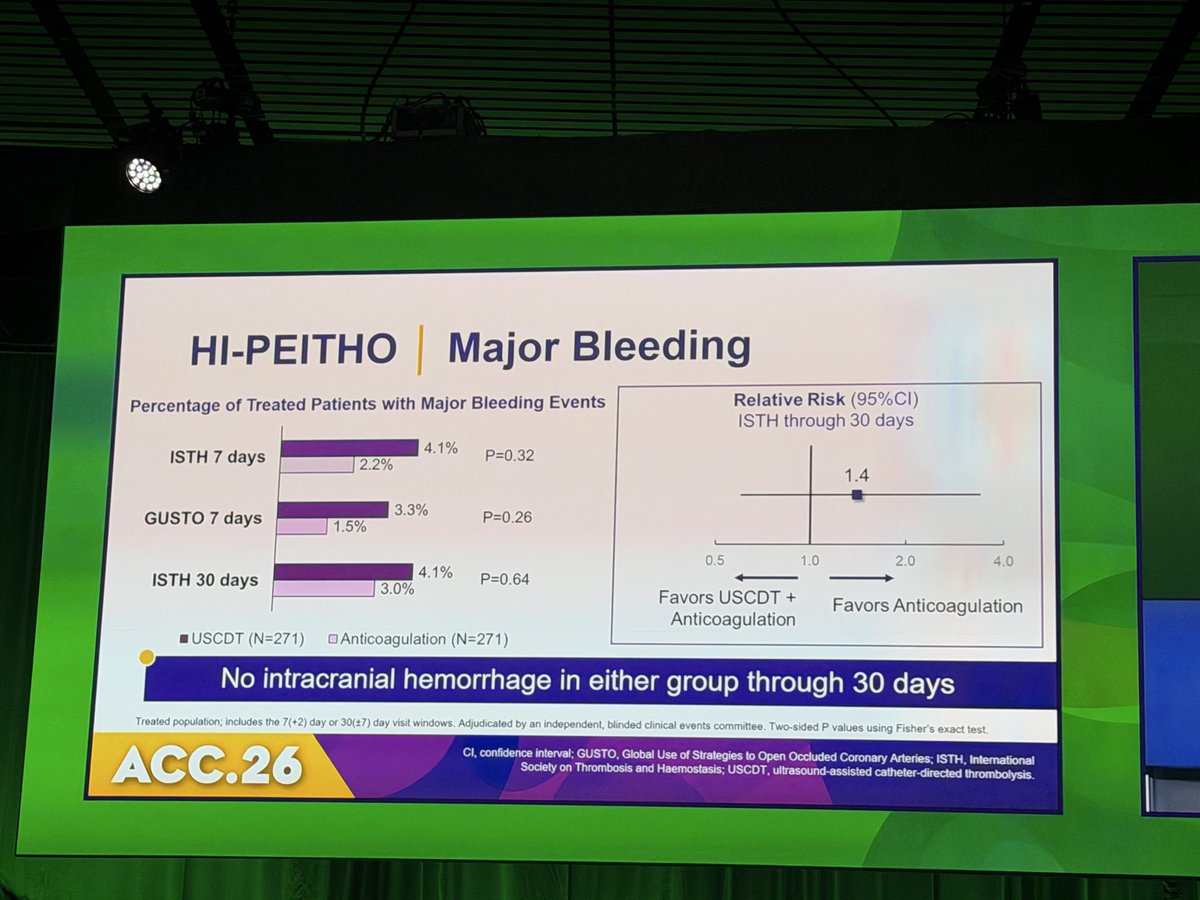
🚨 Late-Breaking @ACCinTouch #ACC26 HI-PEITHO trial: In intermediate-risk PE, ultrasound-assisted catheter-directed thrombolysis (USCDT) + anticoagulation significantly reduced early clinical deterioration vs anticoagulation alone (4.0% vs 10.3%, RR 0.39, p=0.005). 💥 No increase in major bleeding 🧠 No intracranial hemorrhage A potential shift in how we manage submassive PE. #CardioX #PERT #PulmonaryEmbolism
CardioTechx tweet mediaCardioTechx tweet mediaCardioTechx tweet mediaCardioTechx tweet media
English
1
3
9
610
CardioTechx
CardioTechx@CardioTechx·
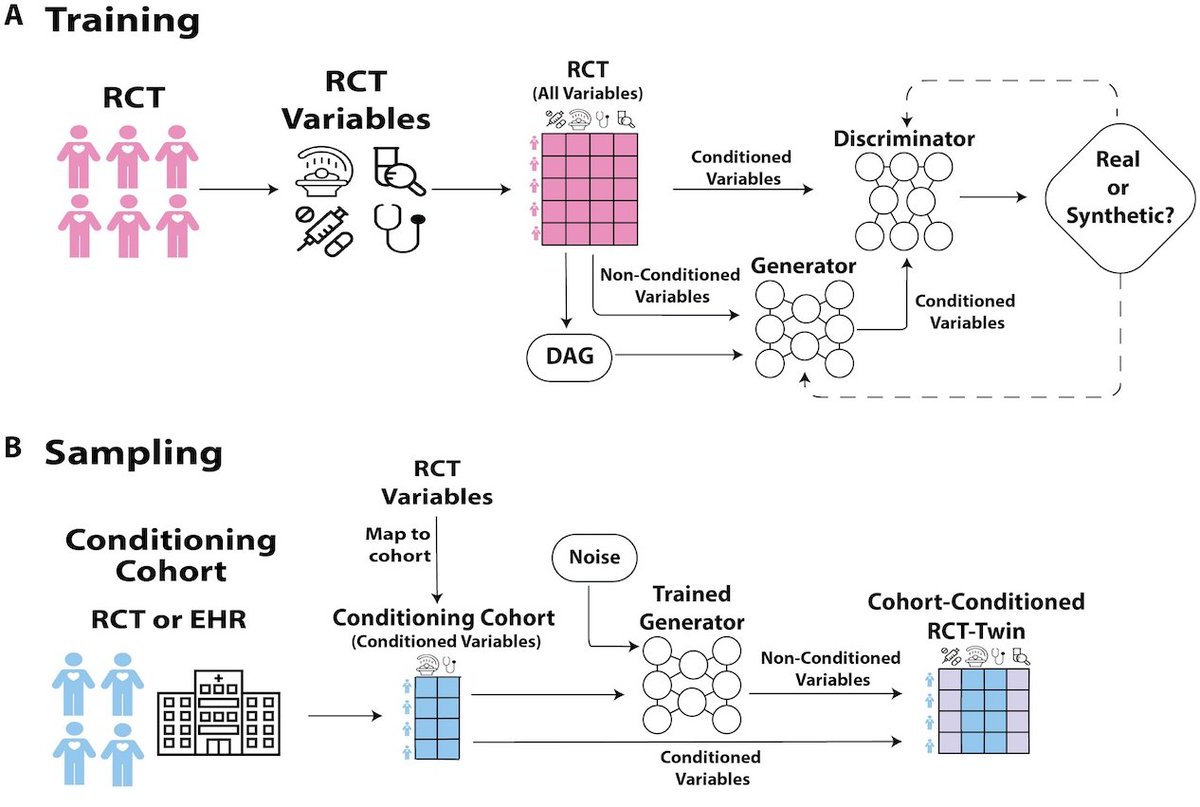
What happens when you train a foundation model on data from Epic Cosmos, one of the world’s largest de-identified longitudinal EHR datasets? In our latest CardioTechx Journal Club, we break down CoMET: a generative medical event model trained on 118M patients and 115B medical events, with signals in CKD progression, readmissions, and disease trajectories. Turn doom scrolling into microlearning. #EPIC #AIinMedicine #Cardiology #DigitalHealth #MedTwitter @HeyEpic @shanewaxler @PaulJBlazek
English
0
6
14
1.1K
CardioTechx đã retweet
Rohan Khera
Rohan Khera@rohan_khera·
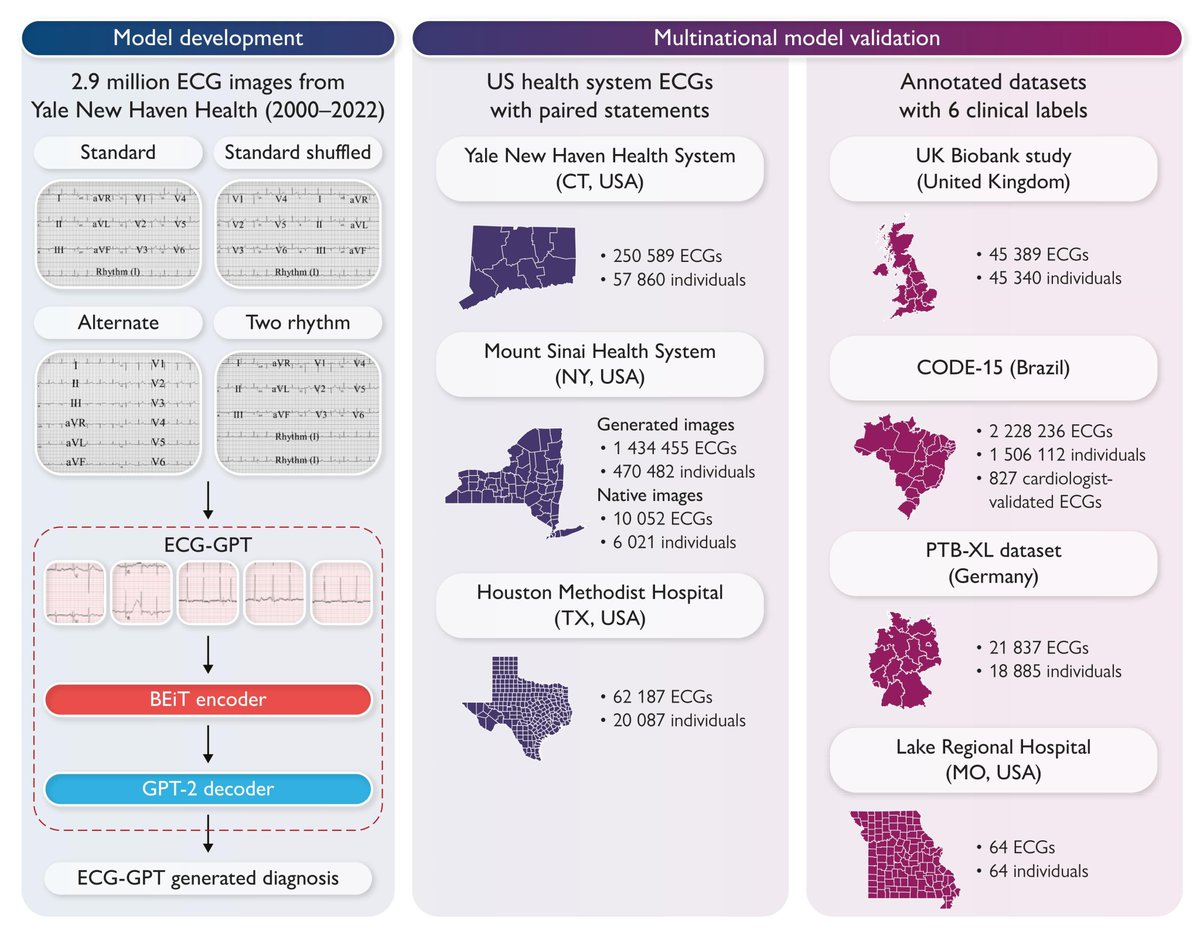
Can AI read an ECG like a cardiologist - from just an image? We built ECG-GPT, a vision-text transformer that generates complete diagnostic reports directly from photos of 12-lead ECGs Now out in @ESC_Journals #EHJDigitalHealth Kudos to @aakhunte & @Veer_Sangha_ for leading this @cards_lab 🧵
Rohan Khera tweet media
English
33
116
483
96.2K
CardioTechx
CardioTechx@CardioTechx·
Can we do better than borrowed surgical scores in #tricuspid intervention? The new EuroTR risk score says yes. Derived in 1,826 T-TEER patients, it outperformed traditional risk scores for 1-year mortality prediction and may help refine patient selection and futility discussions before intervention. What do you think of the performance and calibration? Try out the calculator here: eurotr.eu/etr Great work by @j_hausleiter @PhilippLurz and team! Full manuscript: jacc.org/doi/10.1016/j.… #CardioTwitter #CardioX #TTEER #TricuspidValve #StructuralHeart @JACCJournals #AI
English
1
6
15
1.3K
CardioTechx
CardioTechx@CardioTechx·
@Magl87 Unclear if the cut off was mild or moderate… it will be interesting to see publication to confirm this.
English
0
0
1
280
CardioTechx
CardioTechx@CardioTechx·
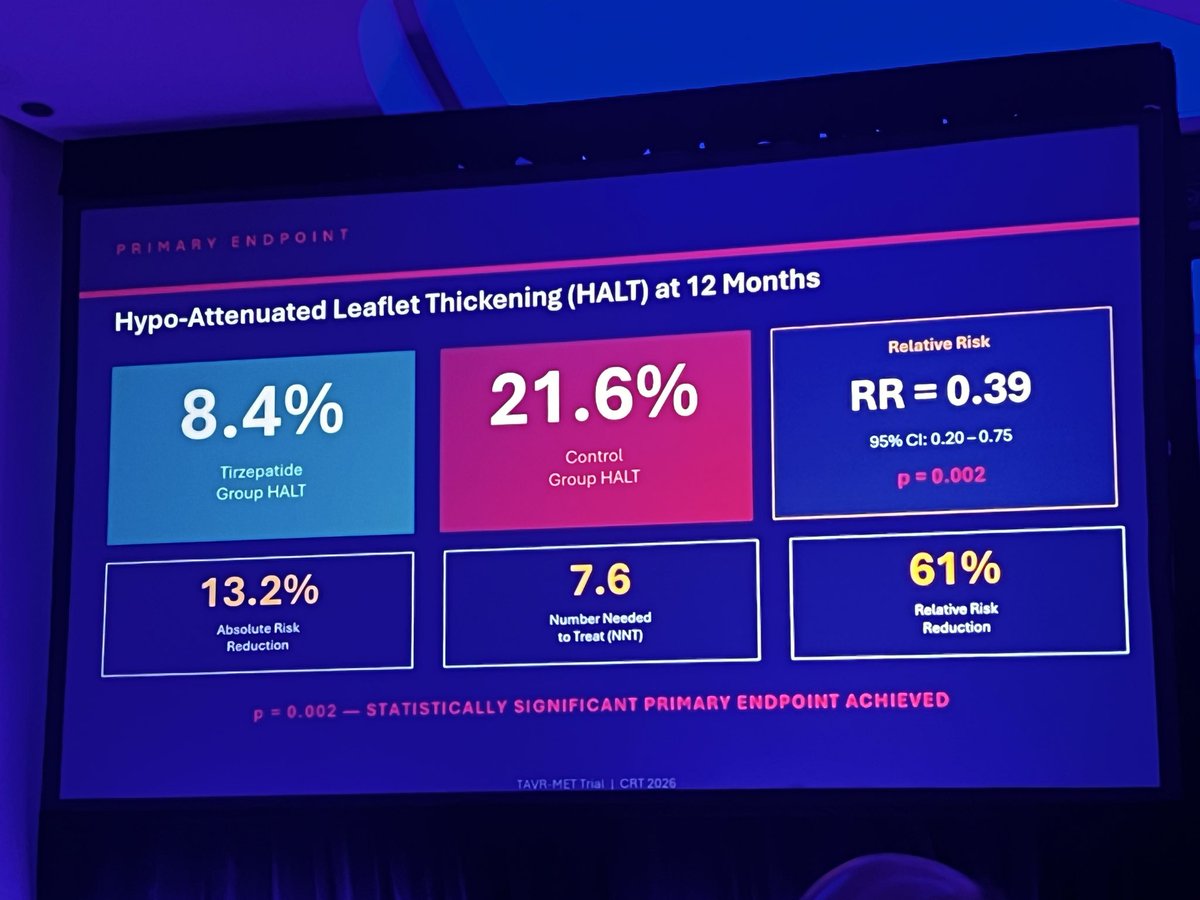
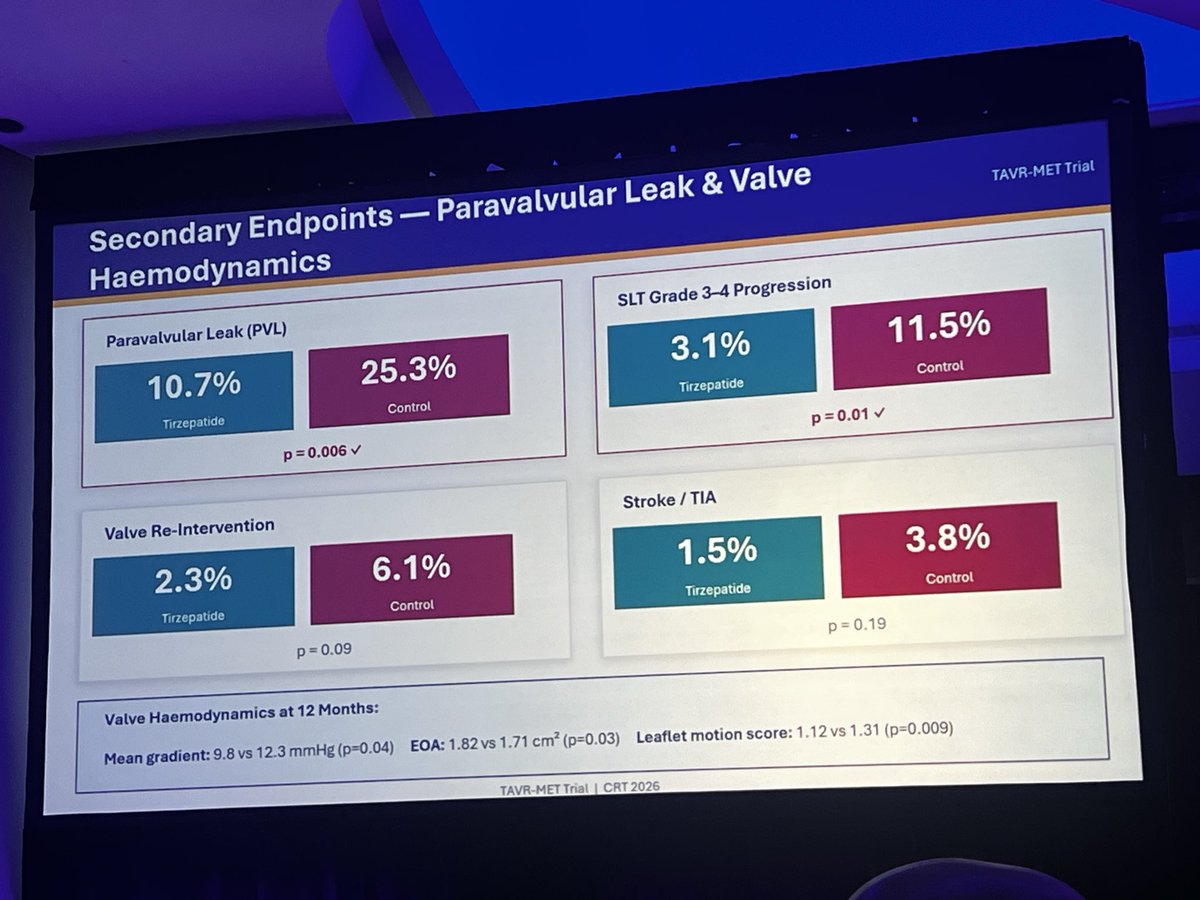
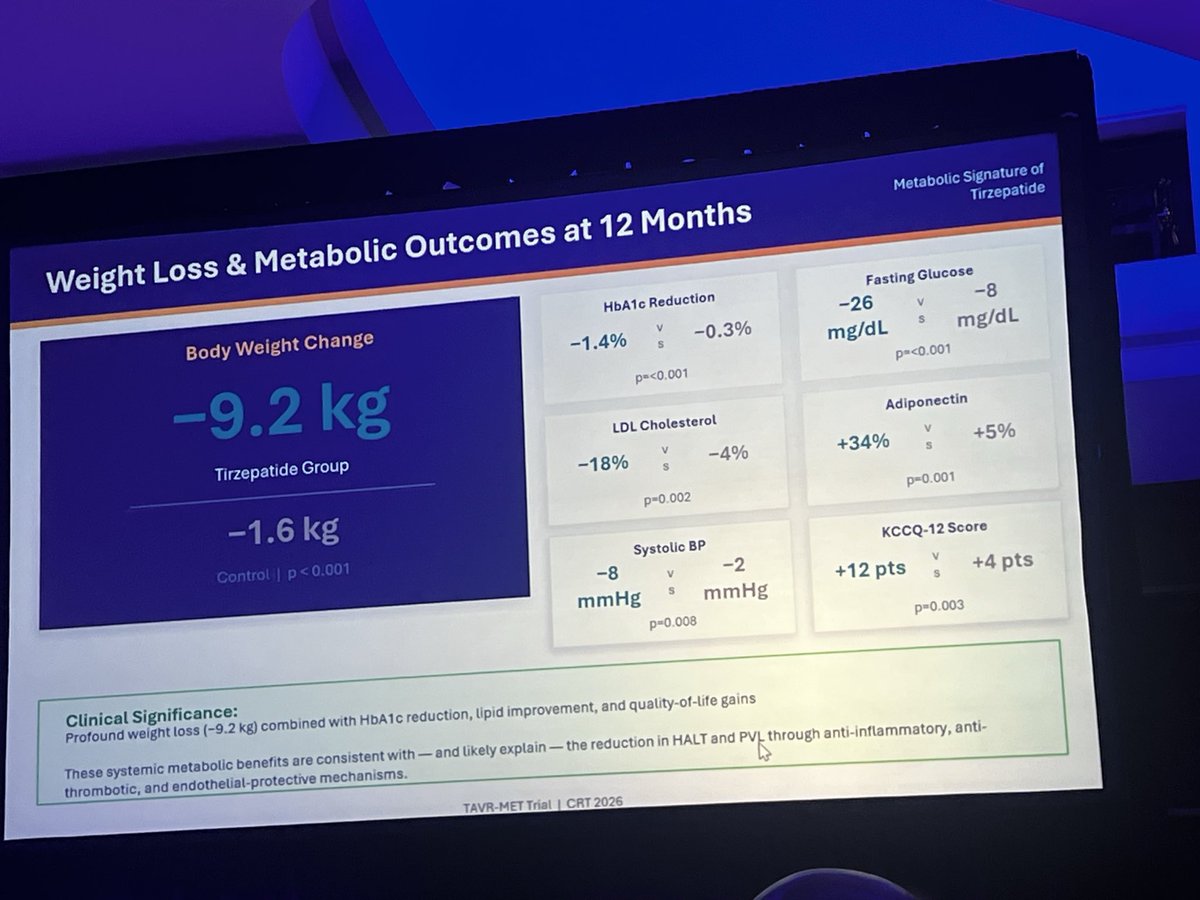
Late-breaking trial at #CRT2026: Tirzepatide after TAVR substanially reduced HALT and PVL at 12 months. Highlights: • HALT: 8.4% vs 21.6% (RR 0.39, p=0.002) • PVL: 10.7% vs 25.3% • SLT progression: 3.1% vs 11.5% • Lower mean gradient, better EOA • No unexpected safety signal A metabolic therapy entering the structural valve conversation. Next steps: further sensitivity analysis looking at the impact of the degree of weightloss on HALT? Are the results solely due to weight loss, anti-inflammatory or other mechanims? Great work by Dr. Thirugnanam and team! #TAVR #StructuralHeart #GLP1 #CardioX @crt_meeting @ron_waksman @GreggWStone @TheDoctorMack @KarenMKimMD1 @PopmaJeffrey @MReardon19 @SachinGoelMD
CardioTechx tweet mediaCardioTechx tweet mediaCardioTechx tweet mediaCardioTechx tweet media
English
6
21
74
19.6K
CardioTechx
CardioTechx@CardioTechx·
Good question. We were excited talking about this possible MOA, but overall mechanism isn’t fully defined yet. One possibility is reduction in systemic inflammation. GLP-1/GIP therapies like tirzepatide have been shown to lower inflammatory markers, which could plausibly reduce leaflet thrombosis and HALT. One major limitation though is that patients were stratified by BMI at enrollment, but after ~12 months on therapy the tirzepatide group had substantial weight loss (~9.3 kg if I recall correctly). By the time HALT was assessed, the groups were no longer really ‘apples to apples’ from a BMI standpoint. So part of the signal may simply reflect lower body weight/adiposity rather than a direct pharmacologic effect however we are looking forward to further sensitivity analysis and larger studies to assess these exciting findings.
English
0
0
1
434
CardioTechx
CardioTechx@CardioTechx·
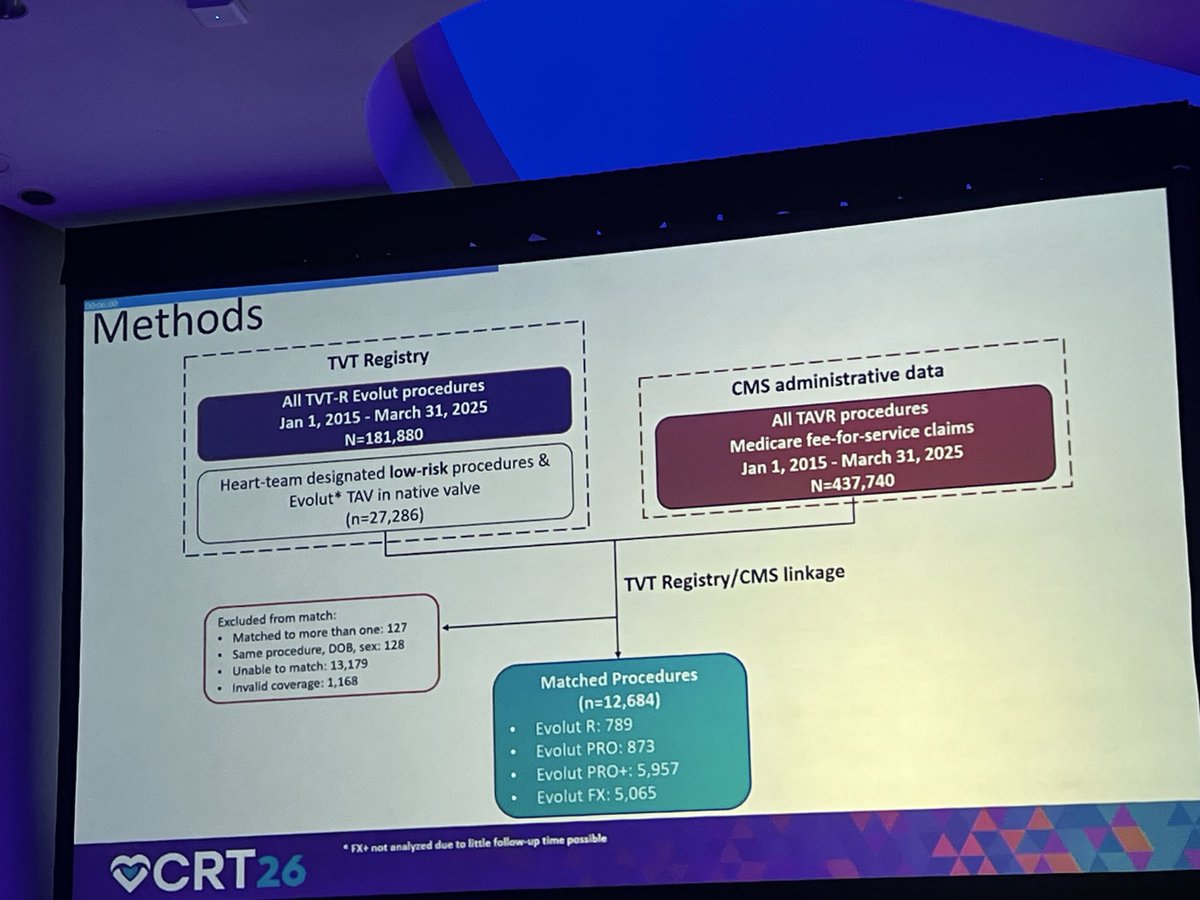
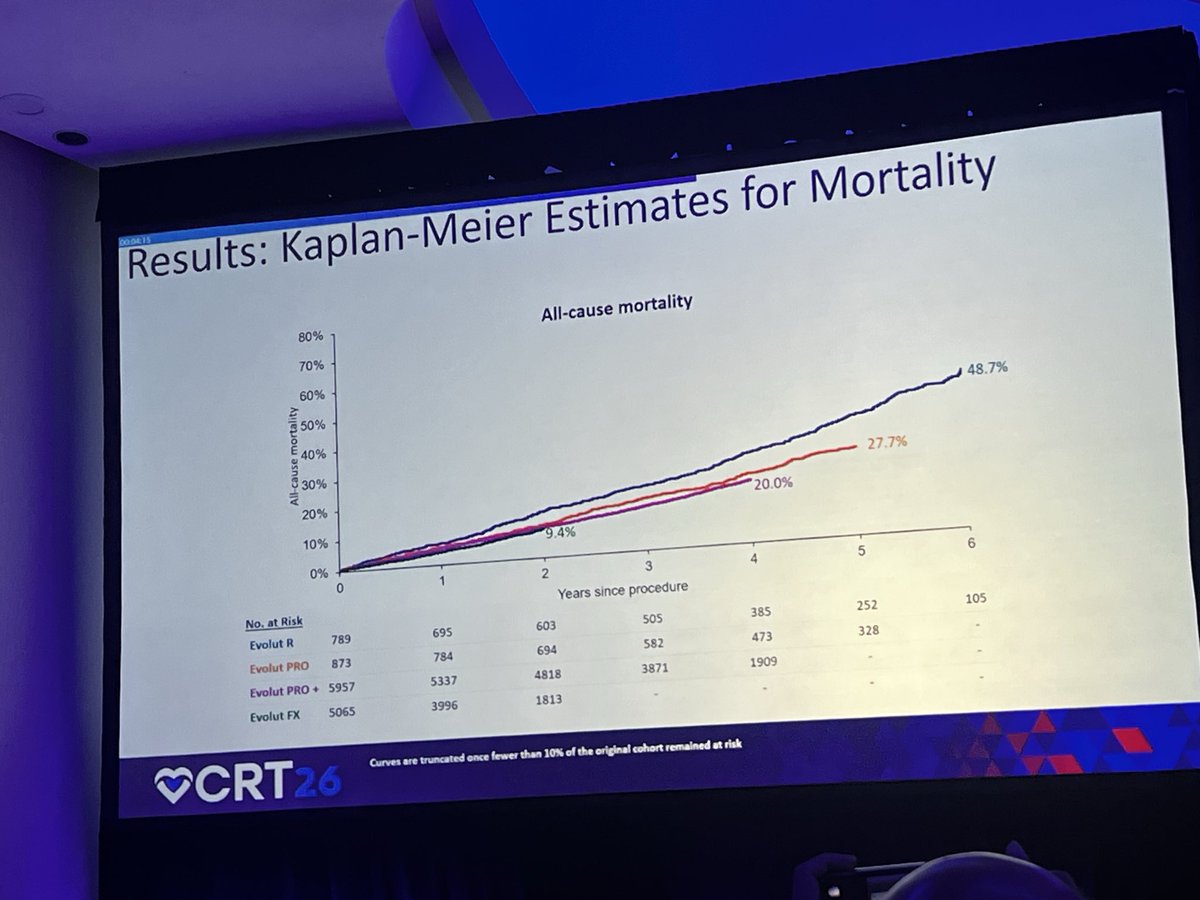
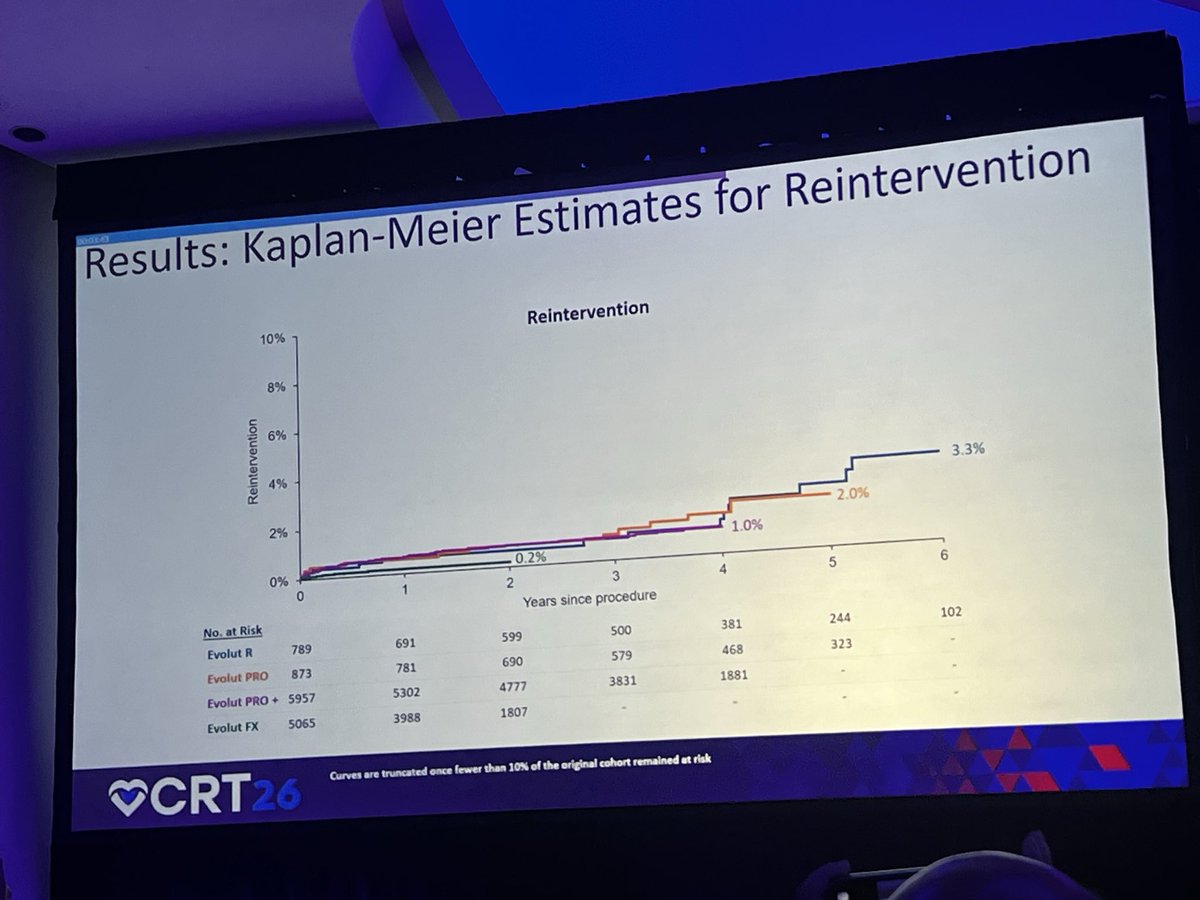
Late-breaking real-world evidence at #CRT2026: Linking registry + Medicare claims offers one of the clearest looks yet at long-term TAVR durability in low-risk patients. Highlights: • 12,684 low-risk patients • Reintervention remained low across generations • ~2–3% at 5–6 years overall • Mortality remained substantial, reflecting real-world aging/comorbidity burden A valuable look at durability beyond trial populations. Great work by @rwyeh and team! #TAVR #StructuralHeart #CardioX @crt_meeting @ron_waksman @GreggWStone @TheDoctorMack @KarenMKimMD1 @PopmaJeffrey @MReardon19 @SachinGoelMD
CardioTechx tweet mediaCardioTechx tweet mediaCardioTechx tweet mediaCardioTechx tweet media
English
2
8
23
2.9K