Loic LeMener CFA, CFP®

4.5K posts

Loic LeMener CFA, CFP® banner
Loic LeMener CFA, CFP®

Loic LeMener CFA, CFP®

@CfaDallas

I like to post contrarian data points. Not advice! See important disclosures here: https://t.co/MA7VJvMMjU

Dallas, TX Tham gia Mart 2020
1.1K Đang theo dõi481 Người theo dõi
Loic LeMener CFA, CFP® đã retweet

Science girl
Science girl@sciencegirl·
Its all about perspective
Science girl tweet media
English
100
2.1K
41K
310.4K
Loic LeMener CFA, CFP® đã retweet
Historic Vids
Historic Vids@historyinmemes·
In 2000, Palm was worth more than Apple, Nvidia, Amazon & Starbucks combined.
Historic Vids tweet media
English
87
304
2.4K
110.4K
Loic LeMener CFA, CFP® đã retweet
Dimitry Nakhla | Babylon Capital®
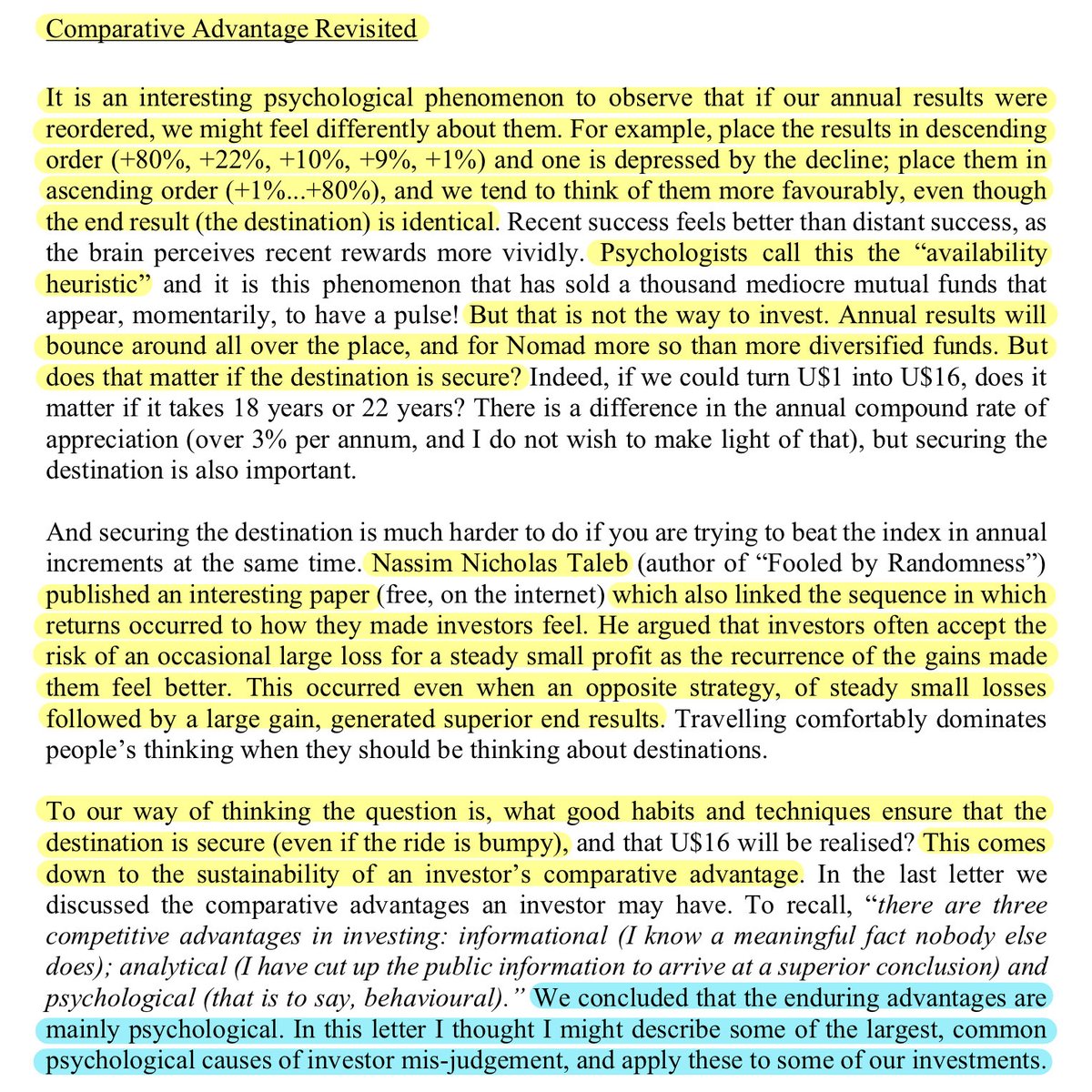
Nick Sleep wrote something in his Nomad Partnership letters (2005) that every investor should read many times. Sleep posed a simple thought experiment. Take the same sequence of annual returns — +80%, +22%, +10%, +9%, +1% — and arrange them in descending order. You feel depressed. The trend is deteriorating. Now reverse them — +1%, +9%, +10%, +22%, +80%. Suddenly you feel optimistic. The momentum is building. Same destination. Completely different emotional experience. Sleep called this the 𝐚𝐯𝐚𝐢𝐥𝐚𝐛𝐢𝐥𝐢𝐭𝐲 𝐡𝐞𝐮𝐫𝐢𝐬𝐭𝐢𝐜 — 𝙩𝙝𝙚 𝙗𝙧𝙖𝙞𝙣’𝙨 𝙩𝙚𝙣𝙙𝙚𝙣𝙘𝙮 𝙩𝙤 𝙬𝙚𝙞𝙜𝙝𝙩 𝙧𝙚𝙘𝙚𝙣𝙩 𝙚𝙭𝙥𝙚𝙧𝙞𝙚𝙣𝙘𝙚 𝙢𝙤𝙧𝙚 𝙫𝙞𝙫𝙞𝙙𝙡𝙮 𝙩𝙝𝙖𝙣 𝙙𝙞𝙨𝙩𝙖𝙣𝙩 𝙚𝙭𝙥𝙚𝙧𝙞𝙚𝙣𝙘𝙚. It is, as he noted, the phenomenon that has sold a thousand mediocre mutual funds that appear, momentarily, to have a pulse. But 𝐡𝐞𝐫𝐞’𝐬 𝐭𝐡𝐞 𝐝𝐞𝐞𝐩𝐞𝐫 𝐢𝐧𝐬𝐢𝐠𝐡𝐭 he was building toward. 𝐌𝐨𝐬𝐭 𝐢𝐧𝐯𝐞𝐬𝐭𝐨𝐫𝐬, 𝐰𝐡𝐞𝐭𝐡𝐞𝐫 𝐭𝐡𝐞𝐲 𝐫𝐞𝐚𝐥𝐢𝐳𝐞 𝐢𝐭 𝐨𝐫 𝐧𝐨𝐭, 𝐚𝐫𝐞 𝐨𝐩𝐭𝐢𝐦𝐢𝐳𝐢𝐧𝐠 𝐟𝐨𝐫 𝐭𝐡𝐞 𝐣𝐨𝐮𝐫𝐧𝐞𝐲 — 𝐟𝐨𝐫 𝐡𝐨𝐰 𝐭𝐡𝐞 𝐫𝐢𝐝𝐞 𝐟𝐞𝐞𝐥𝐬 𝐪𝐮𝐚𝐫𝐭𝐞𝐫 𝐭𝐨 𝐪𝐮𝐚𝐫𝐭𝐞𝐫, 𝐲𝐞𝐚𝐫 𝐭𝐨 𝐲𝐞𝐚𝐫. 𝐓𝐡𝐞𝐲 𝐚𝐜𝐜𝐞𝐩𝐭 𝐭𝐡𝐞 𝐫𝐢𝐬𝐤 𝐨𝐟 𝐨𝐜𝐜𝐚𝐬𝐢𝐨𝐧𝐚𝐥 𝐥𝐚𝐫𝐠𝐞 𝐥𝐨𝐬𝐬𝐞𝐬 𝐢𝐧 𝐞𝐱𝐜𝐡𝐚𝐧𝐠𝐞 𝐟𝐨𝐫 𝐭𝐡𝐞 𝐬𝐭𝐞𝐚𝐝𝐲 𝐜𝐨𝐦𝐟𝐨𝐫𝐭 𝐨𝐟 𝐬𝐦𝐚𝐥𝐥, 𝐟𝐫𝐞𝐪𝐮𝐞𝐧𝐭 𝐠𝐚𝐢𝐧𝐬. 𝐍𝐚𝐬𝐬𝐢𝐦 𝐓𝐚𝐥𝐞𝐛 𝐟𝐨𝐫𝐦𝐚𝐥𝐢𝐳𝐞𝐝 𝐭𝐡𝐢𝐬 𝐢𝐧 𝐚 𝐩𝐚𝐩𝐞𝐫 𝐒𝐥𝐞𝐞𝐩 𝐫𝐞𝐟𝐞𝐫𝐞𝐧𝐜𝐞𝐬: 𝐢𝐧𝐯𝐞𝐬𝐭𝐨𝐫𝐬 𝐫𝐨𝐮𝐭𝐢𝐧𝐞𝐥𝐲 𝐜𝐡𝐨𝐨𝐬𝐞 𝐭𝐡𝐞 𝐬𝐭𝐫𝐚𝐭𝐞𝐠𝐲 𝐭𝐡𝐚𝐭 𝐟𝐞𝐞𝐥𝐬 𝐛𝐞𝐭𝐭𝐞𝐫 𝐨𝐯𝐞𝐫 𝐭𝐡𝐞 𝐬𝐭𝐫𝐚𝐭𝐞𝐠𝐲 𝐭𝐡𝐚𝐭 𝐞𝐧𝐝𝐬 𝐛𝐞𝐭𝐭𝐞𝐫. 𝐓𝐫𝐚𝐯𝐞𝐥𝐥𝐢𝐧𝐠 𝐜𝐨𝐦𝐟𝐨𝐫𝐭𝐚𝐛𝐥𝐲 𝐝𝐨𝐦𝐢𝐧𝐚𝐭𝐞𝐬 𝐩𝐞𝐨𝐩𝐥𝐞’𝐬 𝐭𝐡𝐢𝐧𝐤𝐢𝐧𝐠 𝐰𝐡𝐞𝐧 𝐭𝐡𝐞𝐲 𝐬𝐡𝐨𝐮𝐥𝐝 𝐛𝐞 𝐭𝐡𝐢𝐧𝐤𝐢𝐧𝐠 𝐚𝐛𝐨𝐮𝐭 𝐝𝐞𝐬𝐭𝐢𝐧𝐚𝐭𝐢𝐨𝐧𝐬. Sleep’s alternative framework was disarmingly simple: if the destination is secure, does the path to get there matter as much as we think? If you can turn $1 into $16, does it matter whether it takes 18 years or 22 years? Mathematically, yes of course — there is a meaningful difference in annualized returns. Sleep acknowledged that. But his point was about 𝐩𝐫𝐢𝐨𝐫𝐢𝐭𝐲. 𝙈𝙤𝙨𝙩 𝙞𝙣𝙫𝙚𝙨𝙩𝙤𝙧𝙨 𝙨𝙖𝙘𝙧𝙞𝙛𝙞𝙘𝙚 𝙩𝙝𝙚 𝙙𝙚𝙨𝙩𝙞𝙣𝙖𝙩𝙞𝙤𝙣 𝙚𝙣𝙩𝙞𝙧𝙚𝙡𝙮 𝙞𝙣 𝙥𝙪𝙧𝙨𝙪𝙞𝙩 𝙤𝙛 𝙖 𝙨𝙢𝙤𝙤𝙩𝙝𝙚𝙧 𝙟𝙤𝙪𝙧𝙣𝙚𝙮 — 𝙨𝙚𝙡𝙡𝙞𝙣𝙜 𝙜𝙧𝙚𝙖𝙩 𝙗𝙪𝙨𝙞𝙣𝙚𝙨𝙨𝙚𝙨 𝙖𝙛𝙩𝙚𝙧 𝙖 𝙙𝙞𝙛𝙛𝙞𝙘𝙪𝙡𝙩 𝙮𝙚𝙖𝙧, 𝙧𝙤𝙩𝙖𝙩𝙞𝙣𝙜 𝙞𝙣𝙩𝙤 𝙧𝙚𝙘𝙚𝙣𝙩 𝙬𝙞𝙣𝙣𝙚𝙧𝙨, 𝙙𝙚𝙢𝙖𝙣𝙙𝙞𝙣𝙜 𝙦𝙪𝙖𝙧𝙩𝙚𝙧𝙡𝙮 𝙥𝙧𝙤𝙤𝙛 𝙩𝙝𝙖𝙩 𝙩𝙝𝙚 𝙩𝙝𝙚𝙨𝙞𝙨 𝙞𝙨 𝙬𝙤𝙧𝙠𝙞𝙣𝙜. 𝙀𝙖𝙘𝙝 𝙤𝙛 𝙩𝙝𝙤𝙨𝙚 𝙙𝙚𝙘𝙞𝙨𝙞𝙤𝙣𝙨 𝙥𝙧𝙞𝙤𝙧𝙞𝙩𝙞𝙯𝙚𝙨 𝙩𝙝𝙚 𝙛𝙚𝙚𝙡𝙞𝙣𝙜 𝙤𝙛 𝙩𝙝𝙚 𝙧𝙞𝙙𝙚 𝙤𝙫𝙚𝙧 𝙩𝙝𝙚 𝙘𝙚𝙧𝙩𝙖𝙞𝙣𝙩𝙮 𝙤𝙛 𝙩𝙝𝙚 𝙙𝙚𝙨𝙩𝙞𝙣𝙖𝙩𝙞𝙤𝙣. 𝐓𝐡𝐞 𝐞𝐧𝐝𝐮𝐫𝐢𝐧𝐠 𝐞𝐝𝐠𝐞 𝐢𝐧 𝐢𝐧𝐯𝐞𝐬𝐭𝐢𝐧𝐠, 𝐒𝐥𝐞𝐞𝐩 𝐜𝐨𝐧𝐜𝐥𝐮𝐝𝐞𝐝, is not informational or analytical. The enduring edge 𝐢𝐬 𝐩𝐬𝐲𝐜𝐡𝐨𝐥𝐨𝐠𝐢𝐜𝐚𝐥. The ability to hold a correct thesis through a bumpy ride, to resist the availability heuristic, to keep your eyes on the destination when the sequence of recent returns is telling a discouraging story. That is the comparative advantage that compounds. The psychological discipline to let the destination guide decisions when the journey is uncomfortable. The @nntaleb paper Sleep references is linked below — worth reading in full. scispace.com/pdf/bleed-or-b…
Dimitry Nakhla | Babylon Capital® tweet media
English
11
52
240
23.2K
Loic LeMener CFA, CFP® đã retweet
Jessica Lessin
Jessica Lessin@Jessicalessin·
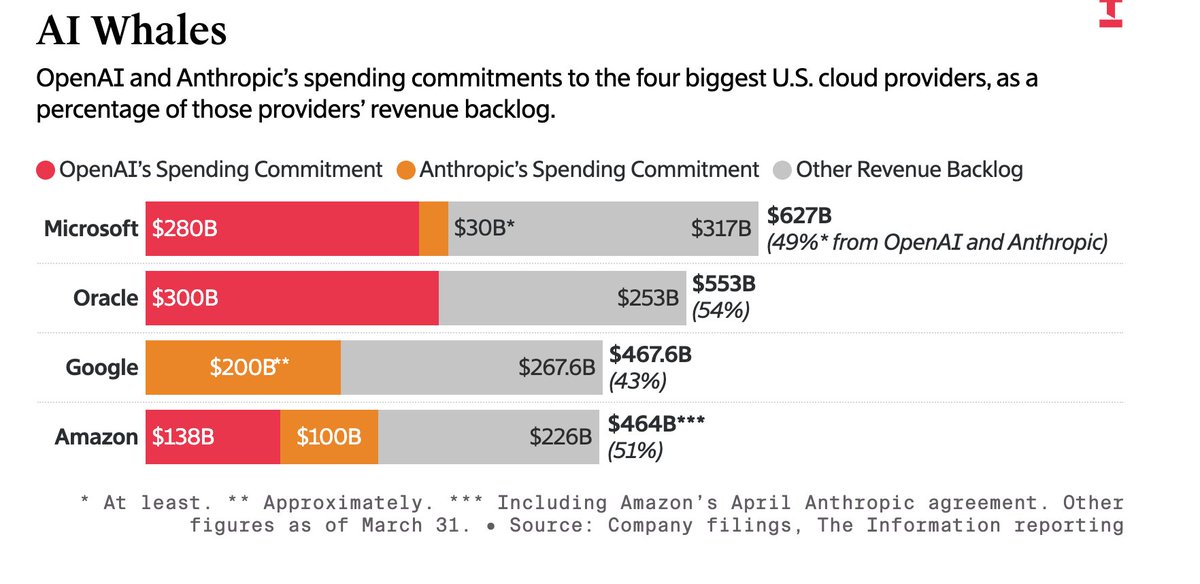
Good lord. Half-ish of the cloud backlog at Microsoft, Oracle, Google and Amazon is OpenAI and Anthropic????
Jessica Lessin tweet media
English
116
429
2.6K
742.3K
Loic LeMener CFA, CFP® đã retweet
David Senra
David Senra@FoundersPodcast·
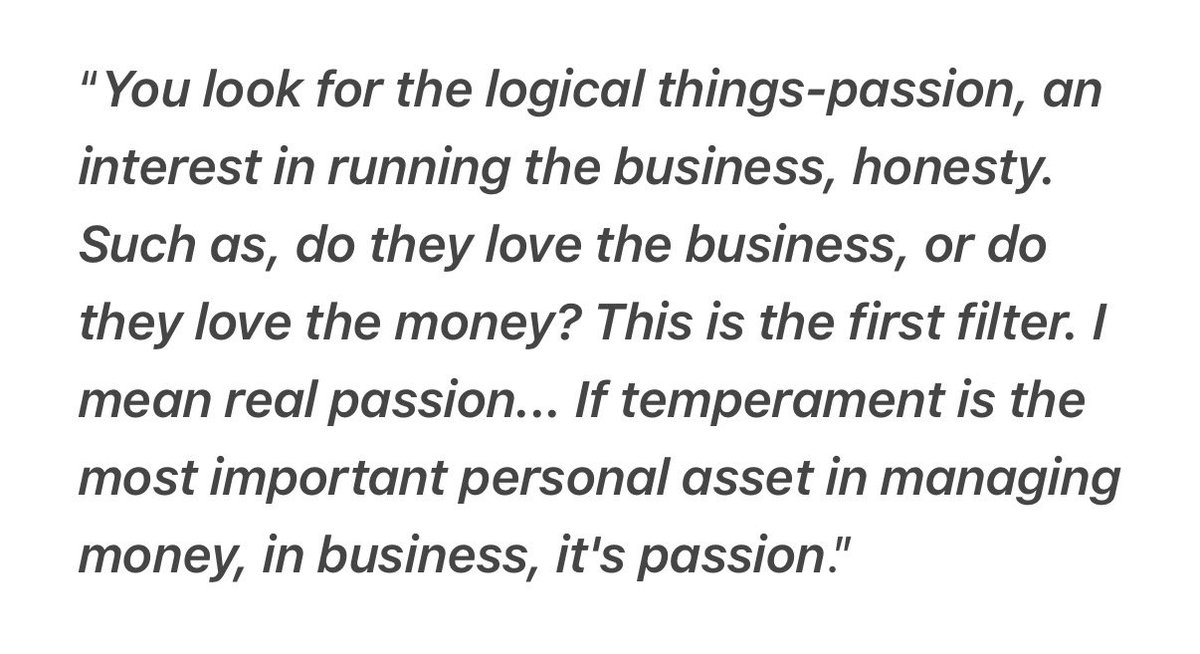
Warren Buffett: the most important personal asset in business is passion
David Senra tweet media
English
6
28
330
43.8K
Loic LeMener CFA, CFP® đã retweet
The Fat Pitch
The Fat Pitch@the_fat_pitch·
Why 8.4 Billion Barrels Isn't Enough 🛢️📉 Last week JPMorgan dropped a brilliant note perfectly explaining how oil inventories actually work. If we have 8.4B barrels in storage and use ~100M a day, then even if there is 14-15M barrels of supply a day missing, why are we dangerously close to critical levels? Here is the breakdown of why the market is flashing red 👇 The "Usable" Barrel Math 🧮 The world started 2026 with a healthy 8.4 billion barrels in storage (6.6B onshore, 1.8B afloat). Sounds like a massive cushion, right? JPM estimates that only 0.8 billion barrels are realistically available without pushing the global system into operational stress. And as of late April, we’ve already burned through ~280 million of them. The Blood Pressure Analogy 🩸 JPM uses a perfect analogy: oil inventories are like human blood pressure. The issue isn't about running out of blood entirely; it’s about circulation You can't drain every tank. A massive chunk of oil is locked up in: Pipeline fill (needed to maintain pressure) Minimum tank bottoms If working stocks fall too low, pipelines lose pressure, terminals can't load, and the system seizes up. Peeling the Inventory Onion 🧅 JPM notes that inventory draws happen in layers based on speed, cost, and logistics: 🚢 Layer 1: Floating Stocks Cargoes on water. Easy to redirect. (Drawing at 2.7 mb/d, but slowing as the last Hormuz cargoes arrive). 🏭 Layer 2: Commercial Onshore Hubs like Cushing & ARA. (Drawing at ~2.2 mb/d). 🏛️ Layer 3: Strategic Petroleum Reserves (SPR) Government emergency barrels. (Drawing at ~2.5 mb/d across the US, Japan, Korea). The Pivot: Demand Destruction 🛑 You rarely touch the core of the onion (the operational minimums). Instead, the market is forced to pivot from a "managed" adjustment (draining tanks) to a "forced" adjustment (killing demand via sky-high prices). Demand is already being rationed: 📉 March: -2.8 mb/d 📉 April: -4.3 mb/d 📉 May (Expected): -5.5 mb/d The Timeline to Stress ⏱️⚠️ Because we cannot safely tap the bottom of the tanks, demand destruction has to scale up to protect the system's operational floors. Despite the aggressive demand destruction (-5.5 mb/d), JPM's balance suggests OECD commercial inventories will hit operational stress levels by early June Don't be fooled by the headline "8 billion barrels" number. The easily accessible buffers are evaporating fast. If the Strait of Hormuz remains closed, we could hit absolute operational floors by September
The Fat Pitch tweet media
English
0
13
41
15.4K
Loic LeMener CFA, CFP® đã retweet
Lukas Ekwueme
Lukas Ekwueme@ekwufinance·
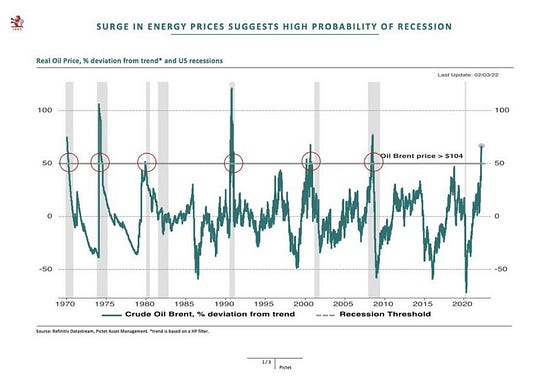
Every time oil prices surged 50% above trend, it triggered a recession. This indicator predicted 6 out of 6 recessions… a 100% success rate. We just triggered that threshold again.... But I guess this time it's different
Lukas Ekwueme tweet media
English
113
615
2.4K
196.4K
Loic LeMener CFA, CFP® đã retweet
Robert (infra 🏛️⌛️)
Over the past 50yrs, the stock market has increased 9x faster than the average hourly wage Over the past 20yrs, the stock market has increased 3x faster than the average hourly wage Over the past 10yrs, the stock market has increased 2.4x faster than the average hourly wage
Robert (infra 🏛️⌛️) tweet media
zerohedge@zerohedge

Wall Street to Main Street hits record high: value of financial assets is now 6.7x US GDP, the highest ever

English
12
18
92
18.3K
Loic LeMener CFA, CFP® đã retweet
Meb Faber
Meb Faber@MebFaber·
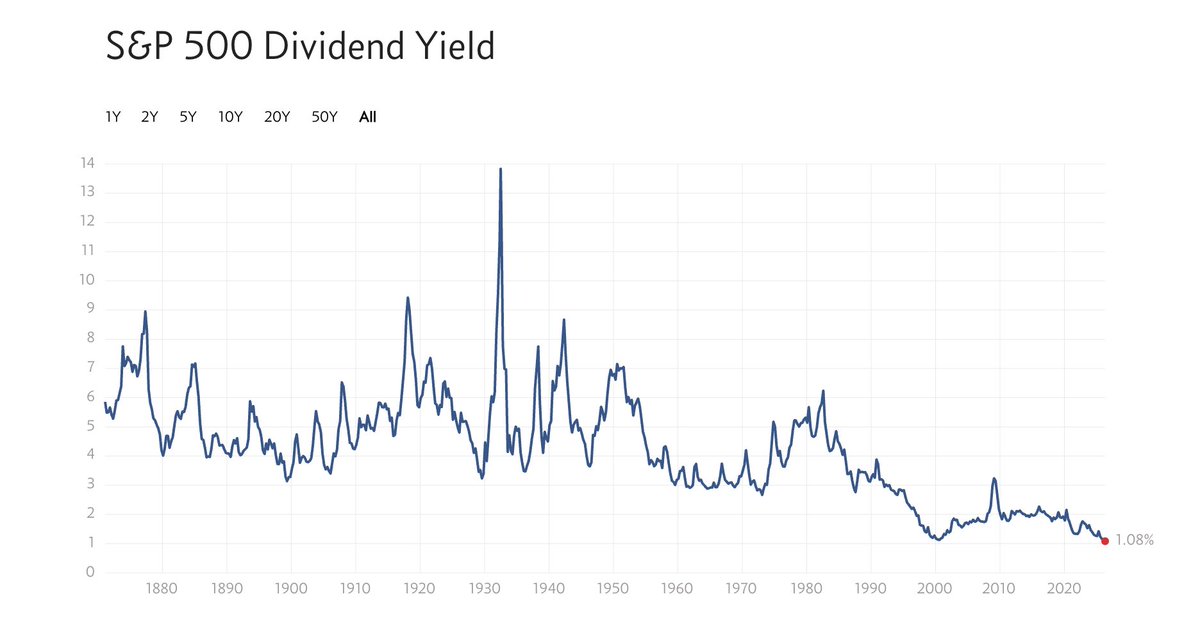
The S&P 500 dividend yield just hit an all-time low of 1.08%, going back to the 1800s. The prior low was 1.1% in 2000. There are now "dividend" mutual funds with negative yields (their expense ratios are higher than their dividend yields). Stock buybacks have exceeded dividends since the late 1990s. And yet, nearly all stock funds still focus solely on dividends, which is crazy. (And it's not just about the buybacks, but also the share issuance!) Buffett's been talking about this more than anyone for decades... We wrote a book on the topic 13 years ago, and the 2nd edition is free online. As you tune into the Berkshire meeting, and gasp at the $400 billion in cash on their balance sheet, understand why they consistently choose buybacks over dividends... mebfaber.com/books/ Chart: Multpl
Meb Faber tweet media
English
39
102
514
148.7K
Loic LeMener CFA, CFP® đã retweet
Investment Wisdom
Investment Wisdom@InvestingCanons·
Warren Buffett’s interview today on market price levels: “We’ve never had people in a more gambling mood than now. But that doesn’t mean that investing is terrible. It does mean that the prices for an awful lot of things will look very silly.”
English
23
146
981
127.1K
Loic LeMener CFA, CFP® đã retweet
Tren Griffin
Tren Griffin@trengriffin·
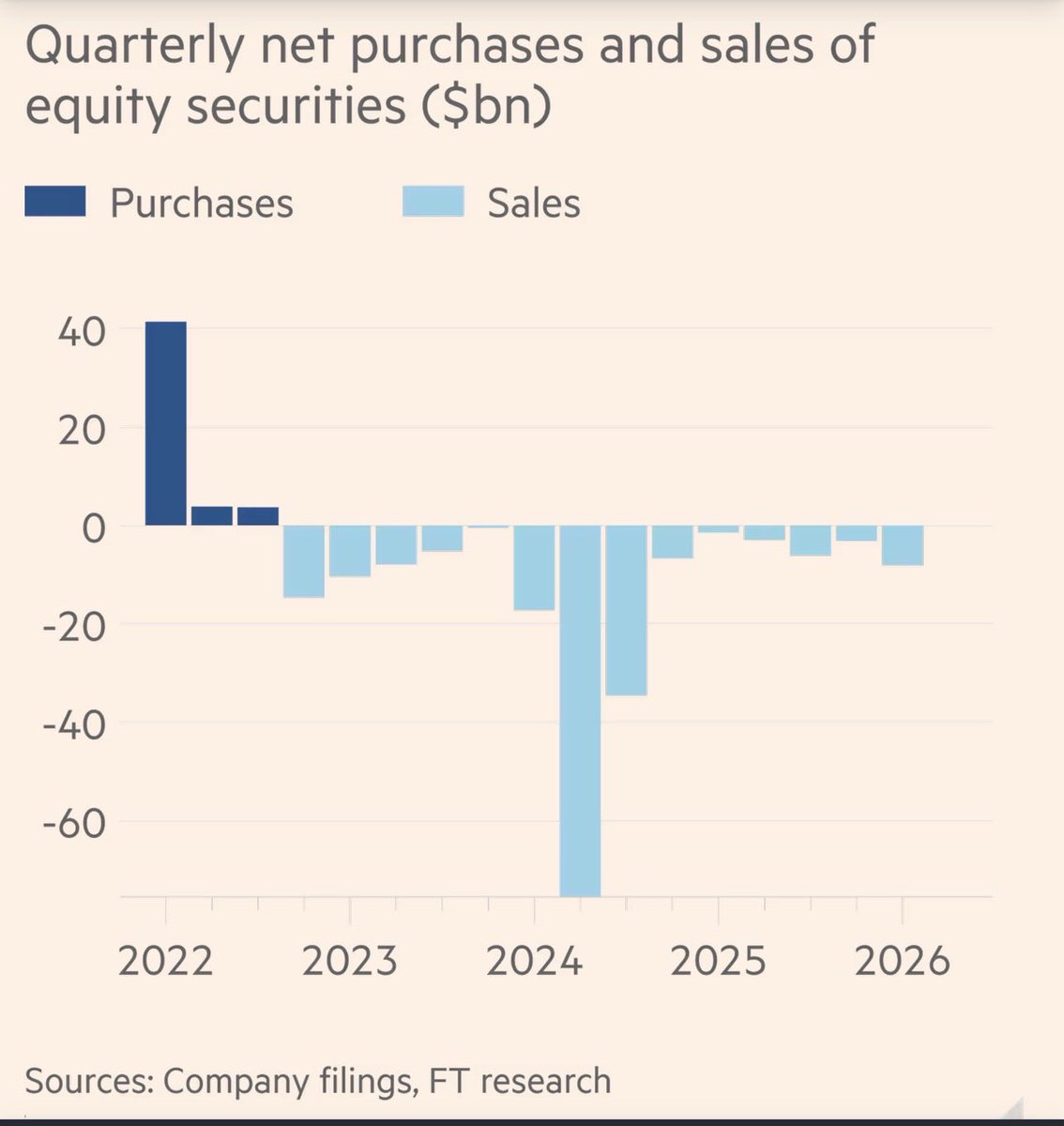
Berkshire’s preferred measure of profitability, the operating earnings of its hundreds of subsidiaries, rose 18 per cent year-on-year."
Tren Griffin tweet mediaTren Griffin tweet media
English
0
2
17
2.4K
Loic LeMener CFA, CFP® đã retweet
Global_Macro
Global_Macro@Marcomadness2·
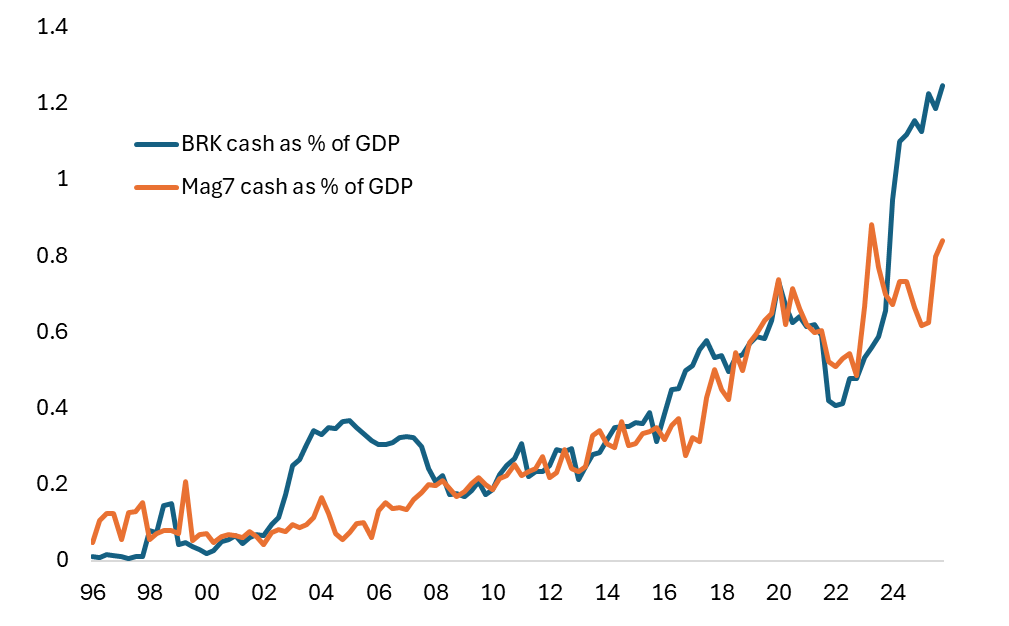
Berkshire's cash pile is now more than 1.25 percent of GDP. The Mag7s cash is not far behind @michaelsantoli @BeckyQuick
Global_Macro tweet media
English
1
12
58
11.3K
Loic LeMener CFA, CFP® đã retweet
James Chanos
James Chanos@RealJimChanos·
These massive increases in AI-related capex estimates will also pull up S&P 500 EPS estimates for 2026-27, given the accounting mismatch for revenues/profits(immediate recognition) and costs (mostly capitalized). The profits “magic” of capital spending booms.
Ryan Detrick, CMT@RyanDetrick

"I'm willing to go bankrupt rather than lose this race." Google co-founder Larry Page on the AI spending race. Looks like he wasn't kidding.
English
48
131
784
162.2K
Loic LeMener CFA, CFP® đã retweet
Bob Elliott
Bob Elliott@BobEUnlimited·
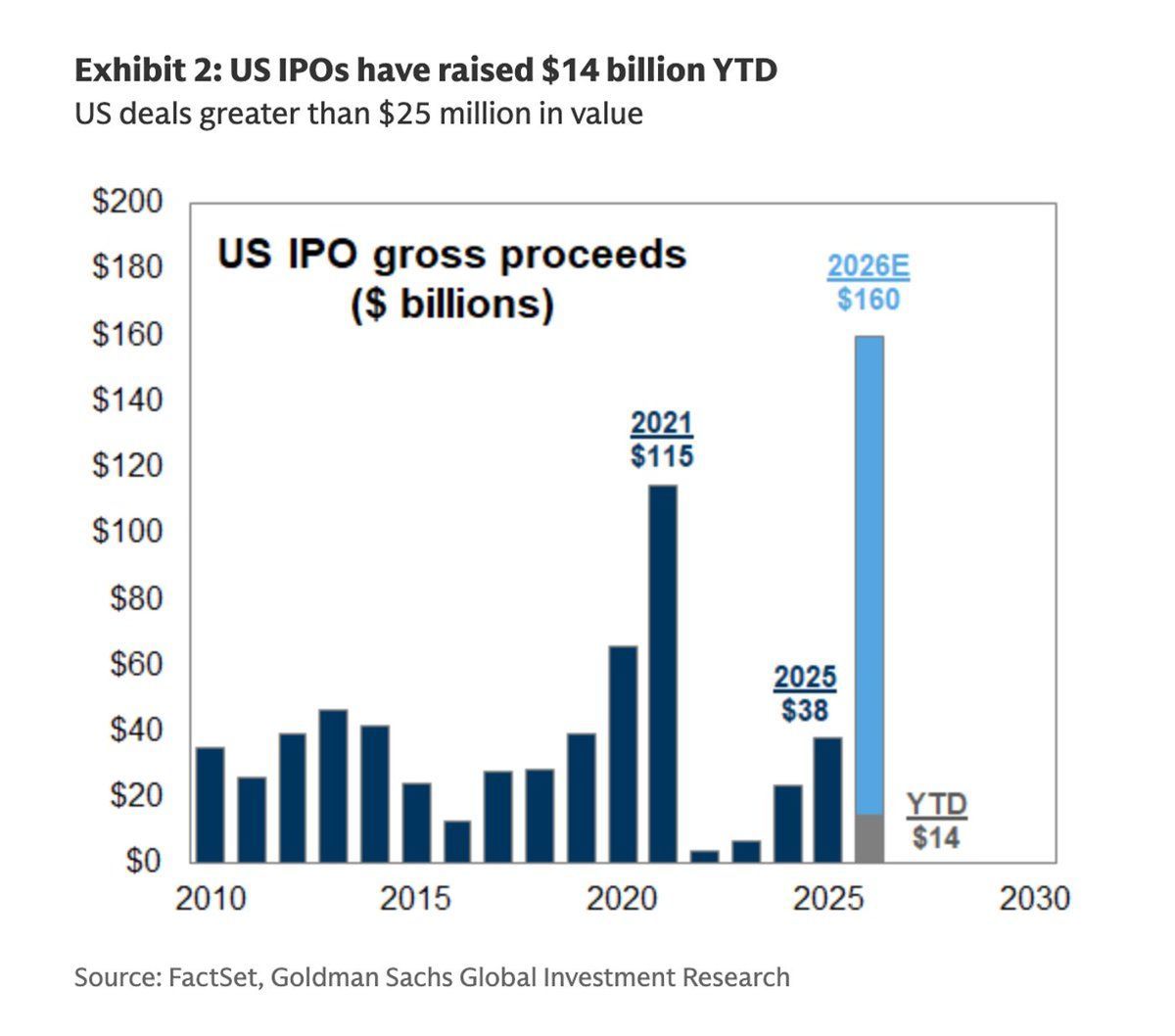
Lots of equity supply coming. Numbers like this aren't getting front run.
Bob Elliott tweet media
English
17
40
304
57.3K
Loic LeMener CFA, CFP® đã retweet
Matthew Zeitlin
Matthew Zeitlin@MattZeitlin·
not good when the gas price guy is literally saying his system can't handle how fast prices are rising
Matthew Zeitlin tweet media
English
40
827
5.3K
208.3K
Loic LeMener CFA, CFP® đã retweet
Barchart
Barchart@Barchart·
AI Bubble hits same concentration level that resulted in the bursting of previous bubbles, including the Dot Com 🚨🚨🚨
Barchart tweet media
English
130
498
2K
274.3K