cosmoscon
75K posts

cosmoscon
@CosmosconBlog
Bourbon lover interested in politics, cosmology, astronomy, running and golf. Executive Producer of the #NoAgenda podcast #ITM #Paleo @UofLAlum
South Carolina Tham gia Mart 2009
4.4K Đang theo dõi5.6K Người theo dõi
Tweet ghim

Happy New Year!
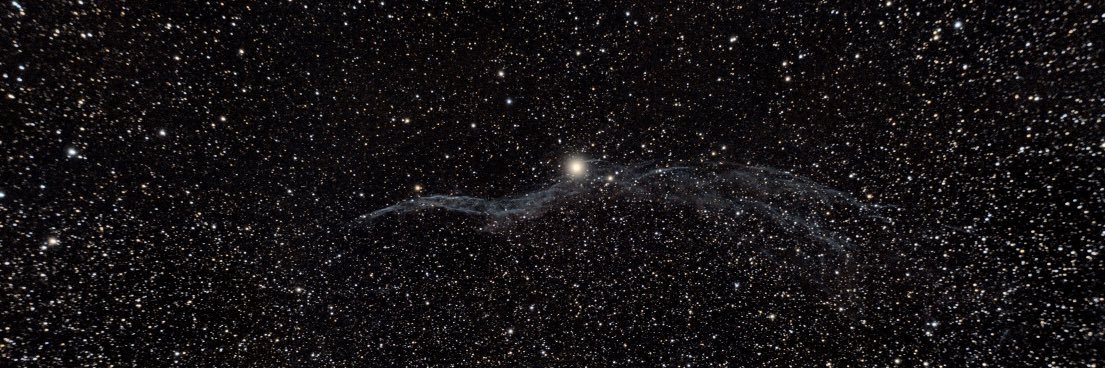
Here is a compilation of my 32 favorite Astrophotography images from 2025.
All of these images were generated during observation sessions from my front yard (in Bortle 7 skies) using my 85mm Refractor Telescope and Canon DSLR.
1 - Caldwell 20
2 - Caldwell 34
3 - Double Star Cluster
4 - M1
5 - M4
6 - M13
7 - M31
8 - M33
9 - M37
10 - M38
11 - M42
12 - M45
13 - M51
14 - M51 (zoomed in!)
15 - M57
16 - M64
17 - M65, M66 and NGC3628
18 - M65, M66 and NGC3628 (zoomed in)
19 - M81 and M82
20 - M81
21 - M82
22 - M84 and M86
23 - M84 and M86 (everything identified in image!)
24 -M95 and M96
25 - M101
26 - M104
27 - Moon
28 - Moon
29 - NGC281
30 - NGC2024
31 - NGC2175
32 - NGC2244
English
cosmoscon đã retweet

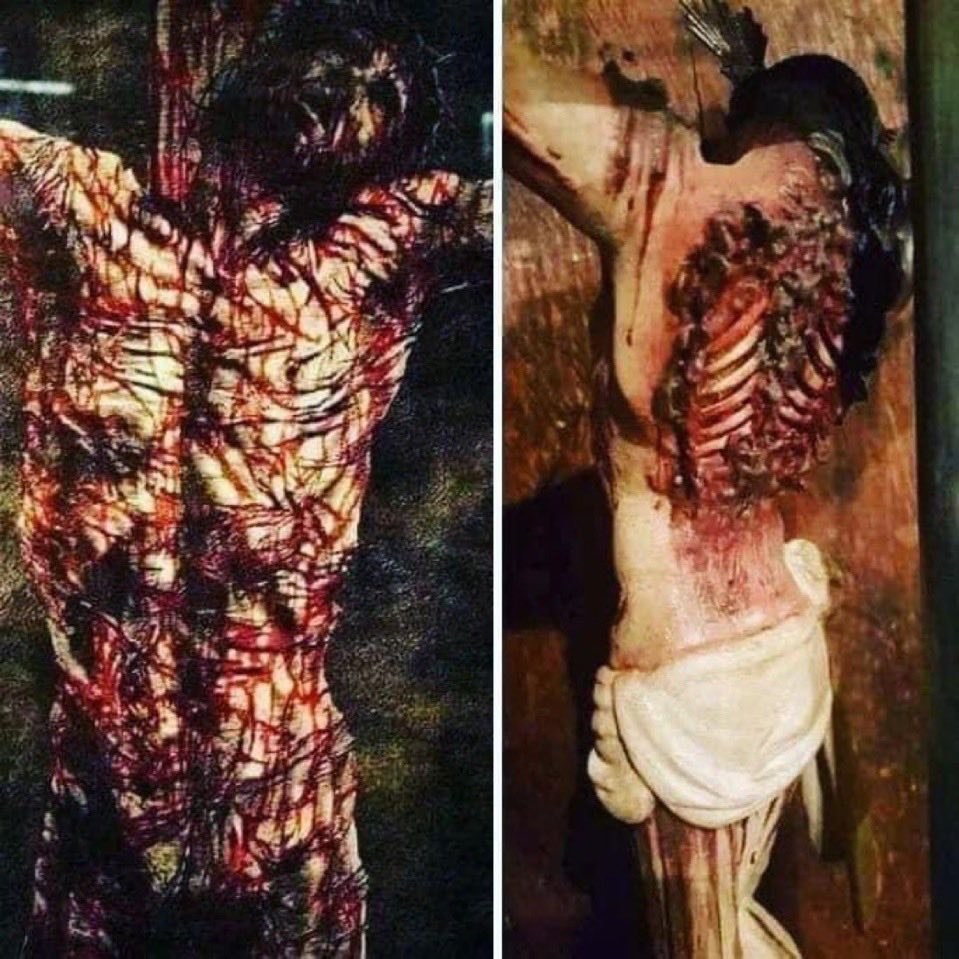
In 1986, the American Medical Association published an article titled "The Physical Death of Jesus Christ". It details the entire process of Jesus' trial to His death on the cross.
In Luke 22, before Jesus is arrested, it is written that He was in great distress & sweating blood. Although rare, it is recognized as Hematidrosis, a condition caused by high levels of stress.
At the time, the crucifixion was considered the worst death for the worst of criminals. But this is not all Jesus faced. He endured whipping so severe that it tore the flesh from His body. He was beaten so horribly that His face was torn & His beard ripped.
A crown of thorns, 2-3 inches long cut deeply into His scalp. The leather whip used to flog Him had tiny iron balls & sharp bones. The balls caused internal injuries while the sharp bones ripped open His flesh. His skeletal muscles, veins, & bowels are exposed, causing major blood loss. Most men do not survive this kind of torture. After Jesus was severely flogged, He was forced to carry His cross while people mocked & spat on Him.
Crucifixion was a process meant to instill excruciating pain, creating a slow & agonizing death. Nails as long as 8 inches were driven into Jesus' wrists & feet. The Roman soldiers knew the tendons in the wrists would tear & break, forcing Jesus to use His back muscles to support Himself to breathe. Imagine the struggle, the pain, the courage...Jesus endured this reality for 3 hours!
The Gospel of John writes that after Jesus' death, a Roman soldier pierced His side with a spear & blood & water came out. Scientists explain that from hypovolemic shock, the rapid heart rate causes fluid to gather in the sack around the lungs & heart. The accumulation of fluid in the membrane around the heart is called a Pericardial effusion & the lungs is called a pleural effusion.
To the world, Christianity is as foolish as it can get. They believe it's for the weak. But when you are confronted by the reality of the cross, it's clearly not a pretty sight. It is brutal & horrific.
This is the weight Jesus carried. The weight of the sins of the world, all so that we can live. God's wrath is fully satisfied in Jesus. This is what it took. Repent & believe! Jesus is “God among us” in the flesh. Jesus is our Savior. Jesus loves you so much that He went through this spiritual and physical punishment for your sins and mine.
Jesus is the LORD, Almighty God, Everlasting Father.
Thank You, Jesus.

English

@redrose_anna That place was hit pretty hard by Helene. I drove through there about a year ago and things still looked rough. Hope they are back in business fully now!
English

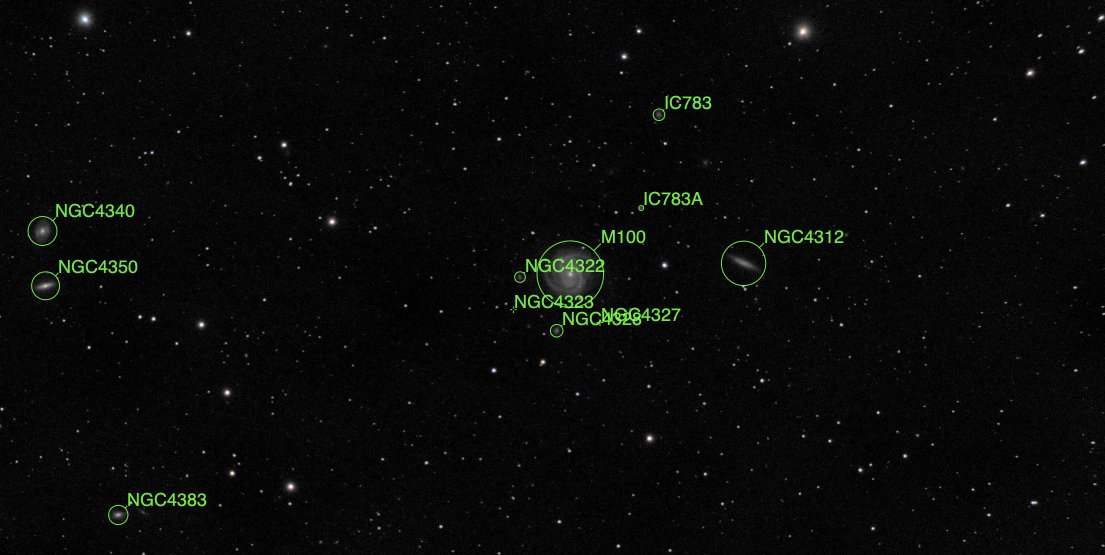
Last weekend I aimed my telescope at the M100 galaxy in the constellation Coma Berenices. It's located 55 million light years away from us and as you can see from the 2nd image, there are many more galaxies in this field of view.
NGC4383 is a galaxy that is about 78 million light years away! The photons I captured last weekend left the stars in that galaxy over 10 million years BEFORE the dinosaurs died off!
This image was assembled from 2 hours and 40 minutes of total exposure time using my 85mm refractor telescope and Canon DSLR camera. All subs were taken from my backyard in Bortle 7 skies.


English

@redrose_anna Great view from the back deck! Mountains and a creek!
English

New Processing Tutorial! 👨💻
I just published my complete astrophotography processing workflow in PixInsight and Photoshop. I have provided the raw data so you can follow along with each step.
This tutorial focuses on the ORDER of the steps I take, including WHEN to use noise reduction, and when to bring the image into Photoshop for impactful color adjustments.
If you want to practice your skills, I think you will enjoy this one! And if you're already a processing wizard, I'd love to see YOUR version of the dataset in the comments (it's always a humbling experience for me)😆
My Processing Workflow: youtu.be/MU3oXOvmOE0

YouTube

English

@AstroBackyard Thanks so much! I have been using Siril for years and just last night I bought PI. So I need a good tutorial and will watch this!
English

cosmoscon đã retweet

At first glance this looks like a daytime photo- but it’s not.
I don’t think we’ve ever seen Earth at night photographed quite like this. Historic.
NASA@NASA
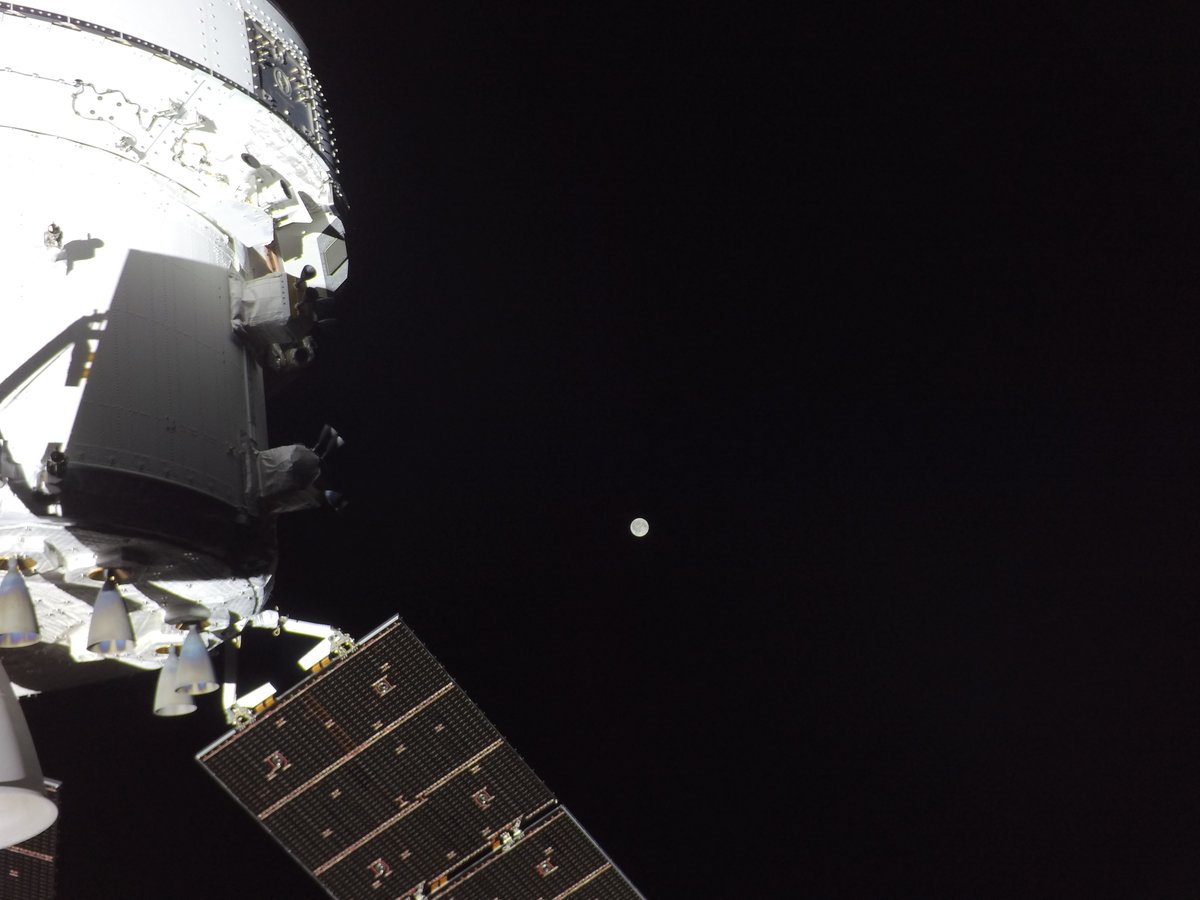
We see our home planet as a whole, lit up in spectacular blues and browns. A green aurora even lights up the atmosphere. That's us, together, watching as our astronauts make their journey to the Moon.
English
cosmoscon đã retweet

This will be the first Masters with no Phil and/or Tiger since 1994.
Phil Mickelson@PhilMickelson
English
cosmoscon đã retweet

Você sabia que, embora o destino seja o mesmo, a trajetória para chegar até lá evoluiu muito? No vídeo, podemos ver a diferença visual entre as estratégias de voo:
• Apollo 8 (1968): A primeira missão tripulada a orbitar a Lua utilizou uma trajetória de aproximação direta para entrar em órbita lunar. A nave permaneceu relativamente próxima da superfície, em uma órbita baixa, ajudando a preparar o caminho para os pousos que viriam depois.
• Artemis I (2022): Já a missão Artemis utilizou uma Órbita Retrógrada Distante (DRO). Como mostra o gráfico, a nave Orion viajou muito mais longe da Lua, testando os limites de distância para missões tripuladas e aproveitando uma órbita gravitacionalmente estável, ideal para missões de longa duração.
Essas trajetórias não são apenas desenhos no espaço; elas representam um salto tecnológico. Saímos de missões de exploração mais curtas para a preparação de uma presença sustentável na Lua com o Programa Artemis.
Qual dessas trajetórias você achou mais impressionante: a precisão da Apollo ou a amplitude da Artemis?
Português
cosmoscon đã retweet

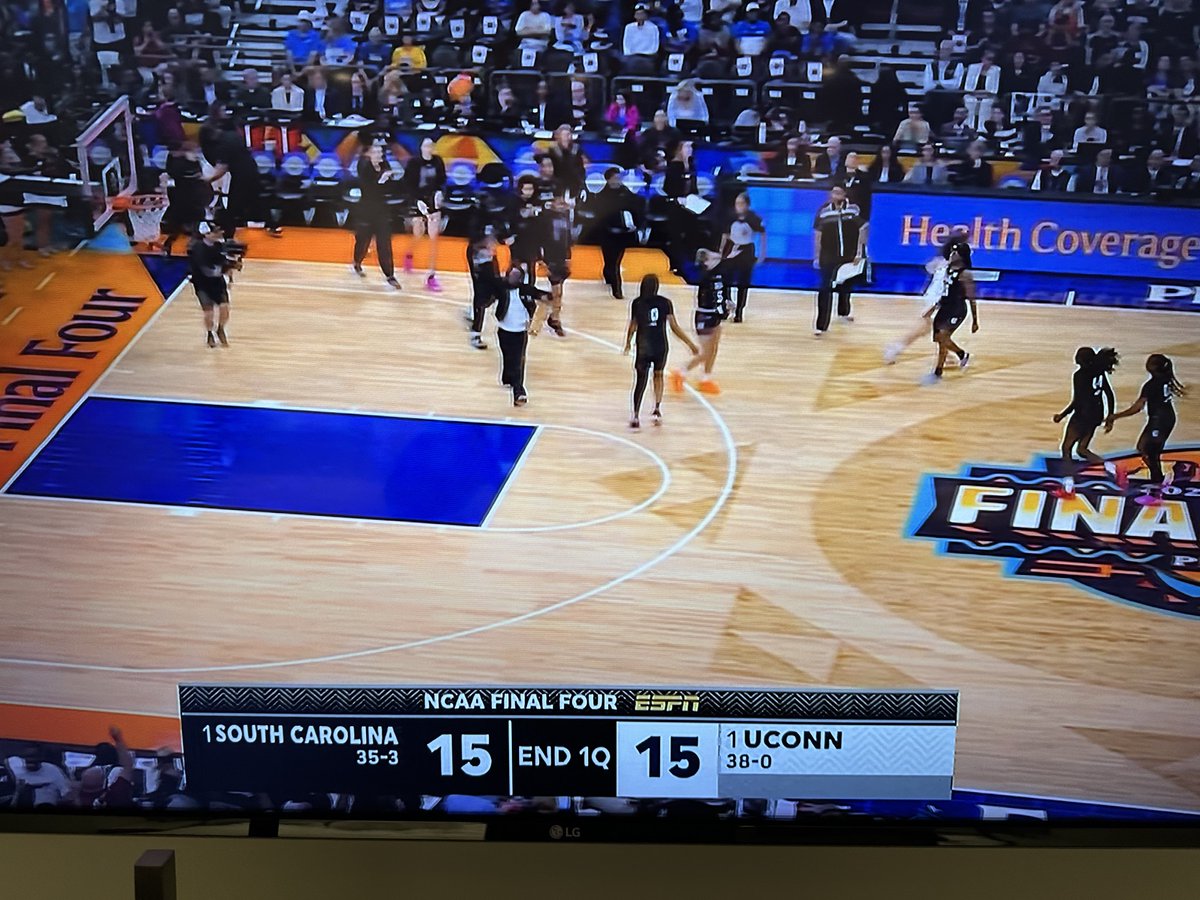
𝗣𝗢𝗩: 𝗬𝗼𝘂 𝘄𝗮𝘁𝗰𝗵𝗲𝗱 𝗔𝗿𝘁𝗲𝗺𝗶𝘀 𝗜𝗜 𝗹𝗮𝘂𝗻𝗰𝗵 𝗳𝗿𝗼𝗺 𝗣𝗮𝘁𝗿𝗶𝗰𝗶𝗮 𝗪𝗶𝗹𝘀𝗼𝗻 𝗙𝗶𝗲𝗹𝗱 🚀
📺: bit.ly/4m0NzT4
#GoHatters | @espn | @stetsonsoftball | @stetsonu
English