
Erik C. Andersen, ACE
18K posts

Erik C. Andersen, ACE
@FilmsInFocus
Editor on S.W.A.T., Z-Nation, Superstition, Teen Wolf, Wrestling Jerusalem, Bring It On, Desperado, School Dance plus The Lincoln Project
Hollywood Tham gia Ocak 2009
750 Đang theo dõi1.1K Người theo dõi
Erik C. Andersen, ACE đã retweet
In 1985, audiences turned on CBS expecting to see Lucille Ball make them laugh.
Instead, they saw her pushing a shopping cart through Manhattan in dirty layered clothes, sleeping on heating grates, and playing a homeless elderly woman nobody wanted to look at.
Many viewers hated it.
Some critics called it depressing and uncomfortable.
At 74 years old, Lucille Ball did it anyway.
Because that was the point.
The film was called Stone Pillow.
Ball played Florabelle — a homeless woman surviving quietly on the streets of New York, invisible to the crowds around her.
She even named the character after her grandmother, Flora Belle Hunt.
By then, Lucille Ball was already a legend.
She had transformed television with I Love Lucy.
She became the first woman to run a major television studio through Desilu Productions.
She was rich, famous, and beloved across America.
She had absolutely nothing left to prove.
She could have spent the rest of her life protecting the image people loved:
The glamorous redhead.
The comedy icon.
America’s favorite sitcom star.
Instead, she took the bleakest role of her career.
Because in the 1980s, homelessness in America was exploding — especially among elderly women — and almost nobody wanted to talk about it.
Not on television.
Not in politics.
Not in everyday life.
People looked away.
Lucille Ball wanted to force them to look.
Filming became physically brutal.
Production took place during a New York heat wave even though the movie was set in winter.
Ball spent long days wearing heavy coats and layered clothing in extreme heat while filming street scenes across Manhattan.
She pushed shopping carts for hours.
She slept on actual heating grates.
She wanted the performance to feel real.
Eventually, dehydration sent her to the hospital for nearly two weeks.
Doctors also discovered health complications linked to decades of chain smoking.
Still, she refused to quit filming.
When Stone Pillow aired on November 5, 1985, more than 23 million people watched.
And many reacted exactly the way she expected:
“We don’t want to see Lucy like this.”
But Lucille Ball wasn’t trying to comfort audiences anymore.
She was trying to humanize people society ignored.
Afterward, she explained it simply:
“Maybe next time you walk past someone sleeping on the street, you’ll remember they’re a person. They have a story.”
That was the entire reason she made the film.
Not awards.
Not praise.
Not nostalgia.
Compassion.
Four years later, Lucille Ball died at 77.
Her legacy as a television pioneer was already untouchable.
But one of the most revealing things she ever did came near the end of her life:
When she could have protected her image forever, she risked it instead to make invisible people seen.

English
Erik C. Andersen, ACE đã retweet
This is our LAST chance to publicly question the Cinerama Dome representative about their future plans for the Dome. This is an extremely important meeting — five years in the making. This will be the moment we find out whether they are actually serious about reopening. planning.lacity.gov/dcpapi2/meetin…

English
Erik C. Andersen, ACE đã retweet

Oh now Rubio is coping Ice Cube… “check yourself before you wreck yourself” @icecube
CSPAN@cspan
Q: "If the fighting resumes, are you saying it could resume under 'Project Freedom'? And I ask as it relates to the War Powers Act." @SecRubio: "Operation Epic Fury has concluded…We're not cheering for an additional situation to occur, we would prefer the path of peace."
English
Erik C. Andersen, ACE đã retweet

Q: "If the fighting resumes, are you saying it could resume under 'Project Freedom'? And I ask as it relates to the War Powers Act."
@SecRubio: "Operation Epic Fury has concluded…We're not cheering for an additional situation to occur, we would prefer the path of peace."
English
Erik C. Andersen, ACE đã retweet
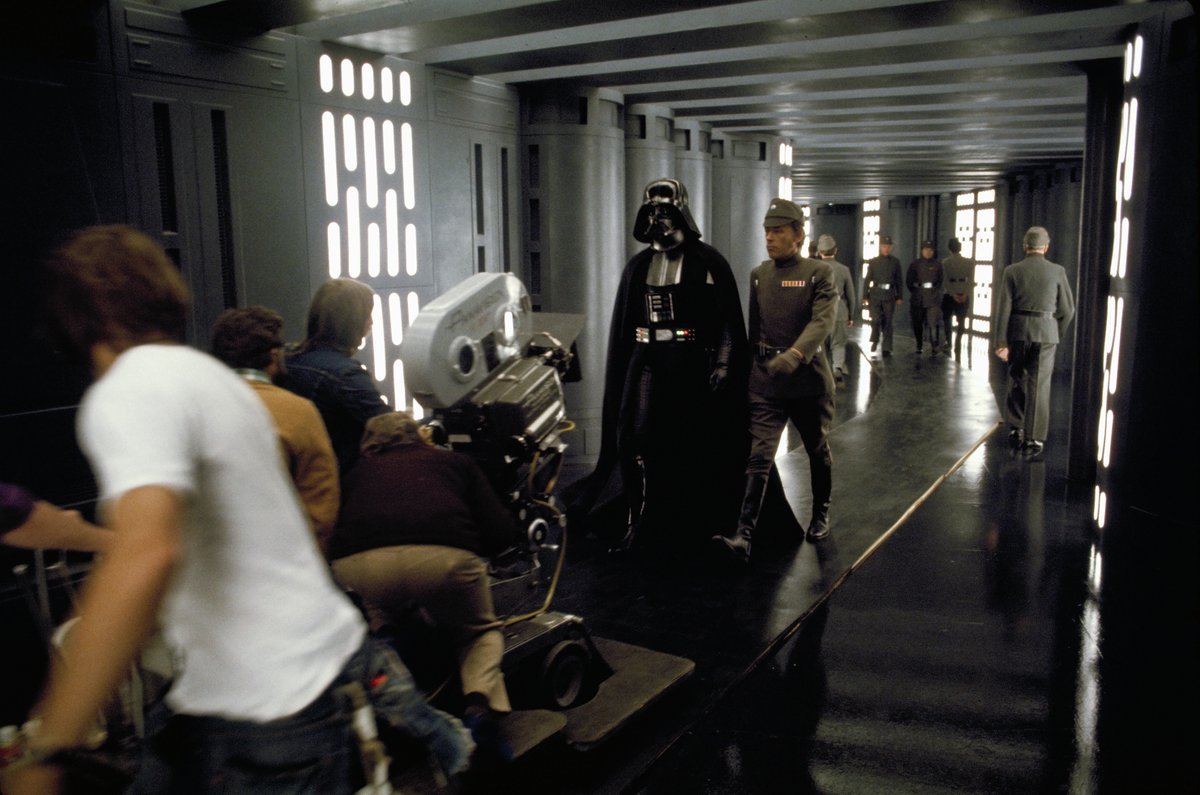
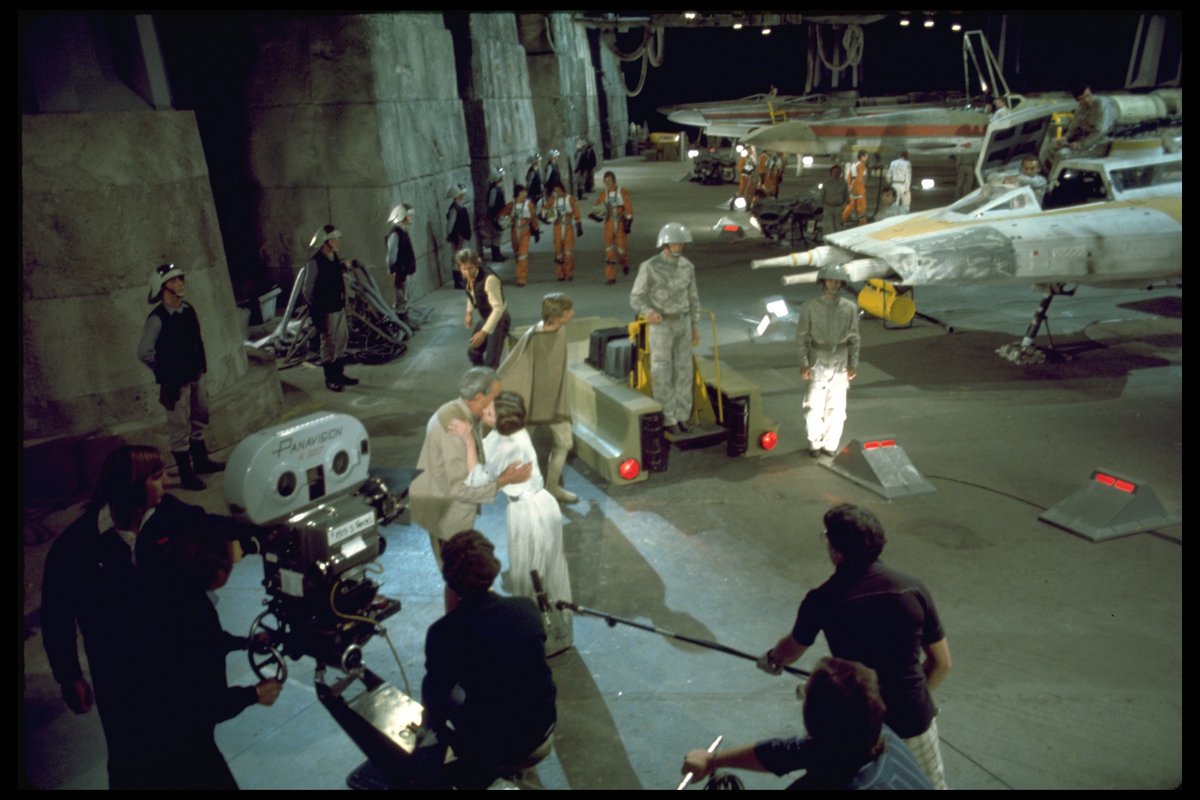
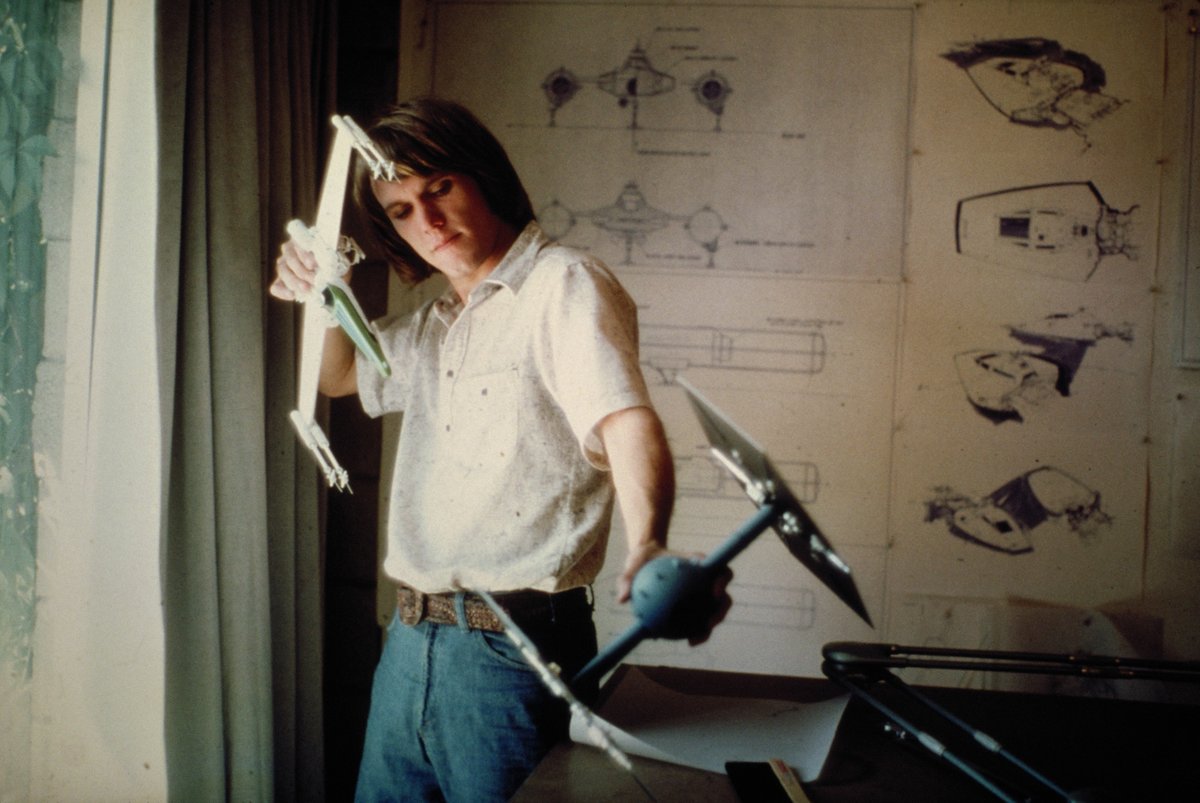
50 years ago on May 4, 1976, artists, technicians, and craftspeople were hard at work on two continents as Star Wars: A New Hope continued production. While George Lucas along with his cast and crew captured scenes in England, ILM's team was hastily working to establish their visual effects workflow, along with a heck of a lot of spaceship models! They were a year into their preparations, and they still had a long way to go....


English
Erik C. Andersen, ACE đã retweet
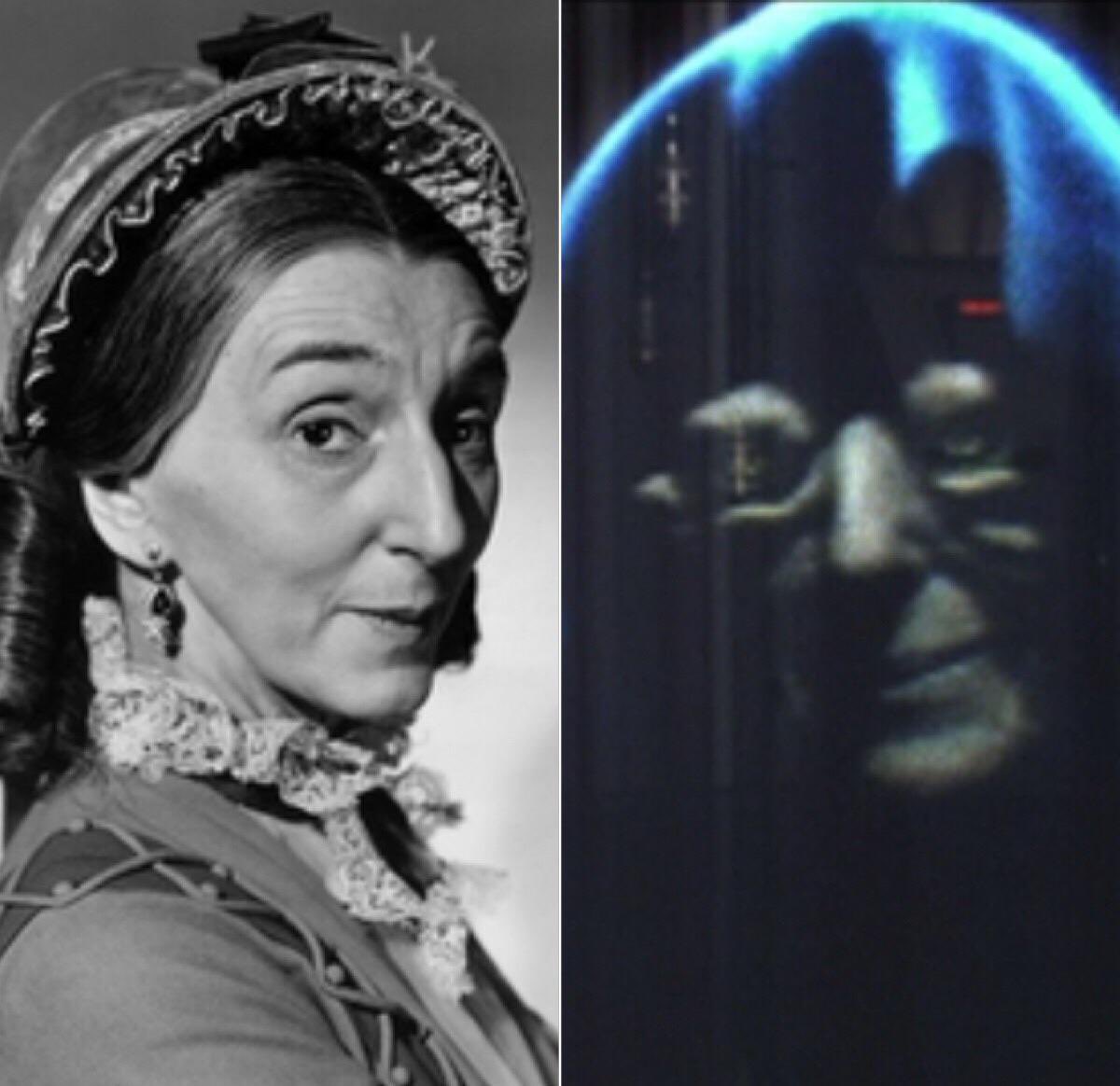
In the original version of The Empire Strikes Back, the Emperor was played by American actress Marjorie Eaton (who remained uncredited). She had superimposed chimpanzee eyes and was voiced by Clive Revill.
For the 2004 DVD release, the scene with Darth Vader and the Emperor was altered, with Ian McDiarmid now playing the Emperor as he does in the rest of the series. The dialogue for the new version was expanded and completely re-recorded by Ian McDiarmid and James Earl Jones.

English