Sé:gbɛ:gnön🍀

6K posts

Sé:gbɛ:gnön🍀 banner
Sé:gbɛ:gnön🍀

Sé:gbɛ:gnön🍀

@KZankeli

¬https://t.co/Orfri5qiYR ¬https://t.co/XtwS80FlXQ ¬https://t.co/cZw3oXaTZ9

Tham gia Temmuz 2019
1.2K Đang theo dõi2.1K Người theo dõi
Tweet ghim
Sé:gbɛ:gnön🍀
Sé:gbɛ:gnön🍀@KZankeli·
you who fashion our rugged lives to suit you. your grace is in style. always in vogue. ¬kantamanto nyame.
English
1
4
23
10.6K
Mawula Ewoenam
Mawula Ewoenam@ewoe_nam·
@KZankeli Due to poverty, even in the late 20th & 21st centuries, shoes are a luxury for some. As a child in Hohoe, there was a boy who came to church barefooted. I asked him why and he said he didn’t have shoes. I cringe now to recall that I told him to stop lying
English
0
0
1
10
Sé:gbɛ:gnön🍀 đã retweet
Sé:gbɛ:gnön🍀
Sé:gbɛ:gnön🍀@KZankeli·
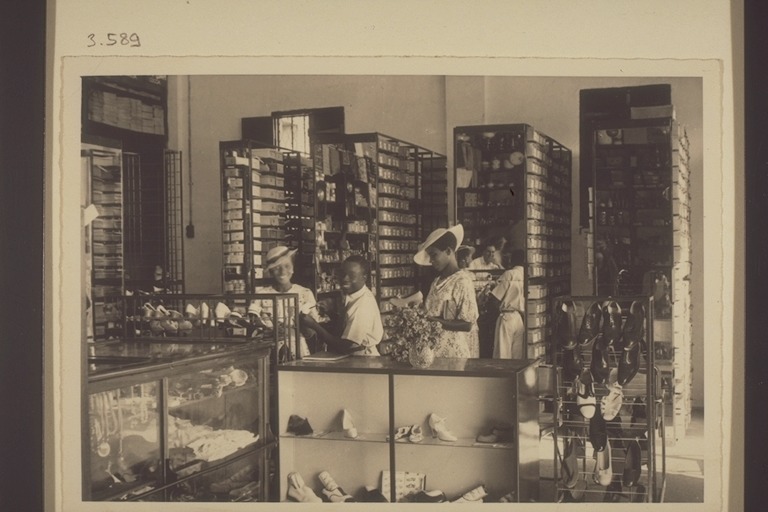
On the politics of shoes in colonial Ghana 1. When Francis Kofi Selormey pointed out in his AWS Classic, The Narrow Path, a memoir about his childhood, that he was the first child in his village to wear shoes, anyone born after the baby boomer generation would be quick to ask, “Why the fuss about something as petty as a pair of shoes?” 2. But a quick inquiry into the socio-politics around the donning of shoes in colonial Ghana would reveal one thing: 3. Footwear was a fashion luxury. 4. And only the administrative class of Europeans, their mulatto offspring, and the small class of wealthy and educated African elites could afford it. 5. Even when they could, only a privileged few had access to the merchants and shops that had shoes in stock: the UACs, F. & A. Swanzys, A. G. Leventis, G. B. Ollivants, and the Miller Brothers of this world. 6. Outside of these commercial shops, the Basel and Wesleyan Mission stores, run by Christian missionaries, sold basic imported goods, including footwear, especially to African converts and mission-educated Africans. 7. Subsequently, from the early 20th century onward, Syrian, Indian, and Lebanese merchants offered shoes for sale to the layman, but mainly in urban retail stores in Accra, Cape Coast, Takoradi, and Kumasi. 8. Later, African merchant houses emerged from the coastal elite families to trade in mass-imported shoes: the Bannermans, Brews, and others. 9. With that, the unfortunate fate of many a barefooted colonial and early Ghanaian began to change.
Sé:gbɛ:gnön🍀 tweet mediaSé:gbɛ:gnön🍀 tweet mediaSé:gbɛ:gnön🍀 tweet media
English
3
6
18
686
Sé:gbɛ:gnön🍀 đã retweet
Vivian Mayer
Vivian Mayer@mysty812·
Aye right hen!😅
Vivian Mayer tweet media
English
101
241
2.6K
113.2K
Sé:gbɛ:gnön🍀
Sé:gbɛ:gnön🍀@KZankeli·
@blackarmzed If you’ve been following, I began this series on naming African slaveholders with the Nyaho Tamakloes. I painstakingly created an entire video documenting their complicity—but clearly, you’ve turned a blind eye. x.com/KZankeli/statu…
Sé:gbɛ:gnön🍀@KZankeli

1. Reparations Begin at Home. Ghana’s Special Envoy for Reparations, Ekwow Spio-Garbrah @DrESpioGh, is on a global mission: demanding justice for Africa’s enslavement by Europeans. But here’s the question we keep dodging: 2. What about us? What about the merchants, middlemen, power brokers and coastal elites who sold their own skin-and-kinfolk and whose descendants today sit wrapped in prestige, influence, and inherited cultural capital? 3. Reparations is a necessary conversation. But accountability must be an honest one. This is the beginning of a series. A series on families. Personalities. Quiet dynasties. Wealth that did not fall from heaven, but flowed from ships. 4. Today, we begin in Anlo. With the Nyaho Tamakloes. History is not an accusation but a reckoning. Watch. Reflect. Then decide for yourself. youtube.com/watch?v=reT3Uk…

English
1
0
0
67
Spencer Gee
Spencer Gee@blackarmzed·
@KZankeli Why Don’t You Also Post About A Record Of Slavery In Ewe Land. You Obviously Have An Agenda Against The Asante People
English
1
0
2
52
Sé:gbɛ:gnön🍀 đã retweet
Sé:gbɛ:gnön🍀
Sé:gbɛ:gnön🍀@KZankeli·
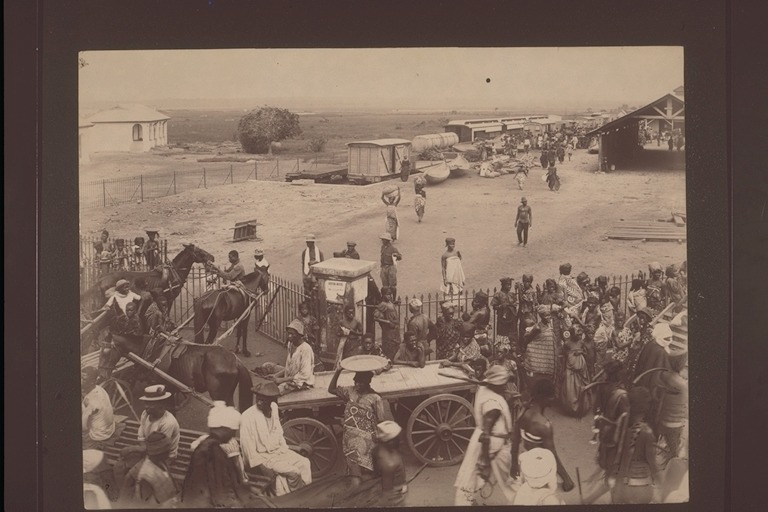
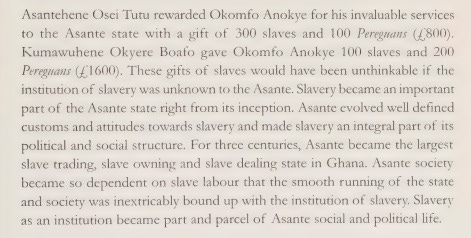
Osei Tutu I & Okomfo Anokye: A Record of Slave Ownership 1. Contrary to what ethnic apologists claim, slavery in Asante was more foundational than incidental. 2. From its earliest formation as a nation built largely “because of war”[Asa nti], the Asante state integrated war-fed slavery into its political and social order. 3. This position is asserted and well documented by the Asante historian Emerita Prof. Akosua Adoma Perbi, who, through the goodwill of her father, the revered ethnomusicologist Emeritus Prof. J. H. Kwabena Nketia, gained rare access to Nana Opoku Ware II and his royal historians at Manhyia. 4. The story is told that when Asantehene Osei Tutu rewarded Okomfo Anokye, it was not in gold alone, but in people: 300 slaves and 100 pereguans (~£800 at the time). 5. And when Kumawuhene Okyere Bofuo gave Okomfo Anokye 100 slaves and 200 pereguans (~£1600 at the time). These were not symbolic gestures. 6. They reveal a system in which human beings were currency, reward, and wealth. 7. Such gifts would have been unthinkable without a deeply embedded slave economy. 8. Over time, slavery became institutional, structuring governance, hierarchy, and accumulation. 9. For three centuries, Asante emerged as the largest slave-trading, slave-owning, and slave-dealing state in the region. 10. The state did not merely practice slavery; it depended on it. 11. So much so that the smooth running of Asante society was inextricably bound to slave labour and trade. Narratives of slaveholding & trading across other Ghanaian polities & ethnicities will follow in due time.
Sé:gbɛ:gnön🍀 tweet mediaSé:gbɛ:gnön🍀 tweet mediaSé:gbɛ:gnön🍀 tweet mediaSé:gbɛ:gnön🍀 tweet media
English
9
17
36
4.1K
Sé:gbɛ:gnön🍀
Sé:gbɛ:gnön🍀@KZankeli·
@bondzii I began this series of African slaveholders with the Nyaho Tamakloes, if you've been following. x.com/KZankeli/statu…
Sé:gbɛ:gnön🍀@KZankeli

1. Reparations Begin at Home. Ghana’s Special Envoy for Reparations, Ekwow Spio-Garbrah @DrESpioGh, is on a global mission: demanding justice for Africa’s enslavement by Europeans. But here’s the question we keep dodging: 2. What about us? What about the merchants, middlemen, power brokers and coastal elites who sold their own skin-and-kinfolk and whose descendants today sit wrapped in prestige, influence, and inherited cultural capital? 3. Reparations is a necessary conversation. But accountability must be an honest one. This is the beginning of a series. A series on families. Personalities. Quiet dynasties. Wealth that did not fall from heaven, but flowed from ships. 4. Today, we begin in Anlo. With the Nyaho Tamakloes. History is not an accusation but a reckoning. Watch. Reflect. Then decide for yourself. youtube.com/watch?v=reT3Uk…
English
0
0
2
116
Sé:gbɛ:gnön🍀
Sé:gbɛ:gnön🍀@KZankeli·
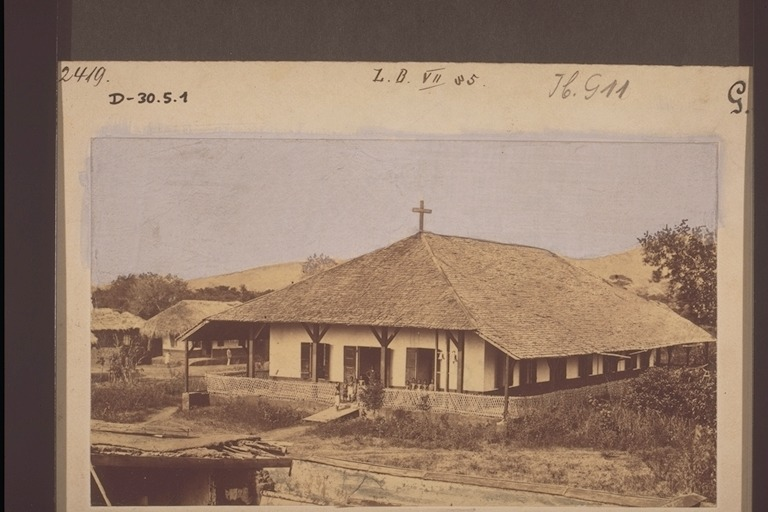
Christian Village(s): Ghana’s Community of Slave Descendants 1. Nestled between the thickets of Achimota Forest and the Golf Hills on the fringes of Dome are surviving remnants and physical reminders of Ghana’s ugly past with domestic and transatlantic slavery. 2. As the story goes, in the post-abolition period in colonial Ghana (after 1874), Nana Amoako Atta of the Ofori-Panyin stool of Akyem Abuakwa (from the same maternal line & royal house as Nana Ofori-Atta I, maternal grandfather of Nana Akufo-Addo) and Nana Kwasi Akuffo of Akwapim Akropong continued the illegal trade. 3. On 17th March 1880, he was charged by the British colonial government with conniving in the purchasing, selling, and pawning of human beings, as well as misgovernment. 4. The Swiss German Basel missionary, Eisenschmid, reports that while some of his European missionary colleagues condoned and even partook in the illicit trade alongside these chiefs, there was a strong consensus within the Mission to pay off the debts on the heads of these slaves, free them, and convert them to Christianity. 5. And so, it came to be that many slaves in the Akwapim and Akyem areas, originally brought from the northern regions of present-day Ghana, were freed on the condition that they gave their lives to Christ. 6. Once freed, they had the choice to remain in Akyem or Akwapim. 7. The children of those who stayed were enrolled in Basel Mission boarding schools; some even had the sons of their former masters as classmates and co-equals. 8. Many chose instead to live far away from the tyranny and enslavement of Amoako Atta and Kwasi Akuffo. 9. A significant number were resettled in new villages established by the Basel Mission on Gã lands purchased from Nii Tackie Tawiah. 10.Christian Village near Legon, Apenkwa, Abokobi, and Anumle, in Achimota, became safe havens for these freed people. 11. Later, some of these freed persons of Northern Ghanaian origin were among the early recruits of the country's budding police force in the Gold Coast(Hausa)Constabulary. 12.With each recruit, the Basel Mission was handsomely compensated by the British colonial administration. 13. With the exit of the Basel Mission from Ghana, huge tracts of Gã land in the Abokobi area came into the ownership of these ex-slaves of Northern extraction—a small, yet deserving, claim to reparations.
Sé:gbɛ:gnön🍀 tweet mediaSé:gbɛ:gnön🍀 tweet mediaSé:gbɛ:gnön🍀 tweet mediaSé:gbɛ:gnön🍀 tweet media
English
1
8
22
1.3K
Sé:gbɛ:gnön🍀
Sé:gbɛ:gnön🍀@KZankeli·
negro-saxon. wow, what a coinage! uncle tom now has a family name.
English
0
0
1
100
Sé:gbɛ:gnön🍀 đã retweet
Goshawk Trades
Goshawk Trades@GoshawkTrades·
Nassim Nicholas Taleb: "you should study risk taking, not risk management"
English
24
712
5.2K
189.9K
Mawunanunyam
Mawunanunyam@i_am_nunya·
You can sniff a foolish case from a mile away
Mawunanunyam tweet media
English
99
53
428
66K