Nancy4Thinking 🤔🧠@Nancy4Thinking
CATL is a documented national security threat, yet it keeps operating across the United States, including deep inside Texas energy projects.The Department of Defense placed CATL on its official Section 1260H list of Chinese military companies in January 2025 because of its direct role in China’s military-civil fusion (MCF) strategy. Under Chinese law, every company like CATL must hand over data, technology, or access to the Chinese military or intelligence services whenever Beijing asks. MCF means exactly what it sounds like: civilian products and businesses are deliberately used as tools to advance military goals, including against the American people.
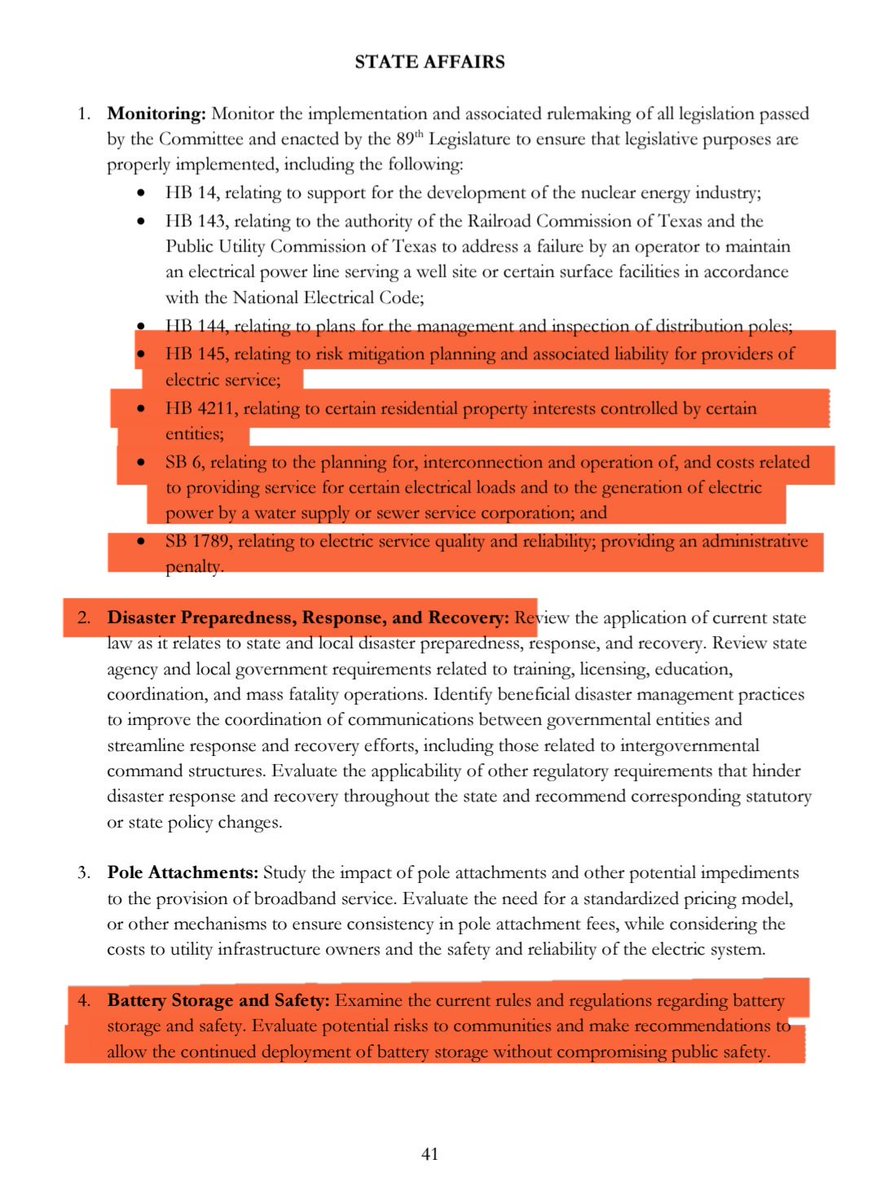
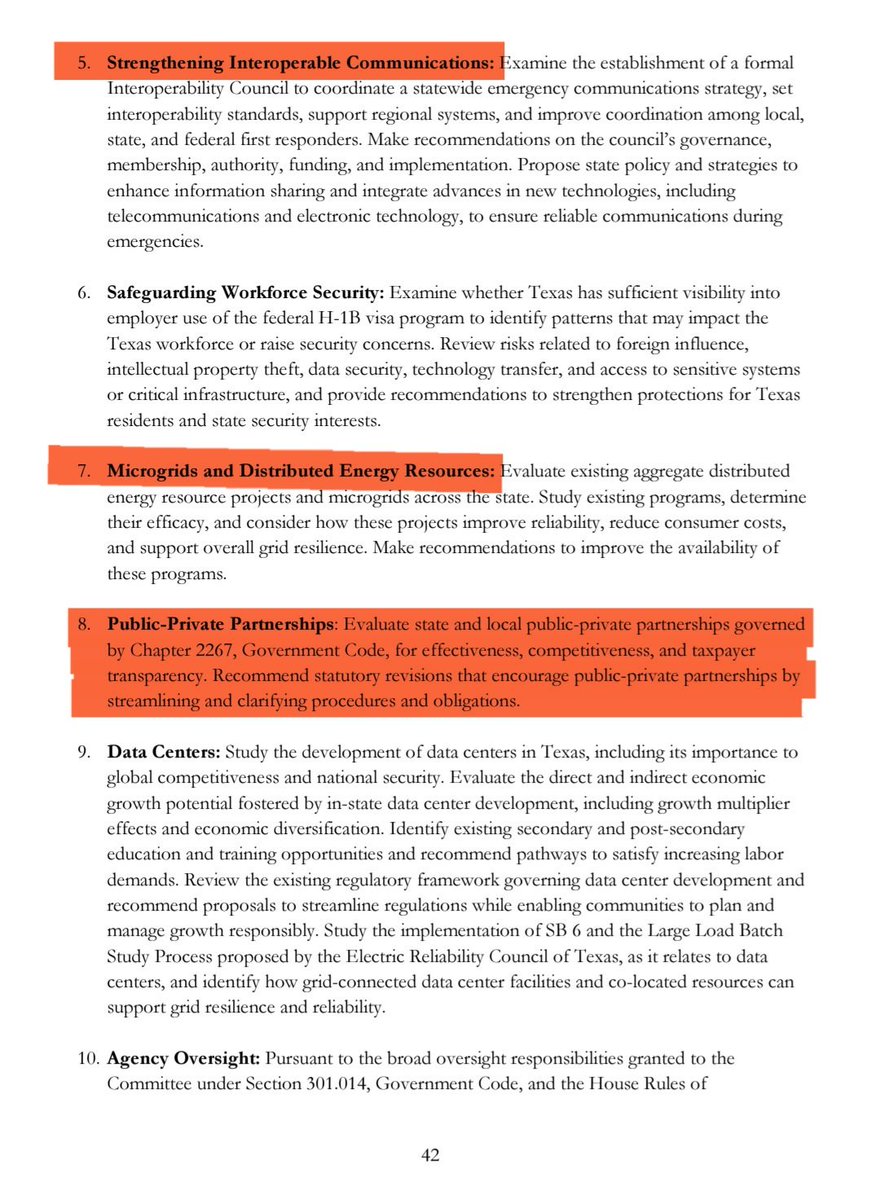
Congressional investigations by the House Select Committee on the Chinese Communist Party, multiple expert affidavits filed in Texas (including those attached to Van Zandt County’s February 2026 moratorium, Attorney General Ken Paxton’s ongoing investigation, Governor Abbott’s January 2026 prohibited technologies list, and the Lone Star Infrastructure Protection Act all lay out the same facts in black and white:
CATL batteries can contain hidden communication features, backdoors, or remote-control capabilities.
Those features turn grid-scale battery storage (BESS) into potential weapons, “thousands of bombs” that a foreign adversary could disable, overheat, or weaponize during a crisis.
CATL dominates the global supply chain so thoroughly that 90 % of batteries in U.S. projects (including many in Texas) rely on at least one critical Chinese component, often CATL cells or the materials and processes it controls.
Despite all of this documentation, CATL still operates in America.
Its cells power real projects on the ERCOT grid. Its technology is licensed to major U.S. companies (Ford in Michigan, equipment deals tied to Tesla Megapacks). CATL engineers and technicians are physically inside the United States right now (training workers, commissioning lines, and overseeing production) because that is how the licensing deals are structured. The batteries that roll out of those plants are then labeled “American made” or “U.S.-produced,” even though the core design, chemistry, firmware, and expert knowledge come straight from a Chinese military-linked company.
Texas is ground zero for this contradiction. Hundreds of BESS projects (many using Sungrow or other integrators that rely on CATL cells) sit in the interconnection queue or are already online, feeding directly into the state’s critical infrastructure. Van Zandt's local moratorium has slowed some of them, but has not stopped the state-wide flow.
Pre-existing contracts, the high cost of ripping out equipment, and the "genuine need" for grid storage keep the doors open.
In plain English: a company the U.S. government itself calls a military threat is allowed to embed its engineers on American soil, ship its components into Texas power plants, and have the final product stamped “Made in USA”, all while its parent doctrine (military-civil fusion) explicitly calls for using those exact civilian channels to harm Americans in a conflict.
That is not a loophole. It is the current policy reality, driven by economic dependence and phased regulations that have not yet caught up to the documented risk. The evidence is public, repeated across federal, state, and local documents, and yet CATL is still here.
Even after all these layers of documentation, they are still operating on our soil. What will it take to get our government to do what is right and protect our people. How is relying on an enemy because of cost the right answer? What will it take for them to finally take action and stop this KNOWN threat?