@DoctorAmna11 @budgetpixel I love evening street food market scenes
English
Promethean
16.1K posts

@PrometheanAIX
Creative director & content creator. Daily workflows. Adobe Ambassador, CPP: @higgsfield @ElevenLabs @Kling_ai @lovart_ai Collab: DM or [email protected]

The best fashion ads don't sell clothes. They sell the person you imagine becoming the moment you put them on. #Marketing #Branding #AI That's why movement matters. A simple walk, subtle confidence, and natural body language can communicate more than an entire paragraph of marketing copy.

🔥 The Week in AI News - June 26 - July 3, 2026 Learn more about my services at my website: promethean-ai.com The AI generator era is already ending. They’re not competing to generate the flashiest one-off output anymore, they’re racing to own the whole process. The biggest tools this week weren’t just making images, music, games, and videos. They were turning creativity into repeatable systems. Midjourney, ElevenLabs, Higgsfield, Gemini, Runway, and InVideo all pointed in the same direction: the future isn’t “make me something.” It’s make me a whole system pipeline. ▪️ Midjourney previewed V8.2 and brought some of the old cinematic magic back. Midjourney gave users an early look at V8.2 through the --preview flag, with sharper style, stronger prompt adherence, and more polished cinematic output. The bigger story was that Midjourney seemed to be correcting some of the rough edges in V8 while pulling back toward the aesthetic people loved in V7. ▪️ ElevenLabs launched Tools on ElevenMusic and moved closer to a full AI music workstation. ElevenLabs added purpose-built Tools for starting, reshaping, and evolving tracks inside ElevenMusic. Voice to Song, Loop Studio, Genreshift, and Unplugged turned the product from a prompt-based music generator into something closer to a creative production suite. ▪️ Higgsfield launched Shorts Studio and aimed directly at fast social video creation. Higgsfield added Shorts Studio as a new tool for creating short-form AI video content. That matters because the AI video race is shifting from “make one impressive clip” to “make content fast enough to keep up with social platforms.” ▪️ Meta quietly launched Pocket and turned vibe coding into a gaming feed. Meta rolled out Pocket, a new app that lets people generate small interactive games and experiences with AI prompts. It looked less like a traditional gaming product and more like a test of what happens when app creation, social feeds, and AI-generated play all collapse into the same surface. ▪️ Gemini Omni Flash and Nano Banana 2 Lite started spreading across creative AI platforms. Google pushed Gemini Omni Flash for video generation and conversational editing, alongside Nano Banana 2 Lite for fast, low-cost image generation. The real shift was not just the models themselves, but how quickly platforms began treating them as infrastructure for faster creative workflows. ▪️ OpenAI floated a 5 percent government stake and made AI politics even harder to ignore. OpenAI reportedly explored giving the U.S. government a 5 percent ownership stake as a way to share upside and ease political pressure. Whether it happens or not, the idea showed how AI companies are no longer just building products; they are negotiating their place inside national economic strategy. ▪️ Cloudflare gave site owners sharper controls over AI crawlers. Cloudflare introduced new AI traffic controls that separated bots into categories like Search, Agent, and Training. This was a big signal that the open web is moving from a simple “allow or block” model into a more specific negotiation over how AI systems access, store, and reuse content. ▪️ SpaceX reportedly showed off a handset-like AI device prototype. SpaceX reportedly presented investors with an early AI device prototype that sounded closer to a phone than a simple gadget. Even with Elon Musk denying the report, the rumor fit the broader pattern: every major AI player now seems to be circling hardware as the next interface layer. ▪️ Google brought Gemini Spark to Mac and pushed agents deeper into the desktop. Gemini Spark arrived on Mac as part of Google’s broader move into agentic desktop workflows. The point was simple: AI assistants are no longer just chat windows; they are starting to touch files, apps, notes, tasks, and the daily operating system of work. ▪️ The Trump administration dropped restrictions on Anthropic’s Mythos and Fable models. The U.S. lifted export restrictions that had limited access to Anthropic’s Mythos and Fable models. The reversal showed how unstable AI policy can become when frontier models are treated as both commercial products and strategic national assets. ▪️ Higgsfield made its MCP workflow free and lowered the barrier to agentic video creation. Higgsfield opened up its MCP connection so creators could bring AI video generation into tools like Claude and other agent workflows without the same friction. That move matters because MCP turns creative software into something agents can operate directly, not just something humans click around manually. ▪️ OpenClaw launched on Android and iOS and put agent control in people’s pockets. OpenClaw expanded to mobile, giving users a way to run and guide AI agents from iOS and Android devices. The larger trend was clear: agentic workflows are leaving the desktop and becoming something people manage on the go. ▪️ Anthropic launched Claude Sonnet 5 as a cheaper model for serious agent work. Anthropic released Claude Sonnet 5 as a more agentic mid-tier model built to handle planning, tool use, browsers, terminals, and autonomous workflows. The interesting part wasn't just performance; it was the idea that agent-level capability is moving down into cheaper, more accessible model tiers. ▪️ Gemini made personalized AI image generation free for eligible U.S. users. Google opened Gemini’s personalized Nano Banana-powered image generation to eligible U.S. users for free. That made personal context a bigger part of image creation, letting Gemini generate visuals based on user preferences, connected apps, and personal history instead of relying only on the prompt. ▪️ Cursor launched a mobile app for managing coding agents away from the desk. Cursor Mobile gave users a way to prompt, guide, and manage coding agents from a phone. That may sound small, but it points to a bigger change: developers are moving from writing every line of code to supervising remote agents that keep working across devices. ▪️ TIDAL cracked down on fully AI-generated music monetization. TIDAL introduced a policy that blocked fully AI-generated music from earning money on the platform and added enforcement around AI impersonation. This was one of the clearest signs yet that music platforms are not just labeling AI content; they are beginning to decide which forms of AI creation get paid.

The brands people never forget don't just sell products. They build visual systems that make you recognize them before you even see the logo. #Marketing #Branding #AI #Lovart #LovartPartner @lovart_ai is a strong place to build this because it helps turn one creative direction into a full visual system instead of a single isolated asset. Try Lovart: lovart.ai Every great campaign starts with a brand world. Once the colors, typography, materials, photography, and story are locked in, every image becomes faster to create and instantly more consistent. The PUMA Speedcat OG is a perfect example. A single brand board becomes the creative blueprint that aligns every ad, product shot, social post, and campaign around one unmistakable identity.
The future of video isn’t editing clips. It’s directing agents that know how to build the whole thing. #AIVideo #Invideo #AgentOne @invideoOfficial The timeline is dying, the template is fading, and Invideo Agent One is what happens when video editing becomes a conversation. InVideo Agent One is an AI-powered video production assistant that creates complete videos from your prompts. Instead of asking you to manually edit clips on a timeline, it creates a script, selects visuals, creates voiceovers, adds music, builds captions, and assembles a finished video based on your instructions. Think of it as an AI producer that handles production while you focus on creative direction.
Most AI image tools make you gamble on the final result. Adobe Firefly Boards gives you something better: a place to think visually before you commit. #GenerativeAI #AIArt #Adobe #AdobeFirefly It gives you a visual canvas to generate, compare, remix, and art direct ideas before locking into one direction. That’s the real creative advantage here: you’re not just prompting. You’re building a visual language. I first created an image using this prompt: “Modern Scandinavian living room with floor-to-ceiling windows, warm afternoon light, walnut furniture, editorial photography” I hit the generate button three times to give me three images right off the bat. Then I placed each of those three images on the canvas, and hit the “Vary” button to spin one of those images into 10 remixes of the room, keeping the style and room the same, but changing the layout. Firefly Boards made it super easy to prompt and remix in seconds. Tips: ▪️ Generate lots of ideas first; edit later. ▪️ Keep prompts focused on one creative goal. ▪️ Use references whenever possible. They generally outperform prompt-only workflows. ▪️ Treat Boards as an exploration tool, not a final image generator. ▪️ Duplicate your board before making major creative pivots so you can compare directions. #AdobeAmbassadors #Adobe #Ad #Adobe #Marketing @AdobeFirefly @Adobe @creativecloud
The best fashion ads don't sell fabric. They sell the version of yourself you've always wanted to be. Emotion, body language, movement, and atmosphere reach the brain faster than words ever can. #Marketing #Branding #AI Here’s why: People decide if they want something before they even know what’s being presented. Art direction leaned into gritty urban textures, graffiti, brick walls, natural sunlight, and premium editorial street photography with realistic movement. Creative direction focused on capturing Stussy's effortless cool through authentic styling, confident body language, and timeless streetwear culture that never looks like it's trying too hard. 🔥 Try ImagineArt: imagineartinc.pxf.io/VxqRX3
Most food photography doesn't make you hungry. It just proves the food exists. #AIArt #FoodPhotography #Marketing Food styling turns a meal into something your brain already wants before you take the first bite. 🔥 Here's why: The right styling taps into texture, color, warmth, and familiarity, creating an emotional response that makes people imagine the taste long before they experience it. Get the image prompt below. Art Direction: Bright Mediterranean taverna, authentic Greek atmosphere, rustic ceramics, vibrant fresh ingredients, crisp textures, natural sunlight, and a chilled bottle of Orangina completing the story. Creative Direction: Capture the wrap as the hero with irresistible layers, golden fries, creamy sauces, subtle seasoning, and true-to-life color using soft natural light and editorial-level composition that feels authentic rather than staged. 🔥 Image prompt: Hyper-realistic 1:1 professional food photography of a Greek kabob wrap on parchment paper at a sunlit Mediterranean taverna table. The wrap is filled with grilled chicken kabob, tomato, red onion, tzatziki, and plain crispy golden fries tucked inside. A bowl of lightly seasoned Greek fries sits behind it, with subtle herbs and spice, not overpowering. Include small ceramic bowls of tzatziki and hummus, a chilled condensation-covered Orangina bottle, and a small plate of baklava. Blue-and-white Mediterranean tablecloth, terracotta bowls, rustic ceramic serveware, whitewashed stucco, deep Aegean blue accents, olive branches, bougainvillea, wrought iron details. Soft natural lighting, true-to-life colors, sharp detail, flawless food styling, authentic setting, professional camera, minimal shadows, appetizing but realistic, no text overlays, no fake plastic food look.



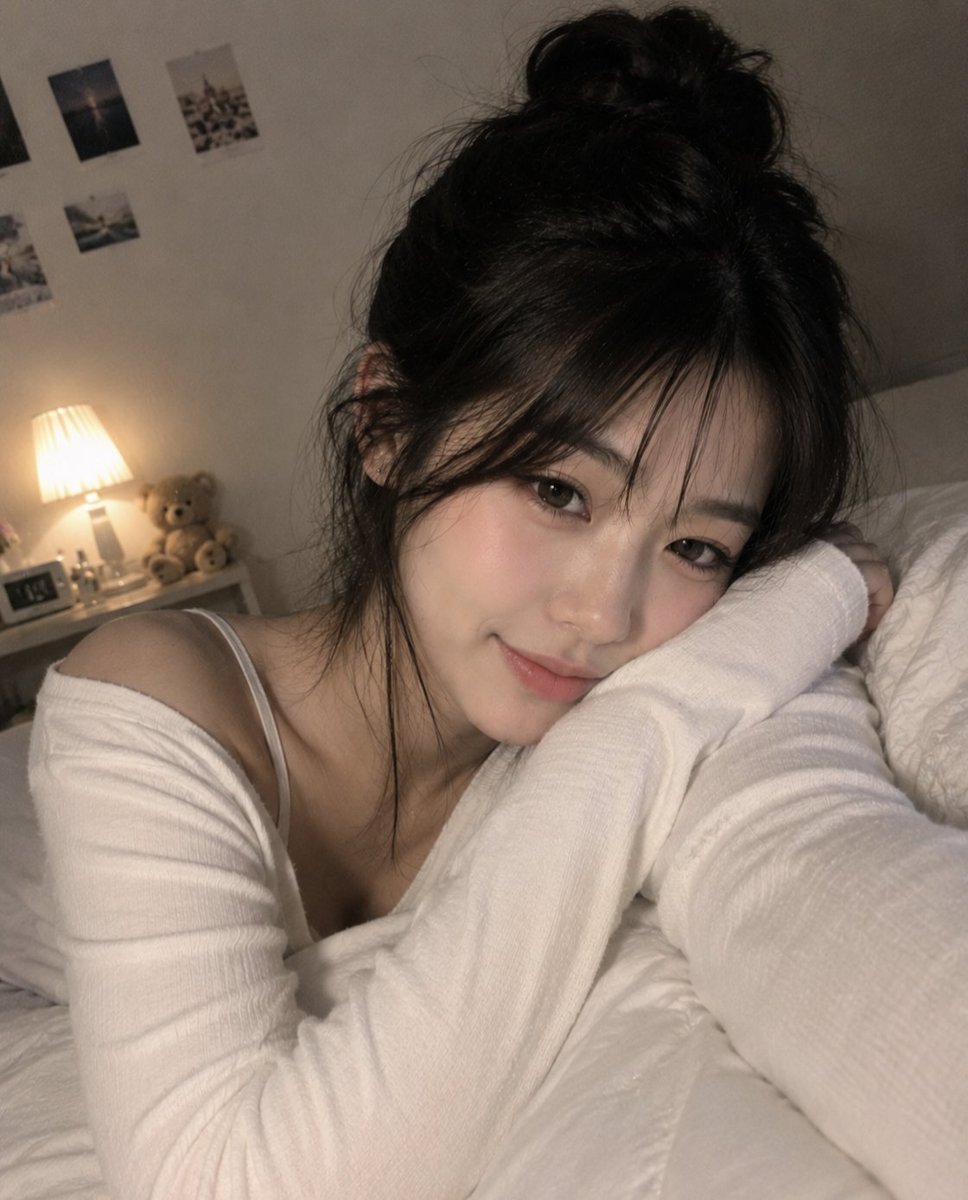


Winter Snow Walk ☃️ Seedance 2.0 on Openart AI Prompt : Young Korean woman, early 20s, puffy white winter coat, red knit scarf, beanie over dark hair, rosy cheeks from cold, playful expression. Location : Quiet snowy Korean neighborhood street, early morning after fresh snowfall. Snow-covered rooftops, bare trees, footprints in snow, parked bicycles dusted white. No traffic, no people in background. Visual Style : Bright realistic winter documentary tone, crisp cold atmosphere, natural soft light. Camera Style : Late 1990s VHS handycam, visible tracking lines, slight color bleed on bright snow, muffled cold-weather mic sound, occasional lens fog from breath. No stabilization. Timeline : 00:00–00:03 → She crunches through fresh snow, leaving footprints behind. 00:03–00:06 → She bends down, scoops snow, forming a small snowball. 00:06–00:09 → She playfully tosses it toward the camera, laughing. 00:09–00:12 → She brushes snow off a bench and sits, breath visible in cold air. 00:12–00:15 → She looks up at falling snowflakes, smiling softly before the tape cuts. Audio : Crunching snow, wind gusts, distant dog bark, faint breathing sounds. No music. Goal: A playful, crisp winter morning memory joyful and nostalgic.