Faris

52.3K posts

Faris banner
Faris

Faris

@farislmn

Run. Research | Climate adaptation (policy), (land) governance transformation research | Tweets are my own opinion and not the views of my employer |

Tokyo, Japan Tham gia Ağustos 2009
160 Đang theo dõi1.1K Người theo dõi
Tweet ghim
Faris
Faris@farislmn·
My article is Open Access and free for anyone to read now! Land can be perceived as resources and infrastructure. This multifaceted complicates governance. I argue that systemic perspective helps, and is able to provide clues for a way out. sciencedirect.com/science/articl…
English
7
50
168
49.8K
KokoBuncis
KokoBuncis@kokobuncis·
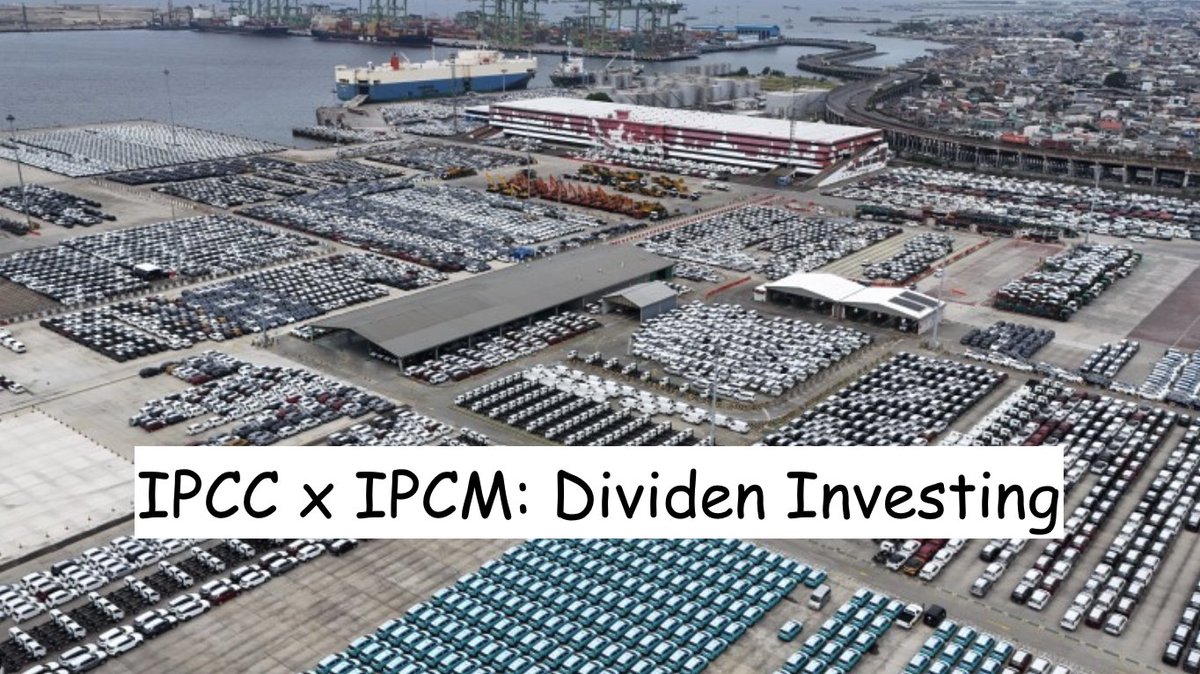
Tahukah kamu ada dua saham pelabuhan kembar yang rutin membagikan 70 persen labanya sebagai dividen setiap tahun? Keduanya adalah IPCC dan IPCM. Tapi di antara dua anak usaha Pelindo ini, mana yang sebenarnya lebih cocok untuk investasi dividen jangka panjang? Mari kita bedah.
KokoBuncis tweet media
Indonesia
2
10
50
2.3K
Faris
Faris@farislmn·
Logan Paul trying the Yu-Gi-Oh 1st ed LOB is probably the funniest, closest to useless, things influencers do -- that I can understand. One doesn't simply scalp old YGO TCG things.
GIF
English
0
0
0
46
Faris đã retweet
toRa // Macan Wigit
toRa // Macan Wigit@torantula·
Saya harap kalian ingat kalau di demo tahun lalu kawan-kawan SEA menyumbang ke warga lokal dengan cara belanja via Grab. Berapa banyak untung yang kalian raih selama minggu itu? Lalu sekarang kalian kayak gini attitudenya ke mitra? Nggak tahu terima kasih. Pengecut.
Grab Indonesia@GrabID

@SistersInDanger @BudiBukanIntel Kami memahami kekhawatiran yang muncul. Grab menghormati hak Mitra untuk menyampaikan aspirasi dan menegaskan bahwa Mitra tidak akan diputus kemitraannya karena mengikuti aksi penyampaian pendapat. (1/2)

Indonesia
13
7.8K
26.3K
470.9K
Faris
Faris@farislmn·
@wavetobell @khanifirsyad Dipimpin 'langsung', not necessarily. Kl ga salah, petani sbg formal members & punya hak vote. Tp actualnya, ada kontrol top-down dari JA-Zenchu, bukan dari petani lgsg. Also, mayoritas member bukan petani aktif. Jadi quasi-governmental & 'monopolistic'.
Indonesia
0
0
0
11
Raebell 🪻
Raebell 🪻@wavetobell·
@farislmn @khanifirsyad Emang JAC terhitung petani ya, bukannya petani hanya menjadi member dan organisasinya diatur dan dipimpin langsung oleh pemerintah? Genuinely asking
Indonesia
1
0
0
17
Faris đã retweet
Mikael Dewabrata 📊
Mikael Dewabrata 📊@MikaelDewabrata·
Buat yang di lapangan bisa mencoba komunikasi via Bitchat, tidak pakai internet tidak pakai server. Komunikasi melalui bluetooth. Untuk setup sistem ini bisa baca2 di sini: bitchat.free
Mikael Dewabrata 📊 tweet mediaMikael Dewabrata 📊 tweet media
Indonesia
6
102
328
38K
Faris
Faris@farislmn·
Abis milih 02, disalahin ama netijen, minta dikasihani. Abis numpak wave MBG, kena rug pull, minta dikasihani. Idk man, something is really wrong, and it seems like its a you problem.
Indonesia
0
0
0
20
Dian 🎀
Dian 🎀@petitstardust·
Kegiatan yg sama tp beda level. Yg satu struggling pake seluruh tenaga, satunya pake 2 jari (bisa pake 1 jari tp ga difoto) 🙂 Dengan beban yg sama 🙂
Dian 🎀 tweet mediaDian 🎀 tweet media
Indonesia
1
0
7
1.1K
Faris
Faris@farislmn·
@drlrst Yessss.. aku waktu drafting di kampus pake extra vertical screen :)))
Indonesia
0
0
0
44
dl
dl@drlrst·
nulis di Latex itu enaknya di screen gede. kalau di laptop mini mah, asa karagok. bagaimanapun coding itu memang enaknya di screen gede.
Indonesia
2
1
2
423
Mario
Mario@fxmario·
IPK lo 3.87 Begitu lo duduk diem, gue tau lo pake AI buat nulis cerita
Mario tweet media
Indonesia
32
78
539
56.6K
Faris
Faris@farislmn·
Use Hermes Agent they say... 🤣
Faris tweet mediaFaris tweet media
English
0
0
0
33
Faris
Faris@farislmn·
Preprint alert! Abis bongkar2 disertasi & book chapter, ganti theoretical framing, jadilah mid-range theory u/ knowledge politics dlm sustainability govnance. Aku observasi, ID perlu int'l credibility pressure yg ga bisa di-address o/ incumbent u/ berubah. doi.org/10.31235/osf.i…
Indonesia
1
0
0
57
Mulyono
Mulyono@RealMulyono·
Beberapa bapak-bapak di depanku ngomongin APC 19 jt.
Indonesia
1
0
0
100
Faris
Faris@farislmn·
Adulting di JP: Mulai cicil buat furusato nozei~
Indonesia
0
0
0
20
Faris
Faris@farislmn·
@bsahsawth Zotero bisa auto rename pake informasi dari DOI btw. 😉 Zotero Settings > General > File Renaming > Configure File Renaming
Italiano
0
0
4
583
jul, ジュール, ᮏᮥᮜ᮪ 🧪💛
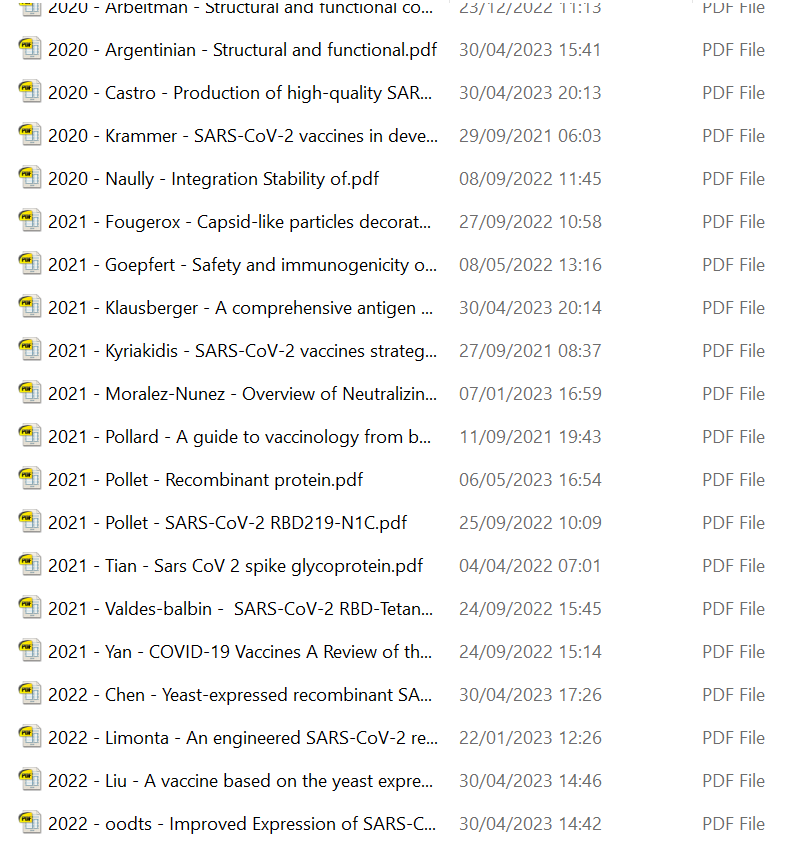
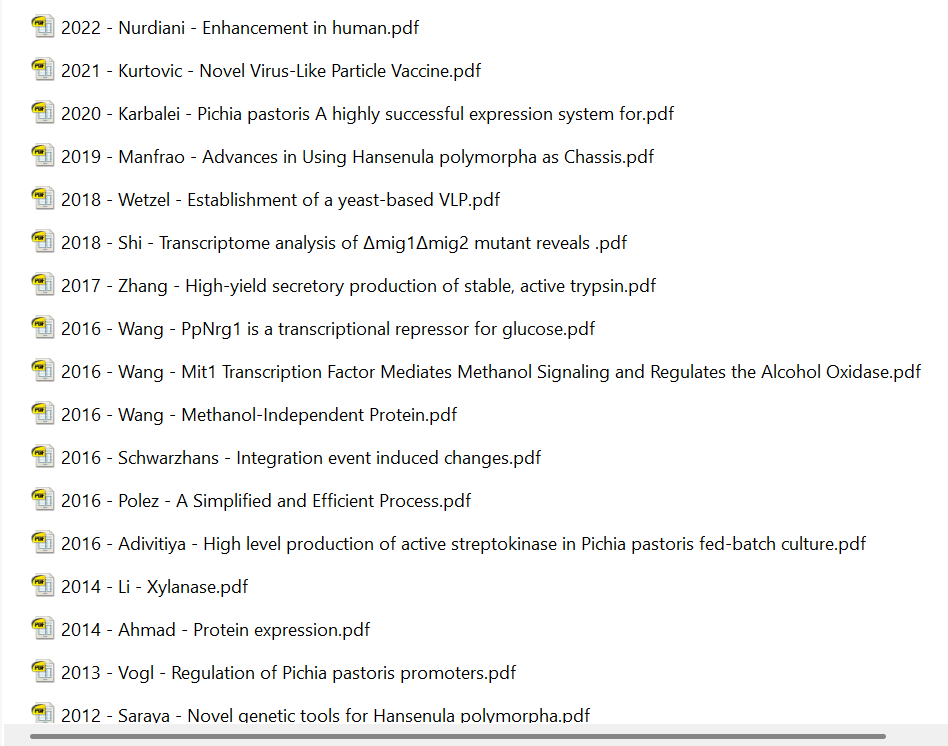
tips dari aku ketika mengunduh banyak sekali artikel adalah langsung ganti nama filenya jadi format tahun - penulis pertama - judul abis itu masukin ke zotero wkwkwkw
jul, ジュール, ᮏᮥᮜ᮪ 🧪💛 tweet mediajul, ジュール, ᮏᮥᮜ᮪ 🧪💛 tweet mediajul, ジュール, ᮏᮥᮜ᮪ 🧪💛 tweet media
Mahalil (serin’s) 🏆 #14@siemprerosso

Berarti mereka gak mengalami dua jam depan laptop tapi baru bisa nulis satu kalimat setelah menyelam 15 artikel. Anddddddd itu pun yang dikutip cuman 2 artikel setelah membaca dan membandingkan sebanyak itu

Indonesia
16
484
3.4K
54.6K
Faris
Faris@farislmn·
Me in 2016: 'mending gw jadi lower middle class di TYO drpd lower middle class di JKT. Lower middle class di TYO bisa duduk2 di taman.' Me in 2026: 'whoa...'
Ricky Ho@rickyho_1989

This chart should terrify policymakers. Indonesia’s middle class did not merely slow down. It went into reverse. After two decades of expansion, the middle-class population peaked at 61.5 million people in 2018, representing 23% of the population. By 2026, that figure had fallen to just 46.6 million people, or 16.6%. That is not a cyclical slowdown. That is structural deterioration. For years, policymakers celebrated GDP growth, infrastructure projects, commodity booms, and headline investment numbers. But the ultimate scorecard of an economy is whether ordinary people become wealthier over time. This chart suggests millions of Indonesians are moving in the opposite direction. The middle class is the economic engine of every successful country. They buy homes, cars, insurance, consumer goods, education, travel, financial products, and healthcare. They generate tax revenue. They create small businesses. They drive domestic demand. When the middle class shrinks, the economy loses its most important customer. The uncomfortable question is simple: where did the gains go? If GDP is growing, if conglomerates continue expanding, if commodity exports remain large, then why are fewer Indonesians qualifying as middle class than eight years ago? More importantly, if you are born poor in Indonesia today, what ladder exactly are you supposed to climb? If you are exceptionally good looking, perhaps you can monetize attention through social media. If you are academically gifted, perhaps you can break into an ultra-competitive institution like MBB, survive years of brutal expectations, and eventually use that platform to do something bigger. If you are entrepreneurial, maybe you build a business against overwhelming odds. If you are lucky, perhaps you benefit from family connections, inheritance, or access to opportunities unavailable to most people. But an economy cannot rely on exceptionalism. A healthy economy creates millions of pathways upward, not a handful of lottery tickets. The situation becomes even more concerning when you consider that well-paying white-collar jobs are becoming increasingly scarce. Many multinational companies that once established regional operations, technology centers, shared-service hubs, and professional offices in Indonesia have either downsized, relocated, or shifted future expansion elsewhere. Those jobs were not valuable merely because of the salaries they paid. They were valuable because they transferred knowledge, management expertise, technical skills, global best practices, and professional networks into the local workforce. Over time, they helped develop intellectual capital that could later be recycled into entrepreneurship, leadership positions, startups, and domestic businesses. When those opportunities disappear, the loss is not limited to employment. The country also loses a training ground for future managers, engineers, consultants, analysts, and business leaders. Human capital compounds just like financial capital. Once that pipeline weakens, rebuilding it can take years or even decades. The bigger risk is that social mobility slows. When people stop believing hard work leads to a better life, trust in institutions weakens. Aspirations decline. Consumption slows. Talent leaves. The country’s most productive people increasingly look elsewhere for opportunity. This is why Indonesia’s biggest economic challenge is no longer growth. It is upward mobility. A country cannot thrive without a growing middle class, a steady pipeline of high-quality jobs, and a clear path for ordinary people to join it. And right now, all three appear to be moving in the wrong direction.


Indonesia
0
0
1
51
Faris
Faris@farislmn·
Its closing to what @lurino talked the other day about governing governance...
Gavriel Cohen@Gavriel_Cohen

"You cannot govern a technology you have only been briefed on." Dr. @VivianBala's challenge to his fellow legislators has become a global rallying cry. Last week, @takahiroanno, leader of Japan's @team_mirai_jp, cited Minister Balakrishnan's hands-on use of @NanoClaw_ai in a parliamentary debate and offered to personally tutor the Prime Minister on setting it up. The PM said yes. Officially volunteering to fly out and set NanoClaw up for Japan's PM myself. Offer extends to any head of state whose country has good food.

English
0
0
0
77
Faris đã retweet
Nicholas Dawes
Nicholas Dawes@NicDawes·
Anyone who has travelled on a weak passport will celebrate investigative reporting into VFS global, the near monopoly intermediary that handles visa applications for 71 countries. lighthousereports.com/investigation/…
English
34
1.1K
2.8K
532.1K