David Rollins

9.4K posts

David Rollins banner
David Rollins

David Rollins

@rollins

This is the personal account of David Rollins and is not connected in any way to a professional designation or vocation. RTs do not imply endorsement. Go Duke!

Equities in Dallas Tham gia Nisan 2007
853 Đang theo dõi494 Người theo dõi
Tweet ghim
David Rollins
David Rollins@rollins·
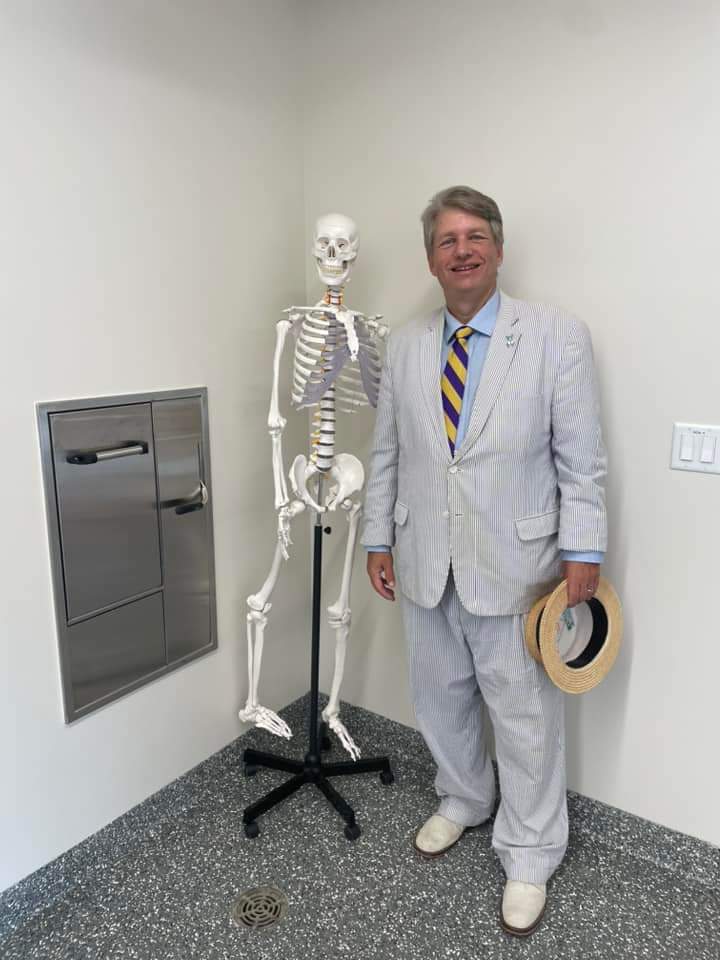
Dedication of the Huey P Long Field House at LSU's College of Human Sciences and Education. This poor fellow was in the cadaver lab.
David Rollins tweet media
Baton Rouge, LA 🇺🇸 English
2
0
8
1.1K
David Rollins
David Rollins@rollins·
@Neodel I have HW3, I kinda miss Mad Max and I sort of miss pothole avoidance but I can live with it. Waiting for HW5
English
0
0
0
11
Neodel
Neodel@Neodel·
Estaba pensando en cambiar mi actual Tesla Model Y Legacy por el nuevo Juniper, principalmente por el cambio HW3 a HW4 y las otras mejoras pero no lo voy a hacer definitivamente. Sabiendo que en poco tiempo va a llegar HW5 además de posibles mejoras y/o cambio de modelo en un futuro no muy lejano además de la incertidumbre de que pasará con el HW3 en cuanto al FSD no es viable ni lógico un cambio actualmente. Además mi actual Legacy (Long Range RWD) apenas tiene 50.000km sin un solo fallo y funcionando perfectamente. Lo más lógico: esperar. La tecnología avanza muy rápido como para ir cambiando tan pronto
Neodel tweet media
Español
194
18
356
59.7K
David Rollins
David Rollins@rollins·
East Texas Meat Slingers
David Rollins tweet media
English
0
0
0
49
David Rollins đã retweet
derek guy
derek guy@dieworkwear·
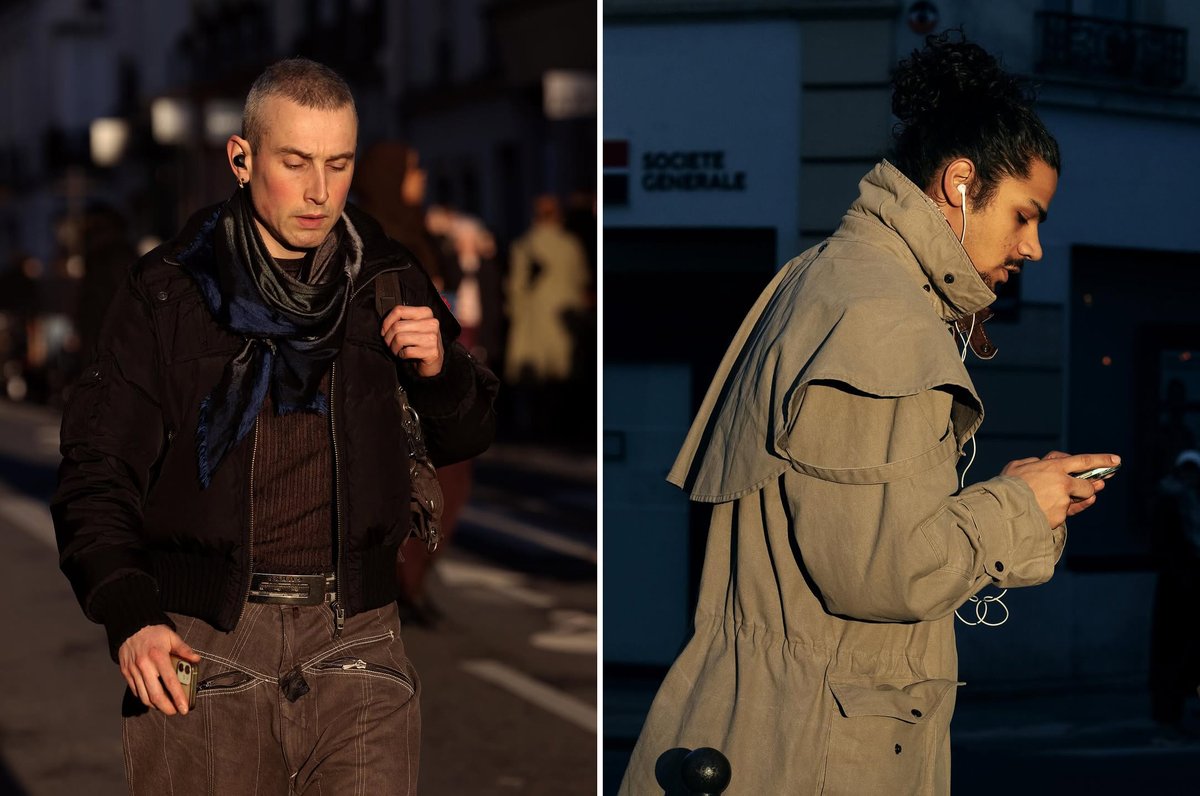
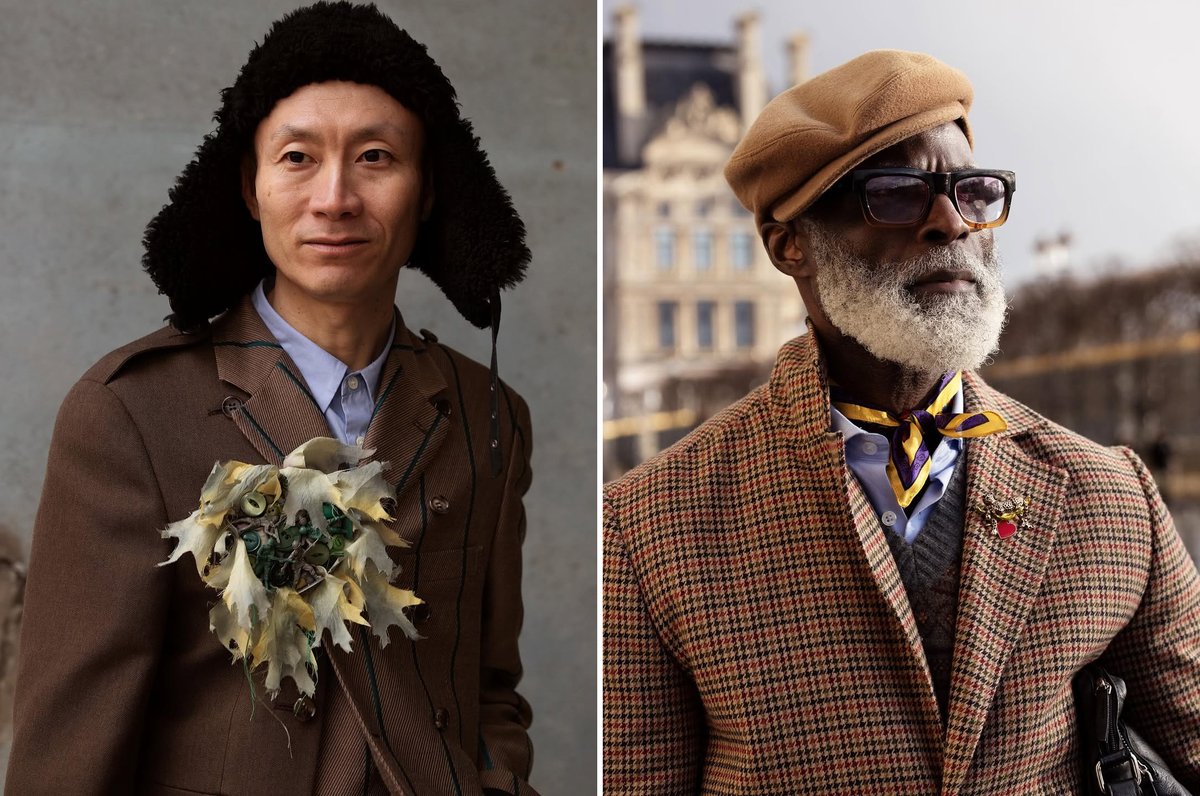
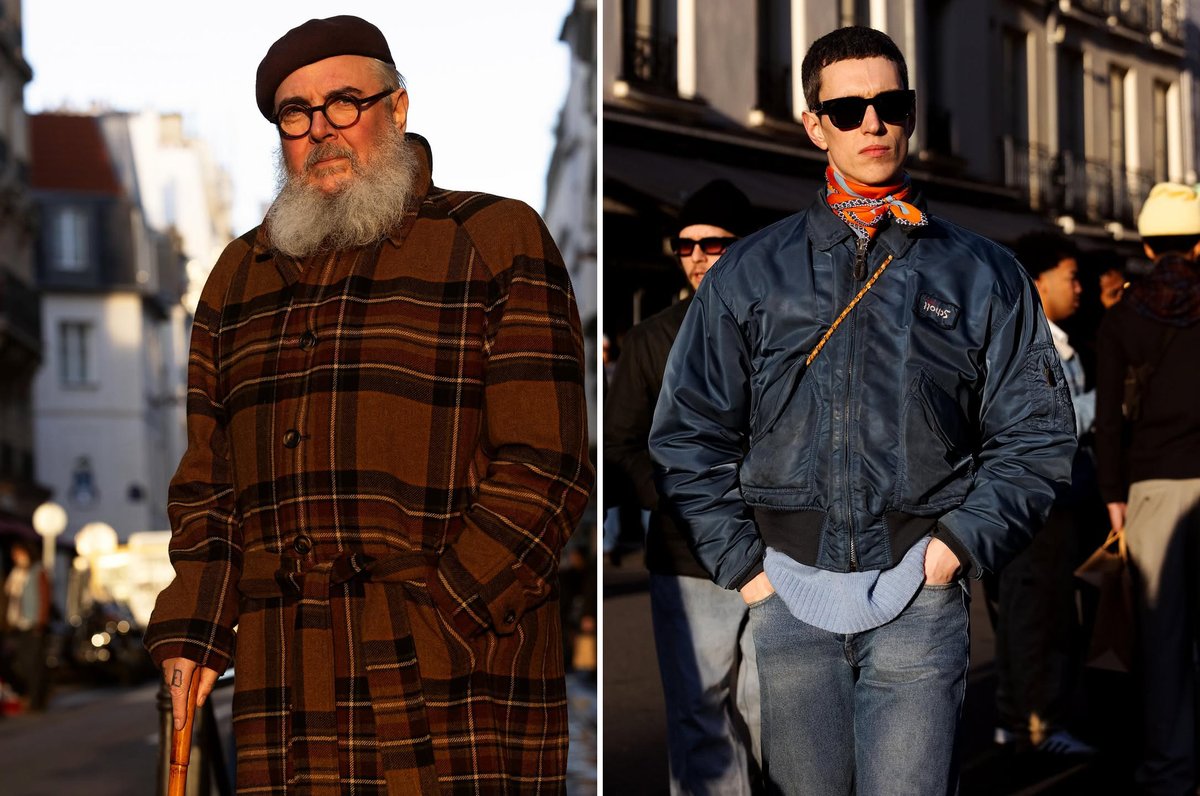
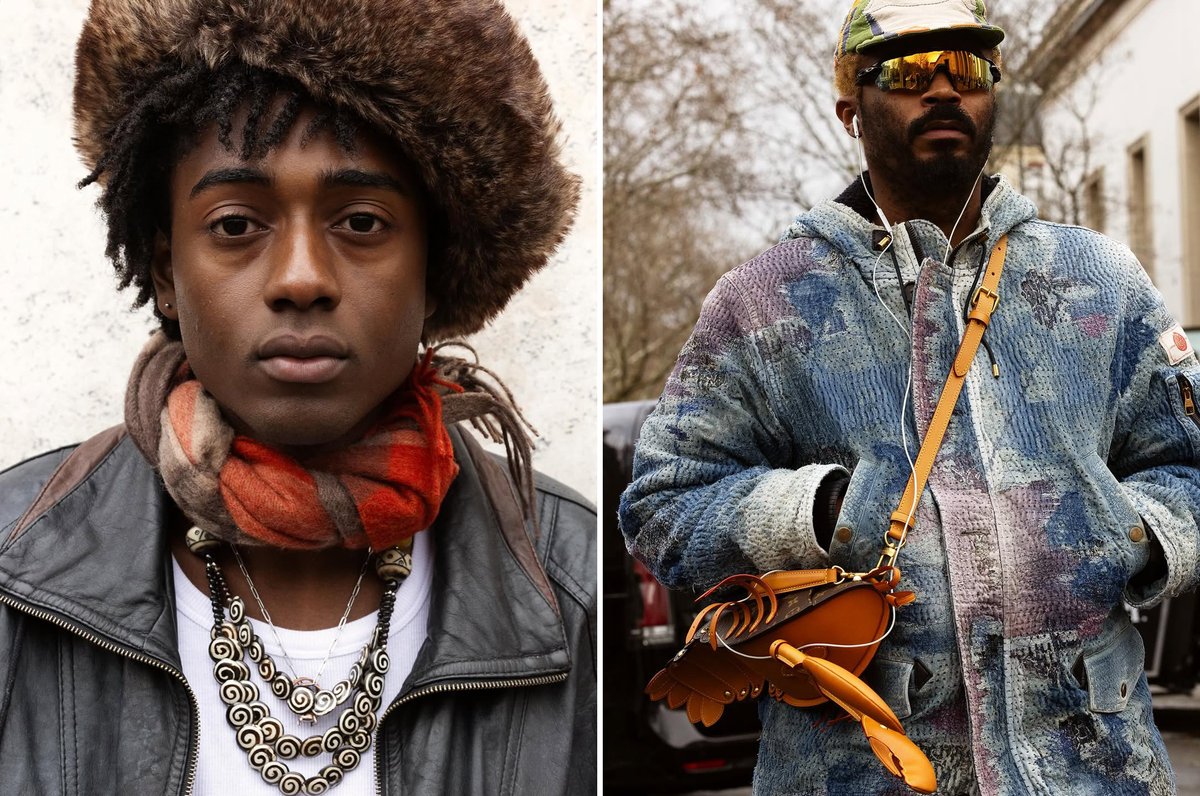
During the recent kerfuffle over whether people should be socially shamed for wearing pajamas at Costco, someone on here suggested that I was supporting the decline of social standards because I think it's perfectly fine to wear whatever you want to a giant warehouse that sells $1.50 hot dogs. The idea that dress was better in the past is treated as such an obvious truth that few people question it, even those who share my preference for contemporary life. But I would pose another view: although the emergence of fast fashion is certainly bad, and there's a terrible environmental cost from the waste now caused by the fashion industry, dress is better today than in the past. Just look at these photos recently posted by Scott Schuman, the photographer behind the famous fashion site The Sartorialist. These images are from his recent trip to Paris. Scott often posts themed sets like this — images of stylish people in Milan, Hong Kong, New York City, and so forth. I disagree with the idea of dress respectability on moral grounds. You should treat everyone with respect, regardless of what they're wearing. But as a matter of aesthetics, it's good that society has eased some of the Victorian handwringing around what people wear in public. Look at the diversity of aesthetics showcased here, from just one recent trip to Paris (and notably, only focused on menswear, not even getting into womenswear). On first glance, there are some themes here that could describe the fashion Robert Frank captured in his book The Americans, shot just after the Second World War. Here we see men wearing military-inspired clothing (e.g., bombers and trenches) and tailoring (e.g., houndstooth tweed and a boldly checked raglan overcoat). But we also see fashions that prob wouldn't have made it onto the streets in 1950, such as the patchwork boro jacket or the double-breasted with unusual pattern and button placement (look at that button-and-cloth corsage!). It's unimaginable today, but in the first half of the 20th century, a man could be sent home from work for wearing the wrong color shirt. For white-collar professionals, even in cosmopolitan cities, the standard office uniform consisted of a dark worsted suit worn with a white-collared shirt, a dark silk tie, and a pair of dark leather shoes. The phrase "no brown in town" refers to the British cultural practice of only wearing black leather shoes in certain professions when doing business in London. Brown was the countryside. If you flouted these rules, people would whisper behind your back about how you're a bad person (e.g., dumb, uncultured, rude, etc). That social system seems terribly toxic to me. But even as a matter of aesthetics, how great is it that the second man in the second slide can show up at many offices today wearing a brown houndstooth tweed jacket with a jaunty little neckerchief? The world is aesthetically better today than it was 100 years ago. Yes, there are lots of people who are badly dressed. This is fine, as not everyone cares about aesthetics. But if you do care about aesthetics, you enjoy greater freedom today and thus can express yourself through a wider range of aesthetics. If you let people wear pajamas to Costco, you can wear any of the outfits below and more. And if you open your mind to other aesthetics, I think you will find that many people on the street today are stylish, even if they're wearing something that you would not personally wear yourself. IG thesartorialist
derek guy tweet mediaderek guy tweet mediaderek guy tweet mediaderek guy tweet media
English
55
180
3.7K
242.1K
David Rollins đã retweet
ActuallyFin
ActuallyFin@ActuallyFinance·
The richest guy you know: "Well yeah, we're upper middle class, we do okay."
English
0
1
7
657
David Rollins đã retweet
Tobacco Insider
Tobacco Insider@tobaccoinsider·
A policy shift is underway: U.S. states are moving to tax nicotine pouches like traditional tobacco products Read more: tobaccoinsider.com/taxation-nicot… At least five states are considering new taxes, including a proposed 75% tax rate in New York
English
2
4
12
2K
David Rollins
David Rollins@rollins·
When traveling I find it helps to dress like the lumpen proletariat
David Rollins tweet media
English
0
0
0
30
David Rollins đã retweet
susanhogarth
susanhogarth@susanhogarth·
Keep exploring new music. Don’t let your brain stagnate.
Aakash Gupta@aakashgupta

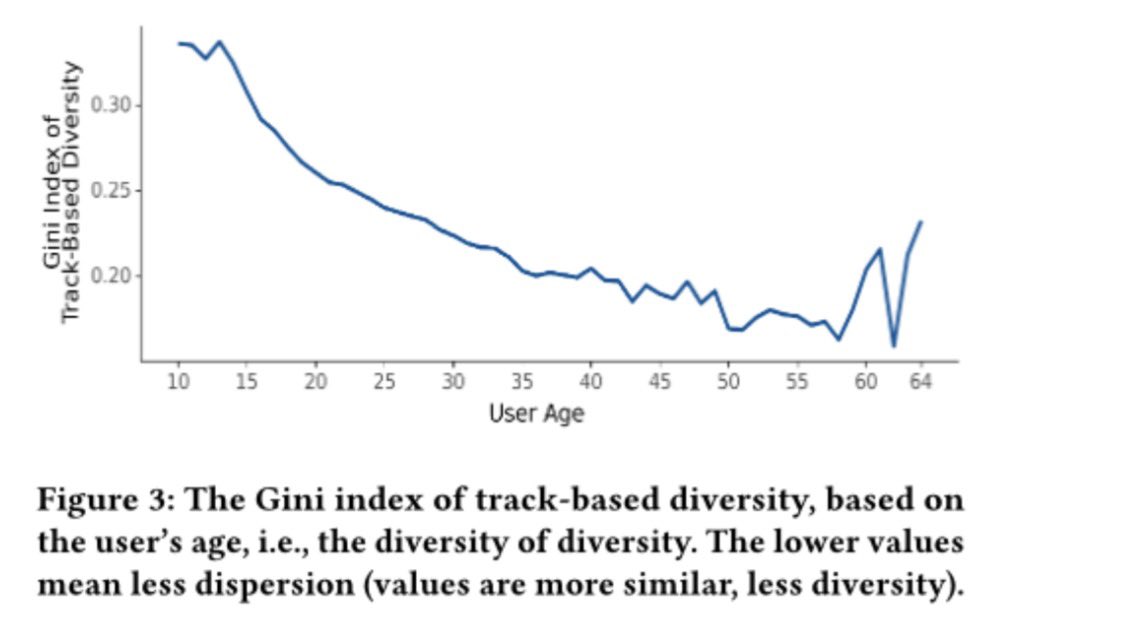
Your brain peaked musically somewhere around age 16. Everything since then has been a dopamine echo. Between the ages of 12 and 22, the mesolimbic dopamine pathway, the same circuit that processes cocaine and sex, fires at levels in response to sound that it will never reach again for the rest of your life. A 2011 McGill study used PET scans and fMRI simultaneously and found that music triggers dopamine release in the striatum at peak emotional arousal. The caudate nucleus lights up during anticipation of the good part. The nucleus accumbens lights up when it hits. Your brain is treating a guitar riff with the same reward architecture it uses for food-seeking and pair bonding. During adolescence, that response is dramatically amplified. Pubertal hormones are flooding the system. The prefrontal cortex is still wiring itself. Memories formed during this window get encoded with a density of emotional tagging that nothing in your 30s or 40s can replicate. Researchers at the University of Leeds identified this as the “reminiscence bump”: the period when your sense of self is forming, and the music playing during that formation becomes structurally integrated into your identity. A 2025 longitudinal study from the University of Gothenburg analyzed 40,000 users’ streaming data across 15 years. Younger listeners explored broadly across genres. Older listeners collapsed into increasingly narrow loops, almost entirely anchored to music from their teens and early twenties. Your brain stopped losing interest in new music years ago. It’s running a cost-benefit analysis. Familiar songs deliver guaranteed dopamine with zero processing cost. New songs require pattern recognition, expectation-building, and repeated exposure before the reward circuit kicks in. Past 25, most people stop paying that tax. The one variable that predicts whether someone keeps exploring: the personality trait “openness to experience.” Score high, you keep seeking. Score average, you default to the familiar forever. The fix, if you want one: deliberate exposure. Three listens minimum before your auditory cortex builds enough predictive models to generate a reward response. One passive listen on a playlist will never get there. Your brain needs repetition to find the pattern, and it needs the pattern to release dopamine.


English
1
1
3
103
David Rollins
David Rollins@rollins·
Fifteen year anniversary of the day I married an LSU professor with a tree farm. (We are long on timber.) Trees are church. Get outside and talk to God.
David Rollins tweet media
English
0
0
0
22
David Rollins đã retweet
Aakash Gupta
Aakash Gupta@aakashgupta·
Your brain peaked musically somewhere around age 16. Everything since then has been a dopamine echo. Between the ages of 12 and 22, the mesolimbic dopamine pathway, the same circuit that processes cocaine and sex, fires at levels in response to sound that it will never reach again for the rest of your life. A 2011 McGill study used PET scans and fMRI simultaneously and found that music triggers dopamine release in the striatum at peak emotional arousal. The caudate nucleus lights up during anticipation of the good part. The nucleus accumbens lights up when it hits. Your brain is treating a guitar riff with the same reward architecture it uses for food-seeking and pair bonding. During adolescence, that response is dramatically amplified. Pubertal hormones are flooding the system. The prefrontal cortex is still wiring itself. Memories formed during this window get encoded with a density of emotional tagging that nothing in your 30s or 40s can replicate. Researchers at the University of Leeds identified this as the “reminiscence bump”: the period when your sense of self is forming, and the music playing during that formation becomes structurally integrated into your identity. A 2025 longitudinal study from the University of Gothenburg analyzed 40,000 users’ streaming data across 15 years. Younger listeners explored broadly across genres. Older listeners collapsed into increasingly narrow loops, almost entirely anchored to music from their teens and early twenties. Your brain stopped losing interest in new music years ago. It’s running a cost-benefit analysis. Familiar songs deliver guaranteed dopamine with zero processing cost. New songs require pattern recognition, expectation-building, and repeated exposure before the reward circuit kicks in. Past 25, most people stop paying that tax. The one variable that predicts whether someone keeps exploring: the personality trait “openness to experience.” Score high, you keep seeking. Score average, you default to the familiar forever. The fix, if you want one: deliberate exposure. Three listens minimum before your auditory cortex builds enough predictive models to generate a reward response. One passive listen on a playlist will never get there. Your brain needs repetition to find the pattern, and it needs the pattern to release dopamine.
Aakash Gupta tweet media
𐌁𐌉Ᏽ 𐌕𐌉𐌌𐌉@OrevaZSN

Unfortunately, as you get older, you gradually become less interested in new music and keep going back to the old favorite songs you once loved.

English
355
804
5.4K
782.6K
David Rollins đã retweet
Not WTFOMGBBQ!?!?! (Now with 928% more tard)
Regular CPI sucks. So I had Claude build the RPI (Redneck Price Index) with shit that matters: 150hp Evinrude, Copenhagen, 1# of nails, 30-pack, singlewide, propane, duct tape, fishing license, full-size truck, A/T tires & .30-06 ammo. Not looking great.
Not WTFOMGBBQ!?!?! (Now with 928% more tard) tweet media
English
162
699
5.3K
354.8K
David Rollins
David Rollins@rollins·
Friday was another six figure day...Hermes, Chanel, AP, Tiffany. Did I mention I am buying a trailer park in E. Texas? Y'all can call me Double Wide Dave
English
0
0
1
26
David Rollins đã retweet
Patrick Blumenthal
Patrick Blumenthal@PatrickJBlum·
"I know more about the Assembly of Experts than practically anybody. Many people are saying, 'Sir, you would be the greatest member the Assembly has ever had.' My uncle, Davoud — brilliant scholar — was on the Assembly for years. And he'd look at me — I was young, very sharp, sharper than the mullahs — and he'd say, 'Donald,you know the Quran like nothing I've ever seen.' And it's true... I have a natural feel for sharia. Some people study in Qom for 40 years, reading usul al-fiqh, and they come out and they don't know anything... It's very sad. Frankly, it's a disgrace."
Patrick Blumenthal tweet media
Barak Ravid@BarakRavid

🚨🇺🇸🇮🇷Exclusive: President Trump tells me in an interview he must be involved in picking Iran's next leader. My story on @axios with @zacharybasu axios.com/2026/03/05/ira…

English
104
1.7K
9.3K
782.1K
David Rollins đã retweet
Nicotine Capital
Nicotine Capital@nicotinecap·
$BTI $BATS US illicit vape market could shrink further. BAT patent case (337‑TA‑1410): Final decision expected Mar 2026 → could cut ~1/3 of US disposable vape market, according to BAT CEO. Market impact in 2027. Regulatory compliance case (337‑TA‑1486): Decision expected mid‑2027 → could block even more illicit imports. Market impact in 2028.
English
1
4
25
4.6K
David Rollins đã retweet
Tobacco Insider
Tobacco Insider@tobaccoinsider·
Palantir and other tech companies are stocking offices with nicotine pouches to increase worker productivity fortune.com/2026/03/04/pal… …and, according to Fortune, it seems to be working.
English
7
15
63
16.9K
David Rollins
David Rollins@rollins·
@sm_sears I keep forgetting you went to Georgia. Scotch whisky, man! Or at least Rye. Bourbon is a bit too plebeian for my taste.
English
1
0
1
26
Steve Sears
Steve Sears@sm_sears·
@rollins I keep waiting for bourbon prices to collapse due to lack of D.
English
1
0
1
43