'andra
8.6K posts
'andra
@useoneonly
external account Devayānist
Tham gia Haziran 2023
118 Đang theo dõi644 Người theo dõi
@shrutammegopaya numbers and self-evident had immense influence with their dualist philosophy. For example one of the influential ideas you list, the Mantramarga conception of becoming the deity, was not seen as a means of merging but a means of becoming an equivalent being in all archaic texts,
English
Basically none of these things require or arguably even correlated with a "non-dual" philosophy, and the assertation only makes sense if you assume scholasticism is inherently non-dualist with small aberrations. Au contraire, much of the schools of the early common era, including
Śrutaṃ me gopāya@shrutammegopaya
I know the essay below defines "Hindu" in terms of theology and praxis (i.e. veneration of deities that adhere to an Indo-Aryan type) Perhaps that's a more capacious definition But I feel a philosophical predilection against dualism and a preference for either non-dualism or panentheism is central to making sense of many features of Hinduism. Though many Hindus are dualists. This might annoy adherents of dvaita / shaiva siddhAnta etc. But our anti-dualist inclination explains a lot of things in the Hindu world such as below - 1. The idea of "invoking" the divine in oneself. Becoming one with the deity (central to mantra-mArga). 2. The idea of nature worship (consistent with pantheism / panentheism) 3. The idea that "dharma" is to be discovered over time from observation of the natural order, as opposed to morality being a revelatory law (as is the case in semitic religions) 4. The idea of seeing the divine in nature to the extent that nature is not seen as a "gift" from "god" to man to exploit (the latter idea is explicit in Christianity). This again explains H attitudes towards nature and perhaps even certain H predilections like a preference for vegetarian food 5. The idea of enlightenment (mokSha) again involves total union with the absolute. Anathema to the dualist mind. So much of "new age" hinduism with a focus on yoga and other sAdhanas is contingent on this idea Of course lay hindus might have no clue about philosophy. But without the non-dualist / pantheistic intellectual justification, the above features of Hinduism are indefensible and would seem "barbaric"
English
@shrutammegopaya with non-dual ideas only coming later. The Pashupata-s understood their sayujya in the same terms.
English
@useoneonly source?
Good reference is Friedhelm Hardy's Virahabhakti, showing the connections between Alvar poetry and Bhagavatam.
English
@madhavadasa21 it's standard for deities to be normatively depicted as 16 year olds. Dunno the source tho
English
@siyonius @breath_punctual @dhanyavisnu Higher than v1s?
icl, honestly didn't know kumari-s specifically came from them
English
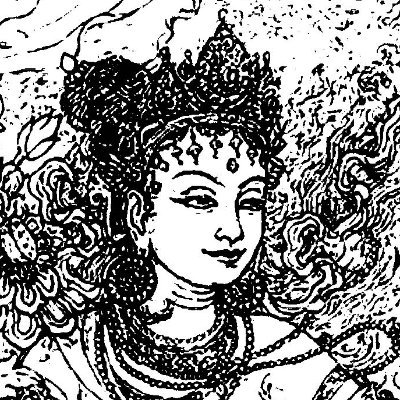
@useoneonly @breath_punctual @dhanyavisnu they occupy the highest pedestal in the newari caste system.
you must be aware of the kumari tradition where girls from only these two are taken.
English

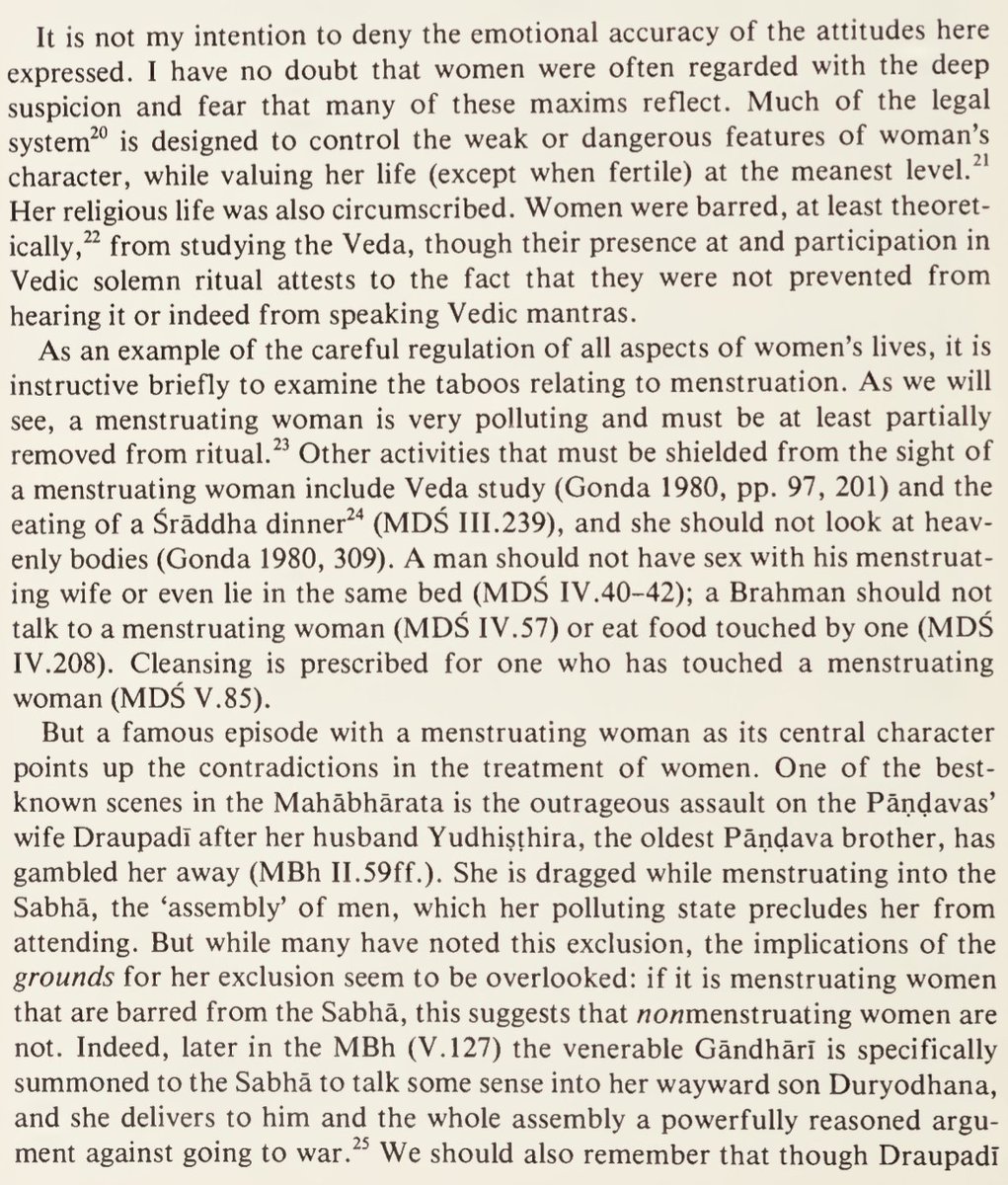
Quite fortunately for us a brilliant scholar who happens to be a woman has already made clear from her reading of the major foundation texts of Hinduism, the position and voice of women within it

dhanyaviṣṇu@dhanyavisnu
@opedimus @arya_amsha As a rule of thumb, you will never have a non-patriarchal social institution in pre-urban contexts. It's too easy to supercede the autonomy of a woman in other contexts, and so it will be the default mode.
English
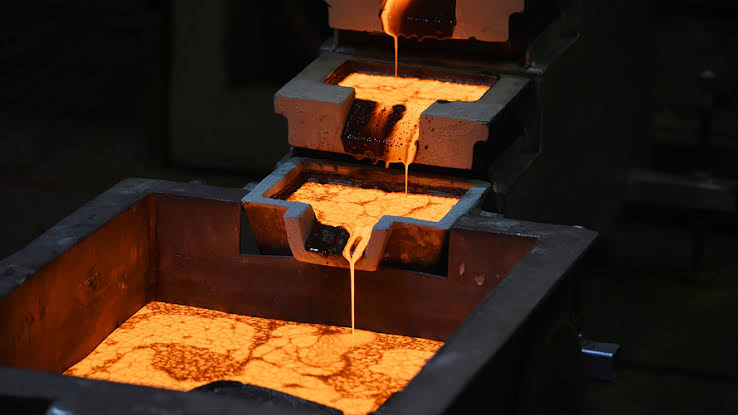
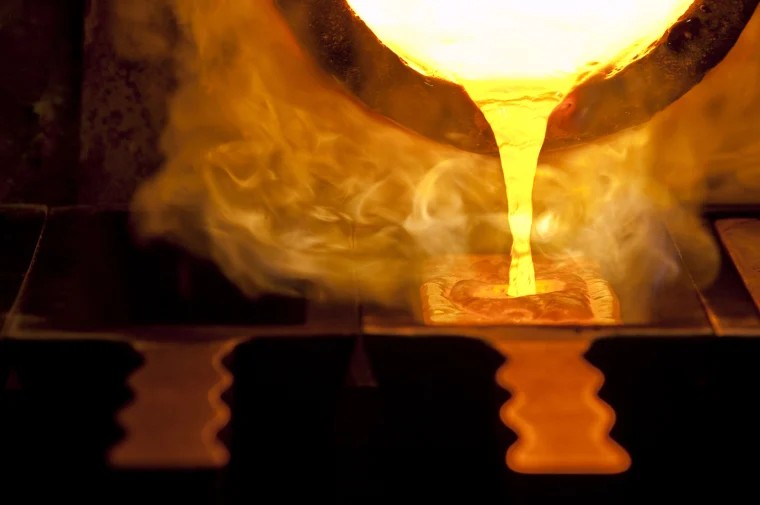
@Sri_Padmanaabha @shardula23 @surya_ardeshir @2Gaudadhipati It's white when hot and changes color as it cools
English

English

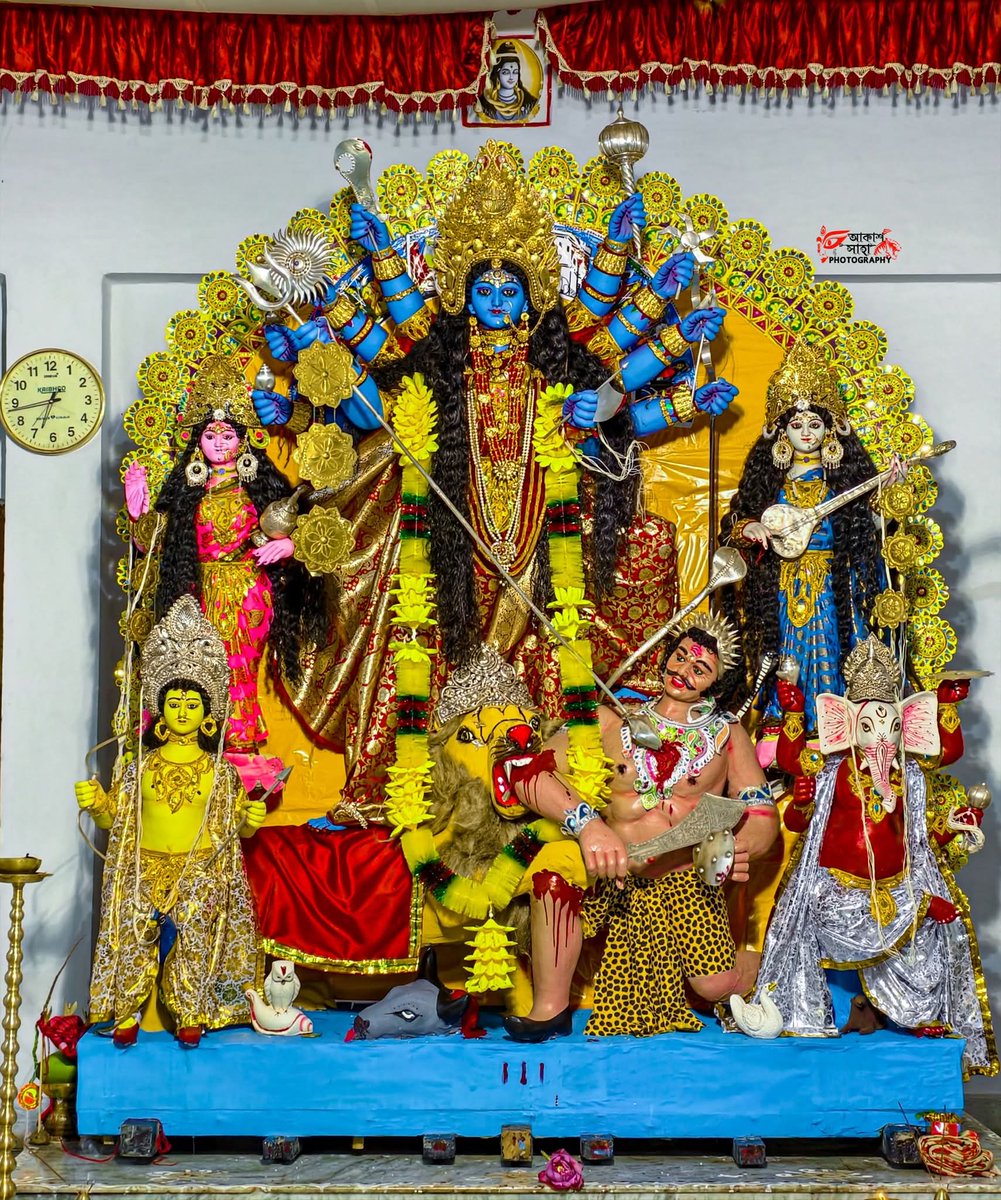
There are certain pockets in Bengal (like this one from Krishnanagar) where Dasabhujā Katyāyani (Durga) vigraha is made in accordance with dhyana "Atashipushpavarnabhām". Most icons are made with slight bheda of that dhyana i.e "taptakānchanavarnābhām)
Română
I'm pretty sure there's not a single text that describes itself in anything that resembles "Buddhist Hybrid Sanskrit". That's a scholarly term for Sanskrit texts within a Buddhist milleu that display large amounts of Prakrit features (to the point of being Sanskritized Prakrit)
Archaeology Of Āryāvarta@SSundar55252
The Spitzer Manuscript is often said to be in “Buddhist Hybrid Sanskrit.” However, a fragment reads “ucchāryetu saṃskṛt mitya”—clearly referring to Sanskrit. If it were truly hybrid, terms indicating mixture would appear, but instead it directly mentions Sanskrit.
English
@breath_punctual @siyonius @dhanyavisnu Is the Sarvamnaya only prominent among Newars and always intertwined with their Vajrayana?
English

There are multiple layers or strands whatever you call it
1. Shamanistic systems of Western Nepal
2. The religiousity of the Rai/Limbu and the strands within them
3. Newar Vajrayāna and Sarvāmnāya
4. Shah era Traipura smārta-tantricism
5. The Vajrayāna of the Tibetan refugees
6. Vajrayāna as noted by Sherpas and Gurungs
7. Maithili stuff strongly intermingling with (4) in my experience
Română
@siyonius @breath_punctual @dhanyavisnu Wait are the Bajracharya-s and Shakya-s not Buddhist by caste?
English
@breath_punctual @useoneonly @dhanyavisnu agree except i'll take sarvāmnāya & filter out the vajrayāni bauddhas as we won't ever take a blessing from a gubhaju.
yeah majority of bajracharya/shakya/shrestha are embedded in the vajrayāni teachings so it is understandable.
English
@pArAsharyAyaNa Very interested in seeing the text published/transcribed. Wonder what exactly is in the common rituals
English
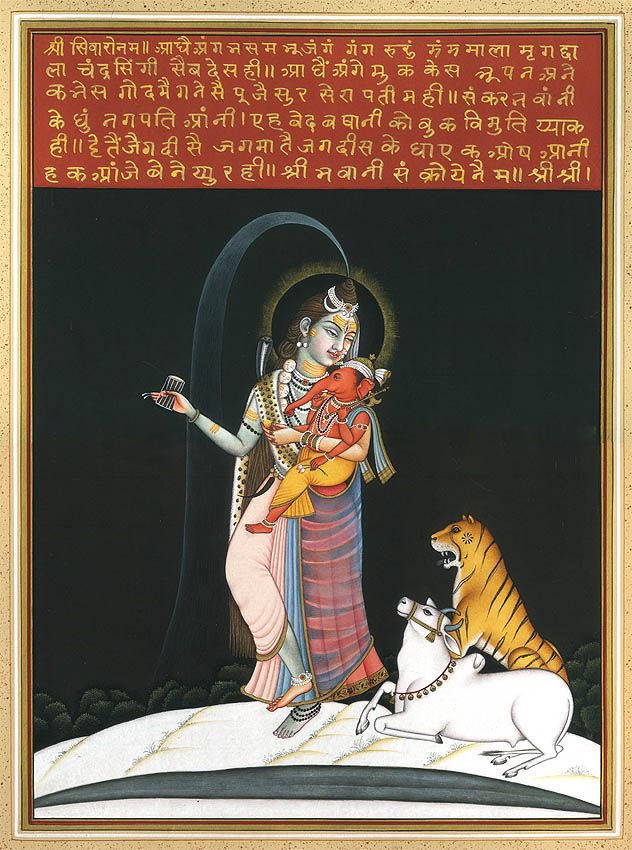
Gaṇēśajanaka Ardhanārīśvara ?
Or, Gaṇēśajananī Ardhanarīśvarī ?
Latviešu