Ildiko Velency

22.8K posts

Ildiko Velency banner
Ildiko Velency

Ildiko Velency

@IVelency

⚜️🌶ELEVEN Ember made Bitcoin🌶⚜️

Terembura alatt 加入时间 Mayıs 2022
284 关注789 粉丝
置顶推文
Ildiko Velency
Ildiko Velency@IVelency·
The Real 10 Antediluvian Kings (#TormaZsófia’s original 1891–1894 calculation) 1️⃣ Alulim 28 800 → 28 800 days = ~79 years 2️⃣ Alalgar 36 000 → 36 000 days = ~98 years 3️⃣ En-men-lu-ana 43 200 → 43 200 days = ~118 years 4️⃣ En-men-gal-ana 28 800 → 28 800 days = ~79 years 5️⃣ Dumuzi 36 000 → 36 000 days = ~98 years 6️⃣ En-sipad-zid 28 800 → 28 800 days = ~79 years 7️⃣ En-men-dur-ana 21 000 → 21 000 days = ~57 years 8️⃣ Ubara-Tutu 18 600 → 18 600 days = ~51 years 9️⃣ Ziusudra = Noah → Flood survivor 𒍣𒌓𒋤𒁺, romanized: Ṣíusudrá [ṣi₂-u₄-sud-ra₂], Neo-Assyrian Akkadian: 𒍣𒋤𒁕, 🔟 Gilgamesh = Nimrod → historical king ~2750 BC Gilgamesh/Nimrod (/ˈɡɪlɡəmɛʃ/,[7] /ɡɪlˈɡɑːmɛʃ/;[8] Akkadian: 𒀭𒄑𒂆𒈦 romanized: Gilgāmeš; originally Sumerian: 𒀭𒄑𒉋𒂵𒎌, Total pre-Flood: 241 200 “years” = 241 200 days = only ~660 real years 7000-year-old truth. Still here.
Ildiko Velency tweet media
English
5
1
7
5.5K
Ildiko Velency
Ildiko Velency@IVelency·
Strengthen Christian values in education and upbringing (schools, youth programs). But this also requires strong rule of law: swift punishment for fraud so that consequences teach as well. Religion helps most when paired with responsible governance and strong institutions. Final summary: If everyone were sincerely Christian from the heart (not just in name), it could genuinely reduce fraud and increase trust — because real faith can transform character. But in reality, religiosity alone is not enough. Nigeria already has many believers, yet the problem remains deep. The real solution is the combination of faith + action: inner transformation + practical systems + leading by example.This is not a quick fix — it is a process that takes years. Many Nigerian Christians are already working on this in businesses, churches, and communities. If you are on this path, you can start with yourself and your immediate circle: be trustworthy, build ethical .
English
0
0
1
7
Ildiko Velency
Ildiko Velency@IVelency·
Christianity percentage to the most recent estimates (~43–46% Christian population in Nigeria)These problems make many people with capital afraid to start local businesses that create jobs. Instead, they prefer to invest in real estate or foreign assets.This is an understandable desire. Christian teaching — for example, “You shall not steal,” “Love your neighbor as yourself,” and “Be faithful and just” — strongly emphasizes honesty, strong work ethic, trust, and responsibility. Historically, Christianity has contributed to education, healthcare, social care, and the spread of certain moral values in Nigeria. Many Christian entrepreneurs successfully build businesses on ethical foundations, and genuine faith can motivate people toward better behavior.Why is this not the complete solution?Nigeria is already a very religious country, with Christians making up roughly 43–46% of the population (mostly in the south), and many practicing their faith fervently, especially in Pentecostal and charismatic churches. Yet corruption, theft, and low trust remain high — not only among non-Christians, but also among many believers.Religion by itself does not automatically guarantee moral behavior. Studies across Africa (including Nigeria) show that high religiosity can coexist with high corruption when institutions are weak (rule of law, courts, police). Sometimes religion is “instrumentalized”: sermons are used for material gain (the prosperity gospel), or financial misconduct and leadership abuse occur even inside churches.🤬 In many cases, the “Christian” label does not automatically change a person’s heart motivation or survival mindset (driven by poverty and unemployment — the idea of “I must do whatever it takes to survive”). There are examples of church employees or congregation members who still steal when strong internal controls are absent.Forcing or pressuring “everyone to become Christian” would also contradict core Christian teaching, which emphasizes free will and heart-level conversion. It would likely increase tensions in a multi-religious country (the north has a strong Islamic presence, and traditional religions still exist).In summary: Christianity can have a positive impact on individual morality and community life, but it is not a magic solution to deep socio-economic problems. Many Christian-majority countries (for example, in Latin America or parts of Africa) still face serious issues with corruption and trust when strong institutions, education, and practical systems are missing.A more realistic, Christian-spirited approach to the trust deficit and fraudIf the goal is to strengthen Christian values (honesty, faithfulness, hard work, and love for neighbor) in the economy, we can move forward with these steps — not by forcing everyone to become Christian, but by practically applying the faith:1. Personal and church level — heart-level change True Christianity is not just Sunday worship; it is daily life. ♦️👌🐎✨️ Teach and live integrity: “Anyone who has been stealing must steal no longer, but must work, doing something useful with their own hands, that they may have something to share with those in need” (Ephesians 4:28). In churches, emphasize workplace ethics, loyalty to employers, and the responsibility of business owners (fair wages and good treatment). Many successful Nigerian Christian entrepreneurs do exactly this: they lead by example and hire people who share these values.2. Business level — faith + practical wisdom Don’t just pray that people won’t cheat — build systems (digital accounting, CCTV, separation of duties, regular checks). This is not a sign of distrust; it is good stewardship (the Bible also teaches us to be wise with what is entrusted to us). Start small, test people, and reward loyalty. Many Christian businesspeople have scaled successfully this way.3. Community and church level Churches can help by creating Christian business networks (support one another), 🧶
English
1
0
1
31
Joseph Brendan
Joseph Brendan@Joe_brendan_·
One of the reasons poverty is deep in Nigeria is this The people we meet daily are dishonest, lying, satanic demons who believe their only way to success is to cheat you I know at least 2 people who can open 10 barbing salons, get cars for Uber, open shops, etc etc. They have the money to do so But they are refusing to open one business because the employees will cheat them as they have always done So many people with money are on this table. they are scared of opening businesses that will employ people and reduce poverty because the people that will be employed will come with the mindset to steal and wreck things Everyone is tying up their money in real estate, stocks, REITS in America, etc. Nobody is creating Jobs. The average Nigerian does not trust the average Nigerian
English
224
599
1.7K
121.8K
Ildiko Velency
Ildiko Velency@IVelency·
In summary: The solution is not expecting everyone to become an “angel” overnight. It is to reduce the opportunity for cheating (through systems and technology), increase the cost of cheating (real consequences), and build a better culture over the long term (education + leading by example). Many countries (especially Asian success stories) escaped similar traps through strong institutions, hard work, and merit-based systems.This won’t happen quickly — it may take years. But if more entrepreneurs start operating this way and their success becomes visible, the “everyone cheats” mindset can begin to change. Continuing as we are today only guarantees deeper poverty.
English
0
0
0
8
Ildiko Velency
Ildiko Velency@IVelency·
This directly hinders job creation and deepens poverty.This is not just about “satanic demons.” It is a vicious cycle: High unemployment + poverty → desperation and short-term survival strategies (cheating) → business owners withdraw → even fewer jobs → more poverty and distrust.Culture also plays a role. In many places, “cleverness” or “smartness” has become synonymous with cheating others, and weak institutions (poor law enforcement and corruption) reinforce this behavior. What is the solution? – A realistic, multi-level approachThere is no single magic fix, because this is a deep cultural, economic, and institutional problem. But here are practical steps that can work, based on experiences from other countries and successful Nigerian examples:1. At the business owner level: Protect yourself with systems and technology, not just trust Don’t rely only on family members or “trusted” people — this often backfires. Implement basic internal controls: Separate duties (cash handling ≠ bookkeeping ≠ approval). Do regular stocktaking and daily/weekly reconciliations (cash + inventory checks). Go digital: Reduce cash transactions with POS, mobile payments, and accounting software (like QuickBooks or similar local tools). These create an audit trail, making fraud much harder to hide. Many reports say this is one of the most effective low-cost ways to fight fraud. Install CCTV at key points (shop, warehouse). Do background checks (past employment, references, guarantors). Use performance-based pay + bonuses for good behavior, but make it clear that proven fraud leads to quick dismissal. Start small: Prefer automated or low-labor business models (tech services, franchise models) before hiring large teams. Successful Nigerian businesses (e.g., certain banks and tech companies) scaled up precisely because they introduced strong systems and professional management early, instead of staying founder-centered.2. At the cultural and educational level: Long-term change Teach ethics and integrity in schools, universities, and entrepreneurship programs — emphasize honesty as a core value, not just “survival.” Religious and community leaders can help, as many Nigerians are deeply religious. This influence can be channeled positively. Promote success stories: Highlight entrepreneurs who built businesses ethically through merit, fairness, and good treatment — and ended up with loyal staff. Improve workplace culture: Better wages, benefits, and fair treatment can reduce the “I must steal to survive” mindset — but this only works if the owner sets a good example. 3. At the institutional and government level (the hardest, but essential) Stronger law enforcement: Faster court processes for fraud cases so that there is no culture of impunity. Support for MSMEs: Government or NGO programs that offer free training on fraud prevention and digitalization, plus guarantees or matching funds for businesses with strong internal controls. Better business environment: Reduce overall corruption and bureaucracy — because if the big system is corrupt, why wouldn’t people do the same at the bottom? Job-creating incentives: Tax breaks or credit programs for businesses that show low staff turnover and good governance. 4. At the individual and community level Those with capital: Start small, test the model with strict controls, then scale. Or invest in sectors with lower theft risk (tech/services rather than cash-heavy retail). Community pressure: Create local business networks to share “good” and “bad” employee experiences (ethically and legally) or organize joint training. Building trust takes time: Start by being trustworthy yourself — pay on time, keep promises, and be transparent. Over time, this attracts like-minded people.
English
1
0
0
17
Lars
Lars@Lars_Hansen_86·
Det her skal nok blive et hit snart #remigration
Lars tweet media
Dansk
3
2
18
107
Lars
Lars@Lars_Hansen_86·
Orbán is the only European leader protecting his people from the crisis; all others are watching it happen without taking action. In Denmark, we have no leaders addressing the situation at all. We are being sodomised by our own elected leaders, they are throwing us to the lions, which should mandate rebellion at some level alteast. #dkpol
GIF
English
2
0
6
74
Zoltan Kovacs
Zoltan Kovacs@zoltanspox·
⚠️ @PM_ViktorOrban: Europe is facing a serious energy crisis, and every day counts. We must lift sanctions, restore supply routes, and protect families from rising prices. Hungary needs stability, not costly energy experiments.
English
47
125
402
6.7K
Ildiko Velency
Ildiko Velency@IVelency·
@wvandenbroek @PM_ViktorOrban 💸💸💸💸💸💸💸💸💸💸💸💸💸💸💸💸💸💸💸💸💸💸💸💸💸💸💸💸💸💸💸💸💸💸💸💸💸💸💸💸💸💸💸💸💸💸💸💸💸💸💸💸💸💸💸💸💸💸💸💸💸💸💸💸💸💸💸💸💸💸💸💸💸💸💸💸💸💸💸💸💸💸💸💸💸💸💸💸💸💸💸💸💸💸💸💸💸💸💸💸💸💸💸💸💸
QME
0
0
0
9
Orbán Viktor
Orbán Viktor@PM_ViktorOrban·
Absurd, isn’t it? On a Christian continent, those who stand for peace are vilified, while those who support war claim the moral high ground. Every week, 9,000 people are killed or maimed. I will keep fighting for what I know is right: we need PEACE now! 🕊️
English
278
890
4.8K
57.7K
Ildiko Velency
Ildiko Velency@IVelency·
@PM_ViktorOrban Being Hungarian in Western Europe is dangerous. The question is, are you Human or not Human ?
English
0
0
0
23
Balázs Orbán
Balázs Orbán@BalazsOrban_HU·
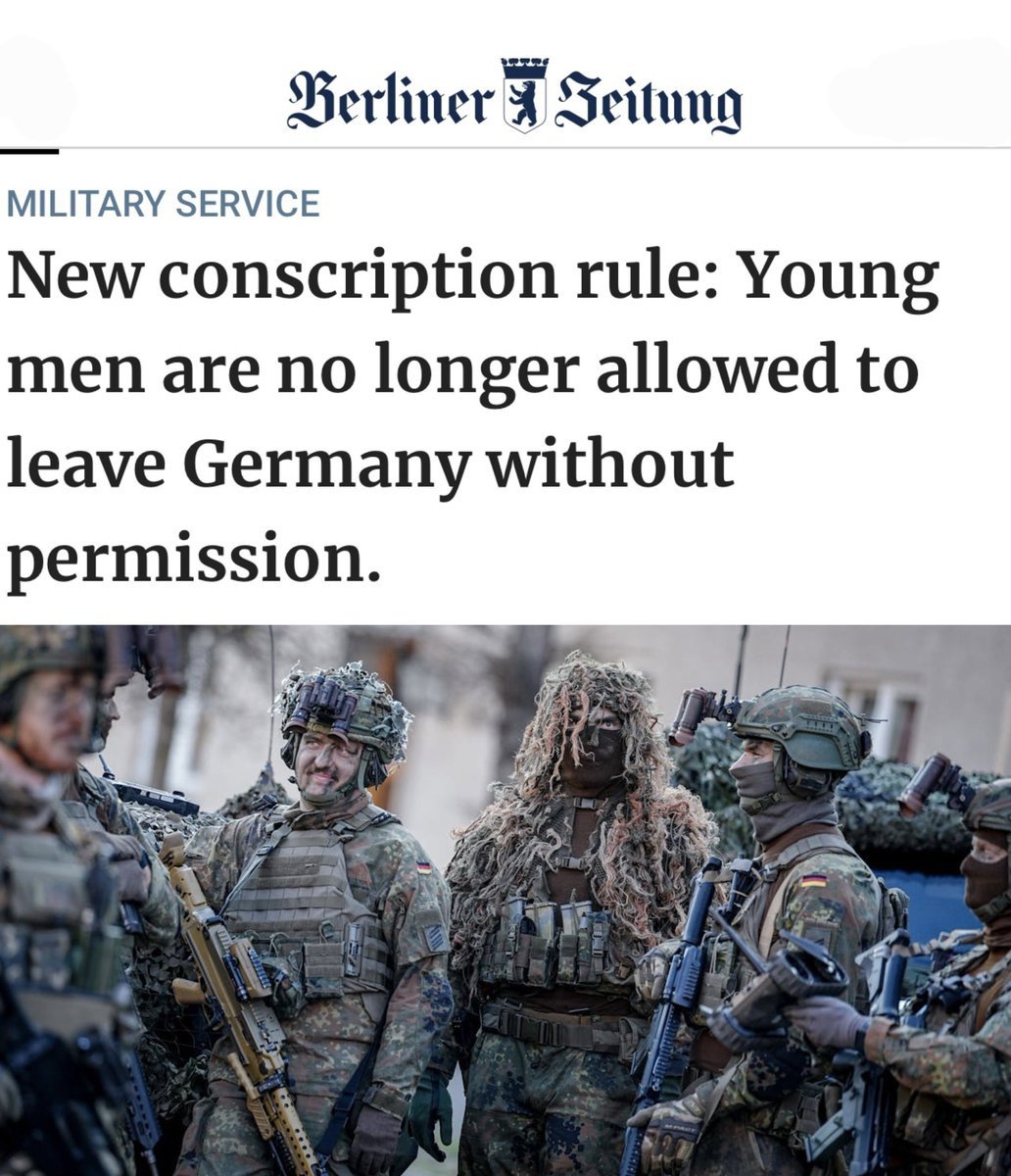
‼️SHOCKING‼️🇩🇪 Germany is restricting travel for men aged 17–45 in the name of military readiness. Berlin and Brussels are deliberately steering Europe toward long-term war: war economy transition, cutting off Russian energy despite a global energy crisis, sanctions escalation, and fast-tracking Ukraine. 🇭🇺 Hungary rejects this direction and remains one of the last voices for peace in Europe. As long as Hungary has a patriotic government, we refuse to give in to pro-war agitation.
Balázs Orbán tweet media
Mario Nawfal@MarioNawfal

🇩🇪 Germany just did something that would’ve sounded absurd a few years ago: restrict travel for men aged 17–45 in the name of military readiness. Let that sink in. In a country where militarism is treated like a historical trauma, carefully contained, politically radioactive, and socially taboo, Berlin is now quietly laying the groundwork for something that looks a lot like pre-mobilization. For decades, Germany has been the anti-military power inside NATO. It outsourced hard power to the U.S, leaned on diplomacy, and kept its Bundeswehr underfunded and, frankly, underprepared. That was the deal. Economic giant, military minimalist. Now that deal is breaking. Russia’s war in Ukraine didn’t just redraw borders, it rewired Europe’s threat perception. And Germany, the continent’s economic engine, suddenly looks dangerously exposed. So Berlin is doing what it swore it wouldn’t: rebuilding the machinery of war readiness. Travel restrictions for military-age men are about control. They ensure that, if things escalate, the state knows where its manpower is, and can keep it there. It signals that policymakers are no longer asking if a larger conflict could happen in Europe…they’re asking how fast they could respond when it does. And you don’t introduce policies like this unless you think you might actually need them. Source: Berliner Zeitung

English
23
121
397
9.8K
Ildiko Velency
Ildiko Velency@IVelency·
@BalazsOrban_HU Smart, now every migrant will run away from Germany like rabbits, because they are afraid of their shitty lives, self-purification...
GIF
English
0
0
0
100
Bendleruschka
Bendleruschka@bendleruschka·
Can we please be finished with this immensely boring NASA-Artemis II psyop already? @NASA @NASAMoonBase Anons 🐸 know it’s all fake & ghey, and those who don’t by now, aren’t on X anyway, and are probably not interested or even following the story. 🐑🐑🐑 Just saying… 🥱😴
FLAT EARTH LIBRARY@FELibrary_

English
11
16
63
2.9K
𝔉🅰𝒏 Karoline Leavitt
🚨 BREAKING: A massive wave of U.S. Air Force C-17 transports, backed by KC-135 tankers, is crossing the Atlantic toward the Middle East — the largest deployment since the conflict started. Do you support Trump destroying Iran’s terrorist regime? A. Yes B. No
English
1.1K
740
2.5K
20.7K
Tekno△Viking-fella
Tekno△Viking-fella@_TeknoViking_·
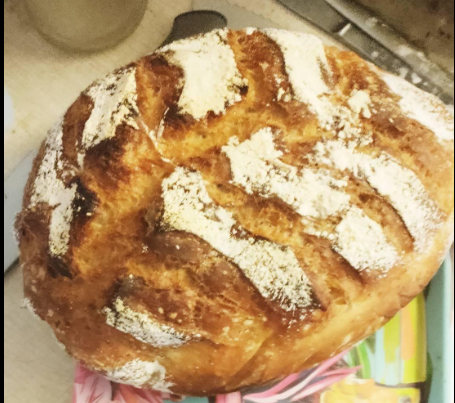
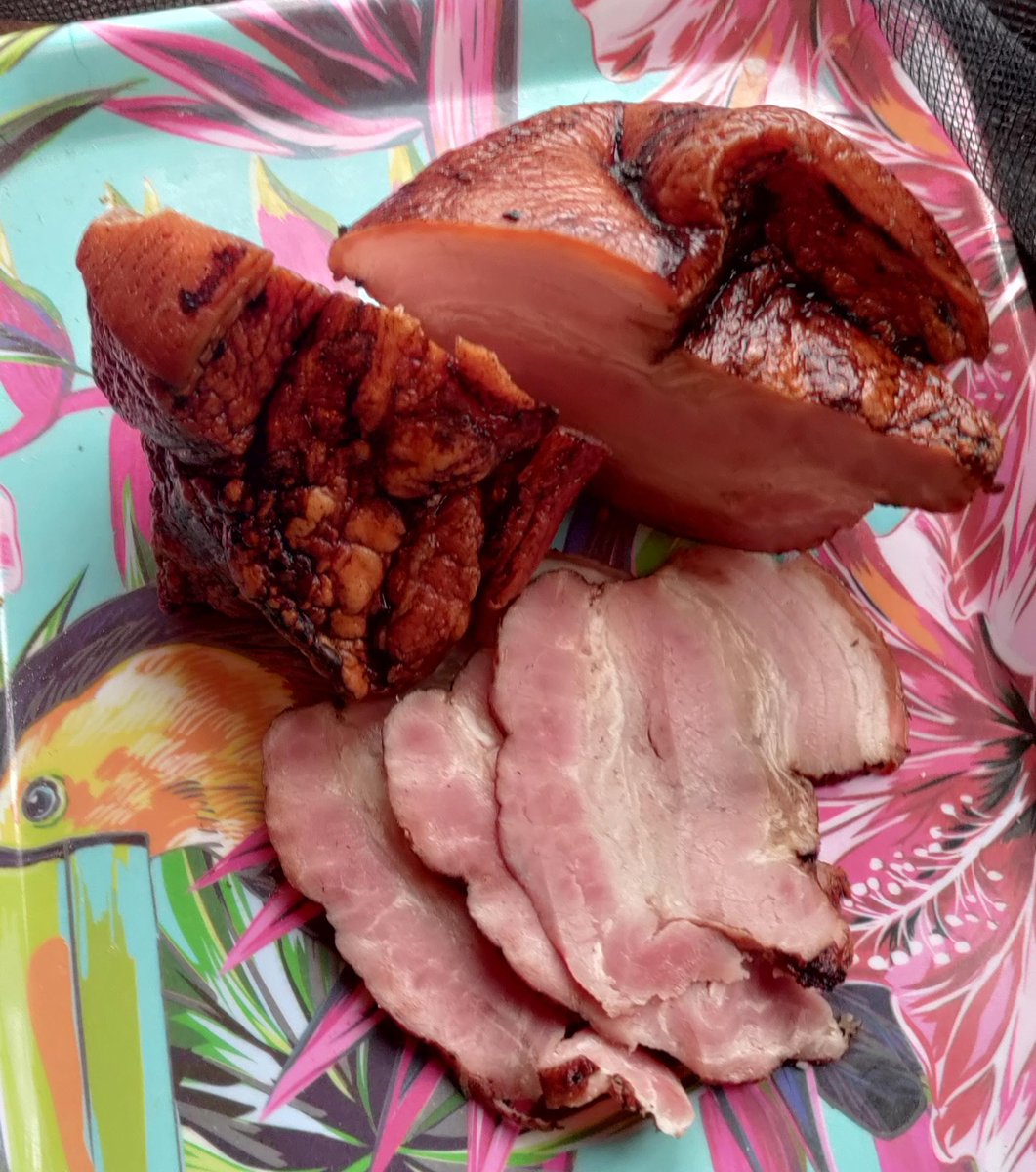
I kurwa love Polish food! "Boczec z komina", or "chimney bacon". Sandwiches were de-fucking-licious. DIY bread.
Tekno△Viking-fella tweet mediaTekno△Viking-fella tweet media
English
2
0
3
69
Ildiko Velency
Ildiko Velency@IVelency·
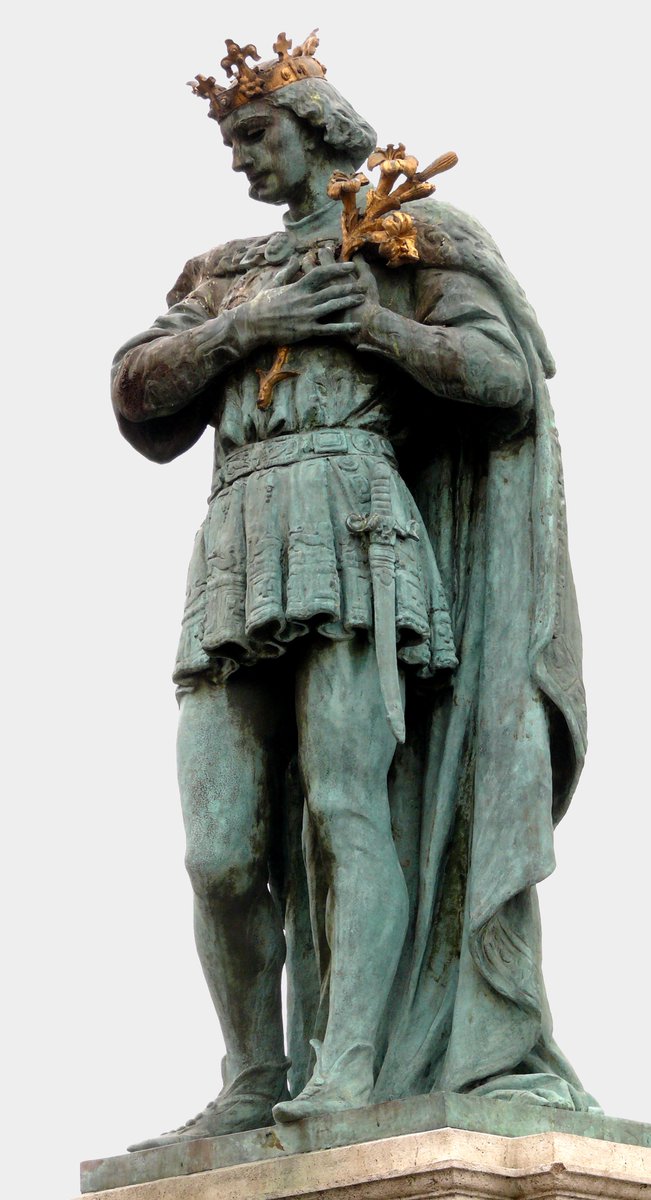
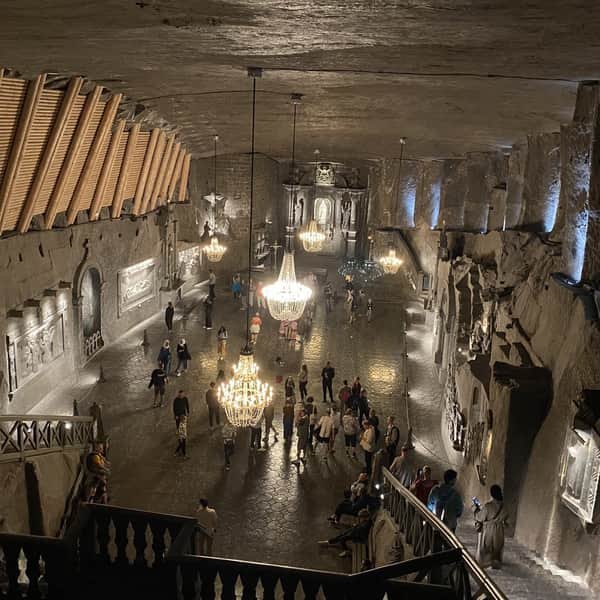
It comes from the place where the patron saint of the Poles, who saved the flies from hunger, Saint Kinga (1224–1292): The protector of the Polish people during the Tatar invasion, the patron saint of salt miners. From 1695, the patron saint of Poland, Pope John Paul II canonized her in 1999. Saint Hedwig (1374–1399): The daughter of King Louis the Great, who united the Polish and Lithuanian thrones as a Polish queen, and is known as the apostle of the Lithuanians. Saint Ladislaus father of St Eirene/ Piroska (1040–1095): so he is a symbol of Polish-Hungarian friendship, and the Day of Poles in Hungary is associated with his feast day (June 27).....
Ildiko Velency tweet mediaIldiko Velency tweet mediaIldiko Velency tweet media
English
1
0
1
8
David Garrett
David Garrett@david_garrett·
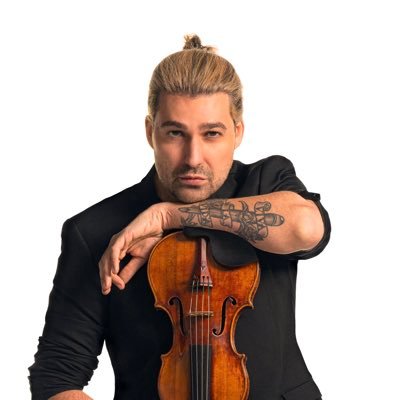
Still looking for an Easter present? 🐣 This summer we‘re performing Millennium Symphony on the greatest Open Air stages. Get your tickets now via the link on my website. 🎻 #Davidgarrett #millenniumsymphony #openair
English
20
24
114
3.5K
Ildiko Velency
Ildiko Velency@IVelency·
@MELANIATRUMP and I are delighted to announce that Their Majesties The #King and #Queen of the #UnitedKingdom will be visiting the United States on a historic state visit from April 27 to 30, which will include a magnificent banquet at the #WhiteHouse on the evening of April 28. This momentous occasion will be even more special this year as we celebrate the 250th anniversary of our great country. I look forward to meeting the King, for whom I have the utmost respect. It will be GREAT! DONALD TRUMP, PRESIDENT OF THE UNITED STATES OF AMERICA #Toth
Ildiko Velency tweet media
США по-русски@USApoRusski

Мы с Меланией рады объявить, что Их Величества Король и Королева Соединённого Королевства посетят Соединённые Штаты с историческим государственным визитом с 27 по 30 апреля, в рамках которого вечером 28 апреля в Белом доме состоится великолепный банкет. Это знаменательное событие станет в этом году ещё более особенным, поскольку мы отмечаем 250-летие нашей великой страны. Я с нетерпением жду встречи с королем, которого я глубоко уважаю. Это будет ВЕЛИКОЛЕПНО!   ДОНАЛЬД ТРАМП
ПРЕЗИДЕНТ СОЕДИНЕННЫХ ШТАТОВ АМЕРИКИ

English
0
0
0
50