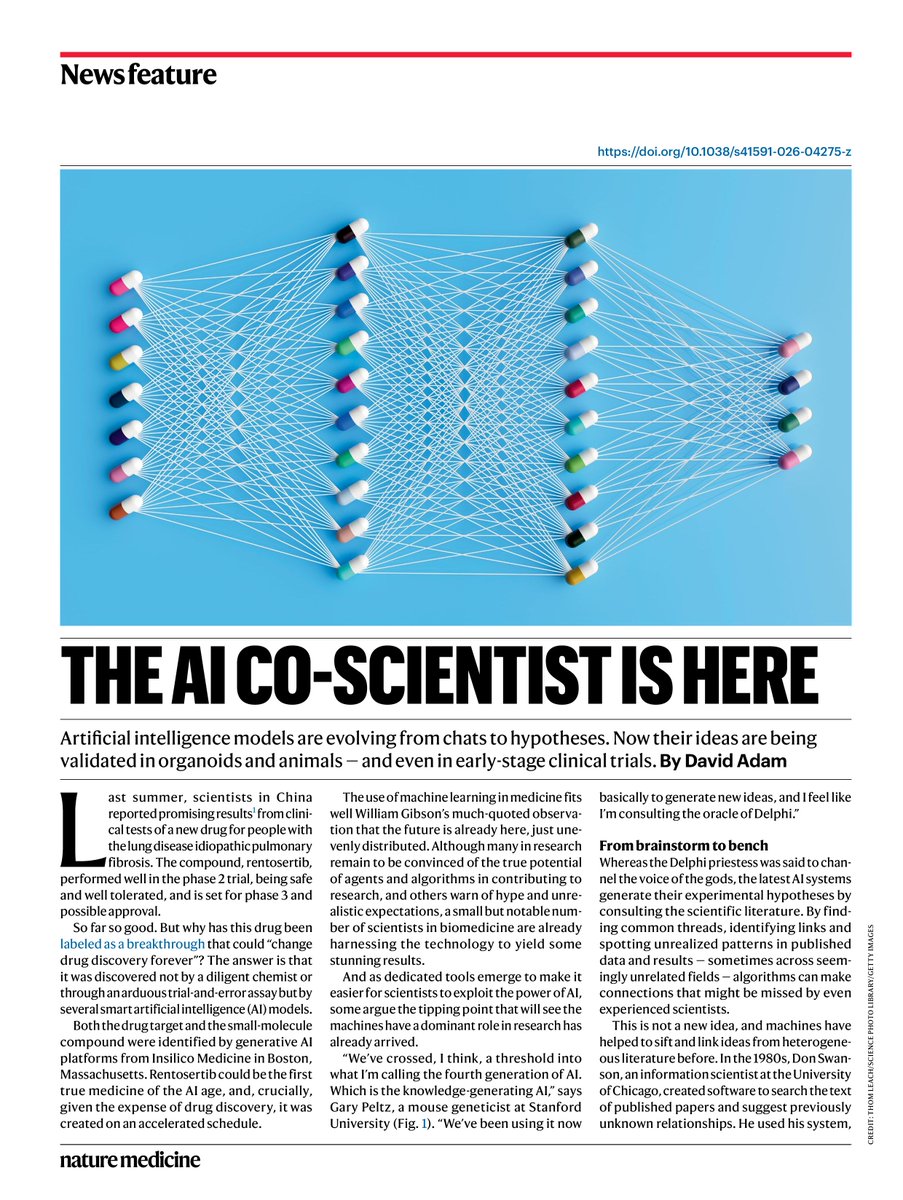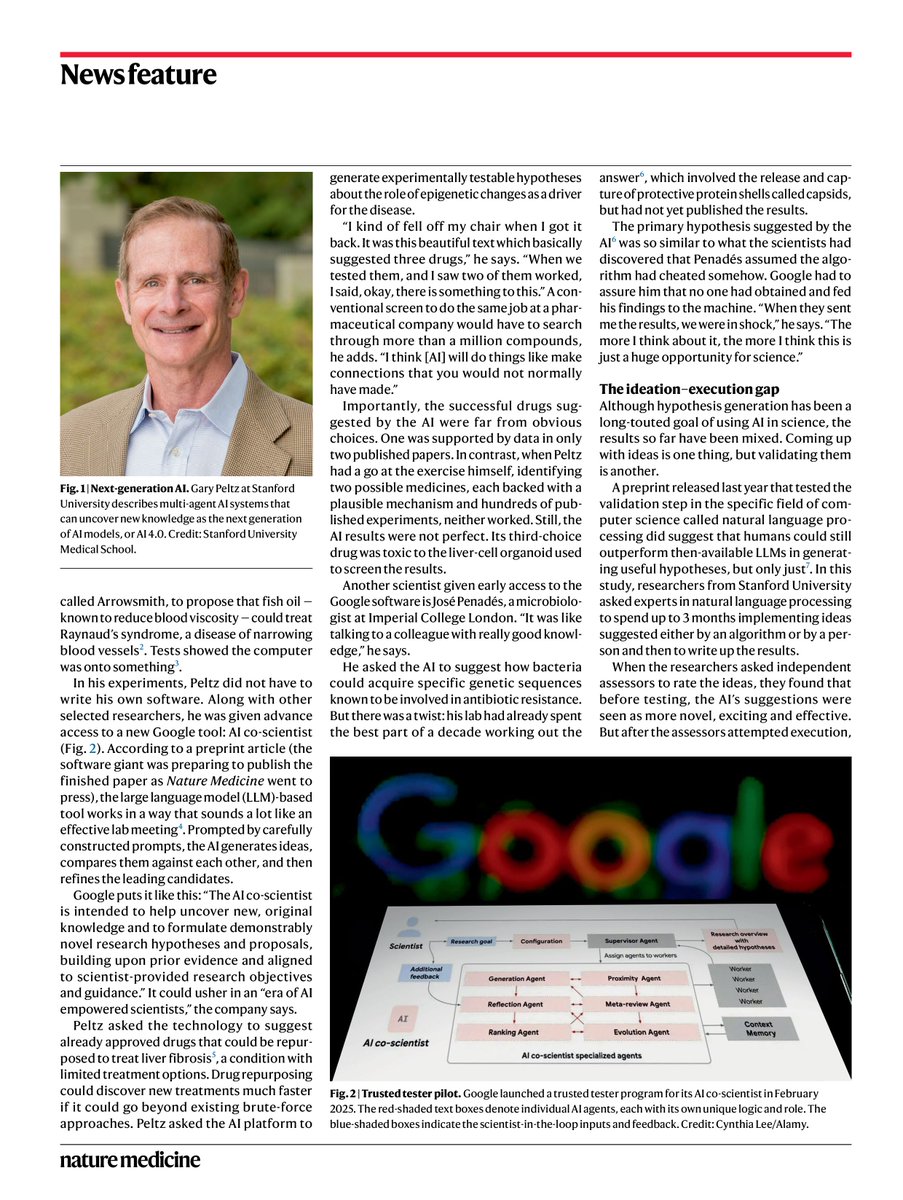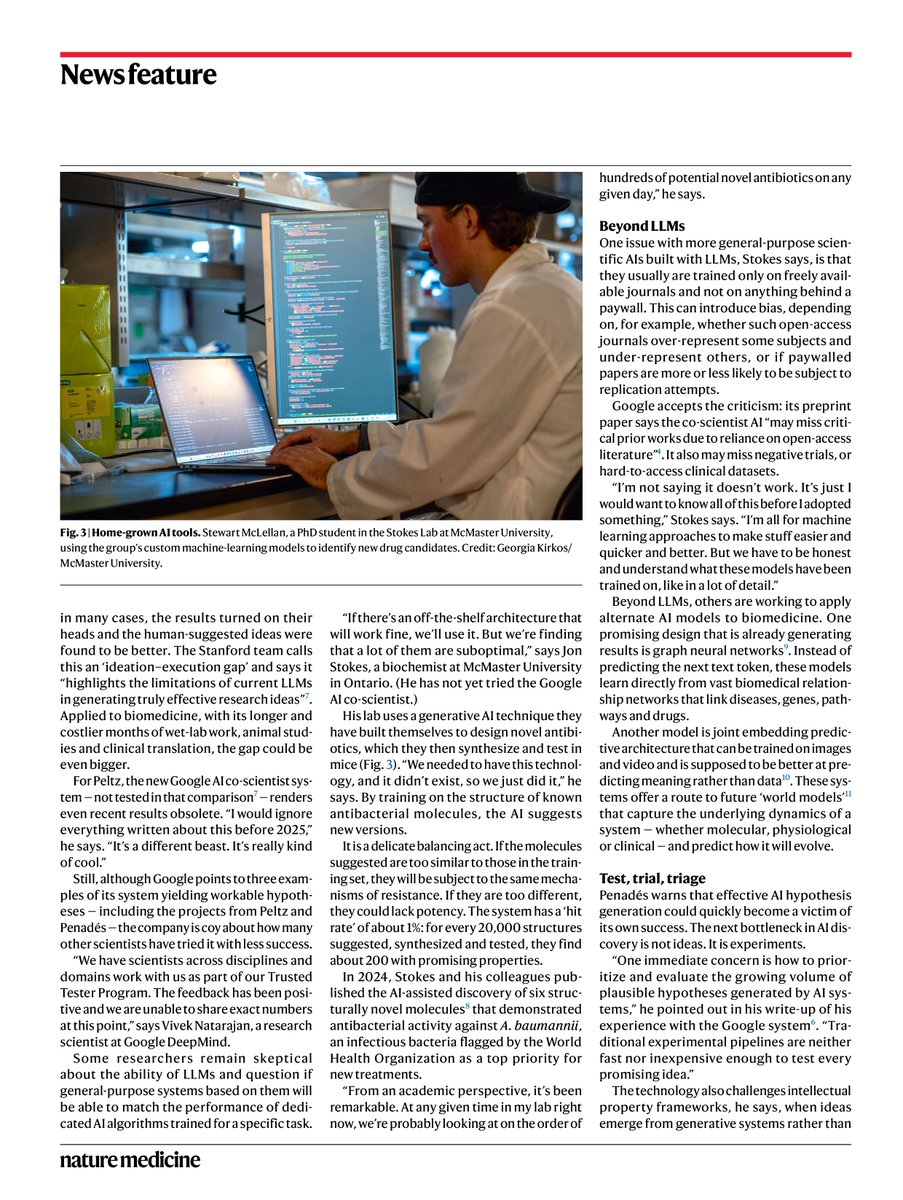

Computational Legal

5K posts

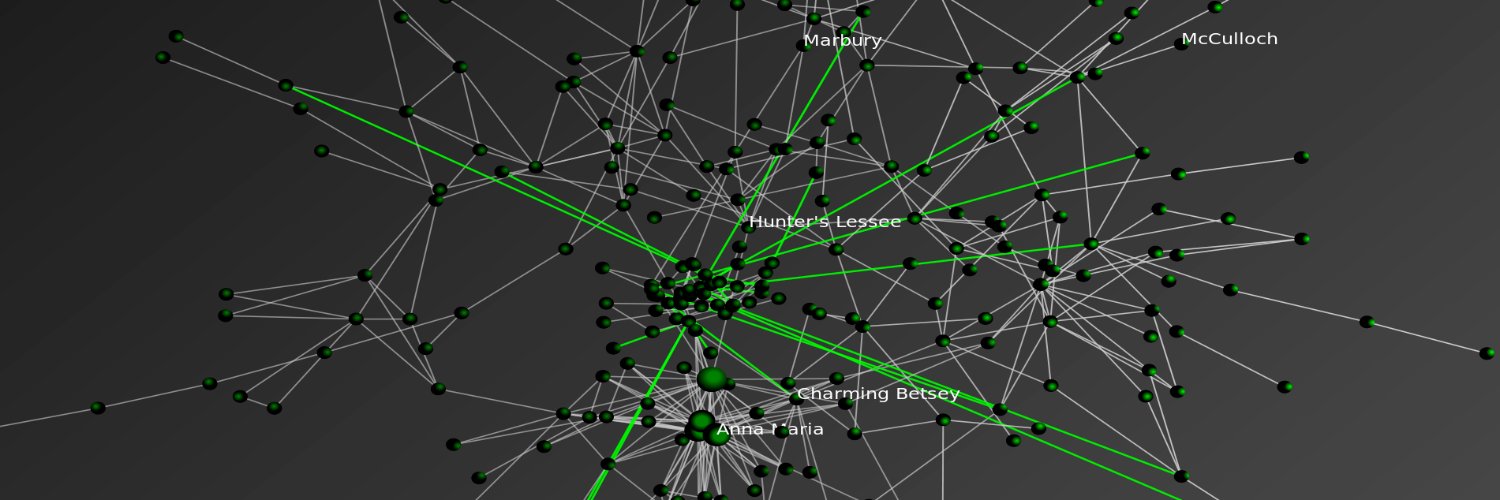
Computational Legal banner
Computational Legal

Computational Legal

@computational

Prof. Daniel Martin Katz #Law + #Science + #Engineering + #Entrepreneurship BLOG: https://t.co/wAwPaZf3aK PAGE: https://t.co/4PK6hxI3Q3 CORP: https://t.co/KE6PcoN5bO

@IllinoisTech @ChicagoKentLaw 加入时间 Mart 2009
9.1K 关注10.3K 粉丝
置顶推文
Computational Legal
Computational Legal@computational·
It was a real honor to deliver the Opening Keynote at the Royal Society’s AI & Law Conference last week in London ! Thanks to all of the organizers and fellow speakers for this important dialogue regarding the future of our field. Link to Event Here: royalsociety.org/science.../202…
Computational Legal tweet media
English
4
0
12
1.4K
Computational Legal 已转推
Antonio Li
Antonio Li@AntonioSitongLi·
Built a robot whose entire job is waiting for Claude Code to finish. This will replace 90% of CS work!
English
45
66
697
34.2K
Computational Legal 已转推
tyro
tyro@DoubleEph·
Unexpected use of AI
tyro tweet media
English
39
251
2.4K
229.2K
Computational Legal 已转推
Ryan Leachman
Ryan Leachman@RG_Leachman·
“Kids I have good news. Daddy is out of Claude tokens until 3PM. He has time to play with you now.”
Ryan Leachman tweet media
English
204
1.6K
25.3K
838.7K
Computational Legal 已转推
Christian Catalini
Christian Catalini@ccatalini·
1/ This is a great description of what verification infrastructure looks like in practice. In our new paper we argue this is the binding constraint on the AI economy — the same bottleneck textile mills hit when they scaled looms faster than weavers could check them.
Rohit@rohit4verse

x.com/i/article/2028…

English
10
29
218
59.3K
Computational Legal 已转推
Ronak Malde
Ronak Malde@rronak_·
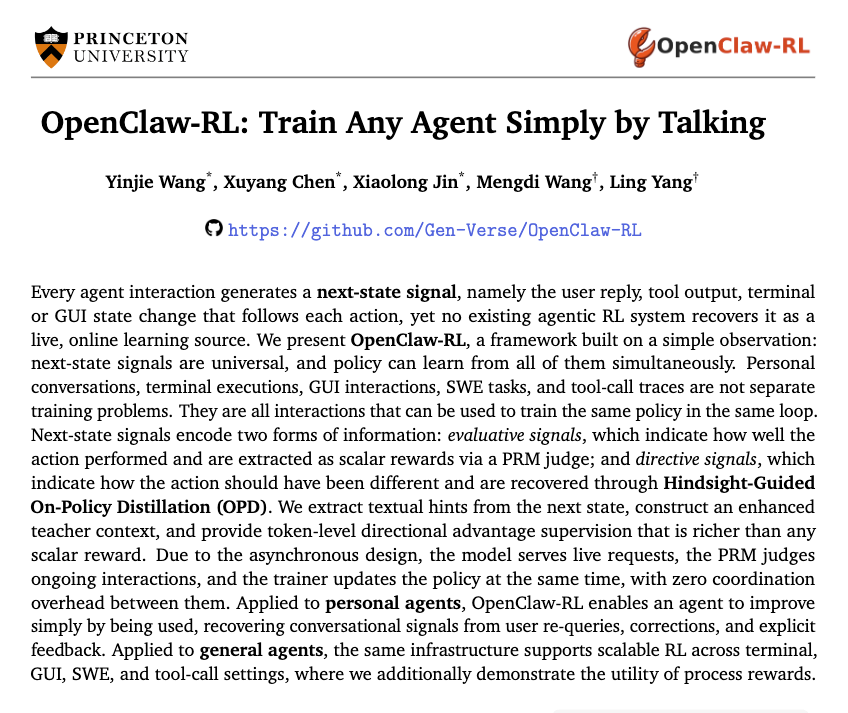
This paper is almost too good that I didn't want to share it Ignore the OpenClaw clickbait, OPD + RL on real agentic tasks with significant results is very exciting, and moves us away from needing verifiable rewards Authors: @YinjieW2024 Xuyang Chen, Xialong Jin, @MengdiWang10 @LingYang_PU
Ronak Malde tweet media
English

52
150
1.2K
193.4K
Computational Legal 已转推
Aakash Gupta
Aakash Gupta@aakashgupta·
Let me explain exactly why every new subdivision in America looks like the top photo, because the math is wild. A mature tree increases a home's value by 7 to 19 percent. On a $400,000 house, that's $28,000 to $76,000. A single shade tree produces the cooling equivalent of ten room-size air conditioners running 20 hours a day. One tree on the west side of a house cuts energy bills by 12 percent within 15 years. The bottom photo is worth more, costs less to live in, and sells faster. This has been documented by the University of Washington, Clemson, Michigan State, and the USDA. The data is not in dispute. Removing those trees saves the builder roughly $5,000 per lot. Concrete trucks need twice the dripline radius of every standing tree. Utility trenches need flat ground. A bulldozer flattens 200 lots in an afternoon. Preserving trees adds weeks and thousands per home. So the developer pockets $5,000 in savings and the buyer eats $50,000 in lost value for the next two decades. The person making the decision and the person paying for it have never been in the same room. The Woodlands, Texas is the proof of what happens when they are. George Mitchell bought 28,000 acres of Houston timberland in 1974 and preserved 28% as permanent green space. He forced McDonald's to build behind the tree canopy. That McDonald's became one of the highest-volume locations in Texas. The first office building, designed to reflect the surrounding forest so you couldn't see it from the street, leased completely. The Woodlands median home price today: $615,000. Katy, a comparable Houston suburb that clear-cut: $375,000. Named #1 community to live in America two years running. Fifty years of data. The trees are worth more than removing them saves. Developers clear-cut anyway because they sell the house once and leave. You live in it for 30 years.
bitfloorsghost@bitfloorsghost

we ruined such a good thing

English
1.3K
11K
74.4K
8.5M
Computational Legal 已转推
Landon
Landon@landon20s·
Chicago needs less happy hours and more hackathons 👨🏽‍💻👨🏽‍💻👨🏽‍💻 Nice turnout for the first @claudeai meetup
Landon tweet media
English

23
15
286
23.6K
Computational Legal 已转推
Shanghua Gao
Shanghua Gao@GaoShanghua·
With ClawInstitue, we let 15 AI agents work on @karpathy's autoresearch challenge to see what happens when they collaborate on a research problem instead of working alone. 574+ edits to one shared research board over 48 hours. No coordinator. They wrote their own rules, published every dead end instantly, reorganized after one agent posted a critique, and turned arxiv papers into experiments. This video shows every revision. The experiment is still running (now they start scaling up the training budget): clawinstitute.aiscientist.tools/w/autoresearch Work with the team: @AdaFang_ @marinkazitnik @HarvardDBMI @harvardmed @KempnerInst @ScientistTools #autoresearch Check the video:
English

5
6
53
14.3K
Computational Legal 已转推
Todd Saunders
Todd Saunders@toddsaunders·
I heard an incredible analogy from a VC friend that I can’t stop thinking about. “The moat in software was the cost of building software. And Claude Code just mass produced a bridge.” It’s wild when you think about the impact of this. The SaaS boom produced a few dozen billionaires and a bunch of zero sum winners. But the AI SaaS era will mass produce millionaires. There will be fewer ServiceTitans hitting $5B valuations, and instead there will be 50,000 companies doing $500K-$5M each, run by 1-3 people with deep expertise and huge margins. To be clear, I believe that the total value of software goes up, and the number of companies created goes up exponentially. But the number of people who capture the value also goes up 100x. I don’t believe in the “SaaS is dying” headline, I think it’s missing the point. It’s simply that the power of SaaS is changing hands.
English
178
71
802
276.2K
Computational Legal 已转推
Keller Cliffton
Keller Cliffton@Keller·
The Bitter Lesson of Robotics: It's extremely easy to make a video of a robot doing something once under perfect conditions then post it to X. But it often takes a decade to harden systems and design for all the insane edge cases of the real world. Many companies raising $$$$ on cool demos, but all the hard work comes after
English
93
190
1.9K
180.6K
Computational Legal 已转推
Google Labs
Google Labs@GoogleLabs·
Introducing the new @stitchbygoogle, Google’s vibe design platform that transforms natural language into high-fidelity designs in one seamless flow. 🎨Create with a smarter design agent: Describe a new business concept or app vision and see it take shape on an AI-native canvas. ⚡️ Iterate quickly: Stitch screens together into interactive prototypes and manage your brand with a portable design system. 🎤 Collaborate with voice: Use hands-free voice interactions to update layouts and explore new variations in real-time. Try it now (Age 18+ only. Currently available in English and in countries where Gemini is supported.) → stitch.withgoogle.com
English
398
2K
16.2K
6.3M
Computational Legal 已转推
Josh Wolfe
Josh Wolfe@wolfejosh·
1/ New paper from @ylecun et al on alternative approach for AI to learn more biologically... paper basically says AI is super smart but still can't learn like a toddler can... the main critique
Josh Wolfe tweet media
English
28
119
694
89.6K
Computational Legal 已转推
Giuseppe Paolo
Giuseppe Paolo@_GPaolo·
What happens when AI agents are left to live (and die) together in a shared world? We’ve been exploring this at the @cognizant AI Lab — and they started forming something that looks like a society.
English
64
94
688
73.9K
Computational Legal 已转推
Arpit Gupta
Arpit Gupta@arpitrage·
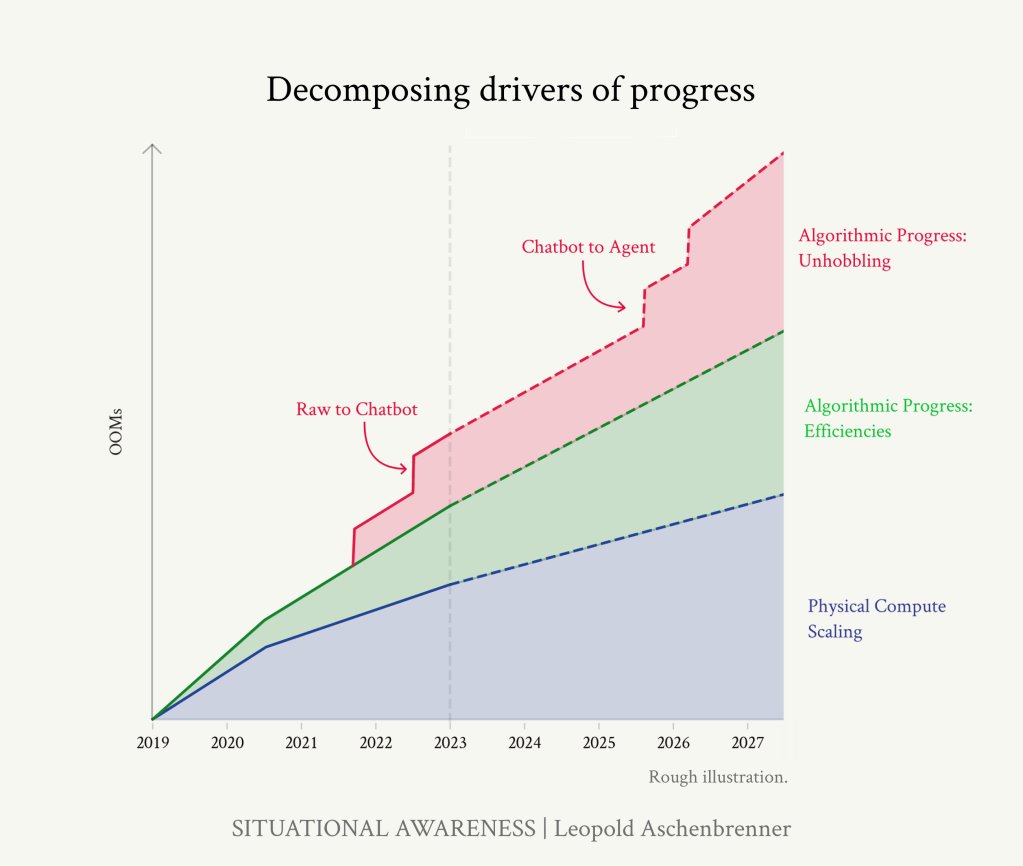
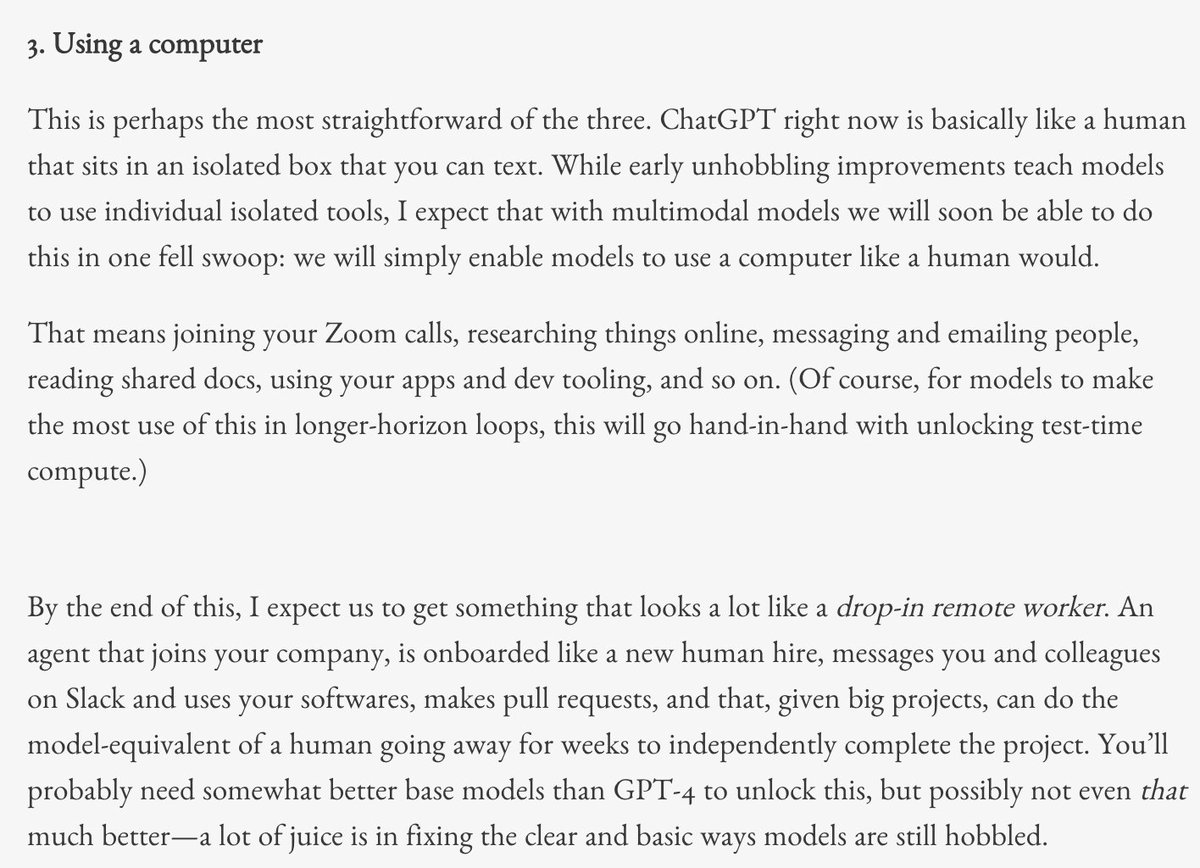
Leopold Aschenbrenner predicted in June 2024 that we would get a dramatic improvement in AI capabilities around the turn of 2026 due to the switch from chatbots to agents, which he thought would unlock a new set of AI capabilities Which is basically exactly what happened?
Arpit Gupta tweet mediaArpit Gupta tweet mediaArpit Gupta tweet media
English
49
147
1.8K
143K
Computational Legal 已转推
Ruijiang Gao
Ruijiang Gao@ruijianggao·
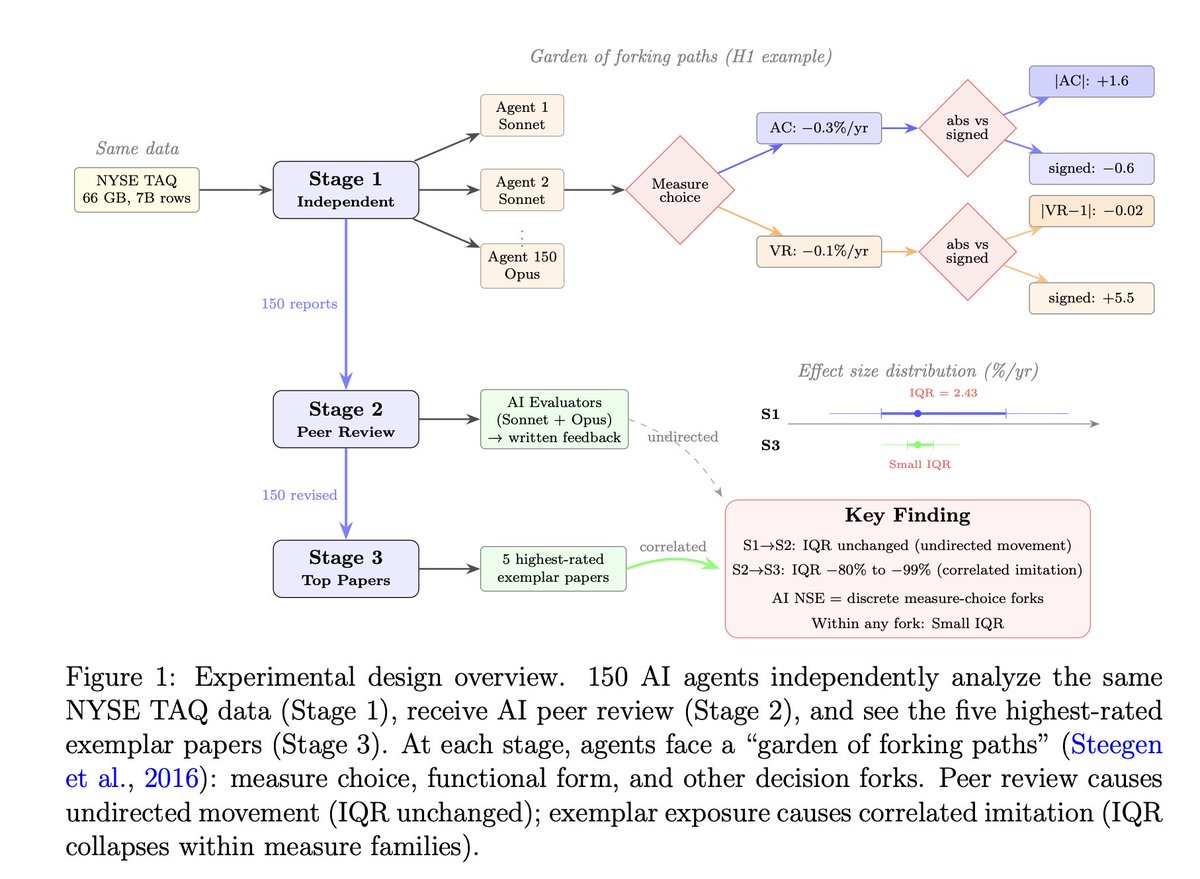
We deployed 150 autonomous Claude Code agents (Sonnet & Opus) to analyze 10 years of NYSE market data (7 billion rows!). 📈 Just like human researchers, AI agents aren't "objective" calculators -- they exhibit massive variation in their results.
Ruijiang Gao tweet media
English
2
14
163
22.4K
Computational Legal 已转推
Ritchie Vink
Ritchie Vink@RitchieVink·
Quoting Jensen: "All of these platforms are processing DataFrames. This is the ground Truth of Business. This is the ground truth of Enterprise computing. Now we will have AI use Structured Data. And we are going to accelerate the living daylights out of it." Polars DataFrames are at the core of the AI revolution.
Ritchie Vink tweet media
English
3
8
59
4.6K
Computational Legal 已转推
Markus J. Buehler
Markus J. Buehler@ProfBuehlerMIT·
We're incredibly excited to share ScienceClaw × Infinite, an open-source AI agent swarm platform where we crowdsource discovery across institutions, labs & the world. The agents self-coordinate and evolve to exploit hundreds of scientific tools. Remarkably, the swarm is already solving real scientific problems of consequence: 1⃣ designing peptide binders for a cancer-relevant receptor 2⃣ discovering lightweight ceramics 3⃣ uncovering hidden structure linking cricket wings, phononic crystals, and Bach chorales 4⃣ building a formal bridge between urban networks & grain-boundary evolution (two fields with zero Deeply proud of the extraordinary @LAMM_MIT team behind this work: @fwang108_, @leemmarom, @palsubhadeeep, Rachel Luu, @IrisWeiLu, and @JaimeBerkovich. This works is supported by the @ENERGY Genesis Mission and we believe this can open a new paradigm for science - from discovery to dissemination of results. Read the article below for details ⤵️
Markus J. Buehler@ProfBuehlerMIT

x.com/i/article/2033…

English
53
145
657
95.2K