
تغريدة مثبتة

Fristine Infotech
167 posts
@Fristinetech
Leading software service provider. Consultation | Implementation | On-going support. Advance Zoho Partner. Part of Digital Synergy Ventures Group
Congratulations, Team India 🇮🇳. T20 World Cup Champions. Samson's 89 mattered more than a hundred. Dube's 26* off 8 mattered more than elegance. Bumrah's 4/15 mattered more than headlines. India 255/5. New Zealand 159 all out. No one played for the highlight reel. Everyone played for the scoreboard. That's what separates a good team from a champion one. #TeamIndia #T20WorldCup




« The mother of all trade deals » We are closing in on the 🇪🇺🇮🇳 Free Trade Agreement. See you soon in Delhi.


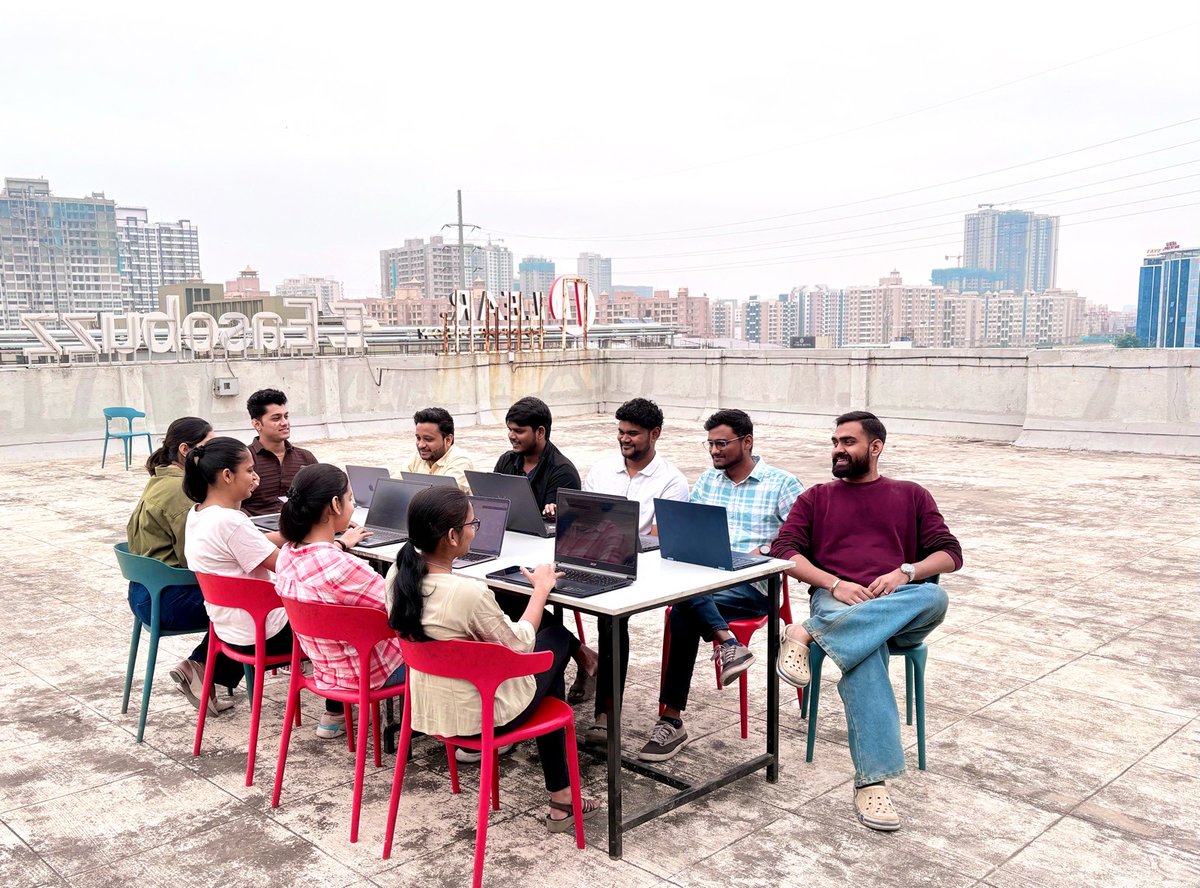


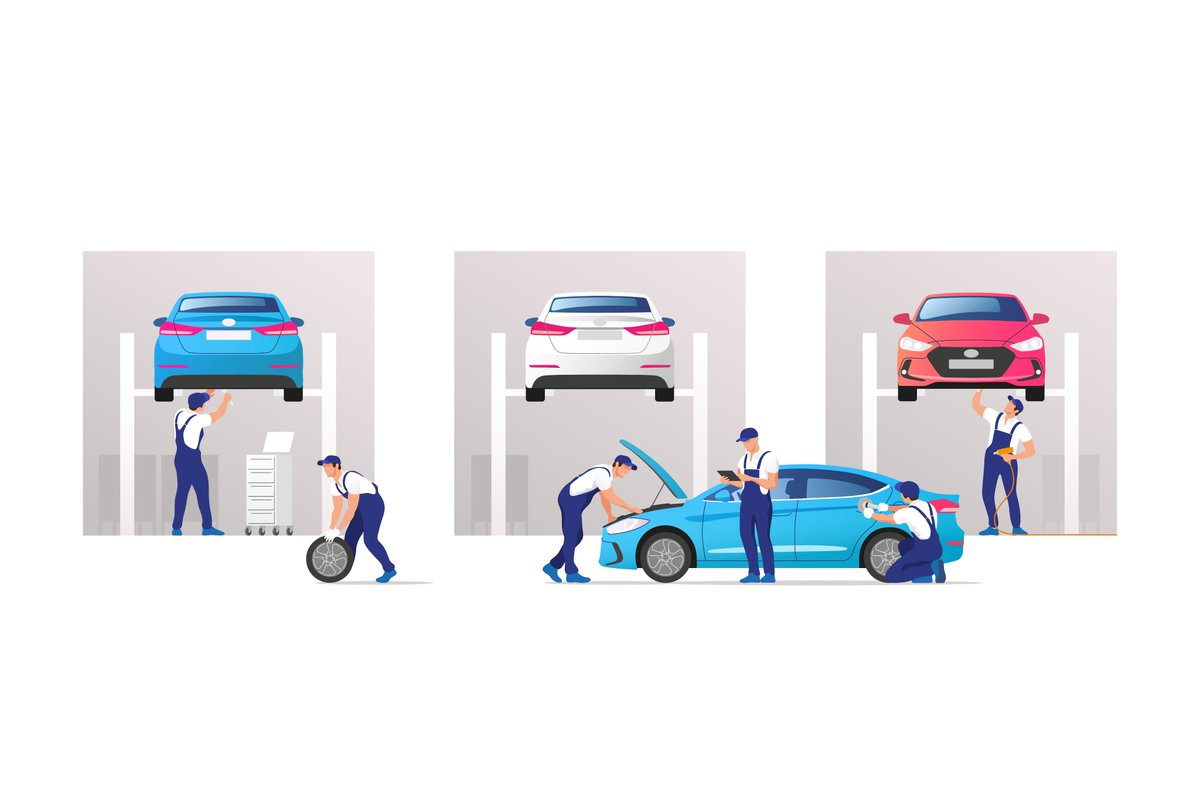
A solution built with and exclusively for @MercedesBenzInd. 😇 Our partnership has delivered SKYLine, a one-of-a-kind Dealer Management System that redefines their after-sales service. This decentralized DMS is transforming CX operations nationwide for the automotive giant, with real-time analytics and seamless HQ integration. Learn more here. 👉 zurl.co/Gs4wl


It showed how much of the web depends on one provider. Apps across social, finance, and productivity @Xero among them—felt the shock. And yes, the joke on X made the rounds: “the internet is just an AWS wrapper.” Funny, but also a useful mental model for dependency risk. My view as an operator: don’t overreact; design for concentration risk. What this incident reinforces: Correlated failure is the enemy. If your whole stack shares one failure domain, you’re accepting platform risk as business risk. User journeys matter more than components. Keep the ability to sign in, pay, and get support—even if everything else degrades. Governance over heroics. Clear RTO/RPO targets, practiced runbooks, and real drills beat “we’ll scramble if it happens.” Practical resilience patterns I’ve seen work: Split failure domains. Keep your primary on a hyperscaler, but maintain a minimal viable failover on an independent stack (e.g., @CatalystByZoho , which runs its own tech—from data centers to identity/security—so an AWS/Azure incident is less likely to share the same blast radius). Separate critical comms. Host status pages, essential forms/APIs, and support comms on the alternate stack to retain customer trust during an event. Data residency by default. For regulated markets, choose an alternate platform with on-shore regions to avoid scrambling during an incident. Cost discipline. Treat standby like insurance: lean, automated, regularly exercised—small steady cost, large downside protection. Handy checklist: List the flows that must stay up (auth, payments, help). Map them to a dual-provider design with explicit RTO/RPO. Automate cutover and rehearse it (tabletops + live tests). Measure what matters: user-visible SLOs during failover, not just infra metrics. To be clear, this isn’t “leave AWS” or “choose X over Y.” It’s about de-risking correlated outages. One viable approach is keeping a warm path on Zoho Catalyst because it’s a different stack with straightforward pricing and broad regional presence. The principle is vendor-agnostic: diversify failure domains, keep essentials alive, and practice the playbook. Outages will happen somewhere. The goal isn’t unbreakable; it’s graceful degradation that protects users, revenue, and trust. #AWS