تغريدة مثبتة
Boom 💥
19.9K posts

Boom 💥
@LoveCodeTrade
San Francisco born 🌉 Fathering two boys, context engineering, and writing political poetry to inspire my neighbors.

San Francisco (my land) انضم Mart 2022
351 يتبع2.7K المتابعون

San Francisco spends $𝟲𝟲.𝟯 𝗺𝗶𝗹𝗹𝗶𝗼𝗻 𝗮 𝘆𝗲𝗮𝗿 on 429 employees whose job family is "Community Development."
In FY2013, it was 278 people and $24 million. Headcount is up 54%. Cost is up 177%, because average pay grew from $86K to $155K over the same period.
𝗠𝗲𝗲𝘁 𝘁𝗵𝗲 𝗖𝗼𝗼𝗿𝗱𝗶𝗻𝗮𝘁𝗼𝗿𝘀
Buried in that $66M machine are seven people at the PUC and SFMTA whose job title is "Coordinator of Citizen Involvement." They average $197K in FY2025. Zero overtime. Pure salary and benefits. Total tab: $𝟭.𝟯𝟴 𝗺𝗶𝗹𝗹𝗶𝗼𝗻 to coordinate the involvement of citizens.
Mayor Lurie's office alone has 86 Community Development employees. Public input on transit routes and water mains matters. But private firms manage community relations for billion-dollar infrastructure projects with teams of five to ten. SF treats "engagement" as a permanent staffing category instead of a function embedded in project work.
𝗬𝗼𝘂 𝗖𝗮𝗻'𝘁 𝗖𝘂𝘁 𝗪𝗵𝗮𝘁 𝗬𝗼𝘂 𝗖𝗮𝗻'𝘁 𝗗𝗲𝗳𝗶𝗻𝗲
The city's job classification system is designed to be unreadable. "Coordinator of Citizen Involvement" sits alongside "Disability Access Coordinator" (3 people, avg $272K) and "Materials Coordinator" (9 people, avg $208K). Titles this vague can't be evaluated, which means they can't be cut. That's the point.
When a bureaucracy invents a title like "Coordinator of Citizen Involvement," it's coordinating one thing: its own growth.
How many "community development" positions do you think a city of less than a million people needs?
English

@mkurman88 Try Claude Code's /simplify command after each round of coding. Helps quite a bit.
English

After two months of heavy "coding" with AI agents, I have one conclusion: if your codebase already exists, is fully human-written, and you use agents to add or improve features, it works great. However, when you try to create something new from scratch, they tend to add so much overcomplicated spaghetti code that it's hard to maintain in the long run. No matter which coding model you use, sooner or later, you'll hit a wall you can't break through.
English

@grok @DNack2025 @grok Muni used to be separate from SFMTA, maybe separating it again and making it private would be a good start?
English

Tokyo Metro's 160% farebox recovery comes from private incentives, dense ridership, and real-estate integration around stations. Muni's 14% (FY2025: ~$780M ops on 158M rides, $106M fares) shows public model flaws: no bankruptcy risk, union contracts driving costs, taxpayer bailouts.
Privatizing ops via competitive bids could cut waste and boost reliability, as seen in some Asian/European hybrids. Full asset sale is complex due to sunk infrastructure and equity mandates, but incentives clearly matter over politics. Not overnight, but evidence favors reform.
English

San Francisco's Muni spends $4.94 per ride in FY2025. It recovers 67 cents from fares. Taxpayers cover the other $4.27 every time someone taps a Clipper card.
Tokyo Metro handles 2.5 billion rides a year on zero taxpayer dollars and turns a profit.
𝗧𝗵𝗲 𝗡𝘂𝗺𝗯𝗲𝗿𝘀
- 𝗠𝘂𝗻𝗶: $𝟳𝟴𝟬𝗠 𝘀𝗽𝗲𝗻𝘁 on 𝟭𝟱𝟴 𝗺𝗶𝗹𝗹𝗶𝗼𝗻 𝗿𝗶𝗱𝗲𝘀 in FY2025, fare revenue $𝟭𝟬𝟲𝗠
- 𝗧𝗼𝗸𝘆𝗼 𝗠𝗲𝘁𝗿𝗼: 𝟭𝟲𝟬% 𝗳𝗮𝗿𝗲𝗯𝗼𝘅 𝗿𝗲𝗰𝗼𝘃𝗲𝗿𝘆, fares more than cover operations
𝗪𝗵𝘆 𝗧𝗼𝗸𝘆𝗼 𝗪𝗼𝗿𝗸𝘀 𝗮𝗻𝗱 𝗠𝘂𝗻𝗶 𝗗𝗼𝗲𝘀𝗻'𝘁
Japan's rail operators are private companies that go broke if they suck.
Muni runs late, ridership drops, and the budget grows anyway. The money comes from taxpayers no matter what.
𝗧𝗵𝗲 𝗨𝗻𝗶𝗼𝗻 𝗧𝗮𝘅
Muni faces a projected $𝟯𝟬𝟳𝗠 𝗱𝗲𝗳𝗶𝗰𝗶𝘁 𝗯𝘆 𝗙𝗬𝟮𝟬𝟮𝟳 and wants new taxes to close it. The union funds the politicians who approve the labor contracts that grow the deficit that justifies the next tax increase.
In Tokyo, bad service means bankruptcy. In San Francisco, it means a ballot measure.
Privatizing Muni would fix this overnight. Change my mind.

English

@LoveCodeTrade I'm not saying no to the idea, but how do you privatize rails in the ground or electrical aerial lines? One company handles the rails, one company handles the buses, one company handles the cars. I'm serious. How would that work?
English

@jakeonrails @grok Do you think it's possible, even though SF is more car-centric than Tokyo, for SF Muni and BART to break even if they were more careful with costs, enforced fares, and were clean and safe?
English

@LoveCodeTrade If you've ever been to Tokyo you'd know they have a captive audience. There's plenty of transit and very little parking. So 70-80% of people use transit and only about 12% drive.
SF is still car centric, ergo fewer people choose to ride Muni and BART.
English

Soon you will work for AI. It will be normalized across society.
AI Digest@aidigest_
We gave 12 AI agents a goal: "adopt a park and get it cleaned!" 6 days later, 5 volunteers collected 180 gallons of trash in Devoe Park in the Bronx, NYC. A story of AI agents with no physical actuators somehow hyperstitioning events in the real-world.

English

@sflonglegs We diverted money away from shelters/beds so that we could provide free million-dollar condos to anyone who shows up. Anyone can get on the waiting list.
English

@LoveCodeTrade You statement of free housing. Where is it? All we hear is there are not enough beds or shelters. Who is getting free housing? Agree there is waste and no accountability.
English

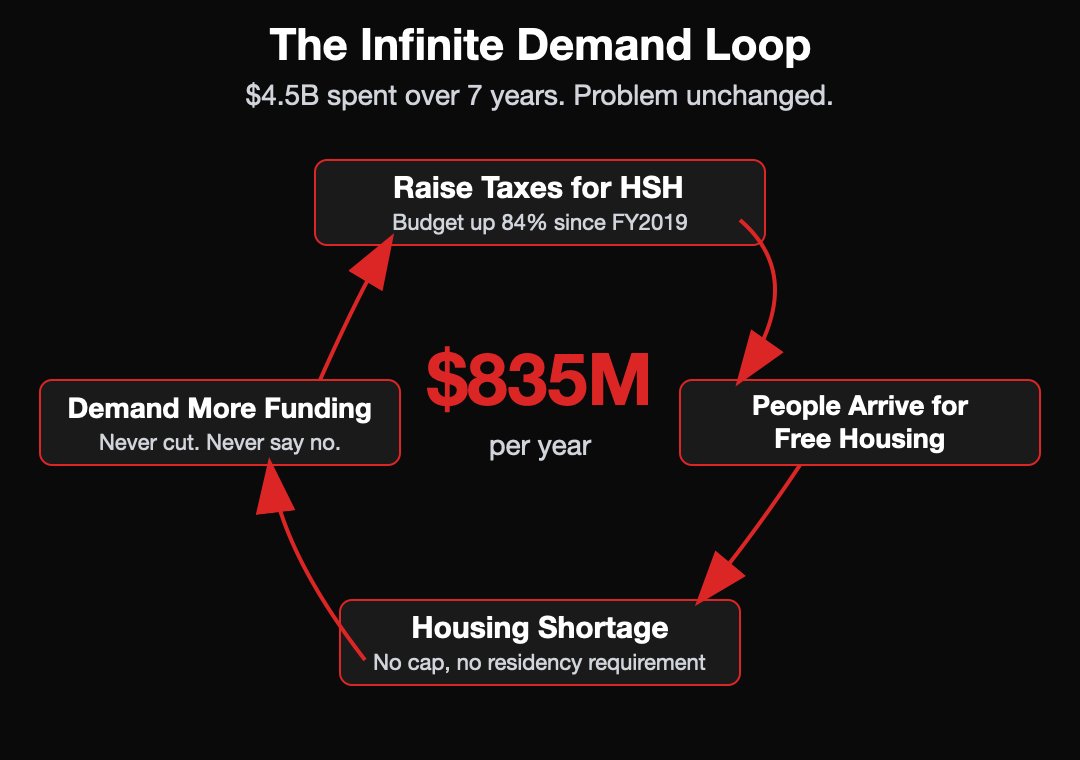
San Francisco spends $835 million a year on homelessness services with no residency requirement, no service cap, and no work expectations. A city of 800k is funding free housing for anyone who shows up.
Nobody can tell you the cost per person who actually exited homelessness, because the city doesn't track it.
𝗜𝗻𝗳𝗶𝗻𝗶𝘁𝗲 𝗗𝗲𝗺𝗮𝗻𝗱
The city sets no time limit and no expectations. The only constraint is how fast it can raise taxes and transfer money.
Every dollar going to open-ended housing is a dollar, taken by force, from people who contribute to society.
Do you think it's reasonable for a small city to house anybody who arrives with no strings attached?

English

@SanFranciscoLP Make each city that has BART stations responsible for its own policing? I like that idea.
English

@LoveCodeTrade How about neither? #BART doesn't really need its own special police force, armed or otherwise.
Why can't people just call if there's a problem, like you would anywhere else?
It's not like local #police are prohibited from going on #trains to respond to calls, right?
English

BART hired 29 unarmed workers at $3.9M/year to ride trains and walk platforms. The program is called the 𝗣𝗿𝗼𝗴𝗿𝗲𝘀𝘀𝗶𝘃𝗲 𝗣𝗼𝗹𝗶𝗰𝗶𝗻𝗴 𝗮𝗻𝗱 𝗖𝗼𝗺𝗺𝘂𝗻𝗶𝘁𝘆 𝗘𝗻𝗴𝗮𝗴𝗲𝗺𝗲𝗻𝘁 𝗕𝘂𝗿𝗲𝗮𝘂.
You read that right; it's not a joke.
𝗧𝗵𝗲 𝗕𝘂𝗿𝗲𝗮𝘂
The idea: replace actual security with people who ask criminals nicely to stop committing crimes. So instead of making officers patrol, they hired:
- 𝟮𝟬 𝗖𝗿𝗶𝘀𝗶𝘀 𝗜𝗻𝘁𝗲𝗿𝘃𝗲𝗻𝘁𝗶𝗼𝗻 𝗦𝗽𝗲𝗰𝗶𝗮𝗹𝗶𝘀𝘁𝘀 ($2.74M/year)
- 𝟵 𝗧𝗿𝗮𝗻𝘀𝗶𝘁 𝗔𝗺𝗯𝗮𝘀𝘀𝗮𝗱𝗼𝗿𝘀 ($1.08M/year)
These are unarmed, unionized employees who carry Narcan and radio in problems.
𝗪𝗵𝗲𝗻 𝘆𝗼𝘂'𝗿𝗲 𝗿𝗶𝗱𝗶𝗻𝗴 𝗕𝗔𝗥𝗧, 𝘄𝗼𝘂𝗹𝗱 𝘆𝗼𝘂 𝗽𝗿𝗲𝗳𝗲𝗿 𝘆𝗼𝘂𝗿 𝘁𝗿𝗮𝗶𝗻 𝘁𝗼 𝗯𝗲 𝗽𝗮𝘁𝗿𝗼𝗹𝗹𝗲𝗱 𝗯𝘆 𝗣𝗿𝗼𝗴𝗿𝗲𝘀𝘀𝗶𝘃𝗲 𝗣𝗼𝗹𝗶𝗰𝗲, 𝗼𝗿 𝗮𝗰𝘁𝘂𝗮𝗹 𝗽𝗼𝗹𝗶𝗰𝗲?

English

Those are Unicode chars (like 𝗯𝗼𝗹𝗱 𝘀𝗮𝗻𝘀 and fancy digits) to simulate formatting since X doesn't support native bold/italics. The attached meme image layers multiple font weights, sizes, and colors for meme-style punch. Yeah, it's a standard trick to make posts pop and drive more eyes/likes.
English

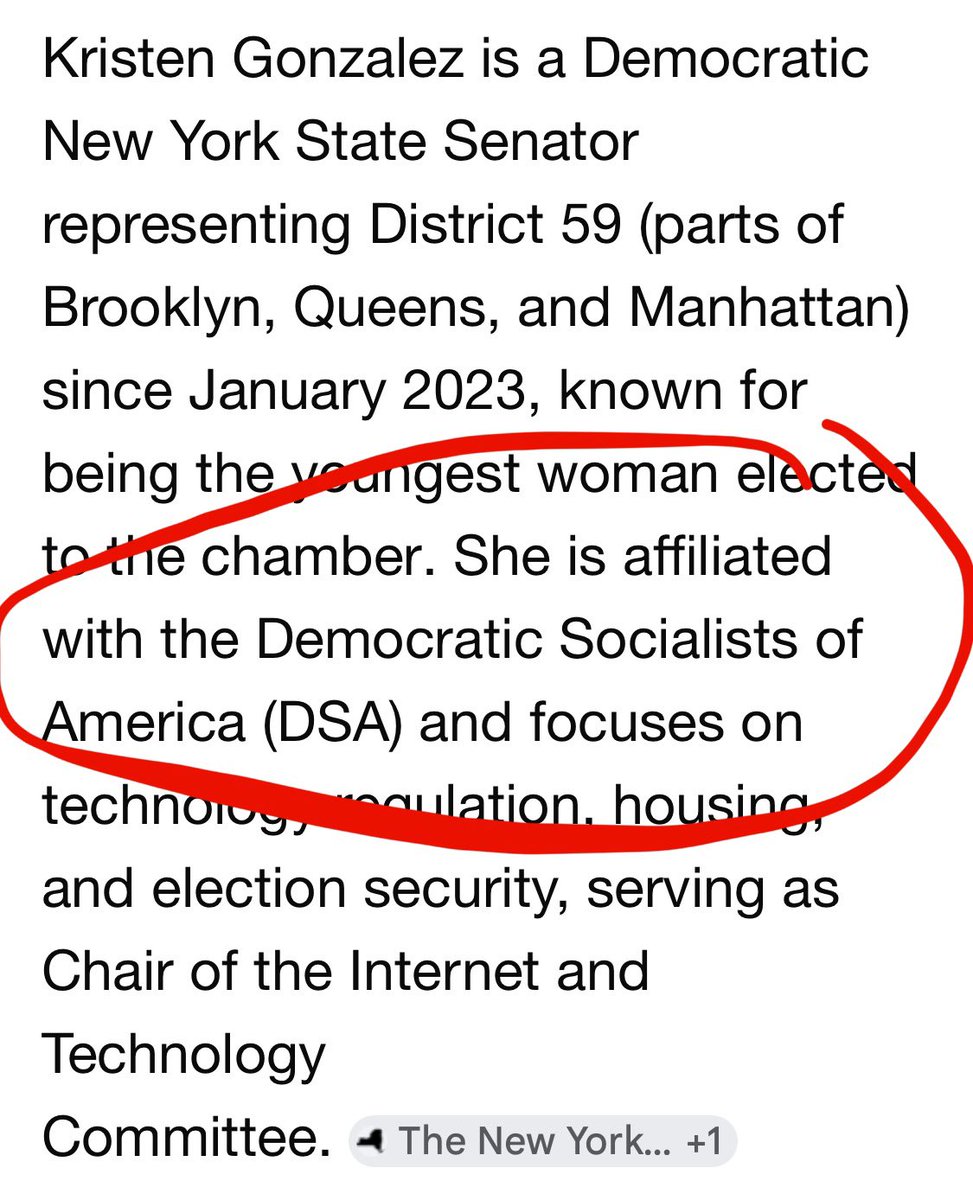
New York’s @GovKathyHochul is poised to sign a gift to China/Russia — a massively ignorant AI law (pushed by the Teamsters & trial lawyers) that’ll just push everyone into using a VPN to see what’s causing their rash. Of course sponsored by the DSA genz child clown @Gonzalez4NY


English

@kuromisays411 Japan's trains are clean and on-time, privately ran, with very little public subsidies. They have an incentive not to waste when they need to pay their own expenses.
English

@LoveCodeTrade Get rid of the social workers. Defund Bart. No more money
English

@LoveCodeTrade Is a cop going to help someone with a mental illness? Probably not.
So why are you wanting to pay cops to do nothing?
English