
Rick400tec
17.6K posts
Rick400tec
@Rick400tec
God Bless and Protect US / U.S. ❤️🤍💙🇺🇸🙏✝️ 'Optimistic catastrophist" Glenn Beck 🤪 Followed by 300+ Patriots & 100 Elon's (No Spammers) Caro79 ⒻⒶⒻⓄ 🐸
Michigan انضم Kasım 2009
1.2K يتبع382 المتابعون
@OANN Police car driver was clueless on operations or distracted missing the target.
English
English

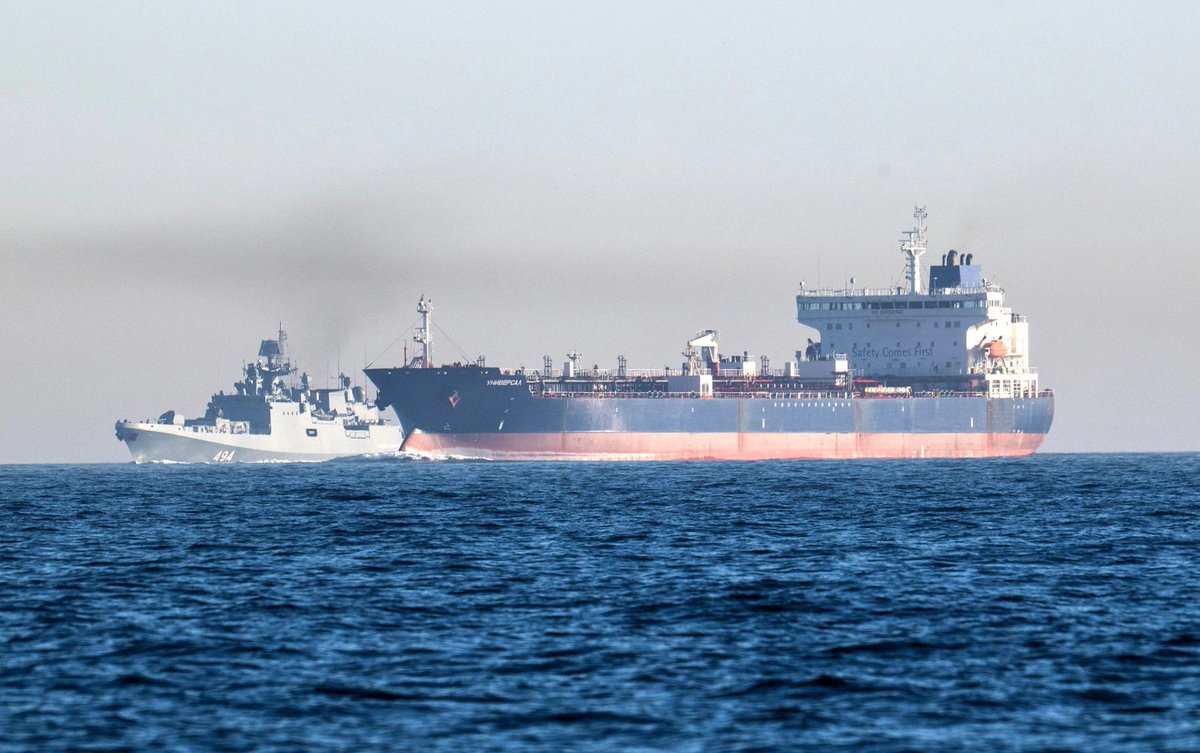
🚨 PUTIN HUMILIATES BRITAIN AGAIN
Putin has just sent a heavily armed Russian warship, the Admiral Grigorovich, to escort sanctioned oil tankers straight past the British coast through the English Channel.
A British naval vessel trailed behind... and did absolutely nothing.
Starmer gave special forces the green light last month to seize shadow fleet ships.
Since then? Over 300 sanctioned Russian tankers have sailed through UK waters completely unchallenged.
Not one has been seized.
Meanwhile our only deployable destroyer was sent to the Middle East, took three weeks to get there, and had to limp home with basic water system failures.
Trump called our aircraft carriers “toys”.
Hegseth openly mocked the “big, bad Royal Navy”.
This is what weakness looks like.
Russia sails through our front door with a warship escort while we stand by and watch.
Starmer’s Britain is a global joke.
English
Rick400tec أُعيد تغريده

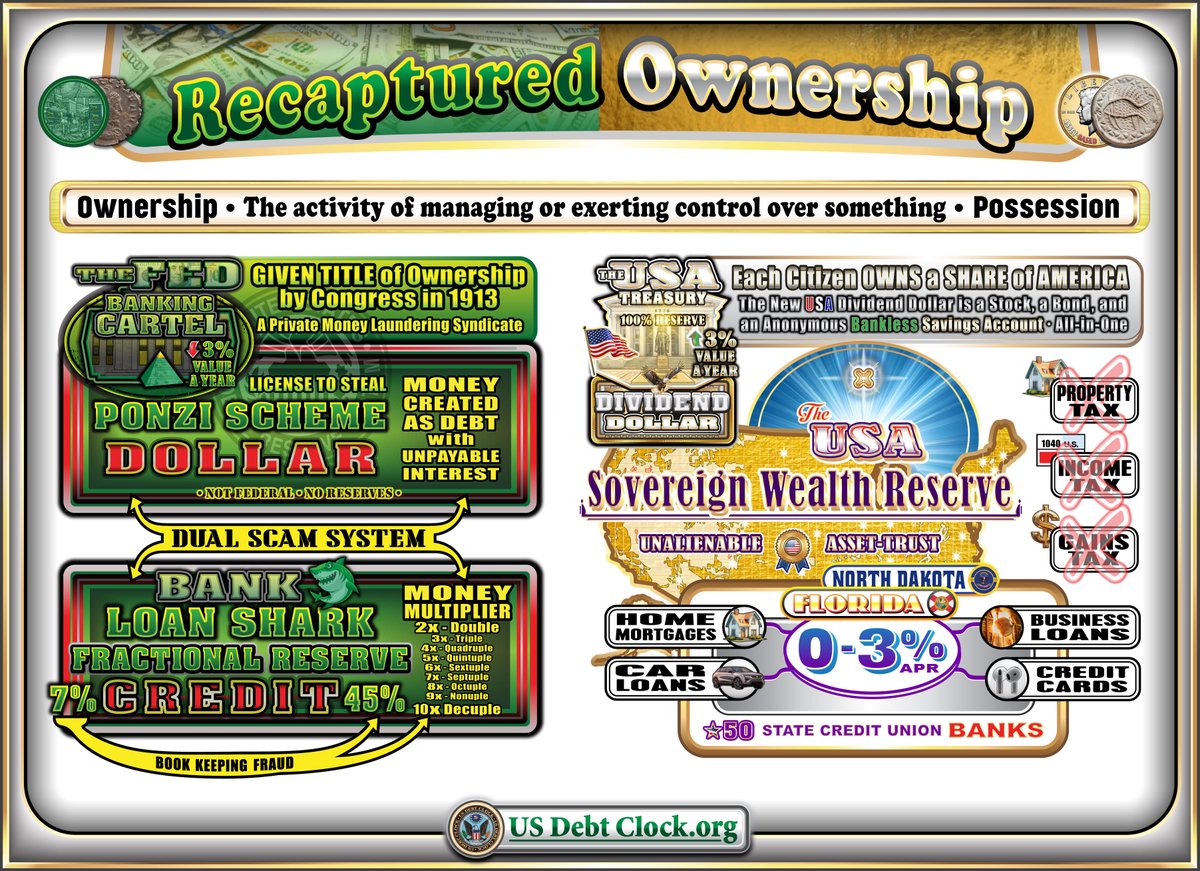
@TheBritishIntel Portsmouth England Royal Navy yard or salvage yard? After years of not being seaworthy why bother
English
🚨 RESTORE BRITAIN TELLS THE TRUTH
Charlie Downes has come out and said what millions of Brits are thinking.
Britain has had enough of multiculturalism - we never wanted it and never asked for it.
He says the country must now be ready to defend itself from foreign religions such as Islam.
Downes believes this is absolutely essential.
[@BasilTheGreat]
English
Rick400tec أُعيد تغريده

Trump is investigating them all for taking FOREIGN MONEY TO LIE & INTERFERE WITH THE AMERICAN GOVERNMENT
THAT IS A CRIME CALLED ESPIONAGE
👊🤑💥🤣🤣🤣
English
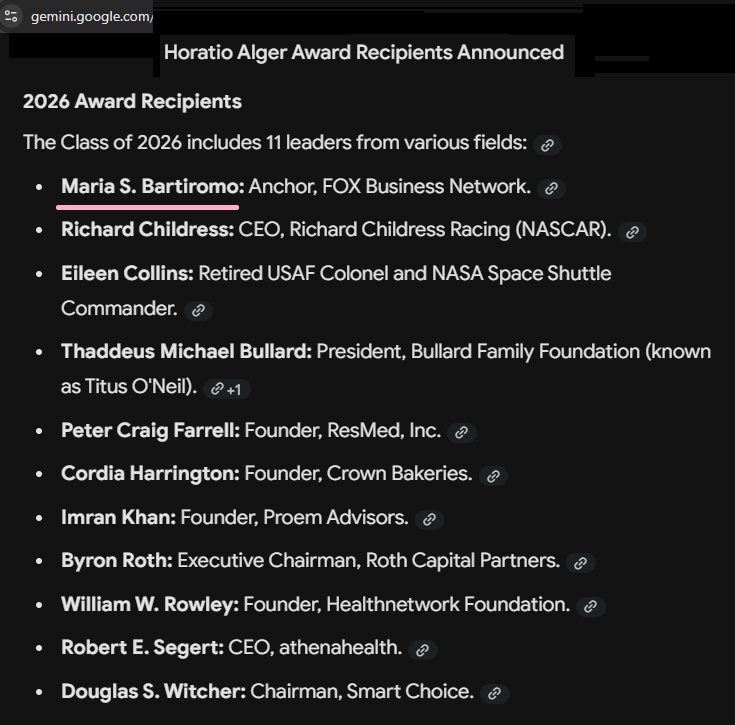
@MariaBartiromo @MorningsMaria @FoxBusiness @newtgingrich @KellyannePolls @KevinHassett11 @SteveMo20186004 Congratulations @MariaBartiromo for winning the Horatio Alger award
❤️🤍💙🇺🇸🙏
You Are my #1 News Show(s)
English
Rick400tec أُعيد تغريده
Open the Strait of Hormuz, President Trump. Iran is not honoring the terms of the ceasefire. Time to hit the regime hard.
Shanaka Anslem Perera ⚡@shanaka86
JUST IN: The IRGC Navy just added a second lock to the gate. Hours after the ceasefire was supposed to reopen Hormuz, the IRGC issued an official directive requiring all commercial vessels to use two alternative corridors near Larak Island to avoid sea mines deployed during the war. Inbound traffic north of Larak. Outbound traffic south of Larak. All ships must coordinate with the IRGC Navy before entering. Until further notice. The mines are real. Iran laid them during the February to April campaign as a defensive measure against the US Fifth Fleet. They are in the standard shipping lanes. The alternative routes bypass the minefields but funnel every vessel through a narrow channel inside Iranian territorial waters, past the same Larak Island where the IRGC toll booth already operates and the patrol boats already escort ships one at a time after verifying clearance codes paid for in yuan or cryptocurrency. This is not a safety measure. It is infrastructure. The mines create the problem. The alternative routes create the solution. The solution requires coordination with the IRGC. The coordination requires toll payment. The toll requires yuan. Each layer reinforces the previous one until the Strait of Hormuz is no longer a waterway governed by international maritime law but a managed corridor operated by a theocratic military force collecting revenue in a currency that is not the dollar. The sequence now runs as follows. A vessel operator contacts IRGC-linked intermediaries. Submits IMO number, ownership chain, cargo manifest, crew list, and destination. The IRGC’s Hormozgan Provincial Command screens for sanctions alignment and assigns a friendliness tier. The toll is calculated at approximately one dollar per barrel for oil tankers, paid in yuan through CIPS or in stablecoins through the Qeshm Island crypto exchange window. If approved, the vessel receives a clearance code and route instructions for the Larak corridors. Upon approach, VHF radio hail, AIS verification, and a patrol boat escort through the minefield-free alternative channel. One ship at a time. Fifteen to twenty ships completed this process in the first 24 hours. The pre-war average was 138 per day. Four hundred vessels are reportedly waiting outside the strait. The Gulf states have declared the toll illegal and refuse to pay. Japan’s prime minister called the strait an international public good. Oman’s transport minister said international agreements prohibit fees. None of this has stopped the IRGC from operating the corridor, collecting the revenue, and turning back tankers that attempt passage without a code. Trump claimed a complete opening of the strait. The strait is not completely open. It is completely controlled. The difference between closed and controlled is that a closed strait generates no revenue and invites military intervention. A controlled strait generates reconstruction funding in yuan, establishes a precedent for non-dollar energy settlement, and operates under the legal fiction of a safety directive that blames wartime mines for the necessity of IRGC coordination. The mines will take months to clear. The alternative routes will become permanent. The toll will become normalised. And by the time Islamabad concludes, the infrastructure of a post-dollar energy chokepoint will have been stress-tested, revenue-generating, and operationally embedded for two weeks under the protection of a ceasefire that was supposed to dismantle it. Full analysis open.substack.com/pub/shanakaans…
English