
تغريدة مثبتة
TimDOES
15.2K posts

TimDOES
@TimDOES
Software Engineer 💻 and Tesla Full Self-Driving (FSD) Nerd 🤓
Las Vegas انضم Ekim 2007
1.6K يتبع3.3K المتابعون
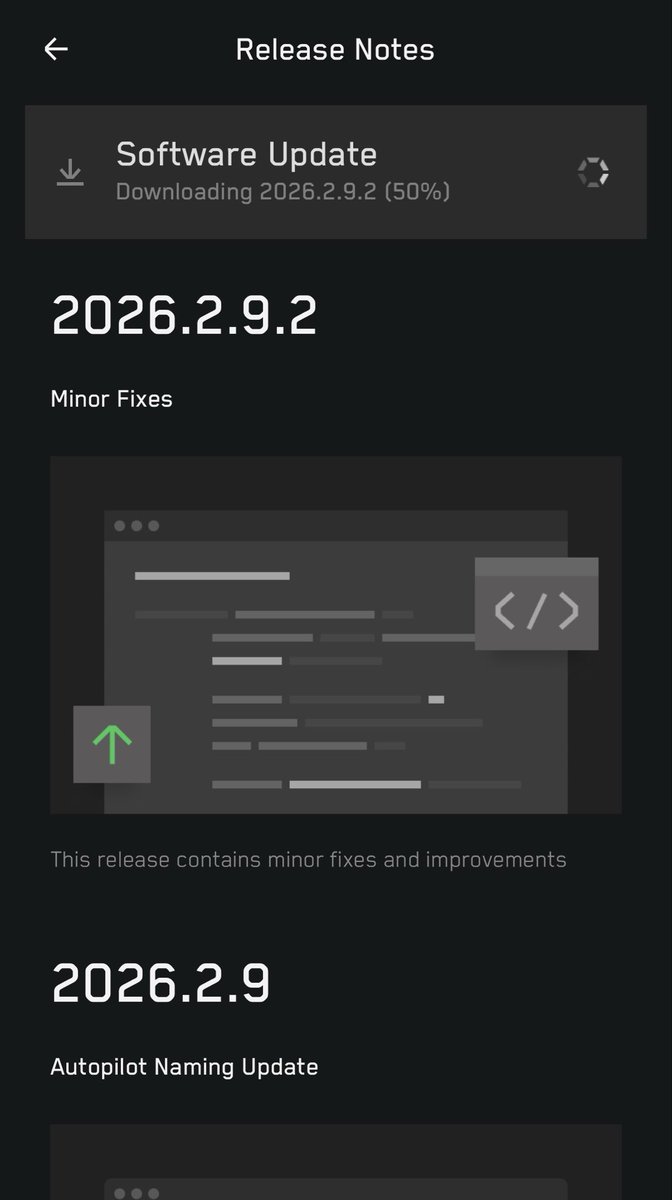
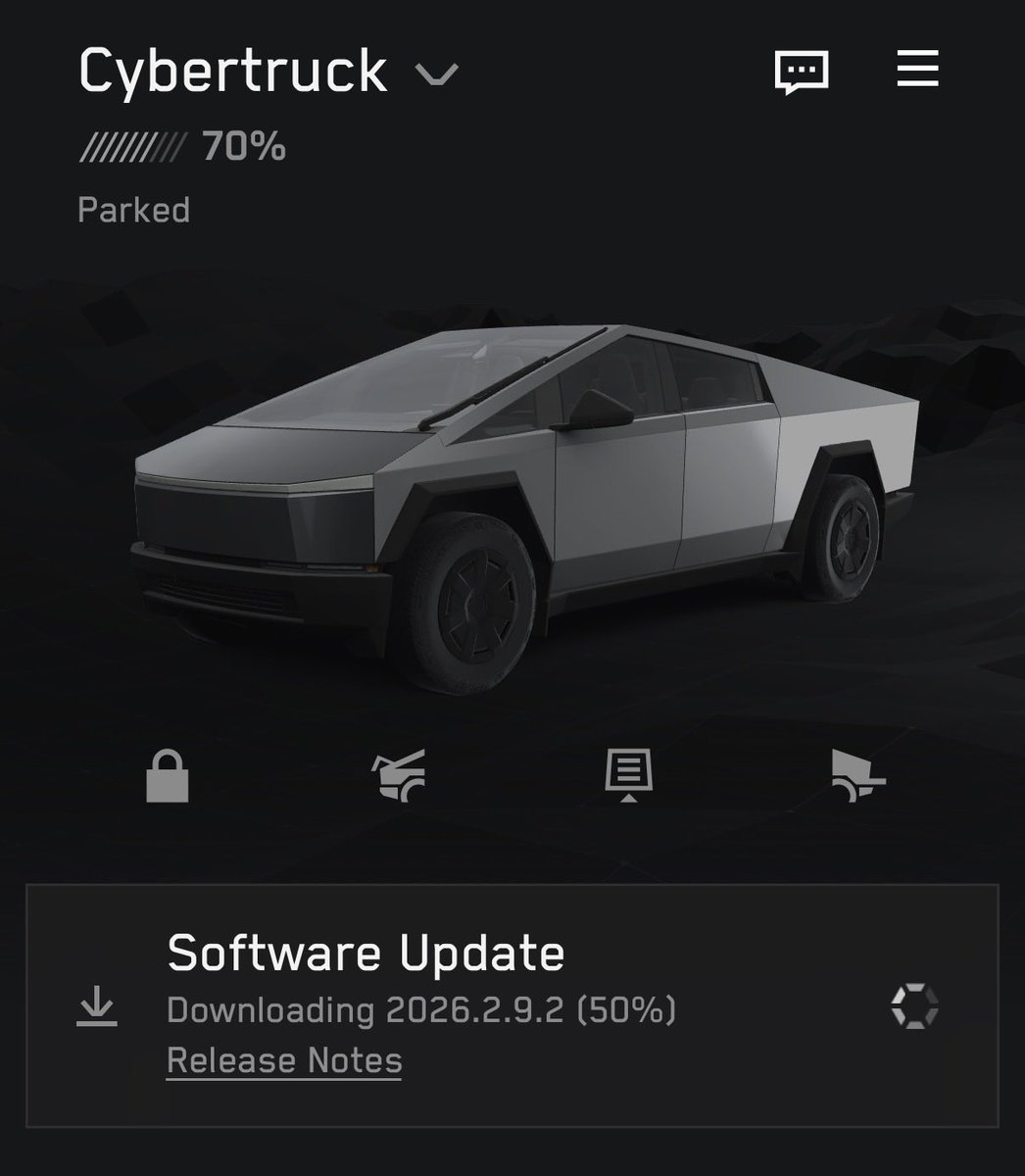
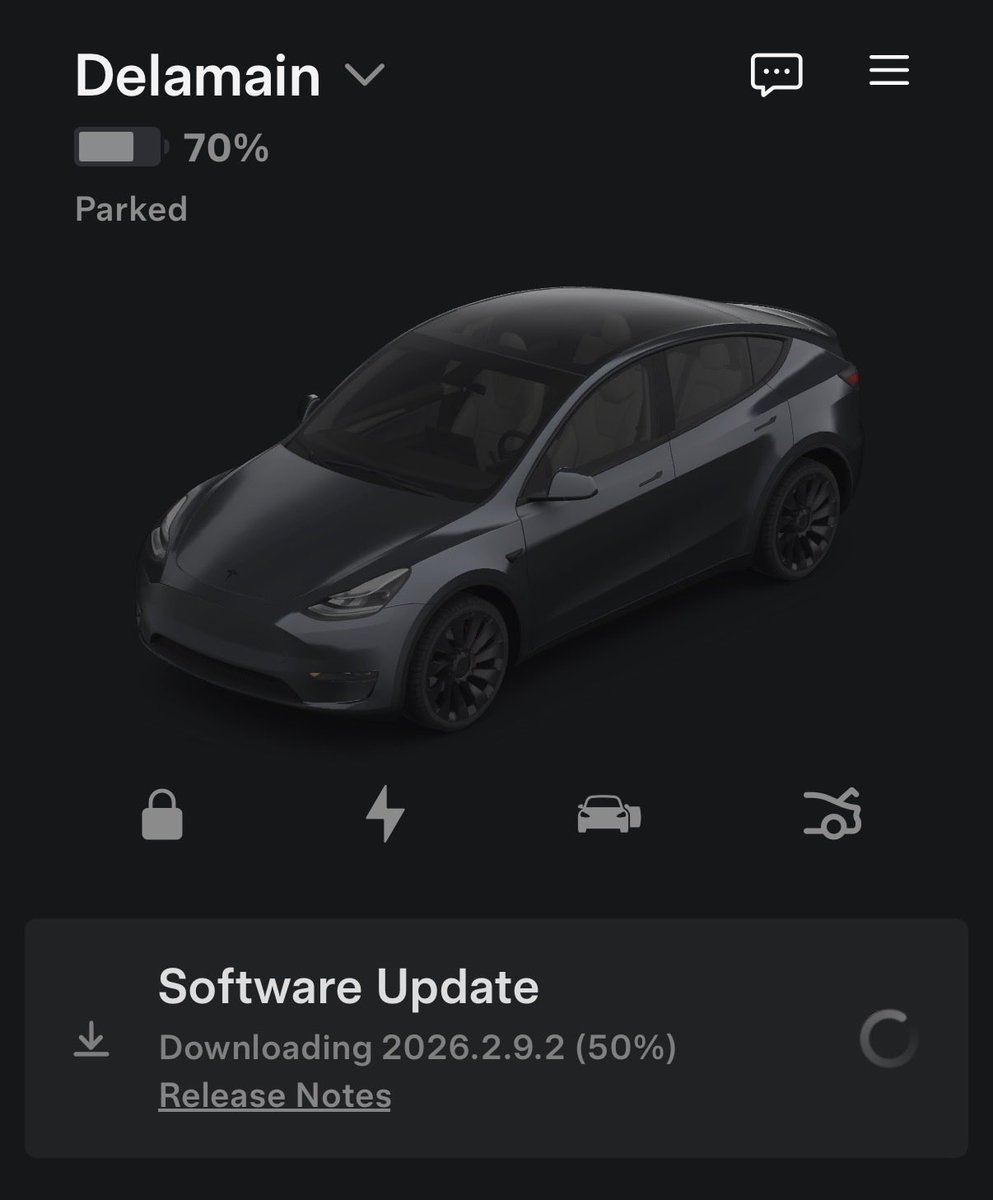
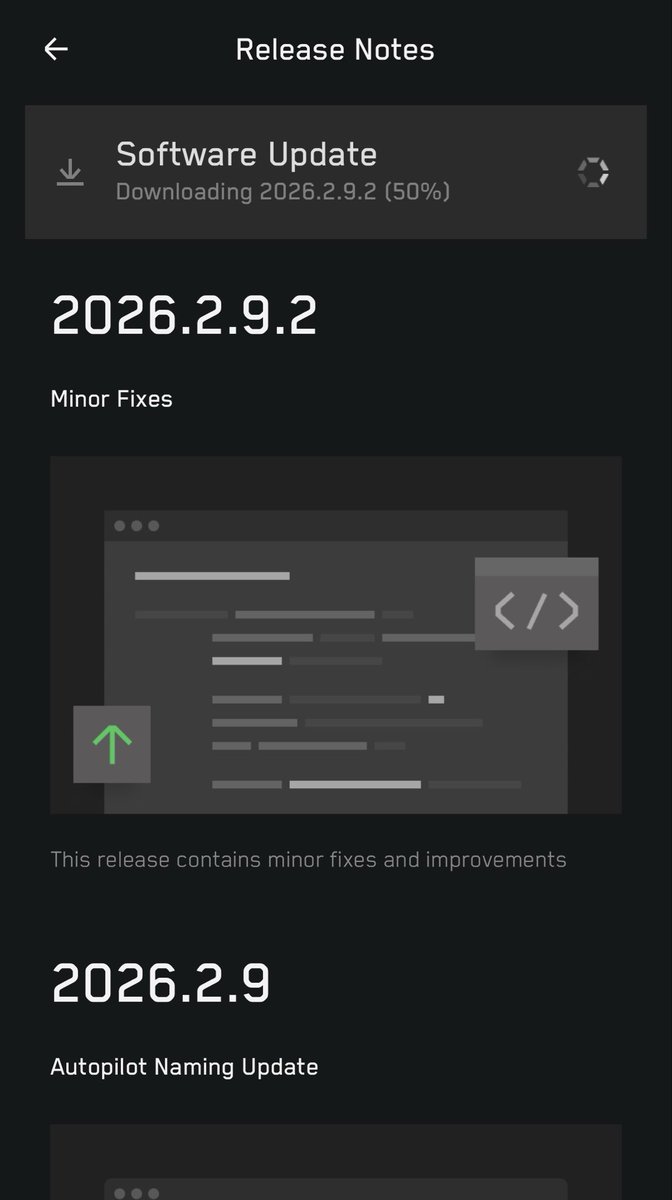

Software version 2026.2.9.2 was just detected on a 2025 Tesla Model 3 Highland LR in Florida United States on TeslaFi.com. Follow the pending updates at teslafi.com/firmware.php?d….
English

TimDOES أُعيد تغريده


Fashion in 2026 still looks like 2006.
Time for change!
Jesse Peltan@JessePeltan
We should revive traditional clothing. So many cultures have really cool traditions and manufacturing techniques shaped by local materials and climate. Everything has become so homogenized now that many people don’t even know how their ancestors dressed.
English
@teslaownersSV @pbeisel With some luck and acceleration using AI, we might be able to tape out AI6 in December
English

Tesla’s forthcoming AI5 uses a half-reticle design, which is crucial for yield. A reticle defines the imaging area of a lithography machine, fitting two chips per shot effectively doubles yield.
This means the Tesla chip design team had to carefully manage die features, for instance dropping the older ISP (and classic GPU) to make room for more AI cores.
By contrast, NVIDIA’s Blackwell fills nearly a full reticle, making it a single-reticle design.
If Tesla hits its compute and efficiency targets with AI5 in this half-reticle format, it’s almost like cutting fab requirements in half.
And this has a big impact on Terafab, especially if it carries forward for AI6, AI7, etc.

phil beisel@pbeisel
Terafab may be the most essential vertical integration Tesla has ever undertaken— and it is truly non-optional. It will take years to build and will test even Elon’s speedrunning abilities to the limit, but that won’t stop him from trying. The breakthrough likely lies in overhauling the overall facility’s cleanroom model. By moving wafers in sealed pods with localized micro-environments, the fab no longer needs a monolithic ultra-clean space. Elon’s line about “eating cheeseburgers and smoking cigars” on the fab floor isn’t silly, it’s the practical reality of a radically simpler, cheaper, faster approach that could finally change the economics of chipmaking. This is all forced by the brutal “pinch” in chip supply. Tesla must produce on the order of 100–200 billion AI chips per year just to saturate its roadmap. That volume powers: FSD cars & Robotaxis (tens of millions of vehicles needing AI5 inference for near-perfect autonomy), Physical Optimus (scaling from thousands today to millions per year, each requiring AI5/AI6-level compute), Digital Optimus (the new xAI-Tesla software agents for digital/office automation, running massive inference clusters), Space-based data centers (AI7/Dojo3 orbital compute for GW-scale training and inference beyond Earth limits). AI5 delivers the ~10× leap for vehicles and early robots; AI6 shifts focus to Optimus + terrestrial DCs; AI7 goes orbital. No external foundry (TSMC, Samsung, etc.) can deliver that scale or timeline— hence the Terafab launch. Without it, the entire robotics + autonomy future hits a brick wall. Terafab isn’t optional; it’s the only way forward.
English

Once you experience Tesla FSD you won’t drive anything else
English

Our grandmas are actually professional programmers. 🧶
GIF
Massimo@Rainmaker1973
Before we had silicon chips, we had needle and thread. In the 1960s, NASA didn’t ‘upload’ code; they sewed it. To get Apollo 11 to the moon, skilled weavers (often called ‘Little Old Ladies’) literally hand-stitched software into physical objects.
English

@TimDOES There are things I’m noticing too. It’s the eve of autonomy.
English

With FSD 14.3 around the corner, do you think it will add Parking Spot Selection?
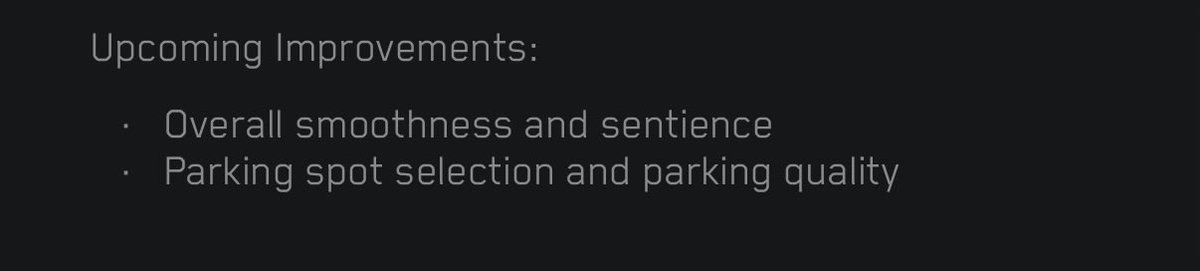
Elon Musk@elonmusk
@DBurkland @pbeisel It’s in testing right now. Wide release in a few weeks.
English
TimDOES أُعيد تغريده

To try out FSD Supervised, just book a demo drive at a Tesla location near you
You can also do a self-serve demo drive – no advisor contact necessary
tesla.com/drive
Elon Musk@elonmusk
Try Tesla self-driving! It’s awesome.
English


@TimDOES Anything that'd force repark (handicap spot without a tag, inoperable charger) has gotta be top of mind. Maybe "Close" vs "Expedient" as an option otherwise?
English

@TimDOES Hopefully that comes hand in hand with banish
English

@TimDOES 👀
How much space in front do you have?
I literally had like 3 inches to the wall. 😅
And the hood fits under my bench in garage. (Raised it so it would fit)
Need bigger garage it don’t feel like selling the house to over pay on new house to get bigger garage lol.
English
For me in Los Angeles at least, Tesla’s driver monitoring system is just an antiquated formality at this point.
English