Alex Labreche
1.4K posts
Alex Labreche
@AlexLabreche
Co-Founder & CEO Pluvo | a16z (@speedrun)
San Francisco, CA Beigetreten Nisan 2013
521 Folgt367 Follower
Alex Labreche retweetet

ZeroDrift raised an oversubscribed $10,000,000 seed round to enforce compliance on AI communications, just 3 months after launching out of stealth.
AI agents are becoming the next enterprise communication layer, and every regulated company will need compliance enforced before AI writes, speaks, calls, or publishes on its behalf.
TechCrunch exclusive: techcrunch.com/2026/06/02/zer…
English
Alex Labreche retweetet

No better way to start #nytechweek than doing @Barrys with @speedrun alum and the Barry’s king himself @tkexpress11 @Techweek_

English
Alex Labreche retweetet

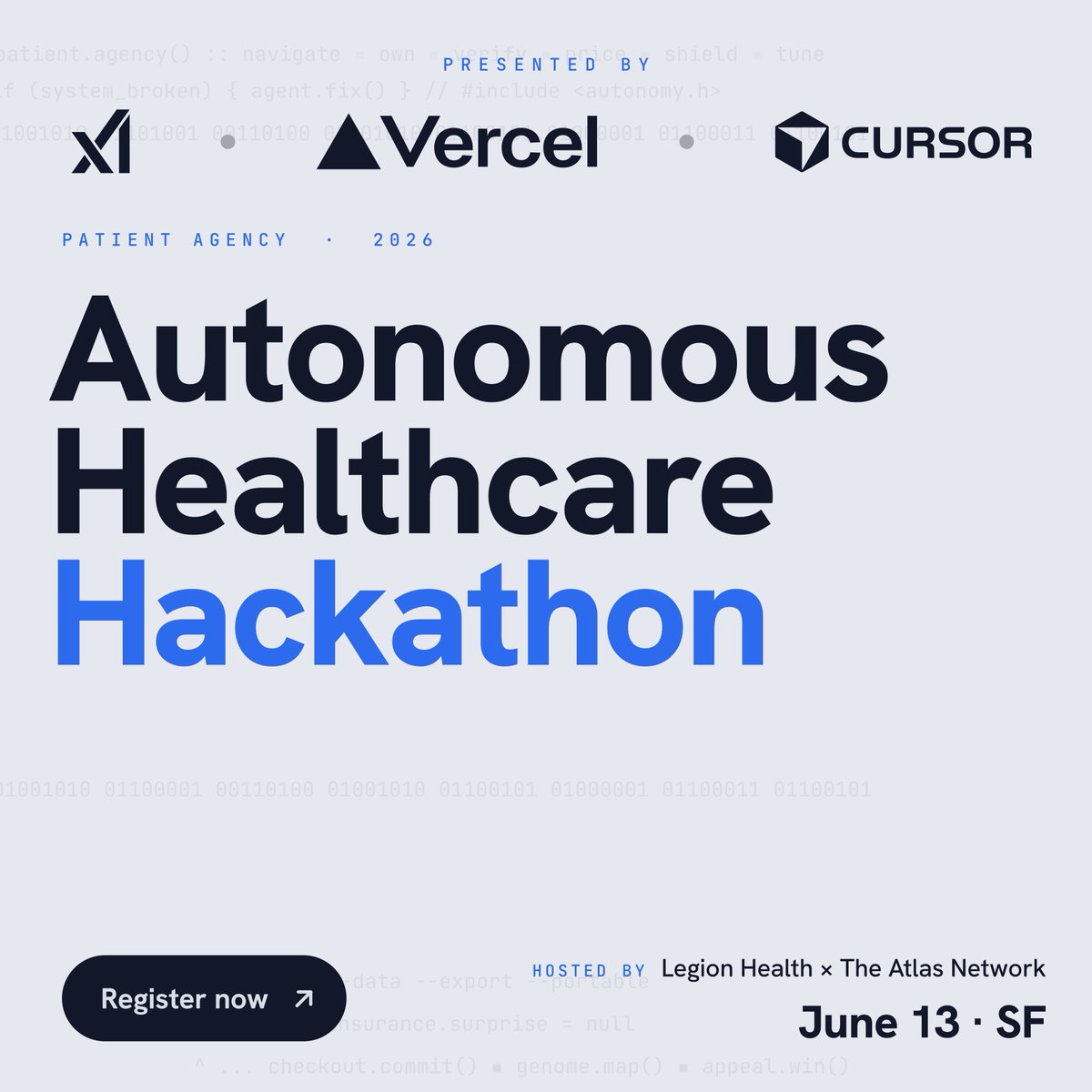
stoked to announce the first Autonomous Healthcare Hackathon in SF!
the next generation of healthcare will be built by patients, engineers, clinicians, and researchers.
come build the future with us.
epic prizes from our sponsors @xai, @vercel, @cursor_ai
English
Alex Labreche retweetet

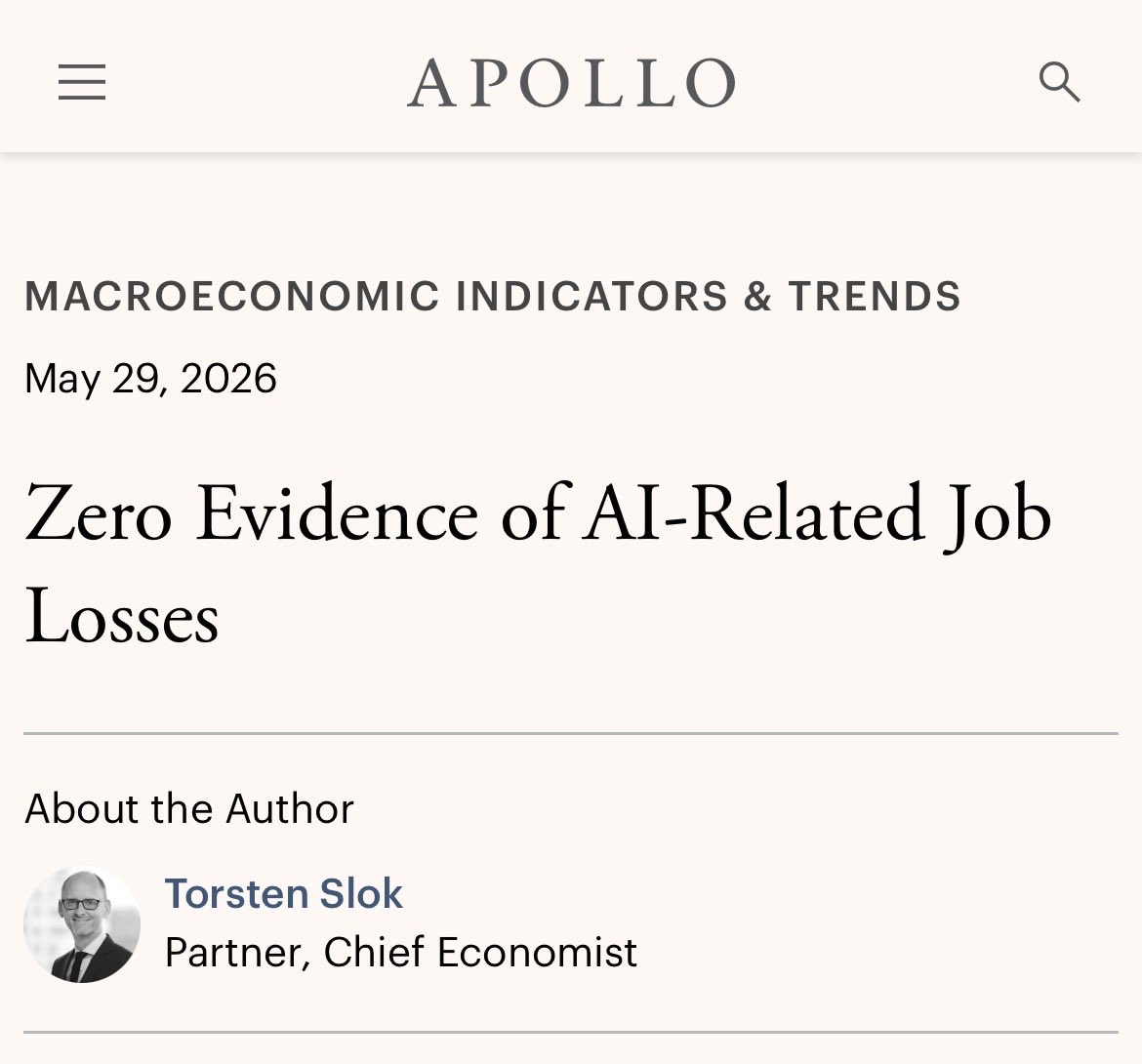
Apollo’s Chief Economist: Zero Evidence of AI-Related Job Losses


English
Alex Labreche retweetet

Alex Labreche retweetet

Personal update: I've joined Anthropic. I think the next few years at the frontier of LLMs will be especially formative. I am very excited to join the team here and get back to R&D. I remain deeply passionate about education and plan to resume my work on it in time.
English
Alex Labreche retweetet
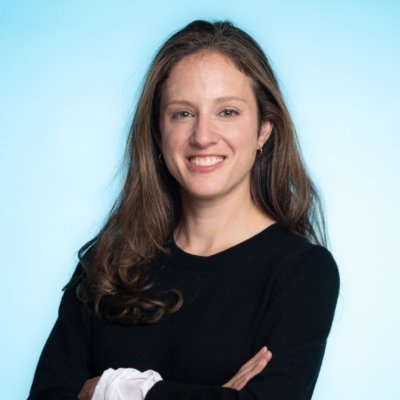
Got in the booth with @far33d @tkexpress11 and @kenanhsaleh to share some fresh advice for founders applying to speedrun. We look forward to meeting you!
a16z speedrun 🧊@speedrun
NEW: INVESTOR ADVICE FOR APPLYING TO SPEEDRUN We got in the booth with @kenanhsaleh, @emilybenn12, @far33d, and @tkexpress11 from the a16z speedrun investing team to talk about: 00:00 - patterns we're seeing in apps for SR007 04:50 - our process for reviewing apps 08:20 - traction signals we look for 09:10 - on teams that are a little too early for speedrun 14:26 - surprising things we've seen in interviews 20:46 - why you SHOULD NOT take vc funds 25:16 - why should founders pick speedrun? Watch the full roundtable here:👇
English
Alex Labreche retweetet
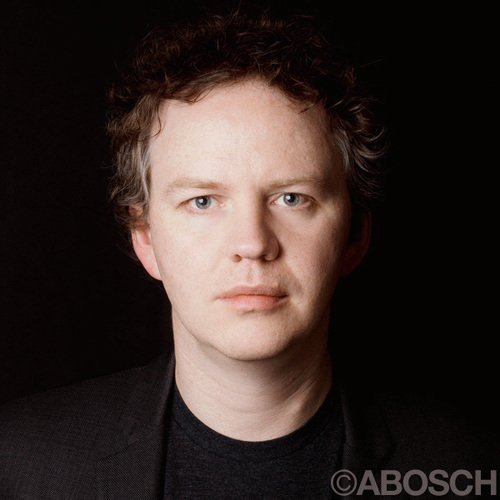
Tobi puts this better than I’ve ever been able to.
Startup Archive@StartupArchive_
Shopify CEO Tobi Lutke explains Goodhart’s law and why he doesn’t like KPIs or OKRs “Goodhart’s law is real. The moment a metric becomes a goal, it’s no longer a useful metric… No metric by itself is a complete heuristic for a complex business. There’s a million different tensions in a company, and you can’t keep all of them in harmony by optimizing for one thing.” For this reason, Shopify doesn’t use KPIs or OKRs. But as Tobi explains, this doesn’t mean they don’t value data and metrics. “We are extremely data informed. We have invested enormous amounts of money and time into systems that give us basically everything at our fingertips… But what Shopify attempts to do is just not over-fit for what’s quantifiable.” People love optimizing for highly-quantifiable things because there’s immediate gratification that comes from seeing a number go up. But Tobi thinks that the most important aspects of a product are rarely quantifiable: “The overlap of the most valuable things you can do with a product and the things that happen to be fully quantifiable are like maybe 20%. Which leaves 80% of a value space unaddressable by the people who only look at quantifiable things.” He continues: “Shopify is comfortable with unquantifiable things like taste, quality, passion, love, hate… The sort of deep satisfaction that a craftsperson feels when they’ve done a job well is actually a better proxy if you allow it to be.” They then have robust analytics systems that tell the company if something’s wrong or a new rollout breaks something. “We think about it as a cockpit for a pilot. The decisions are still made by pilots, and we think this leads to better results… I think there needs to be more acceptance in business of unquantifiable things… And then metrics take a support function.” Source: @lennysan (Feb 2025)
English
English

NEW: INVESTOR ADVICE FOR APPLYING TO SPEEDRUN
We got in the booth with @kenanhsaleh, @emilybenn12, @far33d, and @tkexpress11 from the a16z speedrun investing team to talk about:
00:00 - patterns we're seeing in apps for SR007
04:50 - our process for reviewing apps
08:20 - traction signals we look for
09:10 - on teams that are a little too early for speedrun
14:26 - surprising things we've seen in interviews
20:46 - why you SHOULD NOT take vc funds
25:16 - why should founders pick speedrun?
Watch the full roundtable here:👇
English
Alex Labreche retweetet

Alex Labreche retweetet

Alex Labreche retweetet

AI tools are like interns with no context about your business.
"Analyze the P&L" gets a generic answer.
"Go line by line, weekly variance, 13-week cash forecast, COGS by geography, tie it to pipeline" gets you something useful.
AI widens the gap b/w strong & weak operators.
English
Alex Labreche retweetet

Scam Altman and Greg Stockman stole a charity. Full stop.
Greg got tens of billions of stock for himself and Scam got dozens of OpenAI side deals with a piece of the action for himself, Y Combinator style. After this lawsuit, Scam will also be awarded tens of billions in stock directly.
The fundamental question is simply this:
Do you want to set legal precedent in the United States that it is ok to loot a charity? If so, you undermine all charitable giving in the United States forever.
I could have started OpenAI as a for-profit corporation. Instead, I started it, funded it, recruited critical talent and taught them everything I know about how to make a startup successful FOR THE PUBLIC GOOD.
Then they stole the charity.
X Freeze@XFreeze
Interesting how it works Elon puts up his own money, rounds up the absolute best AI talent on the planet, leverages every connection he has to secure serious resources, and launches OpenAI in 2015 as a pure non-profit explicitly created to develop AI for the benefit of humanity, with zero profit motive and open research Then the “team” decides they want the bag They push Elon out, take control, and quietly flip the entire thing into a for-profit machine All while preaching the same sanctimonious lines on repeat: “We’re still mission-driven!” “AI for the good of humanity!” “We’d never abandon our principles!” The ultimate betrayal: Elon got zero equity. Not a single share. He funded it. He built the foundation. He got nothing while they turned his non-profit into their personal cash cow This is the level of betrayal and hypocrisy we’re dealing with And for the record.... this lawsuit doesn’t put a single penny in Elon’s pocket. Any win goes straight back to the non-profit to restore the exact mission he founded
English
Alex Labreche retweetet
Need more reasons to apply for @speedrun 007? How about access to enterprise buyers and hands-on sales training? Sound too good to be true? It's not.
English
Alex Labreche retweetet

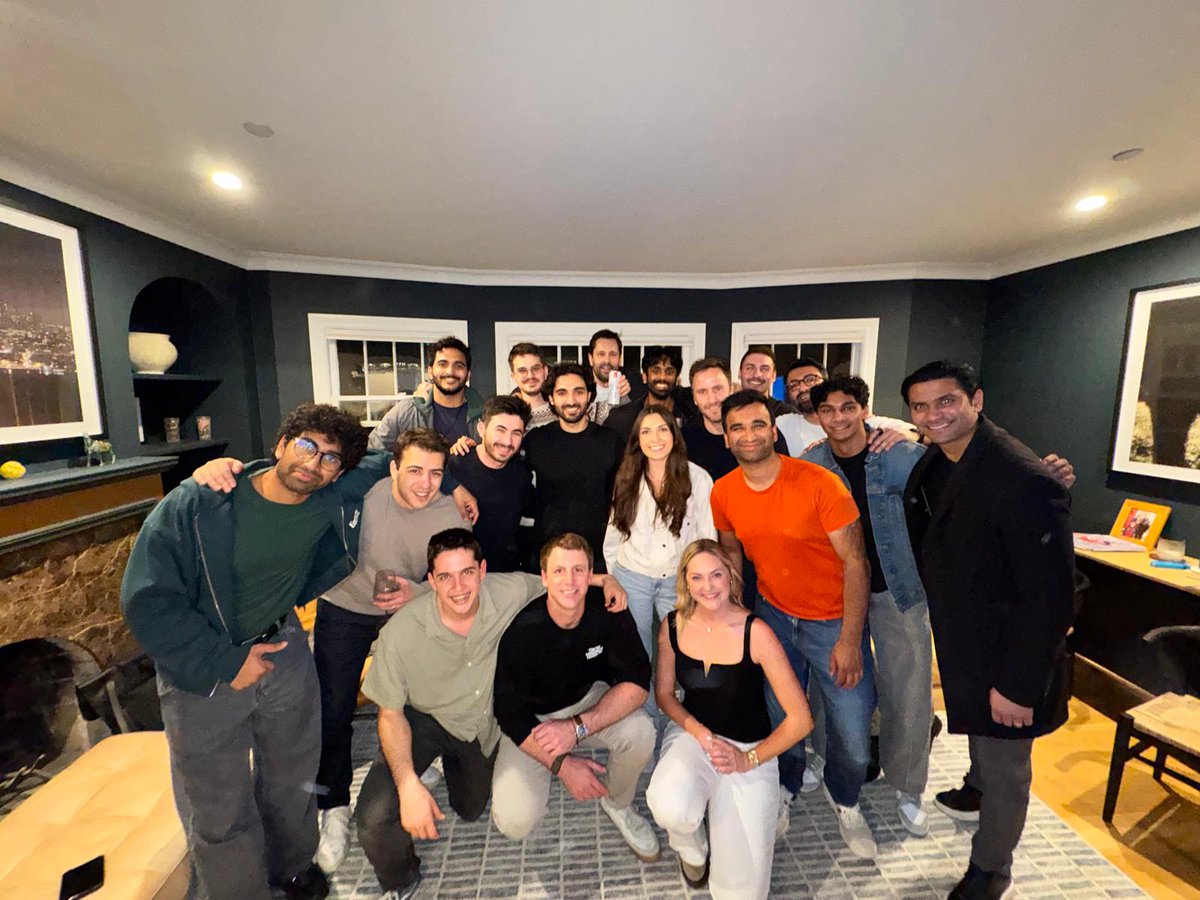
this is what I love most about a16z @speedrun:
These founders - in a room, building alongside each other:
making intros
debugging pricing
swapping notes on models
running mock pitches together
re-writing each other's cold emails at 11pm
the company you start is yours. the journey can be lonely
It doesn't have to be done alone
this was @kenanhsaleh and my post demo day SR006 final dinner with our cohort at my house last week
English
Alex Labreche retweetet