Drew Smithee, PE

31.9K posts

Drew Smithee, PE banner
Drew Smithee, PE

Drew Smithee, PE

@DrewSmithee

Recovering performance engineer / IRP analyst / wind turbine climber / pipeline planner. Sometimes fish and losing sports teams.

United States Beigetreten Ocak 2015
4.7K Folgt3.2K Follower
Drew Smithee, PE retweetet
Matt Van Swol
Matt Van Swol@mattvanswol·
🚨#BREAKING: For the FIRST TIME in 540 days, Highway 64 in Bat Cave NC, which was destroyed during Hurricane Helene, has officially REOPENED to the public!!! The highway connecting to Lake Lure was rebuilt $7 MILLION UNDER BUDGET and FASTER than expected. Incredible!!!
English
280
3.2K
18.7K
361.2K
Drew Smithee, PE retweetet
Bart 🌊⚓️
Bart 🌊⚓️@BartGonnissen·
Close-up of the LNG Carrier Arctic Metagaz, which was hit by an explosion in the Mediterranean.
English
36
258
1.4K
156.8K
Drew Smithee, PE retweetet
Javier Blas
Javier Blas@JavierBlas·
Never too late! Golden Pass announces first LNG production (train 1). The facility has two other trains, expected to come online by 3Q 2026 and 1Q 2027, respectively. When in full production, it would add ~18 million ton per year (more than current QatarEnergy losses).
English
16
103
656
80.1K
Drew Smithee, PE retweetet
Stephen Stapczynski
Stephen Stapczynski@SStapczynski·
In-depth analysis of the damage to the Ras Laffan LNG export plant in Qatar “This is just about where they would place a strike to cause maximum damage” Still, Qatar’s repair timeline of 3-5 years for the two trains “seems a little conservative. I would guess about three years”
Brian Frankie@LNGFrankie

Wow, those are some very interesting images. The highest quality I have seen to date, with some valuable information. Thank you for sharing. If you are asking what I see, well, first understand a couple things. I am not a military person, or familiar with bomb damage assessment. Nor am I a political person, or economist. I just build and operate the hardware. So I’ll tell you what this looks like from a hardware perspective, and label things that are objectively facts vs. things I am guessing at or if I put any opinions in. With those caveats, here are some facts and my analysis of the Train 6 strike. I’ve attached two pictures. The first is the undamaged facility from happier days. I’ve labelled the north end of the train with some color coded boxes, and a couple dimensions on Train 7 to give a sense of scale. Train 6 used an Air Products (now Honeywell) AP-X process, which has three refrigeration loops in series, each driven by a Frame 9 mechanical drive turbine – a propane (C3) loop, a mixed refrigerant (MR) loop, and a nitrogen expansion (N2) loop. Propane precools the feed gas and the refrigerant, the MR liquefies it, and the N2 subcools it all the way to -160 C. At the southern most portion of the photo, in blue, there is the propane refrigerant system. Process equipment is to the west of the main spine rack, and the driver is to the east. Drivers include both the turbine and the compressors on a single shaft for each loop, and they are located under the 220 m long turbine building with the tan roof. Exhaust stack is immediately to the east turbine building, with the VFD components just south of the stack. The red boxes in the middle are the primary liquefaction section, with two machines on the east in the turbine building, and the main cryogenic heat exchangers (MCHEs) on the west side of the rack. I’ve labelled the MCHE’s. The larger is the MR MCHE, which is about 50 m tall, and has a two inch thick aluminum shell. The N2 MCHE for gas subcooling is a little further to the west. It is shorter and has a stronger stainless steel shell; it is a substantially stouter piece of equipment. These two MCHEs combined are in the range of $50-100MM capital cost with a two year lead time. The yellow box at the top is the helium extraction unit. The machinery is electrically driven compander, inside the small building, and the primary separation column is just to the east of the building. With the basics out of the way, take a look at the second picture. I’ve marked where the missile impacted, and the visible area of damage; the shadows disguise some of the blast and make it a bit harder to see. But from my view, it is quite bad, having hit immediately north of the MR MCHE, doing a fine job of messing up the equipment in the liquefaction section. Compare to Train 7 next door. I’ve marked the approximate circle of visible damage, which indicates an immediate blast radius on order of 50 meters. While I’m not military, it is pretty easy to calculate the energies involved, which indicates to me that we are talking about something on order of ~100 kg HE warhead. Sizable enough to do some real damage, but not a catastrophic hit from 500 kg or more. I am a bit surprised I could not see more damage from the subsequent fires. Qatari emergency crews responded to the fires, and it appears to me they did quite well at extinguishing them quickly before significant escalation. Note the precision of the hit. If I were responsible for targeting this facility, … well, I couldn’t do it, because I love these facilities and the machines in them too much. But if a hypothetical person who knew about the facilities and wanted to harm them was planning it, this is just about where they would place a strike to cause maximum damage. Possibly a little further to the southeast to strike right on top of the MR turbine, but certainly within about 50 meters of the actual strike point. That will give a feel for the CEP of these missiles. It is quite good, which I understand is not at all a given for nations building missiles. Remember the notorious inaccuracy of the Iraqi Scuds during the 1991 Gulf War. The Iranians don’t suffer from the same problem – they can hit what they aim at with considerable precision despite American and Gulf nation efforts at interception at one of the most heavily defended areas in the Gulf. In fact, in Qatar, this site is probably the most heavily defended site, only excepting Al Udeid air base and Doha itself. What was damaged? The resolution is not adequate to fully identify everything – you’d really need a walk through to be sure. But it is clear the MR MCHE is destroyed, along with some of the smaller pieces of equipment around there. The N2 MCHE is still standing, but there is some visible damage. I’d guess that, even with the shell standing, a missile strike this close would complete destroy soft items – insulation, instruments, cabling, platforms – and likely perforate the shell with fragments such that it would be unusable as a pressure vessel. My best guess is the N2 MCHE will require replacement. To the east, the turbine housing roof appears undamaged, but I think this is deceptive. The roof is about 40 meters high, and the missile blast wave will initiate below it and propagate sideways under the pipe rack and through the building. Both the N2 and MR machines are close to the blast point and likely received a significant overpressure, along with heat from the subsequent fire. I have no doubt they are damaged. Frame 9's are robust and reliable industrial machines, but they are not designed for missiles. Whether they can be repaired or will need to be replaced is an open question. North of the impact point, I suspect the helium machine was protected from significant damage by the intervening piperack. However, the column protrudes above the piperack and probably caught an overpressure and significant fragmentation. My guess here is the helium column was likely perforated and will require major repair or replacement. To the south, the MCHE’s and piperack absorbed most of the damage and my best guess is the propane system is likely undamaged, or only suffered minor damage. Qatar has said the train will require 3 – 5 years to be back in operation. In my mind that seems a little conservative. If they can get to work immediately, and expedite procurement, I would guess about three years is a reasonable timeline. Five years I think is longer than will be required, absent another attack causing further damage. Analysis? This is speculation on my part, and anyone might well disagree. But it appears to me that Iran was sending a message more than simply just trying to destroy. They used a precise missile, but with a somewhat smaller warhead, one that is large enough to cause heavy damage, but not so large as to cause catastrophic irreparable damage to the entire train or even to multiple trains. They also targeted two trains that are jointly owned with the Qataris by ExxonMobil. (Puzzle question – why did the second missile strike Train 4 instead of the larger Qatar-XOM Train 7? Or maybe they did try to hit Train 7, but that missile was intercepted? Don’t know…). But they conspicuously avoided hitting the trains that are co-owned by Japanese or Korean partners, trying to keep them onside or neutral in the war. To me, this strike seems to say, “Look Qatar and XOM – we can hurt you. But we didn’t hurt you as much as we could, and we want you to use your influence to get the US to stop and restore the status quo ante.” Whether that will work is for the political people to say. I do know the Qataris are royally ticked off at this attack. Anyway, that is my read on it. It is definitely a very bad attack, one that caused substantial damage and will impact Qatari production for years. I am not trying to play down the impact in any way. But it is simultaneously true that it *could* have been worse. I’ll look at the Train 4 strike when I can. Looks like the miss was a bit more there – it struck southwest of the turbine house, looks like it affected the propane equipment. These reviews take a bit of time, and I am chronically short of that commodity. But thank you again for sharing these photos.

English
7
51
247
43K
Drew Smithee, PE retweetet
Brad Panovich
Brad Panovich@wxbrad·
Long time coming and after lots of hard work, but for the first time since #Helene HWY 64 between Bat Cave and Chimney Rock is open to the public. #ncwx #wncwx #LakeLure
Brad Panovich tweet media
English
1
23
179
6.9K
Drew Smithee, PE retweetet
John Arnold
John Arnold@johnarnold·
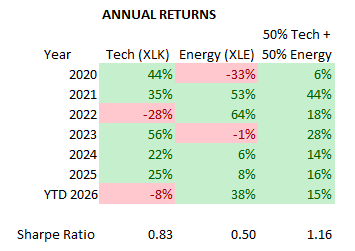
I think I finally solved the stock market.
John Arnold tweet media
English
229
537
10.2K
1.5M
Drew Smithee, PE retweetet
Kelly Eckhold
Kelly Eckhold@kellyenz·
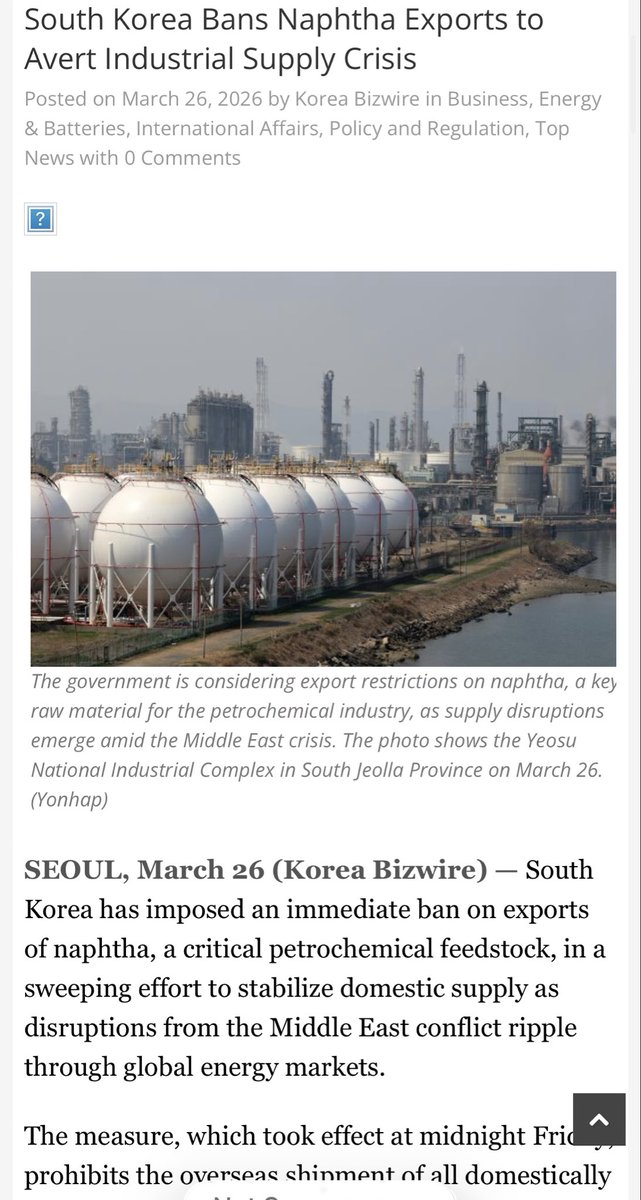
Korea bans export of Naphtha - a key precursor for plastics and packaging. Korea was our second biggest supplier.
Kelly Eckhold tweet mediaKelly Eckhold tweet media
English
16
347
1.1K
64.5K
Drew Smithee, PE retweetet
Cheniere Energy Inc.
We have achieved substantial completion of Train 5 at our Corpus Christi Liquefaction (CCL) Stage 3 Project in Texas. Our seven-train, 10-plus mtpa project continues to track on budget and ahead of schedule.
English
4
17
101
17.6K
Drew Smithee, PE retweetet
Wood Mackenzie
Wood Mackenzie@WoodMackenzie·
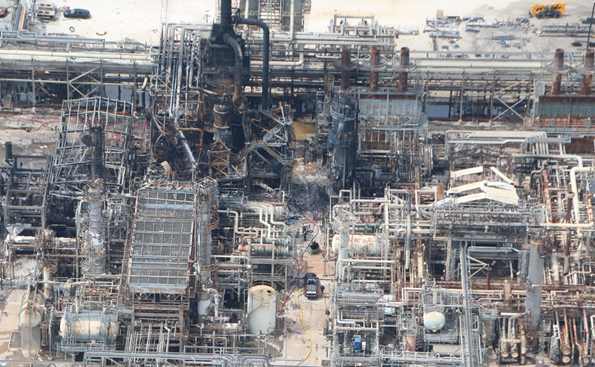
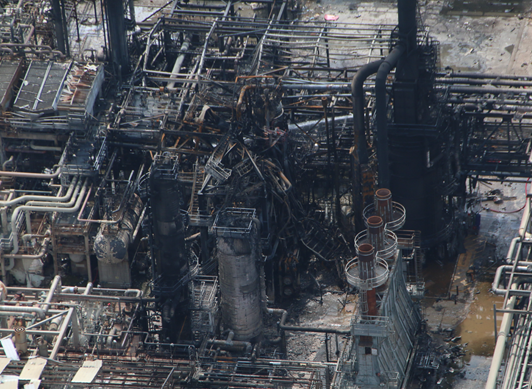
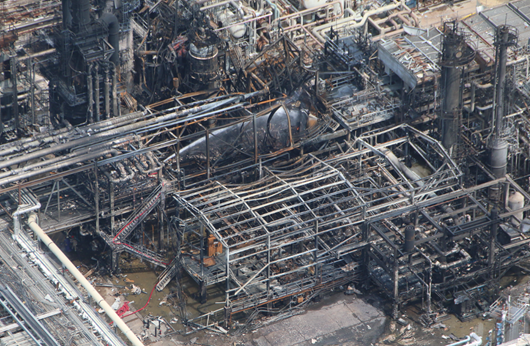
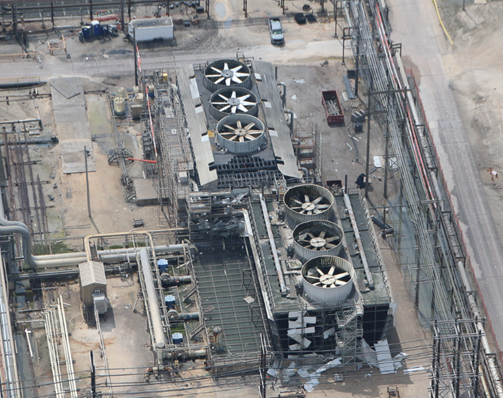
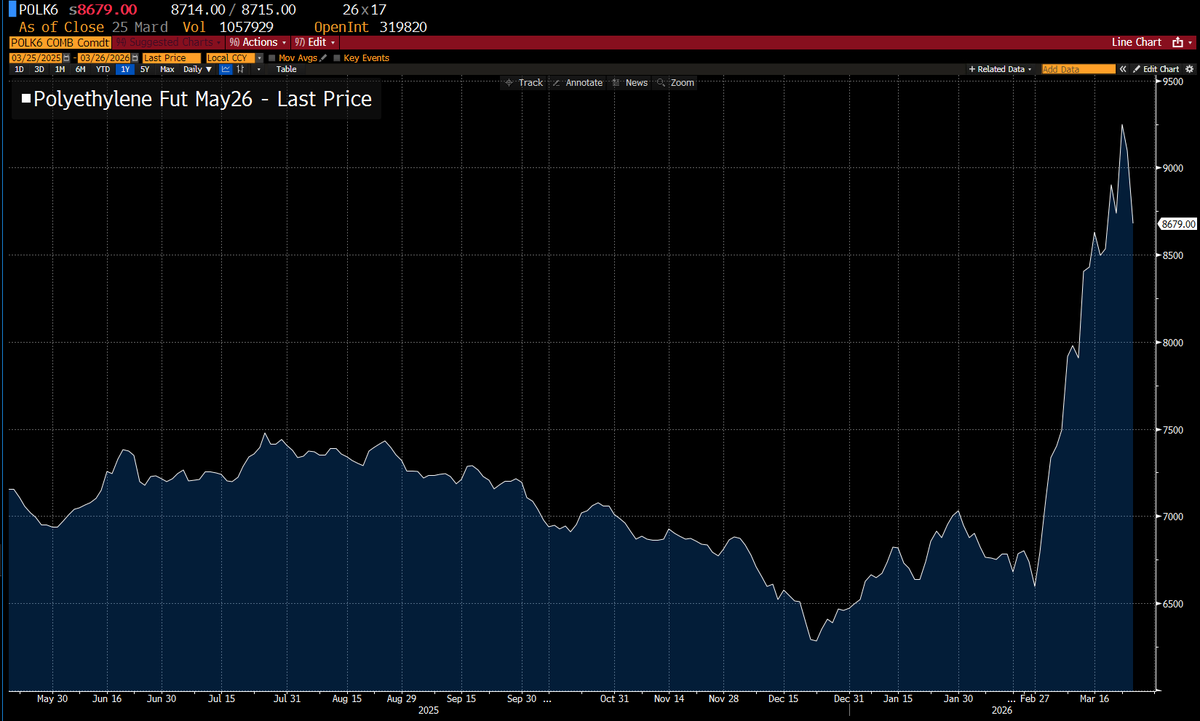
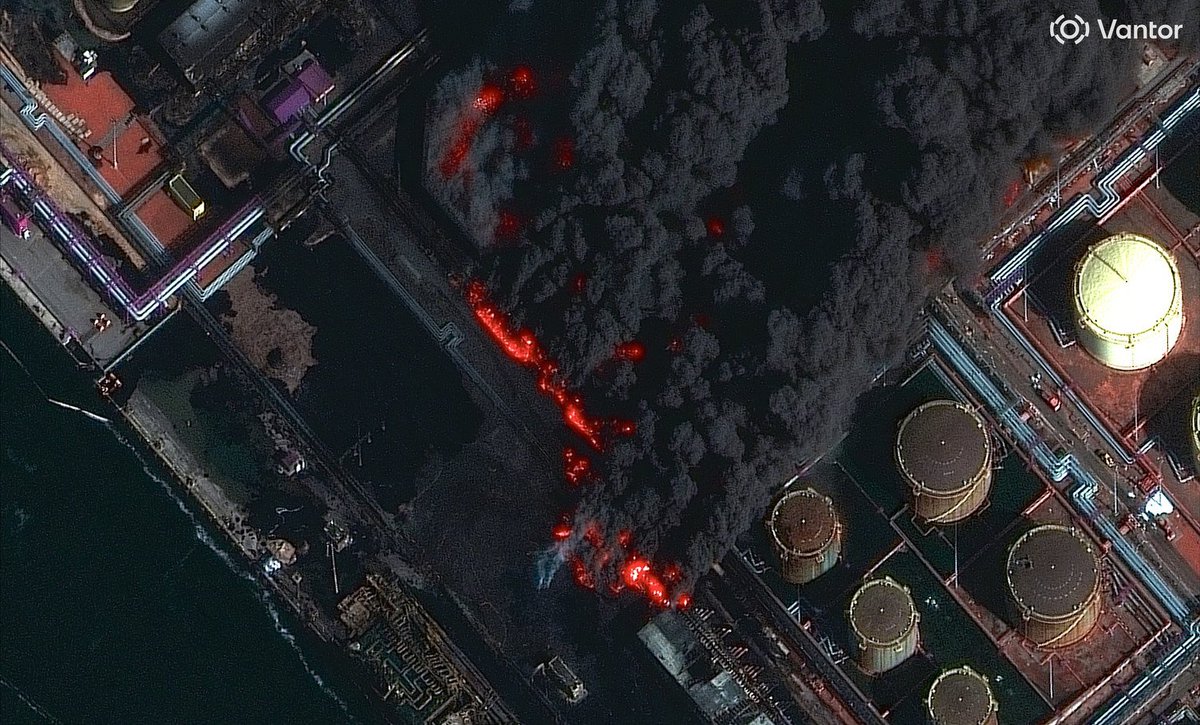
A major explosion and fire at Valero’s Port Arthur refinery has taken one of the largest U.S. refining facilities offline, removing approximately 415,000 barrels per day from supply amid heightened market volatility. Our North American Refinery Intelligence Service has released a new report analysing the incident, using infrared monitoring across 12 key processing units at the site. Together, these units represent a significant share of PADD 3 refining capacity. Combining aerial imagery captured within 24 hours of the event with detailed operational analysis, the report assesses the scale of the disruption. Key findings include damage to the diesel hydrotreater, impacts on surrounding infrastructure, and the operational status of major units across the facility. With geopolitical pressures already tightening global energy markets, this outage adds further uncertainty to refined product supply. Learn more about our North American Refinery Intelligence Service and Commodity Trading Analytics: okt.to/4JOb68
Wood Mackenzie tweet mediaWood Mackenzie tweet mediaWood Mackenzie tweet mediaWood Mackenzie tweet media
English
86
812
2.7K
786K
Drew Smithee, PE retweetet
Ben Verlander
Ben Verlander@BenVerlander·
This is awesome Opening Day in Cincinnati might just be the best thing going in sports
English
21
68
1.1K
34.2K
Drew Smithee, PE retweetet
Aakash Gupta
Aakash Gupta@aakashgupta·
The US just ran the most effective energy siege in modern history, and most Americans don’t even know it’s happening. January: the US removes Maduro from Venezuela, cutting off Cuba’s primary oil lifeline of 100,000 barrels per day. Same month, Trump warns tariffs on any country that sells Cuba oil. Mexico slashes deliveries 73%. Russia sends two symbolic tanker loads all year. Result: zero oil tankers have reached Cuba since January 9th. Cuba consumes about 112,000 barrels of oil per day. It produces 30,000 domestically. That 82,000 barrel daily gap is now unfilled, and the effects are cascading through every layer of Cuban society. The grid collapsed March 4. Collapsed again March 16. Collapsed again March 21. Three total nationwide blackouts in three weeks, each leaving all 11 million people without power for days. Here’s what “totally dark” actually means on the ground. Hospitals canceling surgeries. Refrigerators dying, so families buy food daily because nothing keeps. Water pumps shut off, meaning no running water in homes. A woman in Havana told AP her refrigerator broke from voltage surges, then said if power doesn’t return, her family can’t get water. People cooking with firewood in their apartments. Provinces outside Havana getting two to four hours of electricity per day. Highways empty because there’s no fuel for cars. Cuba’s thermoelectric plants were built in the Soviet era and run on heavy fuel oil whose sulfur content corrodes the equipment from the inside. The country can’t import spare parts because it has no hard currency and sanctions block the supply chain. One professor at American University called the technicians keeping the grid alive “magicians” given what they’re working with. The strategy is precise. Block the oil, remove the ally who supplied it, threaten tariffs on anyone who fills the gap, and let physics do the rest. Trump told reporters after a previous grid collapse that he’d soon have “the honor of taking Cuba.” Hours before the March 16 blackout, Cuba announced it would allow foreign investment for the first time in 65 years. A government abandoning a core economic principle the same week its grid collapses three times isn’t reform. That’s leverage working exactly as designed. Two Russian shadow fleet tankers are expected late March. Enough diesel for a couple weeks. That’s the lifeline for 11 million people.
Stew Peters@realstewpeters

Cuba’s lights are all off. Totally dark.

English
137
782
4.7K
1.3M
Drew Smithee, PE retweetet
Anton Gerashchenko
Anton Gerashchenko@Gerashchenko_en·
Drones attacked the port of Ust-Luga in Russia’s Leningrad region. Preliminary reports say the NOVATEK Ust-Luga plant was hit. The facility processes stable gas condensate - a byproduct of oil and gas production - and exports petroleum products to international markets.
English
55
523
2.2K
119.8K
Drew Smithee, PE retweetet
Criterion Research
Criterion Research@PipelineFlows·
Comstock, in partnership with NextEra, picked Anderson County, Texas, for its 5.2 GW gas-fired power generation hub. Haynesville supply could reach nearly 1 Bcf/d by 2031, fed through Comstock's own Pinnacle Gas midstream system. First power targeted as early as 2027. Initial phase: 2 GW inside ERCOT. #NatGas #ERCOT
English
1
1
9
1.8K
Drew Smithee, PE retweetet
Brian Allen
Brian Allen@allenanalysis·
🚨 BREAKING: Massive explosion at Valero’s Port Arthur refinery. One of the largest in the U.S. (335,000+ barrels/day). Black smoke. Active fire. Cause unknown. All happening as global oil supply is already under pressure from the Iran war — with major disruptions hitting energy flows and prices worldwide Coincidence?
English
112
544
1.4K
231K
Drew Smithee, PE retweetet
David Pomerantz
David Pomerantz@DavidPomerantz·
"It marks a rare moment of alignment between Trump and Democrats and reflects the populist message that has crept into the energy affordability debate." latitudemedia.com/news/utility-c…
David Pomerantz tweet media
English
2
5
11
1.5K
Drew Smithee, PE retweetet
Mahmud Mohammed
Mahmud Mohammed@MahmudM27830556·
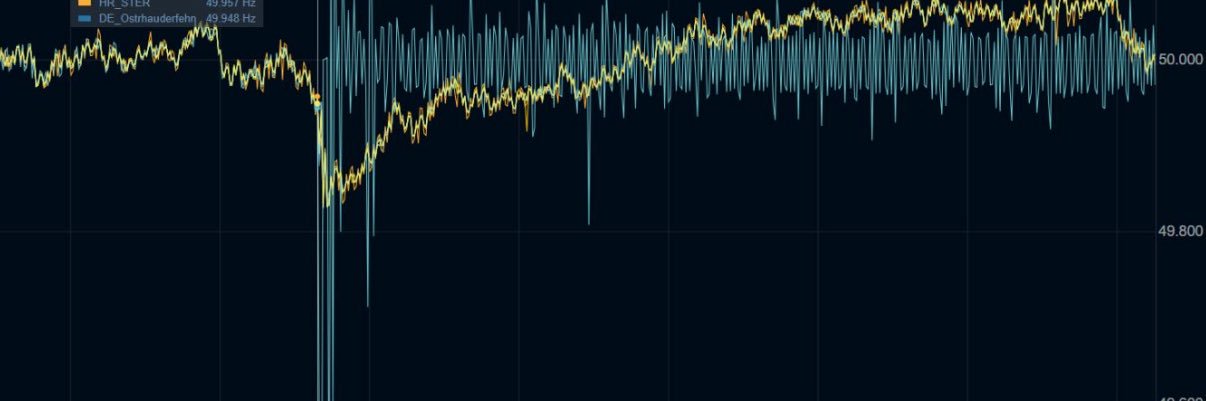
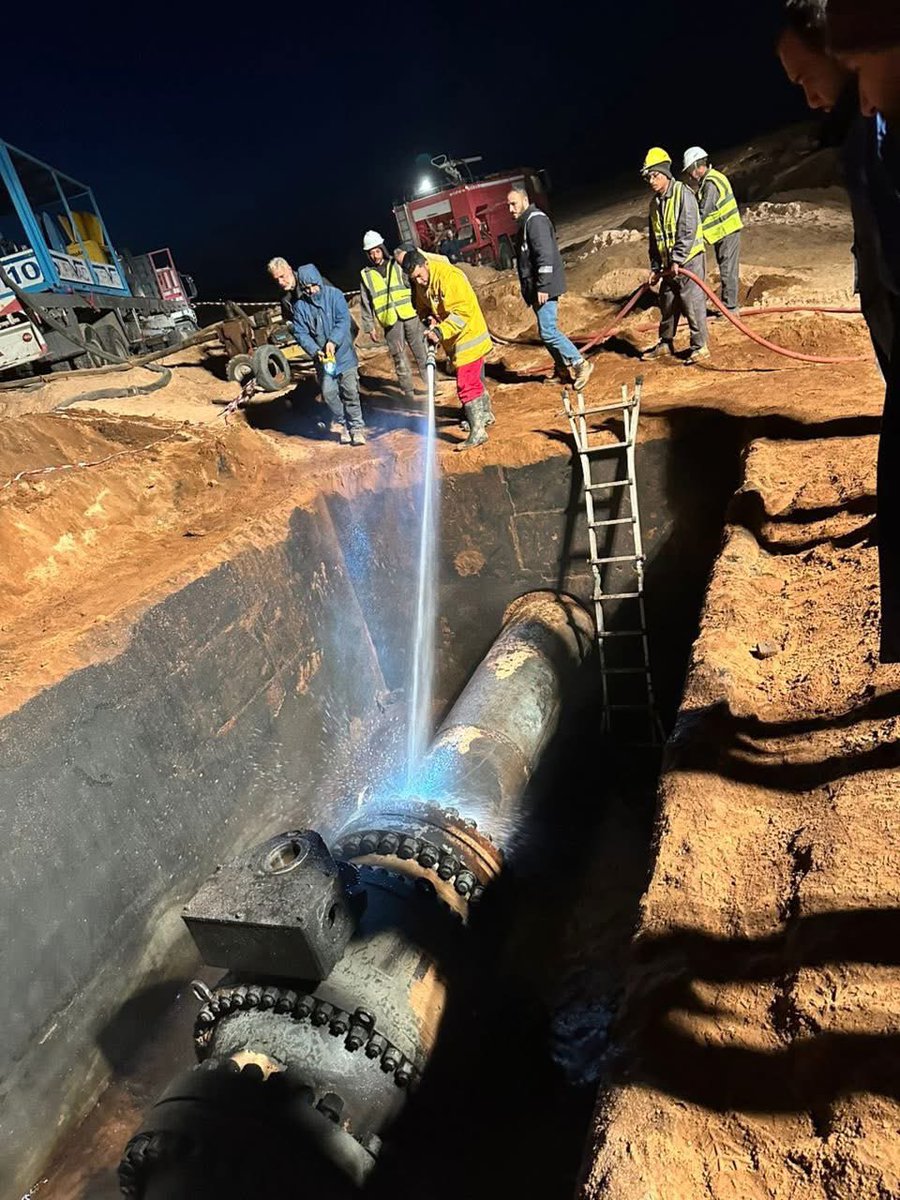
After being secured by the Ministry of Interior and handling the explosives, maintenance teams are working around the clock to repair the sharara pipeline and restore operations within days. #OOTT #Libya
Mahmud Mohammed tweet mediaMahmud Mohammed tweet media
Mahmud Mohammed@MahmudM27830556

Ministry of Interior statement: The Hamada pipeline explosion was not accidental; forensic teams found a 250 kg- M-62 aerial bomb and parts of a 130 mm rocket near a valve on the Sharara pipeline to Zawiya. The site has been secured and explosives safely handled. #Libya

English
4
6
20
8.6K