

Redkin
17.3K posts

Redkin
@FiveRedkin
“Blessed are the pure in heart, for they will see God.” (Matthew 5:8)
Beigetreten Şubat 2023
255 Folgt275 Follower
Redkin retweetet

Criminal Negligence is a far too generous assessment
The very fact that it’s nearly impossible for Patients to defend their rights & litigate iatrogenic harms through the legal system
Demonstrates premeditated intent by Drug manufacturers to escape civil & criminal culpability
Malicious intent is inherent to the fact of Pharma’s immense institutional capture of the Law, Media, and those post market surveillance systems
It’s equivalent to the Mafia planting its loyal members within a police station but at a much greater & terrible scale
Pharma consistently violates people’s rights, and then themselves have the power to determine that their actions don’t constitute a crime.
Insane.
English

Redkin retweetet
At this rate “Science” will go down in history as a term that went from meaning the pursuit of enlightenment
To becoming an enabling-slogan for the deceptive manipulation of public trust in order to maliciously harm entire populations while using the law & media to cover up the damage.
English
Redkin retweetet
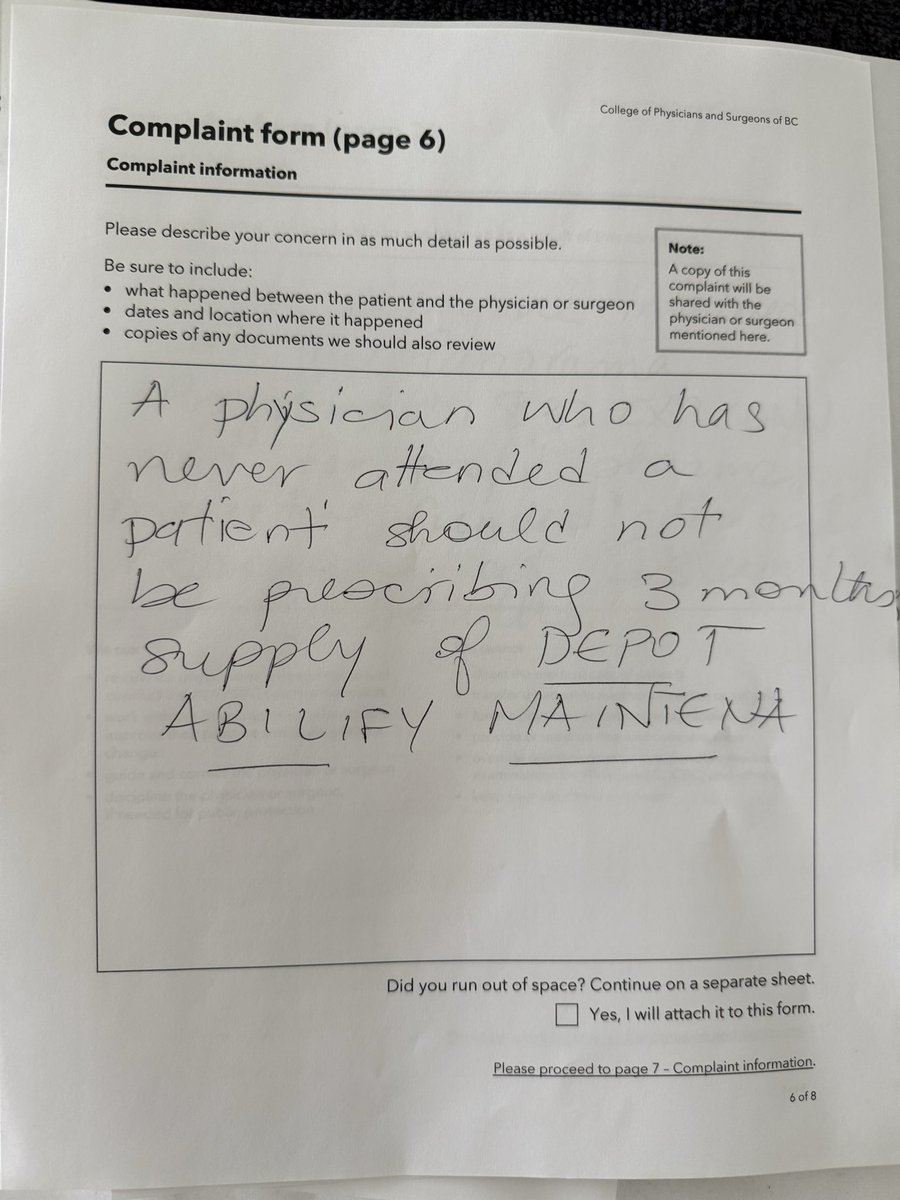
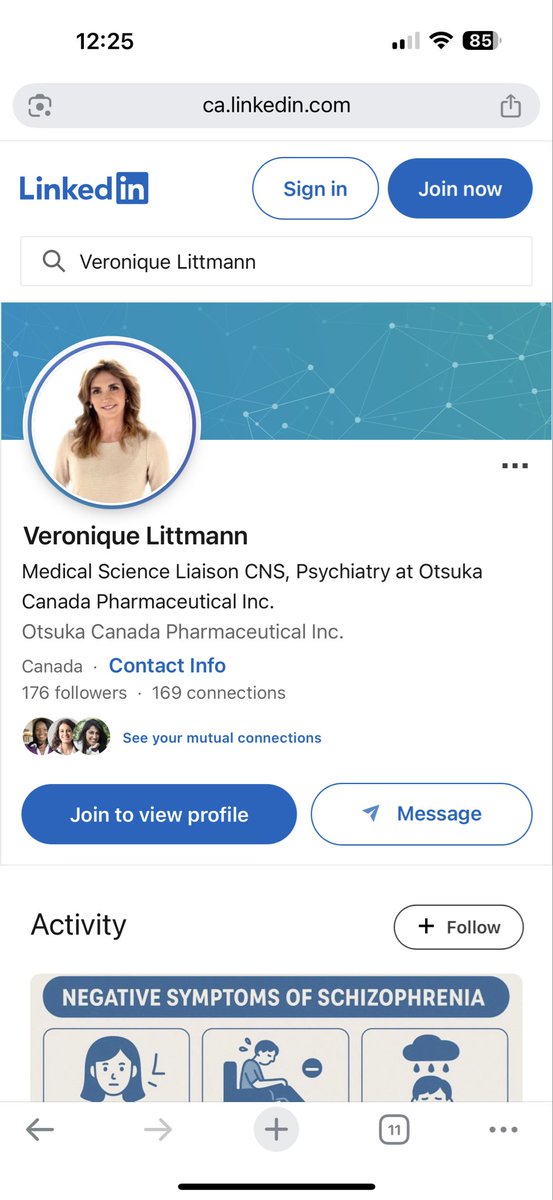
@Patients_Power @FiveRedkin Or say something the health authority doesn’t want to hear. They destroy people and careers @VanIslandHealth @BCOmbudsperson @DrKindyMLA


English
Redkin retweetet


Redkin retweetet


Redkin retweetet

Long-term benzodiazepine use can paradoxically increase anxiety. What seemed like a calming medication can turn on you, leading to panic attacks. #MentalHealth #MedicationAwareness
English
Redkin retweetet

‘They have been sidelined’ - historic trauma at Ireland's mental institutions
thejournal.ie/investigates-s…
English
Redkin retweetet
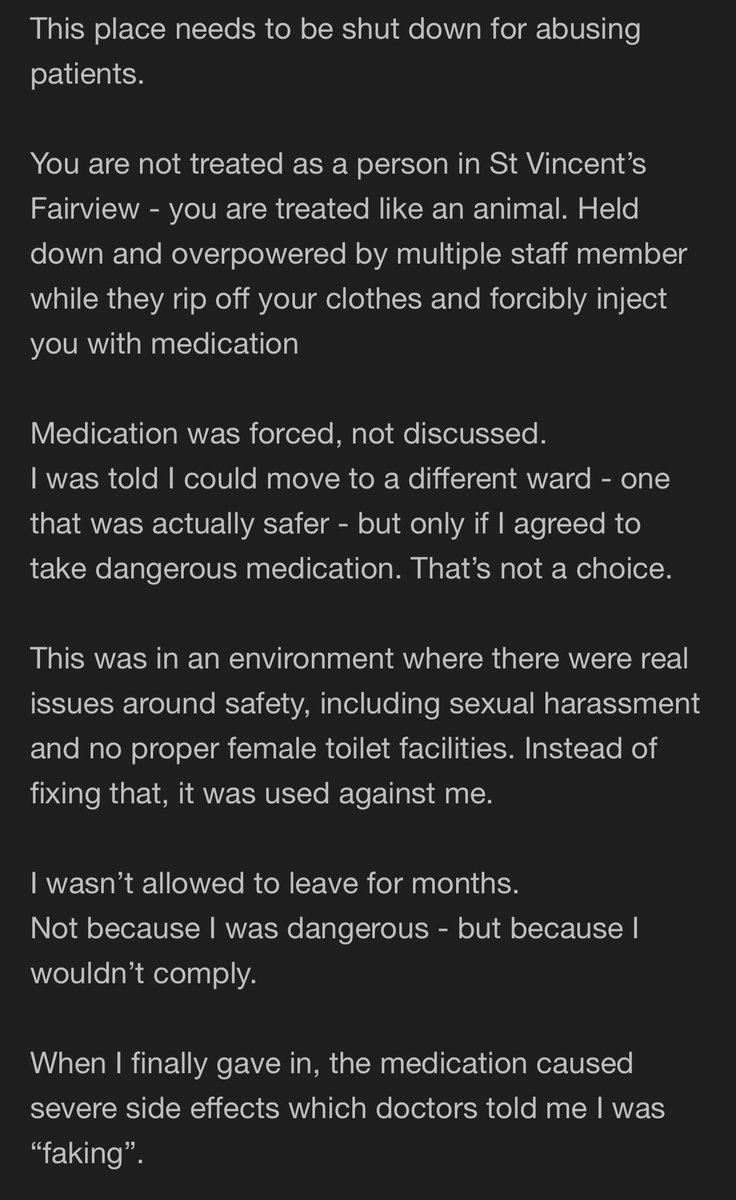
“You are not treated as a person… you are treated like an animal.”
“There were real issues around safety, including sexual harassment and no proper female toilet facilities. Instead of fixing that, it was used against me.”
English
Redkin retweetet
Psychiatric patient spent 12 days in isolation without shower - Report finds patients at Portlaoise hospital held in isolation until they showed ‘remorse’
irishtimes.com/news/health/ps…
English
Redkin retweetet

Childhood bipolar disorder was almost never diagnosed before 1990.
By 2003, rates had increased 4000%.
The children didn’t change.
The patents on new drugs created a market that needed patients.
English
Redkin retweetet
A moment of crisis.
A misunderstanding.
Someone else’s interpretation of your behaviour.
That’s all it takes.
English
Redkin retweetet
No one is immune to psychiatric abuse.
You just have to be in the wrong place at the wrong time.
English
Redkin retweetet
You don’t have to be “severely unwell.”
You don’t have to fit a stereotype.
Once you’re in the system, the rules change.
English
Redkin retweetet

@GrantHBrennerMD Let's be honest about what this argument actually is.
It's a call for licensed clinicians to stay quiet — dressed up in the language of ethics.
I have an ethical obligation to share what I know — including inconvenient truths the mainstream doesn't want discussed. That IS harm reduction. That IS honoring my training.
The idea that professional ethics means sanitizing your voice for institutional comfort is ridiculous.
If your ethics framework produces more compliance than clarity, it's worth asking who that framework actually serves.
Grant H Brenner MD DFAPA@GrantHBrennerMD
I’ve noticed an increasing trend of licensed clinicians sharing strong views about mental health and psychiatric treatments on social platforms, often without much context or guidance on seeking individualized evaluation. Sometimes these posts appear aimed at audience growth or promoting projects or services. While framed as personal opinions, such content can be interpreted as clinical guidance when presented by professionals. Many professional bodies offer social media guidelines to help ensure our communications remain ethical and responsible. These posts may be anti‑medication, anti‑ or pro‑specific therapy approaches, or advocate for particular modalities—often without caveats about individual variability. Given that many viewers place trust in licensed professionals, there’s a risk that broad statements could inadvertently discourage people from treatments that might help them, or prompt them to stop care that is working. A core ethical commitment in healthcare is to minimize harm. It’s important that we communicate in ways that uphold that standard—acknowledging limits, encouraging personalized assessment, and avoiding definitive advice outside appropriate clinical contexts. When discussing areas beyond one’s training or scope, clarity about those limits helps maintain public trust and professional integrity. In today's world, it can be hard to live up to these ideals, but in my view, it is important - regardless of whether one is "on the clock".
English
@DrMcFillin @GrantHBrennerMD Please keep sharing everything, McFilling, you're our light in this horrible hell.
English