ForGreatOutdoor

7.8K posts

ForGreatOutdoor banner
ForGreatOutdoor

ForGreatOutdoor

@ForGreatOutdoor

Love to travel. Love the outdoors. Love to explore

San Diego, CA Beigetreten Ağustos 2024
1.3K Folgt165 Follower
Angehefteter Tweet
ForGreatOutdoor
ForGreatOutdoor@ForGreatOutdoor·
Great hike today
ForGreatOutdoor tweet media
English
3
0
17
621
ForGreatOutdoor retweetet
Amazing Architecture
Amazing Architecture@old_world_exp·
Pantheon in Rome
Amazing Architecture tweet media
English
13
527
7K
98.9K
ForGreatOutdoor retweetet
NASA
NASA@NASA·
So that’s what a swan’s egg looks like… 🤔 This @NASAHubble image reveals the central star “yolk” and dense dust cloud of the Egg Nebula, located about 1,000 light-years away in the constellation Cygnus (the Swan).
NASA tweet media
English
557
1.8K
9.5K
640K
ForGreatOutdoor retweetet
Mystic Castle
Mystic Castle@mysticcastIe·
Molbork Castle, Poland 🇵🇱
Mystic Castle tweet media
English
84
171
2K
241K
ForGreatOutdoor retweetet
Today in History
Today in History@TodayinHistory·
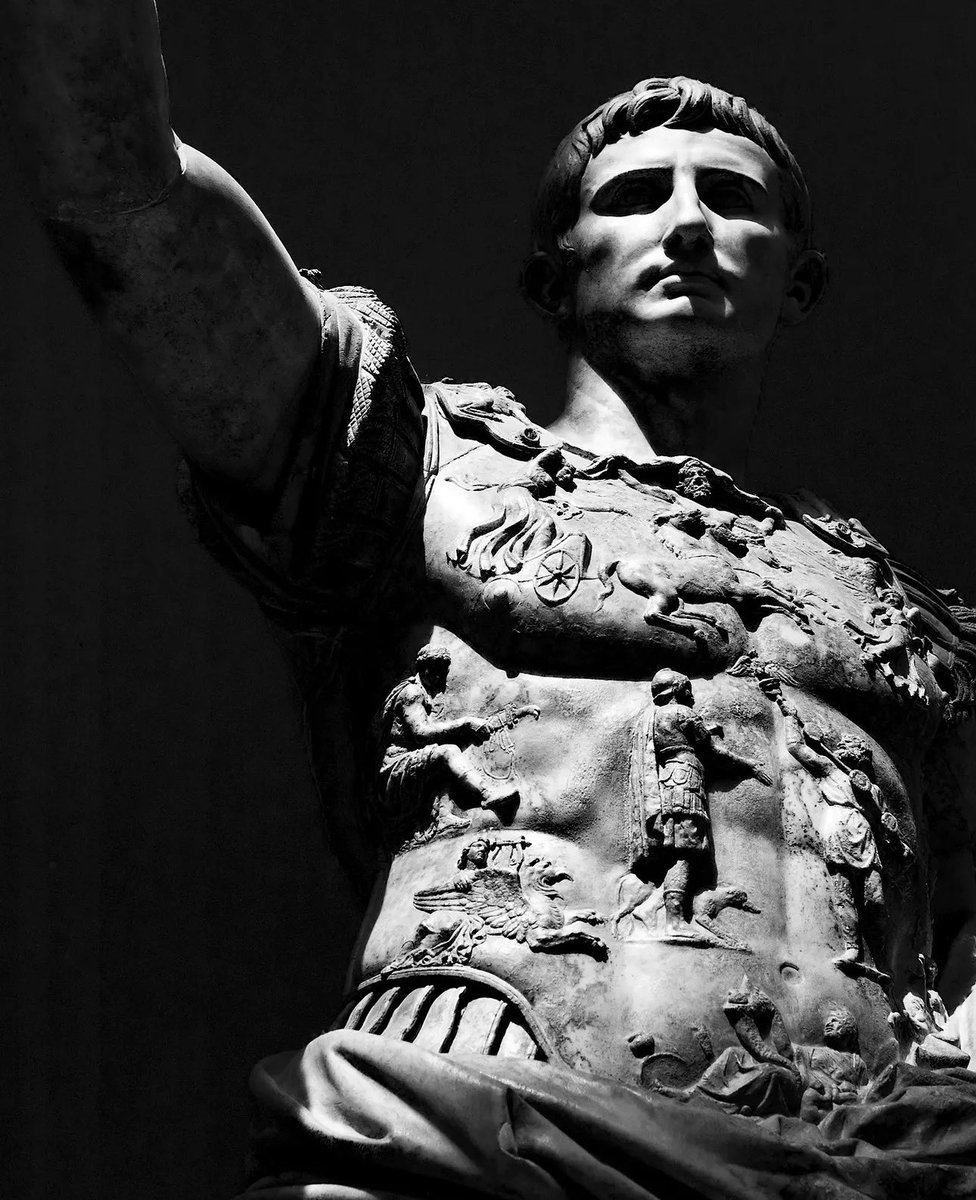
March 6, 12 BC: Roman Emperor Augustus was appointed Pontifex Maximus.
Today in History tweet media
English
16
142
1K
17.5K
ForGreatOutdoor retweetet
Nephthys
Nephthys@EarthTime·
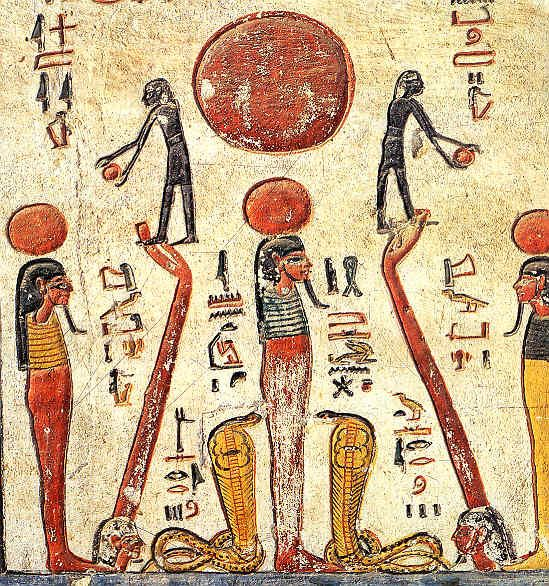
KV09, Valley of the Kings.
Nephthys tweet media
English
2
35
167
2.2K
ForGreatOutdoor retweetet
DaVinci
DaVinci@BiancoDavinci·
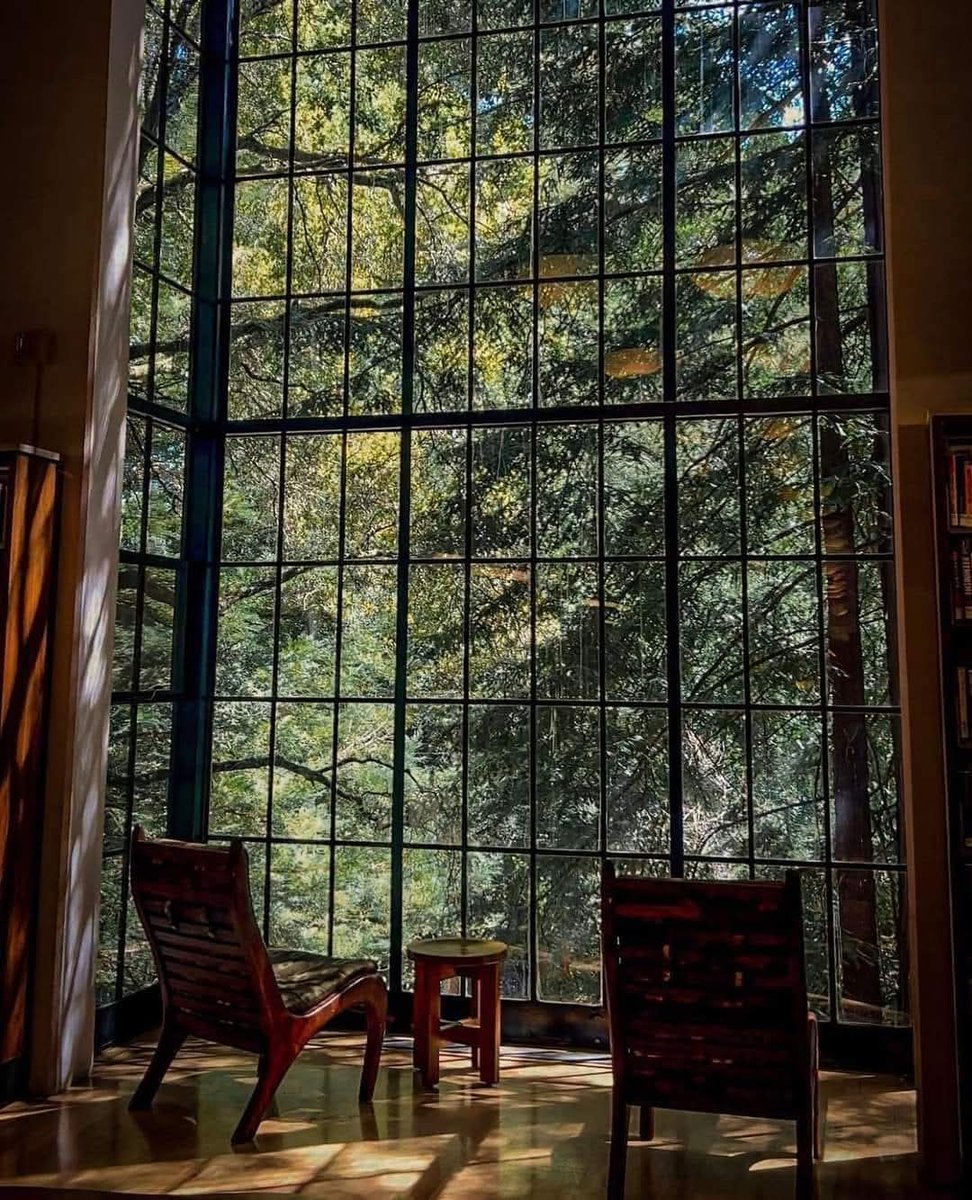
View from a window at the Mill Valley Public Library in California.
DaVinci tweet media
English
246
2.1K
22.2K
744.1K
ForGreatOutdoor retweetet
Historic Hub
Historic Hub@HistoricHub·
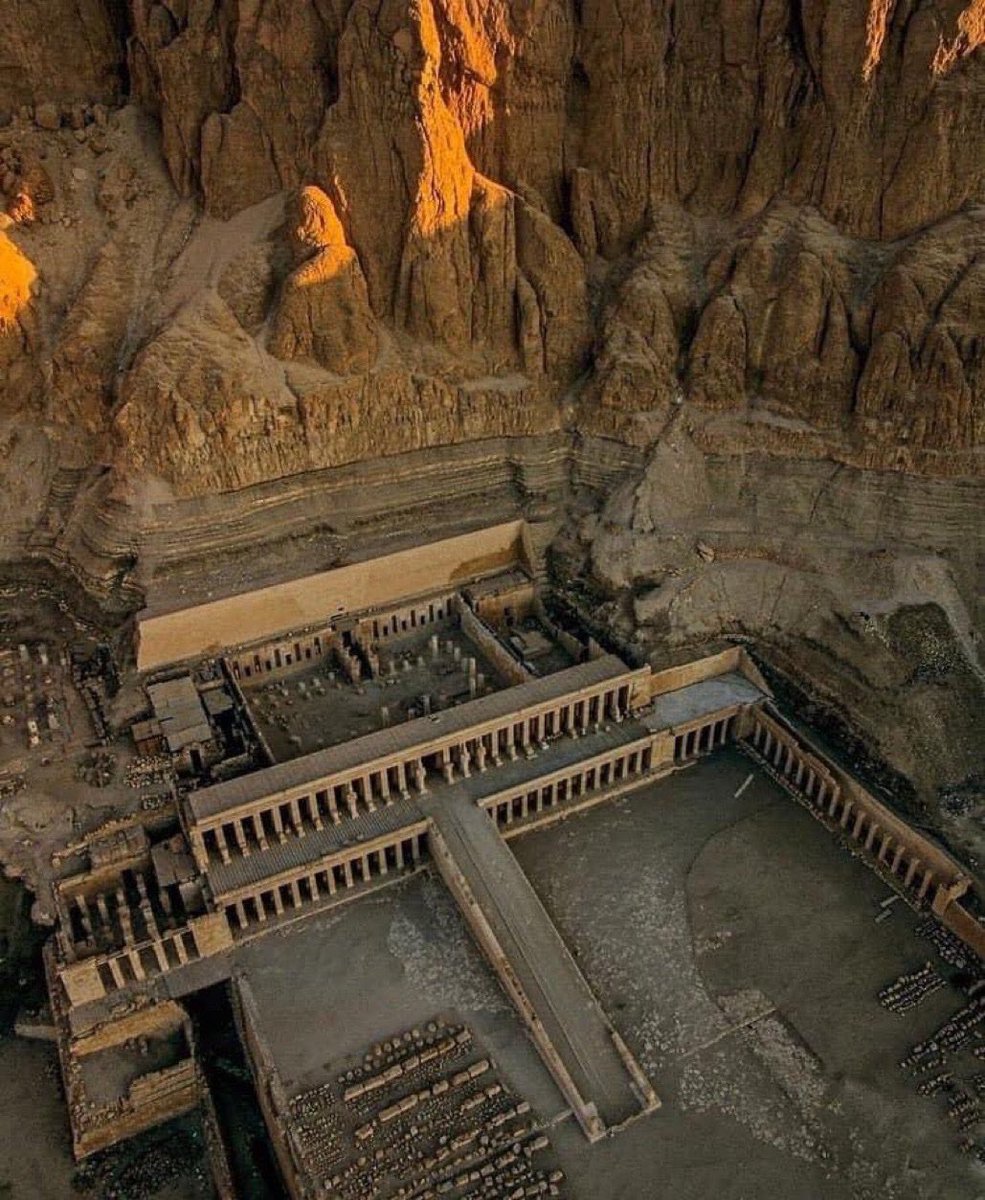
Temple of Queen Hatshepsut commissioned in 1479 BCE. Considered to be a masterpiece of ancient architecture.
Historic Hub tweet media
English
31
511
3.6K
47.9K
ForGreatOutdoor retweetet
Heritage Matters🔱
Heritage Matters🔱@HeritageMatterz·
German Grim Reaper Dagger with a damascus steel blade. Imagine sitting under a fruitful apple tree with this bad boy. Circa 1890.
Heritage Matters🔱 tweet media
English
4
68
545
9.7K
ForGreatOutdoor retweetet
LeoDaVinciWave
LeoDaVinciWave@LeoDaVinciWave·
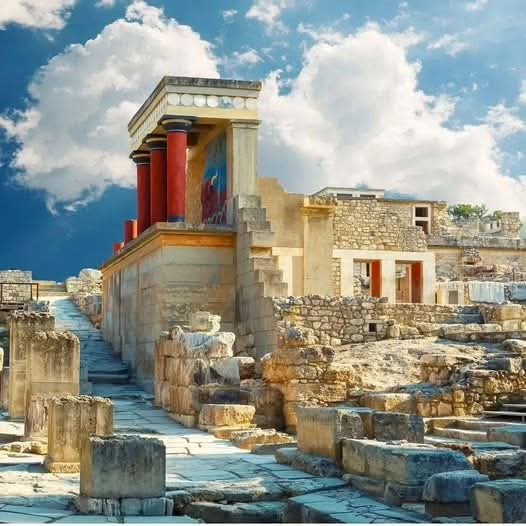
The Palace of Knossos on the island of Crete, believed to be Europe’s oldest palace, dating back over 4,000 years.
LeoDaVinciWave tweet media
English
13
201
1.2K
18.8K
ForGreatOutdoor retweetet
Geology Tweets
Geology Tweets@GeologyTime·
Rainbow Pyrite with Quartz on matrix from West Kalimantan (Indonesia) Video: ColoradoGemWorks Alexander Walker
English
15
299
1.4K
25K
ForGreatOutdoor retweetet
ArchaeoHistories
ArchaeoHistories@histories_arch·
Uniform and Sword of General Jacques-Zacharie Destaing (1801–1802)... In the turbulent years of the French First Republic, uniforms were more than clothing—they were declarations of allegiance, authority, and revolution. The uniform and sword attributed to Jacques-Zacharie Destaing, dated between 1801-1802, capture a moment when France stood between revolution and empire. These years fell under the Consulate, with Napoleon Bonaparte as First Consul. The chaos of the Revolution had stabilized, but the Republic was still defined by its armies. Generals were not merely battlefield commanders—they were political symbols of the new France. The uniform reflects this transition. By the early 19th Century, French generals wore richly embroidered coats, often in deep blue with gold detailing. The cut followed military practicality, but ornamentation signaled rank and prestige. Epaulettes—heavy with bullion fringe—rested on the shoulders. The bicorne hat, angled sharply, framed the officer’s silhouette in unmistakable Napoleonic style. This was no aristocratic relic of the ancien régime. After 1789, France reimagined military dress. While grandeur remained, it now symbolized merit rather than inherited nobility. Many Republican officers rose through the ranks based on ability rather than birth. Their uniforms represented service to the nation, not to a king. Destaing’s sword complements the uniform’s authority. French officer swords of this era often featured curved blades influenced by light cavalry sabers. The hilt might display gilded brass, engraved motifs, or symbolic emblems of the Republic. A sword was both weapon and badge of command—carried in battle but also worn ceremonially. Between 1801-1802, France was navigating fragile peace. The Treaty of Lunéville (1801) secured victories against Austria. The Treaty of Amiens (1802) briefly paused war with Britain. Officers like Destaing operated in a world where diplomacy and warfare were inseparable. The craftsmanship of such a uniform and sword speaks to national pride. French textile production and metalworking were highly refined. Even in wartime, detail mattered. Imagine this uniform in motion: Boots striking cobblestone. Gold embroidery catching sunlight. Sword hilt glinting at the officer’s side. The image projects authority, discipline, and ambition. Within just two years of this uniform’s dating, Napoleon would crown himself Emperor (1804), transforming the Republic into the First French Empire. Officers of the Republic became marshals of empire. Styles evolved—but the foundations of Napoleonic military iconography were already in place. This uniform belongs to that precise hinge in history—Republican ideals still officially intact, imperial grandeur on the horizon. Objects like these are powerful because they humanize history. They remind us that sweeping political transformations were lived by individuals—men who wore these coats, held these swords, and stood at the edge of Europe’s reshaping. © Reddit #archaeohistories
ArchaeoHistories tweet media
English
3
28
159
7.4K
ForGreatOutdoor retweetet
Old World Explorer
Old World Explorer@archi_tradition·
The city of Ålesund in Norway, known for its unique Art Nouveau architecture.
Old World Explorer tweet media
English
17
139
1.2K
35.9K
ForGreatOutdoor retweetet
Earth
Earth@earthcurated·
The Andes mountain range that blocks the passage of clouds like a natural wall
English
77
1.3K
9.2K
232.5K
ForGreatOutdoor retweetet
ArchaeoHistories
ArchaeoHistories@histories_arch·
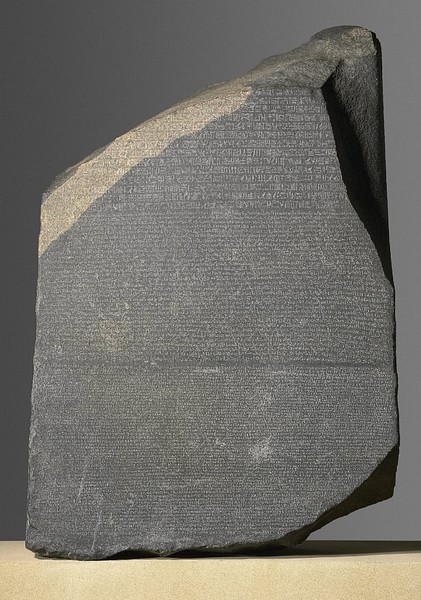
The Rosetta Stone, discovered in July 1799 by French officer Pierre-Francois Bouchard during Napoleon's invasion of Egypt, became the key that unlocked nearly 1,400 years of lost language. The stone is a granodiorite slab inscribed with the same decree in three scripts: ancient Egyptian hieroglyphs at the top, Demotic script in the middle, and Greek at the bottom. The decree itself dates to 196 BC, issued by Egyptian priests honoring the young Pharaoh Ptolemy V. Because ancient Greek was well known to European scholars, the Greek text provided the critical starting point for decipherment. Stephen Weston delivered the first English translation of the Greek text at London's Society of Antiquaries in April 1802, and Hubert-Pascal Ameilhon published the first printed translation in 1803. The real breakthrough began with the middle Demotic text, when scholars Johan David Åkerblad and Antoine-Isaac Silvestre de Sacy identified five proper names by cross-referencing them with their Greek equivalents. Åkerblad correctly identified 29 phonetic characters from those names, proving the Demotic script was at least partially alphabetical. The hieroglyphic text proved far more difficult, as scholars had long assumed hieroglyphs were purely symbolic rather than phonetic. Thomas Young made a decisive advance in 1814 when he identified the phonetic characters spelling "Ptolemaios" inside a cartouche in the hieroglyphic text. Young also noticed up to 80 structural similarities between the hieroglyphic and Demotic scripts, disproving the long-held belief that the two were entirely unrelated systems. Jean-Francois Champollion built directly on Young's work, and in 1822 identified the phonetic characters spelling "Kleopatra" by studying the Philae obelisk, which contained both Greek and hieroglyphic inscriptions. Armed with two confirmed royal names, Champollion rapidly assembled a phonetic alphabet for hieroglyphs and announced his findings on September 27, 1822, in a landmark lecture in Paris. He confirmed his system the following year by identifying the cartouche names of Ramesses and Thutmose at Abu Simbel, proving phonetic hieroglyphs applied to Egyptian names as well, not just foreign ones. The full decipherment unlocked not just one inscription but an entire civilization's written record, silent for over a millennium. Since 1802, the stone has remained on near-continuous public display at the British Museum, where it is the single most visited object in the collection. Egypt has repeatedly requested its return, arguing the stone is central to Egyptian cultural identity, but the British Museum has so far declined to repatriate it. The decipherment of the Rosetta Stone fundamentally transformed the study of ancient Egypt, converting a civilization that had been historically mute for over a thousand years into one of the most documented cultures in human history. Before Champollion's breakthrough, Egyptian temples, tombs, and monuments were filled with symbols no living person could read, leaving historians to rely almost entirely on secondhand accounts from Greek and Roman writers. Once the phonetic structure of hieroglyphs was understood, scholars gained direct access to religious texts, administrative records, royal proclamations, and literature stretching back thousands of years. The discovery also established a methodological template for deciphering other lost scripts, and the phrase "Rosetta Stone" entered the broader language as a universal metaphor for any foundational key that unlocks a larger system of knowledge. #archaeohistories
ArchaeoHistories tweet media
English
49
263
1.1K
62.6K
ForGreatOutdoor retweetet
Archaeology & Art
Archaeology & Art@archaeologyart·
Lighthouse keeper Louis Coulon, his 11 Foot Beard and Cat. France, postcard print, 1904. Photographer: Jean/J.-B. Bonnot.
Archaeology & Art tweet media
English
43
525
2.9K
78.5K
VGP Video Games Plus
VGP Video Games Plus@VideoGamesPlus_·
VGP Giveaway Time! VGP is giving away a Resident Evil Requiem Ed. Pro Controller, a Resident Evil Requiem Deluxe Edition + Steelbook NSW2 and a Glitch sticker. RT, Like and Follow VGP to enter for a chance to win! Winner announced Friday, March 20th, 2026
VGP Video Games Plus tweet media
English
409
4.4K
5.1K
211.9K
TAG
TAG@TAGgrading·
🌙 POKÉMON DAY GIVEAWAY ✨ Win a TAG PRISTINE 10 (991) UMBREON EX SAR How to enter: 1️⃣ Like ❤️ & Repost 🔁 2️⃣ Follow @getcollectr + @taggrading 3️⃣ Reply with your favorite Gen 10 starter: Pombon, Browt, or Gecqua! PRISTINE is achieved by <1% of TAG submissions. This 991 is tied for the 15th highest TAG-graded copy in the world. #1 CROWN PRISTINE currently held by a TAG 996. Winner announced March 7 🌊 #PokemonDay #Pokemon #pombon #browt #gecqua

TAG tweet media

English
2.5K
2.3K
2.7K
161.5K