Indomitus

41.3K posts

Indomitus banner
Indomitus

Indomitus

@Indomitus8

My word, mine. La retorces: teua. SÍ, ask referències, exemples, esmenes & si error, tell me. PROHIBIT Machismo discursivo HUMOR ON @colectivoDime

Valencia, España Beigetreten Aralık 2020
1.1K Folgt1.9K Follower
Indomitus retweetet
Gonzalo Torné
Gonzalo Torné@gonzalotorne·
PELMA PROMEDIO: "El arte no debe tomar partido, la ficcion es una esfera autónoma..." FLAUBERT: "El novelista no debe limitarse a dar su opinión, debe imponer la realidad como considera que es, introducir la justicia, de una vez por todas en la novela, con toda parcialidad"
Español
2
14
37
1.7K
Indomitus retweetet
Dana Palubiak
Dana Palubiak@DanaPalubiak·
The last 20 years of NCLB, RttT, and Common Core failed kids. Standardization didn't work. The research is clear. So why are we doing it again with reading? And why are teachers going along with it? Because we close our doors and teach the child in front of us.
English
4
3
13
1K
Pablo Beltrán-Pellicer 🧮💚
Horrible🤦🏻‍♂️ y desvirtúa TODO: - Pronto vendrán las PAU. Si te puedes permitir una de estas, te vas a reír de los que necesitan >12 para entrar en el grado. - He visto títulos de máster en privadas donde nadie del claustro es especialista en la cuestión. Pero oye, se autorizan.
Elisa Silió@ElisaSilio

España tiene más universidades privadas con ánimo de lucro (25) que “con fin social” (24) desde esta semana. 2026 puede terminar con 53 privadas frente a 50 públicas aunque en Madrid (con tres proyectos evaluados) las aguas están muy revueltas. elpais.com/educacion/2026…

Español
6
15
51
6.8K
Indomitus retweetet
elDiariocv.es
elDiariocv.es@eldiariocv·
Un càrrec de Pérez Llorca en Educació publica un llibre per a docents en què els “denigra” i banalitza l’Holocaust eldiario.es/comunitat-vale…
Català
2
19
26
4K
Indomitus
Indomitus@Indomitus8·
Duro pero cierto. Explica tanto…
qlopdopis@qlopdopis

@cesarastudillo @Recuenco Eso sí, es una afirmación dura y valiente. Porque cuando se trata de tu bien o el de los tuyos, el bien común suele... ser soslayado.

Español
0
0
0
65
Maestro Jota
Maestro Jota@elmaestrojota·
¿Ande tengo que ir para estudiar expertismo educativo?
Maestro Jota tweet media
Español
8
15
105
2K
Indomitus retweetet
José Mencía
José Mencía@jmmencia·
El doodling consiste en dibujar garabatos mientras escuchas. Yo no conocía esta técnica, pero parece que aumenta la retención de información hasta un 29%, según un estudio de la Universidad de Plymouth. ¿Por qué? Porque el cerebro adolescente necesita una segunda vía de activación para no desconectarse. Sin ella, entra en modo piloto automático. Parece que escucha, pero no está escuchando. Con ella, el córtex prefrontal sigue activo, conecta conceptos y retiene. Ahora parece que ese alumno tuyo que tanto garabatea en clase es seguramente de los que más atiende.
José Mencía tweet media
Español
12
45
161
11.9K
Indomitus
Indomitus@Indomitus8·
@leiatxu Ojo, no ha estado mal del todo para lo habitual. Ponentes capaces. Eran ponencias más que talleres.
Español
1
0
0
8
Indomitus
Indomitus@Indomitus8·
Acabo de cursar una formación de 50 h mixta virtual y presencial. Sesiones de 3 h. Descansos mínimos o panzadas de más de dos horas. Si me tocara lo mismo DOS veces al día durante 5 días a la semana, no sé yo cómo acabaría la cosa. Yo tb echaba 60 h semanales fuera de docencia.
El Nen Garrofa@elnengarrofa

@da_dedo Ya pero el alumnado no hace 6 horas de clase magistral de la misma temática con solo 30 minutos de descanso. Son 6 clases diferentes con 5-10 minutos entre clase y clase. En todo caso, hay quienes hemos estado 8 horas delante una máquina con solo 30 minutos de descanso...

Español
2
0
1
240
Indomitus retweetet
Ihtesham Ali
Ihtesham Ali@ihtesham2005·
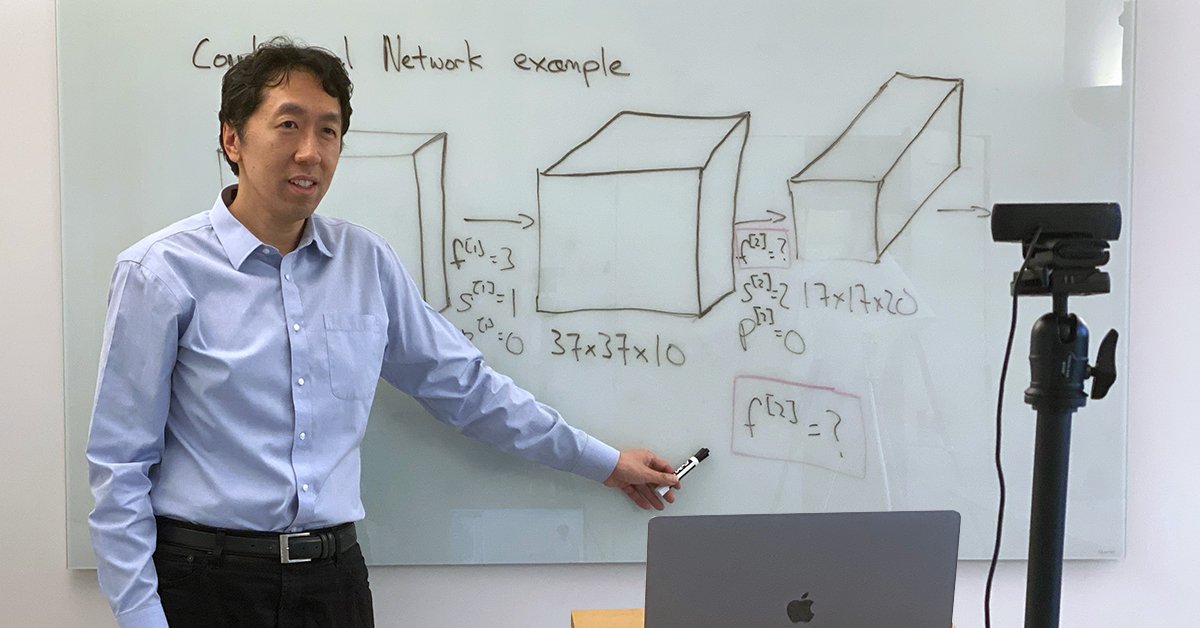
A Stanford CS professor told his class something at the start of the semester that made half the students close their laptops. He said the skill that will separate the people who thrive in the next decade from the people who stall has almost nothing to do with coding. His name is Andrew Ng, and he has trained more machine learning engineers than almost anyone alive. Here is what he said, and why it changes how you should be learning right now. He said the bottleneck is no longer writing code. It is knowing which problems are worth solving in the first place. For thirty years, being a good engineer meant being able to build what someone else defined. In the world that is arriving, every engineer has infinite leverage to build almost anything, which means the person who picks the right thing to build now wins by orders of magnitude over the person who builds the wrong thing flawlessly. His framework for problem selection is deceptively simple. He calls it the three-question filter. The first question is whether the problem you are working on actually matters to someone who would pay for it or use it daily. Most students fail here. They work on projects that are interesting to them and nobody else, and then wonder why the portfolio produces no offers. The second question is whether the problem is still hard now that AI exists. If a single prompt to a hosted model solves it, the problem is no longer valuable to solve yourself. The interesting problems live in the gap between what AI can do alone and what it can do when combined with domain knowledge, careful system design, and data nobody else has access to. The third question is the one most people skip. Can you actually ship a working version in a week. Not a polished version. A crappy, embarrassing, actually-functional version. Ng said the number one predictor of which of his students ended up building something important was not talent. It was the willingness to ship something bad fast and then improve it in public. He said the students who kept tweaking in private for six months before showing anyone almost always produced worse final work than the students who shipped a broken version on week one and iterated based on real feedback. The people who are actually winning right now are not the ones with the best ideas. They are the ones who learned to pick problems that matter and ship solutions that barely work, before anyone else has even finished thinking about it.
Ihtesham Ali tweet media
English
35
365
1.8K
202.1K
Indomitus
Indomitus@Indomitus8·
@lluismora E incentivos/penalizaciones claras. Si no importa, se elige lo que uno está acostumbrado.
Español
0
1
1
67
Lluís
Lluís@lluismora·
#opinión La mejor teoría didáctica fracasa si el docente no tiene preparación para aplicarla con flexibilidad y juicio. Esta preparación no debe ser solo conocimiento declarativo, "sé lo que es la memoria de trabajo", sino conocimiento práctico y adecuadas condiciones de trabajo.
Español
2
2
3
321
Indomitus
Indomitus@Indomitus8·
@leiatxu Es lo que hay… formación obligatoria, además.
Español
1
0
0
10
marga
marga@leiatxu·
@Indomitus8 Pues eso no es un curso semipresencial...porque se tiene que dividir en contenidos que pueden ser trabajados de forma asincrona..en grupo o individualmente y sincrona..e incluso tutorias individualizas. Suena a li que no se hace en clase..te buscas la vida.
Español
1
0
0
12
Indomitus retweetet
Ryan Moulton
Ryan Moulton@moultano·
Here are two technical textbooks so clear and well written that you can read them for pleasure. Both of them were transformational for me. They're also both available for free from the authors' websites.
Ryan Moulton tweet mediaRyan Moulton tweet media
Rafael Хачатурян@rafkhach

Whenever my students object that a humanities or social science text is too dense, wordy, and jargonistic, I ask them whether any analogous piece in a mathematics or physics journal would get a pass from them on those grounds.

English
5
99
992
31.5K