Leonard Grunstein

159.9K posts

Leonard Grunstein banner
Leonard Grunstein

Leonard Grunstein

@LenGrunstein

New Jersey Beigetreten Haziran 2013
13.6K Folgt20.9K Follower
Leonard Grunstein
Leonard Grunstein@LenGrunstein·
@BerlinskiFlor Chag Kasher V'Sameach Flor. A Zissen Pesach and all the best to you and your loves ones.
English
0
0
1
22
Flor Berlinski
Flor Berlinski@BerlinskiFlor·
Muchas gracias Leonard! Jag Pesaj Sameaj junto a todos tus seres amados! Abrazos 🫂🫂🫂🇮🇱🇮🇱🇮🇱🇮🇱🇮🇱🇮🇱🇮🇱🇮🇱🇮🇱🇮🇱🇮🇱🇮🇱
Leonard Grunstein@LenGrunstein

@R3MH2 @plexaleOK @verofeigue @rnovoa @RehavamZeevi @ZionistCommand @davidgon0917 @MajoQuiroga @yankicoen @Danielt15404979 @diegoelman @b3t0_c05 @bernardomoreno @AkivaBA90 @Caleb__MK4 @silvinasz @pasantemossad @barbieprofunda @gbrkw74 @Gloz111 @AleWeisse @BerlinskiFlor Chag Kasher V'Sameach & a Zissen Pesach. Hallel at the Seder: The mixed emotions and resiliency embedded in our traditions What is it about Pesach that makes it so special? It brings out so much good in people! israelnationalnews.com/news/424849?ut… via @ArutzSheva_En

Español
1
0
4
27
Leonard Grunstein retweetet
Leonard Grunstein
Leonard Grunstein@LenGrunstein·
@R3MH2 @plexaleOK @verofeigue @rnovoa @RehavamZeevi @ZionistCommand @davidgon0917 @MajoQuiroga @yankicoen @Danielt15404979 @diegoelman @b3t0_c05 @bernardomoreno @AkivaBA90 @Caleb__MK4 @silvinasz @pasantemossad @barbieprofunda @gbrkw74 @Gloz111 @AleWeisse @BerlinskiFlor Chag Kasher V'Sameach & a Zissen Pesach. Hallel at the Seder: The mixed emotions and resiliency embedded in our traditions What is it about Pesach that makes it so special? It brings out so much good in people! israelnationalnews.com/news/424849?ut… via @ArutzSheva_En
English
1
3
10
86
Leonard Grunstein retweetet
Inside_Israel_Intel
Inside_Israel_Intel@inside_IL_intel·
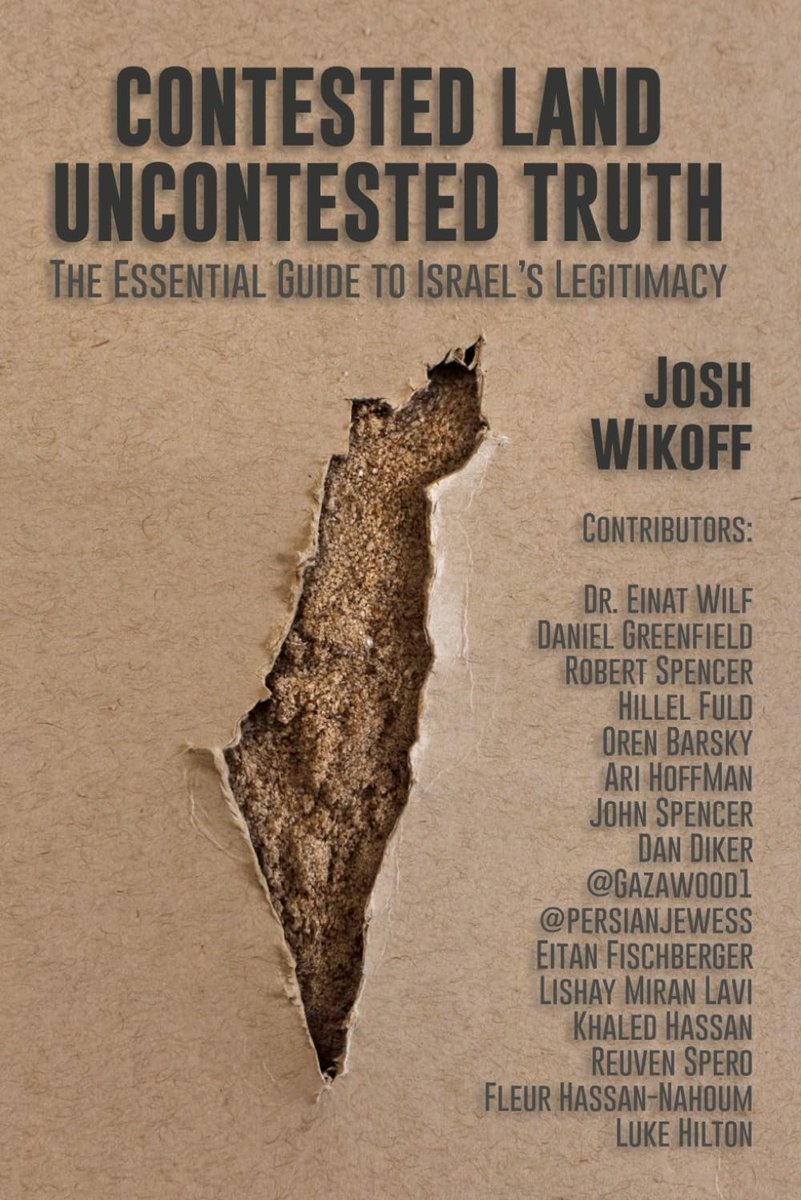
🚨 OPERATIONAL UPDATE: ISRAEL U.S. WAR WITH THE ISLAMIC REPUBLIC - Reporting Window: Last 24 Hours The past 24 hours reinforce a pattern that is becoming clearer by the day. Israeli and U.S. pressure inside Iran continues to target the regime’s ability to sustain long-term warfare, while Iran is increasingly relying on regional escalation and economic leverage. At the same time, divisions among allies over how this war should end are becoming more pronounced. ━━━━━━━━━━━━━━━━━━ ✈️ STRIKES INSIDE IRAN TARGET CORE MILITARY INDUSTRY Israeli strikes overnight focused on a concentrated set of high-value military-industrial targets in and around Tehran. According to reporting from the The Jerusalem Post, the IDF struck: *⃣ A ballistic missile production facility involved in assembling long-range systems *⃣ A missile R&D center tied to next-generation guidance and propulsion *⃣ Facilities producing anti-tank and anti-aircraft missile components *⃣ Launch sites and surface-to-air missile batteries used to defend key infrastructure Additional context from the Alma Research and Education Center indicates that recent strike waves have also included: *⃣ Military-linked industrial sites connected to weapons manufacturing pipelines *⃣ Facilities tied to proxy supply chains, including equipment routed to Hezbollah and Hamas *⃣ Dual-use industrial targets such as steel production centers supporting war manufacturing Open source intel reporting further points to strikes impacting Basij-linked facilities and IRGC infrastructure in Tehran overnight, with visible damage in multiple districts. The targeting profile remains deliberate. These are not symbolic hits. They are designed to degrade Iran’s ability to produce, sustain, and deploy weapons over time. ━━━━━━━━━━━━━━━━━━ 🚀 IRANIAN MISSILE ACTIVITY SHOWING MEASURABLE DECLINE Iranian missile activity continues, but reporting indicates a reduction in launch volume over the last 24 hours. U.S. Defense Secretary Pete Hegseth stated that the past day saw the lowest number of Iranian projectiles launched since the start of the war. Israeli officials attribute this to damage to launch infrastructure, disruption of logistics and reload capacity, pressure on command and coordination systems. At the same time, Iran continues to fire rockets and missiles toward northern Israel and the Galilee, targeted salvos toward southern Israel, including areas near Dimona. Israeli assessments also warn that Iran may attempt a symbolic surge, potentially tied to upcoming holidays, even as overall capacity appears constrained. This reflects attrition, not collapse. Iran still retains significant stockpiles but is facing increasing difficulty deploying them at scale. ━━━━━━━━━━━━━━━━━━ 🛢️ HORMUZ AND ENERGY WARFARE REMAIN CENTRAL The Strait of Hormuz continues to define the broader strategic environment. Reporting from Iran International indicates Iran is still exporting roughly 1.5 million barrels per day, largely to China. At the same time, it has disrupted or threatened broader regional shipping flows. Recent developments include: *⃣ A Kuwaiti oil tanker strike near UAE waters, attributed regionally to an Iranian drone attack, reported by The Jerusalem Post *⃣ Continued pressure on Gulf infrastructure, including missile and drone activity, according to Asharq Al-Awsat *⃣ Maritime analysis from Lloyd's List showing that traffic through Hormuz is increasingly constrained and heavily influenced by Iranian activity Open source intel reporting also highlights explicit Iranian threats toward the UAE, including warnings that ports such as Fujairah and key oil pipeline infrastructure bypassing Hormuz could be directly targeted if Gulf states continue supporting U.S. and Israeli operations. The strategy is consistent. Iran is leveraging Hormuz not just as a chokepoint, but as a pressure mechanism against both regional governments and global markets. ━━━━━━━━━━━━━━━━━━ 🏛️ U.S. SIGNALING ON ENDGAME REMAINS UNCERTAIN U.S. messaging continues to reflect both escalation leverage and strategic ambiguity. According to The Jerusalem Post, President Trump has indicated willingness to end the war even if Hormuz remains disrupted. Alternative options include shifting responsibility to allies or coalition partners for reopening maritime routes. Public messaging continues to emphasize that Iran should make a deal quickly. Failure to do so will result in continued or intensified military action. Open source reporting also reflects increasingly direct U.S. rhetoric toward allies, particularly regarding burden sharing in securing energy flows. The core question remains unresolved. Whether the U.S. intends to fully remove Iran’s leverage over Hormuz or accept a partial outcome is still unclear. ━━━━━━━━━━━━━━━━━━ 🌍 ALLIANCE DIVISIONS BECOMING MORE EXPLICIT Differences between regional and Western allies are now clearly visible. According to reporting from The Jerusalem Post, Saudi Arabia and the UAE have privately urged the U.S. to continue the war until Iran is meaningfully weakened. Their concern is that ending the war too early would leave Iran capable of threatening the region and maritime traffic. One regional sentiment captured in reporting: Ending now risks leaving Iran “still capable of endangering neighboring states and disrupting maritime traffic.” At the same time, European leaders are pushing in the opposite direction. From international reporting and transcripts, including remarks referenced in global coverage, Germany’s Chancellor Friedrich Merz warned the war could have economic consequences comparable to COVID-19. Italy’s defense leadership has dismissed participation, stating, “We did not support this war. No one asked for our opinion.” European officials are increasingly focused on energy stability, avoiding further escalation, and protecting global economic systems. Open source reporting also points to rising tension between the U.S. and France, including disputes over support and operational cooperation. The divide is straightforward. Gulf states want the war finished decisively. Europe wants it contained. ━━━━━━━━━━━━━━━━━━ 🇱🇧 LEBANON FRONT ACTIVE, POLITICAL TENSIONS RISING The Lebanon front remains active both militarily and politically. According to reporting from The Jerusalem Post and Associated Press, Lebanon formally ordered the expulsion of Iran’s ambassador. Iran refused to comply, keeping the ambassador in place. This has escalated tensions between Beirut and Tehran. At the same time, Hezbollah has issued warnings and continues to signal it will fight without limitation. Israeli operations continue targeting Hezbollah infrastructure and personnel in southern Lebanon Additional reporting from Algemeiner highlights Hezbollah activity involving use of civilian cover, including ambulances. Open source intel reporting throughout the day shows continued rocket fire and UAV activity along the northern border and ongoing IDF ground operations targeting Hezbollah cells. This front remains contained but volatile, with both military and political escalation pathways active. ━━━━━━━━━━━━━━━━━━ 📍OTHER DEVELOPMENTS 📍 Gulf air defenses active: Saudi Arabia continues intercepting Iranian missile and drone attacks targeting the kingdom and surrounding areas, according to Asharq Al-Awsat 📍 Strikes inside Tehran and beyond: Open source reporting indicates additional strikes on IRGC-linked sites and infrastructure in Tehran, with some claims of senior personnel casualties still unconfirmed 📍 Civilian infrastructure and information warfare: Investigations from Bellingcat and reporting from Iran International indicate Iranian military use of civilian sites including schools and hospitals, contributing to ongoing disputes over strike impacts 📍 Energy markets under pressure: Fuel prices and supply concerns continue rising globally as Hormuz disruption persists, with downstream economic effects becoming more visible ━━━━━━━━━━━━━━━━━━ ASSESSMENT The military campaign inside Iran continues to focus on degrading the systems that enable sustained missile warfare. The reduction in launch volume suggests that effort is having an operational effect, even as Iran retains the ability to conduct targeted strikes. Iran’s response remains consistent. Rather than matching pressure symmetrically, it is leveraging geography, proxies, and economic disruption to impose cost across the region and beyond. At the same time, the political environment surrounding the war is becoming more complex. There is no unified position among major powers on how far the campaign should go or what conditions should define its end. ━━━━━━━━━━━━━━━━━━ BOTTOM LINE Iran is firing fewer missiles but continuing to apply pressure through regional escalation and economic disruption. Israel and its allies are steadily degrading Iran’s military infrastructure, while the broader conflict increasingly hinges on control of energy flows, alliance cohesion, and how the war is ultimately concluded. ━━━━━━━━━━━━━━━━━━ 📘 UNDERSTAND THE WAR BEYOND THE HEADLINES If you’re following these updates, you’re watching events unfold in real time. But to truly understand what’s happening and why it’s unfolding this way, you need the deeper context. Contested Land, Uncontested Truth breaks down the historical, political, and ideological foundations behind the conflict, from the roots of regional instability to the modern reality of asymmetric warfare, propaganda, and global perception. The dynamics you’re seeing in today’s report are not new. The use of civilian infrastructure, the manipulation of international opinion, the role of regional proxies, and the strategic importance of geography like the Strait of Hormuz all trace back to patterns that have been developing for decades. This book connects those dots clearly and directly. Get the book here on Amazon or for free on Kindle Unlimited: a.co/d/02SMudlW
Inside_Israel_Intel tweet media
English
6
55
129
24.1K
⭕️Faerie ❤️
⭕️Faerie ❤️@LiquidFaerie·
Lots of people have asked me what Pesach is, so here’s a really brief explanation & I hope it helps. Pesach, or Passover sits right at the heart of Jewish life. It lasts seven or eight days each spring and remembers the moment our ancestors walked out of slavery in Egypt. Think about it like this. You know how some family stories get told year after year until they feel part of who you are? That is Pesach. The Book of Exodus tells how Moses stood up to Pharaoh, how ten plagues came down, and how G-d finally said enough. The last plague took the firstborn sons of Egypt, yet the Israelites were spared because they marked their doors with lamb’s blood. Those marked homes were passed over. That’s where the name comes from, plain and simple. For us Jews it matters so much because it is not just ancient history. It is our birth story as a free people. Freedom is not something we take for granted. Every spring we pause, look around the table at the faces we love, and feel grateful that we can choose our own path. It reminds us to keep teaching the next generation that liberty is precious and that we carry responsibility for one another. There is a quiet warmth in that, like a hug from the past that still fits perfectly. We mark it in ways that pull everyone in. The big one is the Seder, the special meal on the first 2 nights. Families gather, open the Haggadah, and retell the whole story together. Kids ask the four questions. Actually my favourite part is Ma Nishtana, It’s sung at the beginning of the Maggid section of the Haggadah, shortly after the appetiser (Karpas) is eaten. Traditionally, it is sung or recited by the youngest person at the Seder table who is capable of asking. "Ma Nishtana" translates to "Why is this night different?" It asks four questions highlighting the unique acts done at the Seder (eating matzah, eating bitter herbs, dipping food, and reclining) compared to all other nights. The questions act as a prompt for the head of the household to begin telling the story of the Exodus from Egypt We drink four cups of wine, we taste bitter herbs to remember the hardship and we eat matzah, that simple flat bread. Matzah stands for the rush, the moment they left so fast the dough never had time to rise. For the whole week we keep the house clear of chametz, anything made from leavened grain. No bread, no biscuits, no cereal. Many of us give the place a proper deep clean first, which, let me tell you, turns into quite the family project. It is not just about the rules. It is a fresh start, a way of sweeping out the old so we can step into something new with clearer hearts. In the end Pesach brings us close. We laugh, we argue over the best charoset recipe, we remember the tough bits and the hopeful ones. And somehow, in the middle of it all, freedom feels real again, right there in the room with us. Chag Pesach Semeach
English
19
34
146
2.2K