Anandi Lobo, MD retweetet

New study published in the May 2026 issue of Histopathology @Histo_Journal
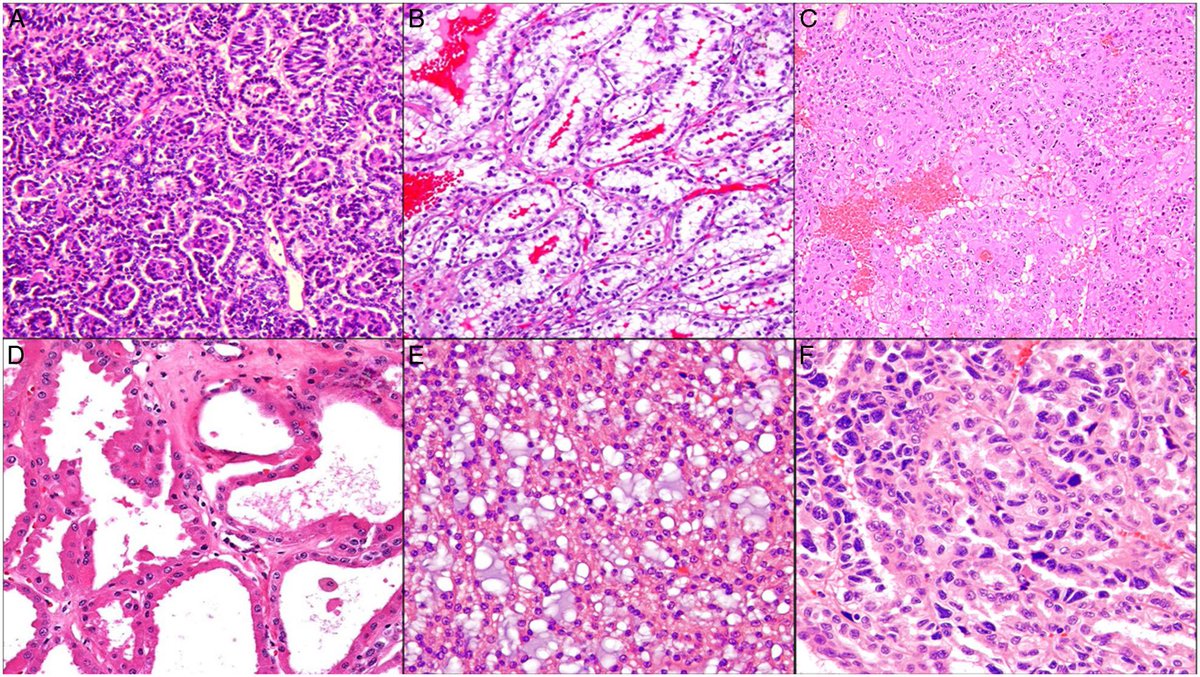
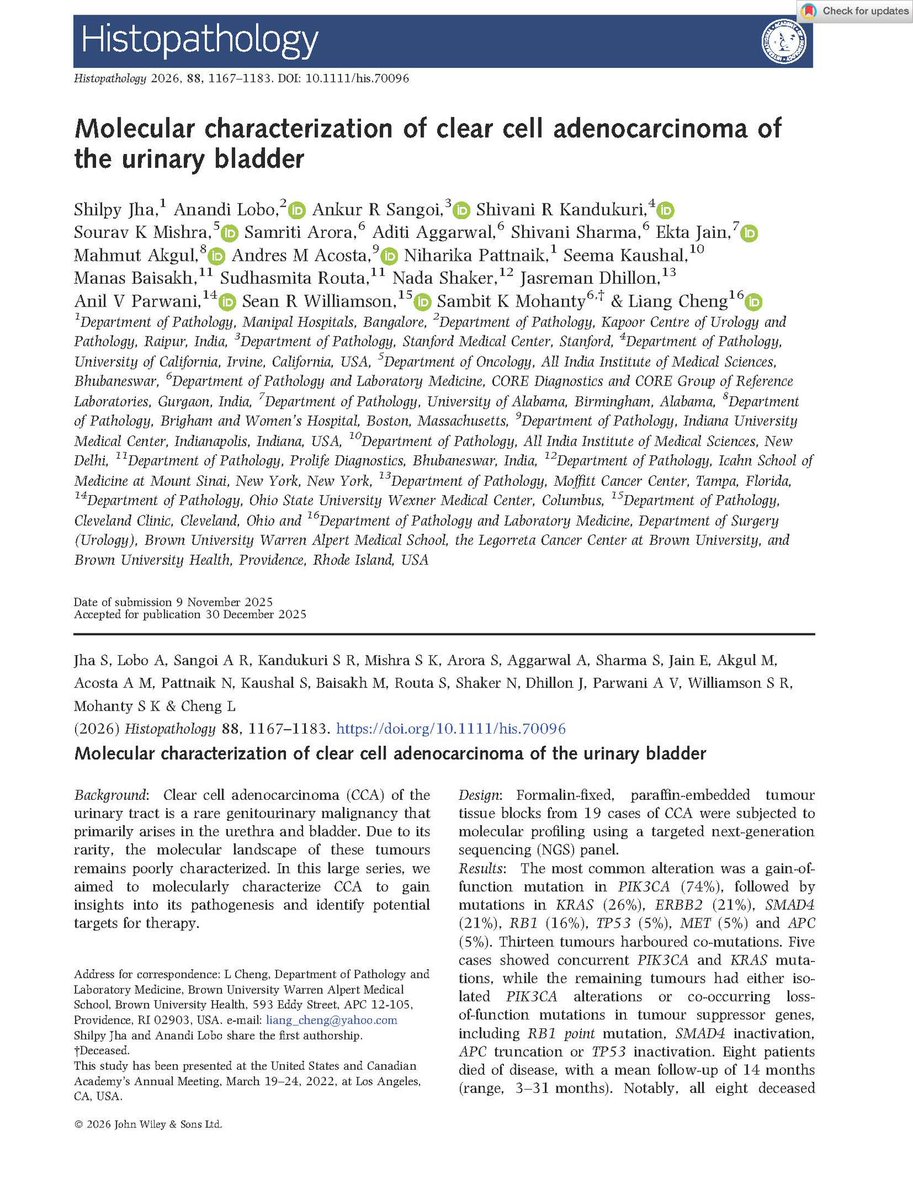
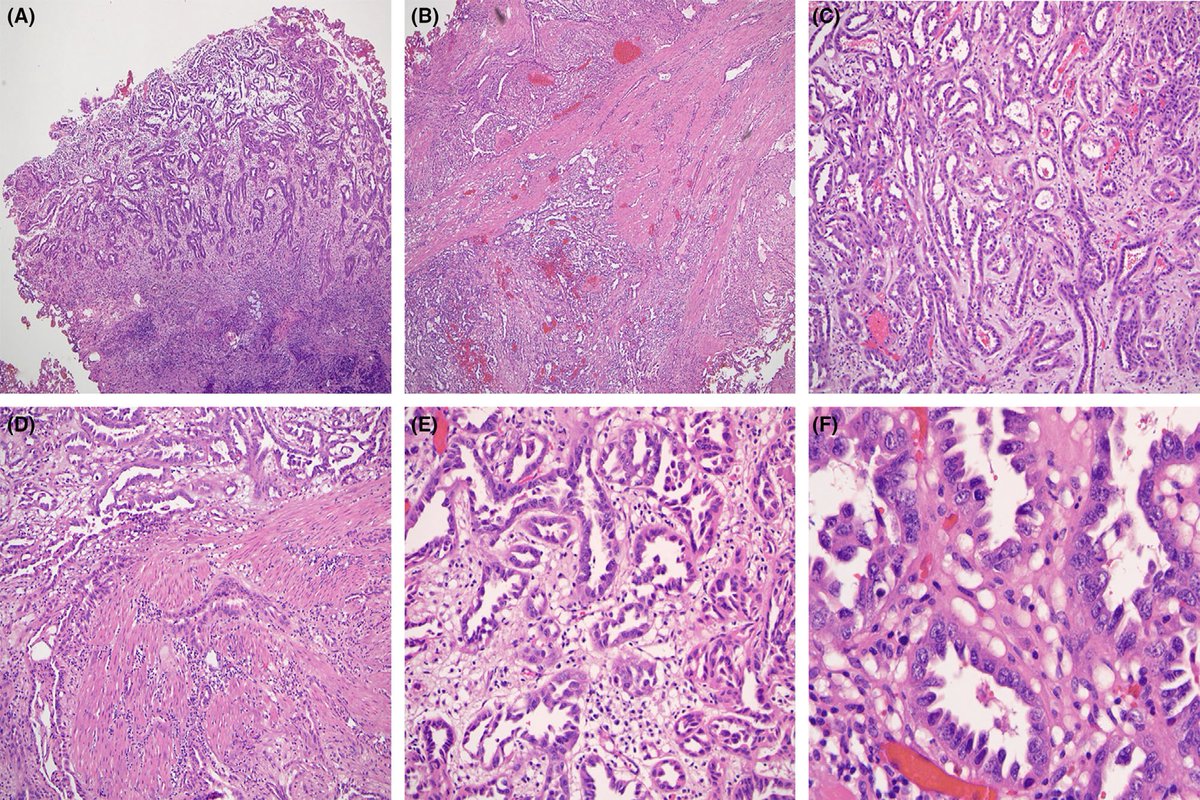
Congratulations to Drs. Shilpy Jha, @LoboAnandi and colleagues on this amazing paper investigating the molecular landscape of clear cell adenocarcinoma (CCA) of the urinary bladder, one of the rarest and least understood genitourinary malignancies. This important multicenter collaboration advances our understanding of a rare bladder cancer subtype and provides a foundation for future biologic and therapeutic investigations.
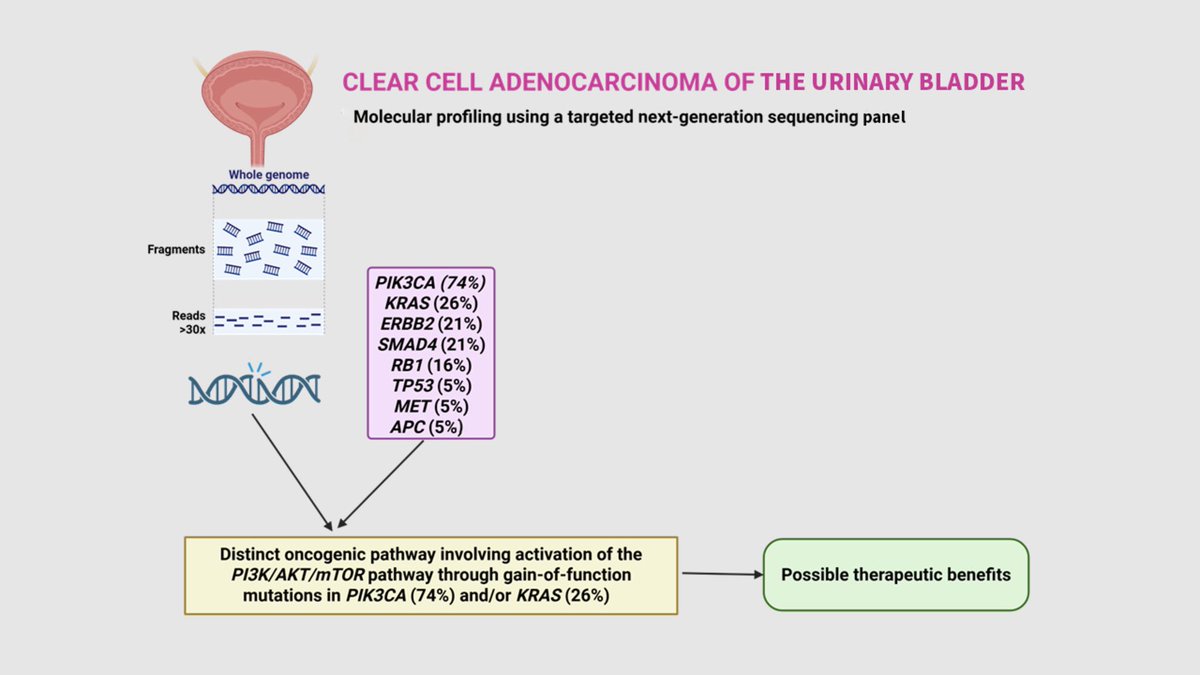
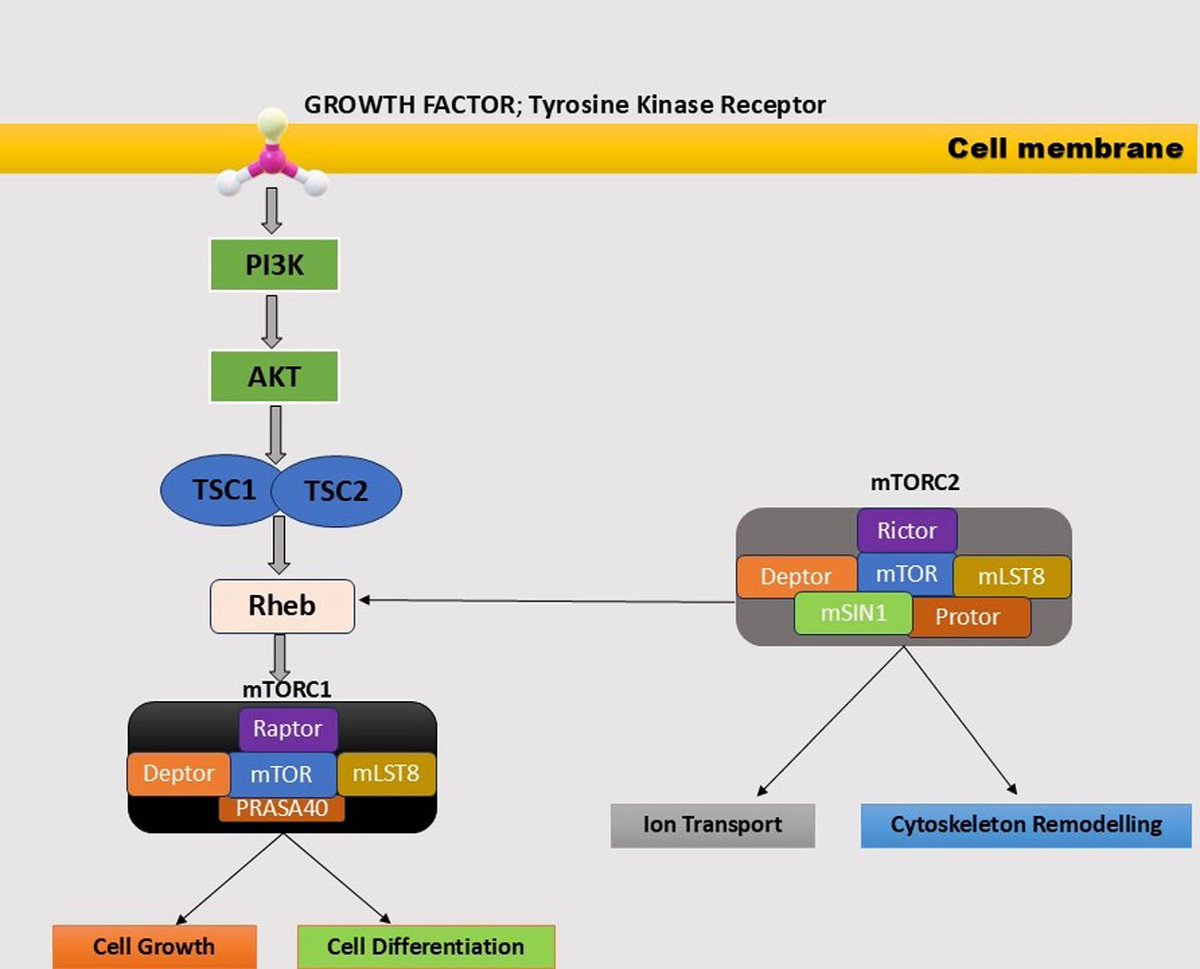
In one of the largest series of bladder CCA, the authors identified recurrent alterations involving the PI3K/AKT/mTOR signaling pathway, particularly activating PIK3CA mutations (74%) and KRAS mutations (26%). Additional alterations involving SMAD4, RB1, ERBB2, TP53, MET, and APC further highlight the complex molecular architecture of this aggressive neoplasm. These findings provide important insights into tumor pathogenesis and identify potentially actionable therapeutic targets.
Particularly noteworthy is the relatively high frequency of KRAS mutations in CCA, especially in light of the landmark Phase 3 RASolute 302 trial, published on May 31, 2026 in New England Journal of Medicine (PMID: 42223072), which demonstrated remarkable efficacy of daraxonrasib, a pan-RAS (multi-selective) inhibitor, in patients with previously treated metastatic pancreatic cancer. These results provide compelling clinical evidence that RAS-driven tumors may be effectively targeted with next-generation therapeutics. Although clear cell adenocarcinoma of the urinary bladder remains an exceptionally rare malignancy, the finding that more than one-quarter of cases harbor KRAS alterations raises the intriguing possibility that a subset of patients could benefit from emerging RAS-directed therapeutic strategies. More broadly, these findings underscore the importance of comprehensive molecular profiling in rare genitourinary tumors, both to improve our understanding of tumor biology and to identify potentially actionable targets that may expand treatment options in the era of precision oncology.
Full article available:
pubmed.ncbi.nlm.nih.gov/41537408/
English