
Markus Bühler (Bestiarium-Blog)

18.8K posts

Markus Bühler (Bestiarium-Blog) banner
Markus Bühler (Bestiarium-Blog)

Markus Bühler (Bestiarium-Blog)

@MarkusBhler10

Zoology and Paleontology Blogger on Bestiarium, Wildlife-and Palaeoartist, Author, Nature Aficionado, Archeology- and History-Enthusiast, Rewilding Advocate

Beigetreten Eylül 2021
657 Folgt2.3K Follower
Angehefteter Tweet
Markus Bühler (Bestiarium-Blog)
Markus Bühler (Bestiarium-Blog)@MarkusBhler10·
Für alle die vielleicht noch für Weihnachten etwas Besonderes zum Verschenken oder auch für den eigenen Wunschzettel suchen, kürzlich erschien von mir und Tobias Möser "Unsere Exoten - Pflanzen, Pilze und Tiere als Neubürger in Deutschland", 398 Seiten über heimische Neobiota.

Markus Bühler (Bestiarium-Blog) tweet mediaMarkus Bühler (Bestiarium-Blog) tweet media
Deutsch
2
0
6
1.4K
沼部
沼部@numabenamazu·
@MarkusBhler10 Thank you for letting me know! It seems there aren't many freshwater fish that weigh over 100kg.
English
1
0
2
35
沼部
沼部@numabenamazu·
Taimen Max Length 200cm Inhabits Siberia, Mongolia, and northern China The world's largest salmonid fish!! Although not official, there are records of them weighing over 100kg. They almost look like monitor lizards from the dinosaur age!
沼部 tweet media
English
5
117
806
11.1K
Cowboy Chris
Cowboy Chris@FunPoliceCo·
@Visceral9000 If any living eagle were just slightly bigger we’d still be on the menu. Golden eagles already kill goats. Haast eagle must have been a monster.
English
1
0
8
463
Markus Bühler (Bestiarium-Blog)
@Stefan53202737 @Knightly_Hist Into plates in Castle museums are sadly very often problematic it even plain wrong in surprisingly many cases. Sometimes you will read there the worst bogus imaginable. I highly doubt that handguns were faster to make than bows, at least longbows. And handguns had been in use...
English
1
0
1
17
The Late Knight Show
The Late Knight Show@Knightly_Hist·
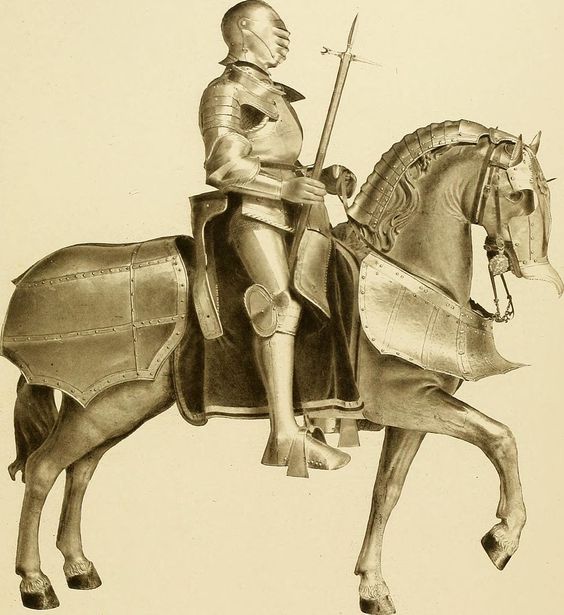
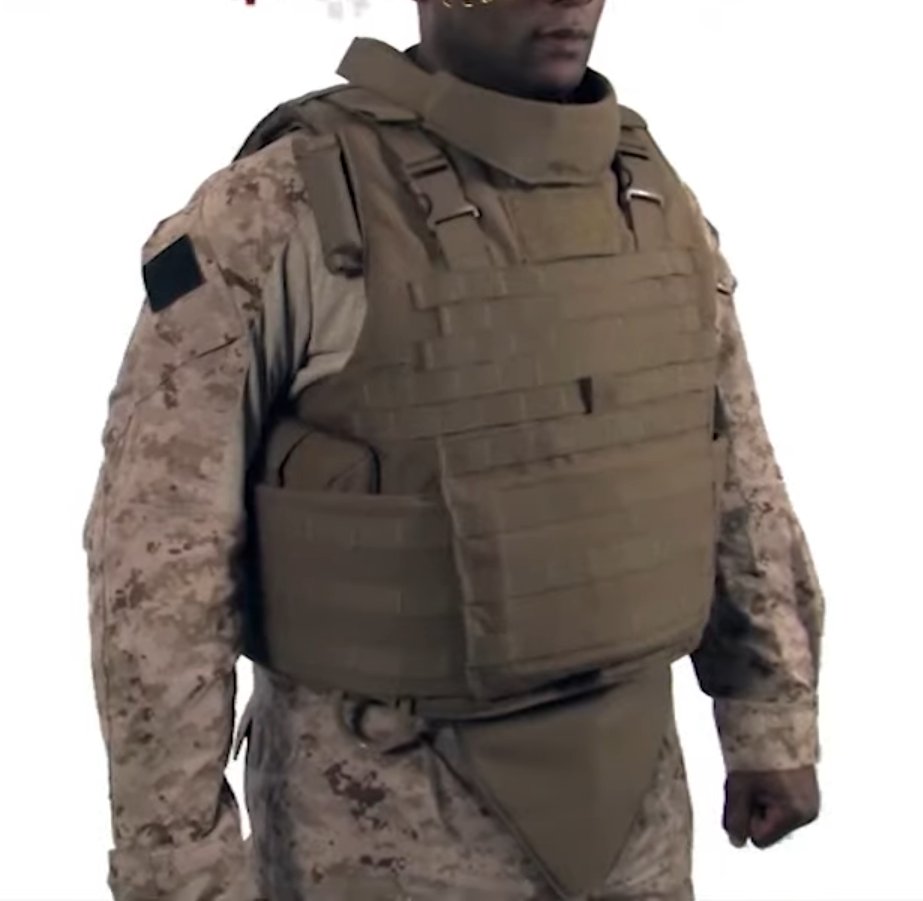
We tend to exagerate the defensive capabilities of armor. Full plate armor was incredibly efficient at protecting from melee weapons (for as long as that phase of the battle is common and decisive, armor sticks around) and we're still learning to what degree it protected from arrows and bullets. But it certainly didn't make you unvulnerable to projectiles, specially up close (the range where armored men thrive in). It eventually became more cost-effective to field tens of thousands of marksmen instead of a couple thousands (and much more expensive) men-at-arms or cuirassiers or light horse. So Im certainly with Dr Burns on ths one (you have to be). However, the period in which humanity hasn't made significant use of armor (in warfare) is very small, and we're already back to it, it's interesting to think what soldiers are gonna look like once exoskeletons improve.
The Late Knight Show tweet mediaThe Late Knight Show tweet media
Dr. Alexander S. Burns@KKriegeBlog

Famously, this is why western warfare abandoned firearms in the mid-1600s, and why heavily armored men-at-arms continue to be the premier force in resolving disputes down to the present day.

English
11
30
519
25K
Markus Bühler (Bestiarium-Blog)
@Evoincarnate The practice in Germany is problematic as well, because the mortality rate for caught fish (unless they are too small or in the spawning season) is absolutely zero. That means that all those fish that are caught s d that would have survived, die in any case.
English
0
1
17
1.5K
Markus Bühler (Bestiarium-Blog)
@giveashitnature ...of Germany size ranges for fish within a certain range. Fish too small and too big have to be released to reduce the negative impact of removing the largest specimens from populations.
English
0
0
5
157
Markus Bühler (Bestiarium-Blog)
@giveashitnature This means that a lot of fish, big females with large spawning capacities in particular, are removed from the population. And bigger fish have on average bigger survival rates than smaller ones for catch and release. That's also a reason why there are now in some parts...
English
1
0
5
219
Give A Shit About Nature
Give A Shit About Nature@giveashitnature·
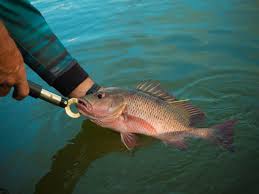
Today I learned that many fish that are caught and released don't survive. They ultimately die from stress, injury, infection, or exhaustion. For deepwater species, 90% die. Switzerland and Germany have banned catch and release entirely on the grounds that it causes unnecessary suffering. Do you think we should do the same?
Give A Shit About Nature tweet mediaGive A Shit About Nature tweet mediaGive A Shit About Nature tweet media
English
157
832
2.8K
115.3K
Forge
Forge@ForgeDailyApp·
@NatureUnedited And they’ve barely changed in 200 million years. Evolution clocked out on this one.
English
1
0
7
2.1K
Nature Unedited
Nature Unedited@NatureUnedited·
The saltwater crocodile is the largest living reptile on Earth. Adult males can reach over 6 meters in length and weigh more than a ton
English
33
417
5.8K
486K
Markus Bühler (Bestiarium-Blog)
Markus Bühler (Bestiarium-Blog)@MarkusBhler10·
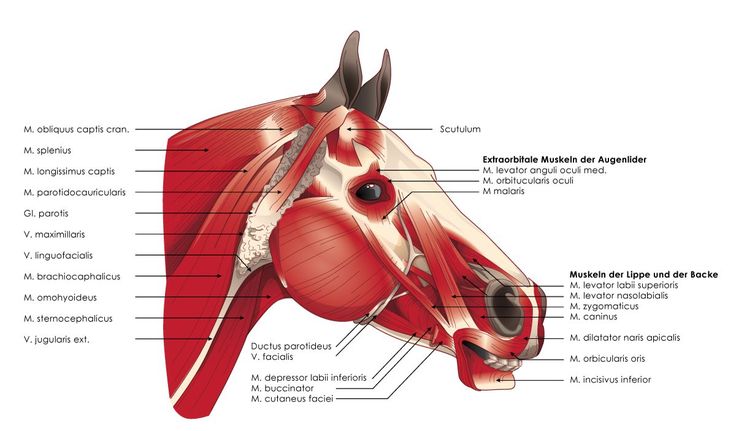
@MbvBaryonix @knight_Steve_ @TM9380 Well, that is seriously hard to understand. They have large muscles which define the external shape of their head, like most mammals, very extensive nasal cartilage like mammals, fleshy lips like mammals. Plus a lot of loose skin and connective tissue above their skulls.
English
0
0
1
40
Taylor McCoy 🦖
Taylor McCoy 🦖@TM9380·
Ah, how to reconstruct a dinosaur. Modern reconstructions generally depict them with more bulk and heft to them as appropriate in the bodies, however the heads still maintain general conformity to the skull. Is this wrong? No, no it’s not.
Taylor McCoy 🦖 tweet media
English
6
89
1.1K
24.7K
Markus Bühler (Bestiarium-Blog)
Markus Bühler (Bestiarium-Blog)@MarkusBhler10·
@MbvBaryonix @knight_Steve_ @TM9380 I really don't think that you really looked at the actual amount of soft tissue in various reptiles but just tried to defend a certain idea. The amount of soft tissue around the skull bones of many reptiles is quite big, and claiming the outline of the head is just like the skull
English
0
0
0
19
Markus Bühler (Bestiarium-Blog)
Markus Bühler (Bestiarium-Blog)@MarkusBhler10·
@MbvBaryonix @knight_Steve_ @TM9380 I am not talking about facial musculature. I am referring to soft tissue in general, including jaw musculature, adipose tissue, cartilage and connective tissue. The idea that reptilian skulls generally just look like the heads of the living animal is way too generalized.
English
0
0
0
29
Markus Bühler (Bestiarium-Blog)
Markus Bühler (Bestiarium-Blog)@MarkusBhler10·
@MbvBaryonix @knight_Steve_ @TM9380 If you take a closer look you can see that this is a absolutely wrong. A lot of the outlines of the living animal's head is -like in many mammals - made from jaw muscles. There are also very fleshy lips which can completely conceal the underlying beak. This is after all equal.
English
0
0
0
25
🖤 { Spookyonyx } 🖤
🖤 { Spookyonyx } 🖤@MbvBaryonix·
@MarkusBhler10 @knight_Steve_ @TM9380 Apart from the nose sticking out and the bulging eyes, the rest of the turtle's head is in line with the skull. Mammals have much more soft tissue than that, we have dozens of facial muscles that aren't present in any reptile and our faces are much more elastic than any of them.
English
3
0
0
46