

Tanya Melnik
519 posts

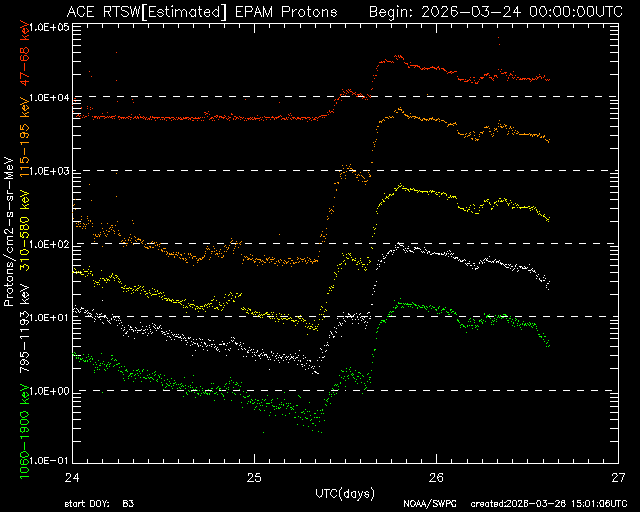
Based on low-energy proton behavior (rise, flatline, gradual decrease), I think it is safe to say that the CME from the 22nd that was modeled to miss but had the possibility to give a glancing blow impact is sneaking by to our south.
It’s close enough to observe the particles pushed out ahead of the CME but not enough to result in a notable shock impact and observed magnetic structure.
English
@theauroraguy @JAtanackov And come with possible 10-12 hours for margin of error
English

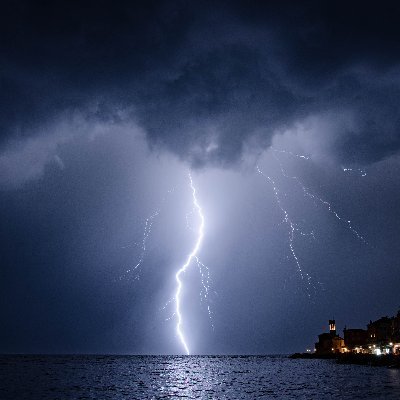
G2 (moderate) storm watch issued for March 19th. Mark your calendars and charge your camera batteries, we could be in for some decent mid latitude aurora.
NOAA Space Weather Prediction Center@NWSSWPC
WATCH: Geomagnetic Storm Category G2 Predicted Highest Storm Level Predicted by Day: Mar 18: None (Below G1) Mar 19: G2 (Moderate) Mar 20: G1 (Minor) Issue Time: 2026 Mar 17 1836 UTC bit.ly/3wVgAKH
English

The CME is at 0.25 AU now. That makes an arrival on March 19 unlikely and on March 20 more likely.

English
@NWSSWPC Great explanation of solar evwnts and SWPC forecaster's work! Keep the videos coming!
English

Solar flare and CME. This latest SWPC video tells you about this morning's solar flare, associated CME, and how we look for and analyze these CMEs. A G2 (Moderate) Watch is now out for 19 March as a result of our preliminary analyses. Stay informed at spaceweather.gov
English
@Vincent_Ledvina Why have just one new active region when you can build two? Another AR is under construction in the southern hemisphere.
English

Solar minimum enthusiasts’ dreams shattered
Marko Rummelsburg@doktornihil
New flux emergence ☞ New sunspots (5) ☞ New active region ☞ New hope
English
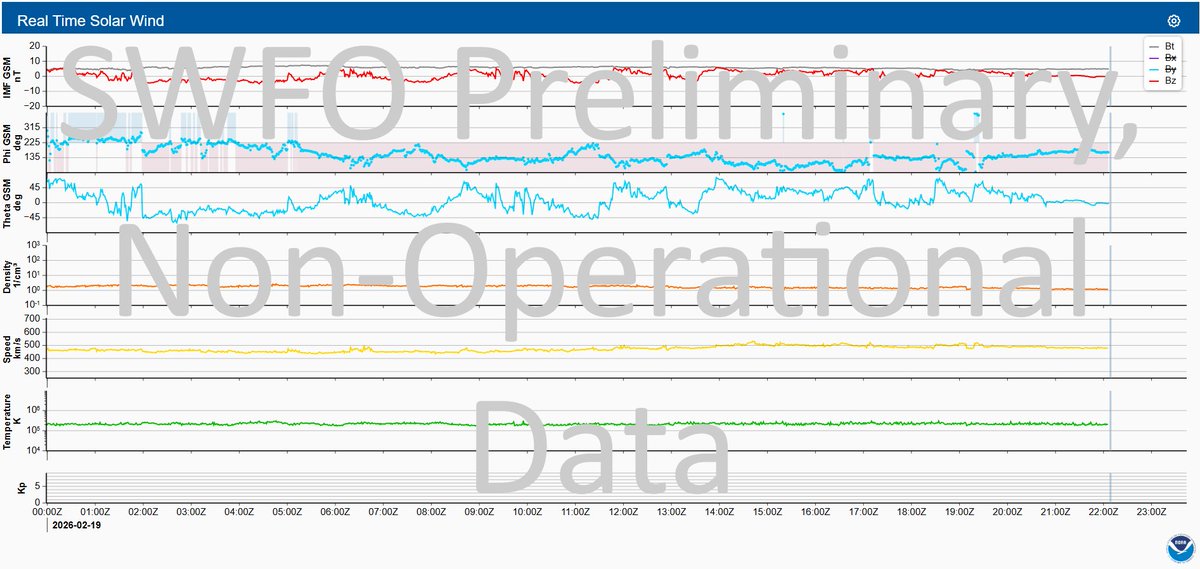
Very cool getting to start seeing preliminary SOLAR1 solar wind data in real time!
SWPC team is working hard to get this data through operational testing and ready to go live for ya'll in the coming months!
English
@Vincent_Ledvina Don't write active regions or plages off until the west limb.
English
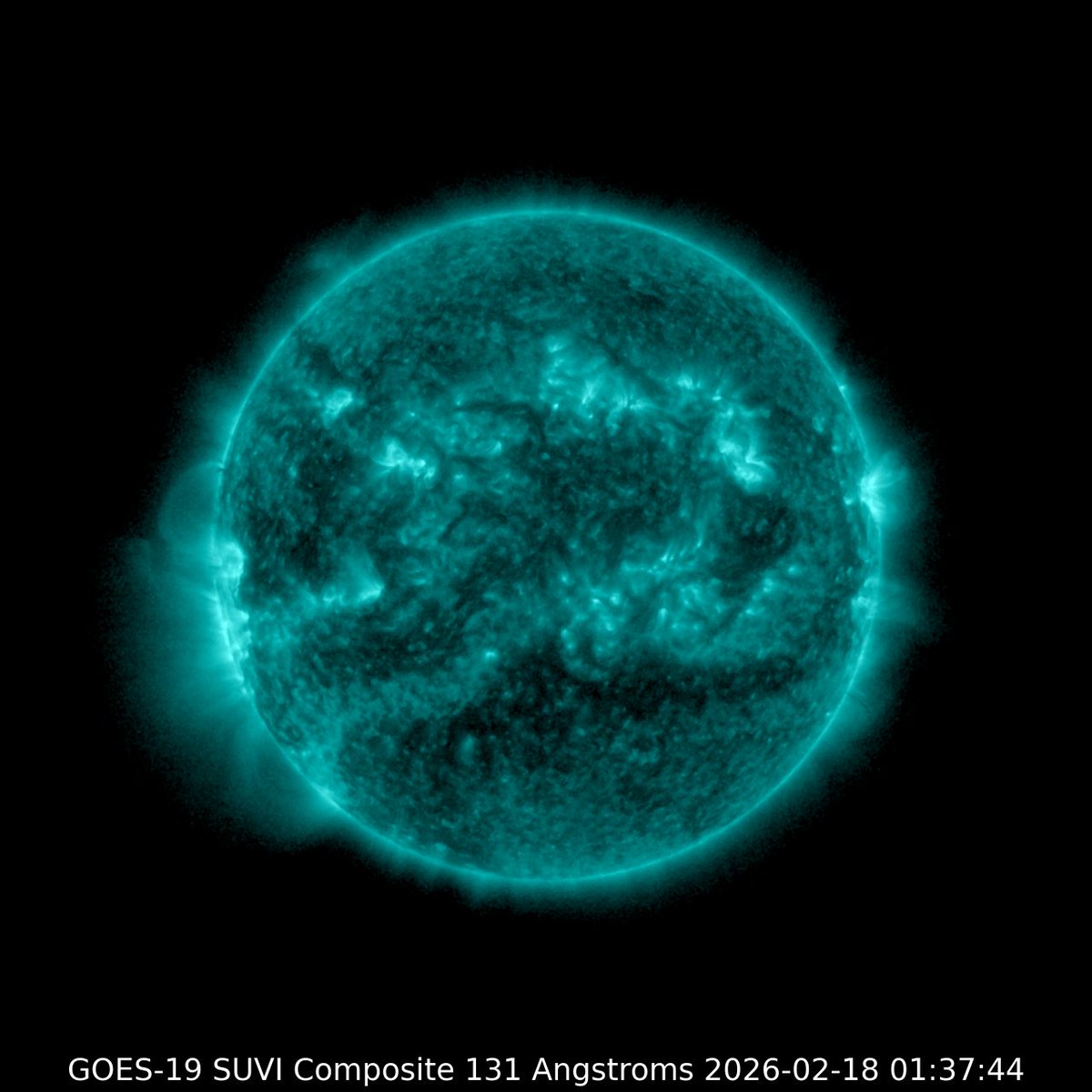
It looks like the M2.4 flare-producer has rotated over the limb as a plage and therefore does not present much excitement for further solar activity. The rest of the Earth-facing disk is quiet. SSN is near 60 with the present groups having simple configurations.

English
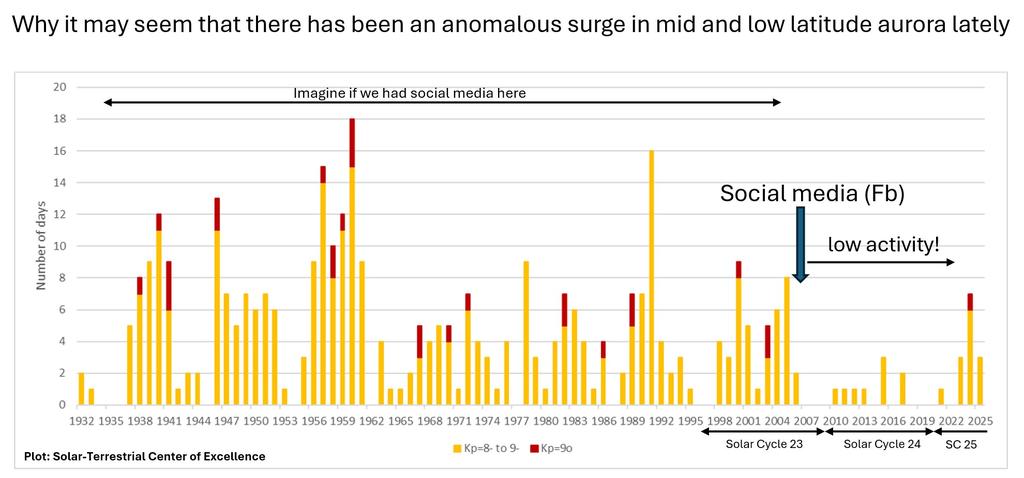
Why it may seem there has been an unusual number of mid and low latitude auroras lately. Because the last 20 years were the quietest in the last 100 years. And they coincided with the advent of social media. Yes, there has not been as much aurora as now for the last two decades.
But anyone who's been around in space weather and aurora for longer than since 2006 will not find the number of mid and low latitude sightings in the past few years unusual. Just before social media we had SC23 that was more active than SC25. Big geomagnetic storms were much more frequent than over the past 3 years. Look back further and the activity level was as high or higher since the late 1930s.
Why are we seeing so much aurora lately? Because there was so little over the past two decades. But compared to what came before, the last few years have been almost average at best.
Jure Atanackov@JAtanackov
Stupid sh*t conspiracy theorists say (that isn't true) - #1: Auroras are frequently visible from Florida lately because the Earth's magnetic field is rapidly weakening* Yeah, no. There has indeed been a surge in reports in the past 3-4 years. That's solar maximum, the peak of the current solar cycle (25). There were indeed fewer in the preceding 15 years, because Solar Cycle 24 was very weak. Go back to Solar Cycle 23, with comparatively ancient forecasts and nowcasting - and aurora was still seen from Florida and/or the same geomagnetic latitude (e.g. Texas) a number of times. Also, one needs to distinguish between visual sightings and photos on slow film with usually slow lenses, and very light sensitive digital with fast lenses (and in case of phones strong in-camera image processing). Current digital cameras and phone cameras pick up aurora that is well below the visual detection threshold. Btw, here's a report from Florida on 8 March 1918 - visual, not photos. * - it isn't, it has been weakening at ~5-6% per century for the past almost two centuries.
English
Who am I going to be seeing in Boulder in less than three months?! ☀️

English
If you would have told 2018 Sara, who was struggling with meteorology and fell a year behind, that just 8 years after attending her first AMS she would not only successfully get the bachelor’s in meteorology, but would also be a little over a year out from having her masters in physics, and would pivot to working in space weather with 5 years experience as a forecaster and now working as a scientist in support of SWPC. Oh my god 😮💨🥹
English
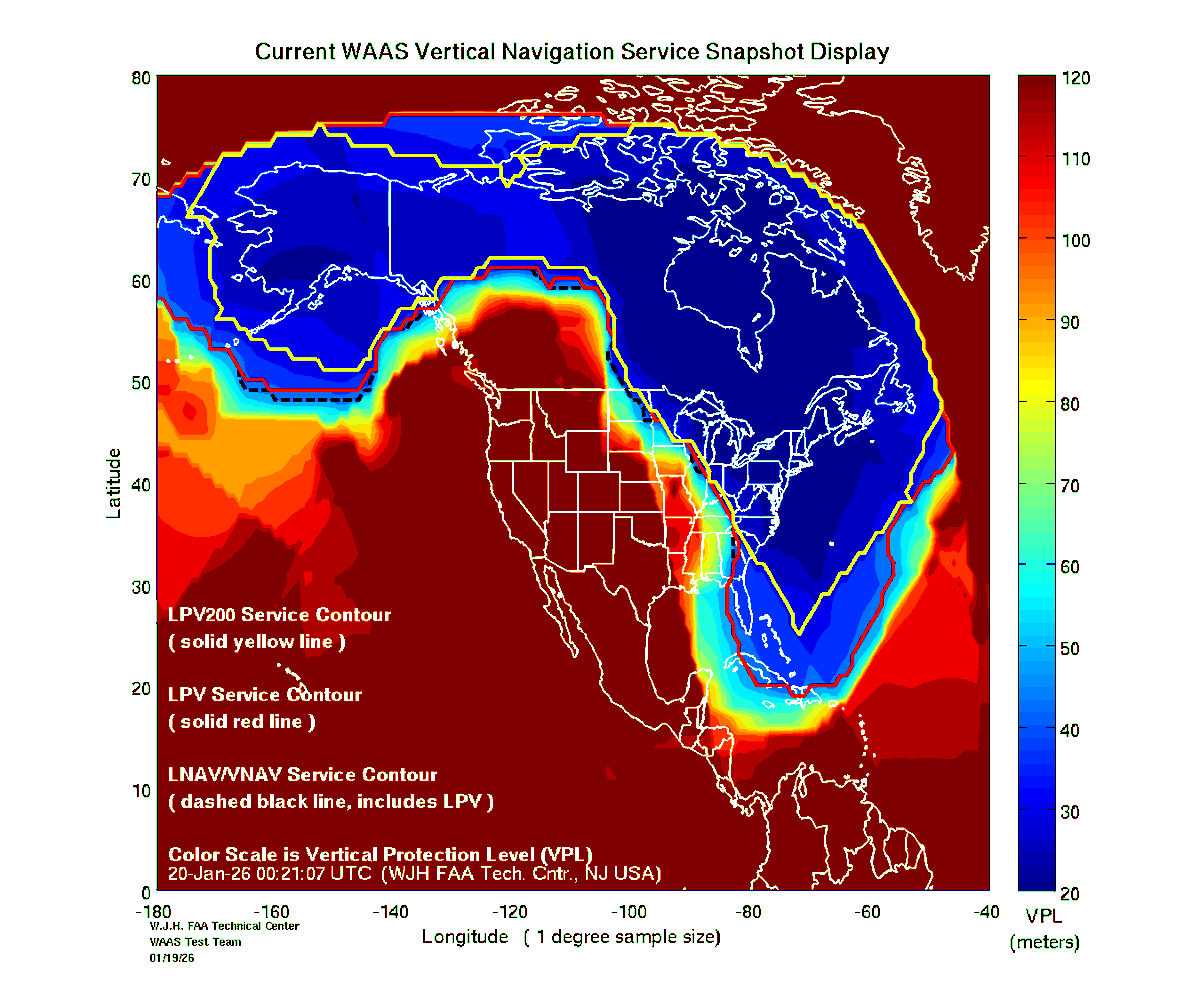
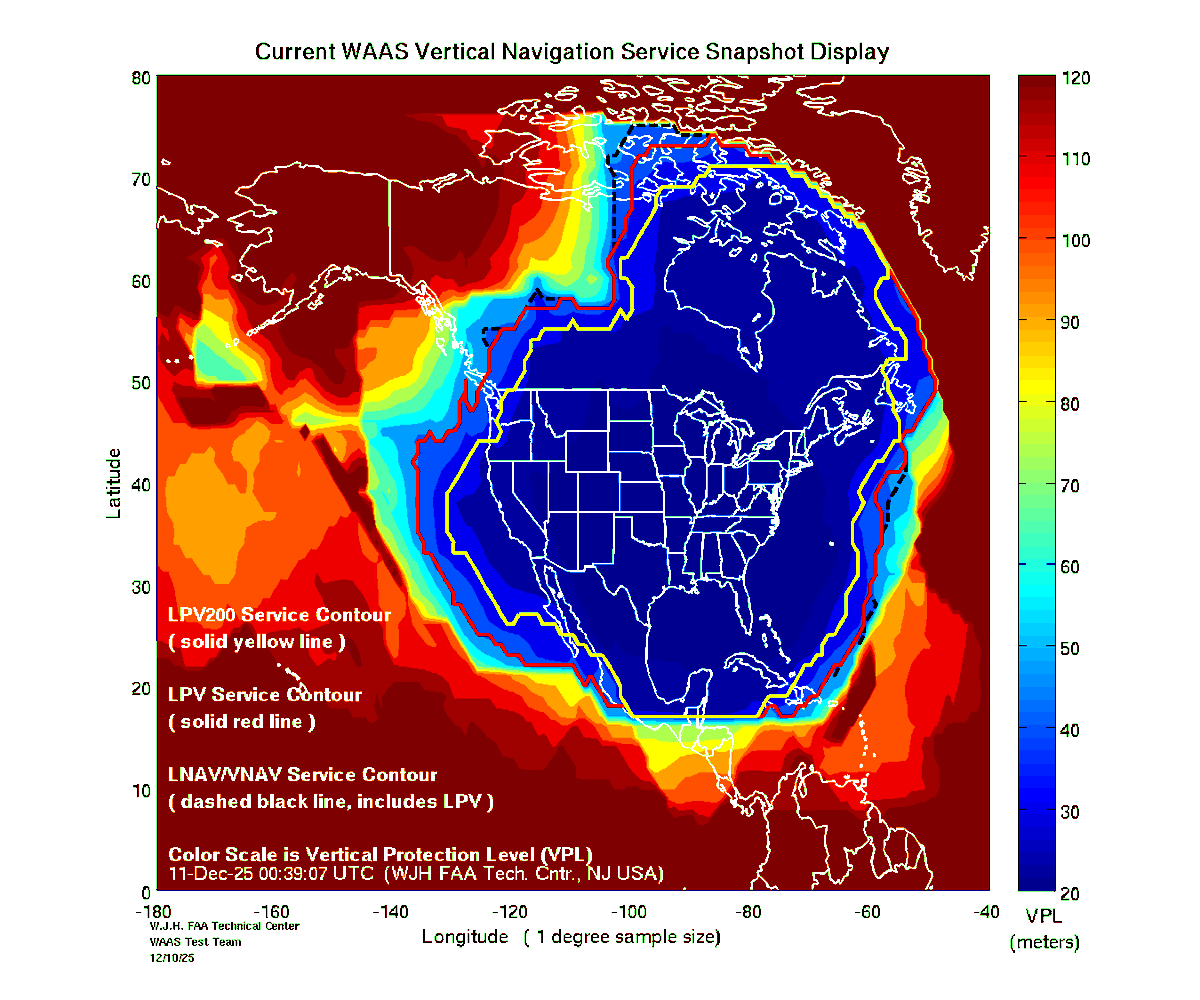
Just because Bz is north, the storm is not over! WAAS is feeling the effects with GPS position error, aurora is overhead in northern Minnesota. We are so not done!

English
Space Weather Unplugged is excited to host @TamithaSkov, Space Weather Woman, for a discussion of space weather in media. Join us on January 18th at 8 PM EST/7 PM CST. Bring your stories and burning questions!
YouTube: @shelbydiamondstar" target="_blank" rel="nofollow noopener">youtube.com/@shelbydiamond…

English
@TamithaSkov It looks like SWPC has not completed their CME analysis yet. The most recent Enlil run on SWPC page is from 12/30.
English
The model predictions are in and NASA's model run shows a flanking blow by late on January 2. NOAA's model is less certain, but they may rerun this as more coronagraph data comes in. Likely we could see an extension of the expected activity through January 3. A G1+ level is possible so aurora views may grace mid-latitude skies!
GIF
GIF
English
@Vincent_Ledvina We have seen it so many times. Aurora looks like it is about to go to substorm, and then things just drop to the same green diffuse featureless arc. Psedobreakups are rough on chasers.
English
Presented my poster on auroral beads this morning. I will post more about my research after the conference, but the upshot is that you can’t tell if a substorm will occur or if you will see a pseudo-breakup (not a substorm) just based on the appearance of auroral beads?
In other words, if you’ve seen the aurora “look like” it’s about to do something, and it doesn’t, there is no way to tell based on that first look. The aurora can’t tell you whether the start of a substorm will result in a huge display or just a little blip of activity.

English
☀️ Life Update ☀️
After spending the past 5 years in Nebraska working as a space weather forecaster, that era is sadly coming to an end, but for bigger and better!
I am so excited and honored to be joining the space weather dream team at @LynkerSpace and SWPC, serving as a space weather scientist and liaison.
Although I will no longer be sitting on an ops floor babysitting the Sun and making forecasts, space weather forecasting is still my greatest passion with this just being a pivot in approach, an opportunity for growth, and a new perspective. Instead of just coordinating once a day with the forecasters at SWPC, now I’ll get to work right alongside and support not just them but other scientists and end users within the space weather community. Gotta make sure their asse(t)s are covered. 😉
It’s still all very surreal to me seeing how my career has progressed, owing thanks to those that have continuously supported, trusted, and believed in me, specifically @swmcintosh.
My focus on social media being space weather forecasting and communication will stay the same, so no worries there! I will still be putting my forecaster knowledge to good use as I continue to build upon it, so I can still be your favorite space weather forecaster. 💜

English
@TamithaSkov Interesting timing. WAAS is also affected by the ongoing geomagnetic storm. When it rains, it pours.
English
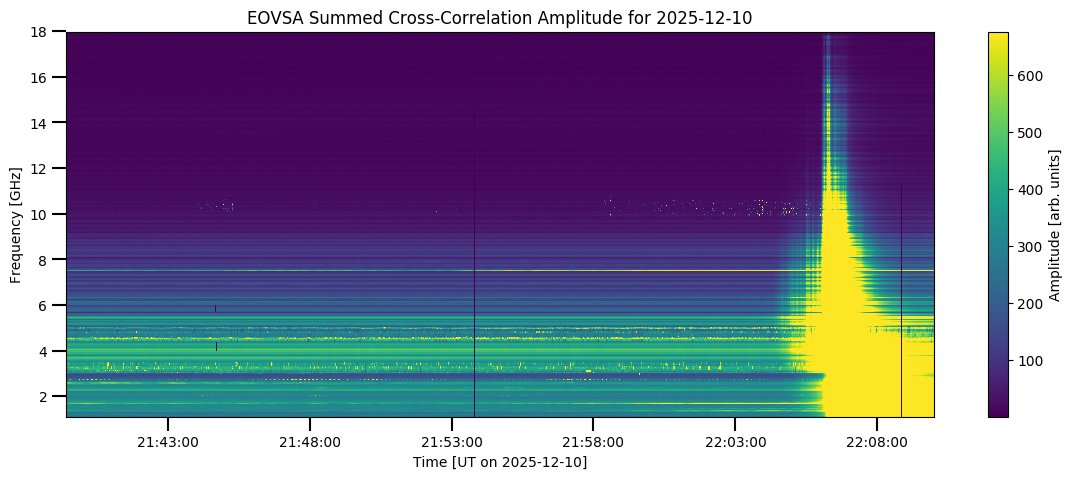
This M4.5-flare was much stronger than its R1 Radio Blackout gives it credit for! It caused an intense radio burst disrupting frequencies beyond 14 GHz. That means it may have affected Starlink, GPS/GNSS, satellite phone & airline transponder frequencies for as long as 5 minutes!
Marko Rummelsburg@doktornihil
Eruptive M4.5 solar flare from active region 4294 that is now located near the western limb of the sun. Impressive field line opening, coronal wave with wiggling field lines and a Moray eel filament. A westward heading coronal mass ejection is visible in coronagraphs.
English
No CME to celebrate, so excuse me while I take a second to brag that despite the fact that 2025 was the roughest year of my life, I somehow still managed to pull my best two class grades (A and A+) this year in my entire master’s program so far. 🥹
English
@theauroraguy That's politically incorrect. It's (apparently) called a CME smoothie now.
English
And here is the HUXt ensemble forecast: busy! The CME from the M8.1 is the main event, it is virtually a certain hit (98.4% impact probability). Launch speed was 1200+ km/s. The estimated arrival time is ~15h UTC on Dec 9th (-7/+7 hrs) with the impact speed at around 500 km/s. The timing favours Europe in this case. A G3 storm watch by the NOAA Space Weather Prediction Center (SWPC) is in effect for this CME. There is also another CME en route, launched around noon yesterday, with a 70.4% hit probability and an arrival time only hours before the big CME (and overlapping arrival intervals when the uncertainty is included). We will need to keep an eye out on the solar wind on Tuesday, but it looks promising!

English