Angehefteter Tweet
Elina Halonen
2.3K posts

Elina Halonen
@SquarePegMind
Behavioural Insights & Strategy | Cultural Psychology
Amsterdam, The Netherlands Beigetreten Şubat 2017
1.5K Folgt1.3K Follower
Elina Halonen retweetet

MARKETPLACE DIGNITY, out now from @WhartonPress, received a recommendation from @SquarePegMind in her Squared Away newsletter: ow.ly/S1lF50SxncP

English
Elina Halonen retweetet

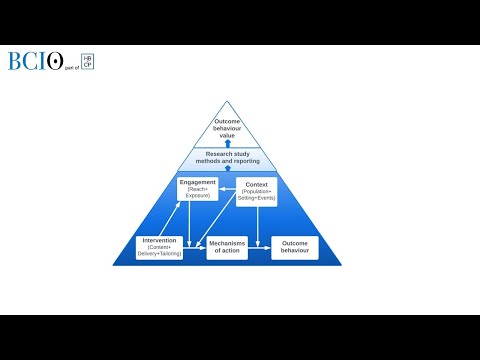
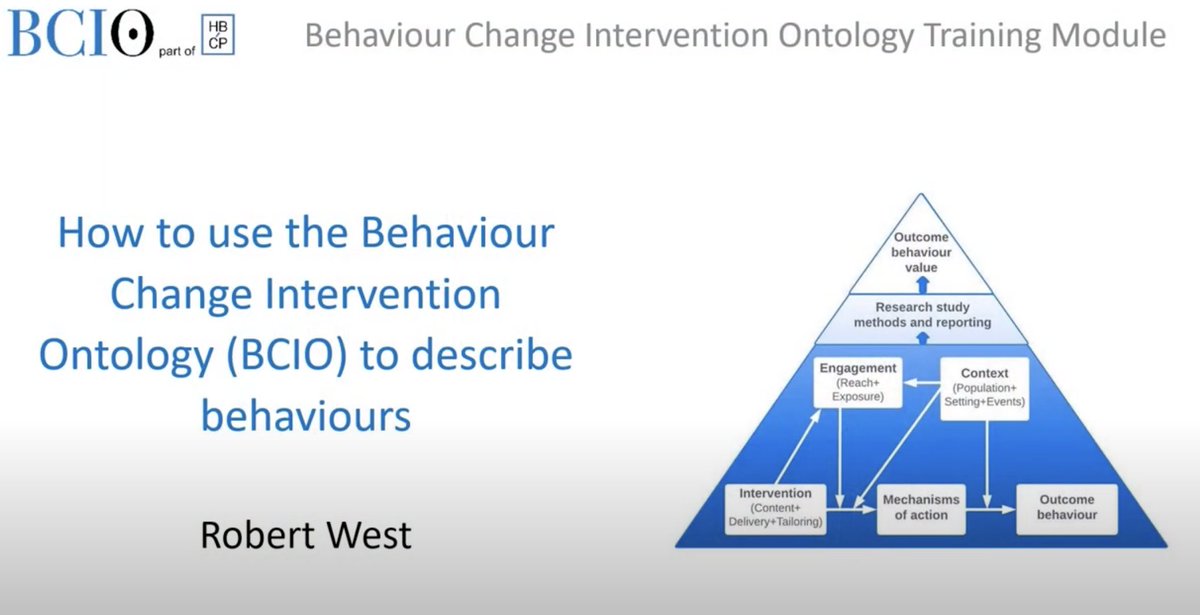
⭐New BCIO training module available!⭐
📽Watch it now: youtube.com/watch?v=btCZ7X…
💡In this new module, Prof @robertjwest describes how to use the Behaviour Change Intervention Ontology (BCIO) to describe behaviours.

YouTube

English
Elina Halonen retweetet

Repost this to win a FREE annual subscription to Research Kick.
If this gets 1,000 reposts, we'll give 3 random people who repost free subscriptions.
Research Kick helps you find research gaps and craft novel research questions in minutes.
🔗researchkick.com/?utm_source=x&…

English

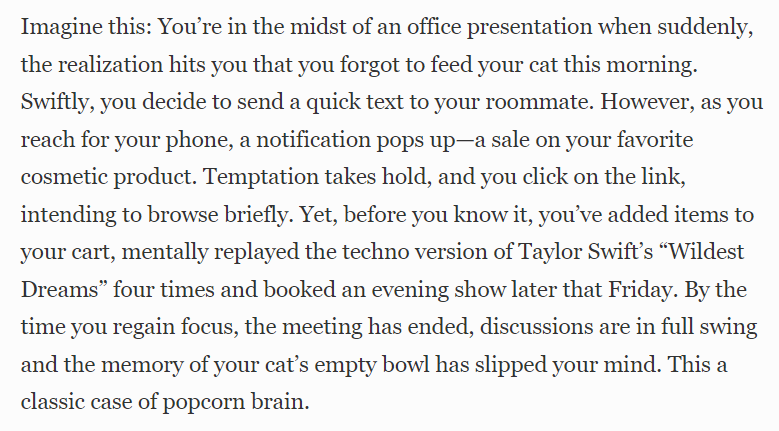
@sTeamTraen @Neuro_Skeptic Except it's a very good illustration of what happens in the mind of an ADHD person.
Example from Modern Family:
vm.tiktok.com/ZIJnXy4bJ/
English
Siri, show me an example of a "phenomenon" that would never actually happen to anyone. h/t @Neuro_Skeptic
forbes.com/sites/traversm…

English
@sTeamTraen @Neuro_Skeptic Is that an incredibly unrealistic for someone with severe and untreated ADHD?
(I’m actually asking.)
English
Elina Halonen retweetet

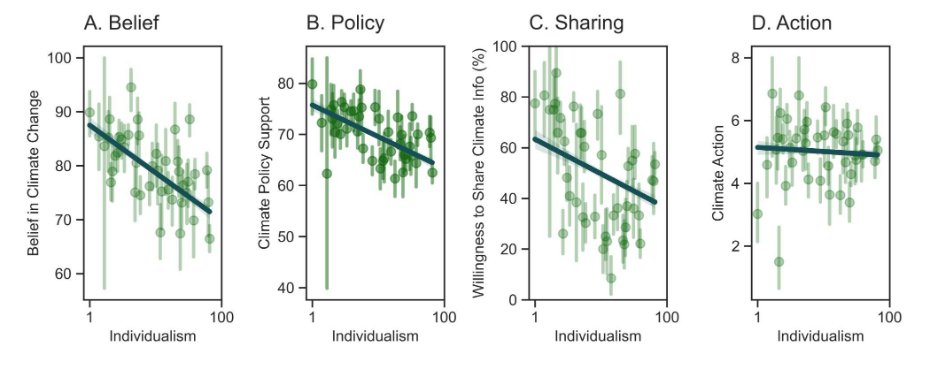
Individualism is a significant barrier to climate mitigation.
We evaluated eleven behavioral interventions aimed at stimulating climate change mitigation, along cultural individualism and collectivism orientations in 63 countries (N=59,440).
The more individualistic a nation, the less its residents believed in climate change, supported mitigation policy, and intended to share information (but it it was not related to tree planting in an online task).
While some interventions were more effective in individualistic nations (decreasing psychological distance), and some in collectivistic nations (emphasizing social norms), others were effective in both (writing a letter to the future generation).
These results reveal that and the efficacy of interventions hinges on cultural contexts. osf.io/preprints/psya…
Led by @dgoldwert Evalina Bao @kim_doell and @vlasceanu_mada

English
@PaulQuinnBxl @bencoates1 @DutchNewsNL Just to give you some context, the term is commonly used in NL whether you want to refer to yourself as that or not (I don't but have reluctantly accepted people will refer to me as such). There are also events and businesses using that term, so it has become the norm.
English
@bencoates1 @DutchNewsNL You have to admit the though anyone using the word ex-pat to describe themselves deserves some flak. What does it mean in this context? Rich well educated immigrants? 'Good immigrants'? 'Temporary residents'?
English

Final plug for this, in case you missed it: me for @DutchNewsNL on growing bitterness towards expats, and why it could have disastrous consequences
dutchnews.nl/2024/03/expat-…

English
Elina Halonen retweetet

@bentossell Still Claude not available in my region.
Any idea how to use it?
English

Claude 3 vs GPT-4 for writing prompts
full claude prompt ⤵️
You are an AI writing assistant with the ability to analyze and mimic writing styles. Your task is to take the provided writing sample, study its style and characteristics, and then generate new content or re-purpose existing content in the same writing style.
To mimic the writing style effectively, carefully analyze the following elements in the provided sample:
1. Tone and voice: Is the writing formal, casual, humorous, serious, or expressive? Maintain the same tone in your generated content.
2. Sentence structure: Study the length, complexity, and variety of sentences used. Mimic these patterns in your writing.
3. Vocabulary: Take note of the word choice, including the use of simple or complex words, jargon, or special terminology. Incorporate similar vocabulary in your generated content.
4. Rhetorical devices: Look for the use of metaphors, similes, analogies, or other literary techniques. Apply these devices in your writing when appropriate.
5. Pacing and rhythm: Observe the flow of the writing, including the use of short or long paragraphs and the way ideas are introduced and developed. Maintain a similar pacing in your generated content.
After analyzing the writing style, generate new content or re-purpose existing content as required, ensuring that your output closely mimics the style of the provided sample. Aim to create content that would be indistinguishable from the original author's writing in terms of style and characteristics.
Writing sample:
[Insert the writing sample here]
New content prompt:
[If generating new content, insert the prompt or topic here]
Existing content to re-purpose:
[If re-purposing existing content, insert it here]
Begin generating content that mimics the style of the writing sample.


English
Elina Halonen retweetet

I have been remiss in my quest to better understand the fraud accusations that rocked our behavioral science field this past year since I had not read this fantastic article by my friend @SquarePegMind (Elana Halonen)
squarepeginsight.com/post/the-dark-…
English
Elina Halonen retweetet

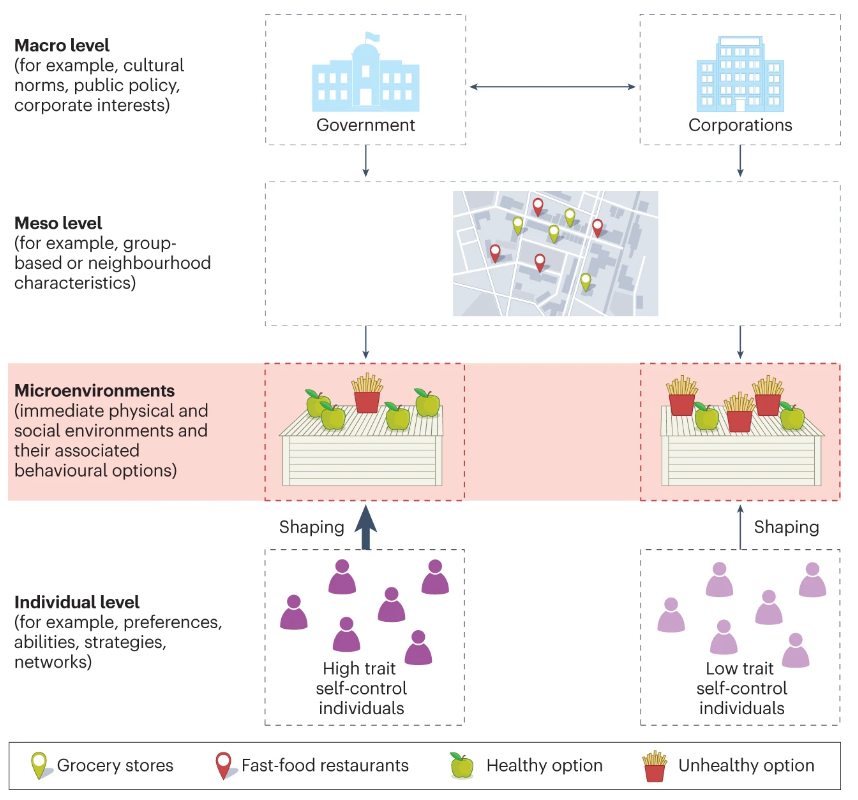
'Going beyond the individual level in self-control research', a Perspective by Wilhelm Hofmann
🚨FREE to access until Dec 18🚨
go.nature.com/47mcIQ4

English
Elina Halonen retweetet

@bastard_brian Luna is the new Bella of generic dog names apparently 😅
English