Tanja Spanic

1.3K posts

Tanja Spanic banner
Tanja Spanic

Tanja Spanic

@TanjaSpanic

Beigetreten Ekim 2009
568 Folgt635 Follower
Tanja Spanic retweetet
OncoAlert
OncoAlert@OncoAlert·
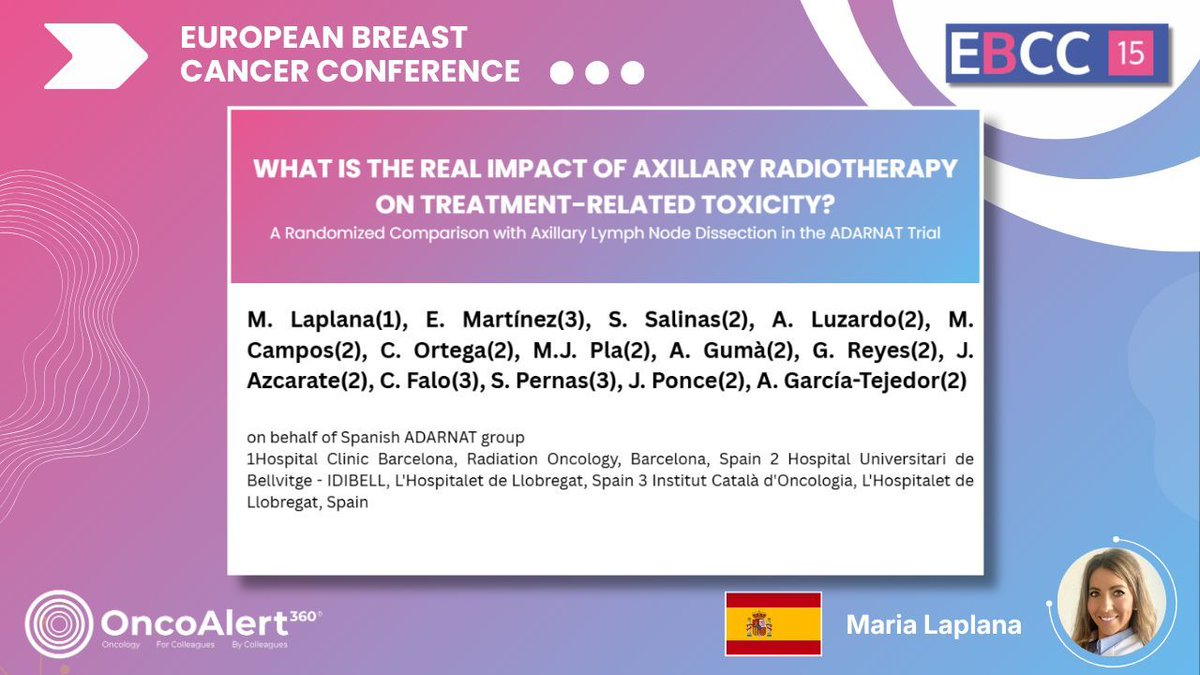
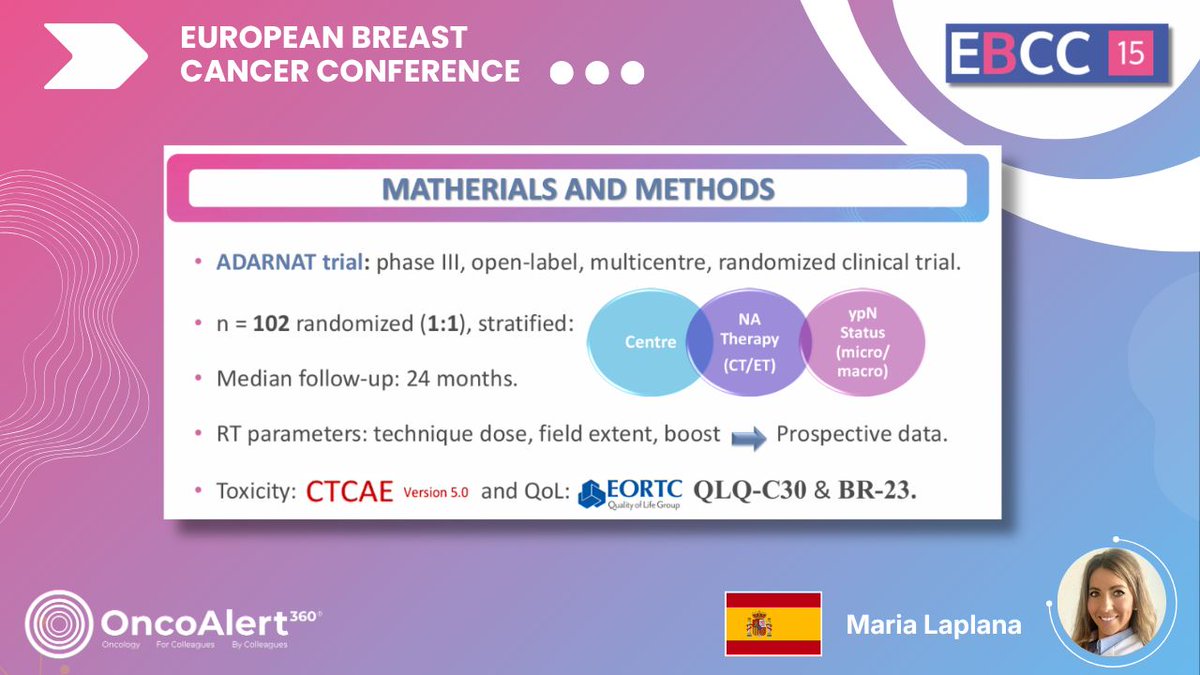
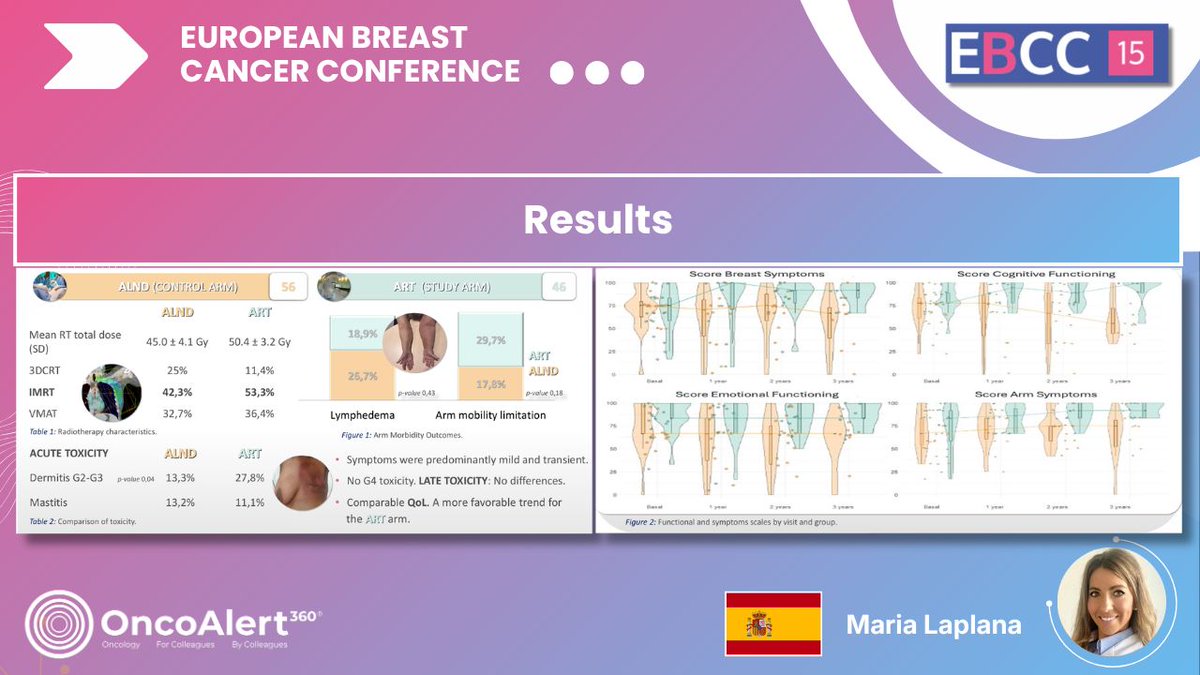
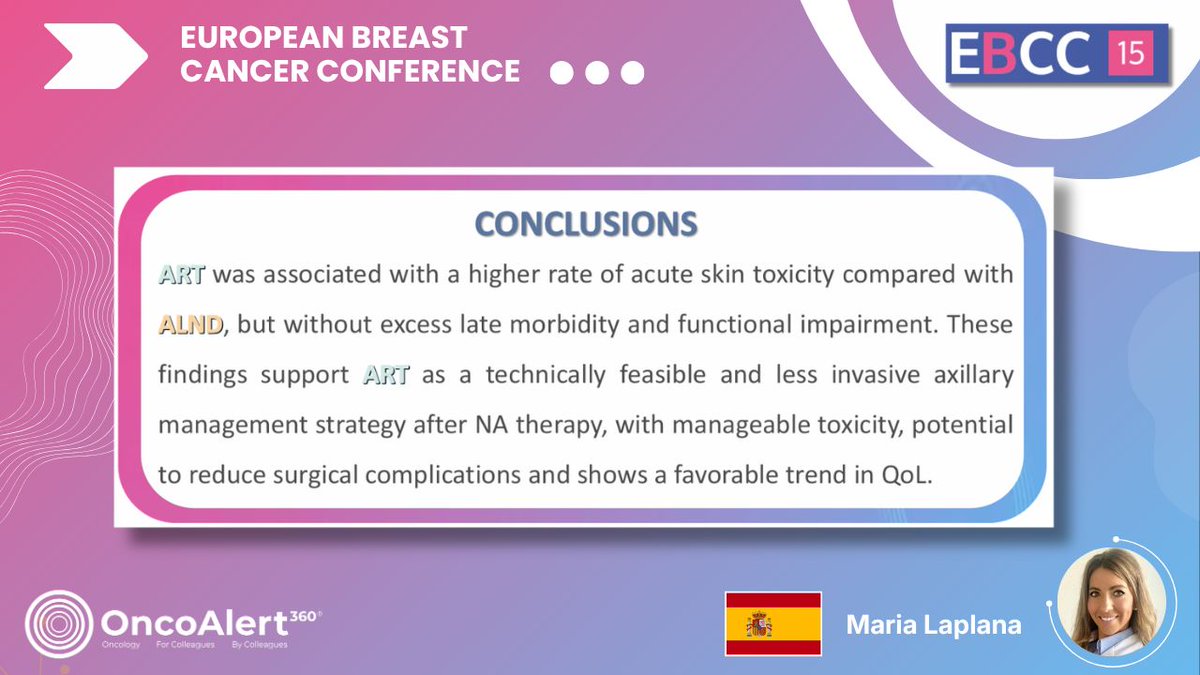
OncoAlert 🚨 Coverage of DAY THREE of #EBCC15 What Is the Real Impact of Axillary Radiotherapy on Treatment-Related Toxicity? A Randomized Comparison with Axillary Lymph Node Dissection in the ADARNAT Trial Presented by Dr. Maria Laplana ADARNAT is an international phase III randomized trial comparing axillary radiotherapy (ART) with axillary lymph node dissection (ALND) in patients with residual axillary disease after neoadjuvant therapy. In this interim analysis of 102 patients with a median follow‑up of 24 months, ART delivered higher radiation doses and was associated with increased acute skin toxicity, but without excess late toxicity. Rates of lymphedema, arm mobility limitation, and long‑term quality of life were comparable between treatment arms, with most functional symptoms being mild and transient. Overall, these findings support ART as a feasible and less invasive alternative to ALND, offering similar patient‑reported outcomes with manageable toxicity. #BreastCancer @itrisabel @JavierCortesMD @MIgnatiadis @MichaelGnant @Icro_Meattini @matteolambe @c_sotiriou @aftimosp @MOliveira_MD @CarmenCriscit @lab_kok @to_be_elizabeth @ElisaAgostinett @Lucarecco @FernandoOnco @GaiaGriguolo @JankovicK @acampsmalea @kevinpunie @CarmineDeA1 @LauBuisseret @TanjaSpanic
OncoAlert tweet mediaOncoAlert tweet mediaOncoAlert tweet mediaOncoAlert tweet media
English
0
5
9
543
Tanja Spanic retweetet
OncoAlert
OncoAlert@OncoAlert·
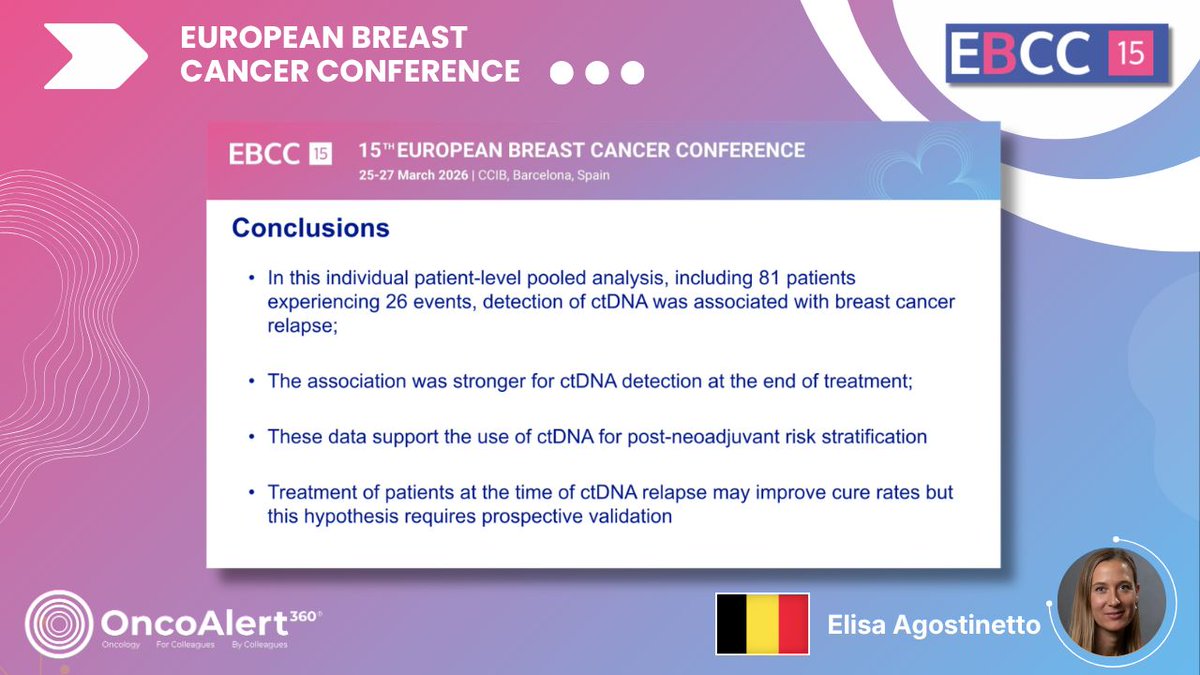
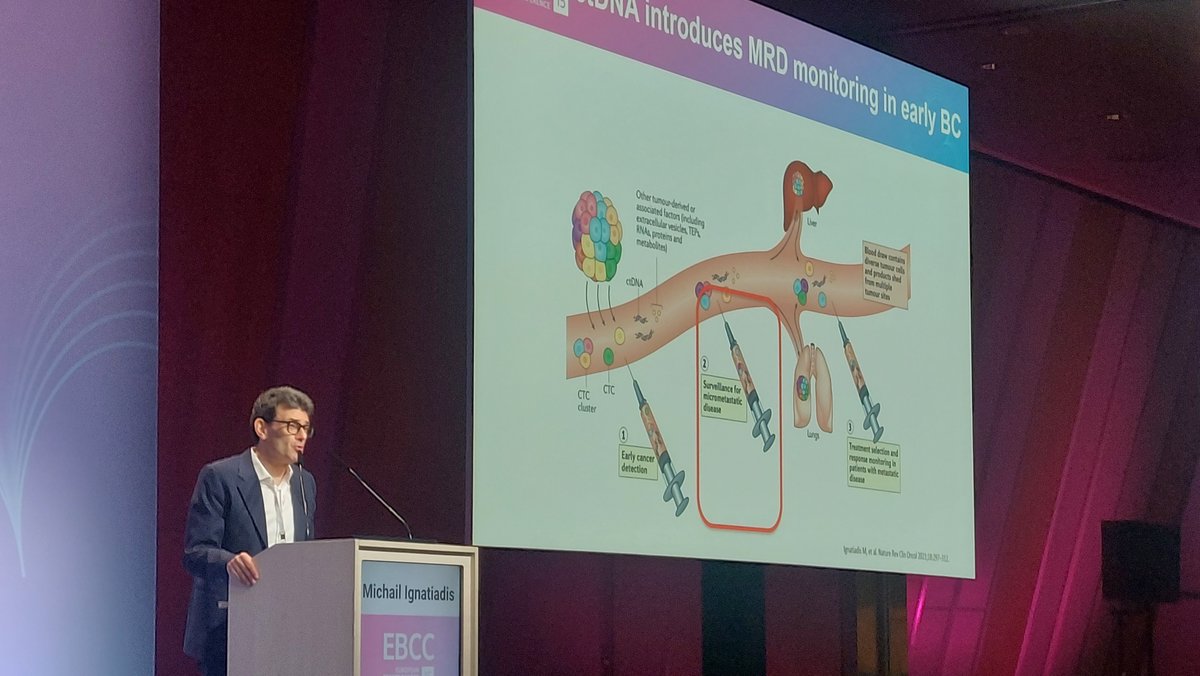
OncoAlert 🚨 Coverage of DAY THREE of #EBCC15 Circulating tumor DNA at completion of neoadjuvant therapy is an independent prognostic marker: an individual patient-level pooled analysis of two prospective studies A study presented at EBCC‑15 shows that fragments of tumour DNA circulating in the blood (ctDNA) can predict #BreastCancer relapse, particularly when detected after pre‑surgery (neoadjuvant) treatment. Researchers analysed blood samples from 81 patients and found that those with detectable ctDNA at the end of neoadjuvant therapy were 3.5 times more likely to experience recurrence, even when no tumour was visible after treatment. The findings suggest ctDNA could help identify patients at higher risk of relapse and guide more personalised post‑surgery treatment decisions. @itrisabel @JavierCortesMD @MIgnatiadis @MichaelGnant @Icro_Meattini @matteolambe @c_sotiriou @aftimosp @MOliveira_MD @CarmenCriscit @lab_kok @to_be_elizabeth @ElisaAgostinett @Lucarecco @FernandoOnco @GaiaGriguolo @JankovicK @acampsmalea @kevinpunie @CarmineDeA1 @LauBuisseret @TanjaSpanic
OncoAlert tweet mediaOncoAlert tweet mediaOncoAlert tweet mediaOncoAlert tweet media
English
0
10
16
2.5K
Tanja Spanic retweetet
OncoAlert
OncoAlert@OncoAlert·
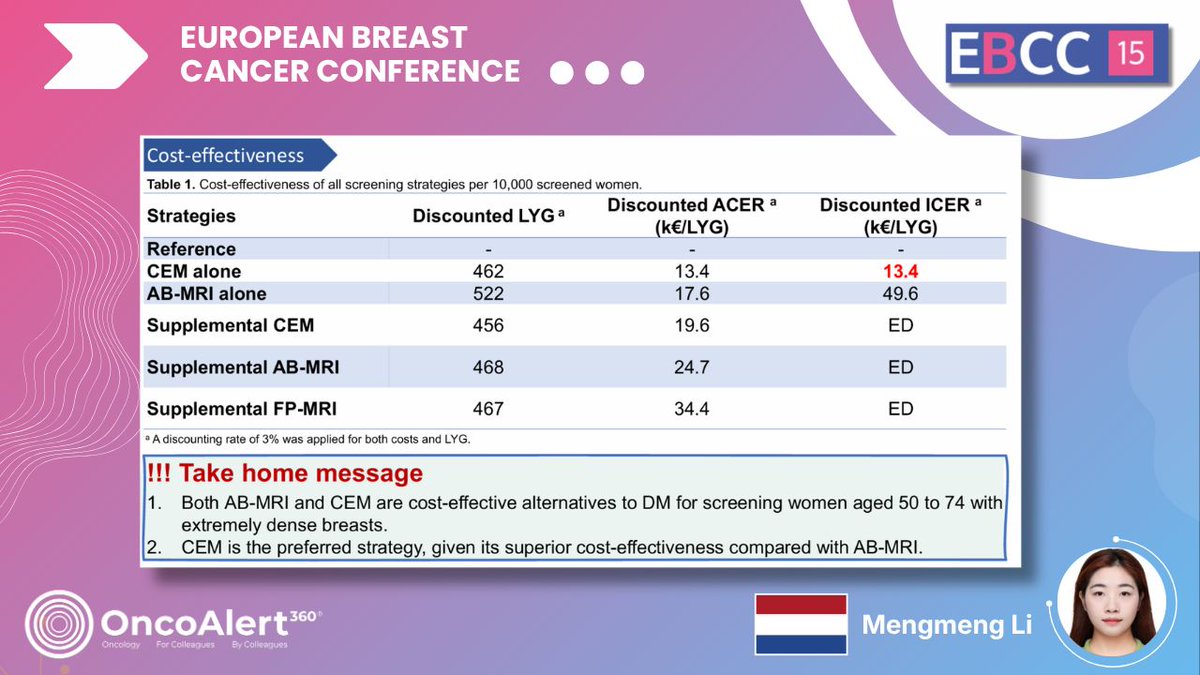
OncoAlert 🚨 Coverage of DAY TWO of #EBCC15 Cost-effectiveness of contrast enhanced mammography for women with extremely dense breasts in a national breast cancer screening program Presented by Dr. Mengmeng Li This study assessed whether contrast‑enhanced mammography (CEM) is a cost‑effective alternative to digital mammography (DM) for population‑based screening of women aged 50–74 with extremely dense breasts, a group at higher cancer risk and reduced DM sensitivity. Using an updated SiMRiSc micro‑simulation model that accounted for age‑related decreases in breast density, biennial CEM screening (with a switch back to DM once density declined to BI‑RADS C) was compared with standard biennial DM. CEM detected 25% more tumours and reduced breast cancer mortality and interval cancers by 18% and 41%, respectively, although it increased false positives and slightly raised the risk of radiation‑induced tumours. With an incremental cost‑effectiveness ratio of €12,224 per life‑year gained—well below the €20,000 willingness‑to‑pay threshold—biennial CEM was found to be a cost‑effective screening strategy for women with extremely dense breasts. #BreastCancer @itrisabel @JavierCortesMD @MIgnatiadis @MichaelGnant @Icro_Meattini @matteolambe @c_sotiriou @aftimosp @MOliveira_MD @CarmenCriscit @lab_kok @to_be_elizabeth @ElisaAgostinett @Lucarecco @FernandoOnco @GaiaGriguolo @JankovicK @acampsmalea @kevinpunie @CarmineDeA1 @LauBuisseret @TanjaSpanic
OncoAlert tweet mediaOncoAlert tweet mediaOncoAlert tweet mediaOncoAlert tweet media
English
0
8
14
815
Tanja Spanic
Tanja Spanic@TanjaSpanic·
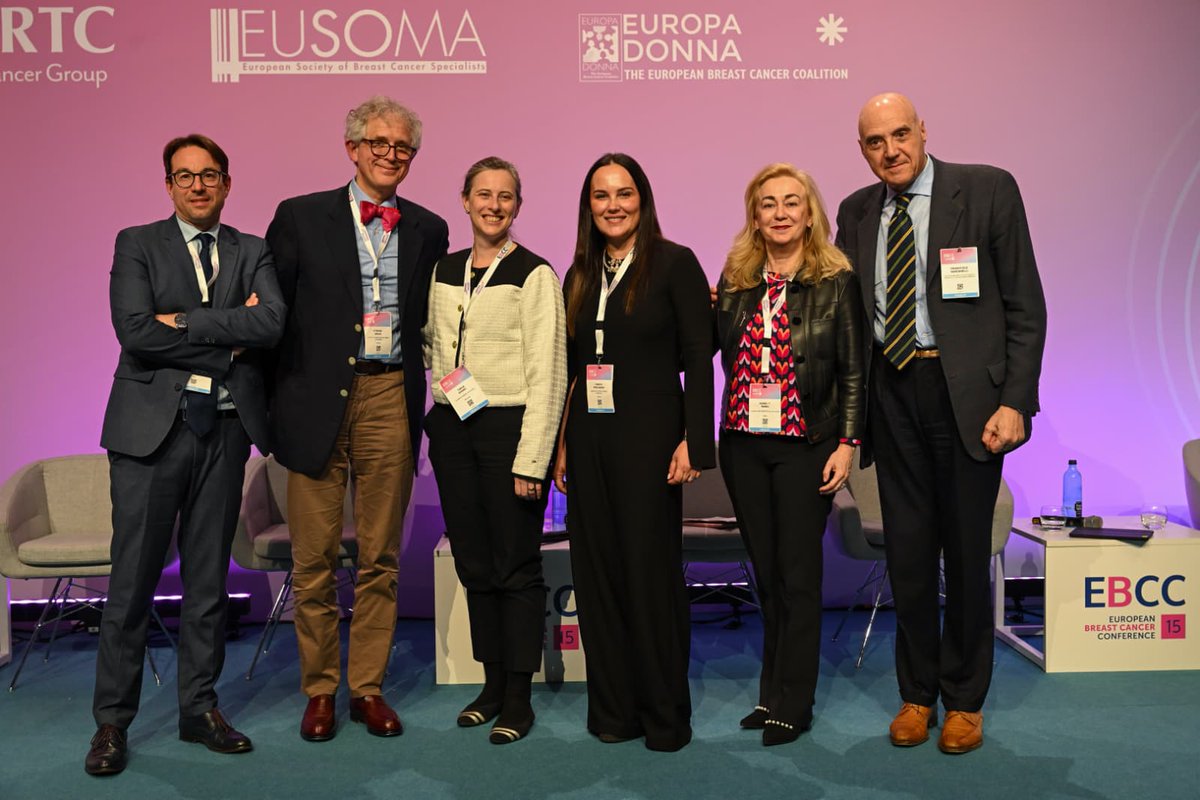
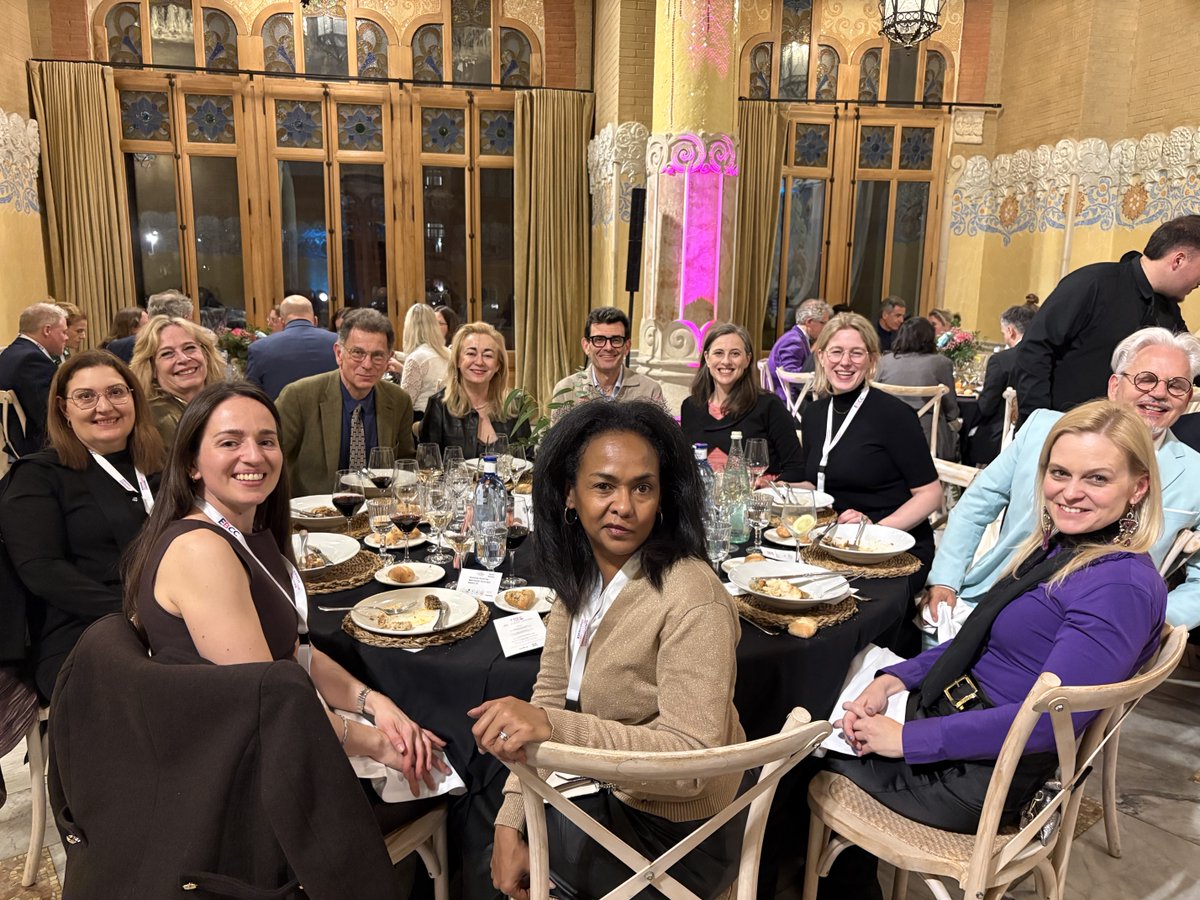
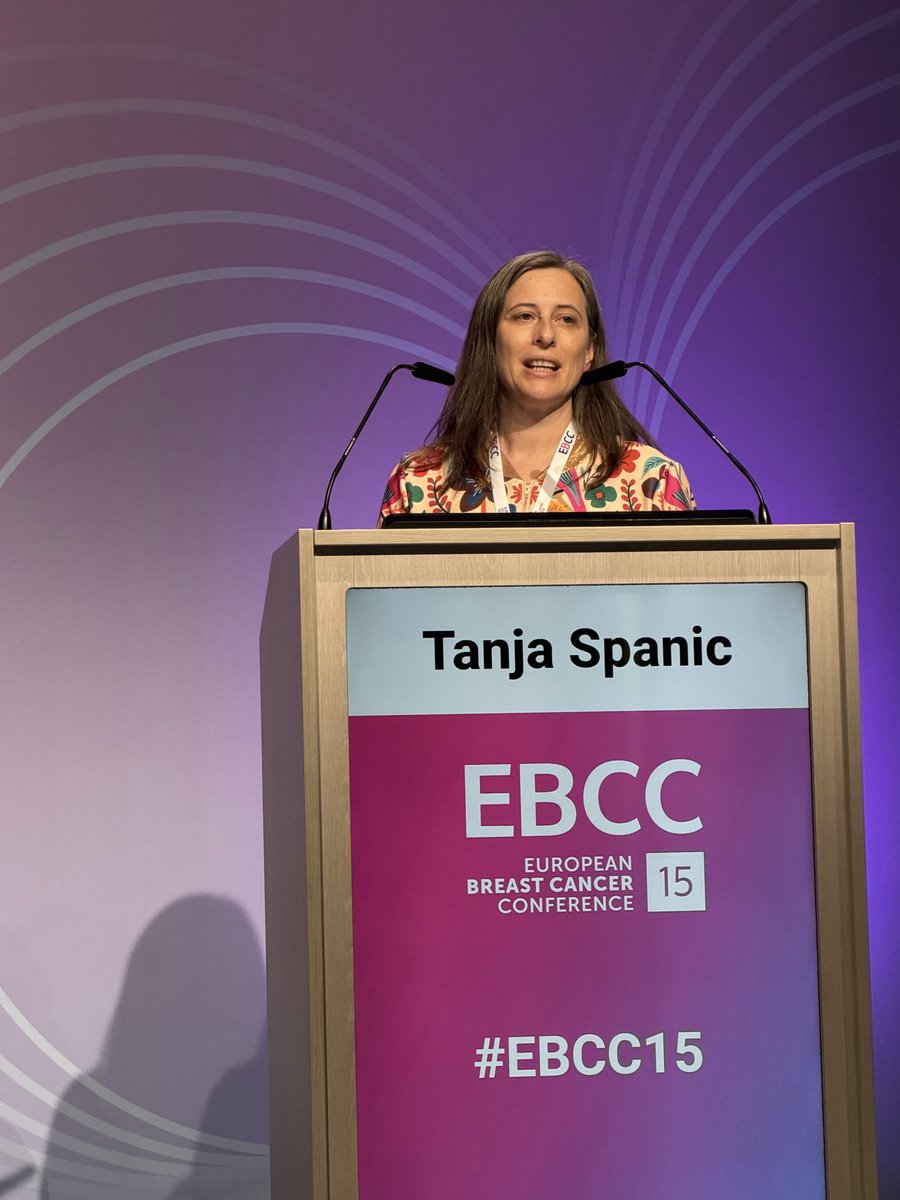
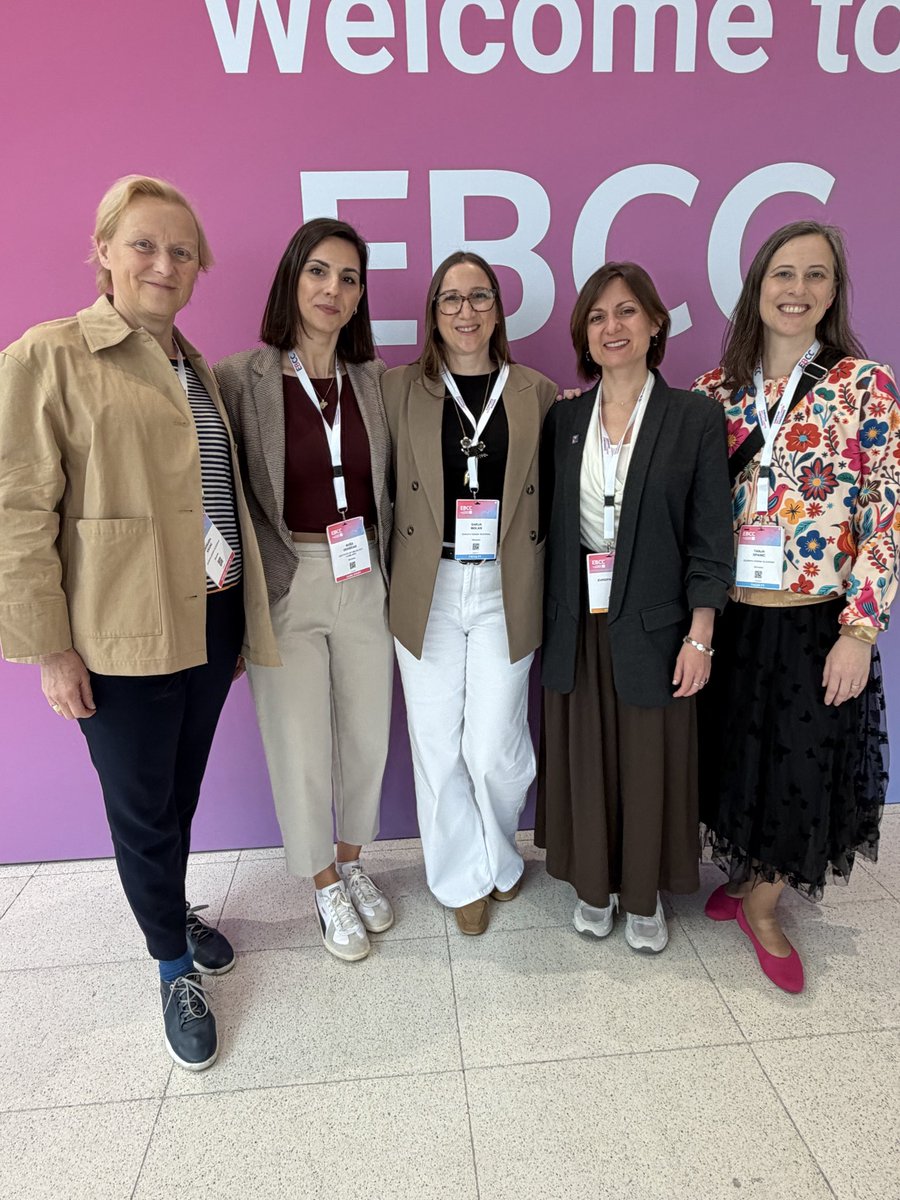
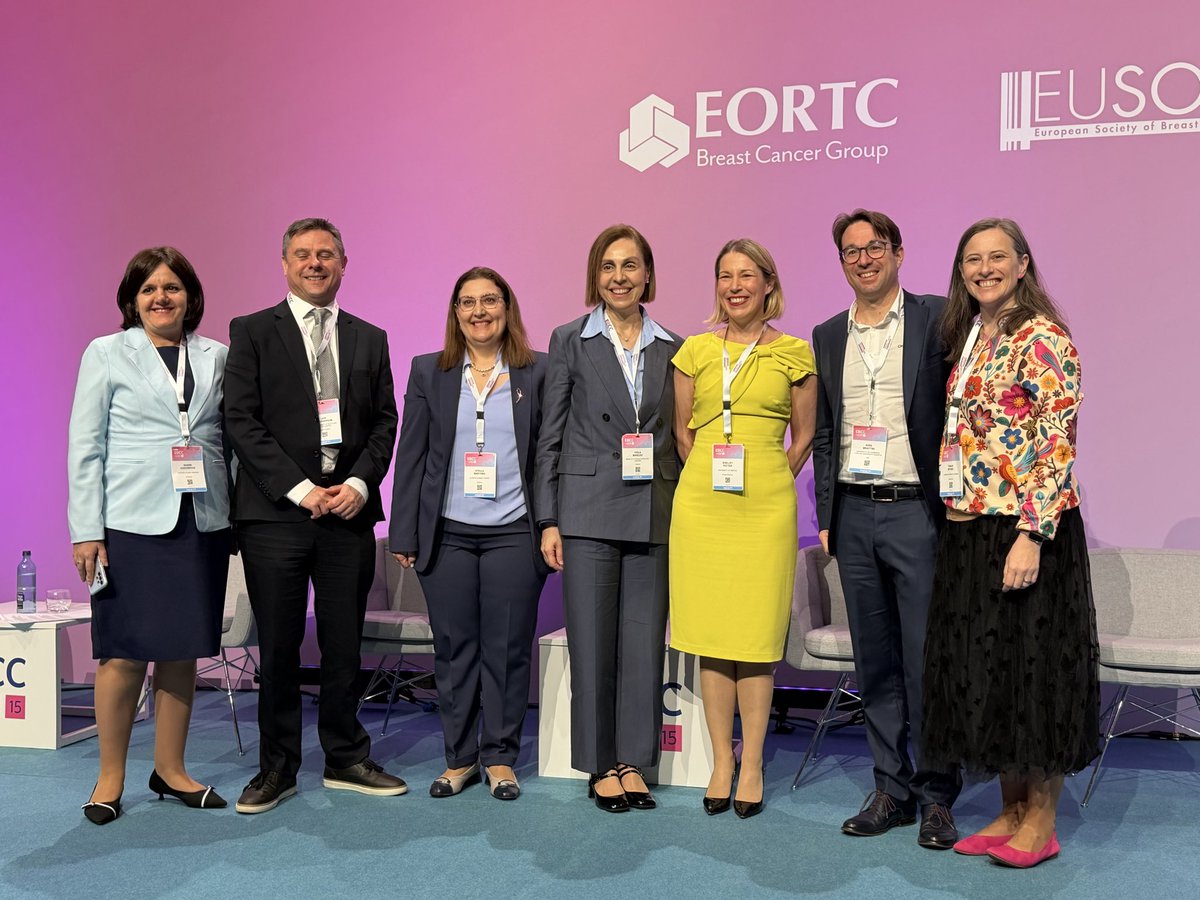
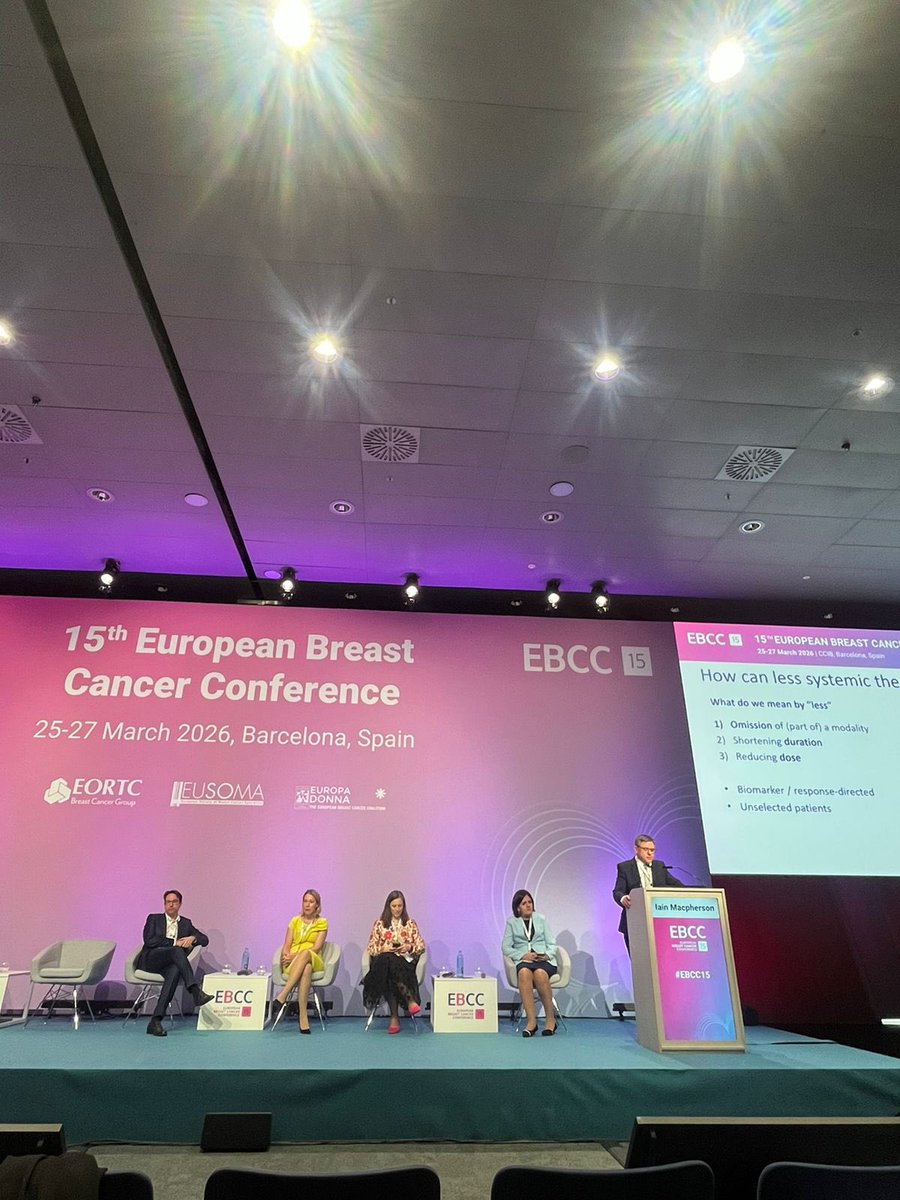
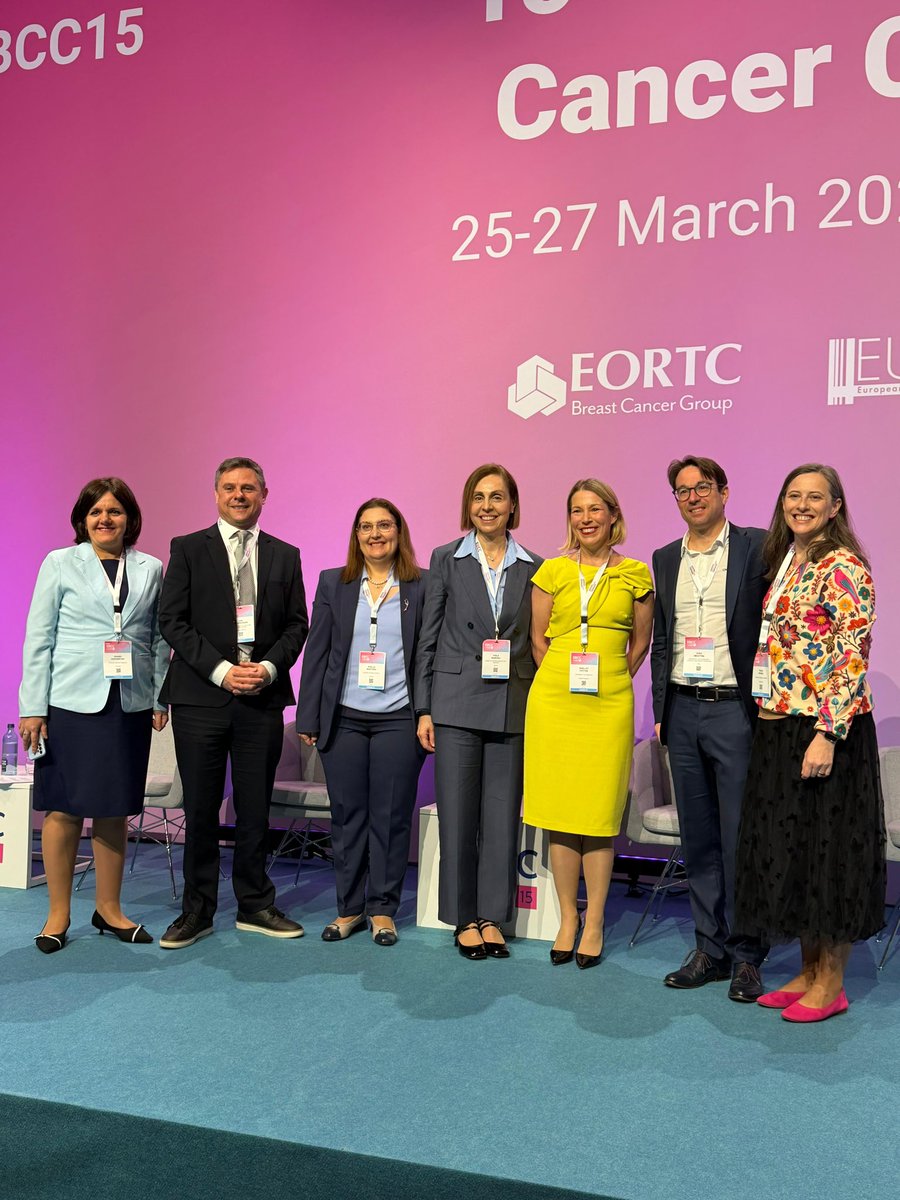
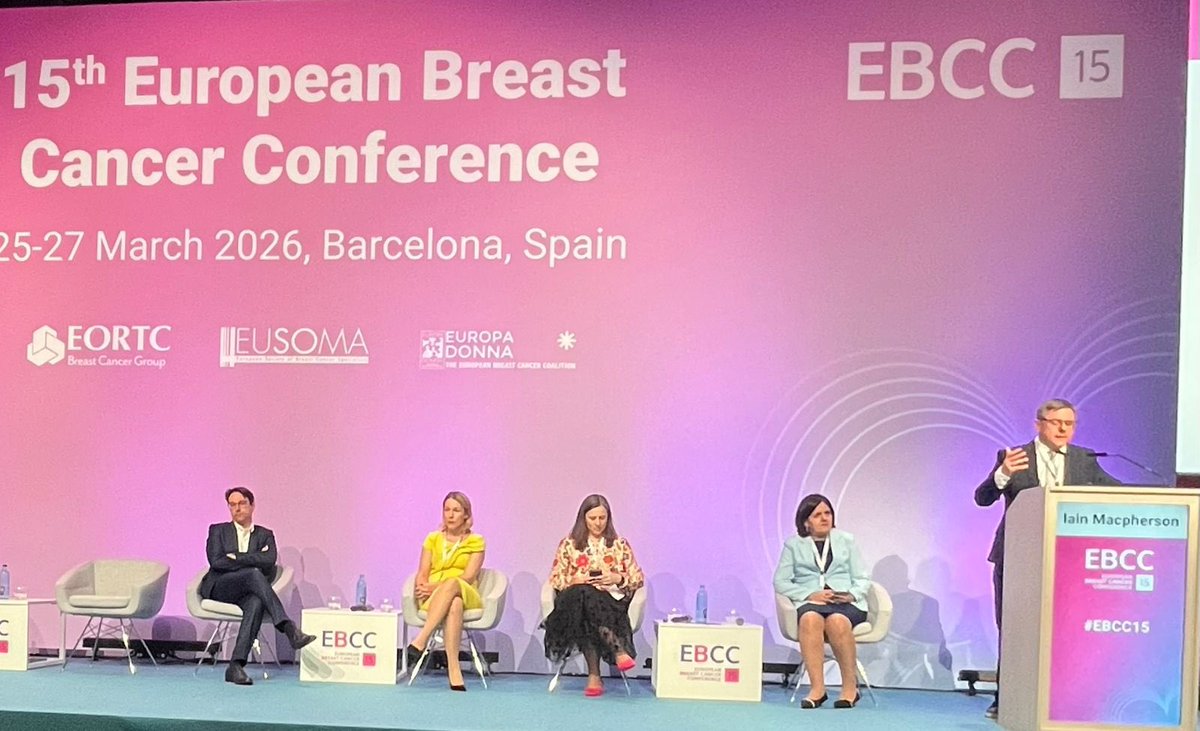
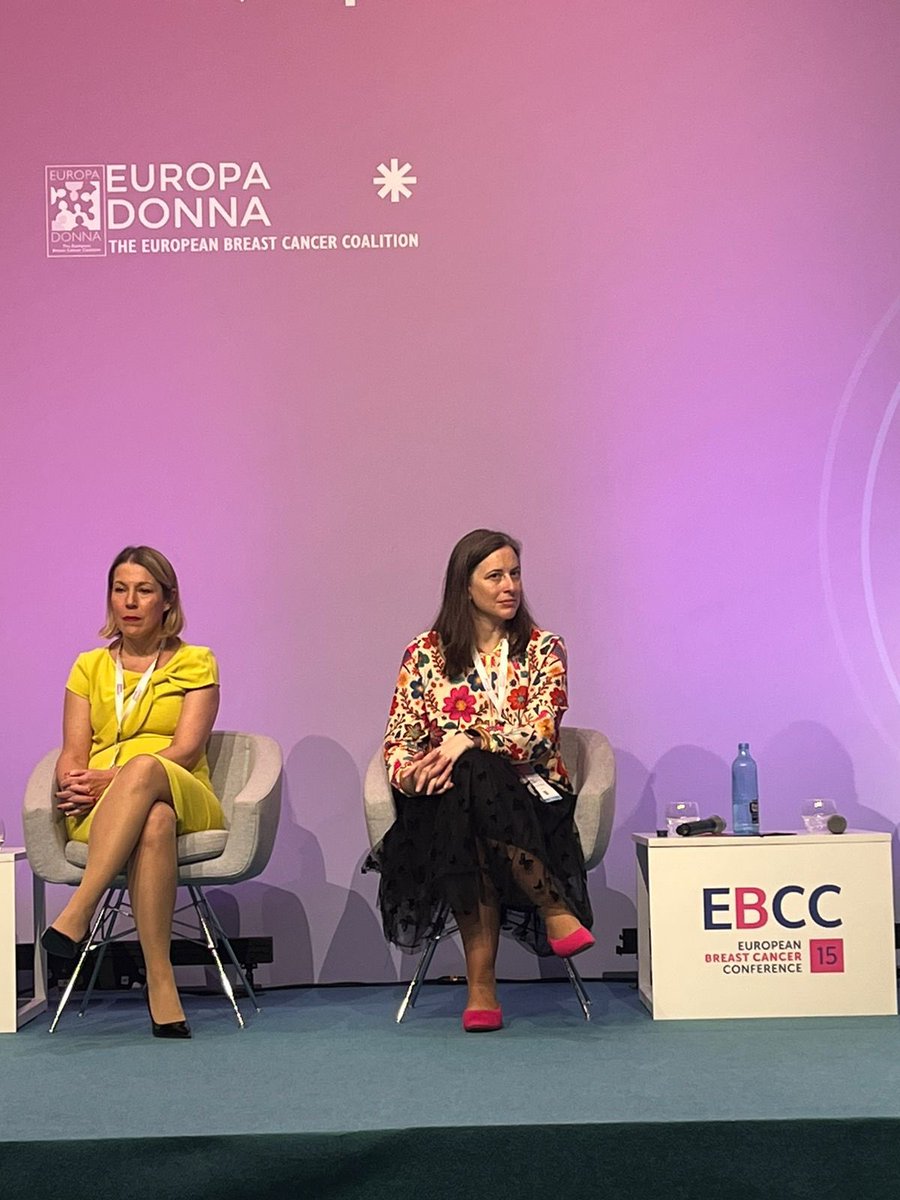
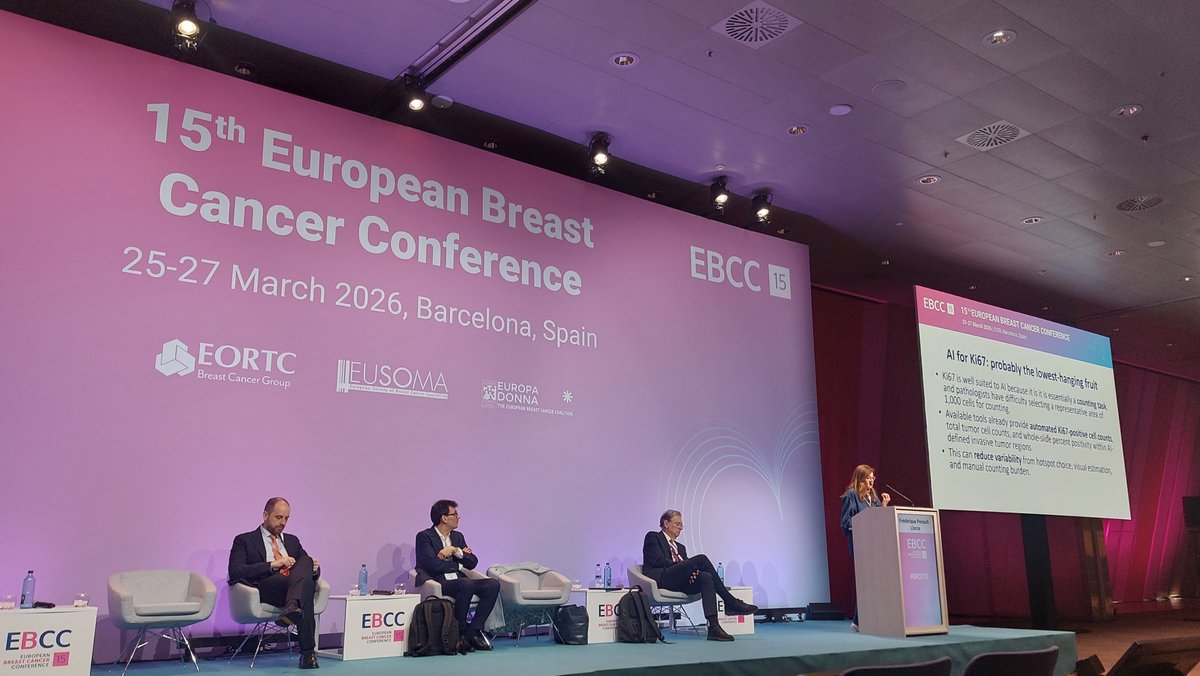
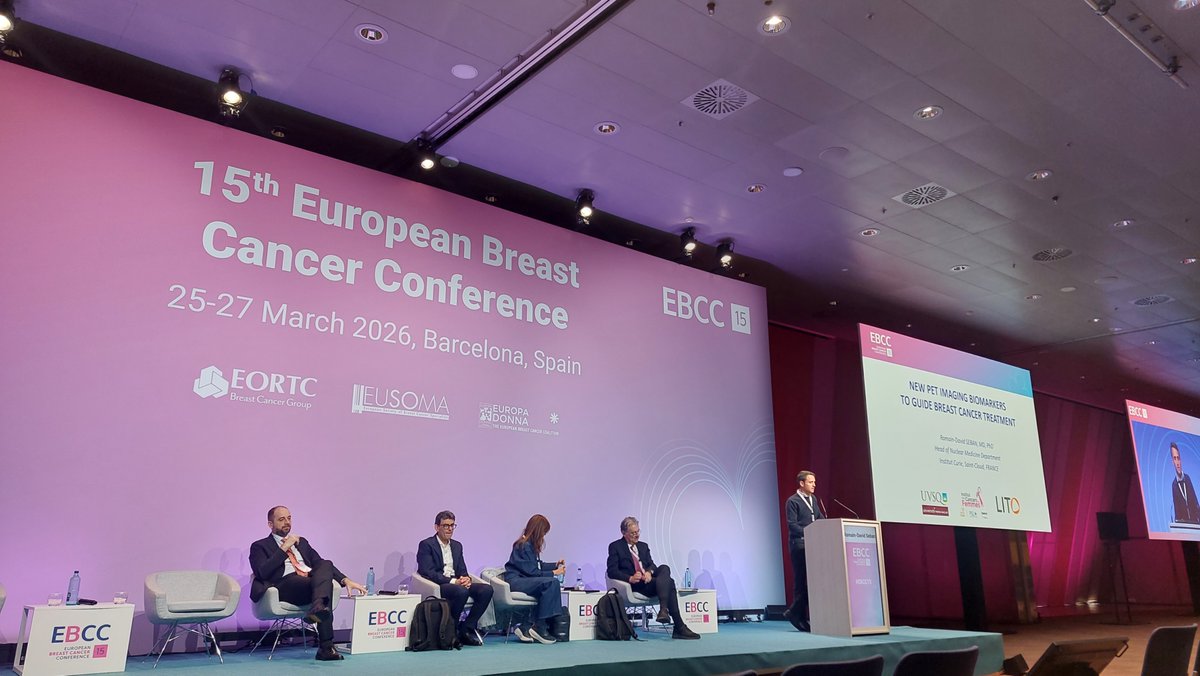
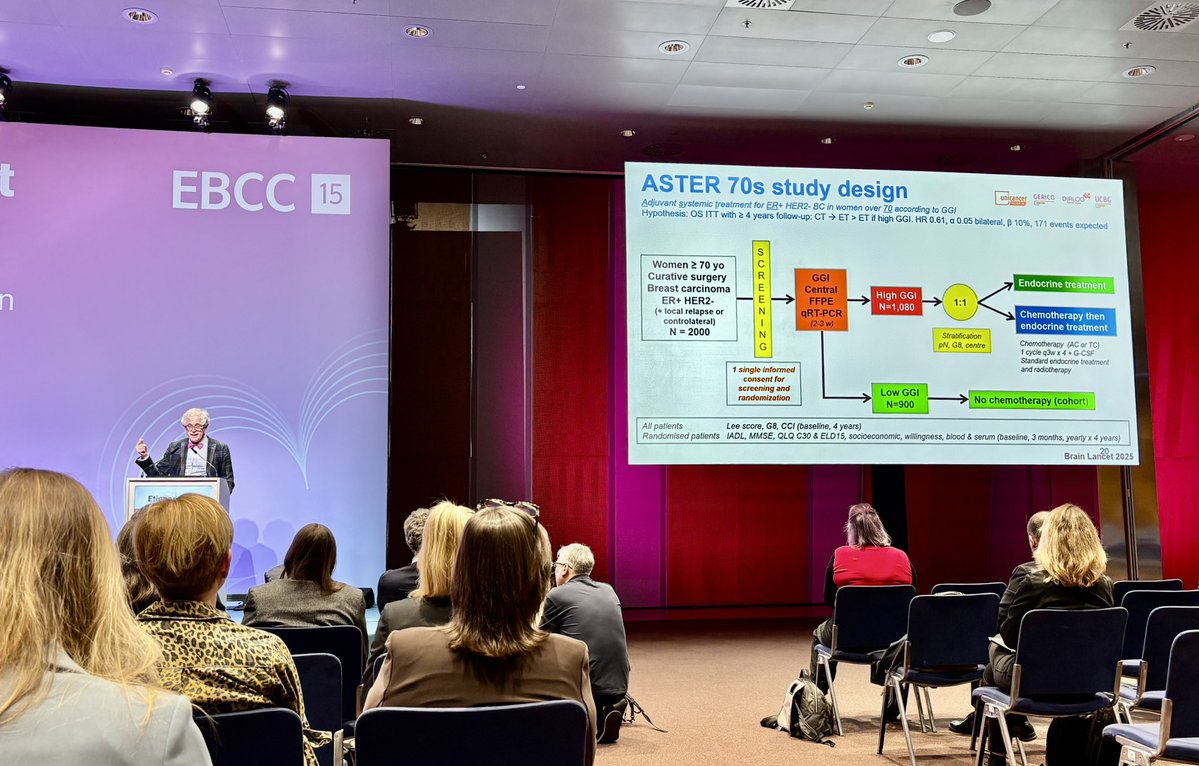
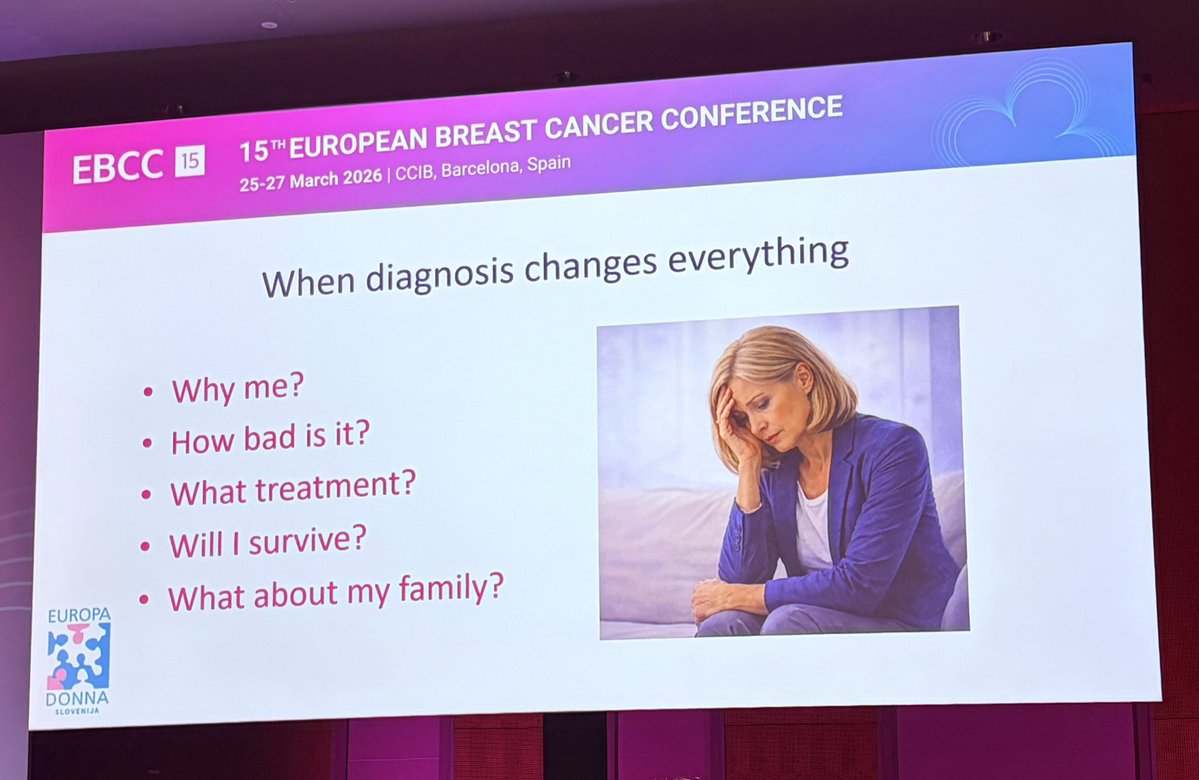
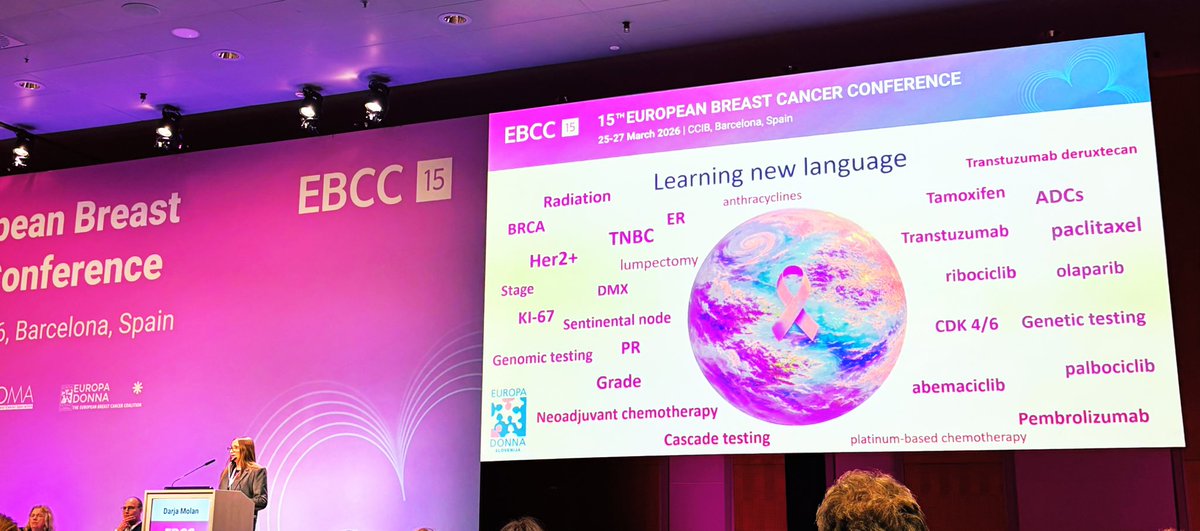
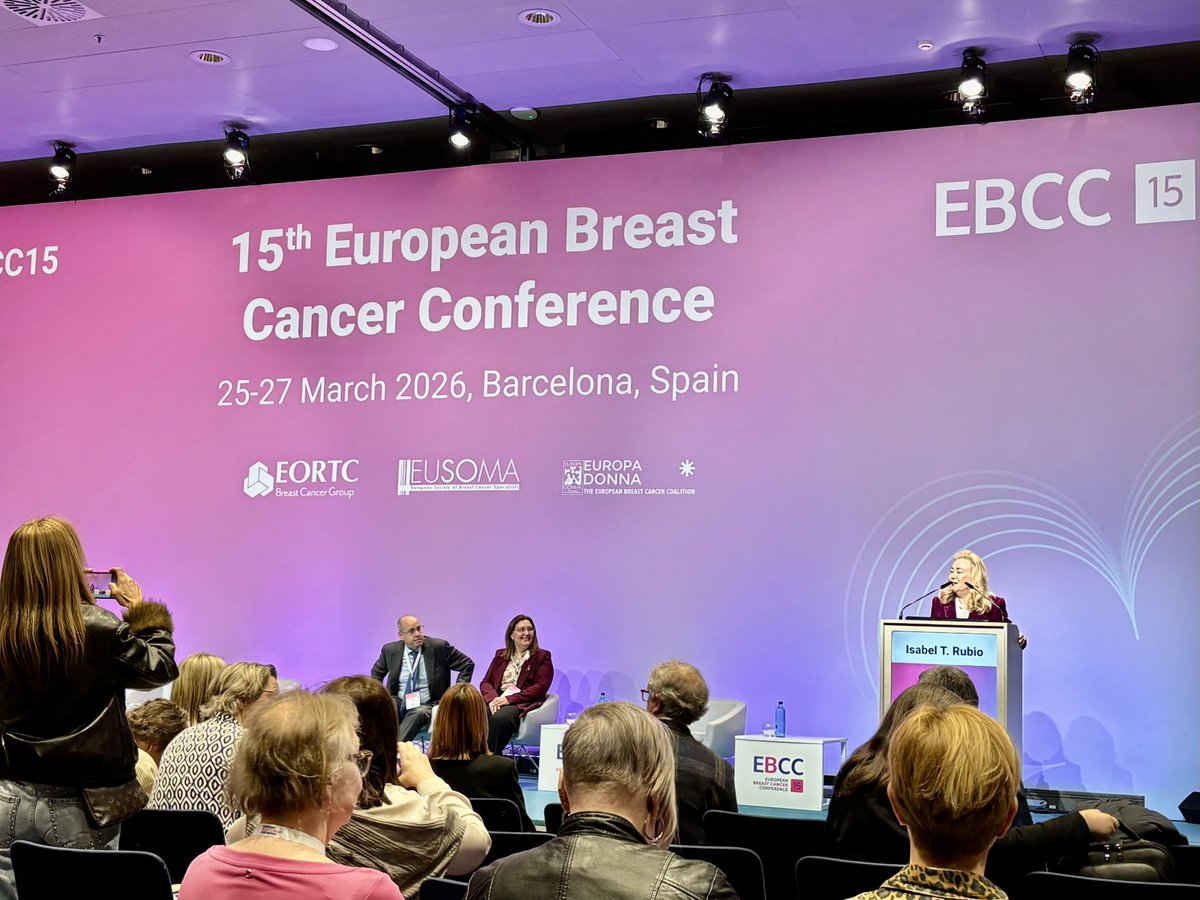
Survivorship starts at diagnosis. #EBCC15, we highlighted how surgeons, radiation therapists, medical oncologists & patient advocates must work together to tailor early breast cancer treatment—around both clinical needs and patient voices. @OncoAlert @europadonna @EORTC_BCG
Tanja Spanic tweet mediaTanja Spanic tweet mediaTanja Spanic tweet mediaTanja Spanic tweet media
English
1
5
12
1K
Tanja Spanic retweetet
OncoAlert
OncoAlert@OncoAlert·
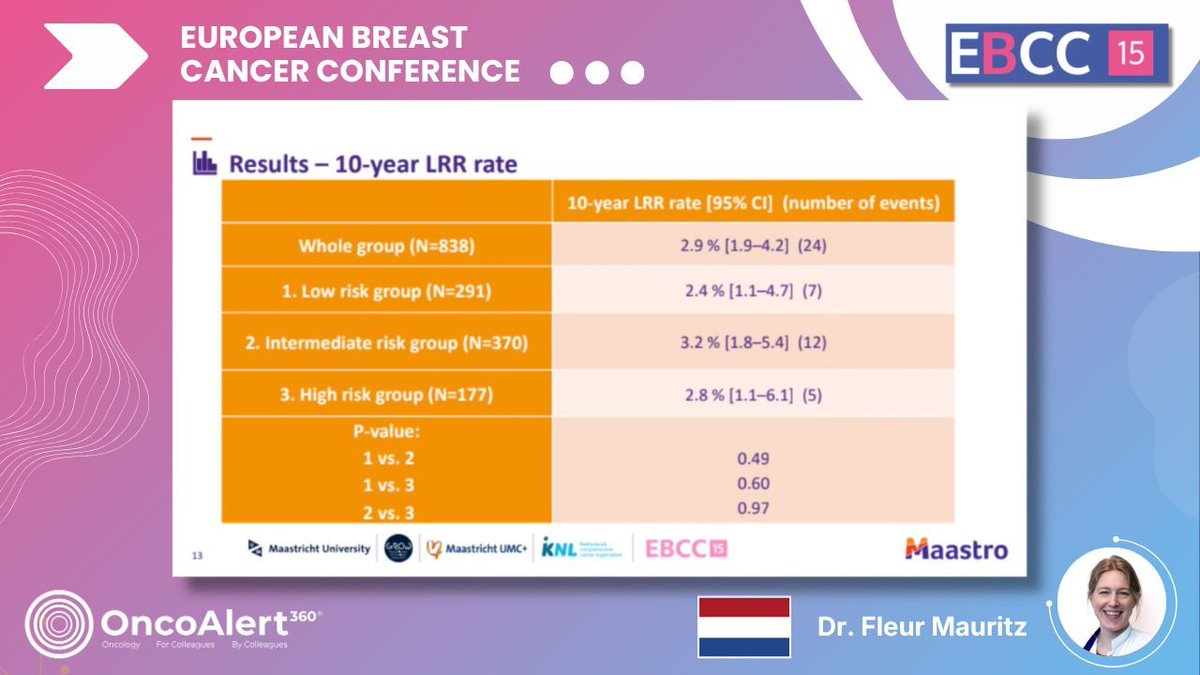
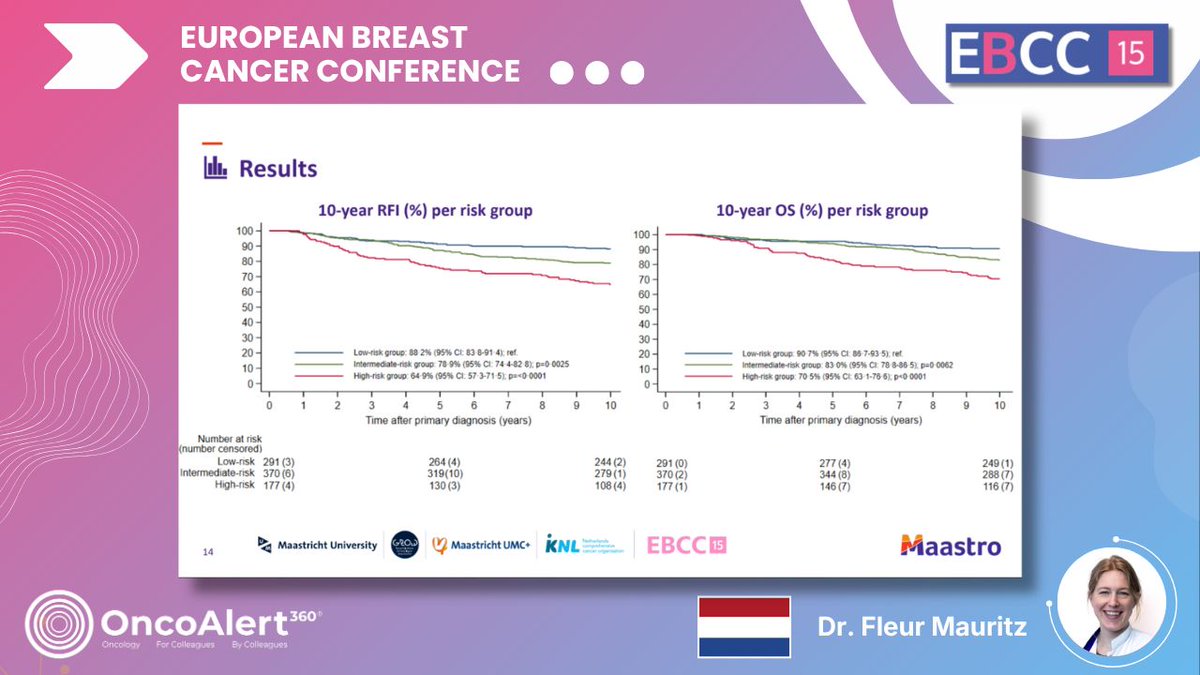
OncoAlert 🚨 Coverage of DAY ONE of #EBCC15 RAPCHEM Study Presented by Dr Fleur Mauritz A ten-year study shows that tailoring radiotherapy after chemotherapy and surgery to a patient’s individual risk keeps breast cancer recurrence rates very low while potentially reducing side-effects. In 848 patients treated in the Netherlands, radiotherapy was adjusted based on whether cancer remained in the lymph nodes after treatment, allowing some low‑risk patients to receive minimal or no radiotherapy. After a decade of follow‑up, only 2.9% experienced a local or regional recurrence, with similarly low rates across low-, intermediate- and high‑risk groups. The findings suggest that carefully stratifying patients by response to chemotherapy can safely reduce overtreatment and support more personalised breast cancer care. For the final conclusion, we will have to wait for the results of a randomised trial from the USA, which are expected in three years. #BreastCancer @itrisabel @JavierCortesMD @MIgnatiadis @MichaelGnant @Icro_Meattini @matteolambe @c_sotiriou @aftimosp @MOliveira_MD @CarmenCriscit @lab_kok @to_be_elizabeth @ElisaAgostinett @Lucarecco @FernandoOnco @GaiaGriguolo @JankovicK @acampsmalea @kevinpunie @CarmineDeA1 @LauBuisseret @TanjaSpanic
OncoAlert tweet mediaOncoAlert tweet mediaOncoAlert tweet mediaOncoAlert tweet media
English
0
9
14
767
Tanja Spanic retweetet
OncoAlert
OncoAlert@OncoAlert·
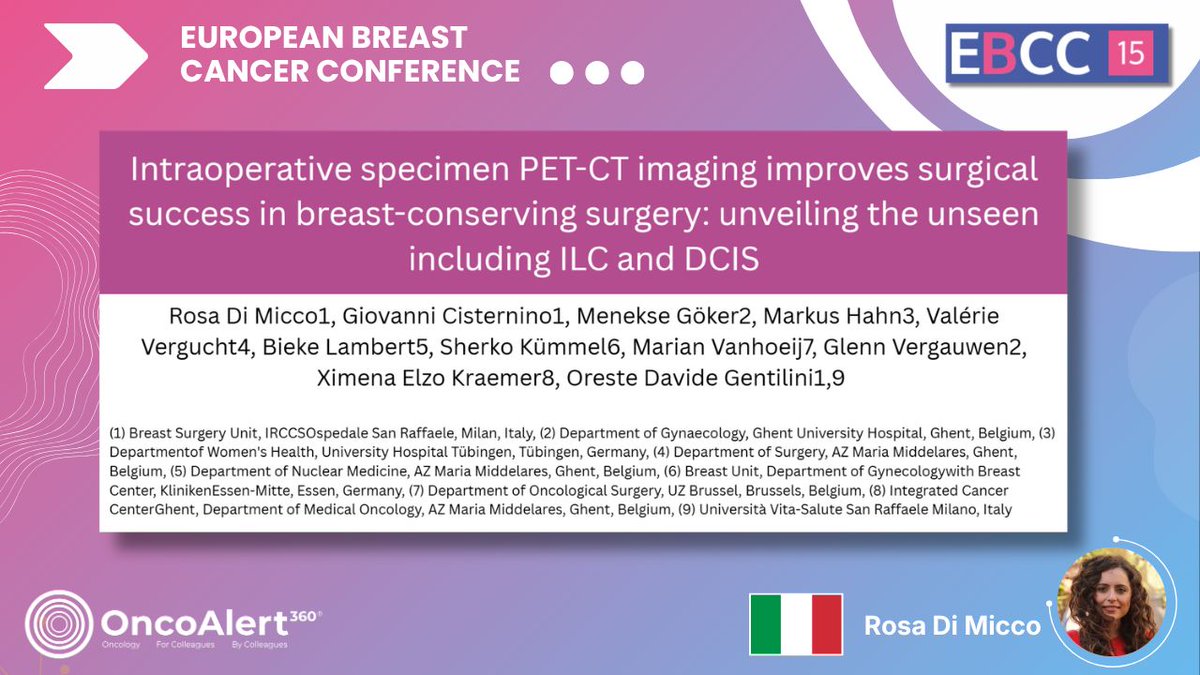
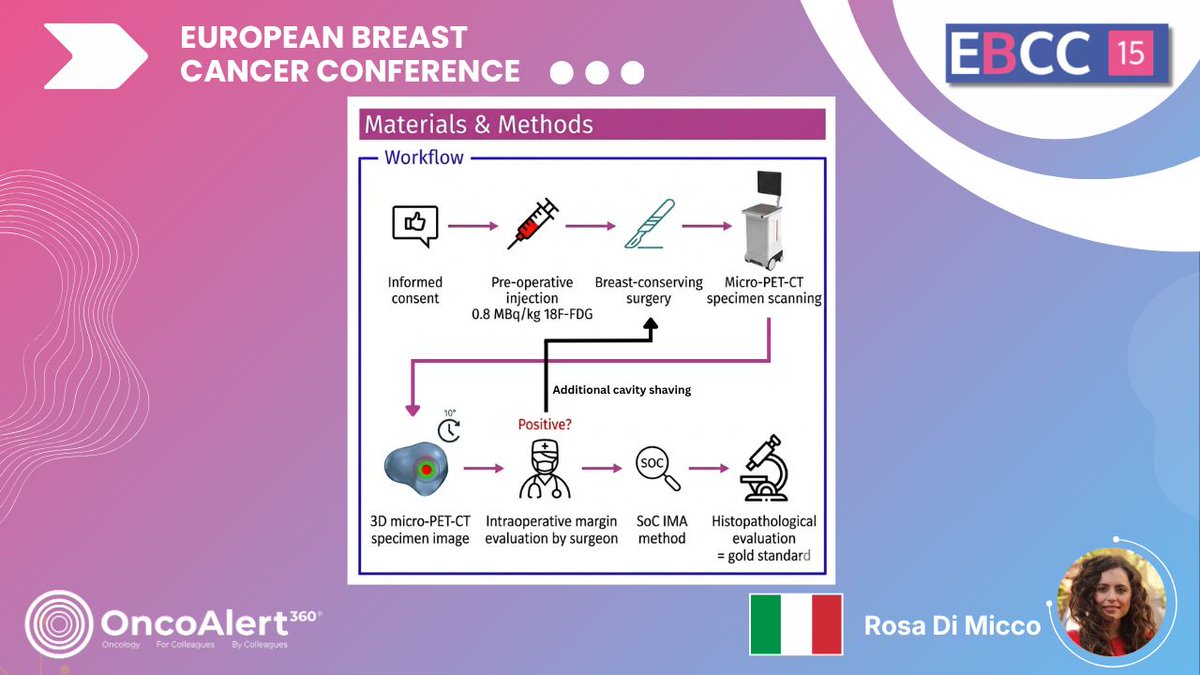
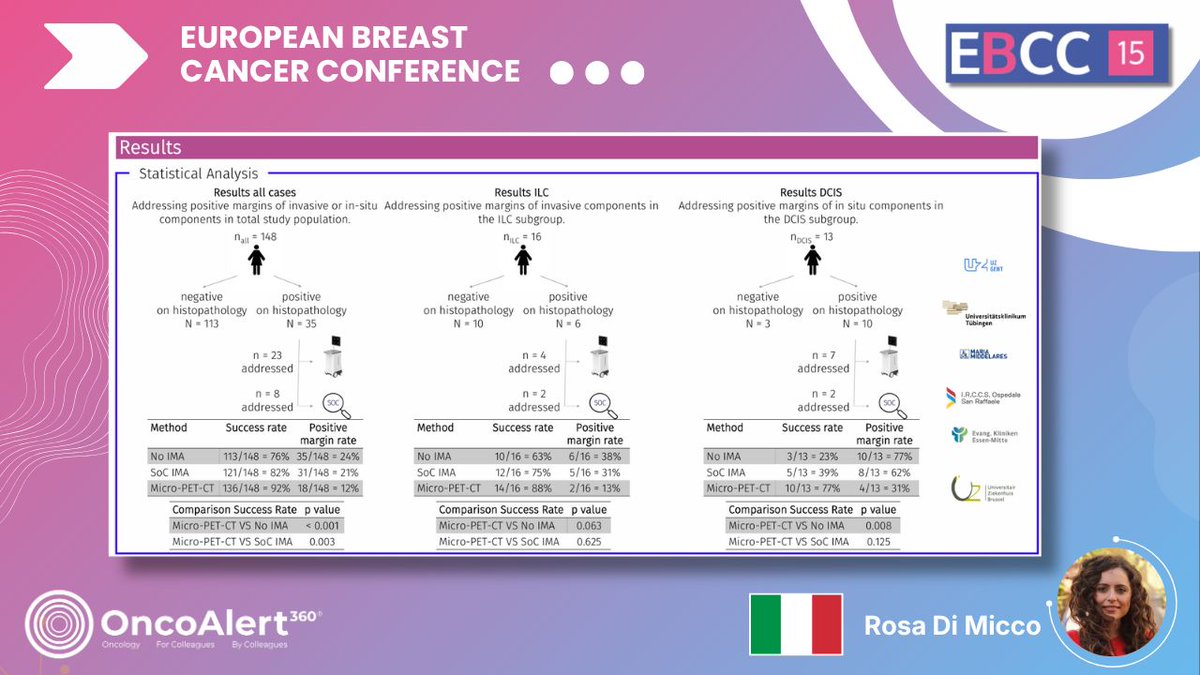
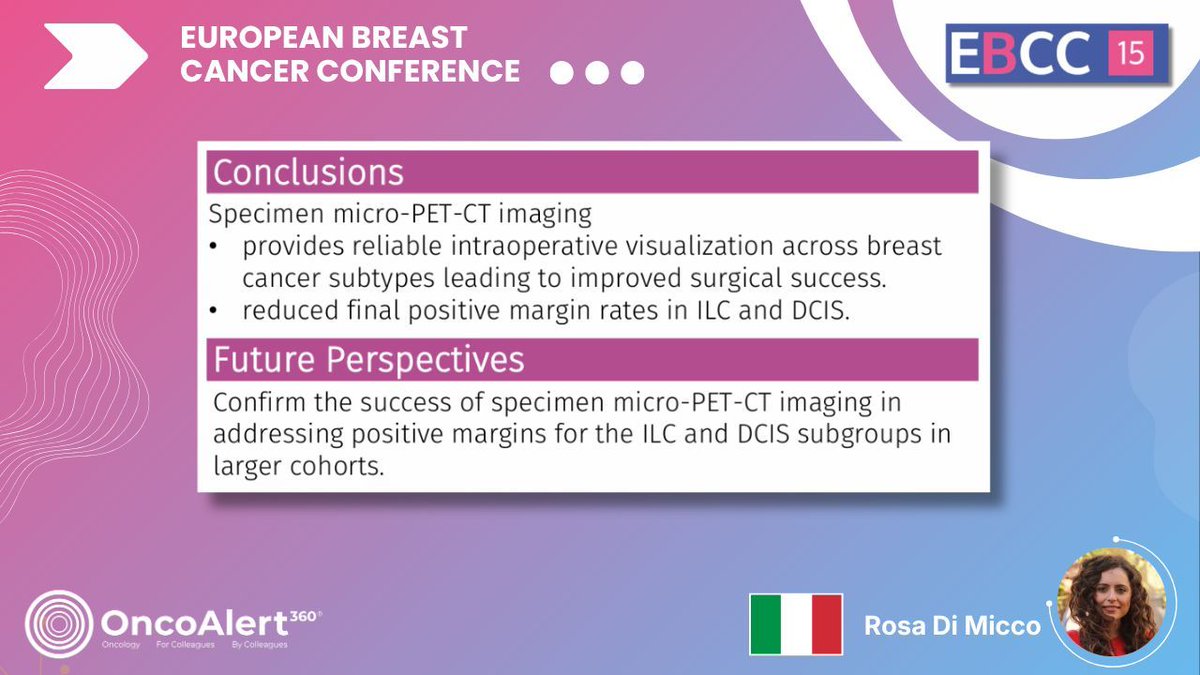
OncoAlert 🚨 Coverage of DAY TWO of #EBCC15 Intraoperative specimen PET-CT imaging improves surgical success in breast-conserving surgery: unveiling the unseen including ILC and DCIS Presented by Dr. Rosa Di Micco The prospective, multicenter BrIMA study evaluated the clinical impact of intraoperative specimen PET‑CT imaging on margin assessment during breast‑conserving surgery (BCS), particularly in challenging subtypes such as invasive lobular carcinoma (ILC) and ductal carcinoma in situ (DCIS), which are associated with high re‑excision rates. In 148 patients, intraoperative PET‑CT imaging of excised breast specimens following low‑dose 18F‑FDG injection significantly improved surgical success compared with no intraoperative margin assessment and with routine assessment methods alone. Overall success rates increased to 91.9% with specimen PET‑CT imaging, with marked reductions in final positive margin rates in both ILC and DCIS through timely detection and immediate cavity shaving. These findings demonstrate that specimen PET‑CT imaging provides reliable intraoperative visualization across breast cancer subtypes and can substantially reduce residual disease, although confirmation in larger cohorts is warranted. #BreastCancer @itrisabel @JavierCortesMD @MIgnatiadis @MichaelGnant @Icro_Meattini @matteolambe @c_sotiriou @aftimosp @MOliveira_MD @CarmenCriscit @lab_kok @to_be_elizabeth @ElisaAgostinett @Lucarecco @FernandoOnco @GaiaGriguolo @JankovicK @acampsmalea @kevinpunie @CarmineDeA1 @LauBuisseret @TanjaSpanic
OncoAlert tweet mediaOncoAlert tweet mediaOncoAlert tweet mediaOncoAlert tweet media
English
0
8
14
862
Tanja Spanic retweetet
OncoAlert
OncoAlert@OncoAlert·
OncoAlert 🚨 Coverage of DAY ONE of #EBCC15 The impact of polyurethane coated implants on the risk of capsular contracture after immediate prepectoral breast reconstruction in the setting of postmastectomy radiotherapy: the OPBC-09 PRExRT study presented by Dr. Kerstin Wimmer New research presented at the 15th European Breast Cancer Conference (EBCC15) shows that using polyurethane‑coated breast implants for reconstruction after mastectomy can significantly reduce scarring and the need for further surgery in women who receive radiotherapy. The retrospective study followed 1,455 women treated across 26 centres in 15 countries and found lower rates of capsular contracture and corrective surgery among those given polyurethane‑coated implants compared with standard implants, as well as fewer major infections and urgent implant removals. The findings provide important real‑world evidence that implant choice can have a major impact on outcomes after radiotherapy and could help guide reconstructive planning for breast cancer patients. #BreastCancer @itrisabel @JavierCortesMD @MIgnatiadis @MichaelGnant @Icro_Meattini @matteolambe @c_sotiriou @aftimosp @MOliveira_MD @CarmenCriscit @lab_kok @to_be_elizabeth @ElisaAgostinett @Lucarecco @FernandoOnco @GaiaGriguolo @JankovicK @acampsmalea @kevinpunie @CarmineDeA1 @LauBuisseret
OncoAlert tweet mediaOncoAlert tweet mediaOncoAlert tweet mediaOncoAlert tweet media
English
0
12
15
935
Tanja Spanic retweetet
OncoAlert
OncoAlert@OncoAlert·
OncoAlert 🚨 Coverage of DAY ONE of #EBCC15 Breast Cancer and Communication: Patient Insights from Serbia Presented by Sara Bojanic An online survey conducted by Europa Donna Serbia in late 2024 among 810 women diagnosed with breast cancer reveals significant gaps in communication between patients and healthcare professionals in Serbia. Despite respondents being largely well educated, more than half reported receiving only partial information, limited time for discussion, and an incomplete understanding of their diagnosis and treatment options, often prompting them to seek information elsewhere. While the information provided was generally perceived as helpful, many patients felt insufficiently informed and unable to ask questions. The findings highlight an urgent need for clearer, more patient‑centred communication, improved health communication skills among professionals, and stronger patient involvement across the breast cancer care pathway. #BreastCancer @itrisabel @JavierCortesMD @MIgnatiadis @MichaelGnant @Icro_Meattini @matteolambe @c_sotiriou @aftimosp @MOliveira_MD @CarmenCriscit @lab_kok @to_be_elizabeth @ElisaAgostinett @Lucarecco @FernandoOnco @GaiaGriguolo @JankovicK @acampsmalea @kevinpunie @CarmineDeA1 @LauBuisseret
OncoAlert tweet media
English
0
11
11
867
Tanja Spanic retweetet
Icro Meattini
Icro Meattini@Icro_Meattini·
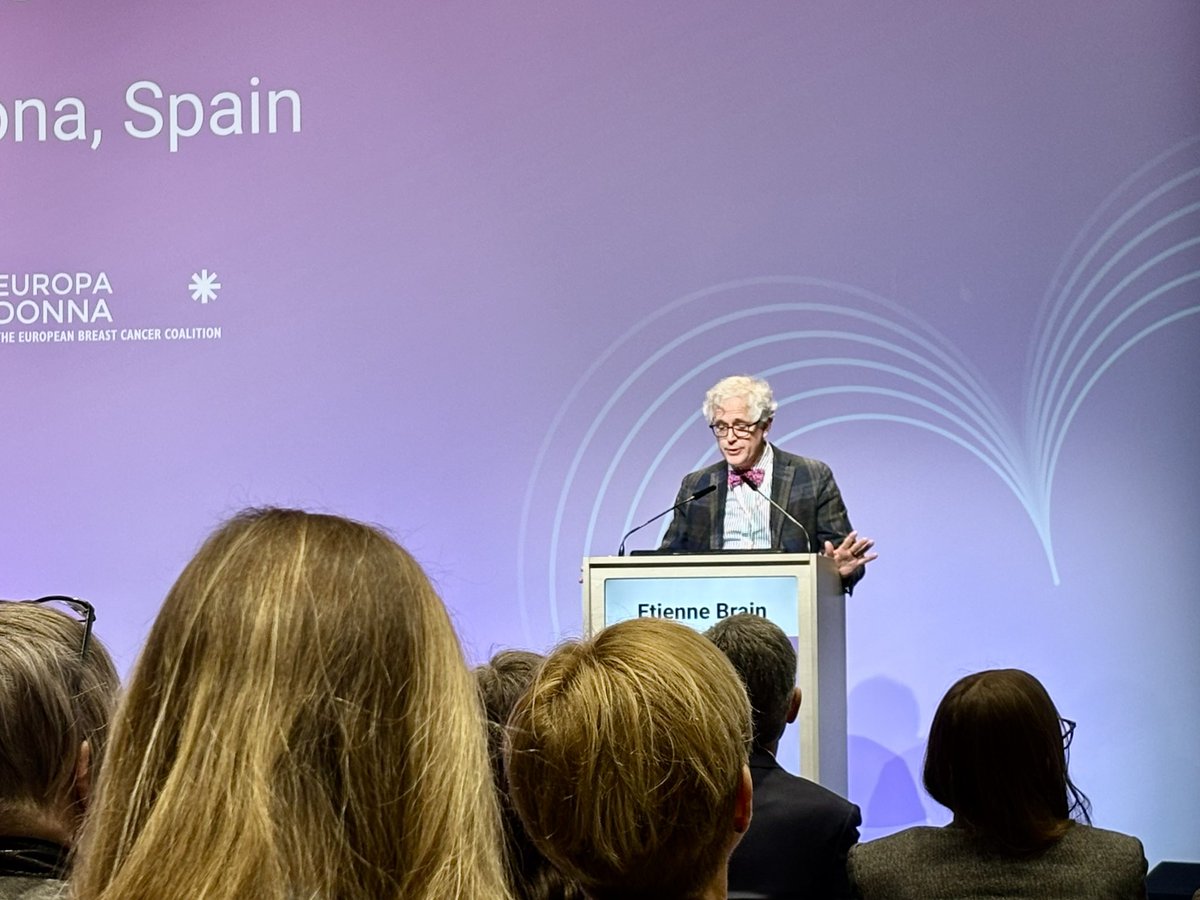
Etienne Brain awarded at #EBCC15 👏 A well-deserved recognition followed by an insightful lecture on one of the most pressing issues in our field: treatment challenges and decision-making in elderly patients with #BreastCancer @EtienneB66 @OncoAlert #OncoAlert
Icro Meattini tweet mediaIcro Meattini tweet mediaIcro Meattini tweet mediaIcro Meattini tweet media
English
0
6
15
1K