Tanja Spanic

1.3K posts

Tanja Spanic banner
Tanja Spanic

Tanja Spanic

@TanjaSpanic

Katılım Ekim 2009
570 Takip Edilen633 Takipçiler
Tanja Spanic
Tanja Spanic@TanjaSpanic·
@stage4kelly Great suggestion but they very rarely invite patient advocate to speak 😉 check this year’s program 😎
English
1
0
1
36
Tanja Spanic retweetledi
Eva Schumacher-Wulf
Eva Schumacher-Wulf@MammaMiaMagazin·
Behandlungsstrategien für Brustkrebspatientinnen mit #Hirnmetastasen. Es hat sich viel getan in den letzten Jahren. Es war mir eine Ehre, Co-Autorin des Papers zu sein. #Brustkrebs
Mirrors of Medicine@mirrorsmed

Novel treatment strategies and key research priorities for patients with breast cancer and central nervous system (CNS) metastases nature.com/articles/s4152… Despite advances in surgery, radiation, and CNS-active therapies, #BreastCancer –related CNS 🧠metastases remain associated with poor outcomes. In 2023, the Breast International Group and the NCI’s National Clinical Trials Network convened a CNS working group to identify key challenges and collaborative solutions. This review summarizes discussions on CNS screening, treatment sequencing in HER2🧬positive disease, leptomeningeal disease management, and the need for innovative, biology-driven clinical trials to improve treatment and prevention. @JerzakKasia @ElisaAgostinett @BrainTumorDoc @CareyAnders1 @VriesElisabeth @SahgalArjun @drsarahsam @paspears88 @MammaMiaMagazin @cancermedic @nlinmd @BIGxResearch

Deutsch
0
1
5
189
Tanja Spanic retweetledi
ABC Global Alliance
ABC Global Alliance@ABCGlobalAll·
Do you have 2+ years' experience in cancer nursing, and limited opportunities for professional development? Apply for an ABC Global Alliance & EONS Nurse Fellowship, to spend 1-3 months in a centre of excellence for advanced breast cancer. Apply by May 31 ow.ly/5snZ50YQui5
ABC Global Alliance tweet media
English
0
4
5
302
Tanja Spanic retweetledi
ABC Global Alliance
ABC Global Alliance@ABCGlobalAll·
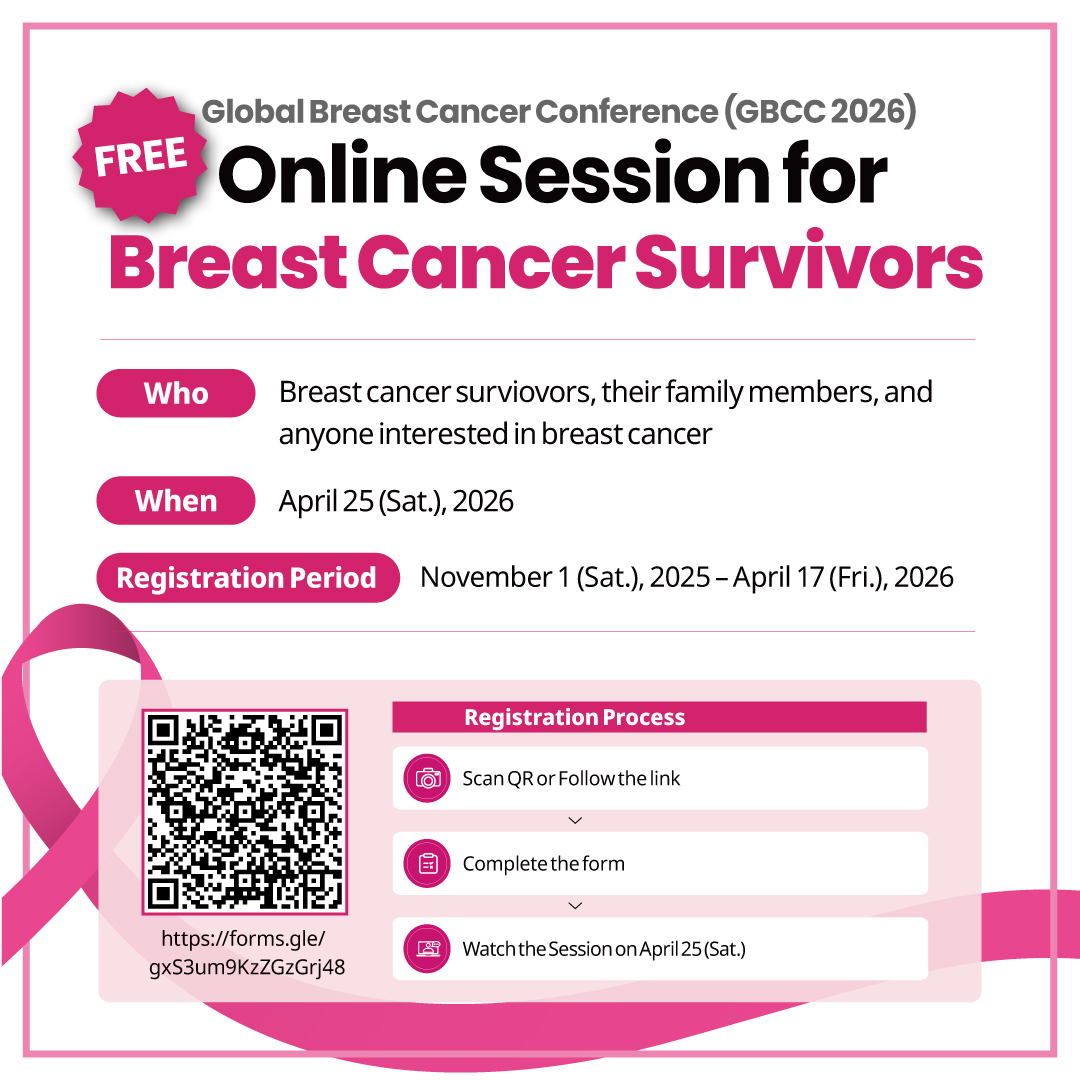
FREE online breast cancer patient education live-streamed from S. Korea GBCC conference Sat 25/4. Subtitles: 20 languages. Watch ABC GA president Dr Fatima Cardoso + session on evolving treatment strategies for metastatic BC. gbcc.kr/Contents.asp?L…. REGISTER BY 17/4 via QR code
ABC Global Alliance tweet media
English
0
1
2
93
Tanja Spanic retweetledi
OncoAlert
OncoAlert@OncoAlert·
The OncoAlert🚨Newsletter Covering April 3-9, 2026 REGISTER TO GET IT👉 buff.ly/7Jlzp0V or buff.ly/FRV7xUs #BreastCancer 🧬 TROPION-Breast02 — Dato-DXd vs chemo in 1st-line TNBC ineligible for immunotherapy. PFS 10.8 vs 5.6 months. A new frontline option is here. ✅ APHINITY — Pertuzumab + trastuzumab in early HER2+ breast cancer. All subgroups benefit, but HER2 FISH-low/ER+ patients may gain the most.🧬 @Dr_ElvinaA @drsarahsam @aumilto @Yasuaki_Sagara @gabri_gentilee @eiger_daniel @MedicalwatchHQ @HamdiZizit @matteolambe @aftimosp @E_de_Azambuja @DrSGraff @ErikaHamilton9 @double_whammied @maryam_lustberg @raalbany @hoperugo @stolaney1 @LoiSher @SirohiBhawna @jamecancerdoc @JavierCortesMD @JaniceTNBCmets @Prof_Nadia_H @nataliagandur @acampsmalea @FernandoOnco @ElisaAgostinett @to_be_elizabeth @realbowtiedoc @Lucarecco @GaiaGriguolo @JankovicK @MarioBalsaMD @Onco_Cifu88
English
0
13
23
1.5K
Tanja Spanic retweetledi
Dr. Kelly Shanahan
Dr. Kelly Shanahan@stage4kelly·
Endocrine therapy alone, adding a CDK4/6 inhibitor with progression, had equivalent OS to starting with ET+CDK4/6i - less financial toxicity for sure with less time on a CDK4/6i. We need biomarkers for who just needs ET, and who needs both right off the bat.
Kate Sears@MedwatchKate

What happened this week in #BreastCancer: 1️⃣ CDK4/6 inhibitor timing in advanced HR+/HER2- disease Phase III SONIA data showed no OS difference between first-line vs second-line CDK4/6 inhibition with higher toxicity when used first-line, supporting more individualized sequencing decisions and potential de-escalation for selected patients as summarized in SONIA trial (phase III) results. jamanetwork.com/journals/jamao…


English
0
8
21
6.2K
Tanja Spanic retweetledi
EuropaDonnaSlovenija
EuropaDonnaSlovenija@EuropaDonnaSLO·
Letošnji slogan »Skupaj za zdravje. Na strani znanosti.« poudarja pomen zaupanja znanosti. V poplavi (tudi zavajajočih) informacij je znanost naš ključni kompas za prave odločitve.
EuropaDonnaSlovenija tweet media
Slovenščina
0
1
1
33
Tanja Spanic retweetledi
OncoAlert
OncoAlert@OncoAlert·
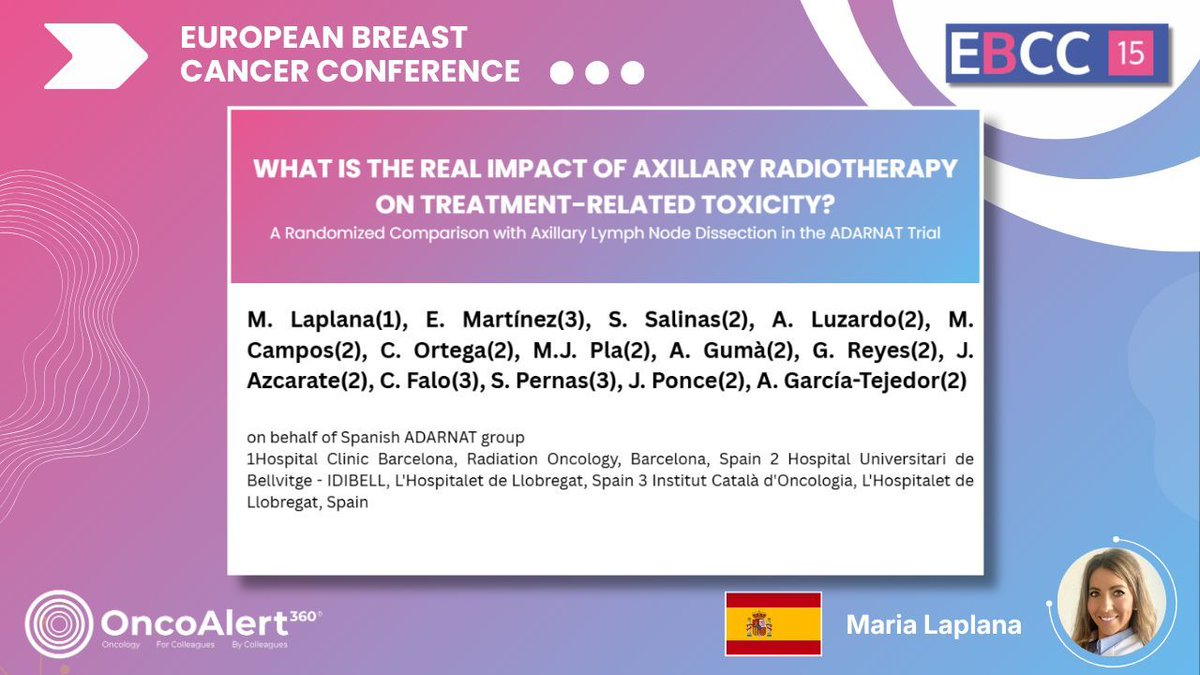
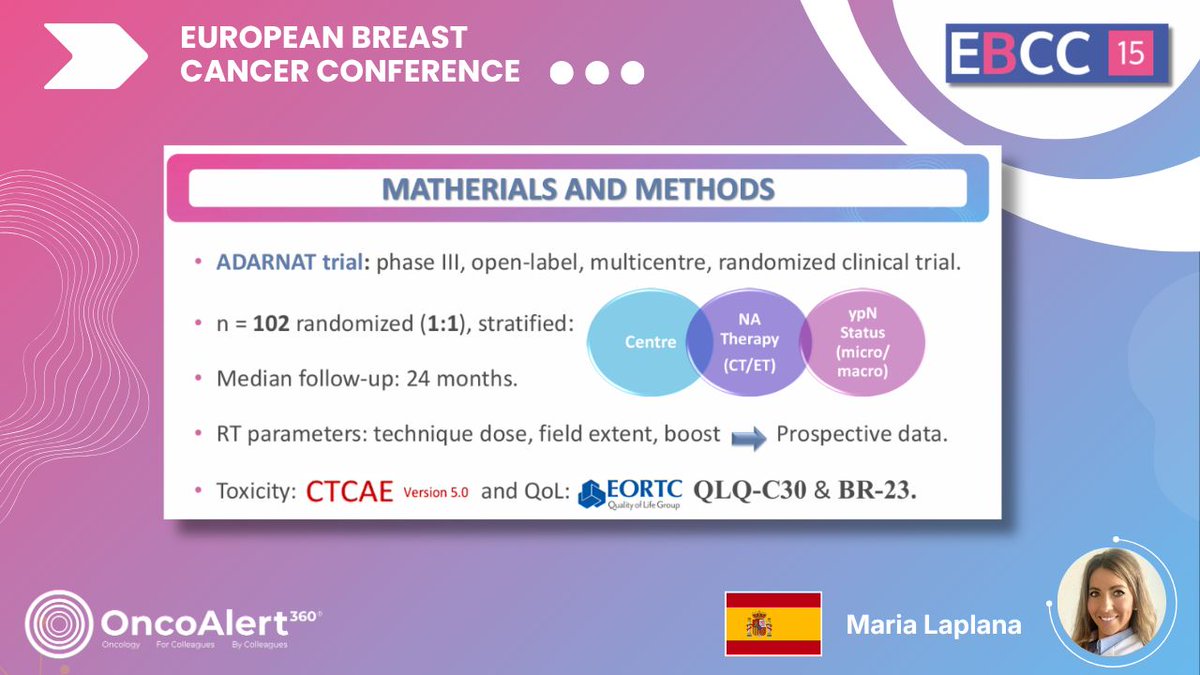
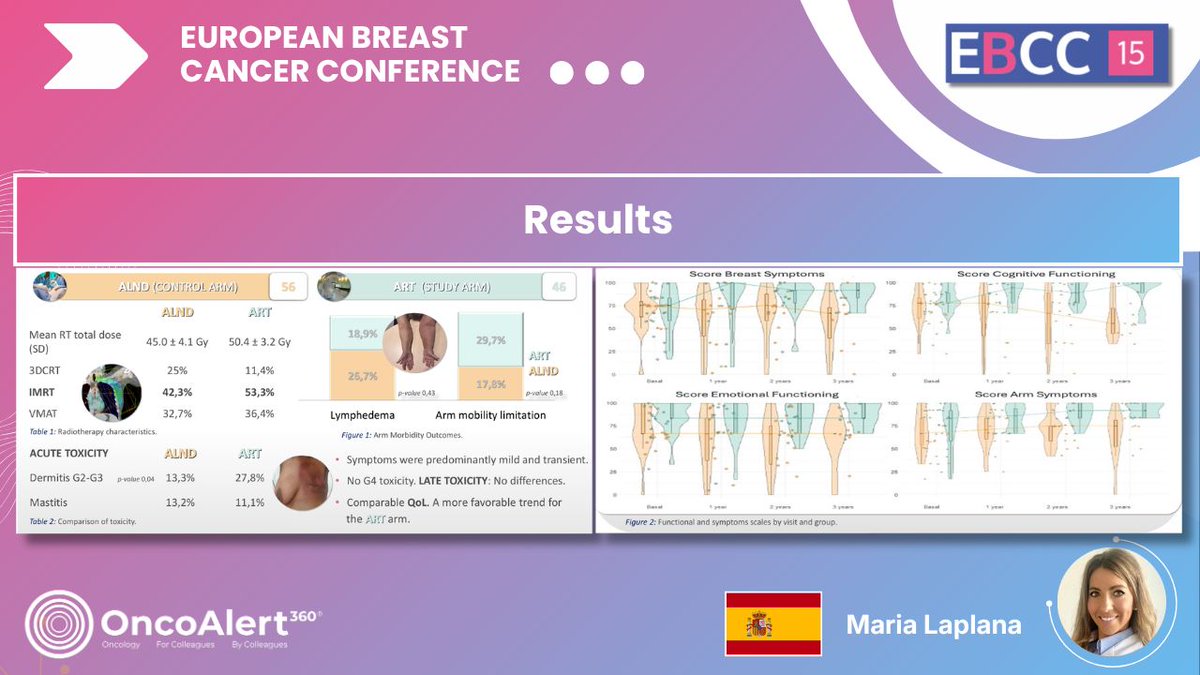
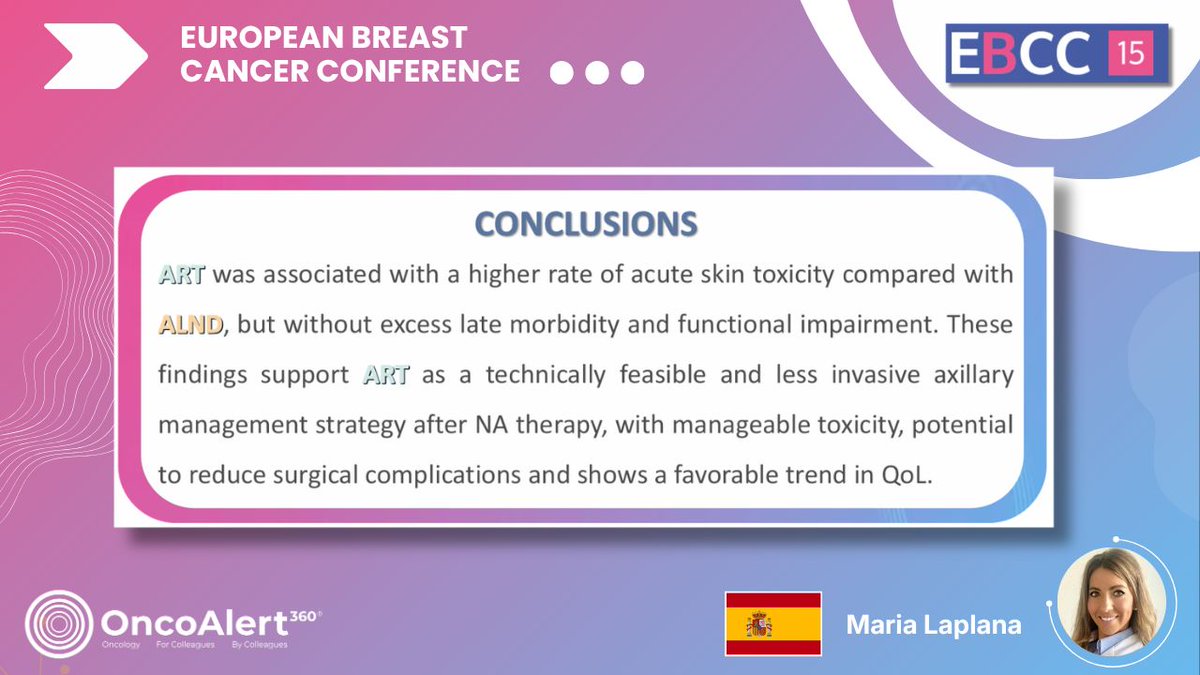
OncoAlert 🚨 Coverage of DAY THREE of #EBCC15 What Is the Real Impact of Axillary Radiotherapy on Treatment-Related Toxicity? A Randomized Comparison with Axillary Lymph Node Dissection in the ADARNAT Trial Presented by Dr. Maria Laplana ADARNAT is an international phase III randomized trial comparing axillary radiotherapy (ART) with axillary lymph node dissection (ALND) in patients with residual axillary disease after neoadjuvant therapy. In this interim analysis of 102 patients with a median follow‑up of 24 months, ART delivered higher radiation doses and was associated with increased acute skin toxicity, but without excess late toxicity. Rates of lymphedema, arm mobility limitation, and long‑term quality of life were comparable between treatment arms, with most functional symptoms being mild and transient. Overall, these findings support ART as a feasible and less invasive alternative to ALND, offering similar patient‑reported outcomes with manageable toxicity. #BreastCancer @itrisabel @JavierCortesMD @MIgnatiadis @MichaelGnant @Icro_Meattini @matteolambe @c_sotiriou @aftimosp @MOliveira_MD @CarmenCriscit @lab_kok @to_be_elizabeth @ElisaAgostinett @Lucarecco @FernandoOnco @GaiaGriguolo @JankovicK @acampsmalea @kevinpunie @CarmineDeA1 @LauBuisseret @TanjaSpanic
OncoAlert tweet mediaOncoAlert tweet mediaOncoAlert tweet mediaOncoAlert tweet media
English
0
5
10
574
Tanja Spanic retweetledi
OncoAlert
OncoAlert@OncoAlert·
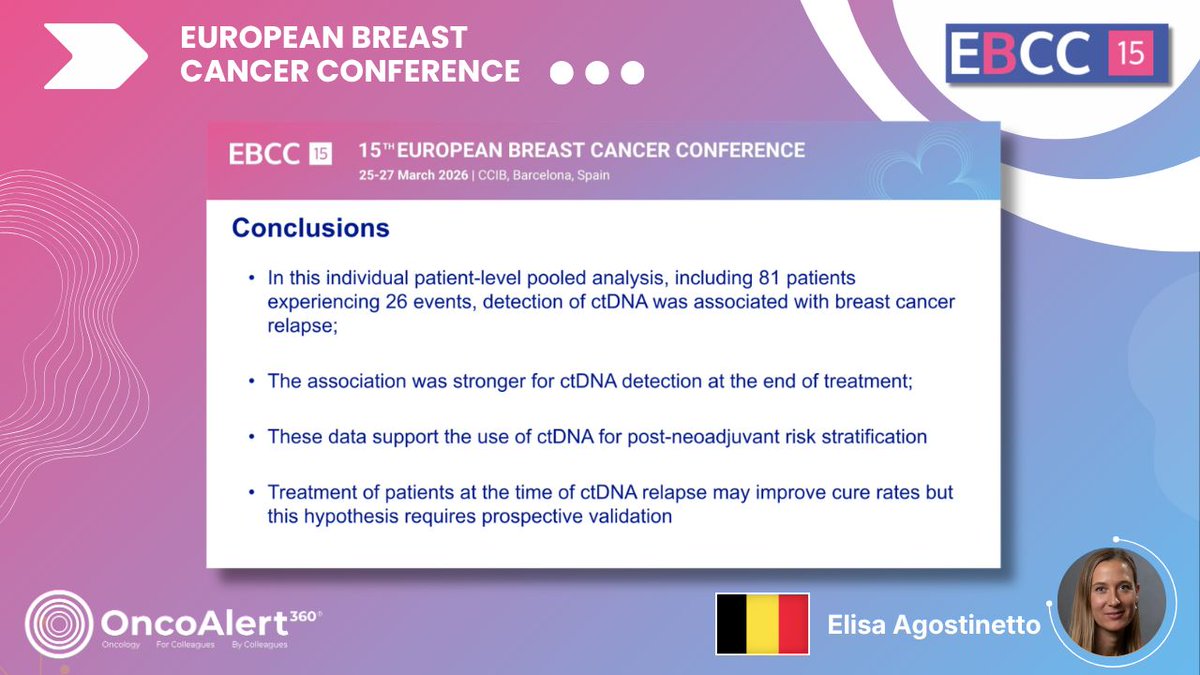
OncoAlert 🚨 Coverage of DAY THREE of #EBCC15 Circulating tumor DNA at completion of neoadjuvant therapy is an independent prognostic marker: an individual patient-level pooled analysis of two prospective studies A study presented at EBCC‑15 shows that fragments of tumour DNA circulating in the blood (ctDNA) can predict #BreastCancer relapse, particularly when detected after pre‑surgery (neoadjuvant) treatment. Researchers analysed blood samples from 81 patients and found that those with detectable ctDNA at the end of neoadjuvant therapy were 3.5 times more likely to experience recurrence, even when no tumour was visible after treatment. The findings suggest ctDNA could help identify patients at higher risk of relapse and guide more personalised post‑surgery treatment decisions. @itrisabel @JavierCortesMD @MIgnatiadis @MichaelGnant @Icro_Meattini @matteolambe @c_sotiriou @aftimosp @MOliveira_MD @CarmenCriscit @lab_kok @to_be_elizabeth @ElisaAgostinett @Lucarecco @FernandoOnco @GaiaGriguolo @JankovicK @acampsmalea @kevinpunie @CarmineDeA1 @LauBuisseret @TanjaSpanic
OncoAlert tweet mediaOncoAlert tweet mediaOncoAlert tweet mediaOncoAlert tweet media
English
0
10
17
2.9K
Tanja Spanic retweetledi
OncoAlert
OncoAlert@OncoAlert·
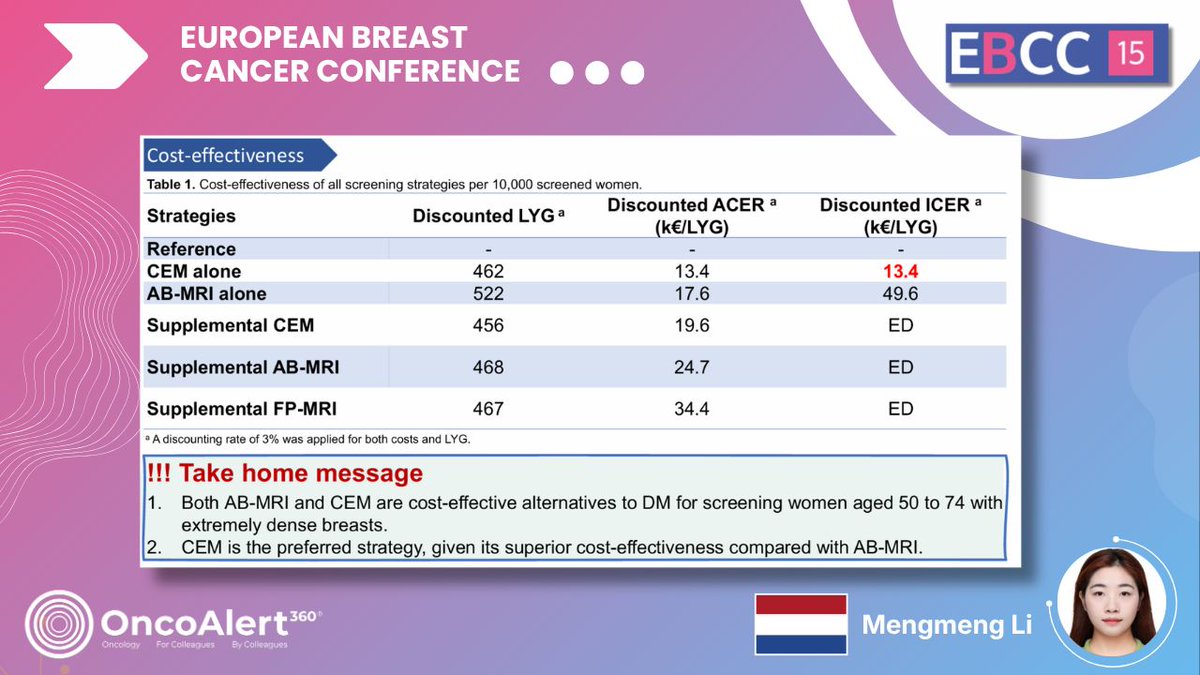
OncoAlert 🚨 Coverage of DAY TWO of #EBCC15 Cost-effectiveness of contrast enhanced mammography for women with extremely dense breasts in a national breast cancer screening program Presented by Dr. Mengmeng Li This study assessed whether contrast‑enhanced mammography (CEM) is a cost‑effective alternative to digital mammography (DM) for population‑based screening of women aged 50–74 with extremely dense breasts, a group at higher cancer risk and reduced DM sensitivity. Using an updated SiMRiSc micro‑simulation model that accounted for age‑related decreases in breast density, biennial CEM screening (with a switch back to DM once density declined to BI‑RADS C) was compared with standard biennial DM. CEM detected 25% more tumours and reduced breast cancer mortality and interval cancers by 18% and 41%, respectively, although it increased false positives and slightly raised the risk of radiation‑induced tumours. With an incremental cost‑effectiveness ratio of €12,224 per life‑year gained—well below the €20,000 willingness‑to‑pay threshold—biennial CEM was found to be a cost‑effective screening strategy for women with extremely dense breasts. #BreastCancer @itrisabel @JavierCortesMD @MIgnatiadis @MichaelGnant @Icro_Meattini @matteolambe @c_sotiriou @aftimosp @MOliveira_MD @CarmenCriscit @lab_kok @to_be_elizabeth @ElisaAgostinett @Lucarecco @FernandoOnco @GaiaGriguolo @JankovicK @acampsmalea @kevinpunie @CarmineDeA1 @LauBuisseret @TanjaSpanic
OncoAlert tweet mediaOncoAlert tweet mediaOncoAlert tweet mediaOncoAlert tweet media
English
0
8
16
905
Tanja Spanic
Tanja Spanic@TanjaSpanic·
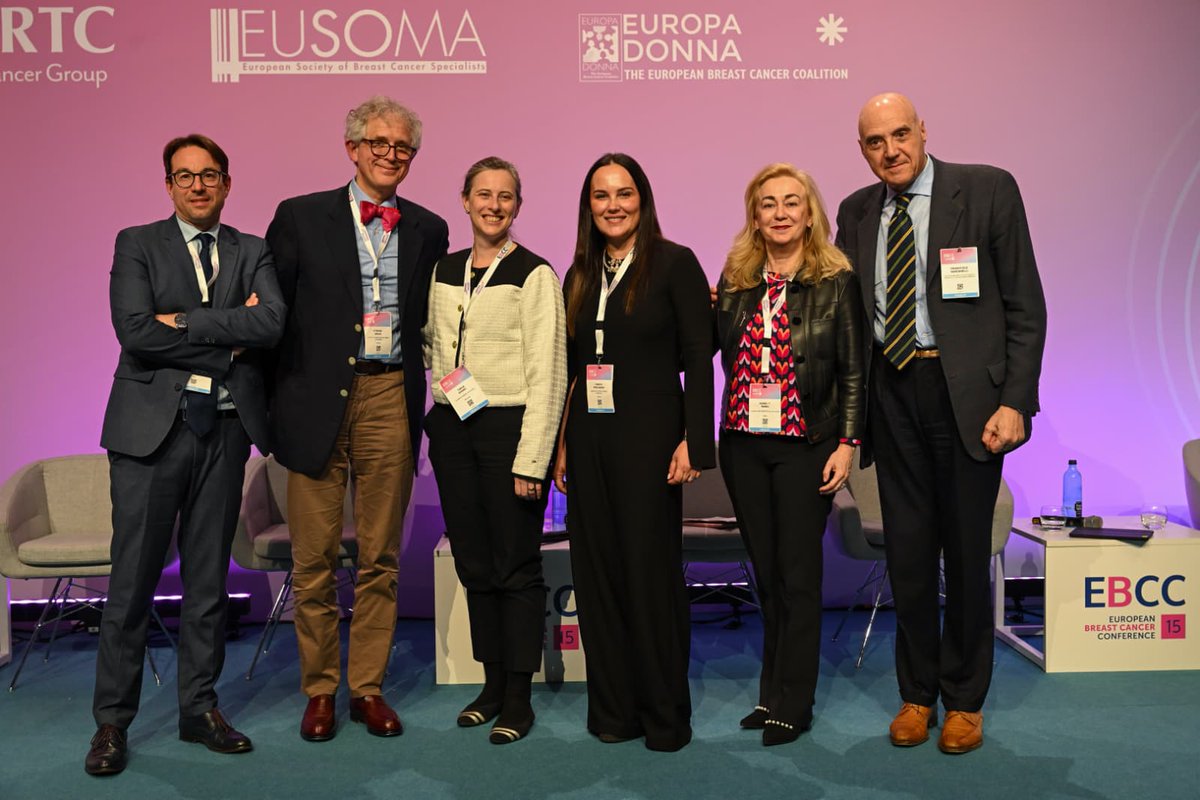
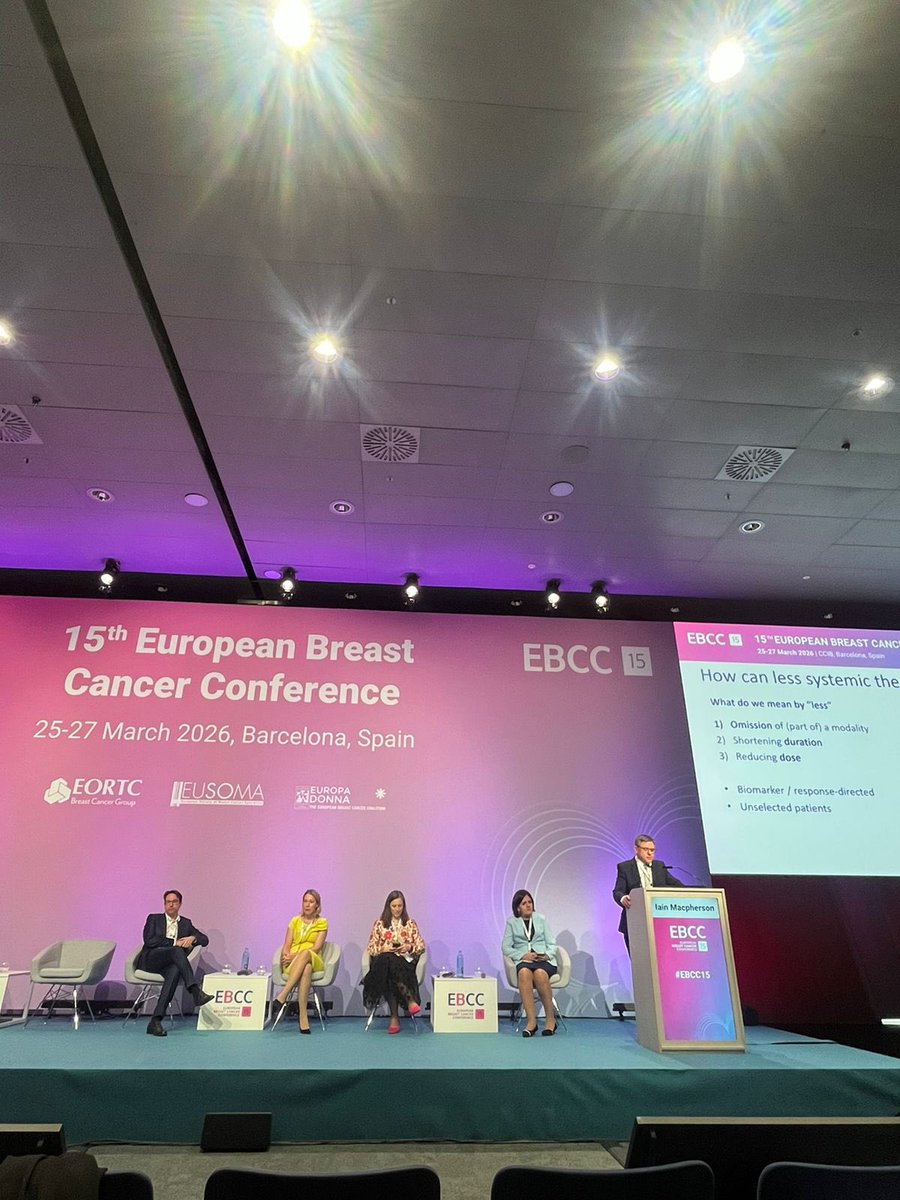
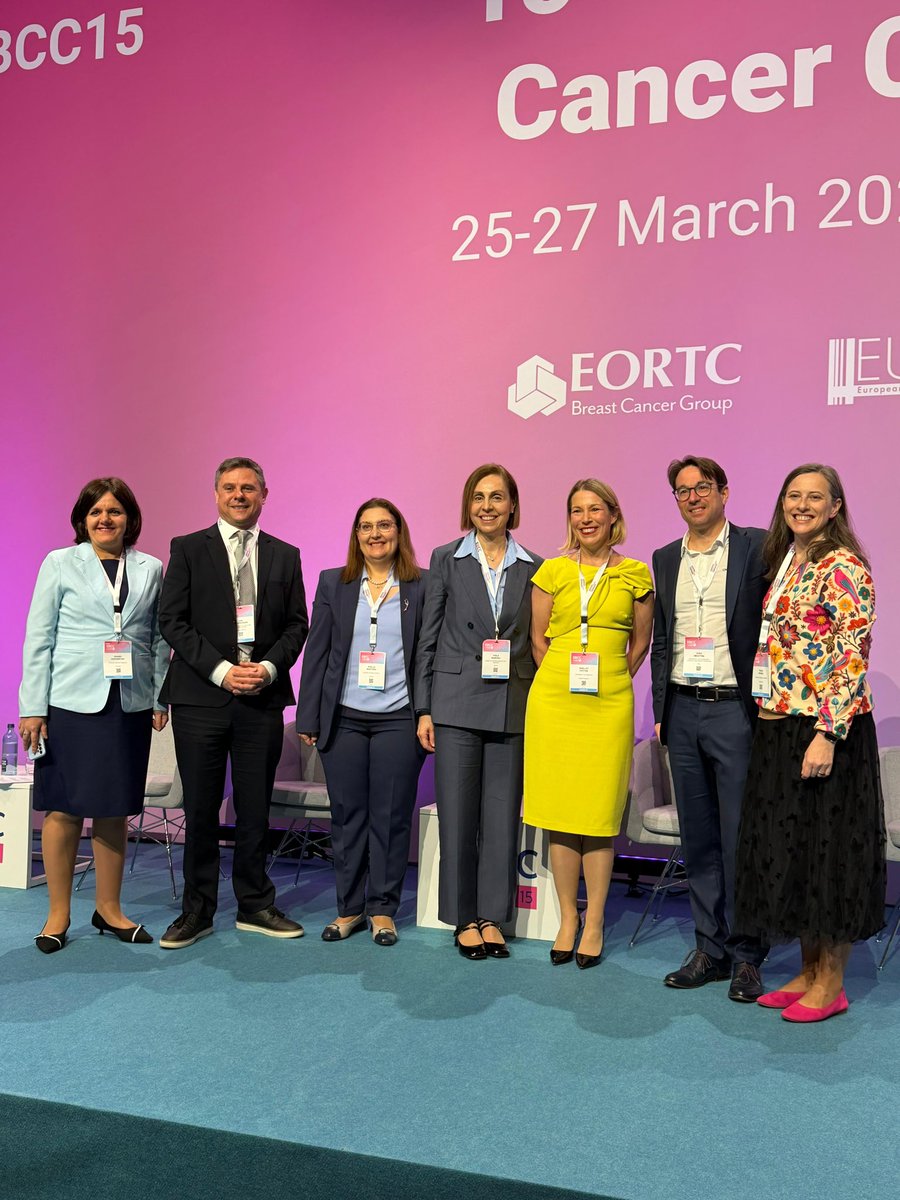
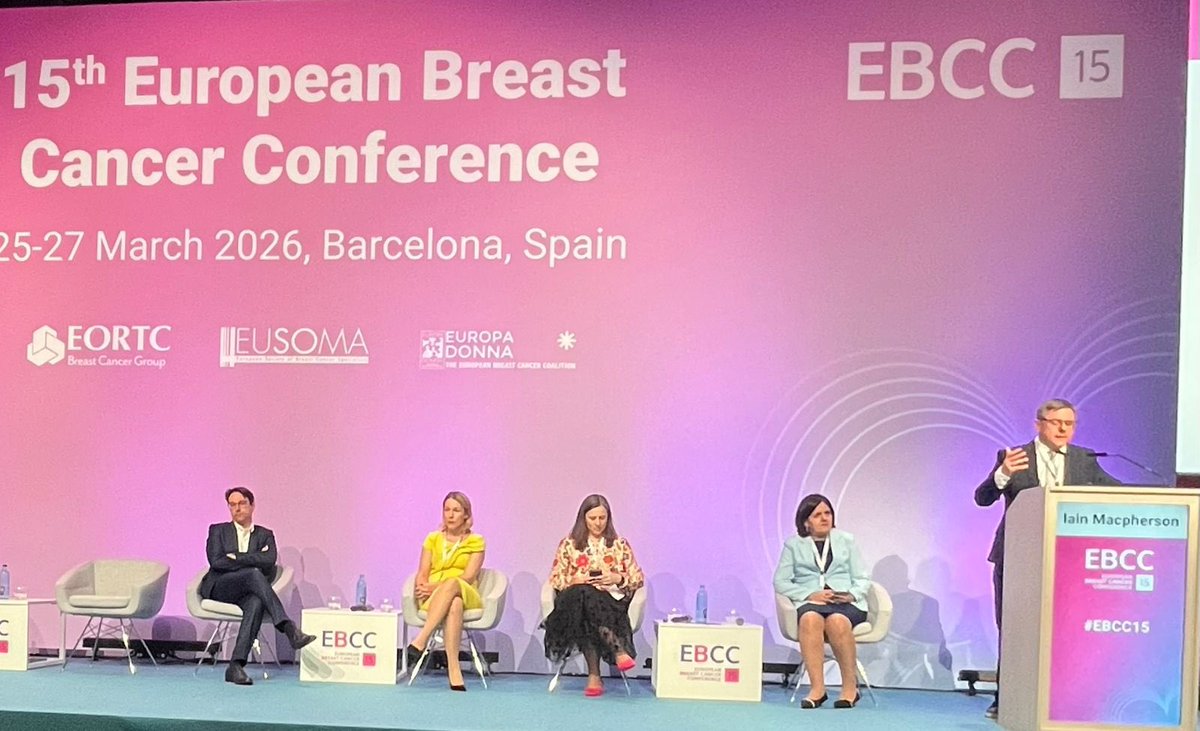
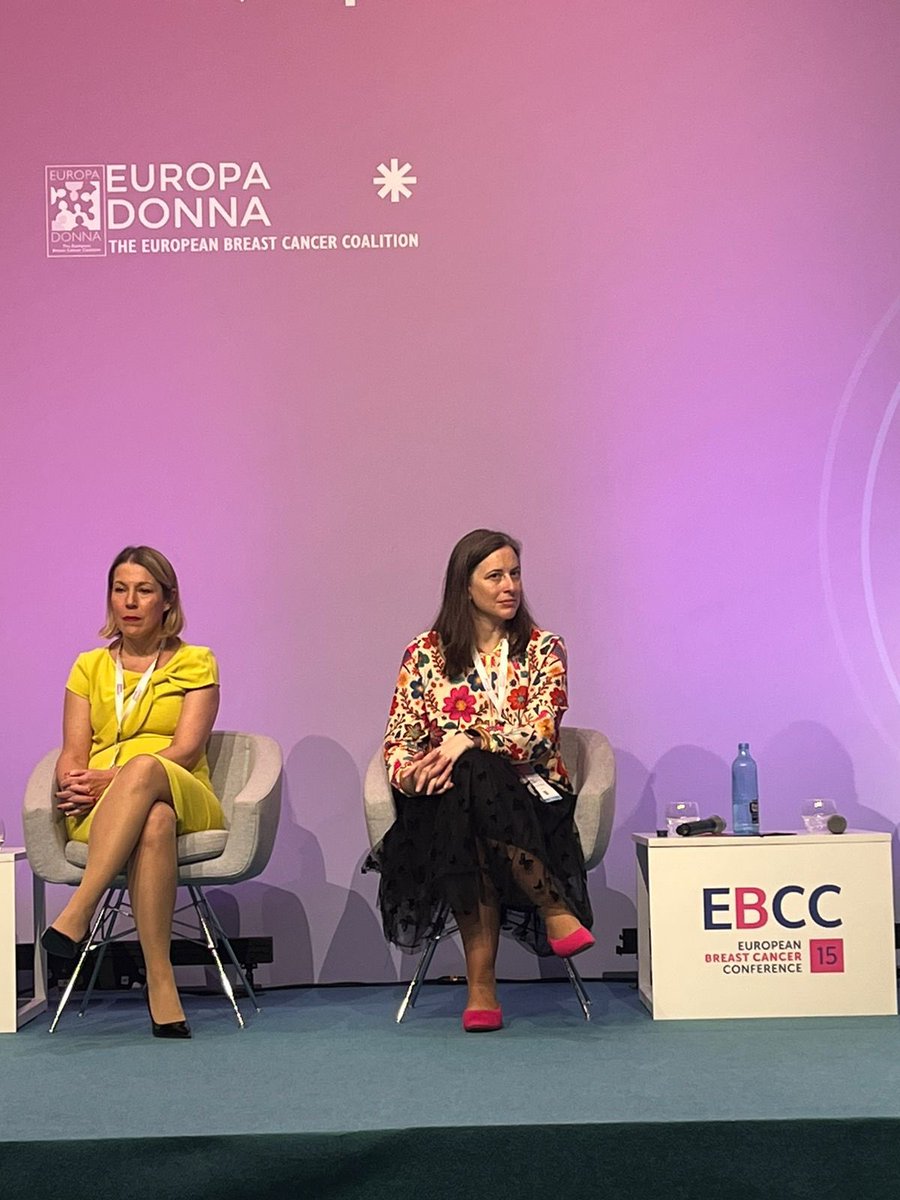
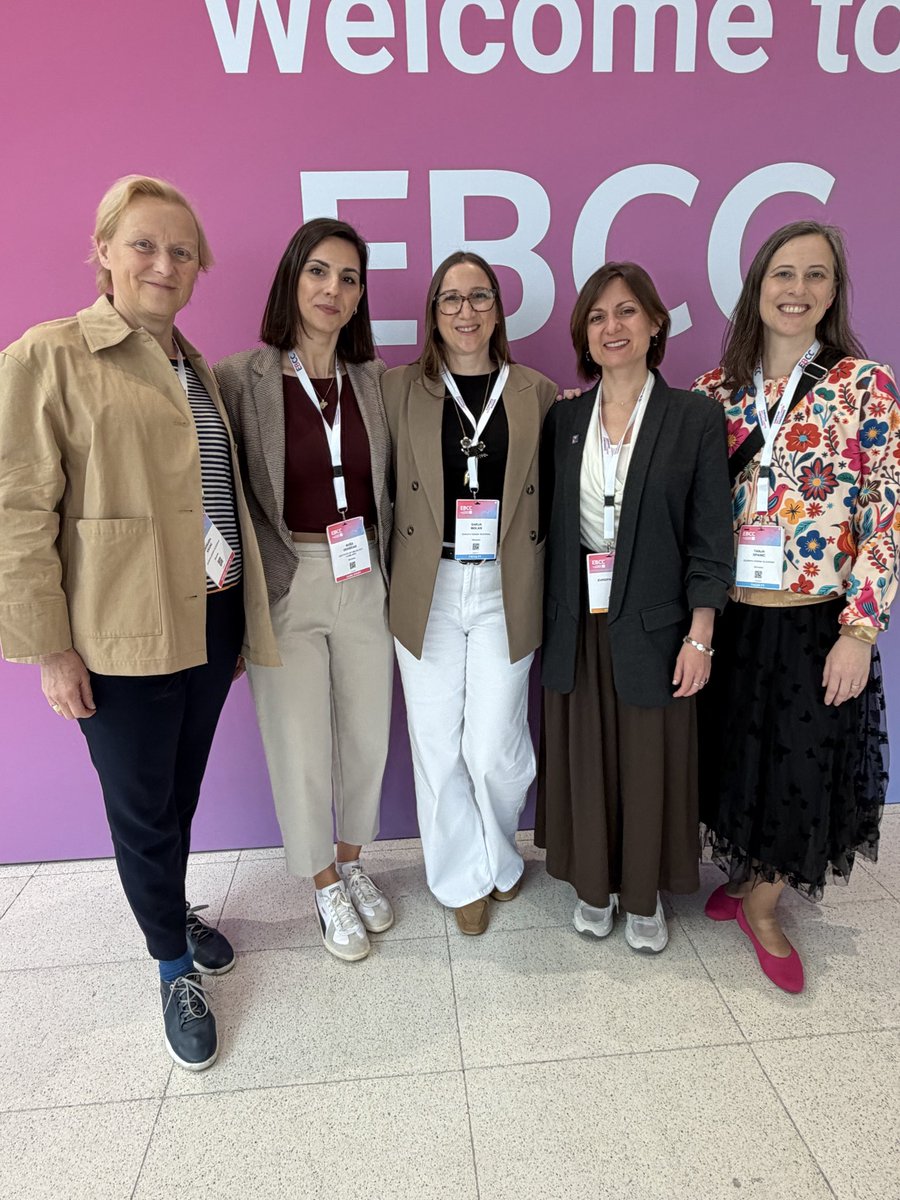
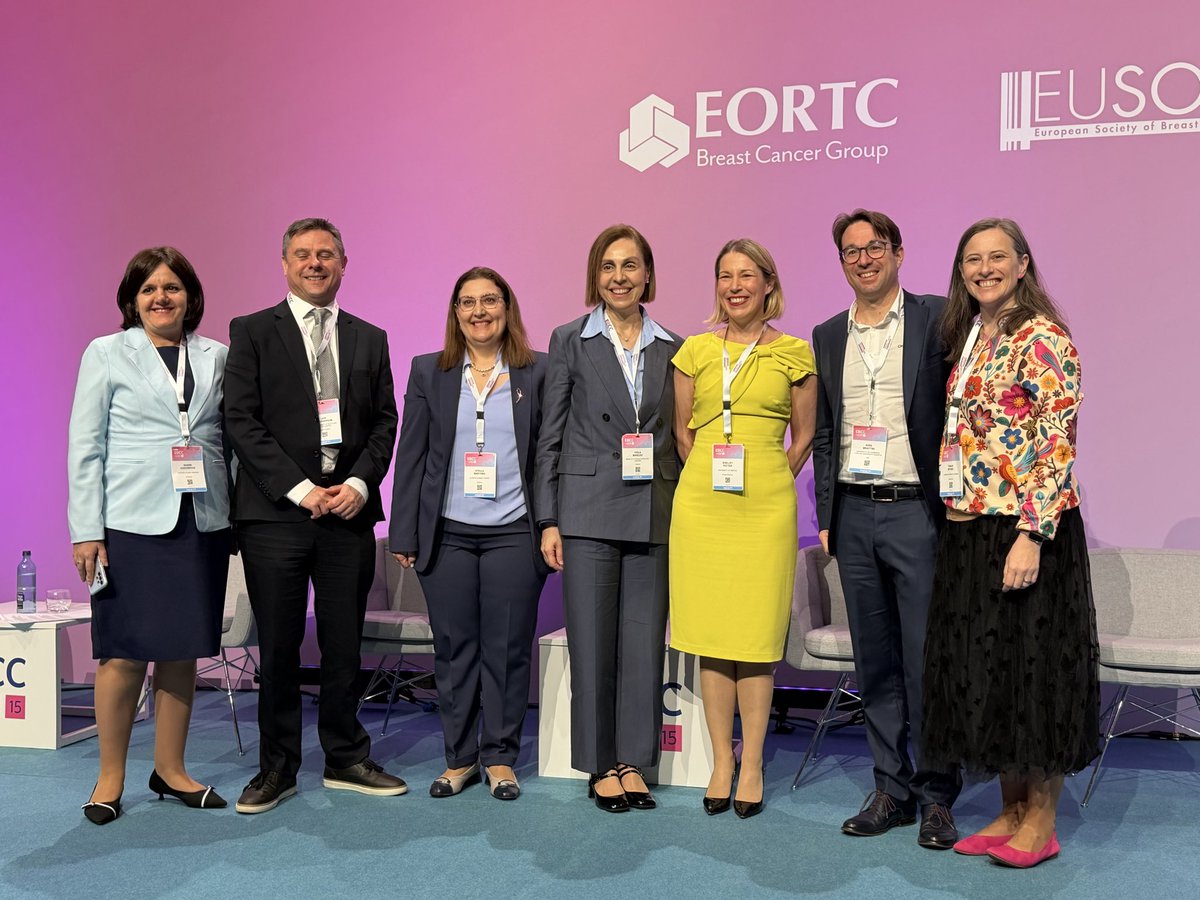
Survivorship starts at diagnosis. #EBCC15, we highlighted how surgeons, radiation therapists, medical oncologists & patient advocates must work together to tailor early breast cancer treatment—around both clinical needs and patient voices. @OncoAlert @europadonna @EORTC_BCG
Tanja Spanic tweet mediaTanja Spanic tweet mediaTanja Spanic tweet mediaTanja Spanic tweet media
English
1
5
12
1.6K
Tanja Spanic retweetledi
OncoAlert
OncoAlert@OncoAlert·
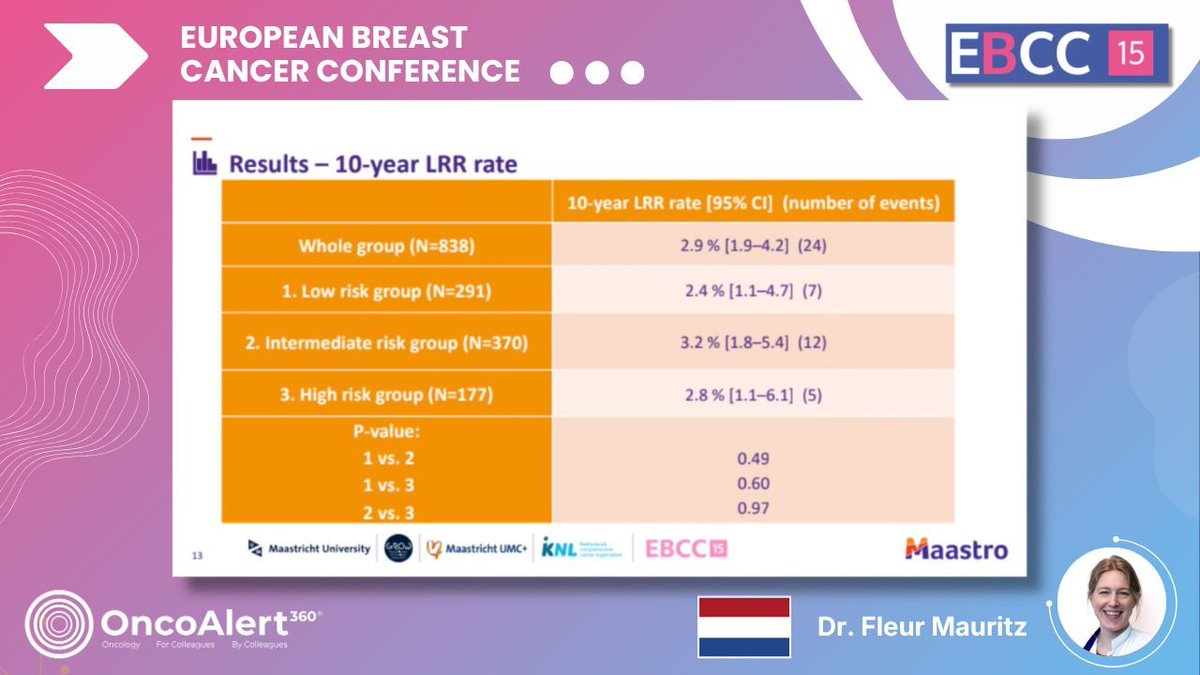
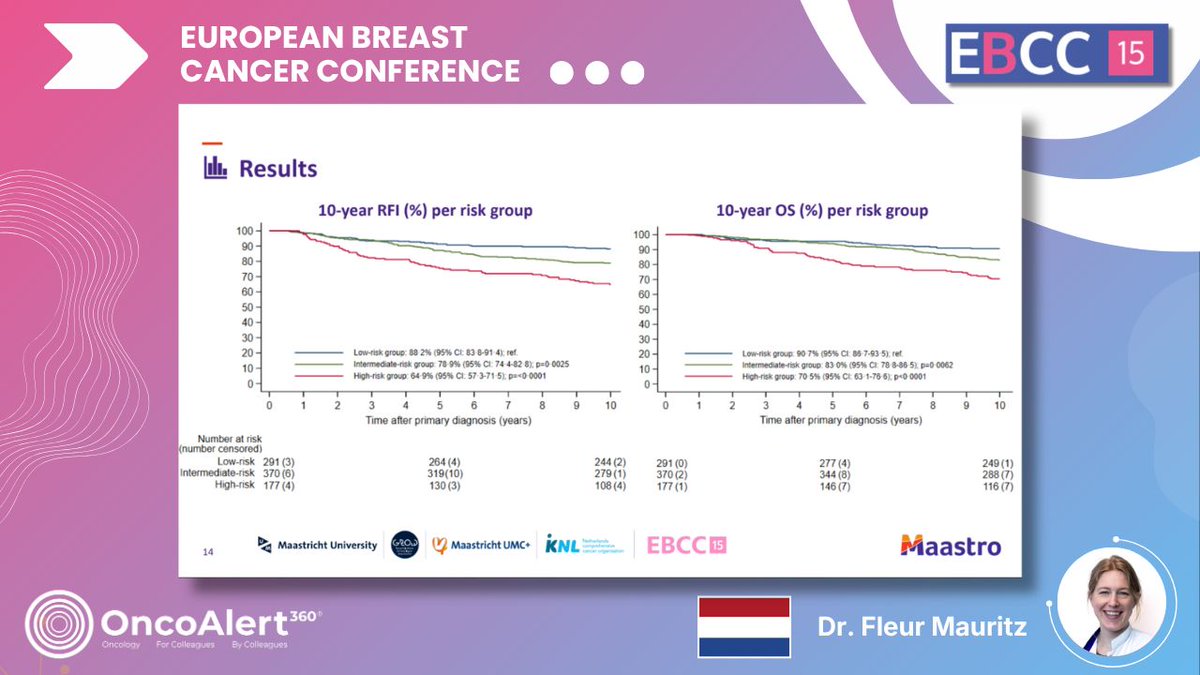
OncoAlert 🚨 Coverage of DAY ONE of #EBCC15 RAPCHEM Study Presented by Dr Fleur Mauritz A ten-year study shows that tailoring radiotherapy after chemotherapy and surgery to a patient’s individual risk keeps breast cancer recurrence rates very low while potentially reducing side-effects. In 848 patients treated in the Netherlands, radiotherapy was adjusted based on whether cancer remained in the lymph nodes after treatment, allowing some low‑risk patients to receive minimal or no radiotherapy. After a decade of follow‑up, only 2.9% experienced a local or regional recurrence, with similarly low rates across low-, intermediate- and high‑risk groups. The findings suggest that carefully stratifying patients by response to chemotherapy can safely reduce overtreatment and support more personalised breast cancer care. For the final conclusion, we will have to wait for the results of a randomised trial from the USA, which are expected in three years. #BreastCancer @itrisabel @JavierCortesMD @MIgnatiadis @MichaelGnant @Icro_Meattini @matteolambe @c_sotiriou @aftimosp @MOliveira_MD @CarmenCriscit @lab_kok @to_be_elizabeth @ElisaAgostinett @Lucarecco @FernandoOnco @GaiaGriguolo @JankovicK @acampsmalea @kevinpunie @CarmineDeA1 @LauBuisseret @TanjaSpanic
OncoAlert tweet mediaOncoAlert tweet mediaOncoAlert tweet mediaOncoAlert tweet media
English
0
9
15
845
Tanja Spanic retweetledi
OncoAlert
OncoAlert@OncoAlert·
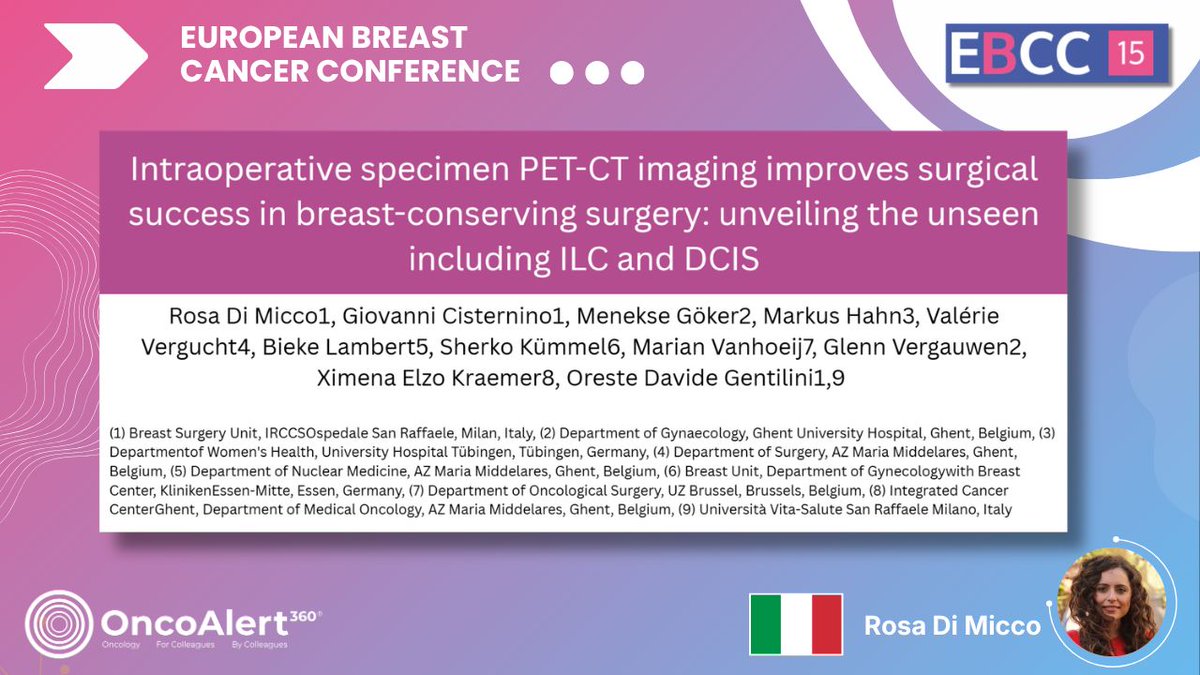
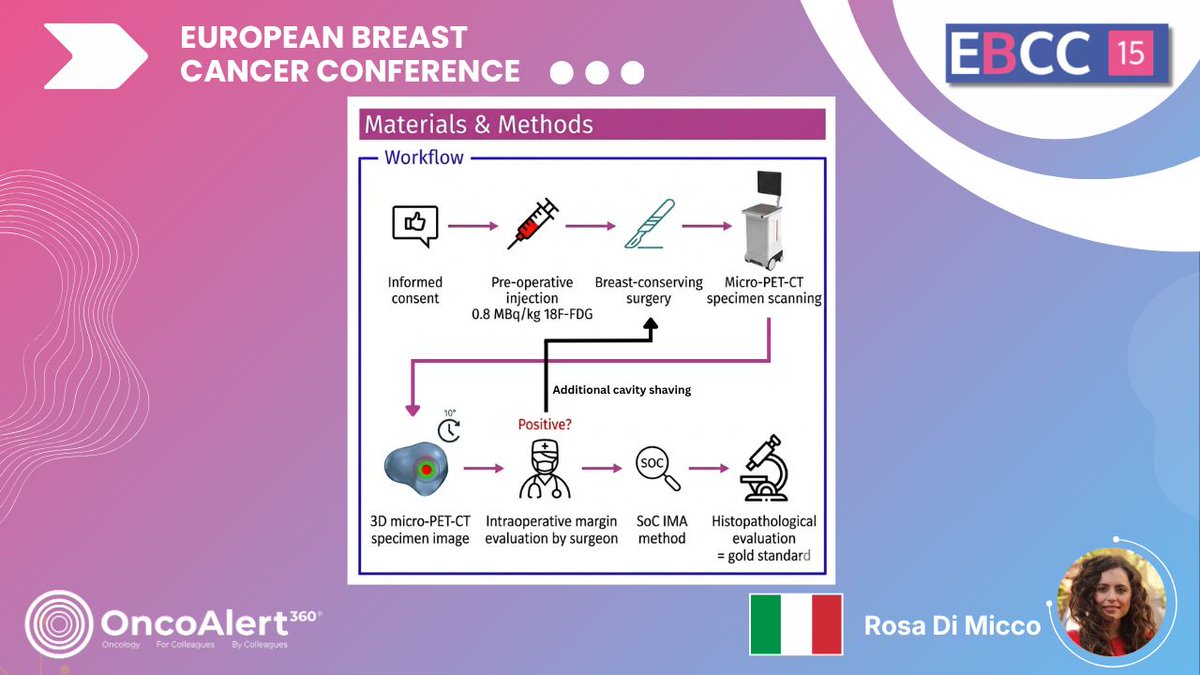
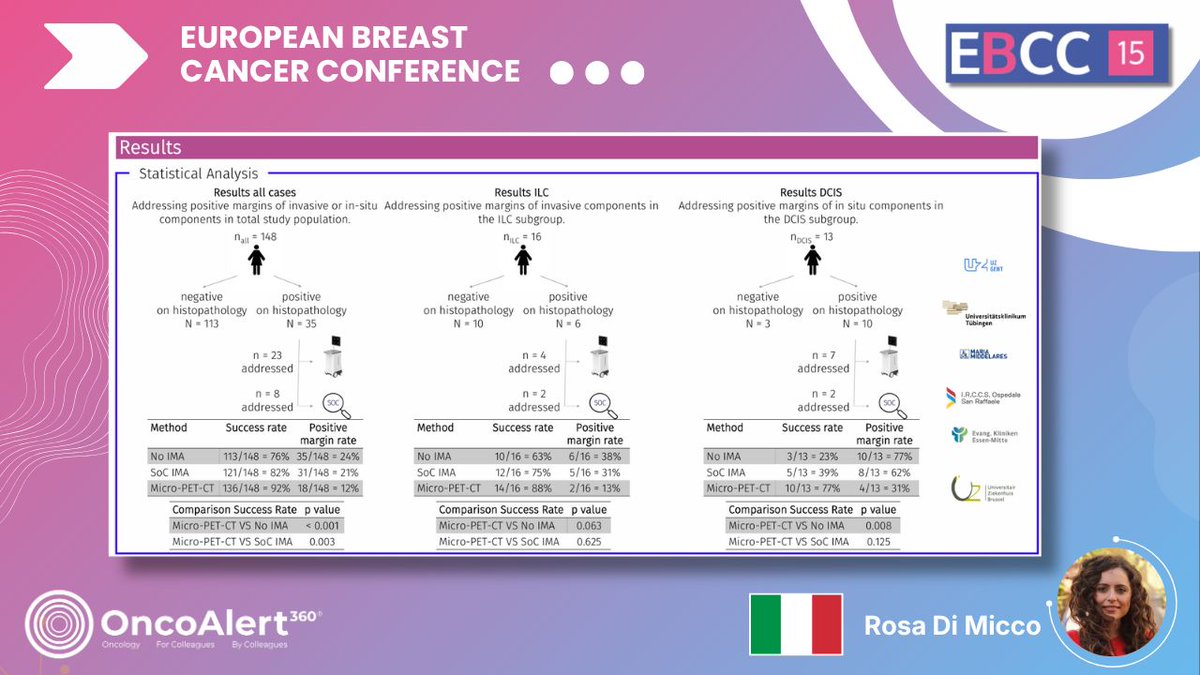
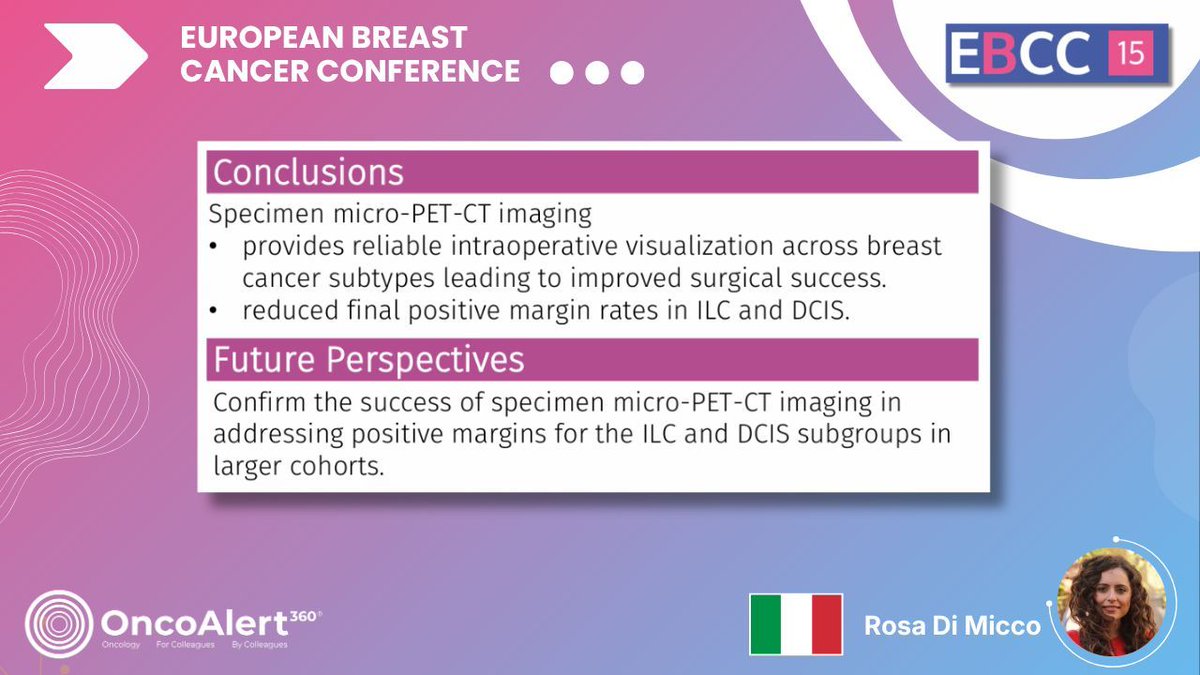
OncoAlert 🚨 Coverage of DAY TWO of #EBCC15 Intraoperative specimen PET-CT imaging improves surgical success in breast-conserving surgery: unveiling the unseen including ILC and DCIS Presented by Dr. Rosa Di Micco The prospective, multicenter BrIMA study evaluated the clinical impact of intraoperative specimen PET‑CT imaging on margin assessment during breast‑conserving surgery (BCS), particularly in challenging subtypes such as invasive lobular carcinoma (ILC) and ductal carcinoma in situ (DCIS), which are associated with high re‑excision rates. In 148 patients, intraoperative PET‑CT imaging of excised breast specimens following low‑dose 18F‑FDG injection significantly improved surgical success compared with no intraoperative margin assessment and with routine assessment methods alone. Overall success rates increased to 91.9% with specimen PET‑CT imaging, with marked reductions in final positive margin rates in both ILC and DCIS through timely detection and immediate cavity shaving. These findings demonstrate that specimen PET‑CT imaging provides reliable intraoperative visualization across breast cancer subtypes and can substantially reduce residual disease, although confirmation in larger cohorts is warranted. #BreastCancer @itrisabel @JavierCortesMD @MIgnatiadis @MichaelGnant @Icro_Meattini @matteolambe @c_sotiriou @aftimosp @MOliveira_MD @CarmenCriscit @lab_kok @to_be_elizabeth @ElisaAgostinett @Lucarecco @FernandoOnco @GaiaGriguolo @JankovicK @acampsmalea @kevinpunie @CarmineDeA1 @LauBuisseret @TanjaSpanic
OncoAlert tweet mediaOncoAlert tweet mediaOncoAlert tweet mediaOncoAlert tweet media
English
0
8
14
934