Dr. Katharina Brosch

873 posts

Dr. Katharina Brosch banner
Dr. Katharina Brosch

Dr. Katharina Brosch

@_kabro_

Science is magic that works✨ Postdoc at @zhhresearch @NorthwellHealth – Risk and Resilience / Neuroimaging

New York Beigetreten Mart 2011
690 Folgt335 Follower
Angehefteter Tweet
Dr. Katharina Brosch
Dr. Katharina Brosch@_kabro_·
🚨 New preprint alert! 🚨 We used machine learning to examine how early life adversity ⚠️ is associated with the adolescent brain 🧠 in the ABCD Study across 7 adversity dimensions and 3 timepoints. 👉biorxiv.org/content/10.110…
English
1
8
16
2.1K
Dr. Katharina Brosch retweetet
Kate Webb, PhD
Kate Webb, PhD@_brainstorm_12·
Are you attending @SOBP at the end of this month?? Come check out the Neuroscience for Primetime symposium! I'll be presenting new work on the role of ambient air pollution on neurobiological risk for PTSD.
Kate Webb, PhD tweet media
English
1
3
5
377
Dr. Katharina Brosch retweetet
JAMA Psychiatry
JAMA Psychiatry@JAMAPsych·
In #MajorDepressiveDisorder, shared brain and blood biomarkers indicate disrupted mitochondrial metabolism, neurodevelopment, inflammation, transcription, and apoptotic pathways, highlighting potential biomarker and treatment targets. ja.ma/47gxlPS
English
1
18
76
5.3K
Dr. Katharina Brosch retweetet
Balázs Szigeti
Balázs Szigeti@psybalazs·
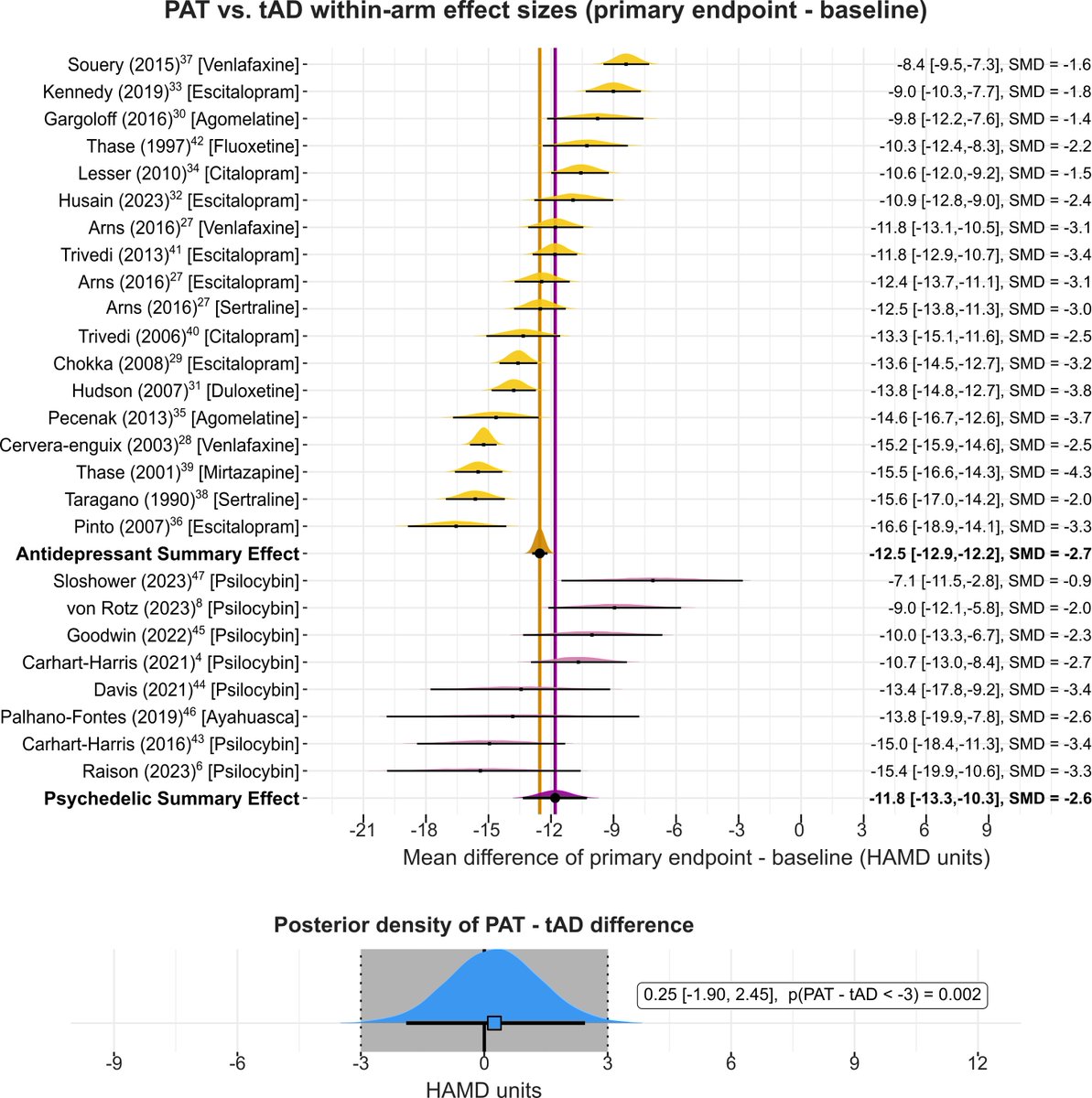
🚨MAJOR NEW PAPER 🚨 just out in @JAMAPsych : Psychedelic Therapy vs Antidepressants for the Treatment of Depression Under Equal Unblinding Conditions (tinyurl.com/yu2rbtaf). I am very proud of this one, was a lot of work for me - both co-first and last author! Eternal gratitude to co-first @QuantPsychiatry and twitterless Hannah Barnett! The premise is that it is biased to compare open-label trials (=where patients know what treatment they are getting) to blind trials (=where patients do NOT know what they are getting). Open-label trials would gain an unfair advantage by higher placebo response. Even formally blinded psychedelic trials are practically open-label as its obvious to distinguish placebo from 25mg of #psilocybin. In contrast, traditional antidepressants (SSRIs/SNRIs) trials are are close to be truly blind (Lin 2022). Given the bias of open-label vs. blinded comparison, we compared the efficacy of psychedelic-therapy (which is practically always open-label) vs. open-label antidepressants for the treatment of major depression. We tested 3 prior hypothesis: - There will be a significant difference between psychedelic-therapy vs. open-label antidepressants, favoring psychedelic-therapy. - There will be a significant difference between blinded and open-label antidepressants trials, favoring open-label. - There will NOT be a significant difference between blinded and open-label psychedelic-therapy, as practically they are always open-label. In contrast with our prior hypothesis, we did not find psychedelic-therapy to be more effective than open-label antidepressants (H1). Not only was the difference not clinically meaningful, but practically there was no difference at all. This finding means that antidepressants administered knowingly to patients, which is the case in real-life medical practice, is as effective as psychedelic-therapy. This result was robust across variations in study selection, including when we removed psychedelic-therapy trials on treatment-resistant depression. We also assessed the impact of blinding in both psychedelic-therapy and antidepressants trials. We found that for antidepressants (H2), but not for psychedelic-therapy (H3), open label is associated with better outcomes than blinded treatment. However, even in the case of antidepressants, the difference was practically small (~1.3 HAMD units). How come hypothesis 1 failed, i.e. that psychedelic-therapy is no ore effective than open-label antidepressants, given that antidepressants trials are famous for small drug-placebo difference (~2.4 HAMD units), while psychedelic-therapy trials reported large effects (~7.3)? The key factor is that in psychedelic trials the placebo response is about 50% relative to antidepressants, ~ 4 vs 8 HAMD units (Hsu 2024, Hieronymus 2025). This suppressed placebo response leads to an inflated between-arm difference, as the treatment arm is measured against a lower floor. The suppressed placebo response in psychedelic-therapy trials is likely attributable to the ‘know-cebo’ effect, i.e. the disappointment when patients realize they are in the control group. In psychedelic-therapy trials, this placebo suppression accounts for 4.0 / 7.3 ~ 55% of the specific treatment effect. In other words, ~55% of psychedelic-therapy’s effect is not explained by patient improvement after the treatment, but rather by the lack of improvement in the placebo group. In summary, we found that for the treatment of depression, psychedelic-therapy is no more effective than open-label SSRIs/SNRIs. Our results for psychedelics are twofold: psychedelic-therapy demonstrated a robust and large therapeutic effects (~12 HAMD units), which justifies optimism. On the other hand, psychedelic-therapy’s lack of superiority compared to open-label SSRIs/SNRIs highlights the influence of blinding integrity and argues against overly optimistic narrative's about psychedelic-therapy's potential.
Balázs Szigeti tweet media
English
24
62
231
68.8K
Dr. Katharina Brosch retweetet
Mayor Zohran Kwame Mamdani
Mayor Zohran Kwame Mamdani@NYCMayor·
New York City, we’re under a Blizzard Warning from 6 a.m. Sunday to 6 p.m. Monday, with 13–18 inches of snow expected — and possibly more in some areas. 
Snow starts Sunday morning, intensifies at night, and will make the Monday morning commute extremely dangerous. Stay off the roads unless absolutely necessary. If you can stay home, stay home. 
Text NotifyNYC to 692-692 or visit nyc.gov/beready for updates — and please check in on your neighbors.
English
977
782
9.5K
1.6M
Dr. Katharina Brosch retweetet
JAMA
JAMA@JAMA_current·
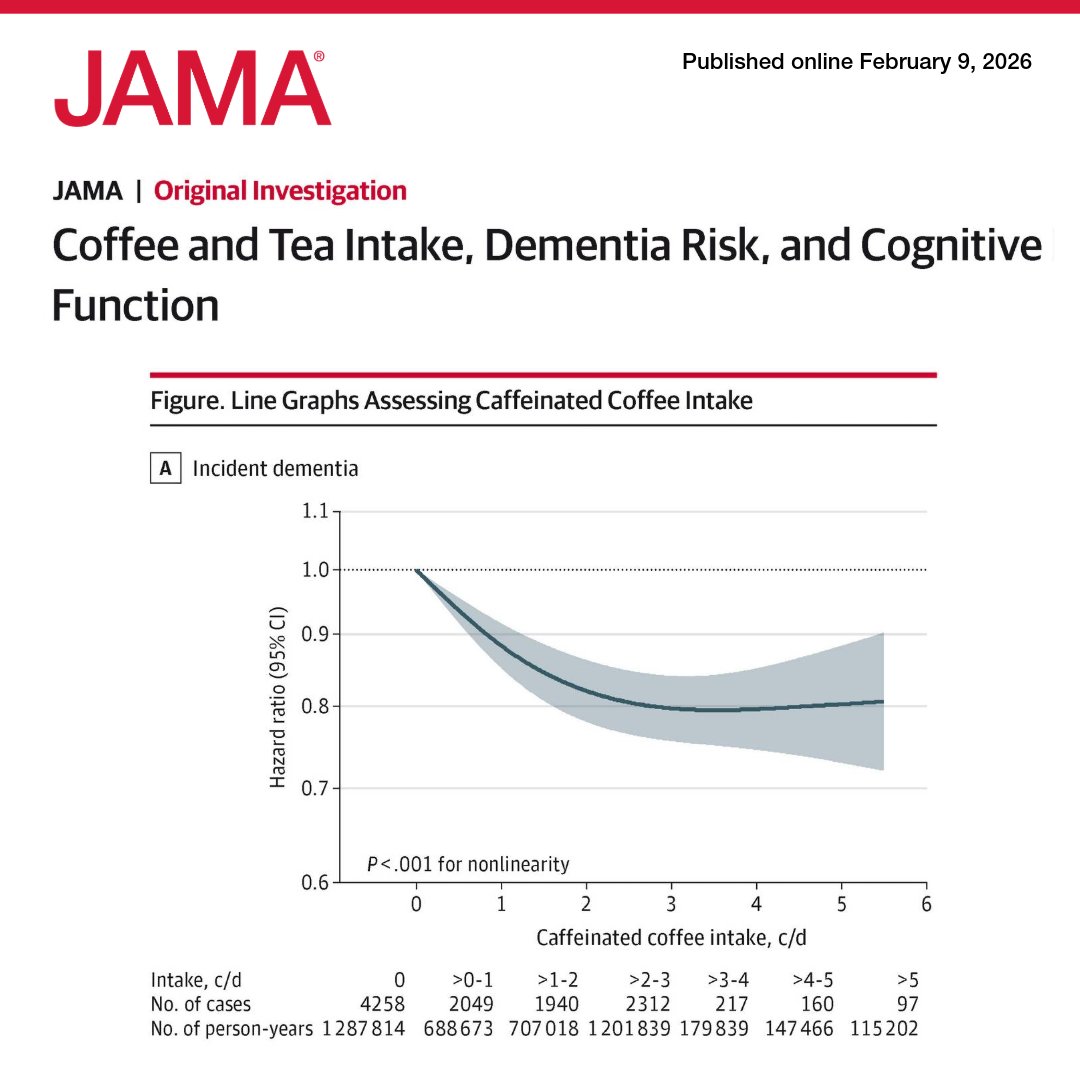
Moderate consumption of caffeinated coffee or tea was linked to reduced #dementia risk and modest improvements in cognitive outcomes; no benefit was seen for decaffeinated coffee in an observational study of US adults. bit.ly/4amtd1c
JAMA tweet media
English
21
415
1.1K
521.4K
Dr. Katharina Brosch
Dr. Katharina Brosch@_kabro_·
Really encouraging findings for people with schizophrenia. Addressing antipsychotic-associated metabolic risk is a huge step toward supporting long-term physical health alongside mental health care.
JAMA Psychiatry@JAMAPsych

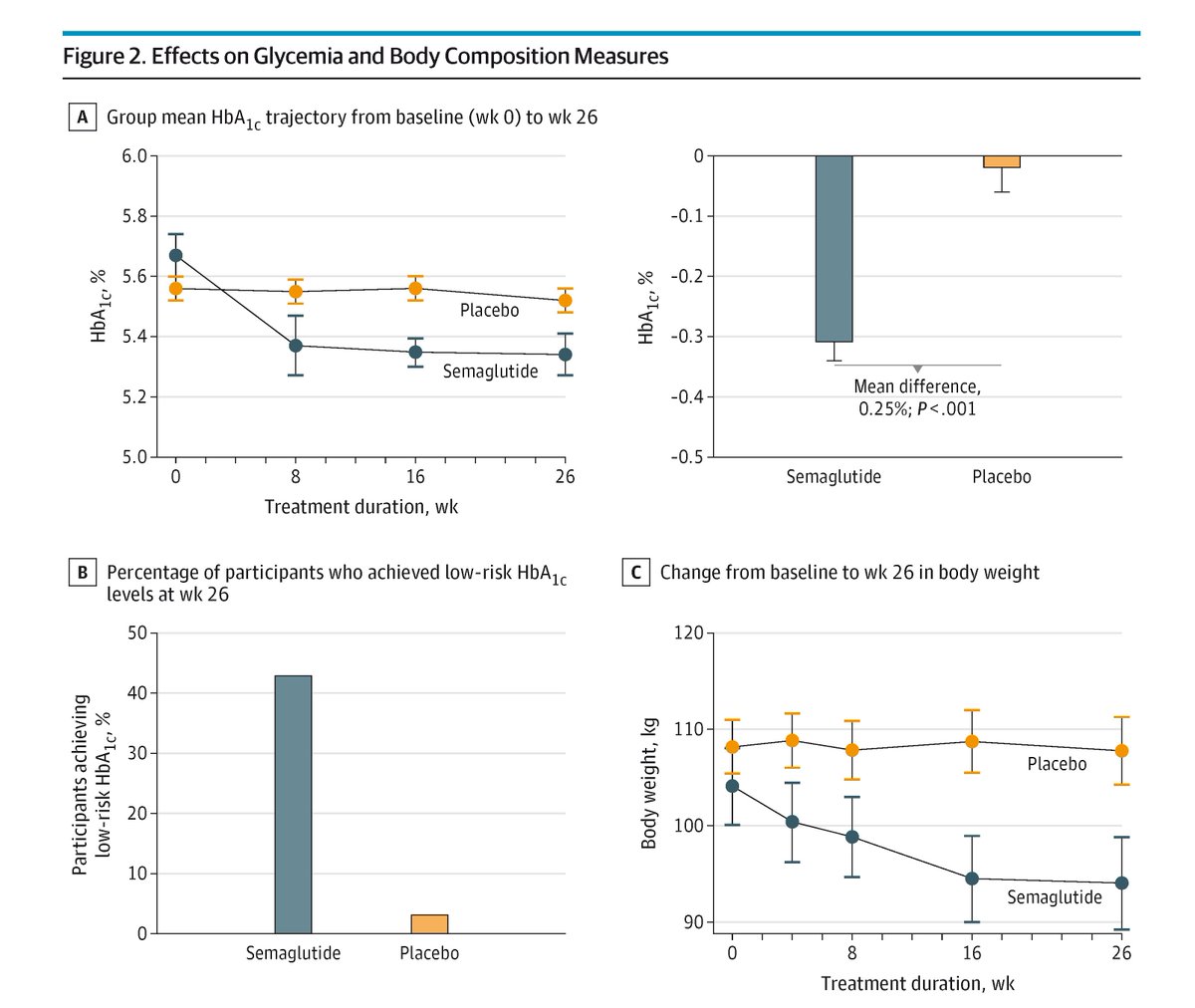
#Semaglutide reduced HbA1c and body weight over 26 weeks in individuals with #schizophrenia spectrum disorders and early glycemic abnormalities taking clozapine or olanzapine. bit.ly/46CJ4rn

English
0
0
3
420
Dr. Katharina Brosch retweetet
Black In Neuro 🧠
Black In Neuro 🧠@BlackInNeuro·
Happy Black History Month from #BlackInNeuro! 🧠  This month (and every month), we celebrate Black brilliance in neuroscience. Take time to reflect, rest, and honor your wins — you deserve it. ✨🖤
Black In Neuro 🧠 tweet media
English
0
10
30
1.2K
Dr. Katharina Brosch
Dr. Katharina Brosch@_kabro_·
Our paper studies neural effects of childhood sexual abuse. My shared first author is a PhD student whose dissertation depends on this work @vhammes1
English
0
0
1
28
Dr. Katharina Brosch
Dr. Katharina Brosch@_kabro_·
Proud to share that I’ve joined the Tang Lab, where I’ll be working on natural language processing approaches to predict social functioning in schizophrenia. Excited to work with this incredible team led by @STANGlab at @NorthwellHealth. Ready to go, new lab mug in hand ☕️
Dr. Katharina Brosch tweet media
English
1
0
2
70
Dr. Katharina Brosch retweetet
New York City 311
New York City 311@nyc311·
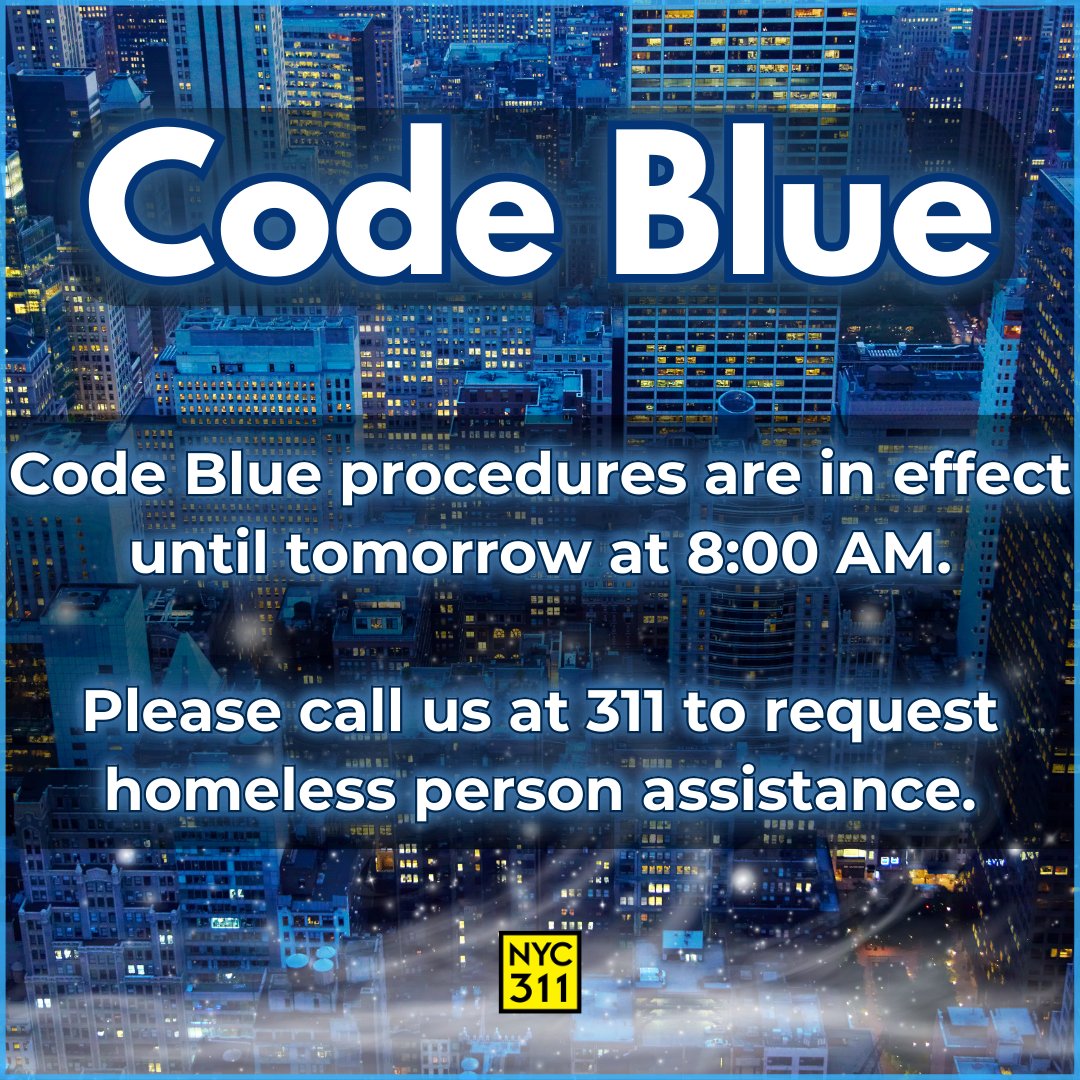
.@NYCDHS’s Code Blue is in effect until tomorrow, Wednesday, December 10, at 8:00 AM. If you see a homeless person outside in these frigid temperatures, please call us at 311.
New York City 311 tweet media
English
1
12
13
8.6K
Dr. Katharina Brosch retweetet
JAMA
JAMA@JAMA_current·
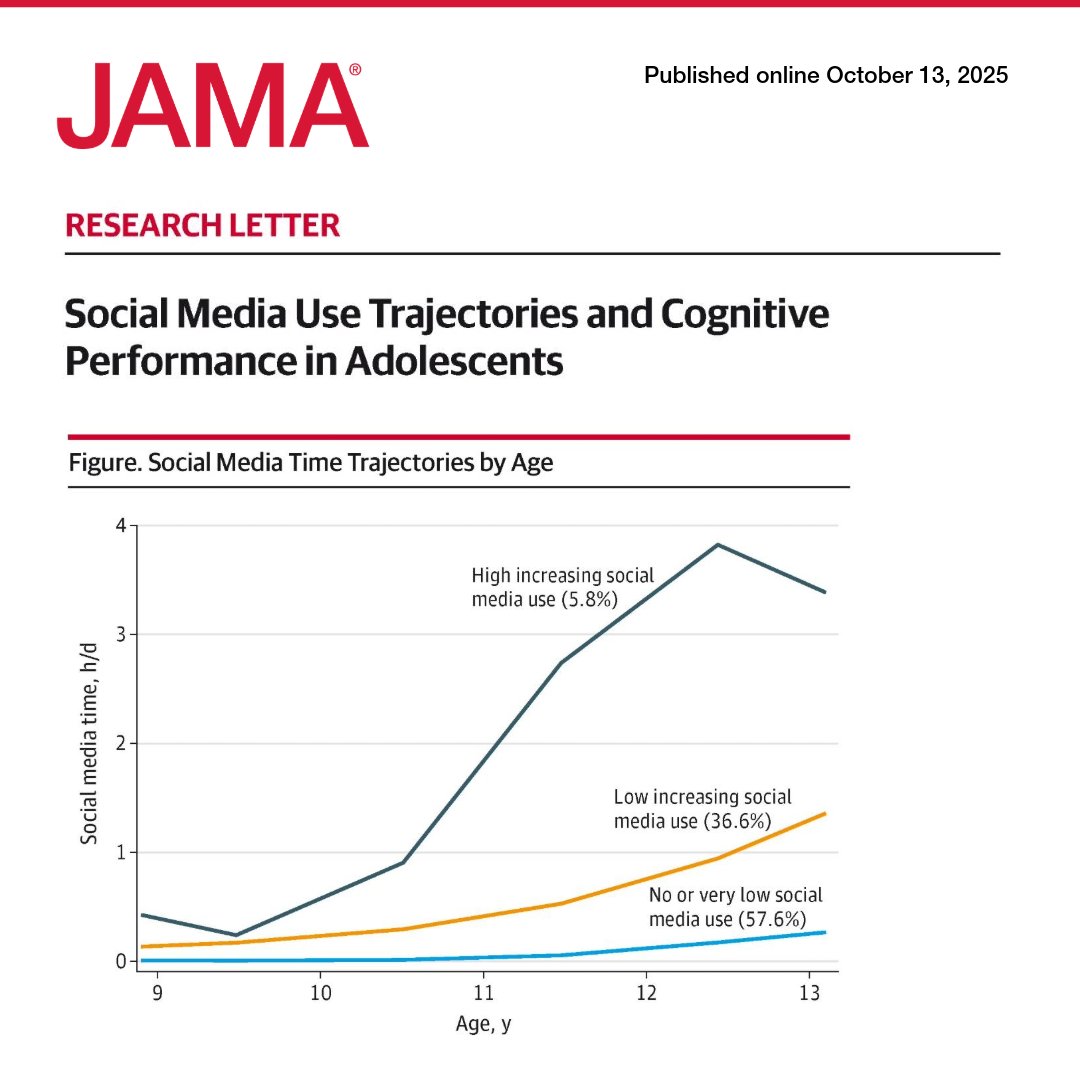
In US adolescents, increasing social media use from ages 9–13 was associated with lower scores on measures of reading, memory, vocabulary, and composite cognition. ja.ma/3XDwTpE
JAMA tweet media
English
20
384
872
95.7K
Dr. Katharina Brosch retweetet
JAMA Psychiatry
JAMA Psychiatry@JAMAPsych·
#Semaglutide reduced HbA1c and body weight over 26 weeks in individuals with #schizophrenia spectrum disorders and early glycemic abnormalities taking clozapine or olanzapine. ja.ma/48Bjep2
JAMA Psychiatry tweet media
English
4
27
88
40.6K
Dr. Katharina Brosch retweetet
Oded Rechavi
Oded Rechavi@OdedRechavi·
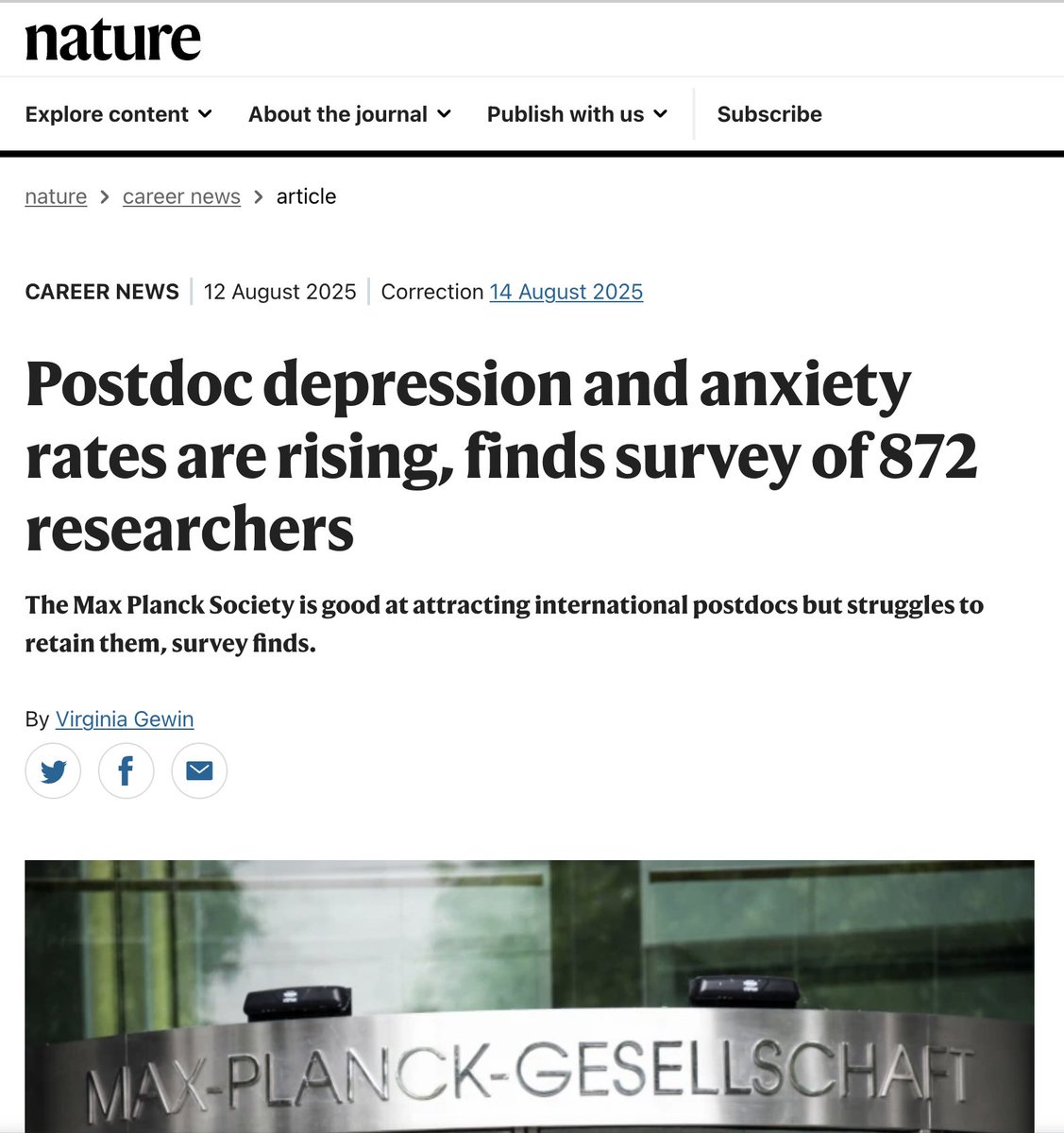
Only single cell sequencing of the all these post docs will reveal why
Oded Rechavi tweet media
English
40
188
1.6K
89.7K
Dr. Katharina Brosch
Dr. Katharina Brosch@_kabro_·
What a massive success - well done Janik!!
Janik Goltermann@JanikGoltermann

🧠Out now in @NatureComms Brain changes linked to childhood maltreatment are among the field's most published findings. Yet, we find extensive replication failure of gray matter correlates in 3 large cohorts (N=3225), consistent across subsamples, models and operationalizations🧵

English
0
0
1
54
Dr. Katharina Brosch retweetet
JAMA Psychiatry
JAMA Psychiatry@JAMAPsych·
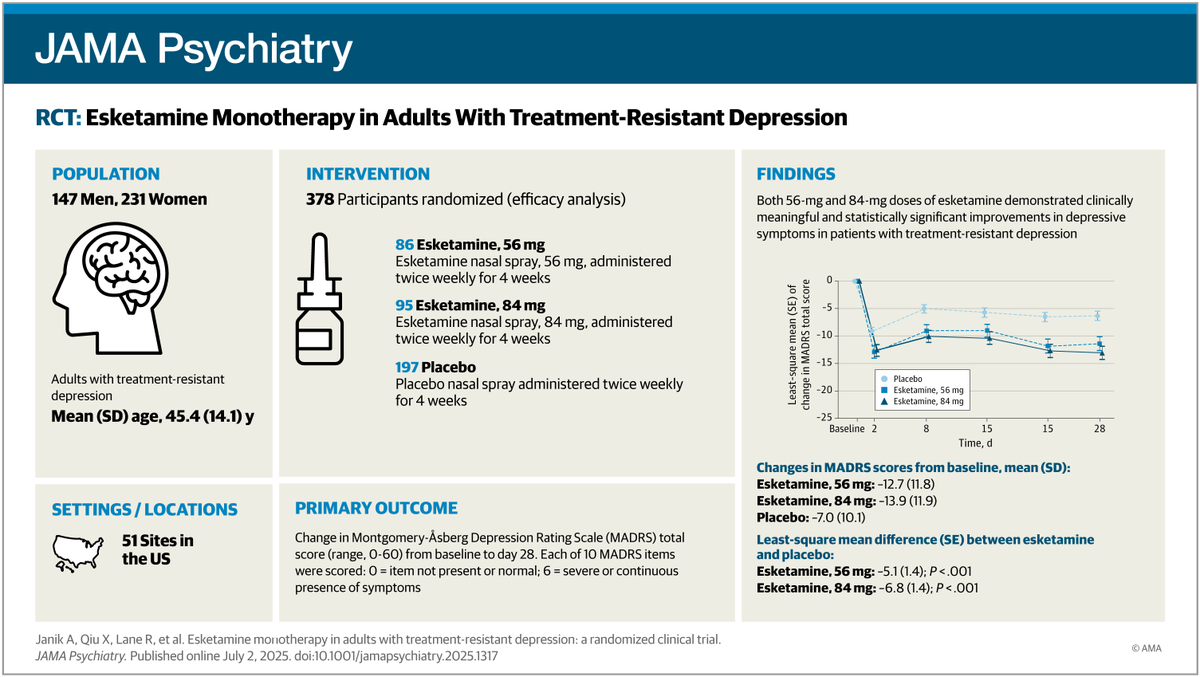
Esketamine nasal spray as a monotherapy improved depressive symptoms in treatment-resistant depression (TRD) compared to placebo. ja.ma/4mJgwm3
JAMA Psychiatry tweet media
English
2
33
117
9K