Chintan Sheth

77 posts

Chintan Sheth banner
Chintan Sheth

Chintan Sheth

@_shethchintan

Question Everything | Co-Founder @_ignosis 🇮🇳 Always blabbering irl about tech, AI, spirituality, mythology, psychology, evolution, games, chess, piano

Ahmedabad Beigetreten Aralık 2015
1.1K Folgt92 Follower
Angehefteter Tweet
Chintan Sheth
Chintan Sheth@_shethchintan·
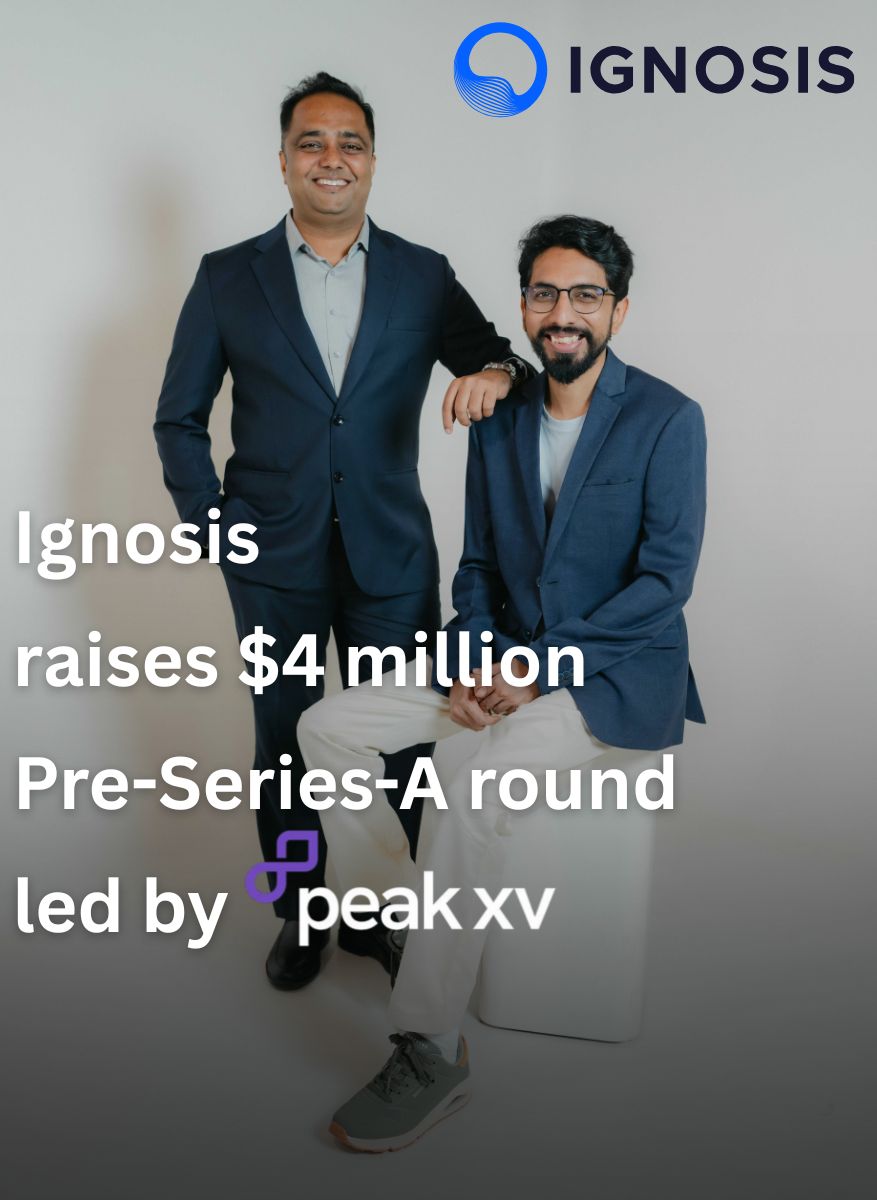
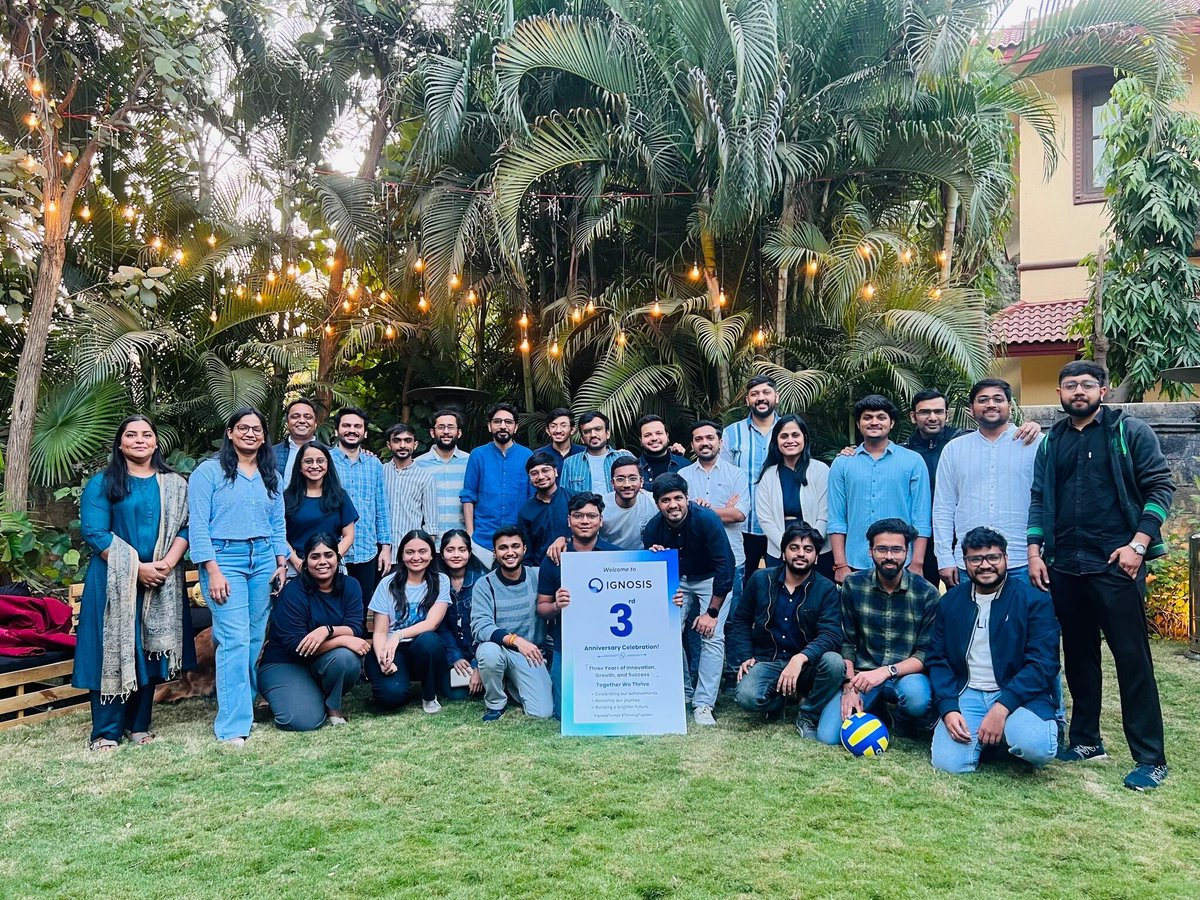
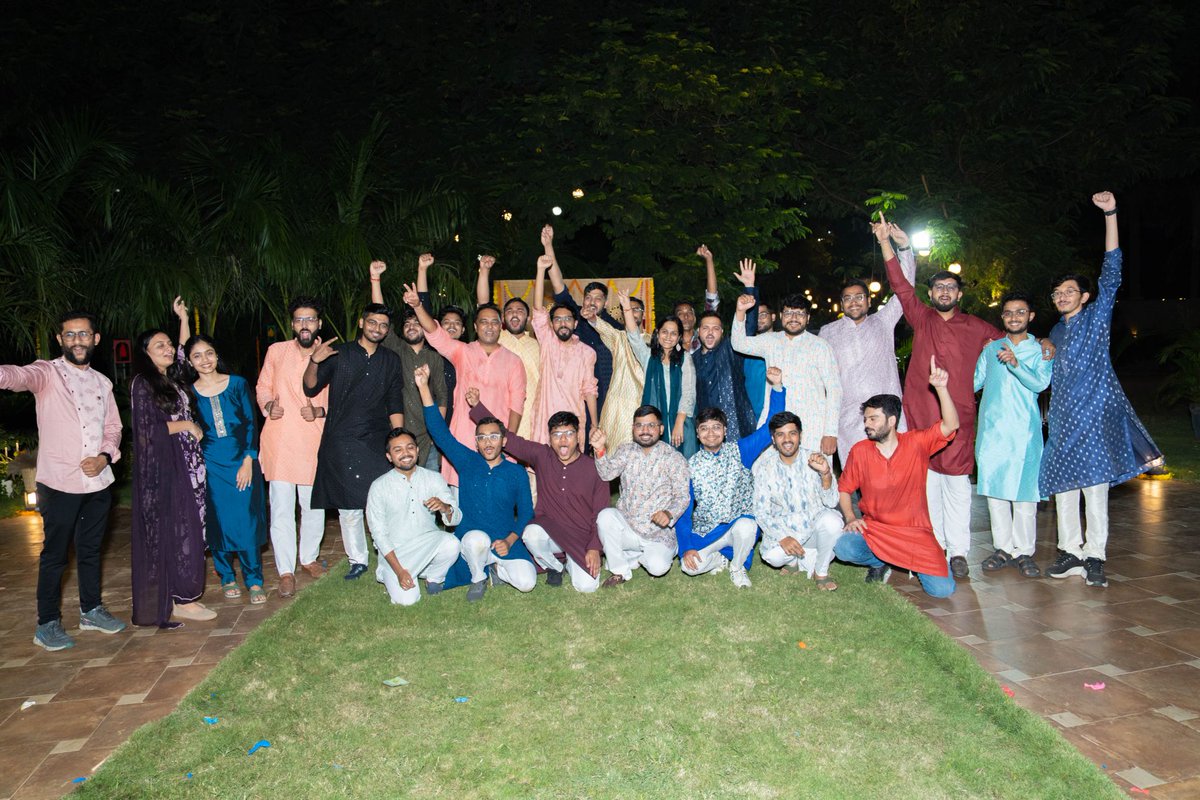
🚀 Thrilled to announce that we've raised $4M Pre Series-A round led by Peak XV Partners with particpation from Razorpay Ventures, Kunal Shah and existing investors to build the next-gen financial data intelligence platform for India 🇮🇳
Chintan Sheth tweet mediaChintan Sheth tweet mediaChintan Sheth tweet media
English
1
1
6
349
Vikas Khanna
Vikas Khanna@TheVikasKhanna·
When God has a plan… From selling bhatura chole at Vivek Public School in 1989, to opening Lawrence Garden Banquet from the back of my house in Amritsar in 1990. In 1991, I chose culinary arts— a decision that embarrassed almost everyone except my grandmother. There were years of humiliation I rarely speak about. Moments that nearly broke me. In 2000, when my banquet was torn down, I almost gave up. Instead, I moved to the United States and started over. Cleaning homes. Selling food on the streets of TriBeCa. Sleeping at Grand Central. Experiencing homelessness at NYC Rescue. Sleepless nights. Being called “Curry Boy” on the 7 train. And still, I kept going. From there… 8 Michelin stars. Then losing myself again. Then starting over—one last time as a promise to my sister—with Bungalow. And now… TIME100 Most Influential People in the World 2026. I’m still trying to process it. The journey continues.
Vikas Khanna tweet media
English
567
1.1K
9.1K
321.5K
Chintan Sheth retweetet
Surge
Surge@_surgeahead·
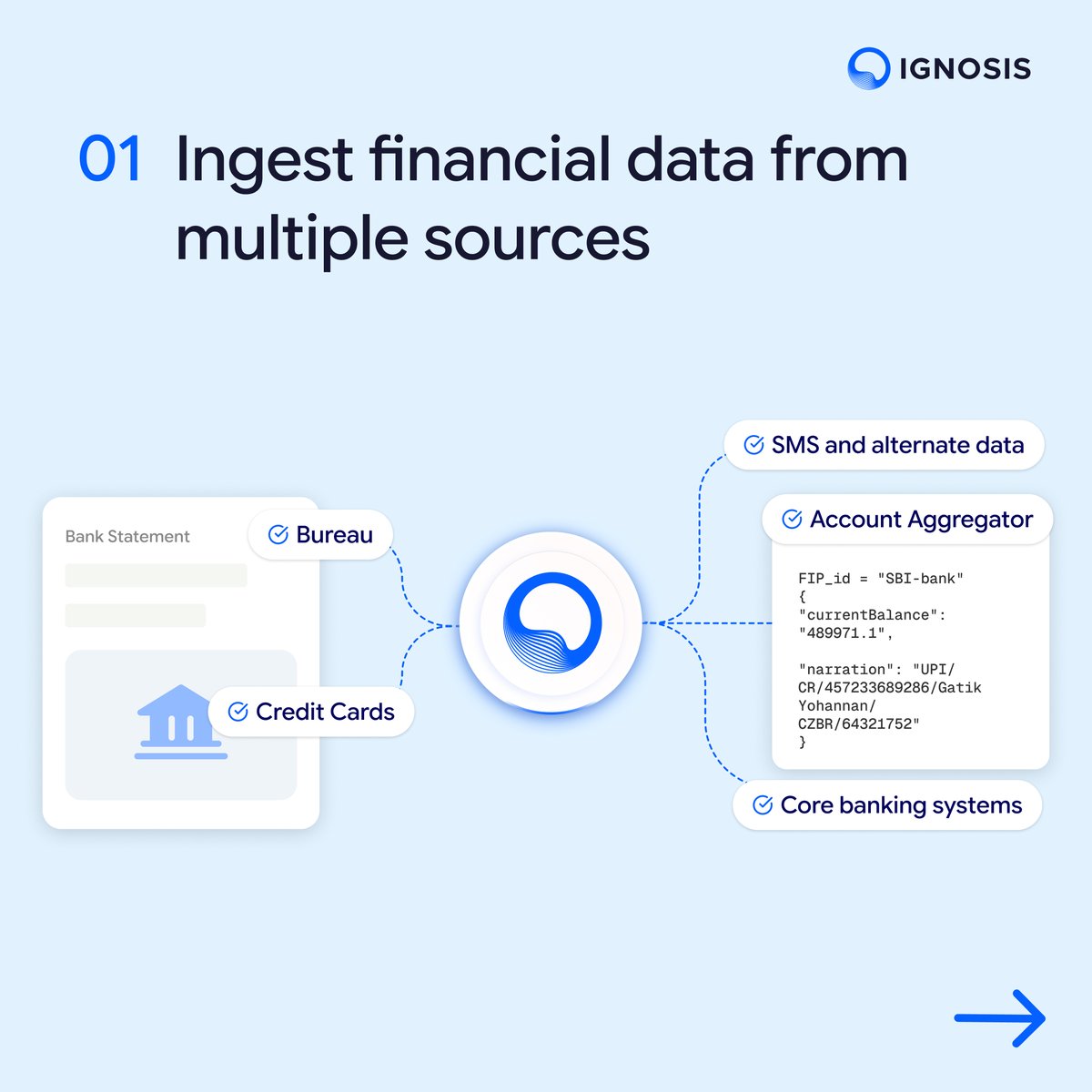
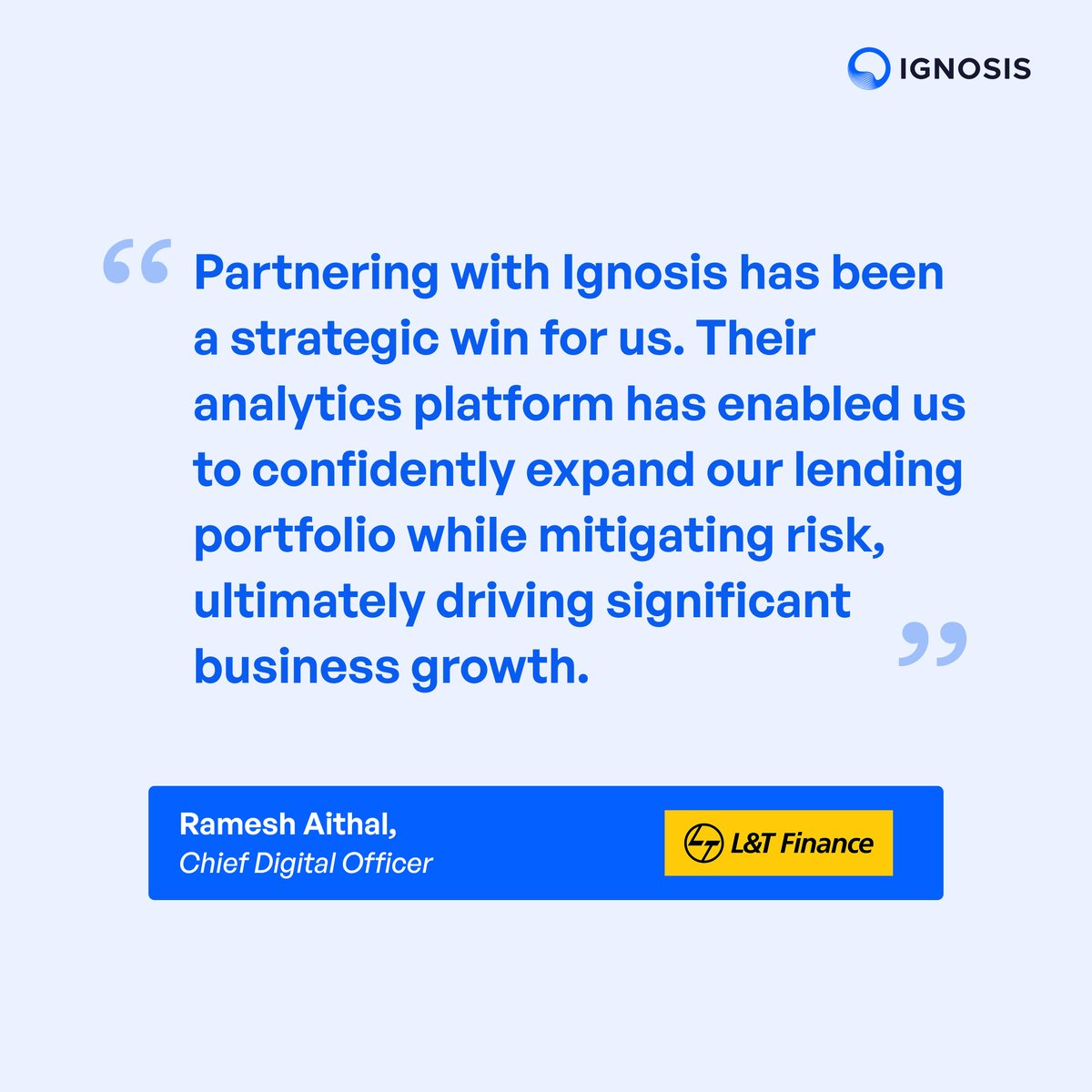
Inside Ignosis: Making Financial Data Reliable Enough to Automate Decisions Financial Services now has more data than ever before. The real opportunity is turning that data into reliable, automated decision-making. For years, banks and lenders in India have layered dashboards on top of fragmented systems. But when the underlying data is inconsistent or incomplete, critical decisions across credit, risk, and collections fall back to manual review. From AA reliability to decision infrastructure: Ignosis started by fixing the foundation. The company built around Account Aggregator orchestration, designed to make consented financial data reliable at scale. Because if the rail isn't dependable, nothing built on top of it can automate. Today, Ignosis operates as a full-stack Financial Intelligence & Analytics Engine. It unifies AA data, bureau signals, documents, transactions, and behavioural patterns. The result is decision-ready intelligence that enables context-aware credit, risk, collections, and engagement actions for every customer. Automating credit operations: For lenders, this powers Credit Ops Automation. Agentic AI systems automate PD estimation, income validation, document intelligence, and cross-risk analytics. Decision-making becomes more consistent, while risk and operations teams gain significant productivity. Rebuilding collections with intelligence: Post-disbursal, the same intelligence extends into collections. AA-driven cashflow signals combined with Voice AI agents help institutions prioritize outreach, refine contact strategies, and improve recovery outcomes while materially reducing operational costs. Fragmented workflows to autonomous systems: Ignosis represents a broader shift underway in financial services. ➡️Integrations to orchestration ➡️ Fragmented workflows to unified intelligence ➡️Manual review to autonomous, outcome-driven systems By combining AA orchestration, customer-level financial intelligence, and agentic AI, Ignosis is helping financial institutions move from fragmented processes to intelligent systems built for scale, compliance, and trust. This is our Surge Spotlight on Ignosis, part of our ongoing series highlighting the companies from #Surge11 and the category shifts they represent. @_Ignosis @niravprajapati1 @_shethchintan @RajanAnandan @KaustubhMundra3 @NavenduS
Surge tweet mediaSurge tweet mediaSurge tweet mediaSurge tweet media
English
1
6
19
23.3K
Chintan Sheth
Chintan Sheth@_shethchintan·
@asharoraa Not sure what all you want to recover - but effectively all the data is still available on your contacts' side - it's just matter of figuring out how to convince the top 100 folks to share it with you and make it searchable. Something Claude should be able to build in an hour.
English
0
0
2
335
Chintan Sheth
Chintan Sheth@_shethchintan·
@Rishhari I believe it's to do with data sharing between WhatsApp and other Meta Group companies for targeted advertisements
English
0
0
0
7
Rishabh Harish | Scaling Wellbi
I still don’t understand what exactly Meta is “violating” in terms of privacy. Indian media keeps repeating “privacy policy” without explaining anything.
English
4
0
12
2K
Chintan Sheth
Chintan Sheth@_shethchintan·
@kushgrwl #eng" target="_blank" rel="nofollow noopener">cms.rbi.org.in/cms/indexpage.… RBI has very strong norms against contact calling, a simple complaint to ombudsman will solve this
English
0
2
4
1.1K
Kush Agarwal
Kush Agarwal@kushgrwl·
Wife does Collab with an influencer for promoting the bakery Influencer must have taken a loan from some app Now wife's entire business calling line blocked by loan recovery agent constantly calling and asking to talk to the influencer. May these callers rot in hell.
English
19
22
593
118.7K
Chintan Sheth
Chintan Sheth@_shethchintan·
Are you a conviction person or a consensus person? While this often comes up in VC investment thesis, I was mapping our internal decision frameworks and this single thing came out on top everywhere! What do I mean by the two? Conviction - A single person (or a minority), often with extreme value alignment has a strong belief, takes a bet, owns it to the end and team ralies behind them with full support. Consensus - Majority usually tries to all align on a negotiated single direction, and then as a group works towards it with shared ownership. (i'm sure there are better dictionary definitions, but this is what i think it as in my head) How do we build products? - Conviction - Regardless of your experience, if you're culturally an ignosite truly, then whatever you think helps the mission will be built and you'll be supported no questions asked. There are initiatives and products that have stemmed and led by founders, product teams, business, support, security, infra, tech, across seniors to interns. How do we hire? - Conviction - As often quoted, we hire for clear proof of strengths, not for lack of weaknesses. Most of our hires have been one or two people having hell yes conviction, and becoming owners of making sure the hire succeeds. We choose a 10,7,7,7 over 8,8,8,8 any day. Who do we hire - Conviction first people - As the entire organisation works on fast moving, truth seeking, bet taking, conviction first decision framework, if you would wait for consensus to form, the ship would have sailed long before that happens. But on the other end, people who thrive in chaos, seek freedom, and owns successes and failures equally grow exponentially in the organisation due to sheer size of impact they can achieve without any restraints. I have always remembered one of the core value from a company I had interviewed at (and got rejected) for long back - "every decision taken at point in time with the limited information available at that point in time - is ALWAYS correct". Biggest killer of conviction culture is blaming individuals based on hindsight, based on outcomes which were impossible to predict at that time of making the decision, this often just induces decision paralysis and nothing ever happens once this is the norm. Conviction builds momentum, and momentum builds movement. While I'm sure both conviction and consensus are important and both work for different folks. It's not a right or wrong thing, it's about joining the right place, depending on what kind of person you are. Today, we are looking for conviction first folks and if you are one of them, we'd love to talk to you!
English
0
0
0
35
Chintan Sheth
Chintan Sheth@_shethchintan·
Zomato debate - over the weekend, nuance died a million deaths. Not trying to add yet another post of taking sides to your feed, this is quite the opposite. Moral dilemmas are tough for our monkey brains and we love to take a simplistic argument, stick to a side, assume we are victorious and move forward. But the world has never been black and white, good and evil, it always has been something in between, the uncomfortable in-between of pull and push. India as a civilisation has always advocated for this. All our upanishads, mahagathas, religion, mythology and stories have tried to make sure we internalise the grey, we debate the push and pull and we make progress, but not live in a delusion of binary world. Anyone you pick from our cultural stories, has never been depicted in a single color, why do we expect the today's world to be clean then? I've always believed in just two directionally guiding principles The world can be always be a better place And YOU need to do something about it -- Are a lot of people getting a way to make money through gig economy for their own good? Yes - it's an amazing ramp for people to start which requires almost nothing -- Are we the consumers benefited with all the startups? Of course yes -- Could the gig workers get better welfare and predictability? We can always strive for improvement We need to accept the uncomfortable truth that inequality will always exist, maybe we can all chip in to alleviate in whatever small ways we can. Maybe help them get a better job if we have a reference, maybe create new jobs that we think should exist, maybe help their kids study so they can do better, maybe tip more, maybe support platforms that pay better. There can never be a single right side in my view. We as individuals can pay with our wallets towards what we think is right. Activism or blind following either side might make us feel better in the head but unlikely to solve any real world problems. Fin
Deepinder Goyal@deepigoyal

Last one on this topic, and I have been holding this in myself for a while. For centuries, class divides kept the labor of the poor invisible to the rich. Factory workers toiled behind walls, farmers in distant fields, domestic help in backrooms. The wealthy consumed the fruits of that labor without ever seeing the faces or the fatigue behind it. No direct encounter, no personal guilt. The gig economy shattered that invisibility, at unprecedented scale. Suddenly, the poor aren't hidden away. They're at your doorstep: the delivery partner handing over your ₹1000+ biryani, late-night groceries, or quick-commerce essentials. You see them in the rain, heat, traffic, often on borrowed bikes, working 8–10 hours for earnings that give them sustenance. You see their exhaustion, their polite smile masking frustration with life in general. This is the first time in history at this scale that the working class and consuming class interact face-to-face, transaction after transaction. And that discomfort with our own selves is why we are uncomfortable about the gig economy. We want these people to look our part, so that the guilt we feel while taking orders from them feels less. We aren't just debating economics. We are confronting guilt. That ₹800 order might equal their entire day's earnings after fuel, bike rent, and app cuts. We tip awkwardly, or avoid eye contact, because the inequality is no longer abstract. It's personal. Pre-gig era, the rich could enjoy luxury without moral discomfort. Labor was out of sight. Now, every doorbell ring is a reminder of systemic inequality. That's why debates explode. It's not just policy. It's emotional reckoning. Some defend the system (“they choose it”), others demand change (“this isn't progress, its exploitation”). And here’s the uncomfortable twist: the unsaid ask of clumsy ‘solutions’ isn’t dignity. It is about returning to invisibility. Ban gig work and you don’t solve inequality. You remove livelihoods. These jobs don’t magically reappear as formal, protected employment the next day. They disappear, or they get pushed back into the informal economy where there are even fewer protections and even less accountability. Over-regulate it until the model breaks, and you achieve the same outcome through paperwork instead of slogans: the work evaporates, prices rise, demand collapses, and the people we claim to protect are the first to lose income. And then what happens? The rich get their old comfort back. Convenience returns without faces. Guilt dissolves. We go back to clean abstractions and moral posturing from a distance. The poor don’t become safer, they become invisible again: back in cash economies, back in backrooms, back in shadows where regulation rarely reaches and dignity isn’t even debated. The gig economy just exposed the reality of inequality to the people who previously had the luxury of not seeing it. The doorbell is not the problem. The question is what we do after opening the door. Visibility is the price of progress. We can either use this discomfort to build something better (which we keep doing continuously as delivery partners are our backbone), or we can ban and over-regulate our way back into ignorance. One of those choices improves lives. The other simply helps the consuming class feel virtuous in the dark.

English
0
0
0
45
Chintan Sheth
Chintan Sheth@_shethchintan·
@Nivivacious Nintendo switch tennis makes everything size inclusive 🤷
English
0
0
1
31
Nivedita
Nivedita@Nivivacious·
Obsessed with playing tennis on Meta Quest 3 - only thing I hate is it’s not exactly tailored for tiny heads like mine. Please share recommendations!
Nivedita tweet media
English
4
0
5
1.7K
Chintan Sheth
Chintan Sheth@_shethchintan·
Early specialisation leads to one trick ponies, world-class excellence seems to emerge from multi disciplinary exploration. What does it mean for the academic factories of the country? This paper seems to be getting a lot of eyes recently in my circles, to my engineering mind the first thought that came to me is, this is exactly what we do in machine learning. We love our slow ramps, quick learning usually plateaus with low bias and high variance. Nerd talk aside, I've first hand witnessed this over numerous people I've mentored or have been a mentee of. Top 0.1%iles of any field are more often than not, top 10%iles of many other things, commonly even unrelated things. Musicians are rarely good at single instrument. Most sports person are often good at many sports. Hell, I'm yet to find a single top tier gamer who is not good at engineering. Be it chess, maths, snooker or athletics, it all seems the same. And I think everyone also intuitively understands the why behind it, activity of striving to be the best at something (anything) likely is the secret sauce, once generalised and abstracted, honing into one single mission often leads to world class outcomes. Not trying to say that we should replace 'engineered specialisation' with 'engineered generalisation', but giving space to the young and encouraging excellence seems to be a scientific way to make sure we generate top class talent.
Brad Stulberg@BStulberg

A massive new study on peak performance included 34,000 international top performers: Nobel laureates, renowned classical music composers, Olympic champs, and the world’s best chess players. It shows early specialization is a trap, and the road to greatness is long and varied.

English
0
0
0
51
Chintan Sheth
Chintan Sheth@_shethchintan·
@BadCapitalVC Wouldn't those online customers continue to order online and possibly the walk ins would be a different behavior?
English
0
0
0
115
Arjun Malhotra
Arjun Malhotra@BadCapitalVC·
Swiggy's opening of physical stores looks like a defensive move, but honestly, there's something way cooler happening here. Swiggy has the leverage of using years of delivery data that no traditional retailer has access to. Think about it: Swiggy already knows exactly what sells in every neighbourhood. Their South Delhi store will stock completely different stuff than their Noida one because they've seen thousands of actual orders showing what people in that area actually buy. Modern Bazaars or your local supermarket tend to guess based on distributor relationships and general demographics. But Swiggy can walk in knowing that this specific neighbourhood buys more oat milk, that one prefers Amul, and another skews toward organic produce. Their physical stores will get smarter due to this data arbitrage, creating a feedback loop that traditional retail can't easily build. Additionally, the physical store also creates a new data stream. What do people browse but don't buy? What do they pick up without searching for it online? What impulse purchases happen at the shelves? Feed that back into the app, and suddenly their quick commerce gets smarter too. Traditional retailers can't build this loop because they never had the digital data to start with.
English
70
22
540
59.7K
Chintan Sheth
Chintan Sheth@_shethchintan·
Just imagine, one day you can wake up, and paneer tikka is illegal.
Chintan Sheth tweet media
English
0
1
2
31
Chintan Sheth
Chintan Sheth@_shethchintan·
@kumarmanish9 Running Dyson since 3 months, aqi always been under 30-40 indoors.
English
0
1
1
225
Kumar Manish
Kumar Manish@kumarmanish9·
Has anyone bought air purifier for home in #Ahmedabad ? It yes, does it help. For academic purpose.
English
12
0
15
3.2K
Chintan Sheth
Chintan Sheth@_shethchintan·
We are heading into cloudflare adjusted uptime, after community adjusted ebidta.
English
0
0
1
56
Chintan Sheth
Chintan Sheth@_shethchintan·
@shraddhahahaha The early appeal of podcasts was hearing the stories of people who were doing well and believing - if they can do it, so can I Today when I speak to young folks, for them the top guests are nothing short of celebrities, so far removed that the halo effect makes them unrelatable
English
0
0
1
180
shraddha
shraddha@shraddhahahaha·
I’ve always believed India has so much wisdom beyond the usual voices we hear on few podcasts. Not every story needs fame to matter some just need the right space to be heard. Some thoughts on podcasts and building in 🇮🇳👇
English
51
44
884
100.1K
Chintan Sheth
Chintan Sheth@_shethchintan·
While I had my knees hurting after standing in my AC GFF booth, here's my dad - author, self publisher, one man show - setting up his first ever independent booth at International Book Fair (Ahmedabad), kicking at 65! What I thought would finally become a gentle retirement hobby after 4 decades across music production, recording, teaching, and dozen other ventures... simply refused to stay a hobby. Because making something from nothing, iterating it, and offering it to the world - is one of the most primitive human joys. For people wired this way, it's a lifeline, keeps the drive of life alive, burning and young. Glory to the creators! Glory to the builders! If you do happen to be from Ahmedabad, come say Hi at stall 28. He'll love all the support. #AIBF2025
Chintan Sheth tweet media
English
0
0
2
72
IndiaQuotient
IndiaQuotient@IndiaQuotient·
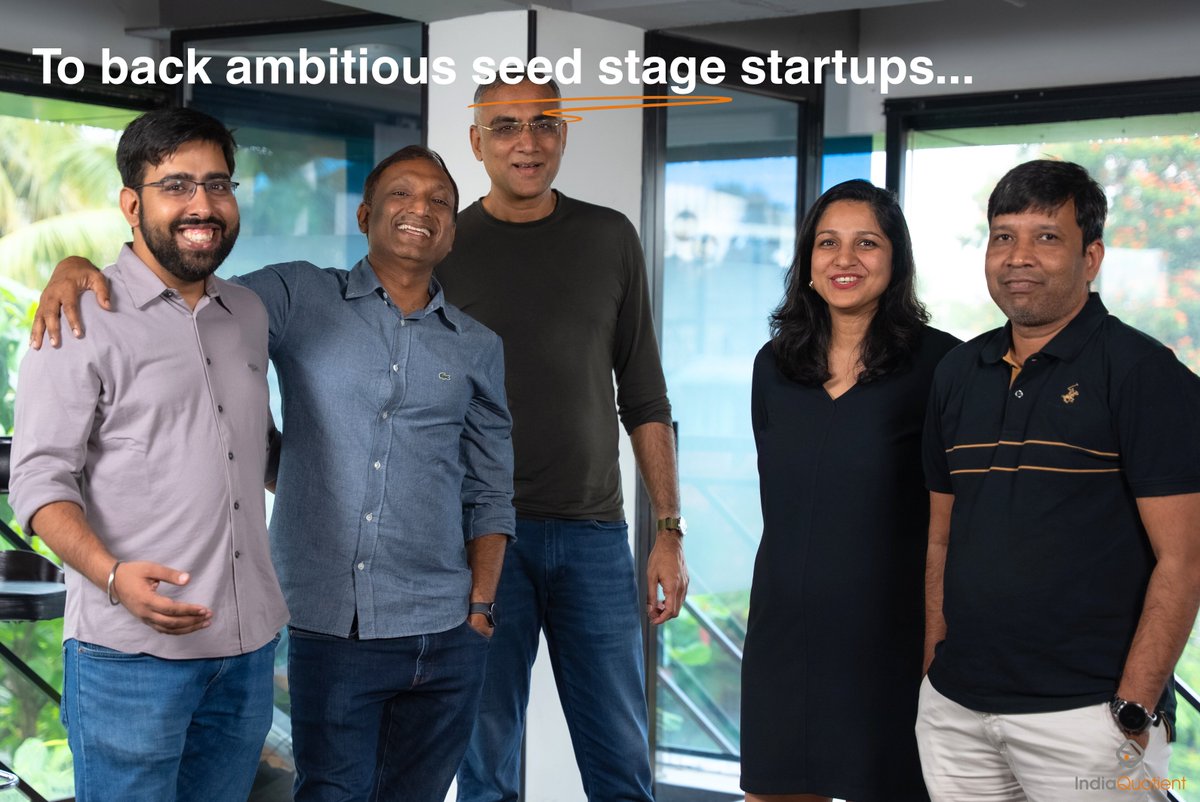
We have raised a new $129 Mn Fund 5! Since 2013, we’ve held onto one simple belief: Indians can build the best products for Indians. For too long, the narrative was: India is too complex. Indians don’t pay. Indians won’t change. Indians only love imported products. We have always disagreed. The insights, grit, and ingenuity to solve these problems come from founders with a high IndiaQuotient. We will continue to back founders long before their ideas become “sectors.” This has been true from the early days of India social, brands, content, digital lending, India software, agritech, and many more. We were the first investors in ShareChat, Sugar Cosmetics, Lendingkart, Kuku FM, and Vyapar. We want to invest very early. Before you launch. Before you make a deck. Before you get an idea. Before you leave your job. (Okay, not this one!) As we start investing from our Fund 5, here is Our Manifesto: 1. Embrace risk. Be the first one to invest. 2. Play the long game. Make money only through long-term company success. 3. Back the founders at every step. Bridge funding, pro rata or whenever they need us. 4. Cut the fluff. No monthly decks, no big meetings, no wasted founder time. 5. No pressure for up rounds, high dilution, or early liquidity. 6. Focus on PMF. Not on vanity metrics. 7. Be very selective. Every deal is very important to the firm. 8. Always be available. No secretaries, no calendars. 9. Patience. Moral support and empathy in tough times. 10. No conflicts. No competing investments, and if a situation arises, always be transparent. With the new fund, we are also expanding our leadership team with Kanika Agarrwal and Sahil Makkar joining Anand Lunia, Madhukar Sinha, and Gagan Goyal as Partners—to do more deals, bolder and crazier! If you’re a founder with the ambition to build a lasting institution, we want to hear from you. Idea/ deck/ prototype/ beta—it’s never too early to reach out to us. Write to us at [first_name]@indiaquotient.in
IndiaQuotient tweet mediaIndiaQuotient tweet mediaIndiaQuotient tweet media
English
36
16
225
39.3K
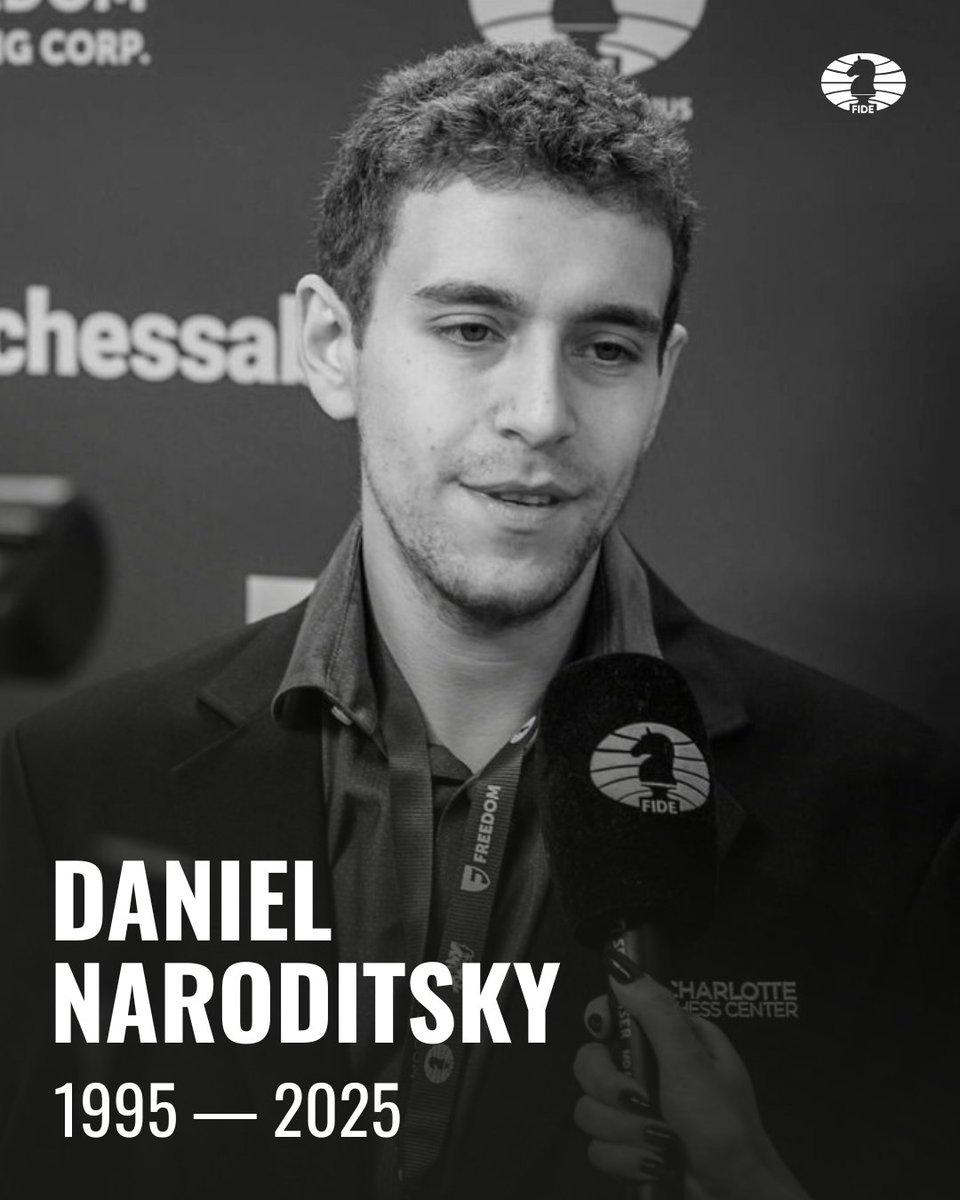
International Chess Federation
GM Daniel Naroditsky passed away. He was a talented chess player, commentator, and educator. FIDE extends its deepest condolences to Daniel’s family and loved ones.
International Chess Federation tweet media
English
674
2.2K
21.8K
2.3M
Chintan Sheth
Chintan Sheth@_shethchintan·
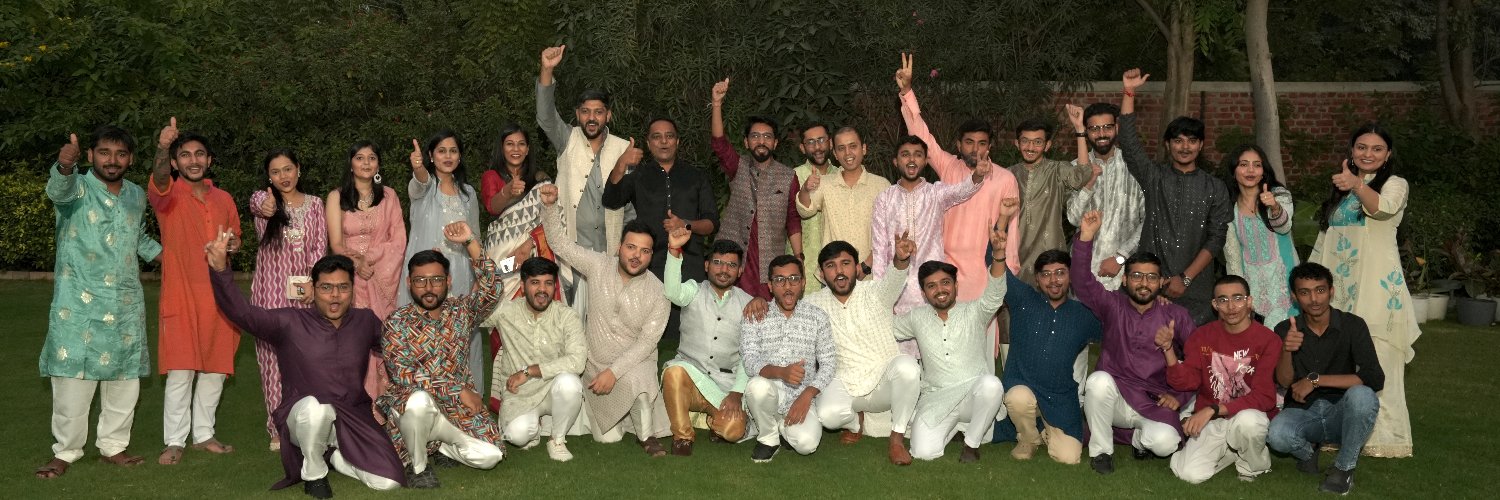
Happy Diwali! ✨
Filipino
0
0
3
48