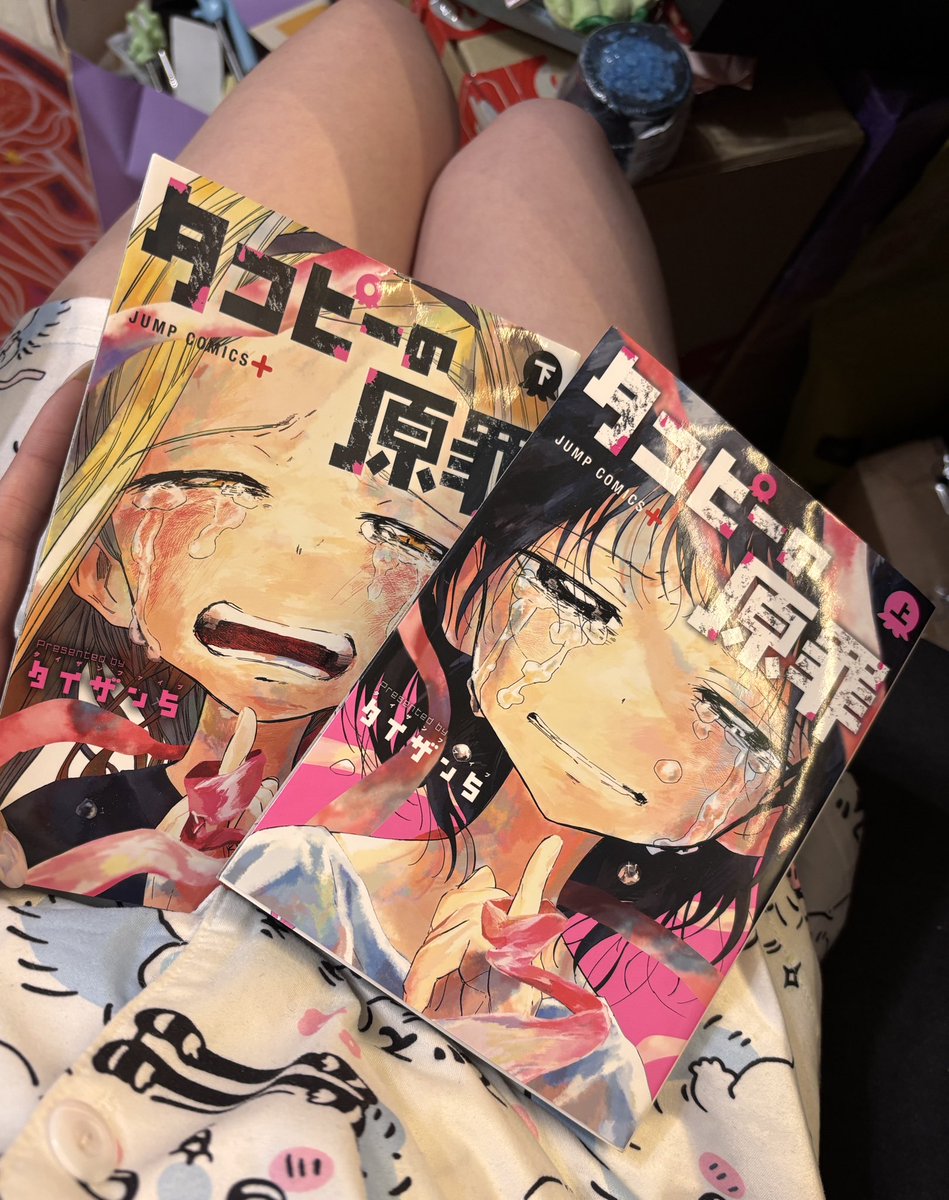
На счет Пиратства Японского контента, являюсь ли я пиратом манги, если я прочитала мангу на русском языке в России, на пиратском сайте, а потом приехала в Японию и купила ее в Bookoff?
Ведь ее до меня кто то читал…
일본에서 지금 해외 불법 번역에 대한 논란이 일어난 모양인데. 적잖은 사람들이 "훔쳐볼 권리"를 주장하는 해외 불법독자들에게 놀라는게 보인다.
세상에 훔치는걸 거부했다고 피해자들을 인종차별자나 계급주의자로 부르는 가해자집단이 있다는걸 알았을 때의 충격은 참 아직도 신선하다.
이게 비정상적인 일이라는걸 설명 씩이나 해야되는게 코미디다.
A sad thing happened in Japan
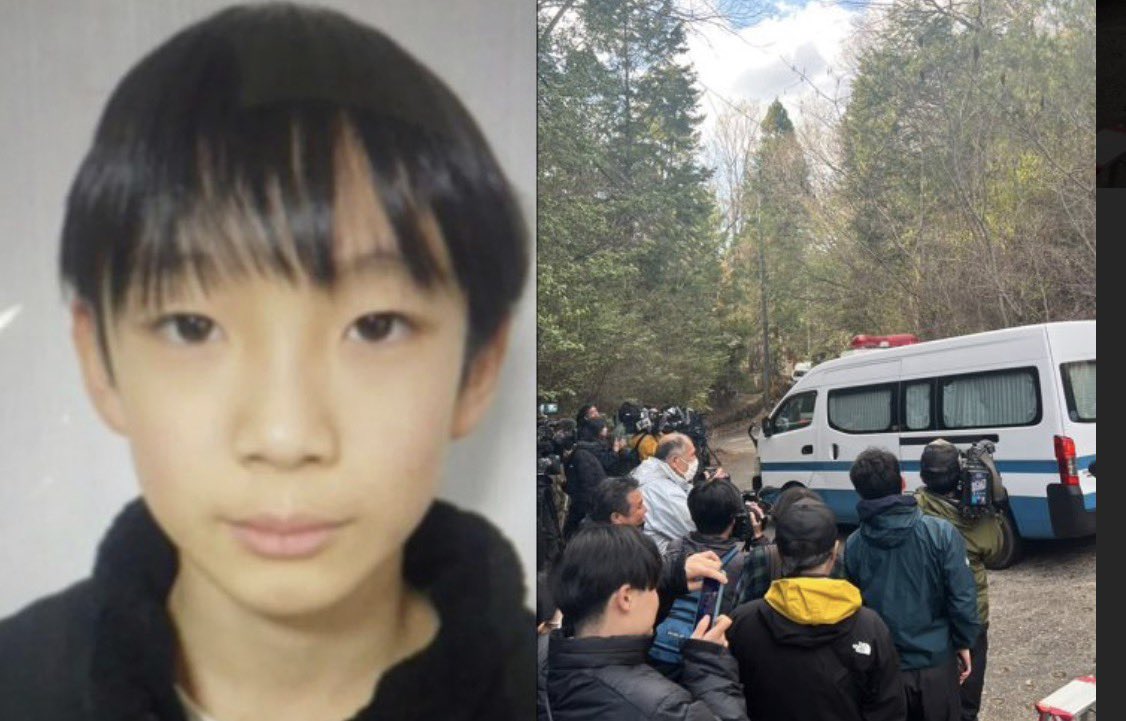
An 11-year-old boy named Yuki was reported missing in Kyoto.
His stepfather was out on the streets, handing flyers to neighbors, asking for help finding him.
This week, that same stepfather was arrested.
He has reportedly told police he “lost his temper and strangled” Yuki, then dumped the body in a mountain forest.
The boy’s mother, by every account, believed him until the end.
This is where most people will stop reading, and this is exactly where the harder conversation should start.
Japan has a quiet, persistent problem that rarely makes it into the English-language conversation about this country: children living with stepfathers or their mother’s new partners are overrepresented in serious child abuse cases.
In Japan, when child abuse crosses into criminal prosecution, around 72% of offenders are “father figures” — and within that group, over a third are stepfathers, adoptive fathers, or the mother’s live-in boyfriend.
Given that stepfamilies make up only around 7% of marriages in Japan, that share is not small.
Child welfare data tells a similar story, case after case — sustained beatings, torture, sexual abuse, disposal of bodies.
It is not that stepfathers are monsters. Most are not.
It is that a country that treats family as a private black box — where divorce still carries stigma, where mothers are often financially cornered into remarrying, where schools and neighbors are trained not to intrude — systematically fails to see the children inside those homes until it is far too late.
Yuki’s mother handed out flyers next to the man who now says he killed her son.
Japan just began allowing joint custody this month, after decades of delay.
But the harder reforms — mandatory home visits, real authority for child welfare workers, serious screening around non-biological caregivers — are still stuck.
This is not an abstract policy argument. It is the difference between an 11-year-old going to school next week, and an 11-year-old becoming a headline.
Rest in peace, Yuki.
Поясняю за японцев и пиратство.
Японцы просто боги в производстве контента, но они абсолютно ничего не понимают в маркетинге за пределами своей страны.
Если бы рекламой японских продуктов для всего мира занимались сами японцы — мы бы до сих пор ничего о них не знали, ну может только смеялись бы над их кринжовыми рекламами по телеку. Это не работает на массового западного потребителя.
Маркетологи на западе работают совсем по-другому. У них огромный опыт, они провели множество исследований и поняли, что пиратство не вредит, а даже помогает во многих случаях.
Это большая тема, но я постараюсь описать концепцию примерно и очень кратко:
Люди, у которых нет денег не причиняют убыток пиратством — ОНИ БЫ ВСЁ РАВНО НЕ КУПИЛИ ПРОДУКТ — У НИХ НЕТ ДЕНЕГ
Однако, читая пиратскую мангу или играя в пиратскую игру, человек увеличивает фан-базу произведения, повышает его видимость и общается с другими людьми, рассказывая им о произведении.
А у этих других людей могут быть деньги. Они могут купить лицензионную книгу или игру.
Более того, тот кто спиратил тоже может заработать денег в будущем и купить томик любимой манги или коллекционное издание любимой игры.
Именно потому что японцы традиционалисты, они не понимают ничего в современном западном маркетинге. Их подходы обусловлены менталитетом и зацикленностью на своём внутреннем рынке.
На западе же повышение видимости продукта и "сарафанное радио" иногда может стоить гораздо больше, чем цена отдельного лицензионного томика манги и люди это очень хорошо усвоили.
@kikori2660@always_te2@nonbiri3030@YD20250410@renby Eu não estou dizendo que pirataria não prejudica nem que deve ser permitida. Estou falando sobre causas e impacto, não justificando o ato. Entender como algo acontece, não é o mesmo que "está certo".
@ko_____ume@always_te2@Web_Lain Não falar do problema não resolve o problema
Isso é uma característica comum entre japoneses de que se algo incomoda, deve ser evitado ou ignorado
Mas pra resolver um problema as vezes temos que lidar com essas coisas desconfortáveis. "É preciso falar sobre o elefante na sala"
@always_te2@Web_Lain@ko_____ume Falamos da pirataria como o quanto ela popularizou algo ao ponto de criar fãs pagantes
E condenamos aqueles que lucram em cima da pirataria, além dos que optam pela pirataria mesmo tendo condições de comprar por meios oficiais
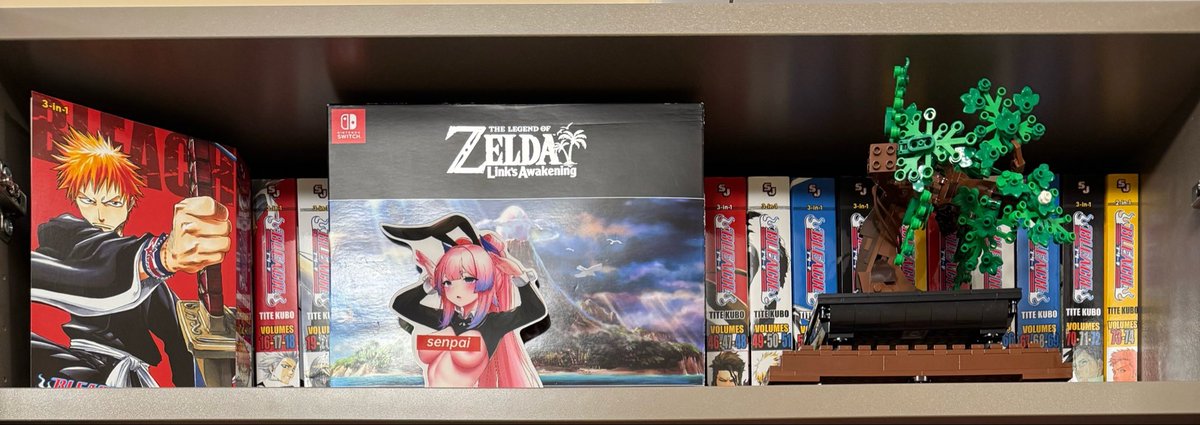
@ko_____ume Я купил весь Bleach в премиальном издании за много денег только потому что 15 лет назад читал эту мангу и смотрел это аниме на пиратском сайте. Других способов не существовало ФИЗИЧЕСКИ
Это считается? 😄
@Bruno_D_Sousa@YD20250410@renby let me ask—since you don’t have the same sense of morals as Japanese people, what do you actually understand when you watch Japanese manga or anime? I don’t think someone with your low sense of ethics can really grasp the emotions or the meaning behind the words.