రామయ్య • /räːmajːɐ/

2.2K posts

రామయ్య • /räːmajːɐ/ banner
రామయ్య • /räːmajːɐ/

రామయ్య • /räːmajːɐ/

@generalusername

MechE • DatSci • Linguistics • CG Ⱄⰾⱁⰲⱁ Ⱀⰵⰶⰻⱅⱁ

પલાળનાર Beigetreten Kasım 2019
1.3K Folgt341 Follower
Mathieu
Mathieu@miniapeur·
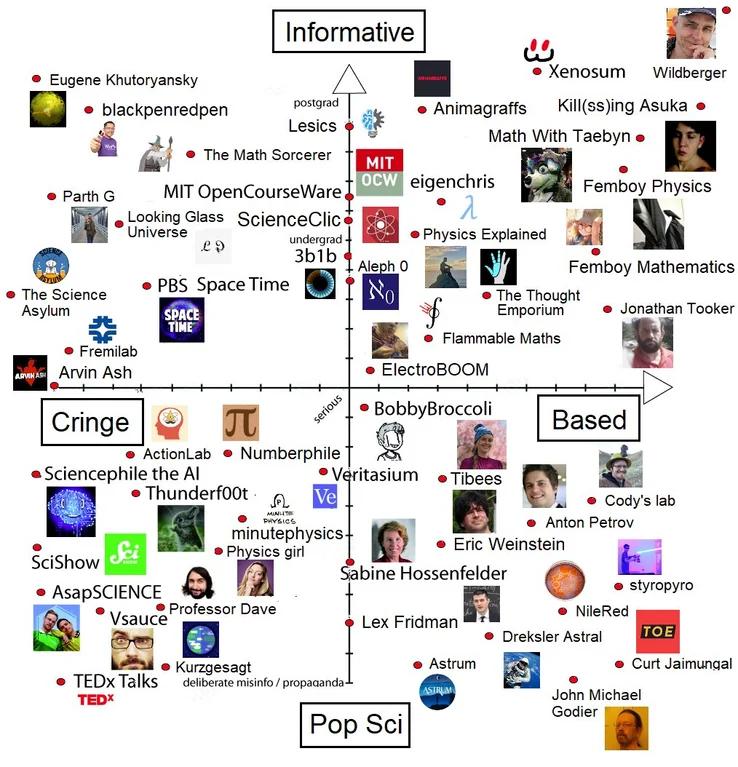
True?
Mathieu tweet media
English
71
70
1.9K
113.2K
రామయ్య • /räːmajːɐ/
@miniapeur Not true. I just like 3B1B for his intuitive animations. I don't consider myself good at math. Veritasium neatly links math to everyday stuff, which is what I like about it. Khan academy is for high school.
English
0
0
1
827
ꦲꦱꦤ꧀ حسن @𱁬
@generalusername @bknshittpsyid The mapping of foreign (incl. Indonesian) alveolar stops in Javanese is a bit uncommon: t → t̪ d → ɖ also my Indo /t/ is laminar and almost dental, while my Indo /d/ is always apical; and I think this holds true for most of Java(nese speakers) as well, idrk the others
English
2
0
4
25
రామయ్య • /räːmajːɐ/
@cobbaltt Based on the usage of tānu/tāmu in Telugu, I feel like it's a calque from IA usage. tānam itself is a word for soul, another hint at ātmán. Tāmu/tamaru is largely used poetically and colloquially it usually stops at 2° which is mīru, & like Kannada, tamaru has memetic use now.
Română
1
0
2
37
Gopalakrishnan R
Gopalakrishnan R@cobbaltt·
@generalusername That's the origin of āp, of course, but āp in modern H-U doesn't have the same level of honoricity that tāngaḷ does.
English
1
0
2
105
రామయ్య • /räːmajːɐ/
Very similar in shape Telugu: tamaru “yourselves” < taʜn(?) “self” ⊗ p “ᴘʟ” ⊗ a “ᴀᴅᴊᴢ” ⊗ ar “ʜᴜᴍ.ᴘʟ” Gujarati: tamārũ “yours(ᴘʟ)” < tuṣmākaṁ “your” ⊗ kr̥tyakam(?) “made-thing” Unlike Telugu tāru which is also pl. (from tamaru ultimately), Gujarati tārũ is sg.
రామయ్య • /räːmajːɐ/@generalusername

@KShrikaanth Right, in Telugu, with all variants included, we have: 1°: nuvvu/nūvu, nīvu, īvu 2°: mīru, īru 3° (ātmán): tāmu, tamaru, tāru The third set isn't restricted to the second person in usage, but is used in the general sense of any self, including 3rd person (Singular tānu).

Eesti
1
0
13
839
రామయ్య • /räːmajːɐ/ retweetet
Steve McGuire
Steve McGuire@sfmcguire79·
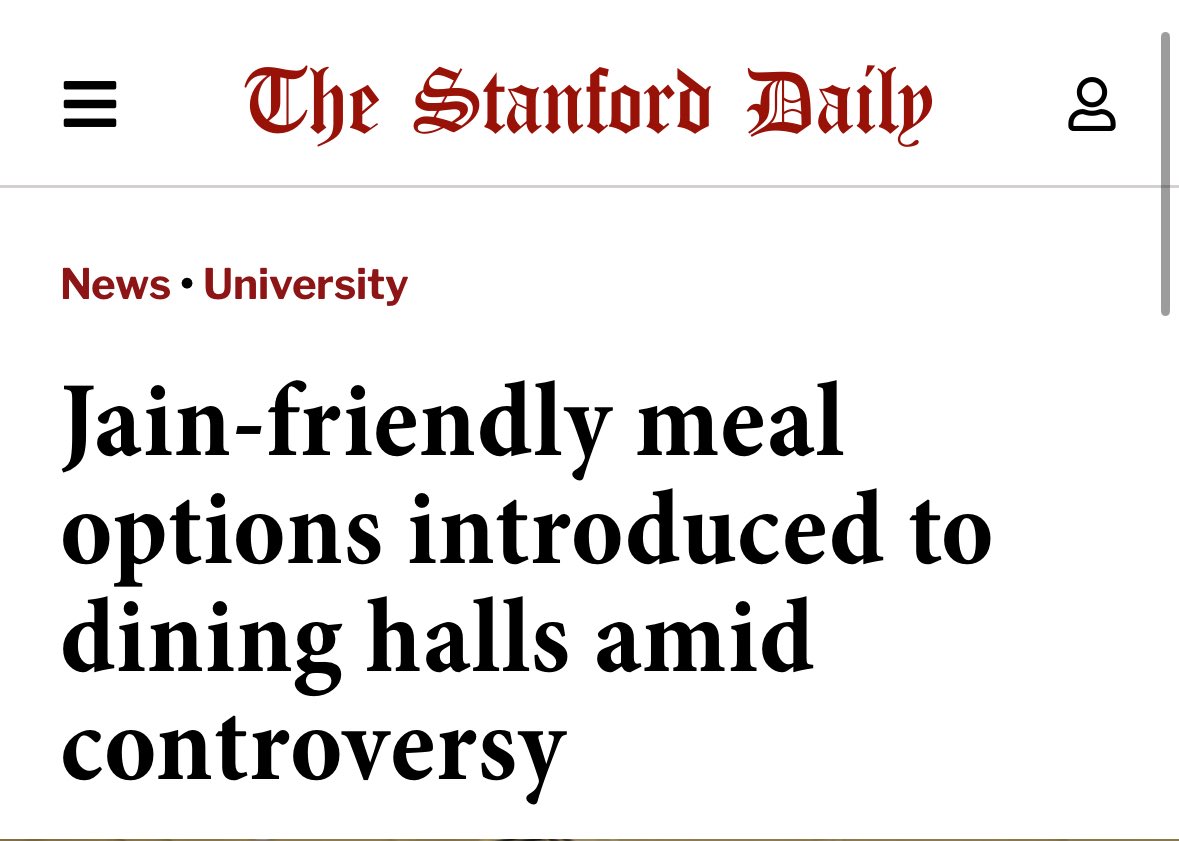
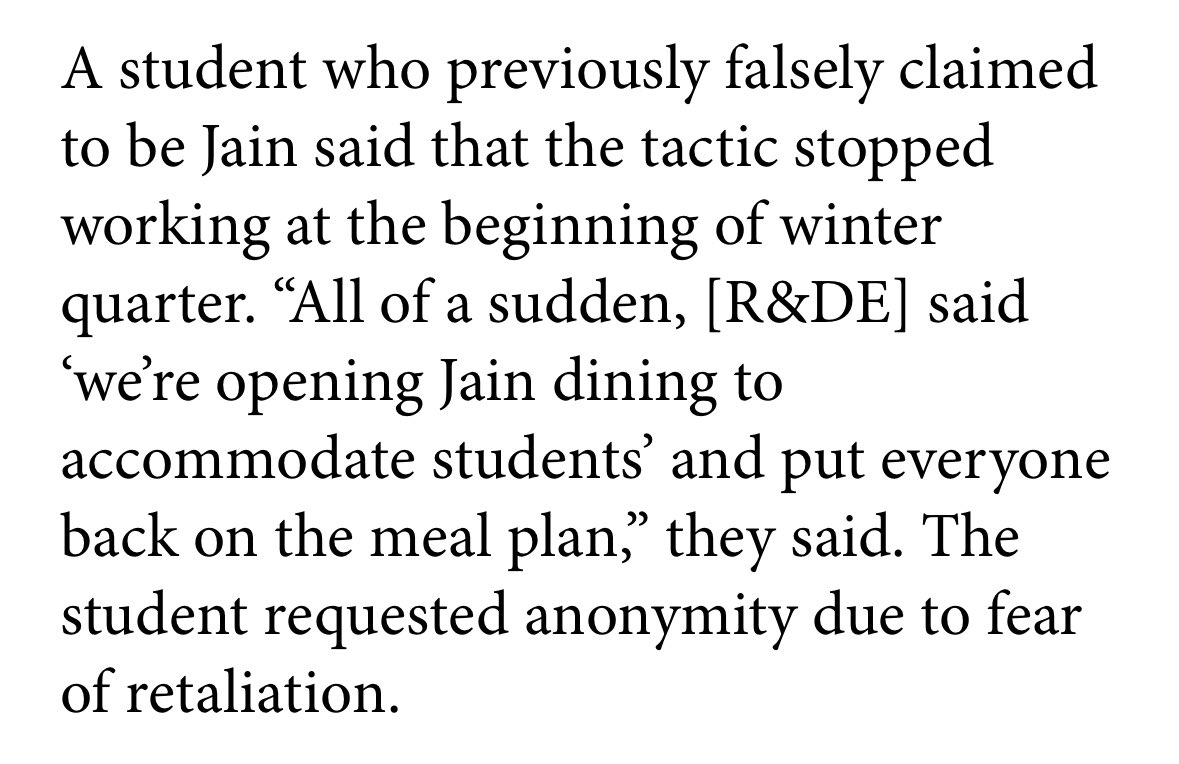
Stanford has introduced Jain-friendly dining options, which means students can no longer pretend to be Jain to get out of the meal plan.
Steve McGuire tweet mediaSteve McGuire tweet media
English
71
125
4.9K
1.7M
రామయ్య • /räːmajːɐ/
@KShrikaanth Right, in Telugu, with all variants included, we have: 1°: nuvvu/nūvu, nīvu, īvu 2°: mīru, īru 3° (ātmán): tāmu, tamaru, tāru The third set isn't restricted to the second person in usage, but is used in the general sense of any self, including 3rd person (Singular tānu).
Latviešu
1
0
10
1.1K
రామయ్య • /räːmajːɐ/ retweetet
𖤓
𖤓@Vigraharaja·
A Katar with ten avatars of Vishnu engraved on its handle 17th century
𖤓 tweet media𖤓 tweet media𖤓 tweet media𖤓 tweet media
English
6
111
973
15.4K
రామయ్య • /räːmajːɐ/
@tlonic @hanssium One could argue that at embedding level, things should have been normalised to a point where the exact textual representation of something doesn't matter as much as the semantics of it, but I think at some level, text may be related to syntax, and brings syntax vs semantics +
English
1
0
1
10
ꦲꦱꦤ꧀ حسن @𱁬
it pains me to see that complex scripts will always be discriminated in tech against simple, typographically uncomplicated scripts Aksara Jawa will always be "waste of horizontal & vertical space", Mongolian Hudum will always be "too difficult to implement" etc
English
3
14
63
3.7K
రామయ్య • /räːmajːɐ/
@tlonic @hanssium + for instance, क्रौ is a single syllabic unit in brahmic abugidas but invariably gets broken down to ⟨k‌[zwnj]rau⟩ or something similar in its internal representation, rather than being treated as a basic unit
English
1
0
0
26
రామయ్య • /räːmajːɐ/
@tlonic @hanssium I didn't use the right term, but what I meant is that you no longer have the advantage of a syllabic abugida, since things are broken down to resemble alphabetic sequences +
English
1
0
0
22
Sagir Ahmed สกิรอาห์เมด
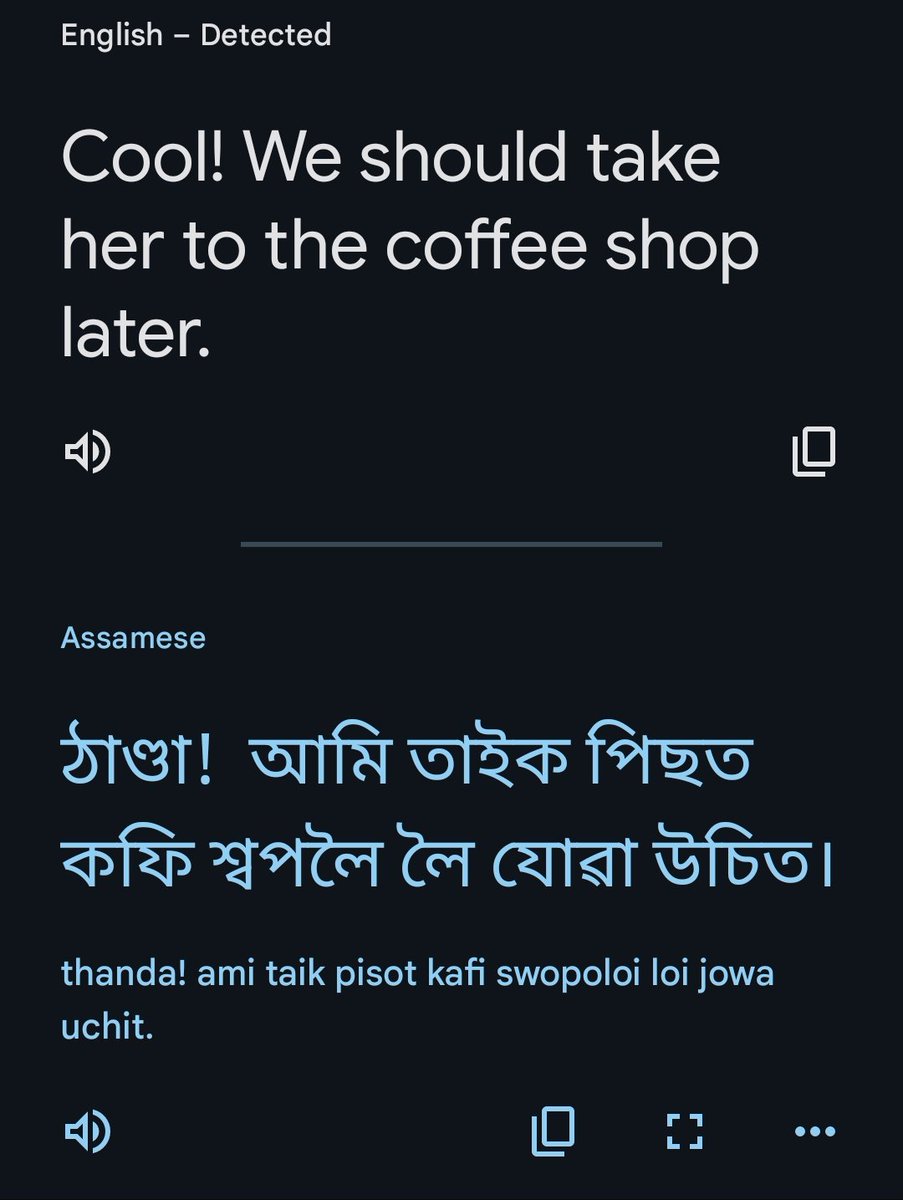
GT needs to work on colloquial Assamese. It uses literal translations having heavily Sanskritised Assamese with English-based syntax which nobody speaks, but used in a formal register. It should be বঢ়িয়া। আমি তাইক পিছতকৈ কফি দোকানলৈ নিব লাগিব।
Sagir Ahmed สกิรอาห์เมด tweet media
English
7
3
29
1.6K
Gracia
Gracia@straceX·
Someone just built a fully open source motion capture system that works with regular webcams. It’s called FreeMoCap, and it can track human movement in 3D without any markers or specialized suits. You just use multiple cameras, and it automatically generates skeletal data that’s good enough for research use. no expensive hardware & proprietary software, it’s completely open source. > Honestly, this removes one of the biggest barriers in mocap and makes it accessible to almost anyone.
English
5
9
142
8.1K
రామయ్య • /räːmajːɐ/
@hanssium … and a few people believed that it lets them work with much larger reasoning trails in lesser characters. Of course this comes with drawbacks like learning the CJK-specific priors for relations that don't necessarily universally semantically exist, like linking broom and wife&c
English
0
0
4
76
రామయ్య • /räːmajːɐ/
@hanssium Agreed. This got me wondering what's happening with CJK characters now, and the effects it has on dense representations of things inside LLMs, I remember there was a phase some 2 years ago where some frontier models would switch to Chinese characters for "reasoning" tokens…
English
1
0
3
76