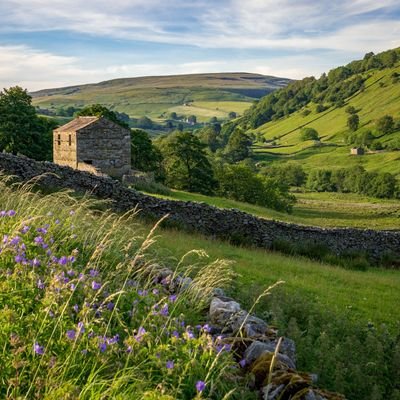
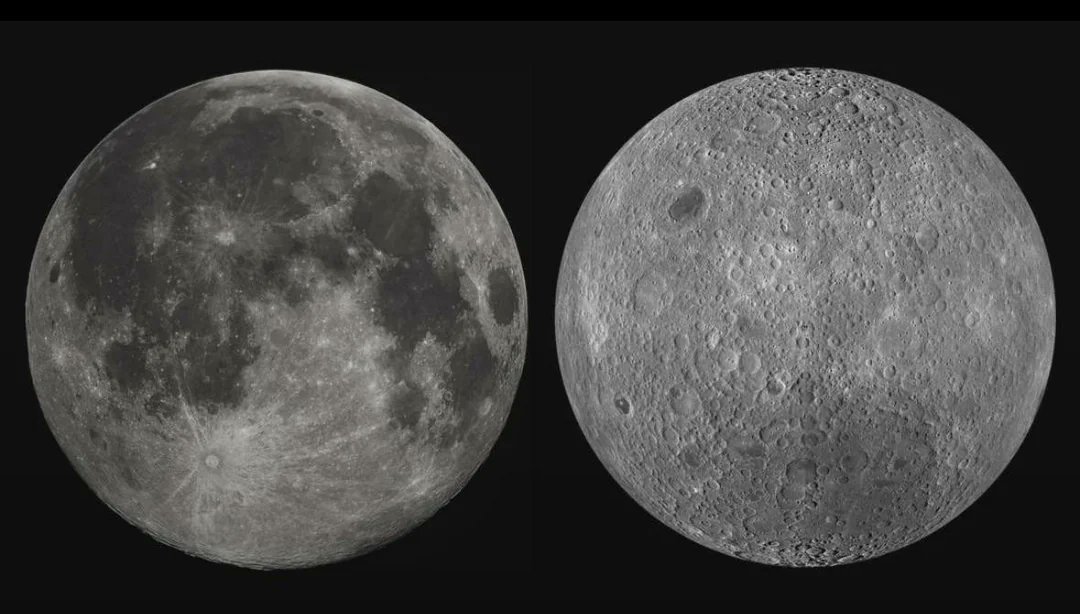
@jonmtts Hi sorry off topic but how did you create these two drawings? Is there a software/ai program you can use to assist or did you draw them yourself?
x.com/i/status/20425…
Na boa, como existem pessoas que não acreditam em Deus?
- Sol na distância ideal
- Gravidade adequada
- Água líquida
- Campo magnético
- Atmosfera protetora
- Presença da Lua
- Inclinação do eixo da Terra
- Júpiter protegendo a Terra
Tudo perfeito demais pra ter surgido do nada
He spent way too much time entertaining this guy. The second he mentioned his daughter he should have did what he needs to do and let him know he’s not welcome
Yeah, the "Earth protected the nearside" idea is pretty common, but evidence suggests the opposite actually happened. The nearside got punished by heat from Earth (intense Earthshine) and by internal heating due to Earth’s gravitational pull (asymmetric tidal heating).
So instead of being shielded, the nearside stayed hotter and molten longer, which is why its crust is thinner and has more lava-filled maria.
If you want to read more about it, here's a really interesting explanation from The Planetary Society: planetary.org/articles/the-t…
@jonmtts@maniaUFO Thanks for this. I always assumed, wrongly it is because the Earth protected that size. Planetary birth and evolution is much more interesting then that whether the near side cooked longer or the big splat its interesting geology of the Moon
Earth's gravitational pull likely played a big role in the Moon's two-faced crust. Right after the Moon formed, it was much closer to Earth (about 10–15 times closer than today) and became tidally locked very quickly — meaning the same side (the nearside) always faced Earth.
At that time, the early Earth was still extremely hot (~2,500°C / 4,500°F) from the giant impact that created the Moon. Because the nearside was constantly facing this blazing-hot Earth, it received intense Earthshine (infrared radiation). This kept the nearside molten longer, while the farside (facing cold space) cooled and crystallized faster, building a thicker crust.
On top of that, Earth's gravity caused asymmetric tidal heating — basically flexing and squeezing the Moon more on the nearside, generating extra internal heat there (about 10–20% more). Together, these effects (both from Earth's gravity) made the nearside crust thinner and the farside much thicker. This is one of the leading explanations, though scientists are still debating the details.
Main source: The Planetary Society
@jonmtts@maniaUFO I was thinking that earths gravity also had a play in it. Would make sense for the lava to be pulled towards the side that faces the planet.
Earth's gravitational pull likely played a big role in the Moon's two-faced crust. Right after the Moon formed, it was much closer to Earth (about 10–15 times closer than today) and became tidally locked very quickly — meaning the same side (the nearside) always faced Earth.
At that time, the early Earth was still extremely hot (~2,500°C / 4,500°F) from the giant impact that created the Moon. Because the nearside was constantly facing this blazing-hot Earth, it received intense Earthshine (infrared radiation). This kept the nearside molten longer, while the farside (facing cold space) cooled and crystallized faster, building a thicker crust.
On top of that, Earth's gravity caused asymmetric tidal heating — basically flexing and squeezing the Moon more on the nearside, generating extra internal heat there (about 10–20% more). Together, these effects (both from Earth's gravity) made the nearside crust thinner and the farside much thicker. This is one of the leading explanations, though scientists are still debating the details.
Main source: The Planetary Society
@jonmtts@maniaUFO Thanks for providing such a succinct and pragmatic explanation - a rarity with specialists!
What role might Earth's gravitational pull have played in this phenomenon, early in the Moon's life?
Genuine open-ended question. Always felt like this may be a big part of the solution.
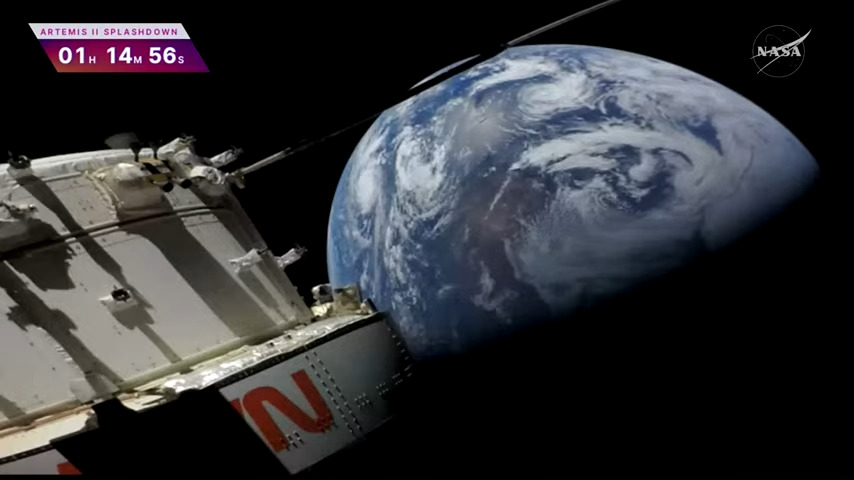
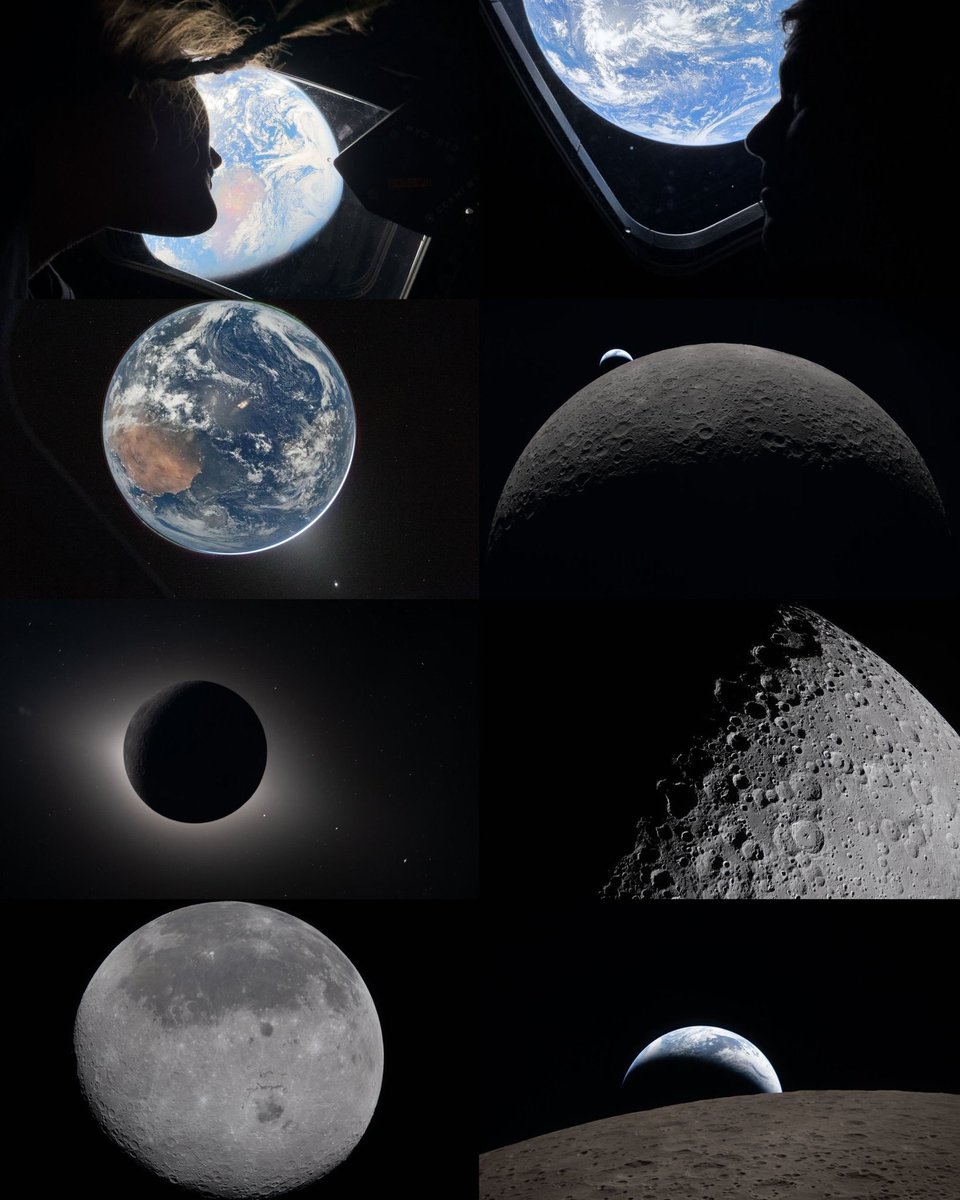
Welcome home Reid, Victor, Christina, and Jeremy! 🫶
The Artemis II astronauts have splashed down at 8:07pm ET (0007 UTC April 11), bringing their historic 10-day mission around the Moon to an end.
@Metropoles "Não levo isso para um campo moral. Eu abriria essa discussão (sobre liberação de drogas) de estado a estado. Querem discutir? A partir de um determinado grau de IDH, você discute. Eu não vou discutir droga no Maranhão, vou discutir analfabetismo."
Renan Santos em 15/12/2025.
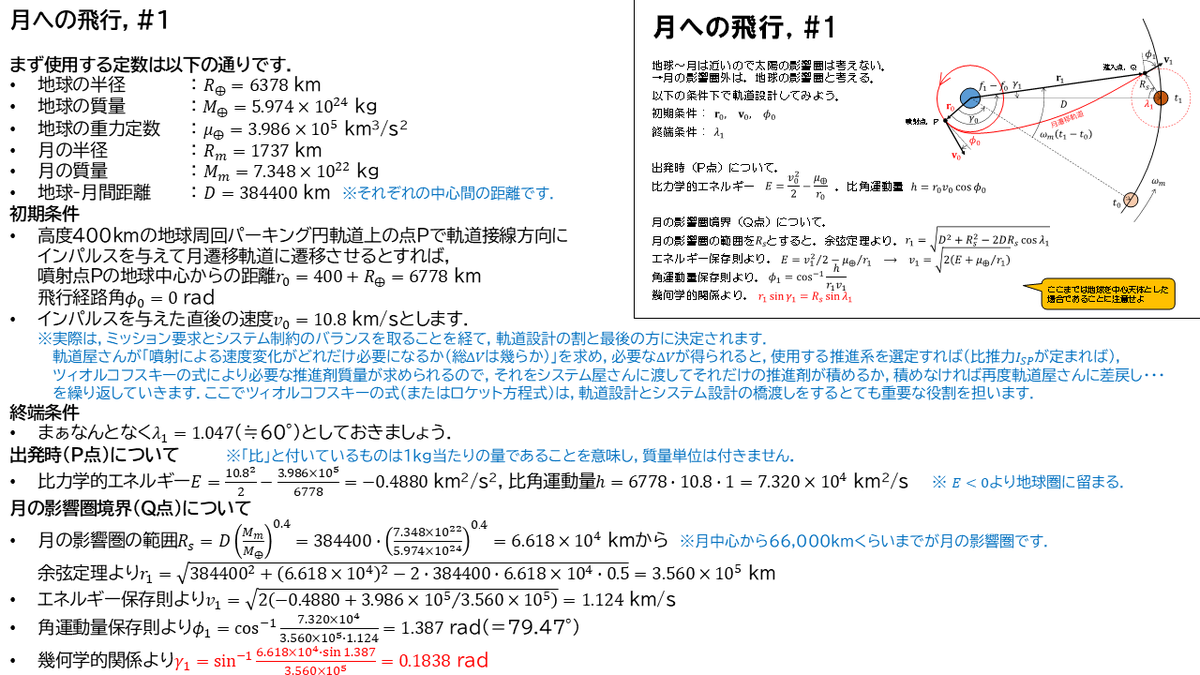
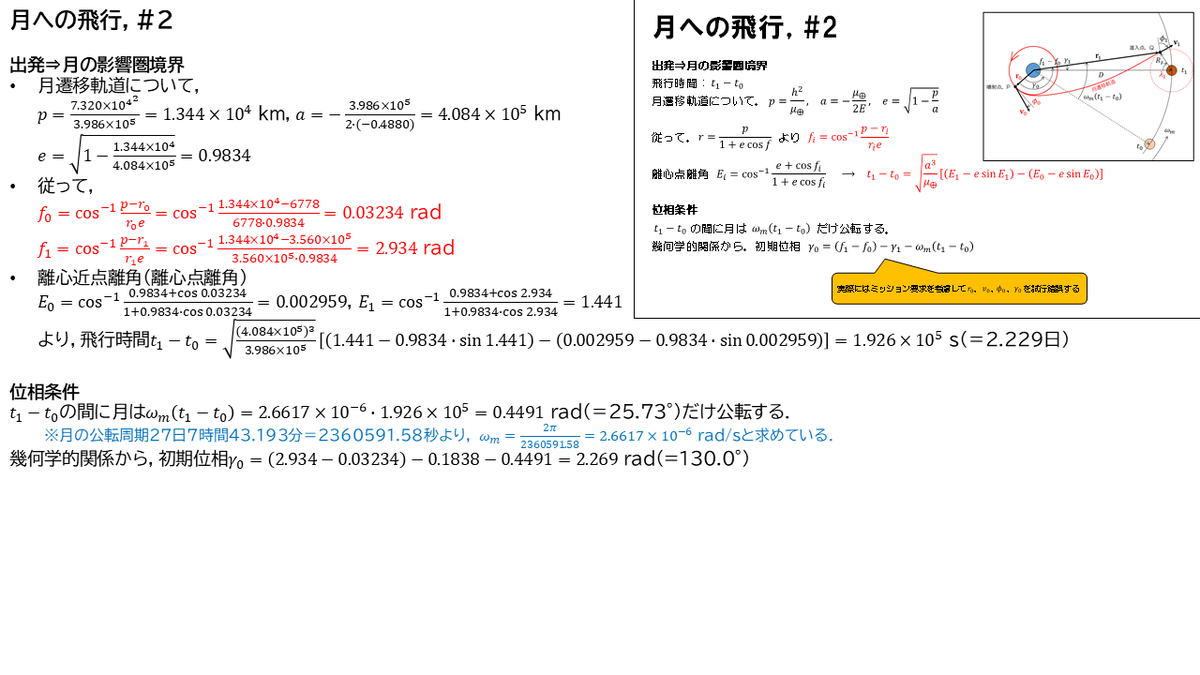
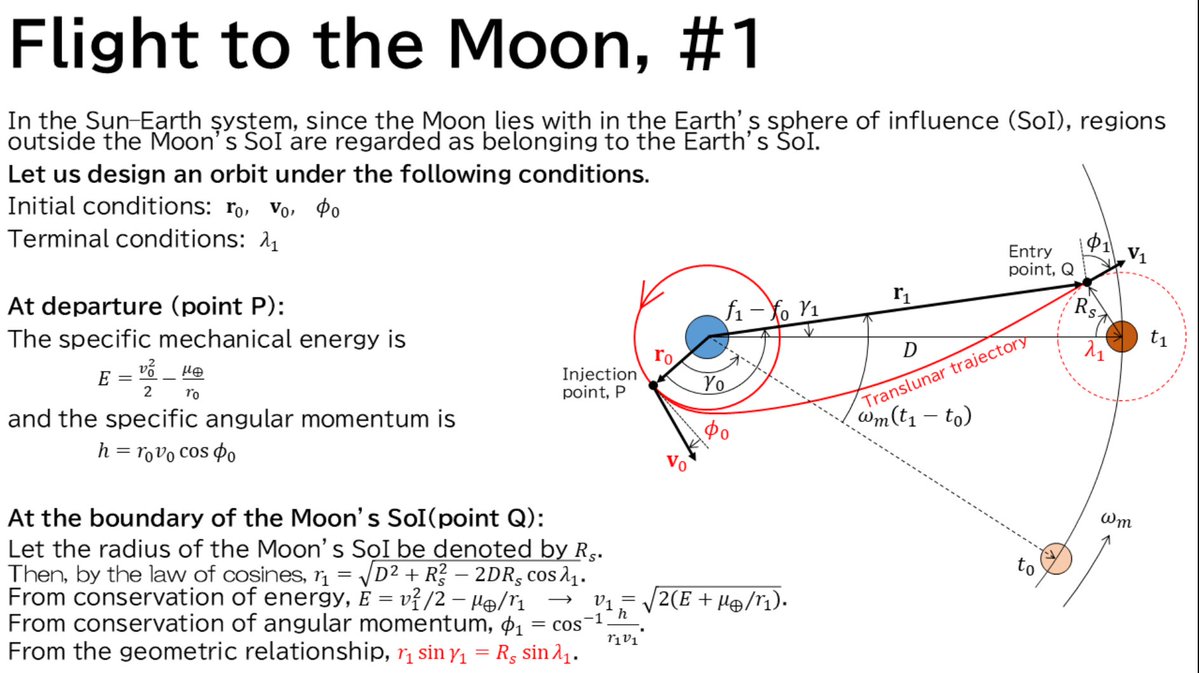
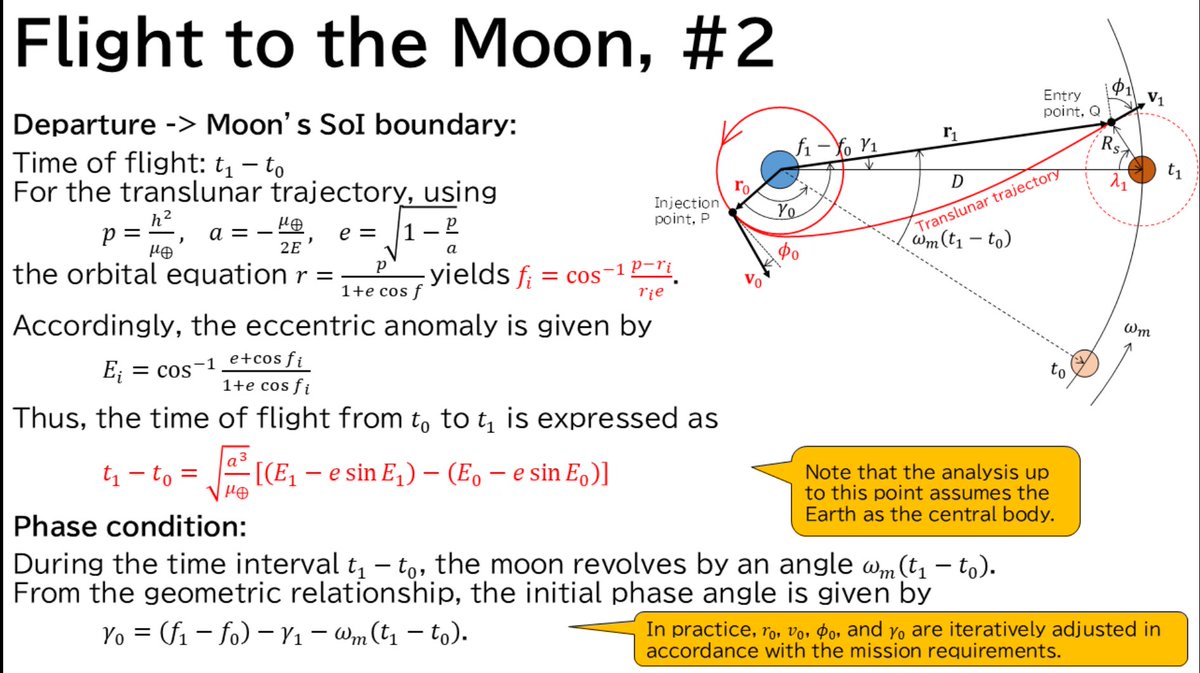
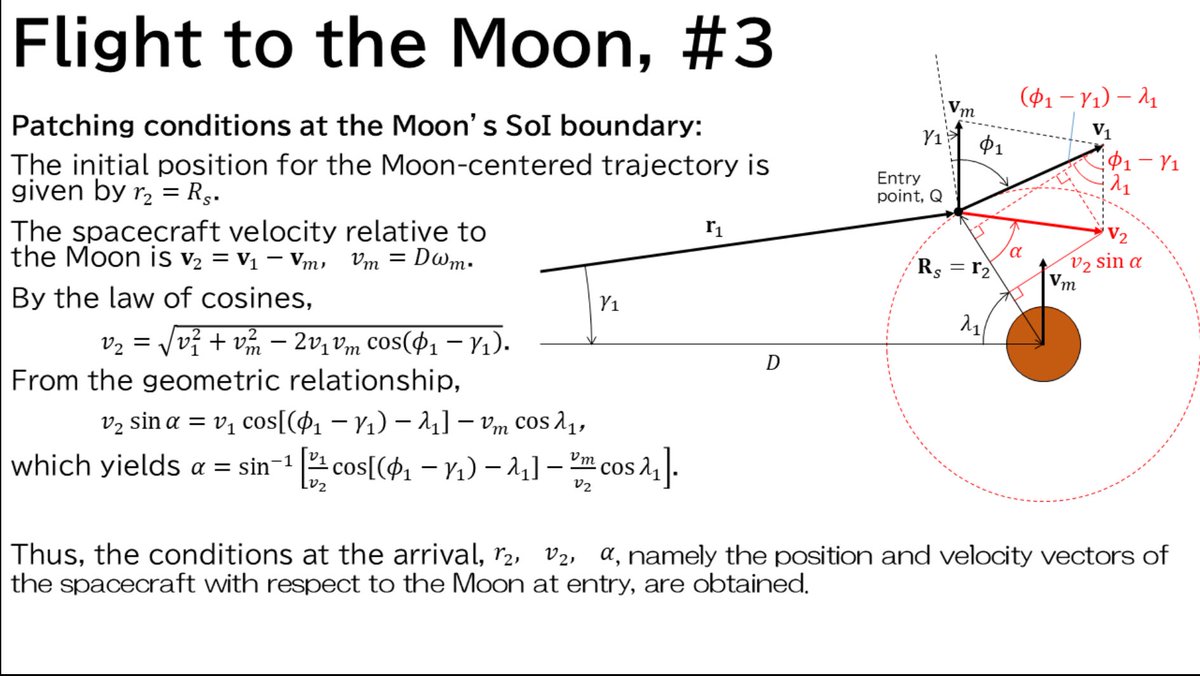
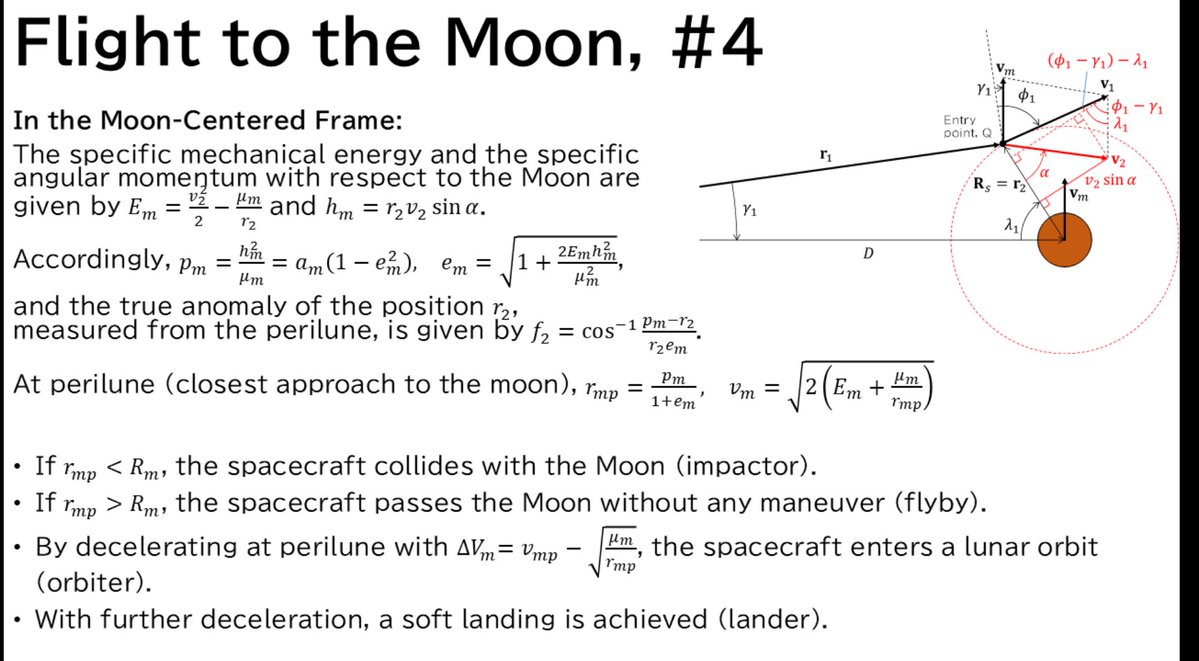
@manarmn__ I’m technically not supposed to have my slides quoted like that, but thanks for sharing them!
Since you’ve gone that far, why not add a concrete calculation example as well?
Apologies that it’s all in Japanese—just let an AI handle the translation and have fun with it.
#TMU_SSL