
NASA Goddard retweetet
NASA Goddard
25.6K posts

NASA Goddard
@NASAGoddard
Welcome to your friendly neighborhood space flight center, home to the largest community of scientists & engineers on Earth.
Greenbelt, MD USA Beigetreten Şubat 2009
144 Folgt929.5K Follower

Now, a closer look at the chemistry of the sample returned to Earth has revealed why our initial scans of Bennu didn't match the asteroid's surface. Dig into the sample: go.nasa.gov/3PeFpKJ
English
Oops! All Boulders 🪨
When OSIRIS-REx launched to obtain a sample of asteroid Bennu, we understood Bennu to have a smooth sandy surface – easy to collect. But when the spacecraft arrived, the asteroid was actually covered in large rocks, introducing unexpected challenges.
English
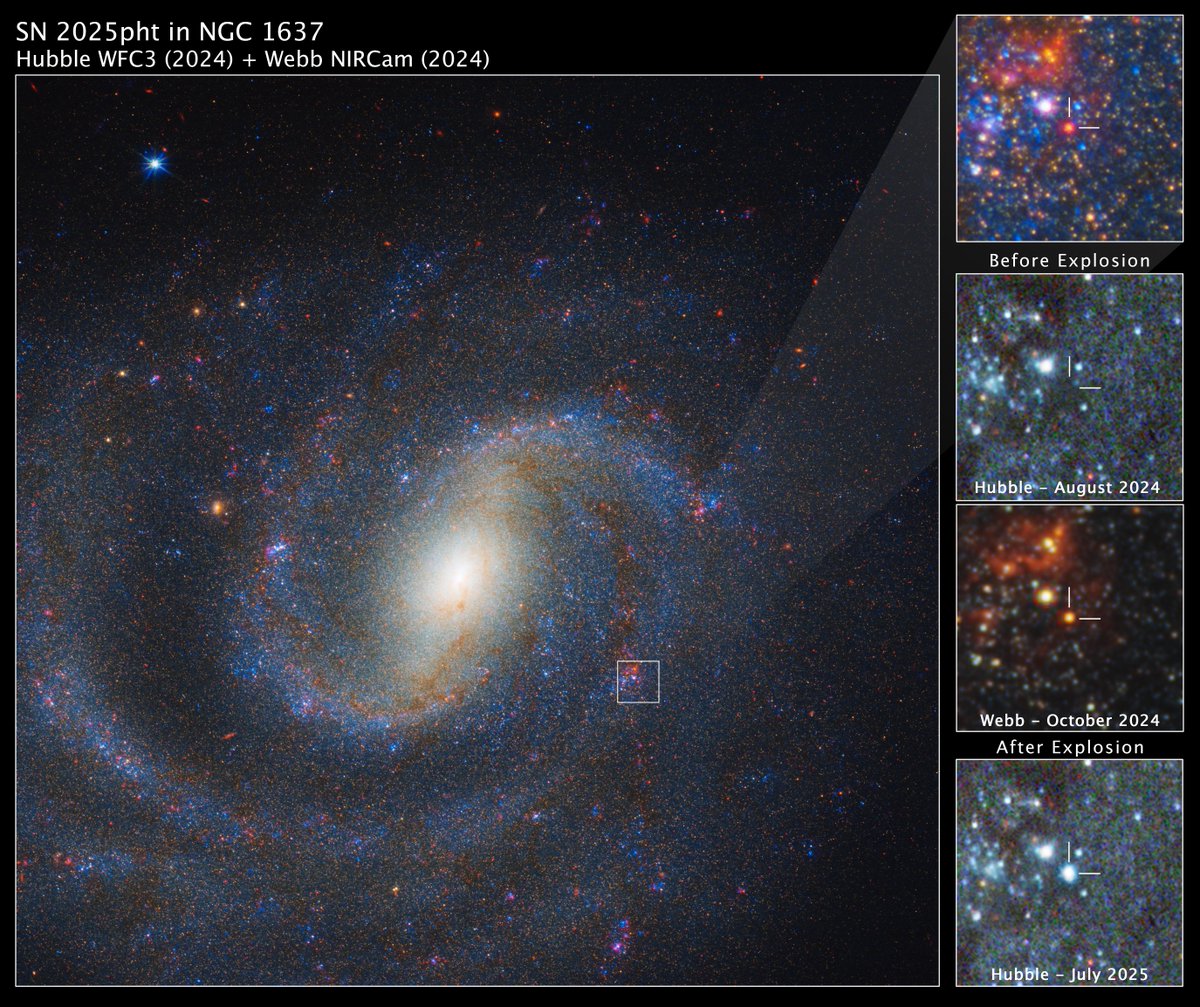
@NASAWebb Looking through previous Webb images of the region, researchers found a star where there's now a supernova. Identifying that this star went supernova & studying it with Webb's near-infrared instrument will help solve ongoing questions in astronomy.
go.nasa.gov/4rDUJ10
English
Who knew opening up would make me a headline? ✨
Astronomers identified a brand new supernova in another galaxy in June 2025 but weren't sure exactly which star had exploded. That's where @NASAWebb came in!
English
NASA Goddard retweetet

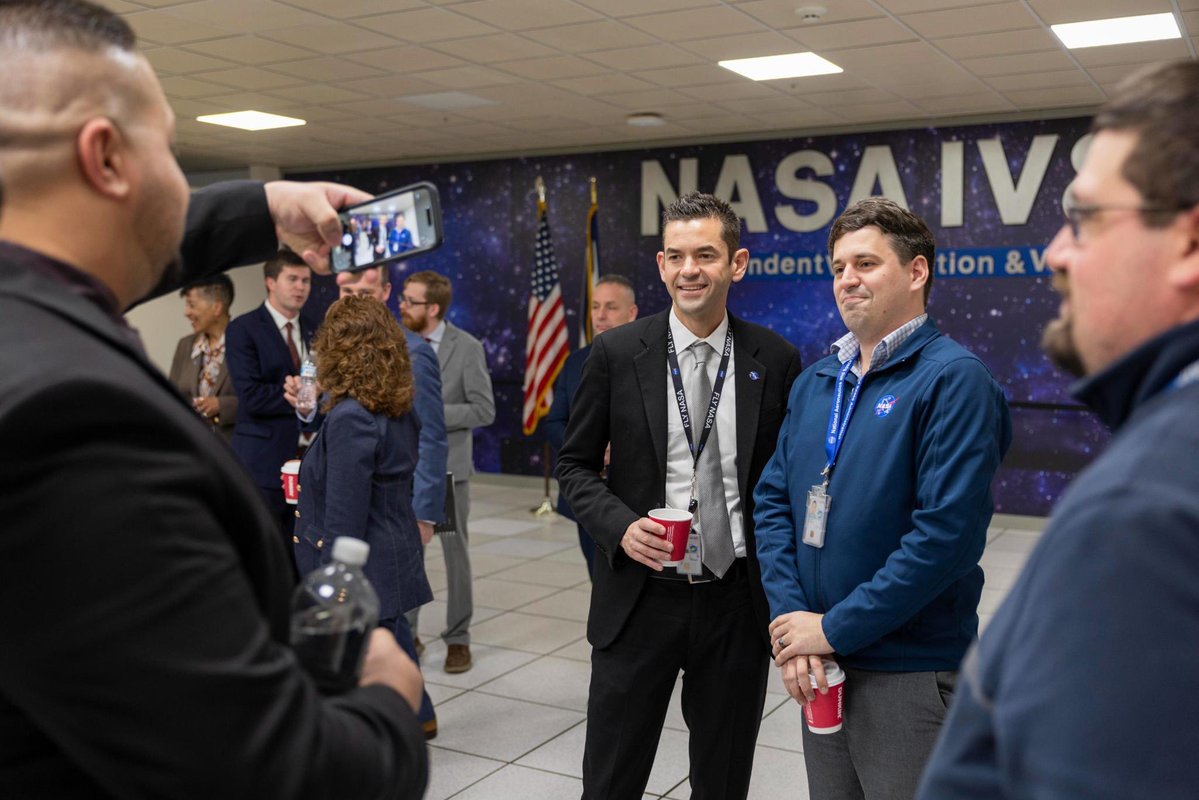
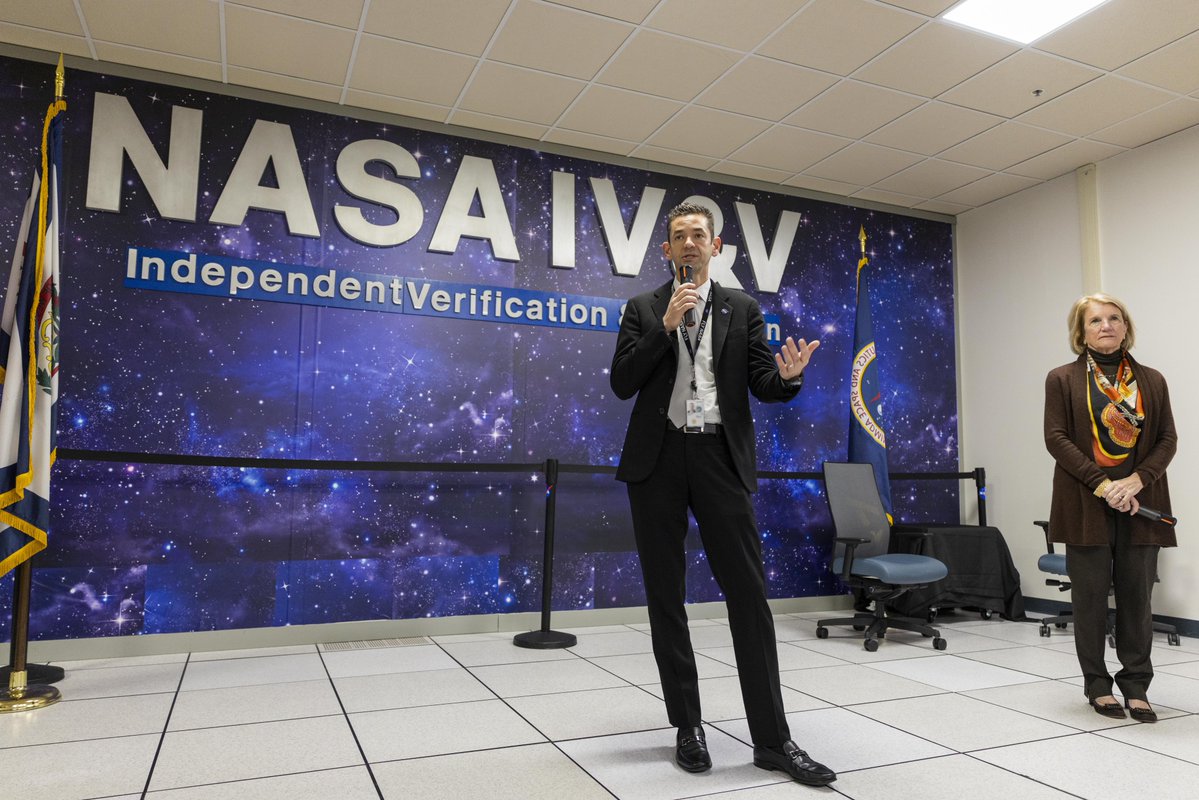
Great visiting NASA’s Independent Verification & Validation Facility in West Virginia with @SenCapito and spending time with the workforce where engineers and software experts ensure the systems behind our missions are safe, secure, and ready for flight.
Their work may happen behind the scenes, but it’s absolutely mission-critical to everything we do, from human spaceflight to deep space exploration.
Grateful to meet the team helping make NASA’s missions possible.


English
NASA Goddard retweetet

Expectation vs. Reality – asteroid style. 🤯
Add the latest findings from OSIRIS-REx to the (long) list of surprises from asteroid Bennu! Here’s how what we’ve learned is reshaping the way we read thermal clues from afar. go.nasa.gov/4lAhsJS
English
@rhodanielson364 @NASA Sorry to hear the captions aren't playing for you! Making sure to include captions is really important to us. You may need to turn the closed captions on in your X player. If that still doesn't work, the same video is available here with the captions: youtube.com/watch?v=mKS3sH…
YouTube
English
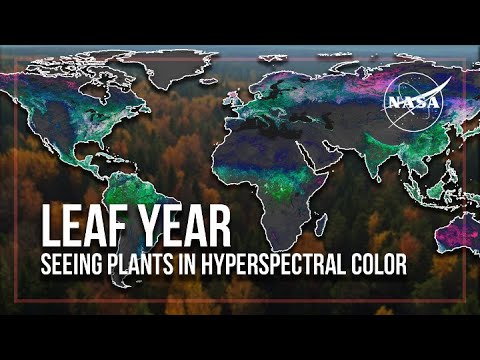
Go looking for green, and you may find the whole rainbow! 🍀🌈
@NASA's PACE satellite was designed to monitor the ocean and atmosphere, but it's giving us a whole new way to see plants on land.
English
@NASA Previous missions from space have studied chlorophyll, the pigment that makes plants green. PACE can see other pigments like those that turn leaves red and yellow in the fall, allowing scientists to monitor plant life year-round.
go.nasa.gov/4cWqBdD
English
NASA Goddard retweetet
The Artemis II crew will fly through a dangerous environment, but they’re not going it alone.
Here’s how NASA and the National Oceanic and Atmospheric Administration (NOAA) are protecting explorers from the most powerful eruptions in the solar system. 🛡️
More: go.nasa.gov/4rvmclj
English
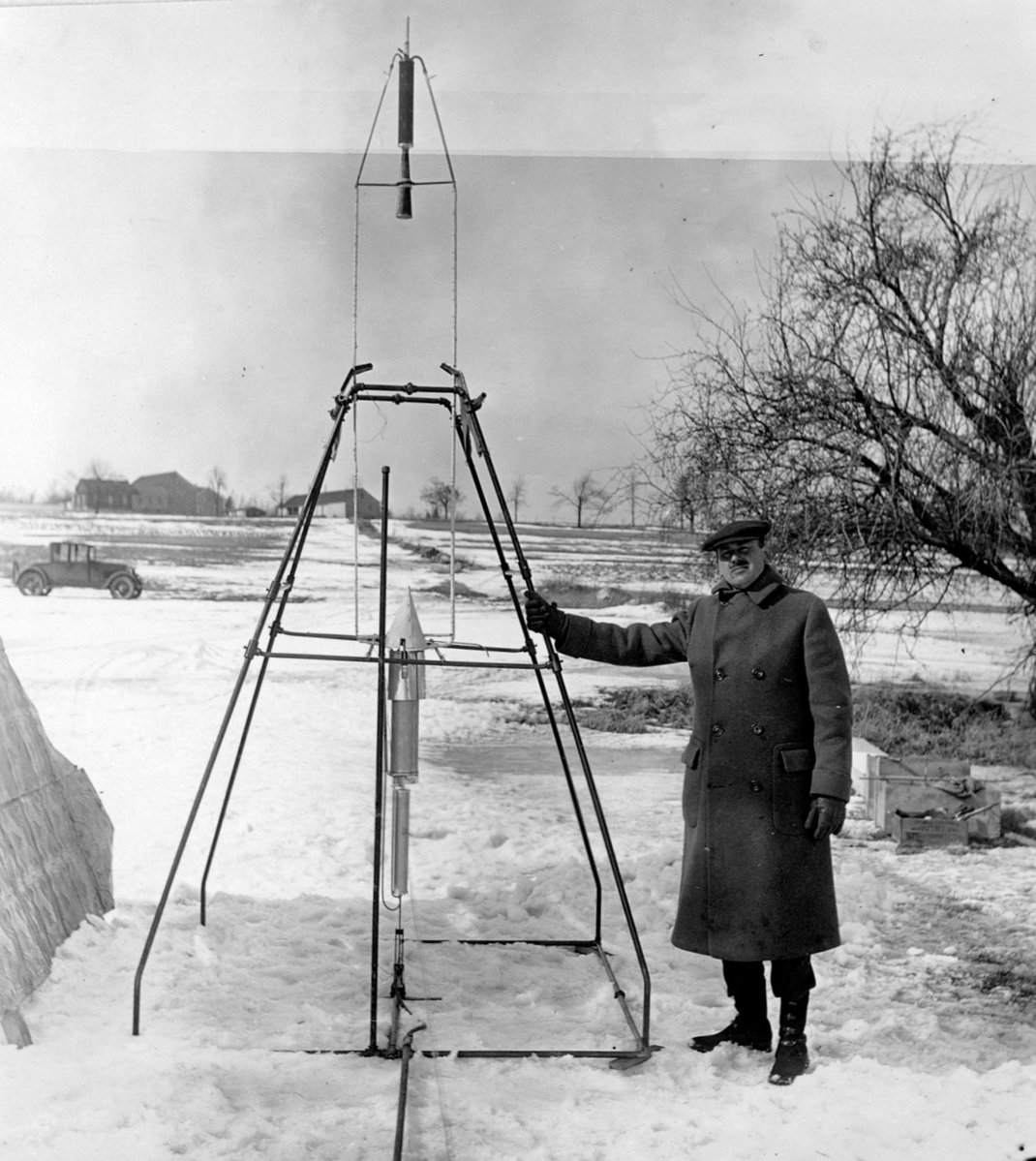
Today, we think of liquid fuel as the standard for rocket launches, even fueling the SLS preparing to send humans around the Moon. One hundred years ago, Robert Goddard launched "Nell," the very first liquid-fueled rocket to take flight.
go.nasa.gov/4bpm7cS
English
The Sun had an active February! Explore some of the month's largest flares ⬇️
English
If Pi Day's got you hungry for more than just math, grab a slice of Sun Pie!
This view of the Sun shows how monitoring different wavelengths of light allows us to peek underneath the "crust" and see changes like solar flares to better understand how they develop and change.
GIF
English
NASA Goddard retweetet

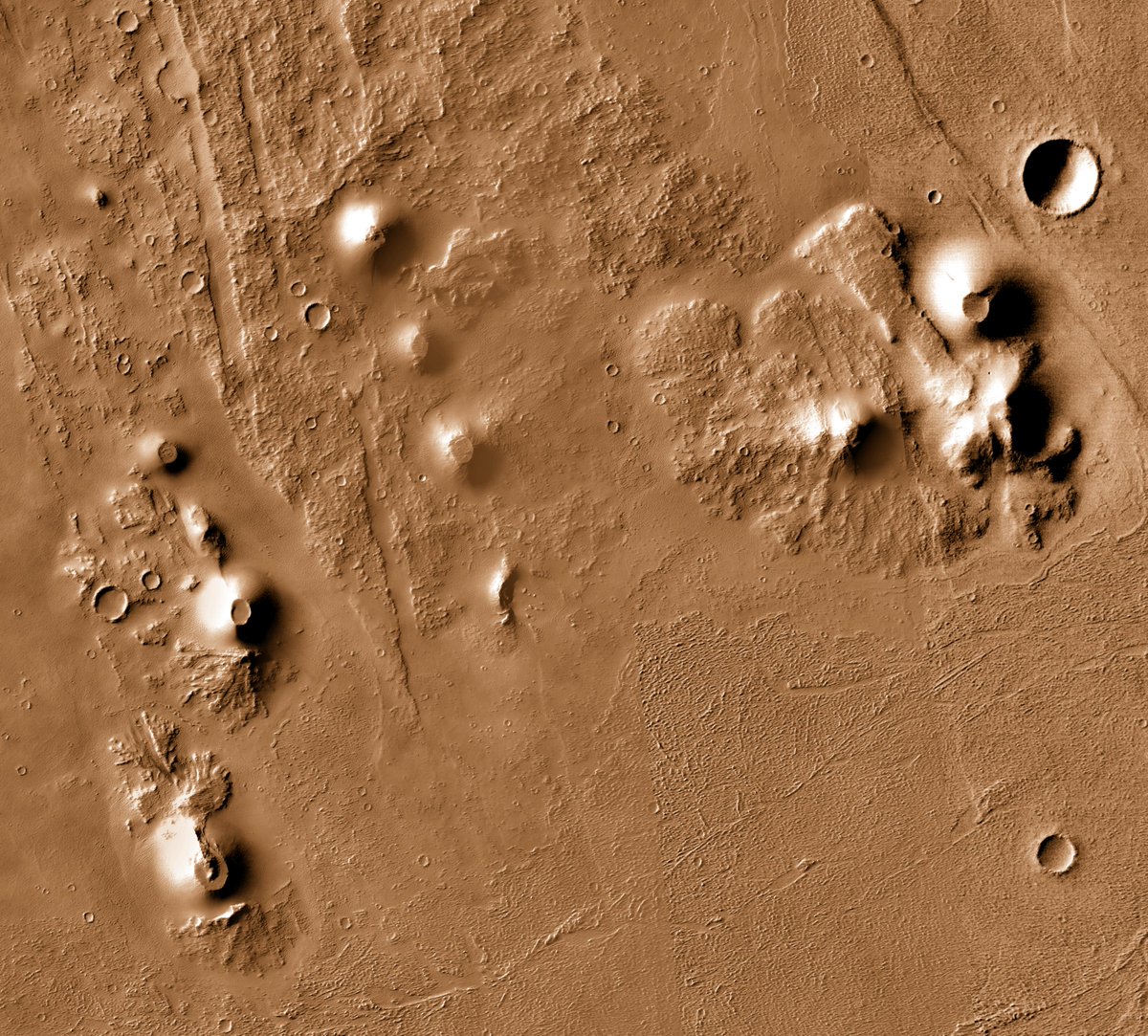
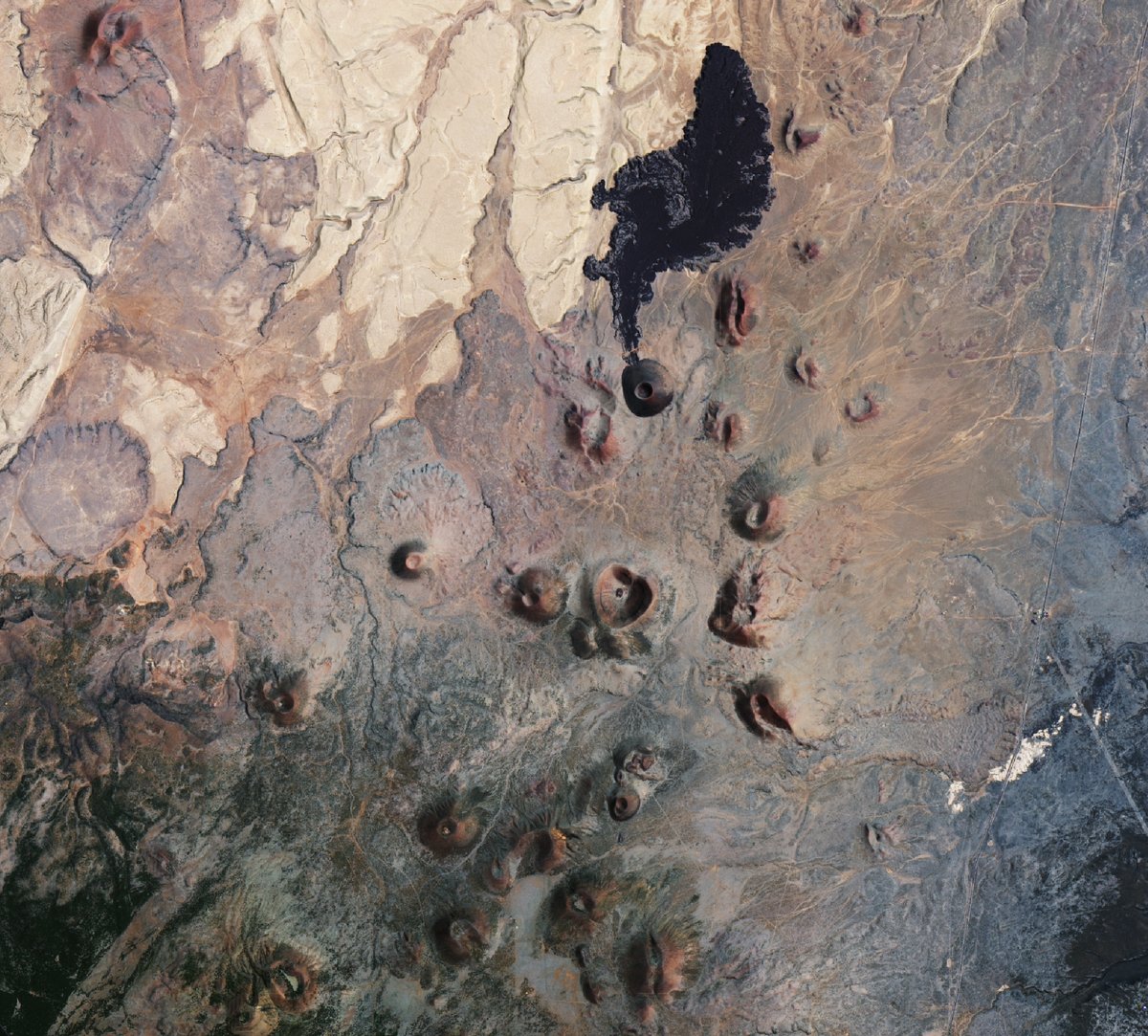
Both Earth and Mars have been shaped by volcanic activity, creating some similar geologic features on each planet.
One of these images shows Earth and the other shows Mars. Can you tell which is which? 🤔
English
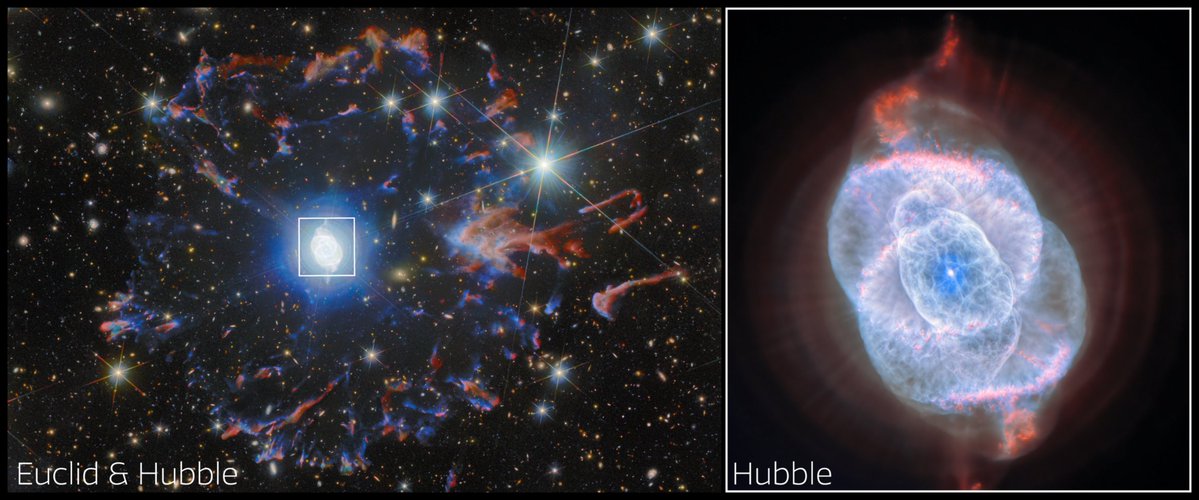
Let's take a closer look 👁️
@NASAHubble teamed up with @ESA's Euclid for a new look at the Cat's Eye Nebula. This is a planetary nebula – so-called not because of any actual planets, but because the nebulae look round like planets from a distance.
go.nasa.gov/40lGxOT
English
NASA Goddard retweetet
As iceberg A-23A has disintegrated, the berg has left chunks of ice and frigid meltwater in its wake.
The conditions fueled a phytoplankton bloom on Jan. 25, 2026 that @nasa's PACE satellite detected from space! go.nasa.gov/4s67brp
GIF
English
What in the (out of this) world does that mean?
We've got a brand new glossary of the universe, in case you also find yourself urgently needing to define "bremsstrahlung."
science.nasa.gov/universe/gloss…
English
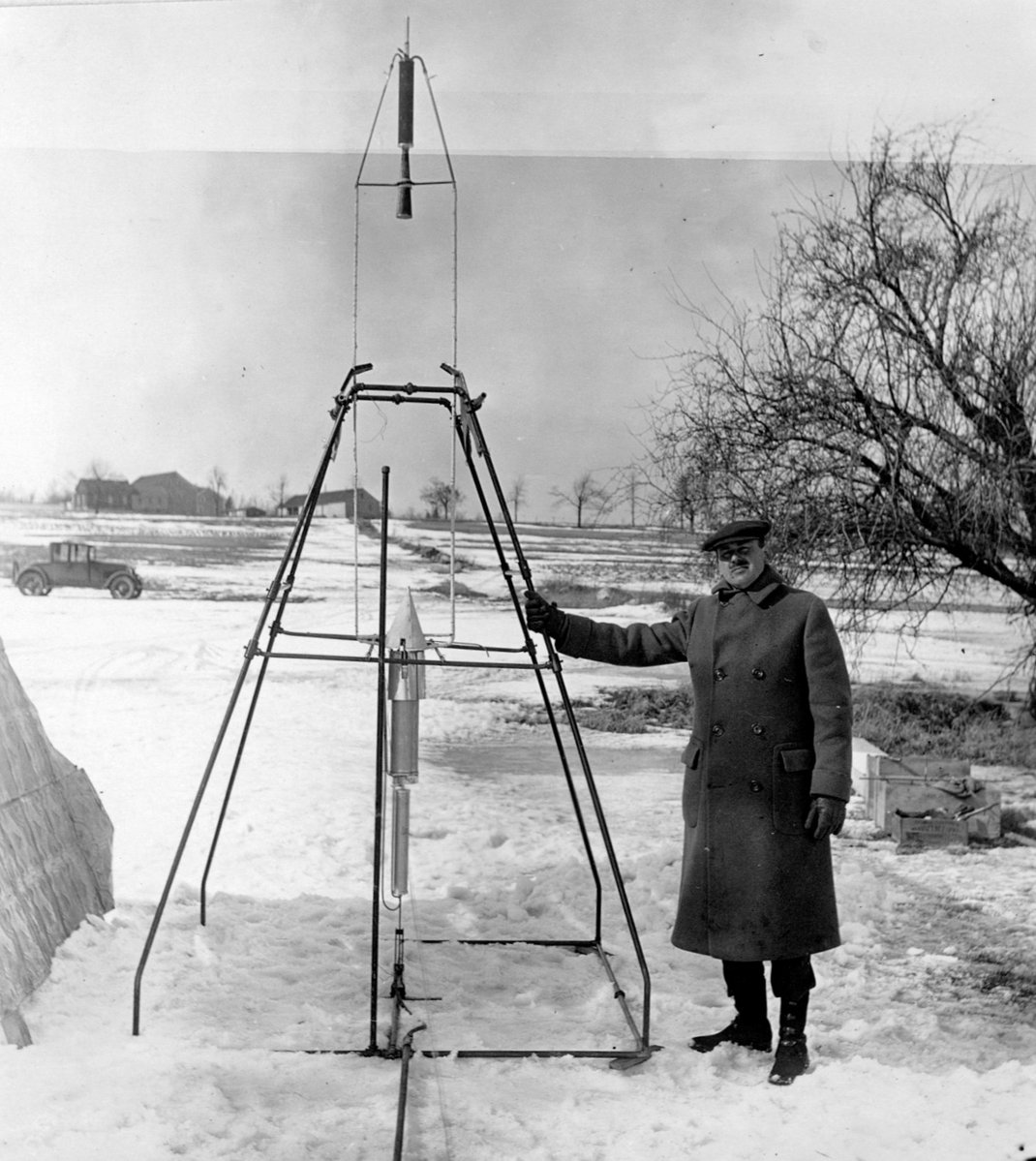
Next week, we’re celebrating 100 years of liquid-fueled rocket launches. When the namesake of our center, Robert Goddard, launched the first successful liquid-fueled rocket on March 16, 1926, it began the era of modern spaceflight.
go.nasa.gov/4aZU5pp
English
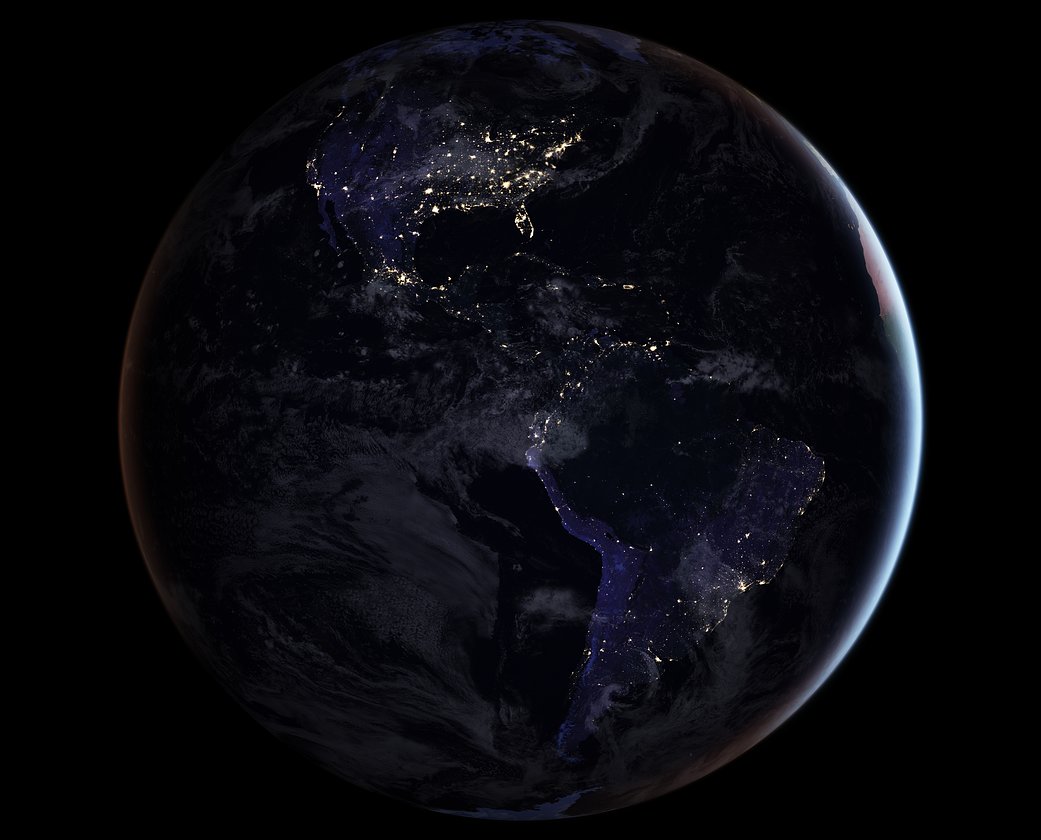
Need someone to blame for springtime misery? Look no further than ALAN*!
Researchers using @NASAEarth satellite data found that artificial lights at night (ALAN) can contribute to longer, more intense allergy seasons.
*Sorry to any Alans reading this.
go.nasa.gov/4cxLI5R
English