Dra. Paola Harwicz

7.1K posts

Dra. Paola Harwicz banner
Dra. Paola Harwicz

Dra. Paola Harwicz

@nutrienlared

Medica Especialista en Cardiología y Nutrición. MTSAC ex Directora Consejo Cardiometabolismo SAC. Expositora Vistage. Tedx Mundo de las Ideas

Argentina Beigetreten Mayıs 2010
666 Folgt6.8K Follower
Dra. Paola Harwicz
Dra. Paola Harwicz@nutrienlared·
@almucastro01 Felicitaciones @almucastro01 !!!! Merecido reconocimiento a tu esfuerzo !!! Que tengas una gran presidencia ! Lo mejor está por venir !!! Bravo!!!!
Español
0
0
0
98
Dra. Paola Harwicz retweetet
Gonzalo Perez
Gonzalo Perez@gonzaeperez·
"Relevamiento Nacional sobre el Manejo de la Obesidad en el Consultorio de Cardiología en Argentina" redcap.link/3sxibith Si eres Cardiologo de Argentina, nos interesa conocer tu opinión, la encuesta es anónima y no te llevará mas de 4 minutos responderla 🙏 @SACcardiometab1
Gonzalo Perez tweet media
Español
0
3
5
595
Pablo Corral MD
Pablo Corral MD@drpablocorral·
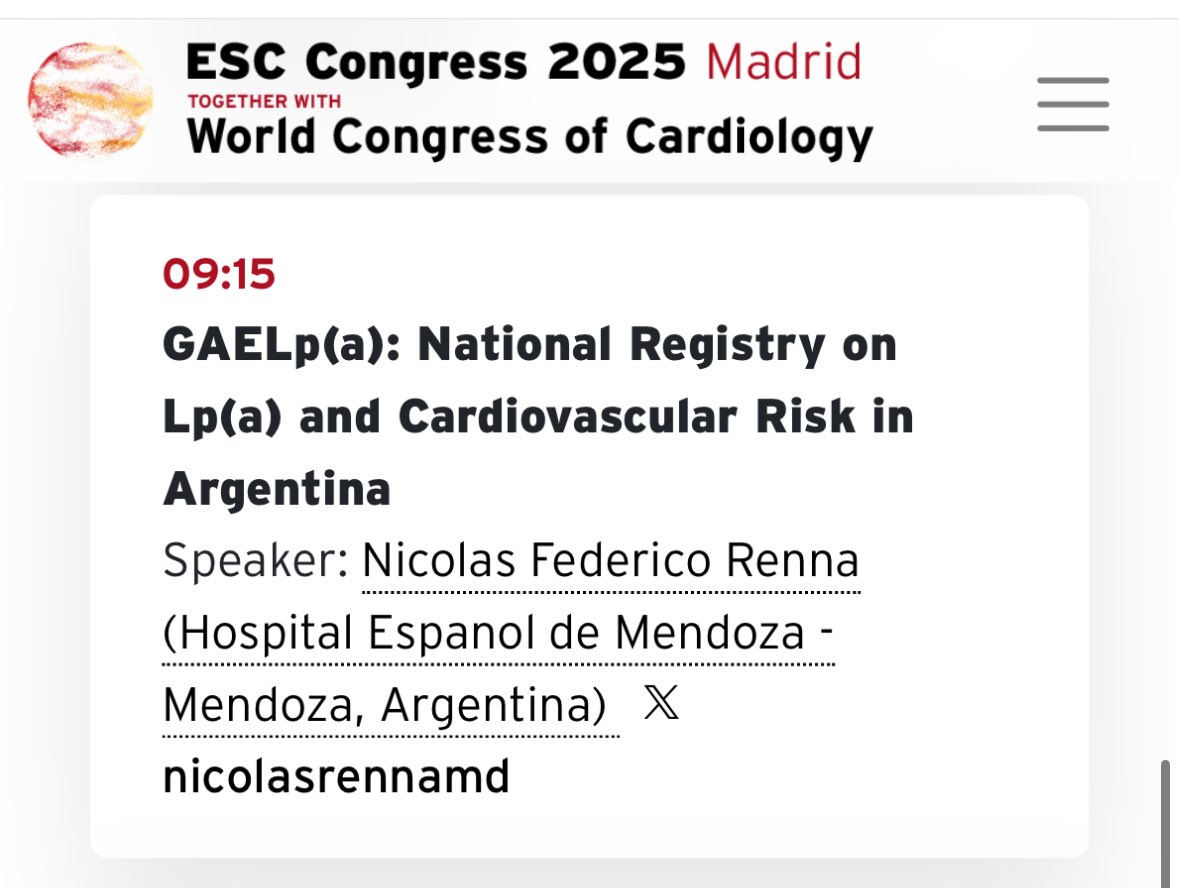
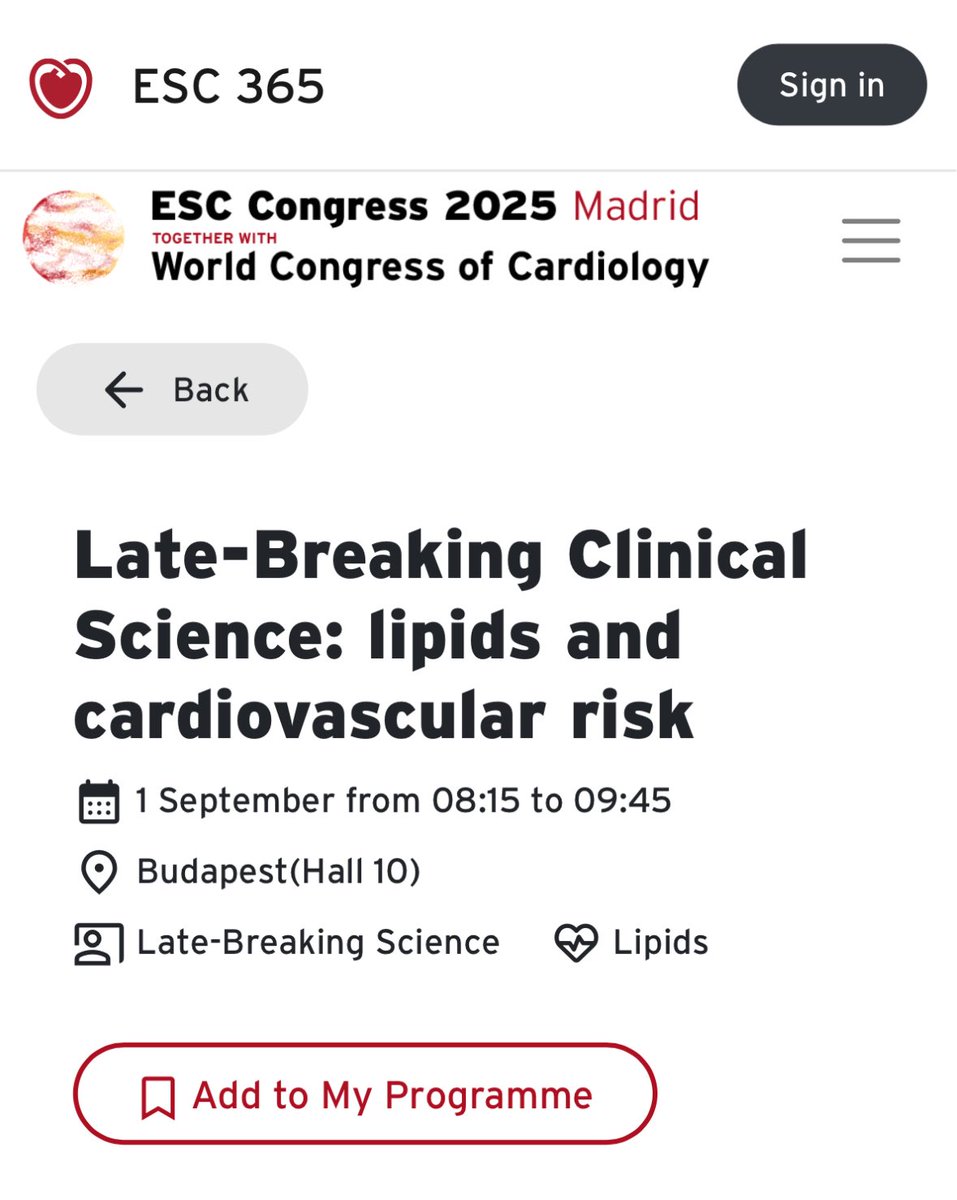
🚨 Late-Breaking Science from Argentina at ESC 2025! 🇦🇷 We are immensely proud and deeply honored to announce that our work “GAELp(a): National Registry on Lp(a) and Cardiovascular Risk in Argentina” has been selected as part of the Late-Breaking Clinical Science: Lipids and Cardiovascular Risk session at the upcoming ESC Congress 2025 in Madrid. 📍 September 1st | 09:15 AM | Budapest Hall (Hall 10), IFEMA Madrid This milestone highlights the dedication of our national research network and reinforces the global relevance of investigating lipoprotein(a) as a key cardiovascular risk factor in Latin America. 💡 The GAELp(a) Registry represents a major step forward in understanding Lp(a) in real-world clinical practice across Argentina. 🎙️ Speaker: Dr. Nicolás Federico Renna (Hospital Español de Mendoza) #ESC2025
Pablo Corral MD tweet mediaPablo Corral MD tweet media
English
5
8
35
2.8K
Dra. Paola Harwicz retweetet
Gonzalo Perez
Gonzalo Perez@gonzaeperez·
CAFÉ ☕️ Y RIESGO CARDIOVASCULAR 🫀 Estudios observacionales encontraron que el consumo moderado de café tiene asociación con: ⬇️Riesgo de HTA, Diabetes, stroke, enf. coronaria y FA ⬆️Riesgo de extrasístoles ventriculares y dislipemia #Cafe academic.oup.com/eurheartj/adva…
Gonzalo Perez tweet media
Español
2
22
53
4.6K
Dra. Paola Harwicz retweetet
Pablo Corral MD
Pablo Corral MD@drpablocorral·
🚨 Coming soon in @ATHjournal ! A powerful new review explores the link between adipose tissue dysfunction and atherosclerosis, shedding light on innovative therapies. This comprehensive review explores the complex interplay between adipose tissue dysfunction and atherosclerosis, emphasizing the role of chronic inflammation, oxidative stress, and dysregulated adipokine signaling. A major section of the article highlights the therapeutic potential of SGLT2 inhibitors (SGLT2i) beyond glycemic control. Key Points on SGLT2i and Cardiovascular Benefits: 1⃣Anti-inflammatory action: SGLT2i reduce inflammatory cytokines in adipose tissue, mitigating one of the root causes of atherosclerosis. 2⃣Improved adipose tissue function: These agents promote the browning of white adipose tissue and enhance mitochondrial efficiency, leading to better metabolic profiles. 3⃣Cardiovascular outcomes: The article reinforces that SGLT2i significantly lower the incidence of major adverse cardiovascular events (MACE), heart failure hospitalization, and cardiovascular mortality in patients with type 2 diabetes and high CV risk. 4⃣Mechanistic insights: The cardiovascular protection may be partially attributed to SGLT2i’s effects on endothelial function, blood pressure reduction, and decreased arterial stiffness—benefits that extend beyond glucose lowering. Conclusion: The article underscores the evolving role of SGLT2 inhibitors as a cornerstone in the prevention of atherosclerotic complications, particularly in patients with metabolic syndrome or type 2 diabetes, and emphasizes their value in addressing the inflammatory and metabolic derangements of dysfunctional adipose tissue. @society_eas atherosclerosis-journal.com/article/S0021-…
Pablo Corral MD tweet media
English
4
21
76
7K
Dra. Paola Harwicz retweetet
Gonzalo Perez
Gonzalo Perez@gonzaeperez·
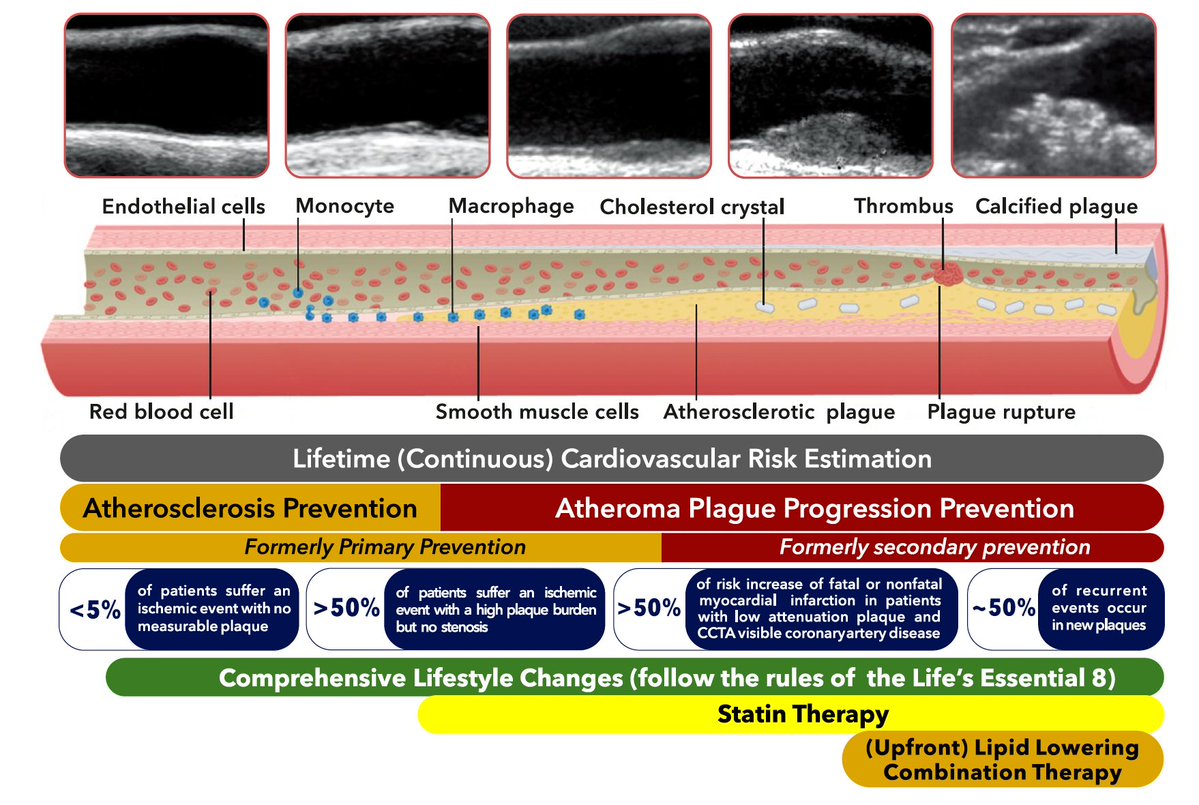
ESTRATIFICACIÓN DE RIESGO Y MANEJO SEGÚN ESTADÍO DE ATEROSCLEROSIS -Cuándo vemos la placa calcificada en un estudio de imagen ya llegamos demasiado tarde🙄 -50% tiene eventos isquémicos sin placa, o con placa pero sin estenosis 😖 academic.oup.com/cardiovascres/…
Gonzalo Perez tweet media
Español
3
50
89
4.7K
Gonzalo Perez
Gonzalo Perez@gonzaeperez·
CANNABIS Y EVENTOS CARDIOVASCULARES 🫀 Estudio retrospectivo de >4.6 mill 👥 CANNABIS 🆚 NO CONSUMIDORES Los Consumidores de Cannabis tuvieron a 5 años: 🔴 5 veces ➕ riesgo de IAM 🔴4 veces ➕riesgo stroke 🔴3 veces ➕ riesgo MACE 🔴2 veces ➕riesgo IC Vía @JACCJournals
Gonzalo Perez tweet media
Español
9
82
183
18.8K
Dra. Paola Harwicz retweetet
Pablo Corral MD
Pablo Corral MD@drpablocorral·
One of the worst things for science is when a leading journal like @JACCJournals publishes a manuscript so devoid of ethical and scientific rigor. The responsible action would be to retract it and issue a public apology. Anything less is a disservice to the medical community.
Michael Albert, MD@MichaelAlbertMD

🚨 KETO-CTA: A Teachable Moment in Scientific Transparency - - - What happens when a highly publicized study FAILS to report its primary outcome? The KETO-CTA study, designed to evaluate the impact of diet-induced hypercholesterolemia on coronary plaque progression, has sparked interest—and concern. Despite preregistering % change in non-calcified plaque volume (ΔNCPV) as the primary endpoint (see image below), the investigators did not report this outcome directly in the manuscript. Instead, results appeared later...in a social media meme. 🔍 Why it matters: Non-calcified plaque progression is not a trivial metric—it’s the most relevant measure of early atherosclerotic risk. In KETO-CTA, ΔNCPV was +18.8 mm³ in one year (according to the lead investigator--see below), a rate typically associated with much higher-risk cohorts (e.g., familial hypercholesterolemia or diabetes). This was a study of supposedly "low-risk" individuals. 📉 Additional limitations include: 🔹 Short follow-up (1 year): Too brief to reliably detect meaningful progression in low-risk populations. Most longitudinal plaque imaging studies span 3–6 years. 🔹 Lack of control group: No comparator arm to contextualize imaging findings or isolate effects of diet-induced hypercholesterolemia. 🔹 Historical controls misapplied: Cross-study comparisons without accounting for differences in baseline risk, imaging protocols, or statistical methods. 🧠 This isn’t just about one study. When primary outcomes vanish from manuscripts, it erodes trust. When clinical implications are downplayed, we risk misleading patients. The duty to report results transparently isn't optional—it’s foundational to scientific integrity. Let’s be clear: ketogenic diets may offer benefits in select cases. But studies evaluating their cardiometabolic effects must be held to the same rigorous standards applied to all clinical research. In this case, the investigators appear to have fallen short—and possibly engaged in selective or misleading reporting to obscure unfavorable outcomes. 📣 We need better, not louder. We need data, not dodges. Most importantly, we need to treat scientific integrity as non-negotiable. STUDY: jacc.org/doi/10.1016/j.… #EvidenceBasedMedicine #KetoCTA #Cardiology #ResearchEthics #ScientificIntegrity #PreventiveCardiology

English
21
23
139
45.9K
Dra. Paola Harwicz retweetet
Michael Albert, MD
Michael Albert, MD@MichaelAlbertMD·
🚨 KETO-CTA: A Teachable Moment in Scientific Transparency - - - What happens when a highly publicized study FAILS to report its primary outcome? The KETO-CTA study, designed to evaluate the impact of diet-induced hypercholesterolemia on coronary plaque progression, has sparked interest—and concern. Despite preregistering % change in non-calcified plaque volume (ΔNCPV) as the primary endpoint (see image below), the investigators did not report this outcome directly in the manuscript. Instead, results appeared later...in a social media meme. 🔍 Why it matters: Non-calcified plaque progression is not a trivial metric—it’s the most relevant measure of early atherosclerotic risk. In KETO-CTA, ΔNCPV was +18.8 mm³ in one year (according to the lead investigator--see below), a rate typically associated with much higher-risk cohorts (e.g., familial hypercholesterolemia or diabetes). This was a study of supposedly "low-risk" individuals. 📉 Additional limitations include: 🔹 Short follow-up (1 year): Too brief to reliably detect meaningful progression in low-risk populations. Most longitudinal plaque imaging studies span 3–6 years. 🔹 Lack of control group: No comparator arm to contextualize imaging findings or isolate effects of diet-induced hypercholesterolemia. 🔹 Historical controls misapplied: Cross-study comparisons without accounting for differences in baseline risk, imaging protocols, or statistical methods. 🧠 This isn’t just about one study. When primary outcomes vanish from manuscripts, it erodes trust. When clinical implications are downplayed, we risk misleading patients. The duty to report results transparently isn't optional—it’s foundational to scientific integrity. Let’s be clear: ketogenic diets may offer benefits in select cases. But studies evaluating their cardiometabolic effects must be held to the same rigorous standards applied to all clinical research. In this case, the investigators appear to have fallen short—and possibly engaged in selective or misleading reporting to obscure unfavorable outcomes. 📣 We need better, not louder. We need data, not dodges. Most importantly, we need to treat scientific integrity as non-negotiable. STUDY: jacc.org/doi/10.1016/j.… #EvidenceBasedMedicine #KetoCTA #Cardiology #ResearchEthics #ScientificIntegrity #PreventiveCardiology
Michael Albert, MD tweet mediaMichael Albert, MD tweet mediaMichael Albert, MD tweet mediaMichael Albert, MD tweet media
English
24
61
279
61.7K
Dra. Paola Harwicz retweetet
Gonzalo Perez
Gonzalo Perez@gonzaeperez·
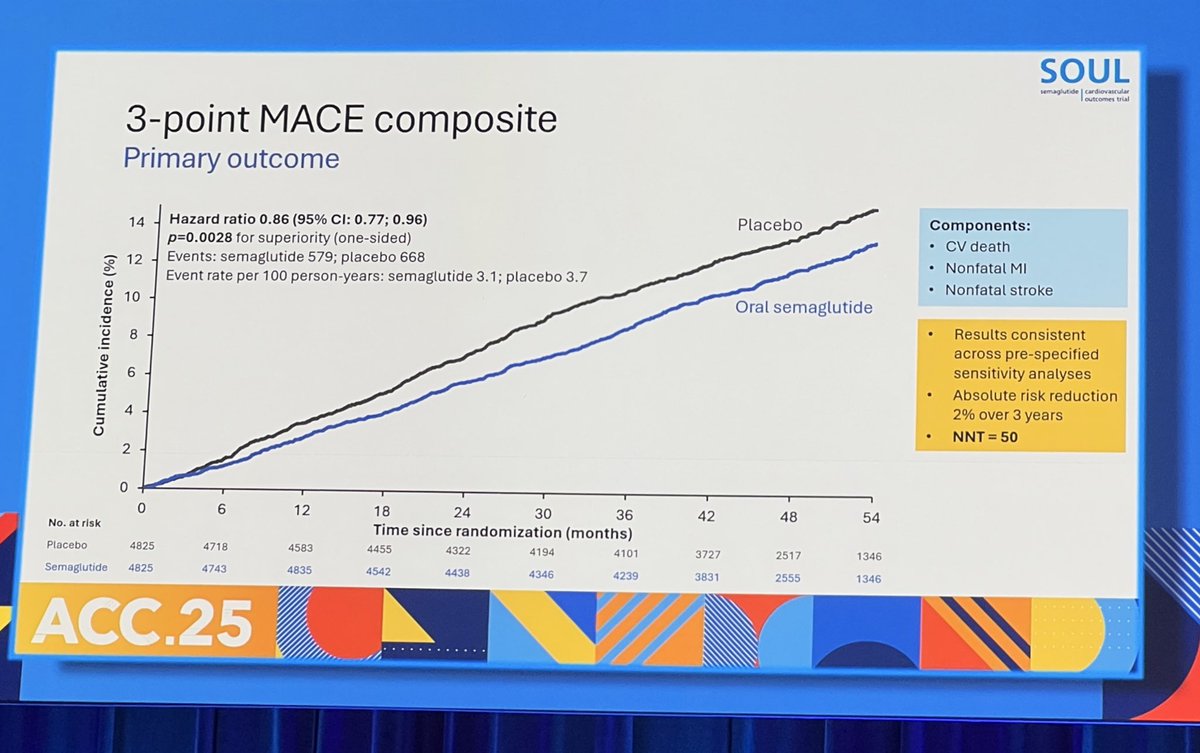
#ACC25 SOUL trial 🔴RCT 9656 👥 DBT2 y Enf CV y/o renal 🔴#Semaglutide #oral 🆚 placebo demostró ⬇️del punto final 3 MACE NNT 50 🔴Primer GLP1a oral con beneficio CV demostrado
Gonzalo Perez tweet mediaGonzalo Perez tweet mediaGonzalo Perez tweet mediaGonzalo Perez tweet media
Español
0
14
37
4K
Dra. Paola Harwicz retweetet
Pablo Corral MD
Pablo Corral MD@drpablocorral·
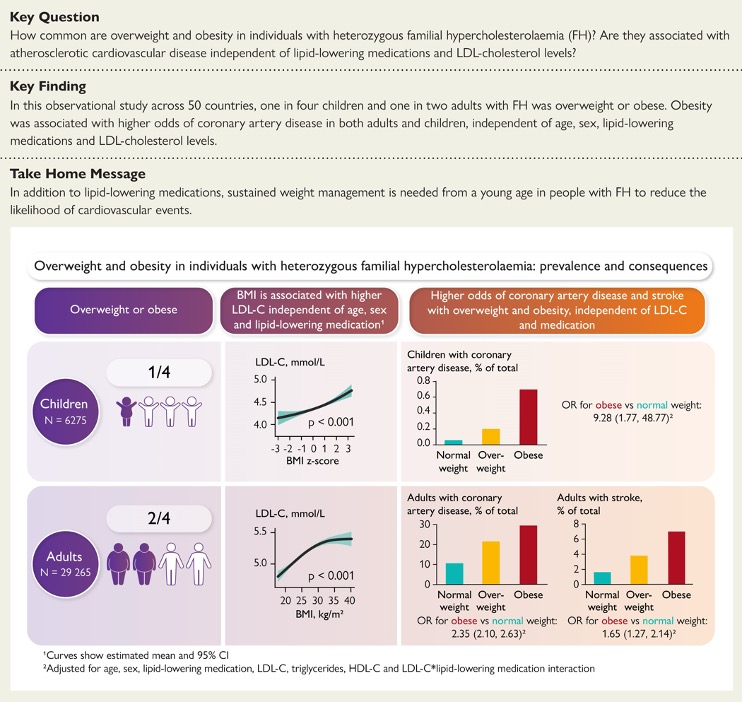
👉 Overweight, obesity, and CVD in heterozygous familial hypercholesterolaemia: the EAS FH Studies Collaboration registry ☝️ The data from 6275 children and 29 265 adults provide evidence that obesity is common in those with HeFH and is associated with a more severe hyperlipidaemia phenotype and greater likelihood of ASCVD from childhood. Given their already augmented risk of ASCVD, patients with FH should be prioritized from the point of FH diagnosis for intensive lifestyle management aimed at maintaining a healthy weight, to reduce their lifetime risk of CVD events. A holistic approach, integrating body weight management with LDL-C-lowering treatments, should be used to improve cardiovascular outcomes in people with FH Another great publication from the @fhscglobal led by @ProfKausikRay 🔓Open Access academic.oup.com/eurheartj/adva… @society_eas @ehj_ed @escardio
Pablo Corral MD tweet media
English
0
12
27
2K
Dra. Paola Harwicz retweetet
Juan Camilo Mesa
Juan Camilo Mesa@ElNutriDice·
🚨Se publicaron las nuevas guías de cuidado de la diabetes de la Asociación Americana de Diabetes 2025. 👉🏽¿Qué recomendaciones dan en relación con alimentación y nutrición? ¿Qué dijeron sobre el "peligrosísimo" pan? Va hilo🧵...
Juan Camilo Mesa tweet media
Español
18
378
1.3K
133.3K
Dr Paddy Barrett
Dr Paddy Barrett@Paddy_Barrett·
Given enough time, we will all likely develop: • Cardiovascular Disease • Cancer • Dementia BUT..... Those who live to >100 develop these conditions 20 - 25 years later than everyone else. This is the key to living longer 📕Make Sure To Bookmark✅ 🧵👇. /1
Dr Paddy Barrett tweet media
English
4
18
150
45.4K
Pablo Corral MD
Pablo Corral MD@drpablocorral·
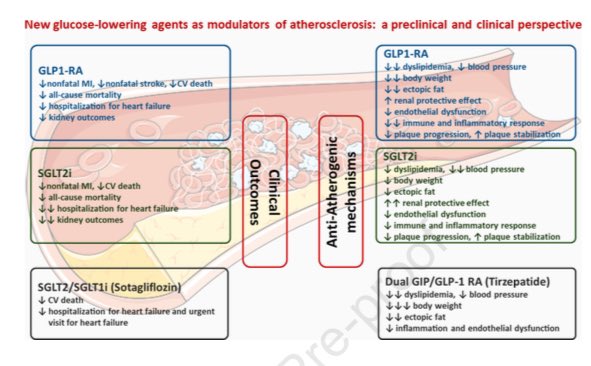
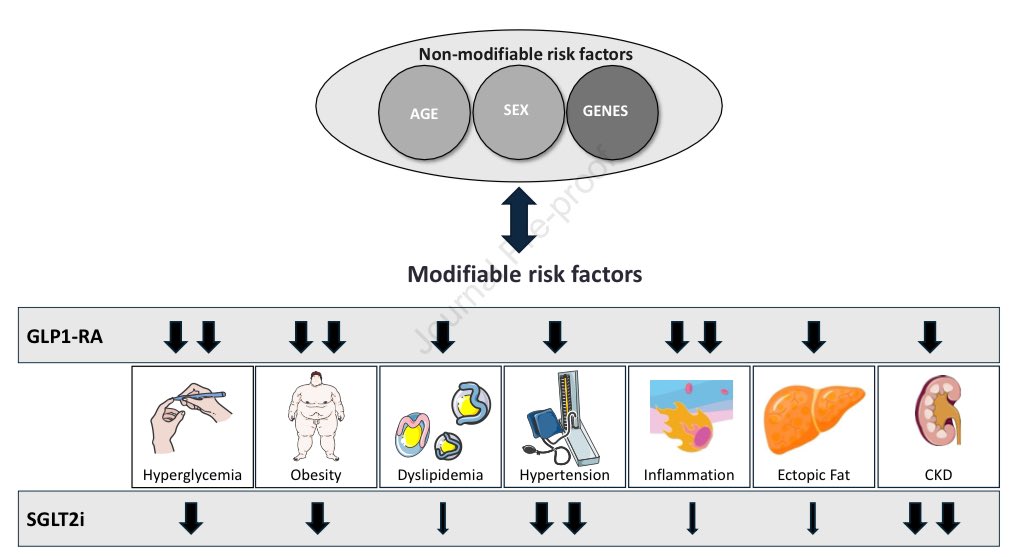
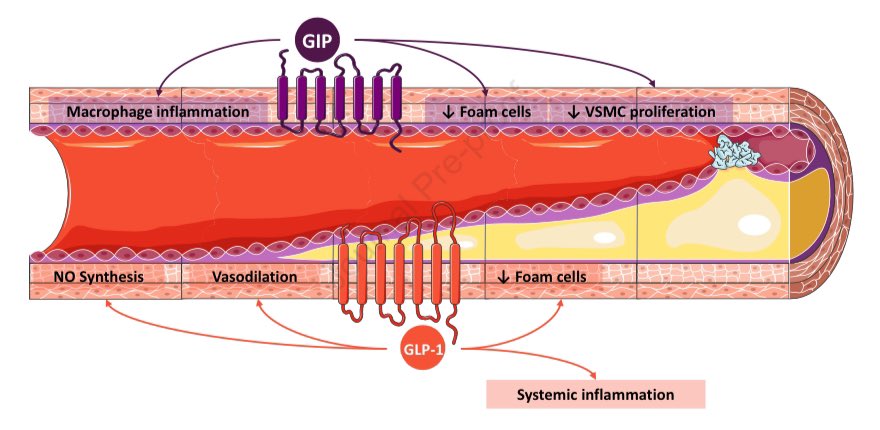
👉The current landscape for diabetes treatment: Preventing diabetes-associated CV risk 👏A must read manuscript 1️⃣ Subjects with type 2 diabetes have a substantial excess of atherosclerotic cardiovascular disease (ASCVD)-related events.

2️⃣ The understanding of the pathogenetic mechanisms of atherosclerosis is critical for improving clinical outcomes.

3️⃣ Multiple CVOTs with GLP-1 RA and SGLT2i have demonstrated significant reduction of the risk of ASCVD in type 2 diabetes.

4️⃣Early use of these drugs offers the opportunity to rate of CV events closer to that of nondiabetic subjects. atherosclerosis-journal.com/article/S0021-… @society_eas @ATHjournal
Pablo Corral MD tweet mediaPablo Corral MD tweet mediaPablo Corral MD tweet mediaPablo Corral MD tweet media
Mar del Plata, Argentina 🇦🇷 English
10
46
153
17.1K