Atherosclerosis

3.2K posts

Atherosclerosis banner
Atherosclerosis

Atherosclerosis

@ATHjournal

Official account of #Atherosclerosis, the Journal of the European Atherosclerosis Society @society_eas 🫀

Katılım Mart 2019
3.9K Takip Edilen7.3K Takipçiler
Atherosclerosis retweetledi
Pablo Corral MD
Pablo Corral MD@drpablocorral·
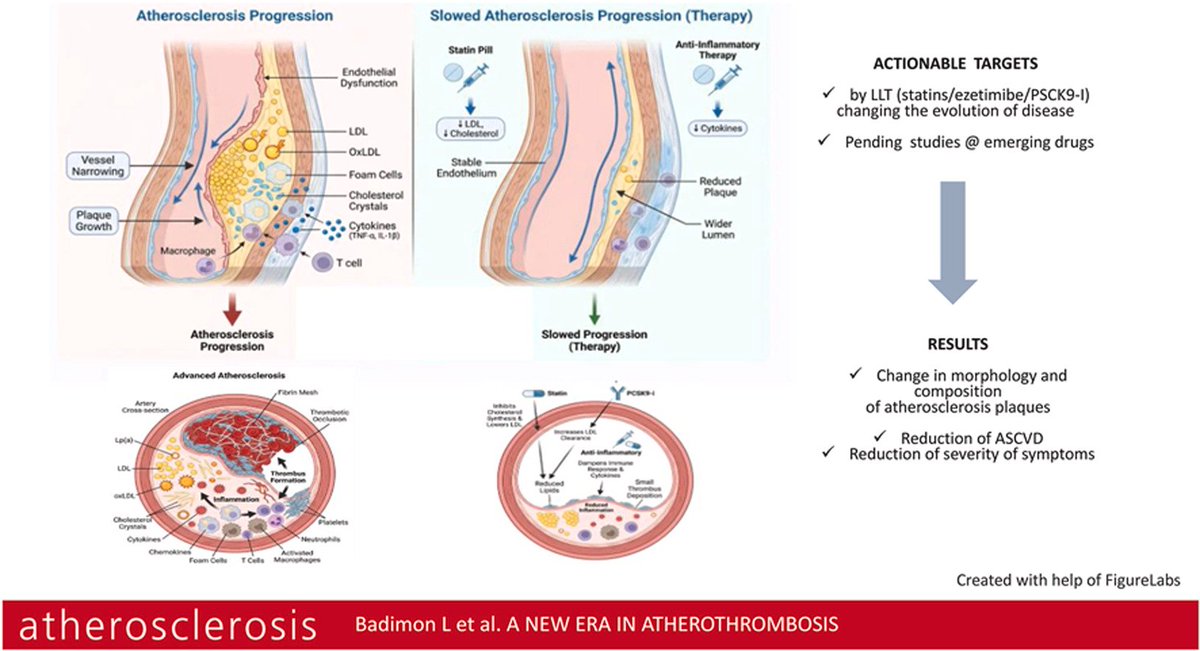
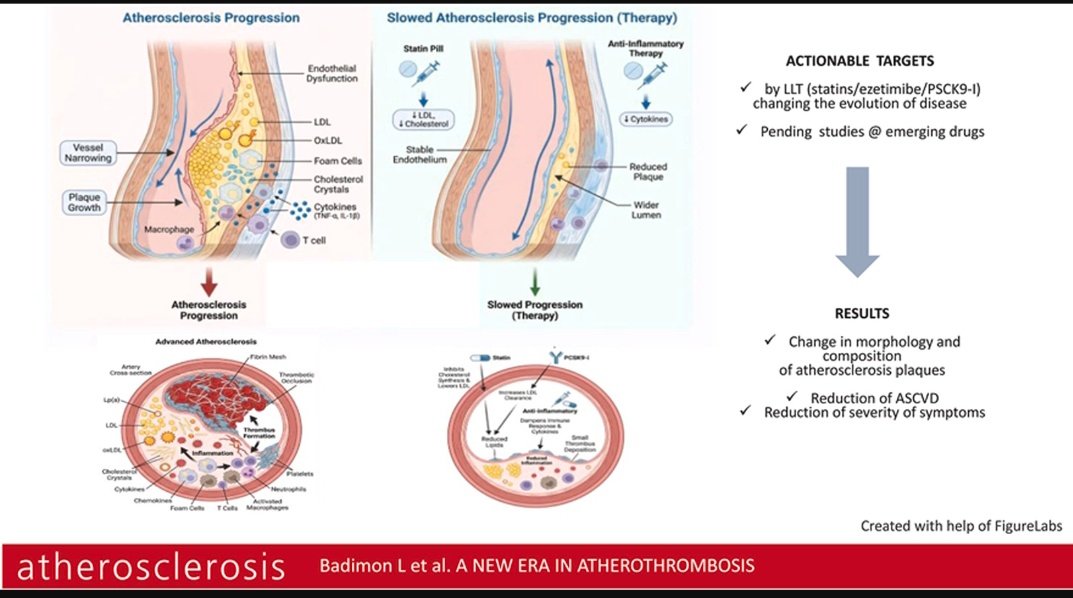
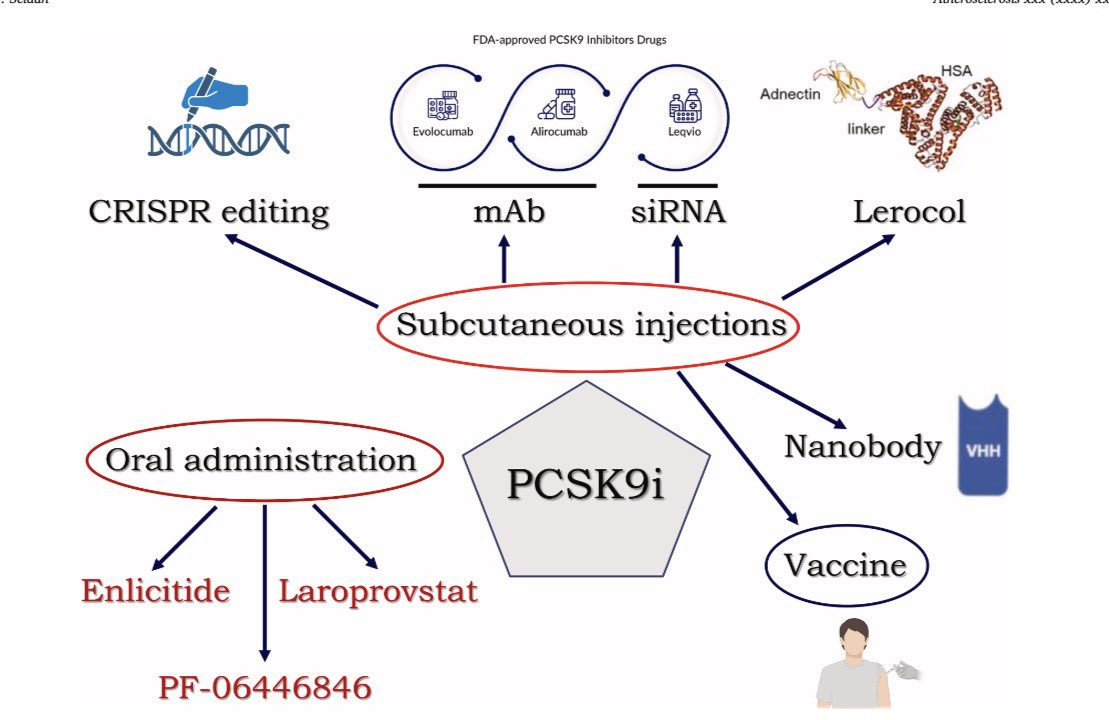
👉 The evolving therapeutic landscape of PCSK9 inhibition 📍 Key takeaways from this timely review: 1️⃣ PCSK9 is now a fully validated therapeutic target Genetic loss-of-function variants translate into lifelong LDL-C reduction and markedly lower ASCVD risk — the ultimate proof-of-concept for intervention. 2️⃣ LDL-C lowering remains the cornerstone of CV prevention Despite statins and ezetimibe, real-world gaps in target attainment persist — reinforcing the need for additional, potent lipid-lowering strategies. 3️⃣ Therapeutic innovation is accelerating — fast The field has moved beyond monoclonal antibodies to: – siRNA therapies (e.g., hepatic PCSK9 silencing) – Oral small-molecule inhibitors – Binding proteins/adnectins – Gene-editing platforms with potential one-time treatment effects 4️⃣ Clinical efficacy is robust and consistent Across modalities, LDL-C reductions typically range ~50–60%, enabling many patients to finally reach guideline-recommended targets. 5️⃣ Outcome data continue to expand Landmark CVOTs (FOURIER, ODYSSEY OUTCOMES, VESALIUS-CV, among others) confirm that PCSK9 inhibition is not just lipid-lowering — it is event-lowering. 6️⃣ Beyond LDL-C: residual risk modulation PCSK9 inhibition also reduces Lp(a) (~20–30%) and remnant lipoproteins — opening doors for broader risk modification. 7️⃣ Future indications are already emerging Early ACS use, primary prevention in high-risk patients, and even exploratory roles in inflammation, sepsis, and oncology are under investigation. 8️⃣ Access remains the Achilles’ heel Cost and prescribing inertia still limit global implementation — particularly in low- and middle-income settings. 📍 Bottom line: PCSK9 inhibition has evolved from a monoclonal antibody story into a multi-platform therapeutic ecosystem — with the potential to redefine how, when, and how aggressively we lower atherogenic lipoproteins. 🔗 Open Access doi.org/10.1016/j.athe… @society_eas @ATHjournal
Pablo Corral MD tweet media
English
6
24
65
3.8K
Atherosclerosis retweetledi
Dr. Filippo Cademartiri
Dr. Filippo Cademartiri@FCademartiri·
🪨🫀 Seventeen years to change practice: will the 2025 ESC/EAS lipid guidelines finally move the needle? This 2026 Atherosclerosis state-of-the-art review by Ray & Kronenberg asks a blunt question many clinicians quietly share: why does it take nearly two decades for lipid guidelines to meaningfully change real-world care—and will 2025 be different? 🧠 What’s genuinely new in 2025 The update modernizes lipid care in important ways: 📊 SCORE2 & SCORE2-OP now include fatal + non-fatal events and extend risk prediction up to age 89, correcting long-standing underestimation in women and younger adults 🧪 Non–HDL-C replaces total cholesterol, a biologically smarter move 💊 Expanded therapies: bempedoic acid, evinacumab, clearer positioning of icosapent ethyl 🚑 Acute coronary syndrome care flips the script: early, upfront combination therapy instead of slow stepwise escalation 🧬 Universal Lp(a) testing once in adulthood—finally explicit, finally serious ⚠️ But the Sisyphean problem remains The authors are unsparing about what still holds us back: Guidelines assume monotherapy first, despite clear evidence that 50–80% of high-risk patients need combination therapy from day one Persistent inconsistencies across ESC documents (prevention, diabetes, dyslipidaemia) Risk thresholds remain arbitrary, short-term, and poorly aligned with lifetime risk Above all: implementation failure—evidence moves fast, practice crawls 🧠 The real insight This is not a science problem. It’s an implementation science failure. Publishing better guidelines without embedding behavioral change, digital tools, feedback loops, and system-level incentives simply restarts the 17-year cycle. 🔮 Bottom line The 2025 ESC/EAS update is scientifically stronger, more modern, and more honest than its predecessors. But unless guidelines are designed for how clinicians actually work, the rock will keep rolling back downhill. 👉 The question is no longer what we recommend. 🧭 It’s how we make it happen—this time faster than 17 years.
Dr. Filippo Cademartiri tweet media
English
2
24
83
6K
Atherosclerosis retweetledi
Diario Médico
Diario Médico@diariomedico·
#Medicina de Familia |📢 Los profesionales de la #atención primaria pueden y deben detectar la #hipercolesterolemia familiar (HF). 📄 Un estudio en la Comunidad de Madrid en @ATHjournal arroja datos sólidos y concluyentes. ✍ @alilo1920. #Echobox=1764228005" target="_blank" rel="nofollow noopener">diariomedico.com/medicina/medic…
Español
0
2
3
656
Atherosclerosis retweetledi
Anna Oleksiak, MD PhD
Anna Oleksiak, MD PhD@ann_oleksiak·
We had excellent lectures during @society_eas YF meeting: Prof. Jan Boren, Editor-in-Chief of @ATHjournal, talked about Apo-B lipoproteins and ASCVD. Prof. Shoaib Afzal presented all about Mandelian randomization. Prof. Laurent Yvan-Charvet presented immunometabolism issues.
Anna Oleksiak, MD PhD tweet mediaAnna Oleksiak, MD PhD tweet mediaAnna Oleksiak, MD PhD tweet media
Vienna, Austria 🇦🇹 English
0
3
9
632
Atherosclerosis retweetledi
Diario Médico
Diario Médico@diariomedico·
#Medicina de Familia |📢 Los profesionales de la #atención primaria pueden y deben detectar la #hipercolesterolemia familiar (HF). 📄 Un estudio en la Comunidad de Madrid en @ATHjournal arroja datos sólidos y concluyentes. ✍ @alilo1920. #Echobox=1764579662" target="_blank" rel="nofollow noopener">diariomedico.com/medicina/medic…
Español
0
3
5
648
Atherosclerosis retweetledi
Pablo Corral MD
Pablo Corral MD@drpablocorral·
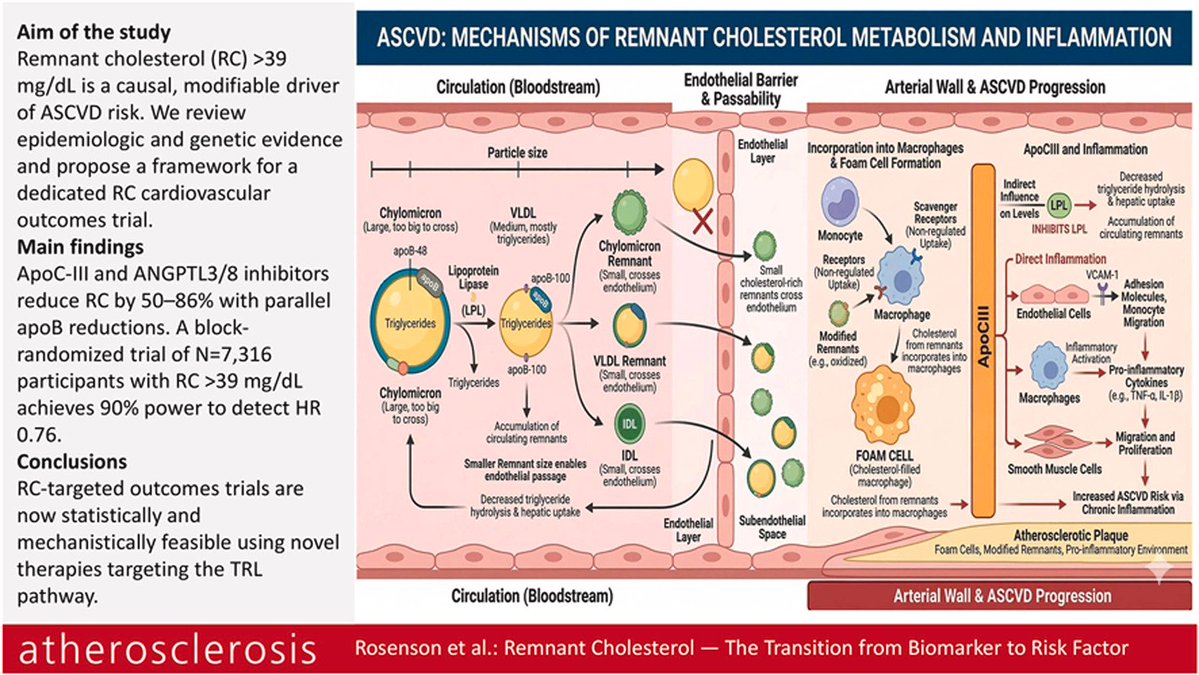
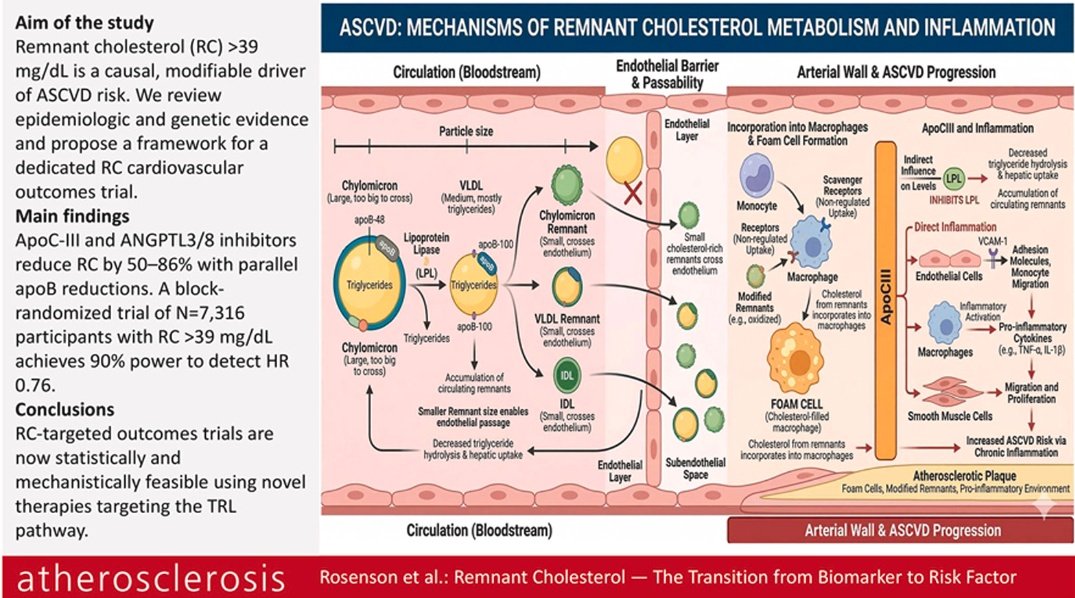
Remnant cholesterol and particle number of VLDL subfractions in coronary artery disease: Pros and consUnderstanding the Emerging Role of Remnant Cholesterol & VLDL Subfractions in Coronary Disease 👉Growing evidence from large epidemiological cohorts and Mendelian randomization has reframed our understanding of triglyceride-rich lipoproteins. 👉Beyond LDL, VLDL particles and their cholesterol content (remnant cholesterol) have emerged as independent, causal contributors to atherosclerosis and coronary artery disease. 👉The new review by Johansen et al. provides an in-depth synthesis of the metabolic heterogeneity of VLDL subfractions and their relevance for cardiovascular risk assessment. Below are the core academic insights. 🔍 Key Academic Insights 1⃣VLDL cholesterol is strongly linked to MI and CAD, more so than its triglyceride content. 2⃣Cholesterol delivered by VLDL cannot be catabolized and accumulates within the arterial wall, driving foam-cell formation and plaque progression. 3⃣VLDL particles are highly heterogeneous. Larger VLDL carry disproportionately more cholesterol per particle and demonstrate greater per-particle atherogenicity than LDL, highlighting the importance of subfraction analysis. 4⃣Calculated remnant cholesterol (TC − LDL-C − HDL-C) is practical and widely accessible, but fails to capture variability in size, density, and lipid composition across VLDL subclasses. Its precision depends heavily on the method used to estimate LDL-C. 5⃣NMR spectroscopy enables detailed quantification of VLDL particle number, size, and cholesterol distribution, revealing metabolic signatures invisible to standard lipid panels. However, cost, limited availability, and methodological inconsistencies restrict its clinical integration. 6⃣Observational and genetic studies consistently show that higher VLDL cholesterol and higher VLDL particle number are associated with increased risk of myocardial infarction and coronary artery disease, even after accounting for LDL-C and apoB. 7⃣Per-particle analyses demonstrate striking gradients: the largest VLDL subfractions exhibit markedly higher atherogenicity compared with smaller VLDL, IDL, or LDL particles—reinforcing that particle size and cargo matter. Clinical implications: Remnant cholesterol remains a strong, scalable marker for routine care, while advanced VLDL profiling may offer additional precision in individuals with diabetes, obesity, metabolic syndrome, or discordant lipid phenotypes. 📌 Take-Home Message VLDL particles—and the cholesterol they transport—play a central and underestimated role in atherogenesis. While remnant cholesterol is an accessible and powerful marker, understanding the distribution and particle number of VLDL subfractions may open the door to more refined cardiovascular risk stratification, especially in metabolically complex patients. Open Access 🔗atherosclerosis-journal.com/article/S0021-… @society_eas @ATHjournal @BNordestgaard
Pablo Corral MD tweet mediaPablo Corral MD tweet mediaPablo Corral MD tweet mediaPablo Corral MD tweet media
English
6
23
84
8.3K
Atherosclerosis retweetledi
Pablo Corral MD
Pablo Corral MD@drpablocorral·
🚨 New publication alert 🙌Our last manuscript is published in @ATHjournal : “Lipid-Lowering Therapies in Chronic Kidney Disease: A Call to Action.” 👉Key highlights: 1⃣CKD is a major and independent risk factor for ASCVD. 2⃣CKD patients are still underrepresented in LLT trials. 3⃣Current recommendations rely on extrapolated data from non-CKD populations. 4⃣It’s time to move from exclusion to inclusion — we need dedicated and inclusive studies for advanced CKD. 5⃣A coordinated effort from clinicians, researchers, industry, and regulators is essential. 👆 “It’s time to bring CKD patients from the margins to the center of cardiovascular prevention.” 🔗atherosclerosis-journal.com/article/S0021-… 👉Grateful to @JaimeMazonRuiz for his leadership and for inviting me to join this important collaboration @society_eas
Pablo Corral MD tweet mediaPablo Corral MD tweet media
English
2
30
73
5.8K
Atherosclerosis retweetledi
Pablo Corral MD
Pablo Corral MD@drpablocorral·
👉Not all fibrates are created equal — and it’s time we stop pretending they are. 1️⃣ Decades of data, one clear message: fenofibrate stands alone in lowering apoB, non-HDL-C, and triglycerides — the true drivers of residual cardiovascular risk. 2️⃣ Pemafibrate? Potent in the lab, powerless in outcomes. 3️⃣ Gemfibrozil? Obsolete — interactions and limited efficacy. 4️⃣ Bezafibrate? Inconsistent. 5️⃣ Fenofibrate remains the only fibrate with hard-endpoint data, microvascular protection, and long-term safety in combination with statins. ☝️Fibrates are not interchangeable — biology and outcomes both prove it. 💡 It’s time to rethink how we treat atherogenic dyslipidemia. 🔗 atherosclerosis-journal.com/article/S0021-… @society_eas @ATHjournal
Pablo Corral MD tweet media
English
9
43
126
7.5K
Atherosclerosis retweetledi
Pablo Corral MD
Pablo Corral MD@drpablocorral·
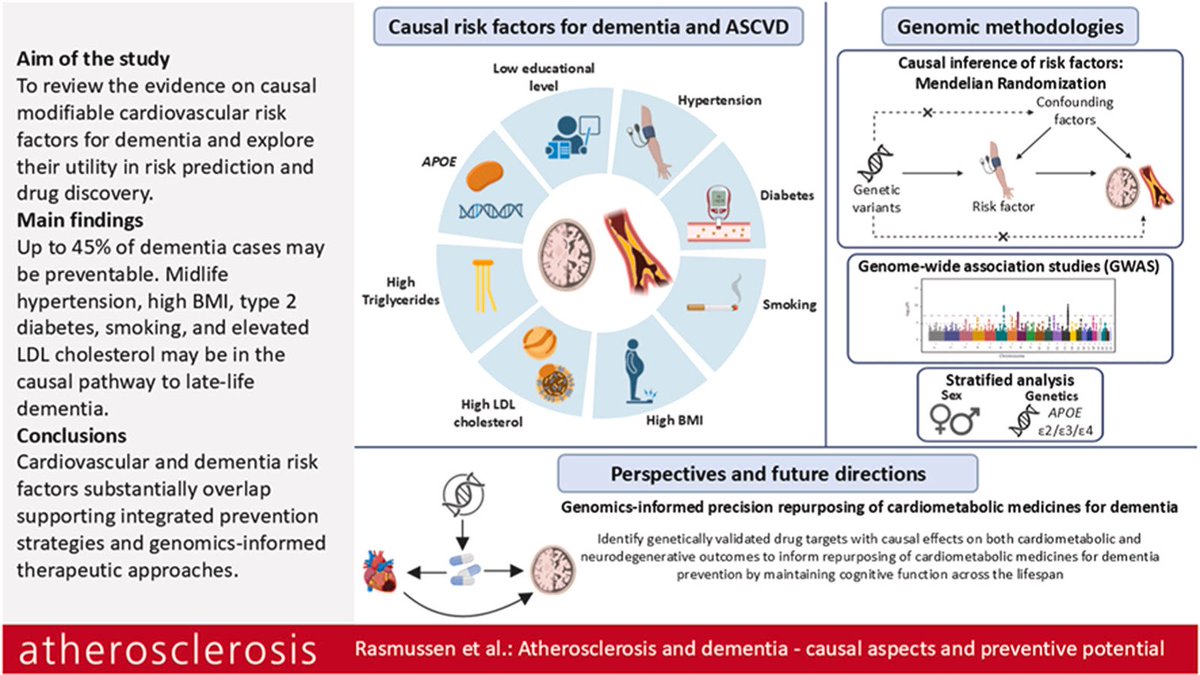
👉Metabolic dysfunction-associated steatotic liver disease, cardiometabolic risk factors, and CVD 🫀MASLD: not just a liver disease 👉Nearly 40% of adults worldwide have metabolic dysfunction–associated steatotic liver disease. But what kills most of them isn’t liver failure — it’s cardiovascular disease. 🤔The link? Too much fat in the liver, too much VLDL & remnant cholesterol in the blood. The same dyslipidemia that feeds atherosclerosis. ☝️MASLD is a cardiometabolic disease — what happens in the liver doesn’t stay in the liver. 🔗 Open Access atherosclerosis-journal.com/article/S0021-… @society_eas @ATHjournal @BNordestgaard
Pablo Corral MD tweet mediaPablo Corral MD tweet mediaPablo Corral MD tweet mediaPablo Corral MD tweet media
English
2
102
293
14.1K
Atherosclerosis retweetledi
Pablo Corral MD
Pablo Corral MD@drpablocorral·
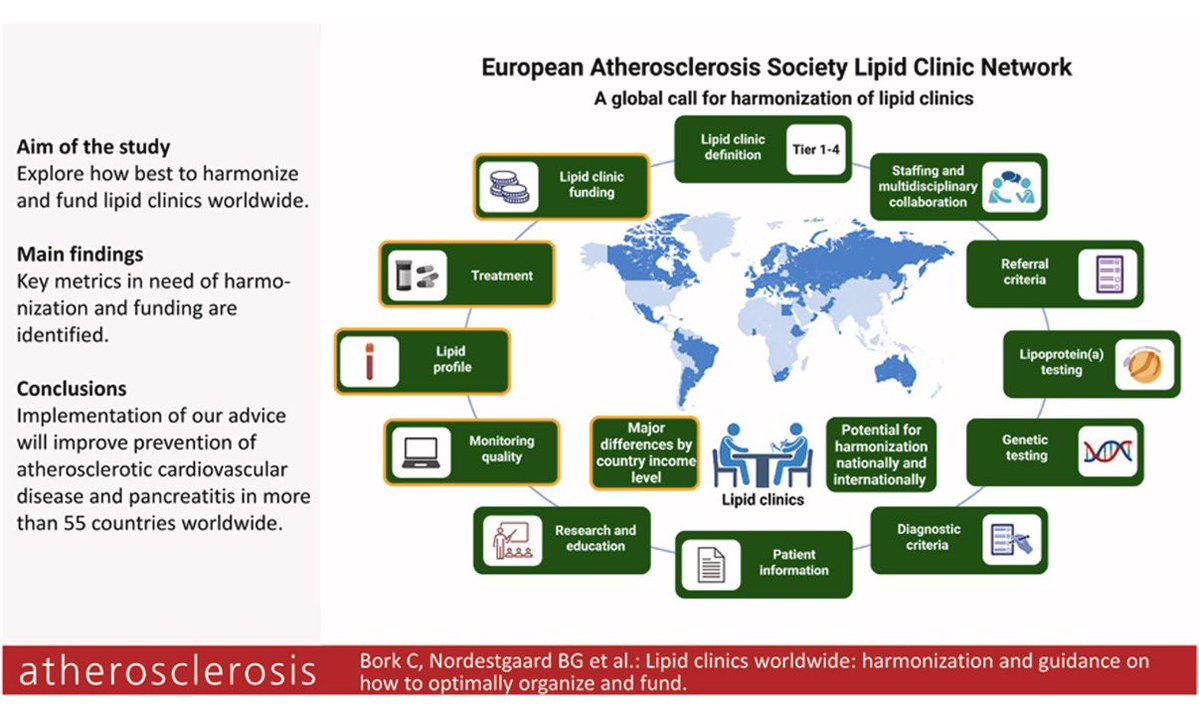
🙌🏼 State-of-the-art review: 👉Triglyceride-rich lipoproteins, remnants and atherosclerotic cardiovascular disease: What we know and what we need to know ☝️This comprehensive review dissects the biological complexity and clinical significance of triglyceride-rich lipoproteins (TRLs) and their remnants in the context of atherosclerotic cardiovascular disease (ASCVD). ☝️Genetic and mechanistic data confirm that TRL remnants are more atherogenic per particle than LDL, driven by enhanced arterial wall retention, pro-inflammatory lipid cargo, and endothelial dysfunction. Yet, clinical trials lowering triglycerides have yielded inconsistent cardiovascular benefits, reflecting the structural and metabolic heterogeneity of TRL particles and their dynamic remodeling into cholesterol-enriched forms. ☝️The authors emphasize critical unmet needs: •Identification of TRL subspecies and bioactive lipid components most responsible for vascular injury. •Development of refined biomarkers of TRL-related atherogenicity. •Adoption of precision medicine strategies targeting individual TRL profiles. ☝️Ultimately, advancing TRL science will require integrating lipidomics, genetics, and systems biology to close the gap between triglyceride lowering and tangible ASCVD risk reduction. @society_eas @ATHjournal 🔗atherosclerosis-journal.com/article/S0021-…
Pablo Corral MD tweet media
English
5
44
156
8.5K
Atherosclerosis retweetledi
Pablo Corral MD
Pablo Corral MD@drpablocorral·
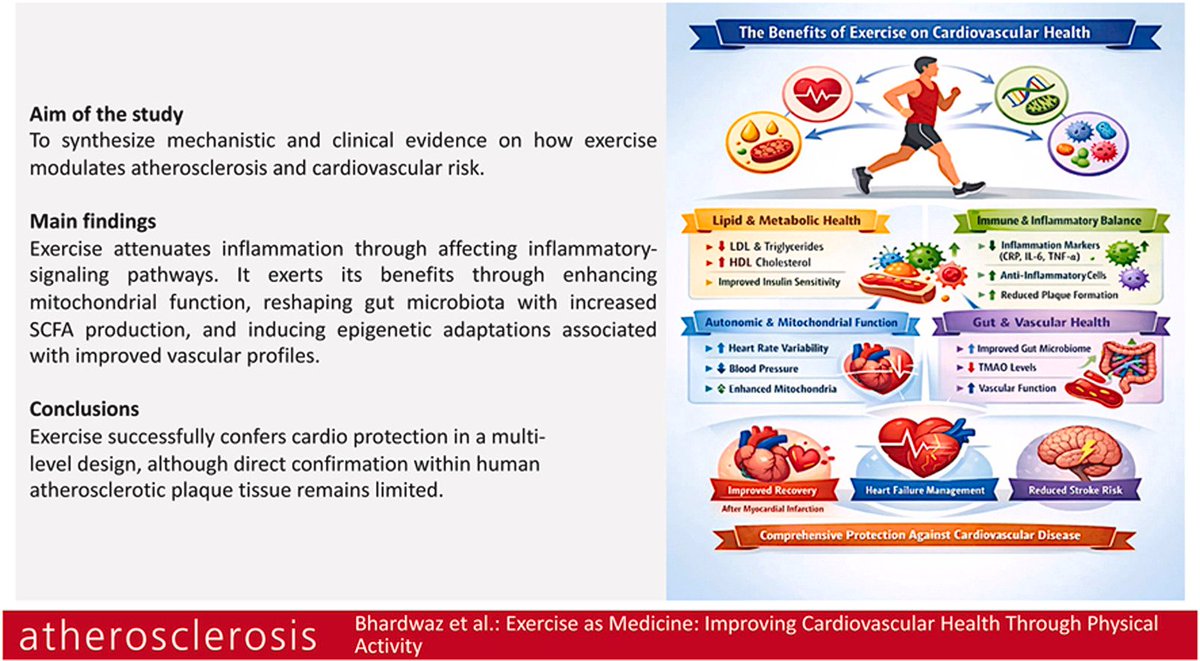
👉Understanding MASLD — from molecular pathogenesis to cardiovascular risk: A concise review for the clinical cardiologist MASLD not only drives liver injury but also worsens lipid metabolism, fueling atherogenic dyslipidemia: ↑ VLDL, small dense LDL, dysfunctional HDL. The review in @ATHjournal highlights that: •Statins are both safe and effective in MASLD, yet underprescribed. •Ezetimibe and pemafibrate may improve lipid profile and hepatic parameters. •GLP-1RAs and SGLT2i show dual benefit on liver fat, cardiometabolic risk, and CVD outcomes. •Emerging agents (resmetirom, lanifibranor) target both hepatic fibrosis and lipid metabolism. ☝️Take-home: lipid-lowering therapy remains central in MASLD management, but must be integrated with newer agents for optimal cardio-hepatic protection . 🔗 doi.org/10.1016/j.athe… @society_eas
Pablo Corral MD tweet mediaPablo Corral MD tweet mediaPablo Corral MD tweet mediaPablo Corral MD tweet media
English
5
81
239
15.6K